1. Introduction
Air pollution has become an environmental concern of great importance in many developing countries, due to its substantial health (Zhang et al., Reference Zhang, Zheng, Tong, Shao, Wang, Zhang, Xu, Wang, He, Liu, Ding, Lei, Li, Wang, Zhng, Wang, Cheng, Liu, Shi, Yan, Geng, Hong, Li, Liu, Zheng, Cao, Ding, Gao, Fu, Huo, Liu, Liu, Yang, He and Hao2019) and socioeconomic costs (Barwick et al., Reference Barwick, Li, Lin and Zou2024a). Addressing this environmental issue requires collaborative efforts from all stakeholders in civil society. Although the government plays a crucial role in the implementation of formal environmental regulations, it is widely recognized that comprehensive informal regulation of air pollution also relies on broad public supervision and participation (Kathuria, Reference Kathuria2007; Buntaine et al., Reference Buntaine, Greenstone, He, Liu, Wang and Zhang2024; Barwick et al., Reference Barwick, Li, Lin and Zou2024a). For instance, Kathuria (Reference Kathuria2007) underscored the role of the press as an informal regulator, demonstrating how sustained pressure from media outlets led to a decline in pollution levels in India. Similarly, Buntaine et al. (Reference Buntaine, Greenstone, He, Liu, Wang and Zhang2024) illustrated how citizen participation significantly reduced violations and emissions in China. These studies highlighted the pivotal role of environmental information in shaping public awareness and perceptions of air pollution.
Despite recent improvements in public access to environmental information, there remains a lack of understanding about how people interpret such information. In particular, the emotional tone conveyed in the news media on environmental issues can profoundly influence public perceptions of air pollution. The idea is that the media employ various emotional tones, including negative (e.g., fear, anxiety, aversion), positive (e.g., hope, enthusiasm) or neutral, when disseminating information on air pollution (Shapiro et al., Reference Shapiro, Sudhof and Wilson2022). These emotional tones can create interpretive contexts and an emotional climate that influences public attention, cognition and actions related to environmental regulation (Menges and Kilduff, Reference Menges and Kilduff2015; Tummers, Reference Tummers2023).
This paper aims to develop this general idea into a theoretical framework in which mass media can take advantage of its emotional tones to assume the role of an informal regulator of air pollution, serving as an environmental watchdog. The theory is based on the growing literature on the use of mass media as a powerful social and political institution (Creed et al. Reference Creed, Hudson, Okhuysen and Smith-Crowe2014; Happer and Philo; Reference Happer and Philo2016). In democratic countries, mass media is usually called the fourth estate or the unofficial fourth branch of government to check on government action and corruption. It has also established significant influences among other institutions on issues such as gun control (Steidley and Colen, Reference Steidley and Colen2017), crime (Di Tella et al., Reference Di Tella, Freira, Gálvez, Schargrodsky, Shalom and Sigman2019), political election (DellaVigna and Kaplan, Reference DellaVigna and Kaplan2007) and stock market (Liu et al., Reference Liu, Sherman and Zhang2014). Hence, mass media assumes the role of a watchdog of public interests by leveraging its gatekeeping and agenda-setting power (Coleman et al., Reference Coleman, McCombs, Shaw, Weaver, Wahl-Jorgensen and Hanitzsch2009).
However, the overall influence of mass media and its institutional function is based on the assumption of free press. Although this assumption may hold in developed countries, it is less apparent in developing nations. According to the 2021 World Press Freedom Index published by Reporters Without Borders, approximately half of all countries worldwide face significant challenges regarding press freedom. Particularly concerning are the situations in developing countries and authoritarian regimes, where press freedom is most restricted.Footnote 1 However, scholars have suggested that the degree of press freedom depends on factors such as local field environment and public demand for uncensored information, which may vary across different contexts and domains (Lei, Reference Lei2016; Chen and Yang, Reference Chen and Yang2019). The extent to which mass media in developing countries can critically report on environmental issues and their impact on air pollution remains an empirical question requiring investigation.
We empirically test the proposed theory in the context of China’s “war on air pollution”. As the largest developing country with a serious air pollution problem, China launched a comprehensive campaign against air pollution in 2013. Nationwide programs such as real-time air quality monitoring and disclosure were implemented to improve public access to environmental information (Greenstone et al., Reference Greenstone, He, Li and Zou2021).Footnote 2 Consequently, media reports on air pollution issues have proliferated, both in traditional and online outlets, contributing to an intensified emotional climate surrounding air pollution in China (Barwick et al., Reference Barwick, Li, Lin and Zou2024a). In this context, our study addresses two primary questions: (1) How does mass media employ emotional tones to align with government’s policy agenda and affect air quality in China? and (2) What are the key mechanisms underlying the functions of mass media as an environmental watchdog at the local level?
To address these questions, we collect daily data on emotional tones in Chinese mass media coverage of environmental news sourced from the Global Database of Events, Language and Tone (GDELT).Footnote 3 We merge this data set with daily monitoring data on air pollution at the city level and other data sets such as meteorological data, daily financial data, the Baidu index, environmental policy and pollution emissions data from firms to construct a comprehensive and high-frequency database for empirical tests. To mitigate endogeneity concerns related to emotional tones, we leverage the discontinuity created by the Chinese government’s announcement of the “war on air pollution” in 2018 to implement a regression discontinuity design approach.
Our empirical analysis elucidates a significant correlation between the emotional tone of mass media coverage on environmental issues and air pollution levels in Chinese cities. Specifically, a negative tone is associated with a reduction in air pollution, whereas a positive tone correlates with an increase in air pollution. The findings are consistent across various pollutants and withstand multiple robustness checks. Notably, this environmental watchdog effect of mass media can be ascribed to heightened public attention, intensified government policy measures, and decreased emissions from firms at the local level. These insights necessitate a critical examination of public policy design and implementation that encourages broader public engagement in combating air pollution, extending beyond the Chinese context.
Our study contributes to several strands of literature. Firstly, we advance the literature on the influences of mass media on public environmental governance. Previous studies have highlighted mass media’s function as a political watchdog in various domains (Besley and Burgess, Reference Besley and Burgess2002; DellaVigna and Kaplan, Reference DellaVigna and Kaplan2007; Di Tella et al., Reference Di Tella, Freira, Gálvez, Schargrodsky, Shalom and Sigman2019, Harmon, Reference Harmon2019). We extend this literature by theorizing that the mass media employs emotional tones to act as an environmental watchdog, supported by rigorous empirical evidence from the Chinese context.
Secondly, our study broadens our understanding of information-based instruments in environmental governance. Drawing on the literature on environmental information disclosure (Ito and Zhang, Reference Ito and Zhang2020; Tu et al., Reference Tu, Zhang, Xu and Lu2020; Barwick et al., Reference Barwick, Li, Lin and Zou2024a), we highlight that the interpretation of environmental information is crucial to shaping public perception of environmental issues. Our detailed analysis illustrates that the emotional tones of environmental news play a key role in driving institutional change, ultimately leading to improved environmental outcomes.
Lastly, our study also contributes to the debates on press freedom in China (Chen and Yang, Reference Chen and Yang2019; Roberts, Reference Roberts2020; Hope et al., Reference Hope, Li, Li and Wu2021). Although previous studies have questioned press freedom in China, the answer is not black and white, and the situation of press freedom varies over time and across domains. Our study sheds light on nuanced changes in press freedom in the new media environment and highlights that greater freedom of expression and criticism of mass media can support the Chinese government in winning the “war on air pollution”.
The rest of the paper proceeds as follows. Section 2 introduces the theoretical background. Section 3 describes the data and empirical methods applied in this study. Section 4 presents the empirical results. Section 5 discusses and concludes the paper.
2. Theoretical framework
In China, mass media are often perceived as a political apparatus of the party-state, owned, funded and controlled by the government (Chen and Yang, Reference Chen and Yang2019; Roberts, Reference Roberts2020; Hope et al., Reference Hope, Li, Li and Wu2021). However, despite being under government control, mass media has gradually gained more flexibility and freedom to report and discuss issues related to air pollution. It operates within a complex framework of political and commercial interests when reporting on air pollution. On the one hand, the Chinese government has a political interest in increasing the media coverage of air pollution to combat it. The government recognizes that addressing air pollution requires broad public participation and support for environmental policies. Thus, the mass media can align with the government’s agenda by positively portraying environmental policies, emphasizing emotions such as pride and optimism to garner public support for stringent regulation of air pollution (Tong, Reference Tong2014). On the other hand, mass media outlets also have commercial interests in reporting on air pollution. Media discourse highlighting the health risks associated with air pollution can provoke public reactions of worry and anxiety (Sunstein and Zeckhauser, Reference Sunstein and Zeckhauser2011). Emotional tones of fear and urgency can lead to avoidance behaviours such as purchasing air purifiers and masks, which can financially benefit media companies (Ito and Zhang, Reference Ito and Zhang2020; Barwick et al., Reference Barwick, Li, Lin and Zou2024a).
Furthermore, mass media surveillance plays a crucial role in addressing the principal-agent problem inherent in decentralized environmental governance. Within the realm of authoritarian environmentalism, extensive research has focused on central-local interactions in environmental governance, highlighting the inadequate enforcement of central environmental policies by local governments as a contributing factor to China’s poor air quality. For example, Wang et al. Reference Wang, Mamingi, Laplante and Dasgupta2003 have revealed that local governments often prioritize local economic development over environmental concerns, leading them to shield local polluting firms from environmental regulations. Even more concerning, (Ghanem and Zhang, Reference Ghanem and Zhang2014) suggested that local governments can manipulate self-reported air pollution data in the absence of central supervision. In this context, mass media coverage and reporting on local air pollution conditions serve as informal but essential tools of social supervision. By spotlighting environmental issues, mass media surveillance helps detect and expose local government misconduct, thus fostering greater transparency and accountability in environmental enforcement. Based on the discussion above, we formulate the hypothesis as follows.
Hypothesis 1 (H1). Mass media, in alignment with the government policy agenda, leverages its emotional tones to serve as an informal regulator of air pollution, thereby contributing to the regulation of air pollution.
Hypothesis 1 suggests that mass media employs emotional tones to influence the regulation of air pollution. On the one hand, the use of emotionally charged framing, particularly expressions of anger, fear, urgency, or moral outrage, in media coverage of air pollution can significantly elevate the perceived environmental risk among the public. On the other hand, emotional tone in mass media also plays a crucial policy signalling and agenda-setting role. When media narratives are aligned with government policy priorities, emotionally framed reporting can be strategically deployed to prime public acceptance of stricter environmental regulations. This facilitates smoother policy implementation and indirectly fosters regulatory compliance, even in contexts characterized by weak regulatory enforcement.
It is worth noting that different emotional tones in media coverage of air pollution can produce contrasting effects on environmental outcomes. When mass media exhibits strong alignment with government narratives – whether due to state ownership, financial dependence through subsidies, regulatory constraints or ideological convergence – it often adopts a positively biased framing of environmental issues. This dynamic is consistent with the media capture theory (Besley and Prat, Reference Besley and Prat2006), which posits that governments can exert indirect control over information dissemination to sustain political legitimacy and public support.
The use of positive emotional tones in environmental reporting may attenuate the perceived severity of pollution or exaggerate the effectiveness of existing policy. Drawing on framing theory (Entman, Reference Entman1993), such portrayals can shape public interpretation by presenting pollution as being under control, thereby diminishing the perceived need for regulatory intervention.
As a consequence, a content or complacent public is less inclined to engage in forms of civic pressure (Gentzkow and Shapiro, Reference Gentzkow and Shapiro2006). In the absence of strong societal demand for environmental accountability, both policymakers and polluting firms face reduced political and reputational costs associated with environmental degradation. This weakened informal regulatory pressure may lead firms to internalize lower pollution-related costs, ultimately resulting in reduced incentives for pollution abatement and a deterioration in environmental quality. We further depict Hypothesis 1a.
Hypothesis 1a (H1a). Mass media, through the utilization of positive emotional tones, serves as a mouthpiece for the government. This diminishes public demand for environmental regulation, resulting in increased air pollution levels.
In contrast to positive emotional tones, negative emotional tones – characterized by expressions of fear, anger or indignation – tend to elicit stronger psychological and behavioural responses. These emotions are more cognitively salient, persist longer in public memory, and are more likely to propagate rapidly across digital platforms, thereby increasing the virality and visibility of environmental issues. This increased emotional engagement fosters a more intense and widespread bottom-up demand for environmental accountability and policy action.
As public concern escalates, governments face rising political costs of environmental inaction, particularly in regimes sensitive to public opinion or social stability. In response, policymakers are incentivized to adopt more stringent environmental regulations, increase the frequency and scope of pollution inspections, impose harsher penalties on violators, and promote investment in clean technologies and renewable energy sources.
This enhanced regulatory environment, combined with sustained public scrutiny, encourages firms to proactively improve their environmental performance. Firms may voluntarily adopt cleaner production processes, invest in green technologies or enhance compliance with environmental standards to mitigate reputational risks and align with shifting social expectations. These behavioural adjustments can contribute to reductions in air pollution levels, even in contexts where formal regulatory capacity is limited. We thus formulate Hypothesis 1b.
Hypothesis 1b (H1b). Mass media, through the utilization of negative emotional tones, serves as an environmental watchdog. This fosters a higher social demand for environmental regulation, resulting in the reduction of air pollution levels.
To gain a deeper understanding of the role of mass media, we anticipate that mass media will fulfil the role of an environmental watchdog through various channels. The first channel is through shaping public perceptions and behaviours in response to heightened risk awareness. Mass media coverage of air pollution events, when infused with negative emotional tones such as fear, anxiety or moral indignation, plays a critical role in capturing public attention and intensifying the salience of environmental hazards. According to media effects theory and the agenda-setting literature (Coleman et al., Reference Coleman, McCombs, Shaw, Weaver, Wahl-Jorgensen and Hanitzsch2009), emotionally charged content generates more cognitive engagement, increases the likelihood of message retention, and significantly alters the perceptions of environmental risks of the public.
Exposure to negative emotional stimuli in mass media content has been empirically shown to induce affective responses which motivate behavioural adjustments aimed at mitigating personal risk. As noted in Barwick et al. (Reference Barwick, Li, Rao and Zahur2024b) and Ito and Zhang (Reference Ito and Zhang2020), people exposed to alarming air quality reports tend to engage in avoidance behaviours, such as wearing masks or using air purifiers. As people internalize the negative externalities of their own consumption patterns, they may also alter daily routines in environmentally beneficial ways, such as reducing non-essential travel, increasing reliance on public or non-motorized transport, lowering household energy use, or participating in local environmental initiatives (Xie et al., Reference Xie, Yuan and Zhang2023; Gao and Tavoni, Reference Gao and Tavoni2024). These behavioural changes reflect private mitigation efforts, which may not only reduce individual exposure but also lead to a downward adjustment in aggregate pollution levels, particularly in densely populated cities. The public channel can be formulated as Hypothesis 2a.
Hypothesis 2a (H2a). Mass media, acting as an environmental watchdog, leverages its emotional tones to improve air quality by raising public awareness of air pollution.
The second channel operates through a political feedback loop, wherein mass media emotional tone mobilizes collective societal concern, increasing public demand for government intervention. As citizens become more aware of the health and economic costs of air pollution, and as emotional media content amplifies this urgency, political actors face mounting pressure to respond.
Mass media plays a crucial intermediary role in this process by translating diffuse public concerns into concentrated political signals. Through editorials, opinion pieces, interviews with experts and investigative journalism, the media can frame air pollution not just as an environmental issue, but as a crisis of governance and accountability (Soroka et al., Reference Soroka, Farnsworth, Lawlor, Young, Araral, Fritzen, Howlett, Ramesh and Wu2012). In doing so, it shapes both the public agenda and the policy agenda, pushing air quality management to the forefront of political discourse. Bertelli and Sinclair (Reference Bertelli and Sinclair2015) demonstrated how the prominence of the media could influence the bureaucratic response by altering perceived political risks of inaction.
Moreover, in countries with centralized control of media narratives, emotional framing can also serve a strategic function for the state. By allowing a controlled degree of public expression and concern, authorities can gauge social discontent and preemptively adjust policies to avoid social unrest. In this sense, the media become both a barometer and an amplifier of environmental discontent, acting as a conduit between civil society and the state. The policy mechanism is formulated as Hypothesis 2b.
Hypothesis 2b (H2b). Mass media, acting as an environmental watchdog, leverages its emotional tones to improve air quality by advocating for stringent environmental policy.
The third channel highlights the supply-side behavioural response of polluting firms, driven by a combination of social pressure, regulatory enforcement, and information dissemination facilitated by mass media. As public and government concerns about air pollution intensify, firms face rising external pressures to improve environmental performance. These pressures can take the form of reputational risks, changing consumer preferences, investor scrutiny, or heightened regulatory compliance costs. However, the effectiveness of firm-level responses depends on the accessibility and credibility of environmental information, where mass media plays a central role.
By actively covering environmental policy developments, emission targets, new regulations, technological solutions, and best practices, mass media reduces information asymmetry between regulators, firms, and stakeholders. As shown in Nguyen et al. (Reference Nguyen, Calantone and Krishnan2020), firms that are better informed about regulatory enforcement and technological pathways are more likely to internalize environmental risks and adapt accordingly.
Moreover, by amplifying public discourse and publicizing cases of corporate environmental misbehaviour, media reporting also enhances transparency and external monitoring. This deters opportunistic pollution practices by increasing the probability that environmental violations will be noticed and sanctioned, either by regulators or by civil society actors. Firms are particularly sensitive to media-driven scrutiny and tend to respond preemptively to safeguard their reputation and market value. The interaction between social demand, regulatory action and media-facilitated information dissemination creates a comprehensive incentive structure that promotes firm-level behavioural change. This channel is summarized as Hypothesis 2c.
Hypothesis 2c (H2c). Mass media, acting as an environmental watchdog, leverages its emotional tones to improve air quality by encouraging the reduction of air emissions from polluting firms.
Note that all the above hypotheses regarding the environmental watchdog role of mass media can be empirically tested by estimating the relationship between mass media coverage and air quality. As discussed earlier, our focus will be on the emotional tones conveyed in media coverage, examining both the causal impact and the underlying mechanisms.
3. Data and methods
3.1. Data
3.1.1. Mass media data
We use the GDELT project to collect mass media information on air pollution in China in 2018.Footnote 4 The dataset includes articles, mainly in Chinese, from major national media outlets (e.g., China Daily, Xinhua News), both print and digital.
We extract emotion-related metrics using BigQuery, including the emotional tone (our main variable), the share of words with positive or negative emotional connotations (named positive or negative scores), and polarity. Emotional tone is computed as the difference between positive and negative scores and typically ranges from  $-$10 to +10. In our sample, tone averages
 $-$2.7 (min:
 $-$14.4; max: 4.0), reflecting predominantly negative sentiment. Positive and negative scores represent the respective share of emotionally charged words, with means of 2.6 and 5.3, respectively. Polarity, defined as the sum of positive and negative scores, indicates the degree of emotional charge in the article regardless of direction. A high polarity with a neutral tone implies a balanced yet emotionally intense article. On average, polarity is 8 per cent. These emotional metrics are calculated using emotional dictionaries via the Global Content Analysis Measures system. We also use the number of words per article (mean: 576), the daily count of articles on air pollution, and the daily share of articles from official media sources (mean: 50 per cent).
Further documentation, including article examples, word clouds and keyword network graphs, and examples of articles containing words associated with positive and negative connotations are given in online appendix A.3.
3.1.2. Air pollution data
We use daily air pollution data from two sources for the year 2018. First, we rely on city-level monitoring data from the China National Environmental Monitoring Center, covering approximately 300 cities. Second, as a robustness check, we use high-resolution pollution data from the Chinese Air Quality Reanalysis dataset (Kong et al., Reference Kong, Tang, Zhu, Wang, Li, Wu, Wu, Chen, Zhu, Wang, Liu, Wang, Chen, Pan, Song, Li, Zheng, Jia, Lu, Wu and Carmichael2021), which provides pollutant surface fields at a 15 km spatial and 1-hour temporal resolution, aggregated at the county-day level.
We focus on four major pollutants: PM2.5, PM10, NO2 and SO2, primarily emitted by fossil fuel combustion and industrial processes. Concentrations are measured in 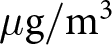 $\mu\mathrm{g}/\mathrm{m}^{3}$. Summary statistics are presented in table A1; further details on data processing and national standards are available in online appendix A.3.
3.1.3. Weather data
To control for meteorological conditions affecting air quality, we use daily weather data from over 800 stations provided by the China Meteorological Data Sharing Service (http://cdc.cma.gov.cn/). Variables include daily maximum and minimum temperature, wind speed and type of weather. Data are aggregated at the city level. Summary statistics appear in table A1.
3.1.4. Financial data
The variables of the daily media, especially the emotional tone, can reflect the daily economic environment. When economic conditions improve, the emotional tone can also rise. Journalists may use words with positive connotations in response to the favorable economic context. We thus include four daily financial indicators to control for economic conditions: the Shanghai Composite Index, energy prices, the USD/RMB exchange rate, and the Shanghai Interbank Offered Rate (Shibor). These data are sourced from the Wind database (https://www.wind.com.cn/). Table A1 reports descriptive statistics; see online appendix A.3 for details.
3.1.5. Baidu index
To proxy public awareness of pollution (H2a), we use the Baidu Search Index, which measures daily search intensity for pollution-related keywords on China’s dominant search engine. We track 14 top keywords grouped into three categories (e.g., health, air quality, general pollution), aggregated at the city-day level and normalized by population. See online appendix A.3 for keyword details and methodology.
3.1.6. Intensity of environmental policy
To test H2b, we use the environmental policy intensity index developed by Zhang et al. (Reference Zhang, Gao, Li, Su, Chen and Lin2022), based on the machine-learning classification of central government policies over time. We restrict the dataset to 69 policies issued in 2018, which are categorized into command-control, market-based, and public participation types. Intensity scores reflect the degree of regulatory stringency. Online appendix A.3 provides the full list of policies and methodological details.
3.1.7. Corporate emissions
To test H2c, we use daily NOx emissions data from China’s Continuous Emission Monitoring System (CEMS), which covers approximately 900,000 firms. The data, collected by the Institute of Public and Environmental Affairs, are aggregated at the city level. Summary statistics are reported in table A1; details on CEMS and aggregation procedures are provided in online appendix A.3.
3.2. Empirical strategy
3.2.1. Baseline model
We elaborate on our empirical methodology to test hypothesis H1. The econometric model is specified as follows:
 \begin{equation}
Log(Pollution)_{i,t}^{p} = \alpha+\beta\overline{Log(Tone)}_{t-14:t-1} + \overline{M}_{t-14:t-1}\theta + \overline{W}_{t-14:t-1}\gamma + mFE + \varepsilon_{i,t},
\end{equation}
where 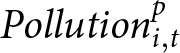 $Pollution_{i,t}^{p}$ represents the concentration of pollutant
 $p$ which is alternatively NO2, SO2, PM2.5 or PM10 (measured in micrograms per cubic meter,
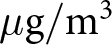 $\mu\mathrm{g}/\mathrm{m}^3$) for city
 $i$ at day
 $t$. Our variable of interest is the daily emotional tone of news media (
 $Tone$) measured by three variables: the emotional tone, the positive score, or the negative score. According to Hypotheses H1, H1a and H1b, we assume that
 $\beta$ is positive for the three variables of emotional tone. To facilitate interpretation, we transform
 $Tone$ using a signed logarithmic function:
 $\text{Log($Tone$)}_{t} = \text{Sign($Tone_{t}$)}*\text{Log(|$Tone_{t}$|+1)}$. This transformation allows
 $\beta$ to be interpreted as an elasticity. While preserving the sign (positive or negative) of the original emotional tone values with Sign(
 $Tone_{t}$), the logarithmic operation is applied only to the absolute value of
 $Tone$, with the
 $+1$ term preventing negative values.
 $M$ represents a vector of two media control variables: the emotional charge of the article (polarity) and the number of words in the article. All media variables are common to all
 $i$. For all media variables, we consider a two-week average lag to capture all information from these periods.Footnote 5
 $W$ represents a vector of weather conditions: highest and lowest temperatures, type of weather (rainy, sunny, etc.) measured by an index variable, and wind speed. The four weather variables are averaged from
 $t=-14$ to
 $t = 0$.
 $mFE$ refers to multi-level fixed effects including city fixed effects, weekday fixed effects, city
 $\times$ month fixed effects and city
 $\times$ weekday fixed effects.Footnote 6 Standard errors are robust to heteroskedasticity and clustered at the city and province levels to account for serial and spatial correlations.
3.2.2. Regression discontinuity (RD) design
In the baseline model, we regress the concentrations of air pollutants on the emotional tone by considering it exogenous. However, it can be endogenous due to the concerns of simultaneity bias and omitted variables bias, which could plague the estimation of the effect of the tone. Therefore, to isolate a causal impact of the emotional tone of articles on levels of air pollution, we implement a regression discontinuity design (RDD), which has been developed as a quasi-experimental method to estimate causal impacts in various fields, such as education, psychology and economics (Imbens and Lemieux, Reference Imbens and Lemieux2008).
We used the official announcement of the government’s “Three-Year Action Plan” on 27 June 2018 as a cutoff point to separately test whether there were discontinuous changes in emotional tone in news media and air pollution immediately before and after the announcement. The identification strategy relies on three key assumptions. First, we assume that mass media responds immediately to the announcement of the national action plan, potentially influencing air pollution levels through increased media coverage and public awareness. Second, we assume that the implementation of the action plan by local governments typically lags behind the central announcement, meaning that any immediate changes in pollution are unlikely to result from local policy actions unrelated to media influence. To support this assumption, we exclude cities and counties explicitly targeted by the central government’s three-year action plan, as local authorities in these areas may have had prior knowledge of the plan and could have initiated preparatory actions before its official release. Third, we assume that the identification strategy captures only short-term effects, which justifies the use of an RDD.
Specifically, we estimate the following equations with non-parametric local linear regression:
 \begin{equation}
\begin{array}{c}Tone_{t}=\alpha_{0}+\alpha_{1}Announce_{t}+\alpha_{2}Day_{t}+\iota+\omega+\iota \times \tau+ u_{it} \\
\text {s.t. }-h \leq \text {Day}_{t} \leq h \end{array}
\end{equation}
 \begin{equation}
\begin{array}{c}Pollution_{ipt}=\alpha_{0}+\alpha_{1}Announce_{t}+\alpha_{2}Day_{t}+\iota+\omega+\iota \times \tau+ u_{it} \\
\text {s.t. }-h \leq \text {Day}_{t} \leq h \end{array}
\end{equation}
where 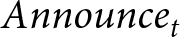 $Announce_{t}$ is an indicator variable of 1 for the period after the announcement of the Three-Year Action Plan.
 $Day_{t}$ is the distance of days within
 $h$ days around the announcement (the running variable). We also include in the model an interaction term of
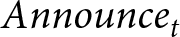 $Announce_{t}$ and
 $Day_{t}$ to make the model flexible, and finally, we control for a set of fixed effects, including fixed effects for city, weekday and city
 $\times$ month.
A central issue surrounding nonparametric estimation in RDD is choosing an appropriate bandwidth ( $-h$ to
 $h$) for analysis. Selecting a narrow bandwidth has the advantage that the treatment effect is estimated with limited bias because the underlying relationship between the outcome and the running variable tends to be linear. However, by reducing the sample size, a narrow bandwidth can also decrease the precision of impact estimates. Also, a narrow bandwidth makes the extrapolation of estimates more difficult as the estimated treatment effect is a local treatment effect (LATE) that generalizes only to units in the range around the cutoff. The choice of bandwidth, therefore, involves a trade-off between estimation bias and statistical power. To select the optimal bandwidth
 $h$, we rely on the robust Calonico, Cattaneo and Titiunik selector proposed by Calonico et al. (Reference Calonico, Cattaneo and Titiunik2014).
Under the critical assumption that any unobserved factors change smoothly over days around the announcement, the estimation of the two equations will provide unbiased estimates of the announcement’s impact on news media emotion and air pollution. The two equations can be combined to develop a 2SLS estimate of the impact of emotion in the news media on air pollution as follows:
 \begin{equation}
\begin{array}{c}Pollution_{ipt}=\beta_{0}+\beta_{1}\widehat{Tone}_{t}+\beta_{2}Day_{t}+\iota+\omega+\iota \times \tau+\varepsilon_{it} \\
\text {s.t. }-h \leq \text {Day}_{t} \leq h \end{array}
\end{equation}
where  $\widehat{Tone}_{t}$ represents the fitted values from equation (1). In the nonparametric setup, the LATE
 $\beta_{1}$ can be estimated by taking the ratio of the estimated discontinuity in air pollution to the estimated discontinuity in media news emotion. We use a “fuzzy RD” approach, considering that the probability of treatment does not change from 0 to 1 at the cutoff point. The fuzzy RD recognizes that the strict dichotomy between treatment and control may be unrealistic due to uncertainties in measuring the threshold variable or unobservable factors affecting treatment assignment. It models this uncertainty and estimates the causal effect while accounting for the probability of being in the discontinuity zone.
4. Results and discussion
4.1. Baseline results
Table 1 reports the estimation results of equation (1).Footnote 7 Two findings are noteworthy. First, the emotional tone (panel A) has a positive and significant effect on the four pollutants, validating Hypothesis H1.
Baseline estimation results

Notes: The dependent variable is the log of air pollutant concentration at the city level. In each specification, control variables not presented are (1) polarity and count (lagged using the same two-week average lag ( $t = -1$ to
 $t = -14$) as the tone variables); (2) highest and lowest temperature, wind and weather (averaged from
 $t=0$ to
 $t = -14$); (3) city fixed effects, weekday fixed effects, city–weekday fixed effects, city–month fixed effects. Clustered standard errors at city and province levels in parentheses.
More particularly, a one per cent increase in emotional tone leads to an increase ranging from 0.14 to 0.24 per cent. To interpret the practical significance of these effects, recall that air pollution is measured in micrograms per cubic meter (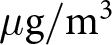 $\mu\mathrm{g}/\mathrm{m}^{3}$). An increase of one standard deviation from the mean in the emotional tone will result in an increase in daily air pollutant levels of 0.69
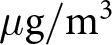 $\mu\mathrm{g}/\mathrm{m}^{3}$ for SO2, 1.78
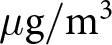 $\mu\mathrm{g}/\mathrm{m}^{3}$ for NO2, 3.58
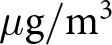 $\mu\mathrm{g}/\mathrm{m}^{3}$ for PM2.5 and 4.96
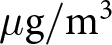 $\mu\mathrm{g}/\mathrm{m}^{3}$ for PM10.Footnote 8 Recall that the sample means of daily pollutant concentration are 28 µg of NO2 per
 $\mathrm{m}^{3}$, 13 µg of SO2 per
 $\mathrm{m}^{3}$, 40 µg of PM2.5 per
 $\mathrm{m}^{3}$ and 74 µg of PM10 per
 $\mathrm{m}^{3}$. Furthermore, the WHO Air Quality Guidelines for one day for NO2, SO2, PM2.5 and PM10 are, respectively, 25, 40, 15 and 45
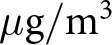 $\mu\mathrm{g}/\mathrm{m}^{3}$.Footnote 9 Except for SO2, Chinese cities experienced significantly higher levels of pollutant concentrations. Our findings are particularly significant with respect to PM2.5. According to WHO guidelines, an increase of about 3.5
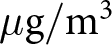 $\mu\mathrm{g}/\mathrm{m}^{3}$ is especially noteworthy.
Second, the estimated effects of the positive (panel B) and negative scores (panel C) suggest the same pattern as for the emotional tone. We find that the two scores impact air pollution in the expected ways, validating Hypothesis H1. An increase in the positive score significantly increases air pollutant concentrations, while an increase in the negative score substantially reduces air pollution. Thus, these results are in the same direction as those found for the emotional tone but suggest that the two parts of the tone (positive and negative) act on air pollution. Individuals react to positive and negative emotions transmitted by online newspaper articles. Moreover, while the two types of emotions influence air pollution, the magnitude of their effects is not the same. In all regressions, negative emotions lead to a greater variation in air pollution than positive emotions. A one per cent increase in the positive score leads to an increase in air pollutant concentrations between 0.21 and 0.38 per cent. In contrast, the same increase in the negative score decreases air pollutant concentration between 0.47 and 0.79 per cent. In terms of practical significance, an increase of one standard deviation from the mean of the positive score will result in an increase in daily air pollutant levels of 0.46 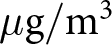 $\mu\mathrm{g}/\mathrm{m}^{3}$ for SO2, 1.12
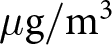 $\mu\mathrm{g}/\mathrm{m}^{3}$ for NO2, 2.53
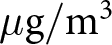 $\mu\mathrm{g}/\mathrm{m}^{3}$ for PM2.5, and 3.07
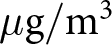 $\mu\mathrm{g}/\mathrm{m}^{3}$ for PM10. In contrast, a one-standard-deviation increase in the negative score from its mean will decrease daily air pollutant levels by 1.11
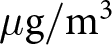 $\mu\mathrm{g}/\mathrm{m}^{3}$ for SO2, 2.71
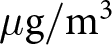 $\mu\mathrm{g}/\mathrm{m}^{3}$ for NO2, 5.37
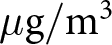 $\mu\mathrm{g}/\mathrm{m}^{3}$ for PM2.5 and 7.39
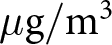 $\mu\mathrm{g}/\mathrm{m}^{3}$ for PM10.Footnote 10
4.2. The dynamic effects of emotional tones
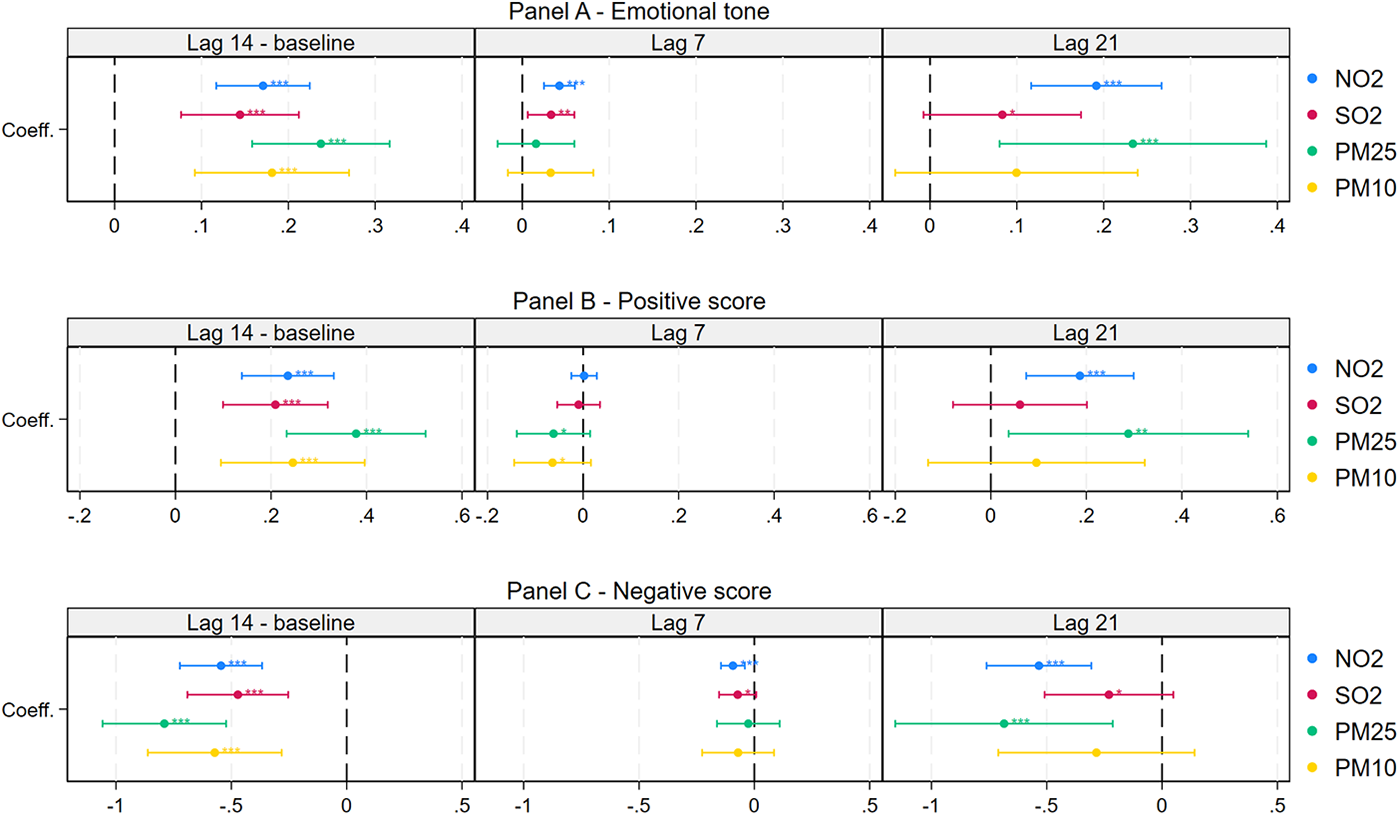
We further examine the effect of emotional tone using different lags. Figure 1 reports estimates with one-week and three-week lags for emotional tone (panel A), the positive score (panel B), and the negative score (panel C). For comparison, the baseline two-week lag coefficients from Table 1 are also included. Online appendix table A5 presents the corresponding regression results.Footnote 11
The estimated effect of tone variables on air pollution using different lags.

Two findings are noteworthy. First, one-week lagged tone variables display weaker and less significant effects compared to two- and three-week lags.Footnote 12 This suggests that media coverage does not translate immediately into environmental outcomes due to delays in information processing, behavioural adjustments and meteorological influences on pollutant dispersion. Moreover, isolated media events may not suffice to trigger significant behavioural or policy responses within a week.
Second, the three-week lagged effects are similar to the two-week results (Table 1), indicating that older articles also influence polluters’ behaviours. However, this pattern may reflect a media “quantity” rather than “quality” effect: the accumulation of articles over time could proxy information volume rather than the tone itself. In the next subsection, we introduce additional controls to disentangle these effects.
4.3. Robustness tests
4.3.1. Adding new control variables
We redo the baseline estimates for all pollutants by adding control variables.Footnote 13
First, we include two additional media variables: (i) the daily number of articles on air pollution, to capture a possible “quantity” effect and (ii) the daily share of articles published by official media (e.g., China Daily, China News Service), to account for potential media–policy interactions. Both variables are lagged by two weeks, consistent with our main specification.
Second, to control for economic conditions that can influence media tone, we add four daily financial indicators: the SSE Composite Index, energy prices, the USD/RMB exchange rate, and the Shanghai Interbank Offered Rate (Shibor).
Table A6 reports the estimated effects of tone (panel A), positive score (panel B), and negative score (panel C).Footnote 14 Results are highly consistent with the baseline: tone and positive score are positively associated with pollutant concentrations, while the negative score exerts the expected negative effect.
4.3.2. Estimates at county level
We redo the previous estimates, but now, at the county level, the third level of the administrative hierarchy after the city and province levels. In table A7, we report the estimated effects of tone (panel A), positive score (panel B), and negative score (panel C).Footnote 15 We observe the same pattern and magnitudes as the estimates at the city level: tone and positive score are associated with an increase in air pollution levels, while the negative score is associated with a decrease.
4.4. RD results
4.4.1. Graphical evidence
To assess the causal impact of media tone on air quality, we implement a fuzzy RD design. We first present graphical evidence to visualize discontinuities at the cutoff (figures A3 and A4 in online appendix). Following Korting et al. (Reference Korting, Lieberman, Matsudaira, Pei and Shen2023), we construct data-driven RD plots with binned sample means, using the integrated mean-squared error criterion to select the number of bins.Footnote 16 The running variable is the number of days from the government announcement on June 27, 2018 of the Three-Year Action Plan against pollution. Based on the optimal bandwidth determined using the approach of Calonico et al. (Reference Calonico, Cattaneo and Titiunik2014) for the RD estimates presented in Table 2, we consider the range of days within 20 days of the announcement date.
RD estimates results

Notes: The estimation sample excludes cities and counties targeted by the government’s June 27 announcement, whose date is used as the cutoff. RD estimates with non-parametric local linear regressions. Conventional local linear regression robust standard errors are clustered at the city level and reported in parentheses. The optimal bandwidth is selected using the approach of Calonico et al. (Reference Calonico, Cattaneo and Titiunik2014). Fixed effects controlled for are city fixed effects, weekday fixed effects, city  $\times$ weekday fixed effects, and city
 $\times$ months fixed effects.
Figure A3 shows a discontinuity in media tone around the announcement date, while figure A4 indicates similar “jumps” for SO2 and NO2, but weaker effects for PM2.5 and PM10. Post cutoff increases in all pollutants likely reflect seasonal patterns: concentrations are high in winter, lower in late spring, and begin rising again in summer (Liu et al., Reference Liu, Zhou and Lu2020). Since the breakpoint (June 27) coincides with this seasonal turning point, part of the observed increase reflects seasonal variation.
These RD plots support the validity of the design, but quantifying the magnitude and significance of tone effects requires regression estimation, which we present next.
4.4.2. Estimate results
Table 2 reports the LATE impact of media tone on air quality, estimated with a fuzzy RD design around the June 27, 2018 government announcement (the Three-Year Action Plan against pollution). We control for city, weekday, city  $\times$ weekday and city
 $\times$ month fixed effects. The estimation excludes cities directly targeted by the plan (Beijing–Tianjin–Hebei, Yangtze River Delta, and Fenwei Plain). Optimal bandwidths are selected using the common coverage error-rate (CER)-based method of Calonico et al. (Reference Calonico, Cattaneo and Titiunik2014), with asymmetric windows before and after the cutoff. Estimates are based on a first-order polynomial and a triangular kernel.Footnote 17
We find a positive and significant impact of media tone on pollution. Coefficients range from 0.29 for NO2 to 8.29 for PM2.5, larger than the baseline results of Table 1.Footnote 18 These stronger effects reflect the salience of the government’s action plan, which imposed stringent environmental measures. As the plan was accompanied by predominantly negative media tone, our results suggest that more negative coverage (lower tone) is associated with reduced pollution.Footnote 19 Overall, the findings support Hypothesis H1.
4.5. Potential mechanisms
4.5.1. Emotional tones and public attention
Hypothesis H2a states that mass media, acting as an informal regulator, influences air quality by modifying public attention and awareness about air pollution through the emotional content of news. To empirically investigate Hypothesis H2a and following Barwick et al. (Reference Barwick, Li, Lin and Zou2024a) and Xie et al. (Reference Xie, Yuan and Zhang2023), we use the Baidu search index for three broad categories of top-searched pollution-related keywords: (1) health concerns and defensive measures (such as “PM2.5 masks”); (2) keywords for the query about air quality (such as “PM2.5 real-time query” or “haze index inquiry”); (3) keywords for literal search on air pollution (such as “haze” and “PM2.5”).
In Table 3, we report the estimated effects of tone (panel A), positive score (panel B) and negative score (panel C) on the three categories of Baidu index.Footnote 20 We observe that tone and positive score are significantly associated with a reduction in the Baidu Index of the three categories (except for the impact of tone on the “query of index” category). In contrast, the negative score has a positive effect on the Baidu Index of the three categories. In conclusion, these results seem to validate Hypothesis H2a.
Emotional tone and Baidu index

Notes: The dependent variable is the log of the Baidu Index (normalized by city population) for health concerns and defensive measures in column (1), query of index in column (2) and literal search in column (3). See appendix table A2 for the list of keywords included in each category of indices. In each specification, control variables not presented are the same as in table A6. Clustered standard errors at the city and province levels in parentheses.
4.5.2. Emotional tones and policy response
A second possible channel of transmission of emotional tone on air pollution may be through environmental policy (Hypothesis H2b). To test this assumption, we used the date of decision of 69 environmental policies of the central government listed in appendix table A3 and the measurement of their intensity calculated by Zhang et al. (Reference Zhang, Gao, Li, Su, Chen and Lin2022).
Table 4 reports the estimated effect of emotional tone (panel A), positive score (panel B) and negative score (panel C) on the intensity of environmental policy (column (1)) and a dummy variable (1 if there was the announcement of an environmental policy) (column (2)). We observe that the emotional tone and the positive score have a negative and significant effect on both the intensity and the probability of the announcement of an environmental policy. In contrast, an increase in the negative score in articles related to air pollution leads to an increase in both the intensity and the probability of the announcement of an environmental policy. In conclusion, these results seem to validate Hypothesis H2b and can be seen as proof of the role of the emotional content of news, in policy change.Footnote 21
Emotional tone and environmental policy change

Notes: The dependent variable is the log of the intensity of the 69 central government’s environmental policies announced in 2018. These policies are listed in appendix table A3. In each specification, control variables not presented are the same as in table A6. Clustered standard errors at the city and province levels in parentheses.
4.5.3. Emotional tones and corporate pollution emissions
To further analyse potential mechanisms, we use data on industrial firms’ nitrogen oxides (NOx) emissions to test Hypothesis H2c, which states that firms adjust their pollutant emissions in response to environmental news emotions through responsible behaviour, with the aim of meeting social expectations and pressure as reflected in the emotional tone of mass media. We also hypothesize that listed companies are more sensitive to public perceptions and awareness about environmental issues, which are reflected in the emotional content of environmental news. We thus estimate the effects of tone on corporate emissions using various subsamples: publicly listed firms (about 1500 listed firms per city, on average) and nonlisted firms (about 7500 nonlisted firms per city, on average).
Table 5 reports the estimated effect of emotional tone (panel A), positive score (panel B) and negative score (panel C). We used three samples of firms: all firms in column (1), publicly listed firms in column (3) and nonlisted firms in column (5). Two findings are noteworthy. First, we observe the same pattern as in the baseline results reported in Table 1. An increase in emotional tone is associated with an increase in NOx emissions, whereas an increase in the negative score leads to a reduction in NOx emissions. Second, we find that NOx emissions from listed firms (column (2)) are more responsive to the three measures of emotional tone than those from nonlisted firms (column (3)). Together, Hypothesis H2c is validated and the emotional content of news improves air quality by encouraging the reduction of polluting firms’ emissions. Although the exact reasons are difficult to discern, it can be assumed that industrial firms adjust their emissions through responsible behaviour to align with social expectations and pressures, as reflected in the emotional tone of mass media.
Emotional tone and corporate emissions

Notes: The dependent variable is the log of industrial firms’ NOx emissions aggregated at the city level. In each specification, control variables not presented are the same as in table A6. Clustered standard errors at the city and province levels in parentheses.
5. Policy recommendations
Drawing on our empirical results, we propose two policy strategies to enhance environmental governance by leveraging the informal regulatory power of mass media. Our analysis demonstrates that emotionally negative news coverage can mobilize both polluters and officials, emphasizing the pivotal role of public pressure in China’s “war on air pollution”. Building on this, we propose the following: (1) institutionalize transparency to empower media oversight and (2) increase public participation and risk communication. These approaches go beyond command-and-control regulation, emphasizing open data, social engagement and institutional design. Based on observed behavioural responses, they reflect lessons from China’s experience and broader international practices in environmental governance.
5.1. Institutionalize transparency to empower media oversight
Formalizing transparency in environmental governance and corporate environmental accountability provides the informational foundations enabling media to act as a credible environmental watchdog. The underlying idea is to ensure accurate and accessible information flows, empowering media to shape environmental governance dynamics. Two complementary pathways emerge from our findings.
First, there is a need to improve transparency in environmental governance. Our results show that emotionally negative media coverage motivates national authorities to strengthen environmental policies. Similarly, in China, Liu et al. (Reference Liu, Buntaine, Anderson and Zhang2025) demonstrate that real-time disclosure mechanisms, such as the Pollution Information Transparency Index, drive regulatory stringency at the city level, creating reputational incentives, reducing corporate violations and improving enforcement outcomes. Therefore, institutionalizing real-time disclosure of emissions and enforcement actions via accessible, independent platforms is essential to empower media and civil society to hold government accountable and strengthen informal regulatory pressure. Second, corporate environmental accountability should be reinforced through expanded disclosure and sustained media scrutiny. Our findings suggest that Chinese firms respond to emotionally negative media coverage by reducing their emissions, indicating sensitivity to public image and the threat of informal sanctions. Policymakers should harness this dynamic by expanding mandatory disclosure requirements related to corporate emissions and regulatory compliance. As such information becomes more readily accessible, the media and civil society can play a stronger role in holding firms accountable, thereby amplifying informal pressure mechanisms. Further measures such as stricter enforcement of green finance guidelines, environmental disclosure regulations, stock exchange requirements, and corporate social responsibility standards could broaden and deepen this impact. Media exposure of both exemplary and harmful corporate behaviour can further reinforce this mechanism. Over time, enhanced transparency and media oversight can cultivate a culture of self-regulation, where firms proactively anticipate societal expectations and act accordingly.
5.2. Strengthen public scrutiny and risk communication to empower media oversight
Our results suggest that emotional media content stimulates public scrutiny, which is essential for the media to fulfill their role as informal environmental regulators. In societies where public scrutiny is strong, the impact of such emotional coverage is amplified. Thus, strengthening public oversight is critical. We propose two complementary pathways.
First, institutionalizing public participation can reinforce this dynamic. Mechanisms such as citizen complaint hotlines, crowd-sourced pollution monitoring apps, public hearings for environmental impact assessments, legal rights to environmental information and a healthy environment, and improved access to environmental justice empower citizens to play a direct role in monitoring and enforcement. Greater public participation transforms emotional momentum from media coverage – such as outrage over major pollution incidents – into sustained policy engagement and regulatory follow-up. Second, risk communication must be transparent and credible to prevent misinformation and public distrust. Lessons from public health communication are instructive. For instance, the World Health Organization’s risk communication framework stresses trust-building, early disclosure of risks, and responsiveness to public concerns (Abraham, Reference Abraham2009). Applying these principles to environmental crises – such as severe smog episodes – requires officials to share data and forecasts openly, explain risks in human terms, and provide clear protective guidance to the public.
6. Conclusion
Our empirical findings confirm that the emotional tone of environmental news coverage significantly influences air quality in Chinese cities. We find that negatively framed media narratives, for instance those conveying fear, anger or indignation, are associated with short-term reductions in several air pollutants. In contrast, a positive tone tends to be correlated with higher levels of pollution. These effects are also substantively significant and consistent in alternative specifications, spatial levels, and causal identification strategies. Our findings indicate that emotionally framed media coverage can activate multiple response channels, including public awareness, regulatory action and corporate behaviour. Our results confirm that rather than serving only as “transporters” of information, mass media emerge as active shapers of environmental governance by modifying agendas through their emotional resonance and public reach. These findings are consistent with previous research highlighting the role of mass media as a powerful social and political institution, capable of driving civic mobilization and political pressure for environmental change, even in settings with limited media autonomy, such as China.
Two important implications can be drawn. The first implication of our study concerns the design and evaluation of information-based environmental tools. Prior research has emphasized the value of transparency and pollution disclosure in shaping public behaviour and firm compliance. Our results show that beyond the availability of air quality data, how pollution information is communicated to the public, particularly its emotional framing, can significantly amplify or dampen its regulatory effect. Our findings highlight the importance for policymakers to consider not only the content but also the emotional framing of environmental information. Emotional framing, particularly when conveying urgency or concern, can enhance public engagement and policy response to environmental issues. The second key implication of our study lies in the role of the mass media as an informal governance actor in authoritarian or institutionally constrained settings such as China. Although much of the literature has treated the media in such regimes as a passive transmission belt or emphasized its lack of autonomy, our findings suggest a more complex role: mass media can simultaneously support official narratives and function as a channel of bottom-up accountability. Even in state-regulated media outlets, emotionally charged narratives that resonate with public sentiment can prompt responses from private and public actors.
Although this study provides novel empirical evidence on the regulatory power of media tone in China’s air pollution governance, it is not without limitations. The analysis is restricted to one year and aggregate measures of media coverage, which may mask local heterogeneity or evolving patterns over time. In addition, despite careful identification strategies, some unobserved confounding factors or anticipatory responses may persist. Finally, the Chinese context, with its unique media landscape and governance structure, may limit the generalizability of our findings. Future research should extend this approach to different periods, regions and institutional settings, and further investigate the interplay between traditional media, digital platforms, and public participation. Understanding these dynamics is essential for designing effective information-based environmental policies and for empowering media as active shapers of environmental governance.
Supplementary material
The supplementary material for this article can be found at https://doi.org/10.1017/S1355770X25100284.
Acknowledgements
We thank Camille Meneur and Alexis Repon for their excellent research assistance, as well as Julien Ah-Pine, Simone Bertoli, Olexiy Kyrychenko, Sylvain Marsat, Peter Neis, Anna Risch, Peng Zhang, and seminar and conference participants at CEE-M (Montpellier University), CERDI, Clerma (ESC Clermont), BSE (Bordeaux University), Nanjing Audit University, 8th FAERE Annual Conference, Asian Economic Development Conference 2022 and the International workshop on the green shift in the global economy (Sapienza University of Rome). We gratefully acknowledge financial support from the National Natural Science Foundation of China (Grant No.72373070), from the Belt and Road National Audit Research Center of Nanjing Audit University and from the French ANR “Investissement d’avenir” program (ANR-10-LABX-14-01).
Competing interests
The authors declare none.