Implications
This paper summarizes the work defining the biological basis for a dry period for dairy cows and the impacts of shortening the dry period or removing it completely from the management scheme for dairy cows. These impacts include effects on body condition score, feed intake, milk yield and composition, colostrum formation and animal health.
Introduction
The dairy industry began to utilize a dry period between lactations in the 1700s (Dix Arnold and Becker, Reference Dix Arnold and Becker1936). However, dry period length (DPL) was quite variable until the 20th century. The length of the dry period was fixed at approximately 60 days during World War II in order to maximize lifetime milk production and genetic progress (Knight, Reference Knight1998). Today, it is generally accepted that a dry period less than 40 days results in reduced milk yield during the next lactation (Remond et al., Reference Remond, Kerouanton and Brocard1997a and Reference Remond, Rouel, Pinson and Jabet1997b). During the last half of the 20th century and first decade of the 21st century, a series of investigators have examined the biological basis for the dry period requirement (see review by Pezeshki et al., Reference Pezeshki, Capuco, De Spiegeleer, Peelman, Stevens, Collier and Burvenich2010). In addition, as milk yield per cow has increased, managing the transition from dry period to lactation has become more challenging and is associated with increased incidence of metabolic diseases, morbidity and mortality. Therefore, a reexamination of the dry period requirement relative to impacts on production and animal health was warranted.
Biological basis for dry period requirement
Four hypotheses have been proposed to explain the necessity of a dry period between successive lactations to maximize milk production in the subsequent lactation in dairy cows (Swanson, Reference Swanson1965; Smith et al., Reference Smith, Wheelock and Dodd1967; Capuco et al., Reference Capuco, Akers and Smith1997). The first hypothesis was based on productivity and body condition and was proposed by Woodward and Dawson in 1926 (cited by Dix Arnold and Becker, Reference Dix Arnold and Becker1936). This hypothesis suggested that a dry period is required for cows to have sufficient body reserves before calving to support optimal milk production in the subsequent lactation. Further, Dickerson and Chapman (Reference Dickerson and Chapman1939) reported a pronounced reduction in the milk yield of undernourished cows with short dry periods (SDP). This hypothesis was disproven by subsequent research showing that even cows with improved BW and 0 or 30-day DPL produce lower milk production compared with 60-day DPL (Swanson, Reference Swanson1965; Lotan and Alder, Reference Lotan and Alder1976). Furthermore, in a half-udder study, reduced milk yield for continuously milked (CM) quarters was observed despite equal nutrient availability to all quarters (Smith et al., Reference Smith, Wheelock and Dodd1967). The second hypothesis proposed that reduced milk production in CM cows or quarters is because of a continuous influence of galactopoietic hormones. This hypothesis was disproved by Smith et al. (Reference Smith, Wheelock and Dodd1967) who, utilizing a within-udder design, demonstrated reduced milk yield in CM quarters compared with control quarters, despite exposure of all quarters to the same endocrine milieu. The third hypothesis suggested that depressed milk yield in cows with modified DPL is due to reduced mammary epithelial cell (MEC) number. This hypothesis was invalidated in later studies (Swanson et al., Reference Swanson, Pardue and Longmire1967; Capuco et al., Reference Capuco, Akers and Smith1997) that demonstrated no differences in dry fat-free tissue weight, DNA concentration, total DNA content or number of alveoli per tissue section in quarters from cows with 6 week differences in DPL. These authors suggested that reduced milk in CM quarters can be attributed to decreased secretory activity per unit of mammary secretory tissue and physiological factors affecting the cells during lactogenesis, rather than systemic hormonal regulation or MEC numbers. Using [3H]-thymidine incorporation to evaluate mammary cell proliferation, Capuco et al. (Reference Capuco, Akers and Smith1997) demonstrated 80% greater incorporation in mammary tissue from control (60-day dry) cows compared with CM cows. In that study, total mammary DNA content increased twofold from 53 to 7 days prepartum, but was not affected by lactation status. Therefore, a fourth hypothesis was proposed, suggesting that a dry period of appropriate length is necessary for promoting cell turnover and replacement of senescent MECs during late gestation. Carryover of a larger population of old or senescent MECs and a smaller population of new MECs could be an explanation for reduced milk yield for these animals in the ensuing lactation (Capuco et al., Reference Capuco, Akers and Smith1997 and Reference Capuco, Annen, Fitzgerald, Ellis and Collier2006). Progenitor cells are responsible for expanding and maintaining the number of mammary secretory cells (Capuco and Akers, Reference Capuco and Akers1999). Senescent MECs that are carried over into the following lactation may reduce the gland's secretory capability (Capuco and Akers, Reference Capuco and Akers1999; Annen et al., Reference Annen, Collier, McGuire, Vicini, Ballam and Lormore2004a). Thus, the current understanding is that the dry period is required for normal cell turnover and regeneration between lactations. This process involves at least four populations of cells: terminally differentiated cells competent for lactation, senescent cells, progenitor cells and stem cells. The results of recent CM studies and their findings on these cell populations are discussed later in this paper.
Impact on milk yield
Although some recent studies have demonstrated small (3.6%) or no decrease in milk production following SDP with or without recombinant bovine somatotropin (rbST) supplementation in dairy cows (Schairer, Reference Schairer2001; Bachman, Reference Bachman2002; Gulay et al., Reference Gulay, Hayen, Bachman, Belloso, Liboni and Head2003), most recent studies support the previous demonstration of milk yield depression in cows with SDP (Rastani et al., Reference Rastani, Grummer, Bertics, Gumen, Wiltbank, Mashek and Schwab2005; Pezeshki et al., Reference Pezeshki, Mehrzad, Ghorbani, Rahmani, Collier and Burvenich2007 and Reference Pezeshki, Mehrzad, Ghorbani, De Spiegeleer, Collier and Burvenich2008; Watters et al., Reference Watters, Guenther, Brickner, Rastani, Crump, Clark and Grummer2008). Discrepancies between studies reporting an effect of SDP on subsequent milk production may arise from a multitude of factors, such as differences in parities, management schemes, genetic potential for milk production, breed, experimental models (between-cow, within-cow or half-udder model) and the number of cows used in a specific study (statistical power). Mammary involution and growth occur during the dry period and the rate of this process is an important factor for milk production efficiency in the next lactation. As previously mentioned, we and others have hypothesized that CM and SDP do not permit sufficient time for involution (loss of secretory function and some presumed loss of epithelial cell number) and cell proliferation/replacement (Capuco and Akers, Reference Capuco and Akers1999; Annen et al., Reference Annen, Collier, McGuire, Vicini, Ballam and Lormore2004a; Pezeshki et al., Reference Pezeshki, Capuco, De Spiegeleer, Peelman, Stevens, Collier and Burvenich2010). The reduced milk yield response to CM is most apparent in primiparous animals and is reduced as number of parities increases (Remond et al., Reference Remond, Ollier and Miranda1992; Annen et al., Reference Annen, Collier, McGuire and Vicini2004b). A decreased production response has also been reported for rbST-supplemented primiparous cows provided an SDP of 30 days (Annen et al., Reference Annen, Collier, McGuire and Vicini2004b). This parity sensitivity to CM or SDP was observed previously in commercial trials (Remond et al., Reference Remond, Kerouanton and Brocard1997a and Reference Remond, Rouel, Pinson and Jabet1997b) and in retrospective studies of dairy records (Wilton et al., Reference Wilton, Burnside and Rennie1967; Dias and Allaire, Reference Dias and Allaire1982). As might be expected, the impact of SDP on milk yield loss is not as great as CM. Others have tested for a parity effect on subsequent milk yield but did not find greater sensitivity to SDP in primiparous cows than multiparous cows (Sorensen and Enevoldsen, Reference Sorensen and Enevoldsen1991). The cumulative information in the literature suggests that continued mammary development between first and second lactations in dairy cows is impaired by a dry period less than 60 days (Remond et al., Reference Remond, Kerouanton and Brocard1997a and Reference Remond, Rouel, Pinson and Jabet1997b; Annen et al., Reference Annen, Collier, McGuire and Vicini2004b). However, a 30-day SDP in multiparous cows has often been shown to have no impact on subsequent milk yield. When the additional 30 days of production in the previous lactation are included in the milk yield estimate there is often a production advantage for use of 30-day SDP in multiparous cows (Annen et al., Reference Annen, Collier, McGuire, Vicini, Ballam and Lormore2004a; Pezeshki et al., Reference Pezeshki, Mehrzad, Ghorbani, Rahmani, Collier and Burvenich2007 and Reference Pezeshki, Mehrzad, Ghorbani, De Spiegeleer, Collier and Burvenich2008).
Although some studies have reported that omitting the dry period did not have an impact on the milk production of the next lactation either without using bovine rbST in dairy cows (Remond and Bonnefoy, Reference Remond and Bonnefoy1997) or using bovine somatotropin (bST) in multiparous cows (Annen et al., Reference Annen, Collier, McGuire, Vicini, Ballam and Lormore2004a), in most studies it has resulted in production losses of 10% to 40% in the subsequent lactation (Andersen et al., Reference Andersen, Madsen, Larsen, Ingvartsen and Nielsen2005; Fitzgerald et al., Reference Fitzgerald, Annen-Dawson, Baumgard and Collier2007).
Impact on milk composition
Many pricing plans for milk payments are based on not only the milk quantity but also on the milk composition. Therefore, because of economic impacts, the effect of DPL on milk composition is important and it must be considered in the current and subsequent lactation. Recently, experiments have been designed that evaluate the changes in milk composition following shortening or eliminating the dry period in dairy cattle.
Earlier studies demonstrated that milk fat content increases over the last 2 months of gestation in CM cows (Wheelock et al., Reference Wheelock, Rook and Dodd1965; Remond et al., Reference Remond, Ollier and Miranda1992 and Reference Remond, Kerouanton and Brocard1997a). Andersen et al. (Reference Andersen, Madsen, Larsen, Ingvartsen and Nielsen2005) showed that weekly fat content of milk was increased from week 5 to week 0 at prepartum in CM cows. Annen et al. (Reference Annen, Stiening, Crooker, Fitzgerald and Collier2008) reported no change in milk fat content during the last 7 weeks of gestation. No effect of CM or SDP on milk fat percentage has been reported in the subsequent lactation (Gulay et al., Reference Gulay, Hayen, Bachman, Belloso, Liboni and Head2003; Annen et al., Reference Annen, Stiening, Crooker, Fitzgerald and Collier2008; Pezeshki et al., Reference Pezeshki, Mehrzad, Ghorbani, De Spiegeleer, Collier and Burvenich2008). It has been reported that the concentration of long-chain fatty acids is low in milk of CM cows (Remond et al., Reference Remond, Kerouanton and Brocard1997a). The long-chain fatty acids in milk originate from adipose tissue. It is assumed that less mobilization of adipose tissue occurs in CM cows because of reduced milk production and improved energy balance. Similar to fat yield, the milk protein content was increased in the last 2 months of gestation in CM cows (Wheelock et al., Reference Wheelock, Rook and Dodd1965; Remond et al., Reference Remond, Ollier and Miranda1992 and Reference Remond, Kerouanton and Brocard1997a). Remond et al. (Reference Remond, Ollier and Miranda1992 and Reference Remond, Kerouanton and Brocard1997a) claimed that the ratio of casein/total protein was decreased when milk yield was reduced during late gestation in CM cows (<6 kg/day). In another study, the weekly content of milk protein was reported to be increased from week 5 to immediately before parturition in cows with eliminated dry periods (Andersen et al., Reference Andersen, Madsen, Larsen, Ingvartsen and Nielsen2005). Milk protein content was increased during the entire late gestation in CM glands and it was maximal at 1 to 2 weeks before parturition (Annen et al., Reference Annen, Fitzgerald, Gentry, McGuire, Capuco, Baumgard and Collier2007 and Reference Annen, Stiening, Crooker, Fitzgerald and Collier2008). The increase in non-casein milk protein during late lactation in CM cows might be associated with increase in milk immunoglobulin (Ig) content as this is normally the period of colostrum formation. However, this has not been confirmed. The changes of milk protein percentage in the subsequent lactation after modifying the length of the dry period have been variable. The protein percentage during the following lactation was reported to be increased (Annen et al., Reference Annen, Collier, McGuire, Vicini, Ballam and Lormore2004a (primiparous cows); Andersen et al., Reference Andersen, Madsen, Larsen, Ingvartsen and Nielsen2005; Watters et al., Reference Watters, Guenther, Brickner, Rastani, Crump, Clark and Grummer2008) or unaffected (Annen et al., Reference Annen, Collier, McGuire, Vicini, Ballam and Lormore2004a (multiparous cows) and Reference Annen, Fitzgerald, Gentry, McGuire, Capuco, Baumgard and Collier2007; Pezeshki et al., Reference Pezeshki, Mehrzad, Ghorbani, De Spiegeleer, Collier and Burvenich2008) following SDP or CM. Greater milk protein percentage in cows with shortened or eliminated dry periods may be explained by reduced milk yield in these cows (dilution effect) or improved energy balance, and thereby sparing amino acids and energy for protein synthesis (Remond et al., Reference Remond, Kerouanton and Brocard1997a). The concentration of milk lactose as the major osmoregulator of milk is important for milk yield production in the mammary gland. Similar to fat and protein content, the lactose content was increased during the last 2 months of gestation in CM cows (Remond et al., Reference Remond, Kerouanton and Brocard1997a). However, in another study, the weekly content of lactose was decreased from week 5 to week 0 prepartum (Andersen et al., Reference Andersen, Madsen, Larsen, Ingvartsen and Nielsen2005). In two studies by our laboratory, no change in lactose concentration of milk was detected during late gestation (Annen et al., Reference Annen, Fitzgerald, Gentry, McGuire, Capuco, Baumgard and Collier2007 and Reference Annen, Stiening, Crooker, Fitzgerald and Collier2008). Postpartum lactose percentage was unchanged (Andersen et al., Reference Andersen, Madsen, Larsen, Ingvartsen and Nielsen2005; Annen et al., Reference Annen, Fitzgerald, Gentry, McGuire, Capuco, Baumgard and Collier2007 and Reference Annen, Stiening, Crooker, Fitzgerald and Collier2008) or decreased (Remond et al., Reference Remond, Ollier and Miranda1992 and Reference Remond, Kerouanton and Brocard1997a; Rastani et al., Reference Rastani, Grummer, Bertics, Gumen, Wiltbank, Mashek and Schwab2005) following CM or SDP. Alterations in milk ions (K+, Na+ and Cl−) occur in late gestation when cows are milked throughout the lactation. The ratio of K+/lactose is decreased in milk of CM cows during late gestation, which was followed by an increase in concentrations of Na+ and Cl− (Wheelock et al., Reference Wheelock, Rook and Dodd1965). These changes in milk ions might be attributable to low milk yield at the end of gestation and changes in mammary secretions from milk to plasma transudate. It is assumed that the metabolic activity of mammary secretory cells is decreased in these cows because maintenance of the normal K+ gradient between intracellular fluid and the alveolar lumen is an energy-dependent phenomenon (Wheelock et al., Reference Wheelock, Rook and Dodd1965). In the following lactation, the concentration of milk ions was not different between CM and control cows (Wheelock et al., Reference Wheelock, Rook and Dodd1965; Smith et al., Reference Smith, Wheelock and Dodd1967). Although somatic cell count (SCC) is substantially increased during the last 4 to 5 weeks of gestation in CM cows (Remond et al., Reference Remond, Kerouanton and Brocard1997a; Andersen et al., Reference Andersen, Madsen, Larsen, Ingvartsen and Nielsen2005; Annen et al., Reference Annen, Stiening, Crooker, Fitzgerald and Collier2008), shortening or eliminating the dry period has no impact on SCC levels in the ensuing lactation (Andersen et al., Reference Andersen, Madsen, Larsen, Ingvartsen and Nielsen2005; Annen et al., Reference Annen, Fitzgerald, Gentry, McGuire, Capuco, Baumgard and Collier2007 and Reference Annen, Stiening, Crooker, Fitzgerald and Collier2008; Watters et al., Reference Watters, Guenther, Brickner, Rastani, Crump, Clark and Grummer2008).
Impact of shortened dry period and continuous lactation Mammary apoptosis, proliferation and ultrastructure
After milk cessation, apoptosis and proliferation occur in the bovine mammary gland (Quarrie et al., Reference Quarrie, Addey and Wilde1996; Wilde et al., Reference Wilde, Addey, Li and Fernig1997), and their indices are increased within the first 10 days of the dry period (Capuco et al., Reference Capuco, Annen, Fitzgerald, Ellis and Collier2006). Apoptosis occurs in the population of terminally differentiated cells and the first peak of apoptosis occurs during the first 72 h after dry-off in dairy cows (Annen and Collier, Reference Annen and Collier2005; Annen et al., Reference Annen, Stiening, Crooker, Fitzgerald and Collier2008). Apoptosis continues at a low level throughout late gestation and into early lactation where a second peak occurs 7 days post calving (Annen et al., Reference Annen, Fitzgerald, Gentry, McGuire, Capuco, Baumgard and Collier2007). The proliferation of MECs increases at or shortly after the first peak of apoptosis (Annen and Collier, Reference Annen and Collier2005; Annen et al., Reference Annen, Stiening, Crooker, Fitzgerald and Collier2008). MEC proliferation and apoptosis are controlled by systemic (galatopoietic and lactogenic hormones, insulin-like growth factors (IGFs), glucocorticoid and progesterone) and local factors (IGF binding protein-5 and transforming growth factor-β1 (TGF-β1; Wilde et al., Reference Wilde, Knight and Flint1999). Our current understanding of systemic and local regulation of mammary gland apoptosis and involution is largely based on research in rodents. Galactopoietic and lactogenic hormones, IGF, systemic glucocorticoid and progesterone (Ongsakul et al., Reference Ongsakul, Sirisinha and Lamb1985; Feng et al., Reference Feng, Marti, Jehn, Altermatt, Chicaiza and Jaggi1995; Wilde et al., Reference Wilde, Knight and Flint1999) are the major systemic factors governing the involution process. The level of systemic lactogenic hormones drops immediately after milking cessation in vivo (Lamote et al., Reference Lamote, Meyer, Massart-Leen and Burvenich2004). The importance of the absence of prolactin and somatotropin (ST) for mammary gland involution has been shown in rodents (Marti et al., Reference Marti, Lazar, Ritter and Jaggi1999) and has also been demonstrated for cows in vitro (Accorsi et al., Reference Accorsi, Pacioni, Pezzi, Forni, Flint and Seren2002). A reduction in the circulating prolactin concentration was shown to accelerate mammary involution and the expression of insulin-like growth-factor binding protein 5 (IGFBP-5), which antagonizes the survival effects of IGF-I (Wilde et al., Reference Wilde, Addey, Li and Fernig1997 and Reference Wilde, Knight and Flint1999). Moreover, MEC proliferation is stimulated by IGF-I in vitro (McGrath et al., Reference McGrath, Collier, Clemmons, Busby, Sweeny and Krivi1991) and in vivo (Collier et al., Reference Collier, McGrath, Byatt and Zurfluh1993). It is thought that the role of ST is mediated through elevation of IGF-I (Annen et al., Reference Annen, Collier, McGuire and Vicini2004b). Immediately after cessation of milking, the level of galactopoietic hormones is decreased as well (Vangroenweghe et al., Reference Vangroenweghe, Lamote and Burvenich2005). This interruption in hormonal secretions can induce a rapid decline in milk secretion or downregulation of differentiated gene expression in rodents (Vangroenweghe et al., Reference Vangroenweghe, Lamote and Burvenich2005). The mechanisms of survival and apoptosis in the mammary gland by local growth factors were reviewed by Lamote et al. (Reference Lamote, Meyer, Massart-Leen and Burvenich2004). Among the local factors, Lactoferrin, IGFBP-5 and TGF-β1 are known factors that are elevated in stored milk after milk cessation (Schanbacher et al., Reference Schanbacher, Goodman and Talhouk1993; Wilde et al., Reference Wilde, Knight and Flint1999). Although the role of TGF-β1 is not very well understood, it is upregulated when apoptosis occurs both in vitro and in vivo (Wilde et al., Reference Wilde, Knight and Flint1999).
After milk cessation, accumulated local factors in stored milk and/or MEC and increased physical distension on the mammary epithelium control the MEC apoptosis locally (Wilde et al., Reference Wilde, Knight and Flint1999). Matsuda et al. (Reference Matsuda, Imaoka, Vomachka, Gudelsky, Hou, Mistry, Bailey, Nieport, Walther, Bader and Horseman2004) reported the discovery of serotonin (5-HT) synthesis in the mammary glands of rodents. Furthermore, they reported that 5-HT (in rodents) acted as a local feedback signal that inhibited lactation. They also reported 5-HT biosynthesis in human cells, suggesting that the system was not exclusive to rodents. In 2007, the same group (Stull et al., Reference Stull, Pai, Vomachka, Marshall, Jacob and Horseman2007) showed that 5-HT signaling in human and mouse cells caused the opening of tight epithelial junctions, a known hallmark of mammary gland involution. In 2008, two papers suggested that the mammary gland 5-HT system might be functional in dairy cows; Hernandez et al. (Reference Hernandez, Stiening, Wheelock, Baumgard, Parkhurst and Collier2008), provided evidence of serotonin biosynthesis in cow mammary gland cells and demonstrated effects on milk variables when either 5-HT or a 5-HT receptor blocker was infused into the gland. Zhang et al. (Reference Zhang, Chen, Wang, Zhang, Lan, Lei, Zhang, Zhang and Hu2008) showed that genetic mutations of one of the 5-HT receptors (5-HT1B) corresponded to increased milk yield. Major components of the 5-HT biochemical signal transduction pathways in MECs were reported by Pai and Horseman, Reference Pai and Horseman2008. Further evidence for the mammary gland 5-HT system in the cow was provided by Hernandez et al. (Reference Hernandez, Limesand, Collier, Horseman and Collier2009), who reported details of the biosynthetic and receptor molecules that are expressed in the bovine udder, and demonstrated that 5-HT-acting drugs could alter the function of cow MECs. The role of the mammary 5-HT system during the dry period on apoptosis, growth and lactogenesis remains to be elucidated. However, as the dry period requirement is a local effect and the 5-HT system is a local homeostatic regulator of lactation, there is the possibility that it plays a role in the dry period requirement.
Physical distension, as occurs at cessation of milking, may also stimulate apoptosis through disrupting cell shape. Thus, the rate of mammary gland involution can be affected by systemic hormones, local factors, pregnancy and stage of lactation (Capuco et al., Reference Capuco, Li, Long, Ren, Hrusk, Schorr and Furth2002). It appears that perturbation of mammary cell shape in culture changes intramammary composition, intracellular free-calcium content and expression of genes with a role in cell fate and morphological development in some embryonic and adult tissue (Huguet et al., Reference Huguet, Smith, Bicknell and Harris1995; Wilde et al., Reference Wilde, Knight and Flint1999). Local control of apoptosis can overcome the anti-apoptotic effects of galactopoietic hormones. The response to induced involution in ruminant mammary tissue is slower than that in rodents. For example, mRNA abundance of α-, β- and γ-casein was observed to fall by up to 95% in rat mammary tissue within 24 h of litter removal (Travers et al., Reference Travers, Barber, Tonner, Quarrie, Wilde and Flint1996), whereas the abundance of casein and α-lactalbumin mRNA was reduced in bovine mammary tissue 3 days after cessation of milk removal (Goodman and Schanbacher, Reference Goodman and Schanbacher1991). Hence, after 7 days, αS1-casein and α-lactalbumin mRNA were decreased by 85% and 99%, respectively (Wilde et al., Reference Wilde, Addey, Li and Fernig1997). The morphological changes in mammary tissue during the dry period in dairy animals are less pronounced and distinctly different compared with those seen during mammary involution in nonpregnant rodents. These changes more strictly reflect a change in the secretory state of the mammary gland rather than characteristics of cell loss and tissue regression. Alveolar structure of bovine mammary tissue generally remains intact throughout a typical dry period (Holst et al., Reference Holst, Hurley and Nelson1987; Wilde et al., Reference Wilde, Addey, Li and Fernig1997). The luminal area in mammary tissue reaches a minimum on day 25 of the dry period, whereas stromal area is maximal at the same time in dairy cows (Capuco et al., Reference Capuco, Akers and Smith1997). The MECs in ruminants do not regress to the same extent as occurs in rodent mammary glands, and apparently some synthetic and secretory activity of these cells are maintained throughout the dry period (Holst et al., Reference Holst, Hurley and Nelson1987; Sordillo, Reference Sordillo1987; Sordillo and Nickerson, Reference Sordillo and Nickerson1988). Sloughing of apoptotic epithelial cells into the alveolar lumen and detachment from the basement membrane observed during the first 2 weeks of involution in rat and mice are not detectable during dry period in dairy cows (Sordillo and Nickerson, Reference Sordillo and Nickerson1988; Hurley, Reference Hurley1989; Capuco et al., Reference Capuco, Akers and Smith1997). Although mammary cell loss does not occur extensively during a standard dry period, tissue remodeling including changes in cell populations, alveolar structure and syntheses of extracellular matrix occur extensively (Holst et al., Reference Holst, Hurley and Nelson1987; Hurley, Reference Hurley1989; Capuco et al., Reference Capuco, Akers and Smith1997). Thus, extensive cell turnover occurs during the dry period and the number of epithelial cells rapidly increases during the last 2 months of gestation (Capuco et al., Reference Capuco, Akers and Smith1997). There is an overlap of lactation and pregnancy with normal management of dairy cows. These animals are pregnant at cessation of milking, which may result in increased MEC turnover rather than complete regression of the mammary epithelium during the dry period (Capuco et al., Reference Capuco, Annen, Fitzgerald, Ellis and Collier2006). Mammogenic and lactogenic stimulations during pregnancy tends to counterbalance the apoptotic effects of accumulated milk at dry-off by enhancing cell proliferation and inhibiting apoptosis (Capuco et al., Reference Capuco, Annen, Fitzgerald, Ellis and Collier2006). Consequently, pregnancy opposes stimuli for mammary involution during the dry period in dairy cows and simultaneous pregnancy retards mammary gland involution after forced weaning in mice (Capuco et al., Reference Capuco, Li, Long, Ren, Hrusk, Schorr and Furth2002). Conversely, the mammary gland of nonpregnant dairy cows may undergo extensive remodeling of the lobular-alveolar structure after dry-off, as expected in stage II of involution (Leitner et al., Reference Leitner, Anug, Merin and Silanikove2007). Forced weaning of sheep at 5 days of lactation induced involution that was complete after 30 days (Tatarczuch et al., Reference Tatarczuch, Philip and Lee1977). In species that are not pregnant at cessation of milk removal, extensive and rapid cell loss occurs in the mammary gland, followed by gland remodeling to structural similarity to a virgin gland (Capuco and Akers, Reference Capuco and Akers1999; Capuco et al., Reference Capuco, Li, Long, Ren, Hrusk, Schorr and Furth2002). As such, the process of cell renewal and tissue remodeling that occurs following dry-off with concomitant pregnancy, has been descriptively termed ‘regenerative involution’ (Capuco et al., Reference Capuco, Ellis, Hale, Long, Erdman, Zhao and Paape2003).
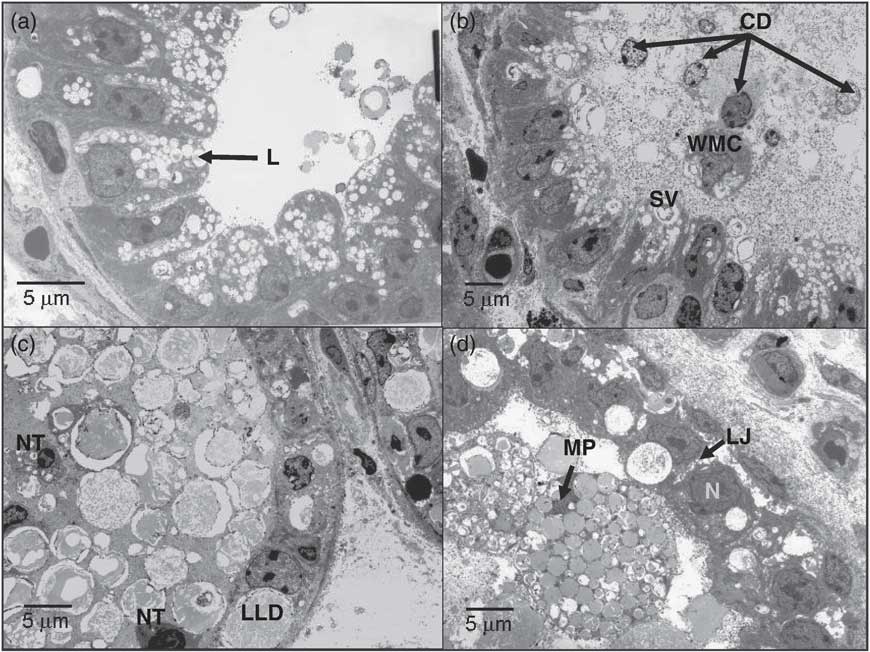
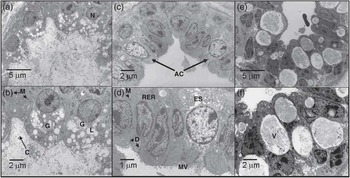
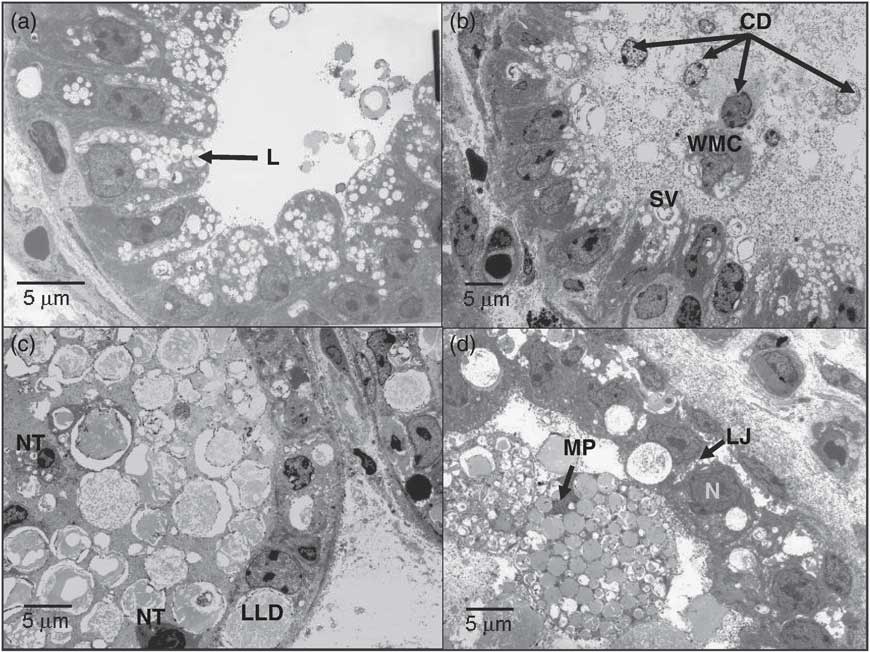
DPL influences proliferation, apoptosis and ultrastructure of MEC. The proliferation of MECs is higher in glands that are permitted to have a typical dry period than in those CM prepartum (Capuco et al., Reference Capuco, Akers and Smith1997; Annen et al., Reference Annen, Fitzgerald, Gentry, McGuire, Capuco, Baumgard and Collier2007 and Reference Annen, Stiening, Crooker, Fitzgerald and Collier2008). Although net mammary growth in CM cows was not inhibited, MEC proliferation was reduced in these animals throughout the last 35 days of gestation (Capuco et al., Reference Capuco, Akers and Smith1997). Similarly, there are differences between CM and control glands for temporal patterns of apoptosis and proliferation during the last 60 days of gestation and the apoptotic index is greater in control glands than in CM glands at day 7 in early lactation (Annen et al., Reference Annen, Fitzgerald, Gentry, McGuire, Capuco, Baumgard and Collier2007 and Reference Annen, Stiening, Crooker, Fitzgerald and Collier2008). Increased apoptosis during early lactation may provide a mechanism for removal of senescent cells and may reflect the number of new MECs generated during late gestation (Capuco et al., Reference Capuco, Annen, Fitzgerald, Ellis and Collier2006). Lack of milk accumulation in CM cows or quarters that provides a local pro-apoptotic stimulus is most likely the reason for reduced apoptosis in these cows. A reduction in proliferation and apoptosis diminishes cell turnover in CM glands and increases carryover of senescent mammary cells into the subsequent lactation (Capuco et al., Reference Capuco, Akers and Smith1997; Annen et al., Reference Annen, Fitzgerald, Gentry, McGuire, Capuco, Baumgard and Collier2007 and Reference Annen, Stiening, Crooker, Fitzgerald and Collier2008). Senescent MECs that have reduced functionality, that is, less secretory ability and less proliferative capability, cause reduced milk yield in CM cows or quarters in the following lactation (Capuco and Akers, Reference Capuco and Akers1999; Annen et al., Reference Annen, Fitzgerald, Gentry, McGuire, Capuco, Baumgard and Collier2007 and Reference Annen, Stiening, Crooker, Fitzgerald and Collier2008). Reduced secretory activity per unit of mammary tissue in CM cows was also reported in an early study (Swanson et al., Reference Swanson, Pardue and Longmire1967). We evaluated the mammary ultrastructure in CM or control glands (Figures 1 and 2; Annen et al., Reference Annen, Fitzgerald, Gentry, McGuire, Capuco, Baumgard and Collier2007). Lactating cells from control glands consistently contained abundant secretory vesicles, lipid droplets and organelles. However, there were three types of cells present from CM glands: cells that were identical to those from control glands, cells that were quiescent and cells containing less abundant cell organelles and very large lipid droplets (Figures 2 and 3; Annen et al., Reference Annen, Fitzgerald, Gentry, McGuire, Capuco, Baumgard and Collier2007). The secretory capacity indicators of alveoli such as lipid droplets and organelles might be the reason for reduced milk yield in CM halves in early lactation (20 days postpartum). We have hypothesized that increased prevalence of resting alveoli in CM glands is due to the carryover of MECs from the previous lactation to the current lactation in which these senescent cells enter a resting phase during early lactation rather than during the decline phase of lactation (Figures 2 and 3; Annen et al., Reference Annen, Fitzgerald, Gentry, McGuire, Capuco, Baumgard and Collier2007). There is a lack of information concerning MEC turnover in cows given SDP and only mammary gland involution of cows provided a normal dry period or no dry period has been studied. There is evidence that mammary glands of cows given SDP are less developed compared with control animals. Substantial milk production loss has been observed during early lactation rather than other stages of lactation in cows with SDP (Lotan and Alder, Reference Lotan and Alder1976; Gulay et al., Reference Gulay, Hayen, Head, Wilcox and Bachman2005; Pezeshki et al., Reference Pezeshki, Mehrzad, Ghorbani, De Spiegeleer, Collier and Burvenich2008). Moreover, the half-udder size (Gulay et al., Reference Gulay, Hayen, Head, Wilcox and Bachman2005) was reduced for cows given SDP compared with those with a typical dry period. It is thought that early events of involution may be inhibited in cows with SDP (Pezeshki et al., Reference Pezeshki, Capuco, De Spiegeleer, Peelman, Stevens, Collier and Burvenich2010). Cows with SDP have extended lactations and produce less milk at dry-off. Therefore, early involution of mammary glands can be influenced in cows with SDP through reduced milk accumulation and induction of local factors. As mentioned above, accumulated pro-apoptotic factors in the stored milk and physical distention of the mammary epithelium during milk stasis drive local involution of the mammary gland (Wilde et al., Reference Wilde, Knight and Flint1999). Moreover, factors influencing apoptosis and proliferation may be influenced by increasing effects of pregnancy as calving approaches (Pezeshki et al., Reference Pezeshki, Capuco, De Spiegeleer, Peelman, Stevens, Collier and Burvenich2010). Drying off close to parturition to accommodate SDP may result in a greater impact of lactogenic and mammogenic hormones of pregnancy and thus alter the involution and proliferation profile within the mammary gland relative to cows with standard dry periods.
Micrograph of lactating (a), lactating with cellular debris in lumen (b), and immature (c to d) alveoli and cells representative of tissue from days 1 and 7 postpartum from udder halves that were provided a 60-day dry period or continuously milked. (reprinted with permission in J. Dairy Sci.). CD = cellular debris; L = lipid; LLD = large lipid droplet; LJ = leaky cell-to-cell junctions; MP = macrophage engorged with cell debris and milk components; N = nucleus; NT = neutrophil with engulfed cell debris and milk components; SV = secretory vesicle; WMC = whole mammary epithelial cell.
Micrograph of lactating (a to b), resting (c to d), and engorged (e to f) alveoli and cells representative of tissue from continuously milked udder halves at day 20 postpartum. (reprinted with permission in J. Dairy Sci.). AC = apoptotic mammary epithelial cell spilling cell debris into lumen; C = casein micelle; D = desmosome; G = golgi; ES = endosome; L = lipid droplet; M = mitochondria; MV = microvilli; N = nucleus; RER = rough endoplasmic reticulum; V = vacuole.

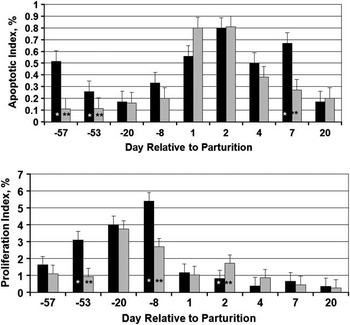
Summary of mammary epithelial cell turnover during late gestation and early lactation. Data were collected in a series of similar studies by our laboratory (Annen et al., Reference Annen, Fitzgerald, Gentry, McGuire, Capuco, Baumgard and Collier2007 and Reference Annen, Stiening, Crooker, Fitzgerald and Collier2008). Black bars = CTL tissue; Grey bars = CM tissue. CTL = 60 day-dry treatment; CM = continuously milked treatment. Timepoints −20, −8, 1, 7 and 20 were taken from Annen et al. (Reference Annen, Fitzgerald, Gentry, McGuire, Capuco, Baumgard and Collier2007); timepoints −57, −53, 2 and 4 were taken from Annen et al. (Reference Annen, Stiening, Crooker, Fitzgerald and Collier2008).

Mammary health
DPL has been proposed to be shortened or eliminated recently, mainly from an economic point of view. However, the influence of modified DPL on mammary and systemic health has not yet been appreciated. The dry period is an important time to control intramammary infections (IMI): (i) at drying off, intramammary infusion of antibiotics is a common management tool used to protect the gland, (ii) there is the physiological clearing of many bacteria during the mid dry period (after drying off), (iii) for management reasons, the dry period is an ideal period to treat IMI and (iv) it is known that many clinical coliform mastitis cases that occur during early lactation originate from new IMI at the end of the dry period (colostrogenesis) (Smith et al., Reference Smith, Todhunter and Schoenberger1985a). These few examples emphasize the need to consider the impact of DPL not only on mammogenesis and future milk production but also on udder health (Annen et al., Reference Annen, Collier, McGuire, Vicini, Ballam and Lormore2004a). Curiously, these phenomena have been studied by lactation physiologists and mastitis researchers, respectively, and have not been linked. There is very little information about the mammary health of cows managed for shortened or eliminated dry periods. However, experimental evidence suggests that mammary defense may be influenced by modifying DPL. Poorer quality of colostrum has been reported in some studies for CM cows and it indicates that the colostrogenesis period is not sufficient for gamma globulin accumulation in these cows (Remond et al., Reference Remond, Kerouanton and Brocard1997a). Bovine mammary glands are markedly protected to IMI during mid dry period when fluid volume is considerably reduced (Neave et al., Reference Neave, Dodd and Henriques1950). On the other hand, the incidence of new IMI is increased during dry-off and colostrogenesis when milk accumulates in the glands. During this period, there is a decline in the efficacy of lactoferrin as antimicrobial and phagocytic activity is impaired by the accumulation of milk components (Burvenich et al., Reference Burvenich, Bannerman, Lippolis, Peelman, Nonnecke, Kehrli and Paape2007), and accumulated casein and milk can promote microbial growth. The amount of milk accumulated in the gland at dry-off is impacted by DPL and this is inversely related to mastitis resistance. The mammary gland reduces its capacity to secrete milk in response to IMI (Harmon, Reference Harmon1994), and downregulation of genes involved in milk secretion has been suggested as a well-conserved evolutionary auto-defense mechanism that enables the lactating animal to combat invading pathogens more efficiently (Rinaldi et al., Reference Rinaldi, Li, Bannerman, Daniels, Evock-Clover, Silva M, Paape, Van Ryssen, Burvenich and Capuco2010). Reversible pharmacological cessation of milk secretion (e.g. by use of colchicine or endotoxin) can improve the cure rate of IMI by hastening the drying off (Oliver and Smith, Reference Oliver and Smith1982a and Reference Oliver and Smith1982b). The increased yield at drying off has been linked with an increased risk of new IMI in the dry period and calving, mainly because of increased risk of leaking milk and intramammary pressure, and level of milk components (Huxley et al., Reference Huxley, Green, Green and Bradley2002; Bradley and Green, Reference Bradley and Green2004; Rajala-Schultz et al., Reference Rajala-Schultz, Hogan and Smith2005). Shortening or eliminating the dry period may influence the mammary health and the response to IMI by (i) minimizing or removing the impact of milk accumulation at dry-off, thereby lessening the immunodeficiency of the dam that is characteristic of this period, (ii) changing the composition of mammary secretions and the extent of tissue remodeling and (iii) altering the energy and nutritional status and hormonal and local regulatory factors (Pezeshki et al., Reference Pezeshki, Capuco, De Spiegeleer, Peelman, Stevens, Collier and Burvenich2010).
The protective characteristics of the mid dry period are delayed as a result of slow transition from drying off, while milk component levels remain high interfering with leukocyte functions (Sordillo and Nickerson, Reference Sordillo and Nickerson1988). Shortening the DPL can result in reduced milk production at drying off because of an extended lactation. Therefore, concentrations of fat, casein, lactose and citrate that are high at dry-off and interfere with natural defense (Craven and Williams, Reference Craven and Williams1985; Breau and Oliver, Reference Breau and Oliver1986; Hurley and Rejman, Reference Hurley and Rejman1986) are reduced for SDP cows during this period. Ingesting milk fat, casein and cell debris after diapedesis by phagocytes decreases their phagocytic function and induces apoptosis (Burvenich et al., Reference Burvenich, Bannerman, Lippolis, Peelman, Nonnecke, Kehrli and Paape2007). It is thought that degraded epithelial cells and accumulated fat and casein are heterophagocytosed by macrophages. However, factors other than fat and casein are thought to be present in the secretion of the involuting gland that may reduce the phagocytic capabilities of the macrophage and polymorphonuclear leucocytes (PMN). These factors may also reduce the responsiveness of lymphocytes to antigen stimulation. There is an effective competition between citrate and lactoferrin for iron binding, and the resulting iron–citrate complex can be utilized by bacteria (Schanbacher et al., Reference Schanbacher, Goodman and Talhouk1993). Moreover, highly accumulated milk in the udder at dry-off is an excellent medium for bacterial growth, which utilizes casein and lactose (Smith et al., Reference Smith, Todhunter and Schoenberger1985b; Breau and Oliver, Reference Breau and Oliver1986). It appears that there is an increased concentration of secretion components during the process of involution which can act as growth stimulants for certain bacteria. Lower concentrations of natural protective factors are present in mammary secretions from glands producing large quantities of milk during late lactation (Smith et al., Reference Smith, Todhunter and Schoenberger1985b; Breau and Oliver, Reference Breau and Oliver1986); therefore, reduced milk production at dry-off for cows with SDP may provide higher concentration of these naturally protective factors. In addition, accumulation of a large volume of milk that increases the intramammary pressure and leakage of milk from the teats and facilitate bacterial penetration of the streak canal can be minimized by shortening DPL (Cousins et al., Reference Cousins, Higgs, Jackson, Neave and Dodd1980; Burvenich et al., Reference Burvenich, Bannerman, Lippolis, Peelman, Nonnecke, Kehrli and Paape2007). A positive correlation between the quantity of milk produced during late lactation and susceptibility to new IMI has been reported by others (Oliver et al., Reference Oliver, Dodd and Neave1956). It is hypothesized that shortening or eliminating the dry period reduces the occurrence of new IMI (Pezeshki et al., Reference Pezeshki, Capuco, De Spiegeleer, Peelman, Stevens, Collier and Burvenich2010). Extending the lactation cycle by milking cows until parturition removes the immunodeficiency brought about by milk accumulation at dry-off. There is no information about composition of mammary secretions during the dry period for cows with SDP. It has been reported that marked changes occur in the composition of mammary secretions along with changes in mammary histology during the dry period (Bushe and Oliver, Reference Bushe and Oliver1987; Sordillo and Nickerson, Reference Sordillo and Nickerson1988; Athie et al., Reference Athie, Bachman, Head, Hayen and Wilcox1996). Significant changes in cellular and chemical composition of mammary secretions occur during early, mid and late dry periods. Modifications of DPL may influence the occurrence of new IMI by altering the composition of mammary secretions during late gestation. Further, dairy cows experience many endocrine, nutritional and metabolic changes around calving (Goff and Horst,Reference Goff and Horst1997; Goff et al., Reference Goff, Kimura and Horst2002). During this transition period, factors that are known to influence immune function could be affected by DPL (Pezeshki et al., Reference Pezeshki, Mehrzad, Ghorbani, Rahmani, Collier and Burvenich2007).
Body condition and energy status
Food intake and postpartum metabolic status of cows might be changed because of changes in diet and grouping of cows during the dry period (Grummer and Rastani, Reference Grummer and Rastani2005). As a general practice, dairy cows receive two diets including far-off and close-up diets during a traditional dry period (∼60 days) (Grummer and Rastani, Reference Grummer and Rastani2005). The far-off diet is delivered during the first 5 weeks of the dry period and is designed to preserve body condition of the cow (Goff and Horst, Reference Goff and Horst1997), whereas the close-up diet is delivered during the final 3 weeks of the dry period and is designed for adaptation of rumen microorganisms to the high-energy diet during early lactation (Grummer and Rastani, Reference Grummer and Rastani2005). Nutritional stress may have negative physiological consequences during the dry period and in the subsequent lactation. This stress can be minimized by feeding a single diet during the entire dry period. There are three scenarios for feeding a single diet during the nonlactating period; (i) a moderate-energy diet can be delivered for an 8 week dry period; however, in this case, cows may be over-conditioned and show higher incidence of metabolic disorders (Rukkwamsuk et al., Reference Rukkwamsuk, Kruip, Meijer and Wensing1999). (ii) The second scenario is to deliver a low-energy diet throughout the dry period. However, an abrupt change from a low-energy diet to a high-energy diet immediately after parturition may not allow the adaptation of rumen microorganisms (Grummer and Rastani, Reference Grummer and Rastani2005). (iii) The last scenario is shortening or omitting the dry period, which can permit a single, relatively high-energy diet to be fed during late gestation (Grummer and Rastani, Reference Grummer and Rastani2005). It has been suggested that cows with short or omitted dry periods show improved dry matter intake, metabolic profiles, body condition score, BW and mean negative energy balance ( Pezeshki et al., Reference Pezeshki, Mehrzad, Ghorbani, Rahmani, Collier and Burvenich2007 and Reference Pezeshki, Mehrzad, Ghorbani, De Spiegeleer, Collier and Burvenich2008; Watters et al., Reference Watters, Guenther, Brickner, Rastani, Crump, Clark and Grummer2008). It appears that following short or eliminated dry periods, the energy balance is improved around calving by reduced milk production, less nutritional and metabolic stress and the resulting ease of transition to lactation (Pezeshki et al., Reference Pezeshki, Mehrzad, Ghorbani, Rahmani, Collier and Burvenich2007 and Reference Pezeshki, Mehrzad, Ghorbani, De Spiegeleer, Collier and Burvenich2008; Schlamberger et al., Reference Schlamberger, Wiedemann, Viturro, Meyer and Kaske2010).
Colostrum formation
Colostrogenesis most likely begins at 15 to 20 days before parturition and is accompanied by selective transport and accumulation of Igs and copious secretion of proteins, fat and carbohydrates (Breau and Oliver, Reference Breau and Oliver1986; Sordillo and Nickerson, Reference Sordillo and Nickerson1988). Colostrogenesis can be characterized by both morphological and biochemical changes that occur in two stages (Fleet et al., Reference Fleet, Goode, Hamon, Laurie, Linzell and Peaker1975; Oliver and Sordillo, Reference Oliver and Sordillo1988). The first stage occurs over the last 2 weeks of the dry period when the volume of pre-colostral fluid in the mammary gland cistern increases slowly. During this period, the permeability of tight junctions is decreased and synthetic ability of secretory epithelia is increased (Oliver and Sordillo, Reference Oliver and Sordillo1988). Paracellular transfer of serum proteins, various peptides, peptide hormones and ions into milk is inhibited because of the lower permeability of tight junctions at this stage (Nguyen and Neville, Reference Nguyen and Neville1998); instead, most transport is via the transcellular pathway (Kishimoto et al., Reference Kishimoto, Jutila, Berg and Butcher1989; Nguyen and Neville, Reference Nguyen and Neville1998). The concentration of Igs in mammary secretions peaks at 5 to 10 days before calving (Sordillo and Streicher, Reference Sordillo and Streicher2002). IgA and IgM are produced locally in the mammary gland, but most of the IgG in mammary secretions is of humoral origin (Lascelles, Reference Lascelles1979). The high concentration of IgG1 is a unique property of colostrum and is selectively transported into the colostrum from the plasma across the blood–milk barrier (Brandon and Lascelles, Reference Brandon and Lascelles1975; Guy et al., Reference Guy, McFadden, Cockrell and Besser1994). Most likely, this process is controlled locally by neonatal Fc receptor on the acinar epithelial cell (Mayer et al., Reference Mayer, Doleschall, Bender, Bartyik, Bosze, Frenyó and Kacskovics2005). IgG2 plays an important role in opsonophagocytosis of bacteria by PMNs and in antibody-dependent PMN cytotoxicity (Butler, Reference Butler1983; Detilleux et al., Reference Detilleux, Koehler, Freeman, Kehrli and Kelley1994). The second stage begins immediately before parturition when copious colostral secretion occurs (Fleet et al., Reference Fleet, Goode, Hamon, Laurie, Linzell and Peaker1975). The concentration of Igs falls with the onset of copious secretion and accumulation of secretions in the gland.
Good quality of colostrum is crucial for health and well-being of the calf, therefore the effect of alteration in DPL on changes of colostrum quality is important. Although old studies reported abnormal colostrum for CM cows, there were no control animals to make comparisons (Eckles and Palmer, Reference Eckles and Palmer1916; Wheelock et al., Reference Wheelock, Rook and Dodd1965). Eckles and Palmer (Reference Eckles and Palmer1916) concluded that heat-coagulable protein content of colostrum is reduced remarkably as DPL was reduced (n = 4). Negative impacts of CM on IgG and protein content of colostrum have been reported in the literature (Brandon and Lascelles, Reference Brandon and Lascelles1975; Remond et al., Reference Remond, Rouel, Pinson and Jabet1997b; Rastani et al., Reference Rastani, Grummer, Bertics, Gumen, Wiltbank, Mashek and Schwab2005). Guy et al. (Reference Guy, McFadden, Cockrell and Besser1994) demonstrated that prepartum milking of udder halves resulted in less concentration of IgG1 in secretions of milked glands than in dry glands from 10 days prepartum to 1 day postpartum. Similarly, an overlap of breast feeding and late pregnancy in humans was accompanied by reduced concentration of IgG in colostrum (Marquis et al., Reference Marquis, Penny, Diaz and Marin2002). We showed that CM reduces the IgG content of colostrum compared with cows given 30-day dry period in primiparous cows, but it had no effect on colostrum IgG content in multiparous cows (Annen et al., Reference Annen, Collier, McGuire, Vicini, Ballam and Lormore2004a, Collier et al., Reference Collier, Annen and Fitzgerald2004). However, when this data were analyzed by days dry because many cows had spontaneously dried and had SDP, cows with actual 0 day dry had reduced IgG content in first milking colostrum (Annen et al., Reference Annen, Collier, McGuire, Vicini, Ballam and Lormore2004a). It is thought that the lack of a secretion–accumulation period is the reason for reduced quality of colostrum in CM cows. Shortening the DPL has no impact on colostrogenesis, in terms of changes in cellular and fluid composition (Annen et al., Reference Annen, Collier, McGuire, Vicini, Ballam and Lormore2004a; Rastani et al., Reference Rastani, Grummer, Bertics, Gumen, Wiltbank, Mashek and Schwab2005; Watters et al., Reference Watters, Guenther, Brickner, Rastani, Crump, Clark and Grummer2008). In another study, it was shown that cows with 1 to 10 days dry period produced lower concentration of Igs in colostrum than cows with 8 weeks dry period (Remond et al., Reference Remond, Kerouanton and Brocard1997a).
Factors influencing subsequent lactation milk yield
It is now well established that the negative impact of reduced dry period on subsequent milk yield is mediated by events occurring in the mammary gland rather than in the whole cow. Factors that have been investigated as causative agents for reductions in subsequent milk yield or to potentially rescue subsequent milk yield include MEC turnover, parity, rbST, prostaglandin E2 (PGE) and increased milking frequency (IMF). Of the causative factors, parity has the most pronounced and negative impact on subsequent milk yield. However, the impact of parity is believed to be associated with a greater requirement for mammary cell turnover between the first and second lactations.
As discussed previously in this paper, effects of continuous milking on MEC numbers and functionality were first studied by Swanson et al. (Reference Swanson, Pardue and Longmire1967), using a within-animal model in which lateral halves were either dried 60 days before expected calving date or CM. Results suggested that reduced milk yields following CM may be because of secretory activity per unit of mammary tissue and the physiological factors that affect the cells during lactogenesis, but not because of MEC numbers. Thirty years later, the effects of CM on MECs were further evaluated by Capuco et al. (Reference Capuco, Akers and Smith1997). Total mammary DNA content increased twofold from 53 to 7 days prepartum, but was not affected by lactation status. However, MEC proliferation was much greater in mammary tissue from control (60-day dry) cows compared with CM cows. Importantly, MEC proliferation was not entirely inhibited in CM glands, as it did occur at a reduced rate. By the last week of gestation, increased proliferation and cell turnover resulted in an enhanced number of MEC in control glands and decreased stromal cells. These results suggested that control glands had greater replacement of senescent cells.
Further MEC turnover data have been reported in studies attempting to alter MEC turnover or secretory capacity to improve milk yield in CM, primiparous cows. Annen et al. (Reference Annen, Fitzgerald, Gentry, McGuire, Capuco, Baumgard and Collier2007) studied MEC proliferation and apoptosis at −20 and −8 days prepartum and at 1, 7 and 20 days postpartum in CM and 60-day dry (CTL) udder halves. In CM udder halves, a rapid decline in apoptosis after day 1 combined with reduced MEC proliferation at day −8 suggests that an early decrease in early lactation apoptosis compared with CTL halves may have been required to maintain total cell numbers (Swanson et al., Reference Swanson, Pardue and Longmire1967; Capuco et al., Reference Capuco, Akers and Smith1997), but resulted in more old cells in the mammary epithelium of CM glands. Ultrastructure results demonstrated that CM glands typically contained many resting and engorged alveoli rather than a majority of secretory alveoli at day 20 postpartum (Figures 1 and 2), further suggesting that less MEC replacement in CM gland results in a larger population of less-functional MEC in the next lactation. These changes in MEC turnover and structure were accompanied by a 53% reduction in milk yield in CM udder halves.
In a second study by Annen et al. (Reference Annen, Stiening, Crooker, Fitzgerald and Collier2008), changes in MEC turnover were measured in CM and CTL udder halves at 3 days (61 days prepartum) and 7 days (57 days prepartum) after milk stasis in the CTL udder halves (3d-MS, 7d-MS) and at 2 days and 4 days postpartum (2d-PP, 4d-PP). In CTL glands, MEC apoptosis at 3d-MS was 50% greater than at 7d-MS and was accompanied by increased IGFBP5 expression. By 7d-MS, MEC proliferation was increased threefold in CTL tissue compared with CM tissue. Postpartum MEC apoptosis was not affected by DPL, but proliferation was higher in CM tissue at 2d-PP than in CTL tissue. In this study, the changes in MEC turnover corresponded to a 53% reduction in milk yield from CM, primiparous udder halves and a 33% reduction in CM udder halves from second lactation cows. In summary, the MEC turnover data of Capuco et al. (Reference Capuco, Akers and Smith1997) and Annen et al. (Reference Annen, Fitzgerald, Gentry, McGuire, Capuco, Baumgard and Collier2007 and Reference Annen, Stiening, Crooker, Fitzgerald and Collier2008 indicate that adverse effects of CM on MEC turnover, required for replacement of old MEC with new MEC (all cows) and continued mammary development in primiparous cows, occurs throughout the last 60 days of gestation and continues into the subsequent lactation.
Given the potential to minimize nutritional and metabolic stress during calving and early lactation and for continued milk sales from cows that would normally be dry, methods to recoup milk yield losses in short dry period and CM cows have been studied. The use of rbST both prepartum and postpartum in multiparous cows has been successful in both short dry period (Bachman Reference Bachman2002; Annen et al., Reference Annen, Collier, McGuire, Vicini, Ballam and Lormore2004a; Gulay et al., Reference Gulay, Hayen, Liboni, Belloso, Wilcox and Head2004) and CM studies (Annen et al., Reference Annen, Collier, McGuire, Vicini, Ballam and Lormore2004a), but has not been successful in studies using primiparous cows (Annen et al., Reference Annen, Collier, McGuire, Vicini, Ballam and Lormore2004a and Reference Annen, Fitzgerald, Gentry, McGuire, Capuco, Baumgard and Collier2007; Fitzgerald et al., Reference Fitzgerald, Annen-Dawson, Baumgard and Collier2007). A more recent study (Klusmeyer et al., Reference Klusmeyer, Fitzgerald, Fabellar, Ballam, Cady and Vicini2009) was not able to repeat the findings of Annen et al. (Reference Annen, Collier, McGuire, Vicini, Ballam and Lormore2004a) in rbST-supplemented CM multiparous cows. In that study, CM cows that were continuously supplemented with rbST had equal milk yield to the 32-day dry cows until about 70 days in milk, but were lower throughout the rest of lactation. Annen et al. (Reference Annen, Collier, McGuire, Vicini, Ballam and Lormore2004a) maintained the study for only 120 days postpartum, thus the ability of the CM cows in that study to maintain similar production to 60-day and 30-day dry cows throughout lactation is unknown. It is hypothesized that rbST is able to partially or fully overcome reduced MEC turnover in multiparous cows by enhancing secretory activity of older MEC, but it does not alleviate the effects of impaired mammary growth that occurs with CM and is more problematic in primiparous animals (Annen et al., Reference Annen, Collier, McGuire, Vicini, Ballam and Lormore2004a, Reference Annen, Collier, McGuire and Vicini2004b and Reference Annen, Fitzgerald, Gentry, McGuire, Capuco, Baumgard and Collier2007; Fitzgerald et al., Reference Fitzgerald, Annen-Dawson, Baumgard and Collier2007).
Another hormone that has been studied for its potential in rescuing mammary growth and subsequent milk yield in CM cows is PGE2 (Annen et al., Reference Annen, Stiening, Crooker, Fitzgerald and Collier2008). Intramammary infusion of PGE2 increased mammogenesis in late gestation heifers (Collier et al., Reference Collier, Byatt, McGrath, Eppard, Vicini and Stiening2002) and increased milk yield in induced-lactation cows (Crooker et al., Reference Crooker, Collier, Vicini, McGrath and Weber2003). With or without PGE2, milk yield was reduced in CM halves (utilizing half-udder experimental model), but to a lesser degree in halves from second lactation cows compared with first lactation cows. Further, PGE2 did not alter measures of MEC turnover associated with CM. Therefore, mammary concentrations of PGE2 during the first 4 days postpartum do not limit milk yield or mammary growth in CTL or CM tissue.
Lastly, IMF has been studied both prepartum (Rastani et al., Reference Rastani, Del Rio, Gressley, Dahl and Grummer2007) and postpartum (Fitzgerald et al., Reference Fitzgerald, Annen-Dawson, Baumgard and Collier2007) in CM cows as another potential method of recouping milk yield in the subsequent lactation. Rastani et al. (Reference Rastani, Del Rio, Gressley, Dahl and Grummer2007) milked cows 0, 1 or 4 times daily (0×, 1×, 4×, respectively) during the last 28 days of gestation and twice daily postpartum. Postpartum milk production was reduced in cows milked 1× and 4× during the end of their second gestation compared with cows that were not milked (0×) during late gestation. Interestingly, cows milked 4× and 0× at the end of their third or greater gestation (3+) produced more postpartum milk than cows milked 1× during late gestation. These results only demonstrate that prepartum 4×, CM 3+ cows produced the same as 28 day dry 3+ (0×) cows. There was not a treatment group of 3+ cows given a traditional dry period. These authors hypothesized that prepartum 4× IMF elevated IGF-1, which acted on the mammary gland to enhance milk yield. It is possible that IGF-1 is also regulating the improved milk yields in rbST-supplemented CM, multiparous cows, as it is elevated during bST supplementation (Bauman and Vernon, Reference Bauman and Vernon1993). Utilization of postpartum 4× IMF in both bST-supplemented and non-supplemented primiparous cows did not recoup milk yield losses in CM udder halves (Fitzgerald et al., Reference Fitzgerald, Annen-Dawson, Baumgard and Collier2007). Collectively, these findings suggest that elevation of IGF-1 during late gestation through 4× IMF or rbST supplementation may be required for mature CM cows to have normal productivity in the first 10 to 17 weeks of the subsequent lactation and more research is needed during the later part of lactation to see whether equal yields to 60-day dry cows can be maintained.
In summary, dairy cows require a 60-day dry period for normal MEC turnover to occur. Maintaining lactation during the last 8 to 9 weeks of gestation changes normal MEC apoptosis and proliferation patterns required for old or senescent cells to be replaced with new cells resulting in a lactating epithelium with less prolific capacity. This process is more detrimental to milk yield in primiparous cows due to both an MEC turnover and continued mammary development requirement between the first and second lactations. This parity sensitivity may also extend to cows at the end of their second lactation. The use of galactopoietics and mammogens in CM glands or cows has not resulted in recouped milk yields. Shortened dry period studies have mixed results, but reducing the dry period to 30 to 40 days in mature cows may be possible without any reductions in subsequent milk yield.