


Introduction
Imagine you are standing in your local pharmacy, scanning the labels of various products that promise everything from “immune system support” to “joint health maintenance.” Two products catch your attention. The first, an over-the-counter medication, claims to “provide relief from inflammation.” The second, a dietary supplement, claims to “support a healthy inflammatory response.” The distinction seems subtle — perhaps even trivial. Yet, under federal law, these two statements belong to entirely different regulatory universes.
The over-the-counter medication has navigated a bureaucratic gauntlet of clinical trials, Food and Drug Administration (“FDA”) approvals, and extensive review processes.Footnote 1 Every claim on its label is backed by robust scientific evidence, scrutinized under strict evidentiary standards.Footnote 2 Meanwhile, the dietary supplement has traveled a much smoother path to market. It needed no clinical trials, no premarket approval, and no rigorous scientific proof — only a generic disclaimer that reads: “This statement has not been evaluated by the Food and Drug Administration. This product is not intended to diagnose, treat, cure, or prevent any disease.”Footnote 3
This stark regulatory disparity stems from an artificial distinction between “disease claims” and “structure/function claims.”Footnote 4 The Dietary Supplement Health and Education Act of 1994 (“DSHEA”) created this system, establishing a four-tiered framework of claims with dramatically different regulatory requirements: nutrient content claims, structure/function claims, health claims, and disease claims.Footnote 5 DSHEA presumes consumers understand these distinctions and interpret the claims accordingly. But do they? Our experimental study suggests otherwise.
This Article presents original empirical research examining how consumers interpret dietary supplement label claims. Through a controlled experiment with a nationally representative sample, we test DSHEA’s core assumption — that consumers derive different meanings from various claim types. Our findings are striking: while consumers clearly distinguish disease claims and nutrient content claims, they interpret structure/function claims and health claims as fundamentally equivalent, despite their vastly different regulatory treatment.
Equally concerning, we find that DSHEA’s mandated disclaimer fails to meaningfully impact consumer perceptions of product efficacy. Our research shows that the FDA disclaimer — despite being prominently displayed in bold type as required by law — fails to reduce consumers’ beliefs that supplements can treat or prevent disease. This renders ineffective a key safeguard that regulators designed to prevent consumers from misinterpreting structure/function claims as therapeutic promises, essentially nullifying what DSHEA established as the primary counterbalance to the law’s permissive approach to supplement marketing.
Our study arrives at a critical moment for dietary supplement regulation. The industry has expanded from approximately $4 billion in 1994 to nearly $60 billion today, with three-quarters of American adults taking supplements.Footnote 6 This growth has been accompanied by increasing concerns about misleading claims, inadequate substantiation, and consumer confusion.Footnote 7 By demonstrating the disconnect between regulatory categories and consumer understanding, our research provides empirical evidence that current regulations may be fundamentally misaligned with their consumer protection goals.
The stakes of supplement-label semantics are not merely academic. Consumers routinely use dietary supplements to manage health concerns, often alongside prescription medications,Footnote 8 and adverse events are common enough to register in national surveillance.Footnote 9 For example, one nationally representative study estimated approximately 23,000 emergency department visits annually attributable to adverse events from dietary supplements, with a subset resulting in hospitalization.Footnote 10
Labeling also matters because claims that sound like routine “wellness” support can be interpreted as communicating disease-related benefits, thereby inviting consumers to delay clinical evaluation, substitute supplements for evidence-based care, and misunderstand the level of scrutiny applied by regulators. Government accountability reviews have long warned that consumers may misunderstand dietary supplement claims and that even well-intended labeling rules can lead to miscommunication.Footnote 11
These risks are amplified in an information environment where consumers encounter claims rapidly (online marketplaces and social media advertising) and where FDA’s core authority over many supplement claims is largely post-market rather than pre-market.Footnote 12 The result is a persistent gap between the confidence consumers may infer from labels and the regulatory reality governing substantiation and review.
This Article proceeds as follows. Part I examines the regulatory landscape governing dietary supplement claims, detailing the four distinct claim categories and their varying levels of oversight. Part II presents our experimental investigation, including methodology, results, and key findings that challenge DSHEA’s core assumptions. Part III discusses the implications of our findings for regulatory policy and offers concrete recommendations for reform, including streamlining claim categories, enhancing disclosure effectiveness, and strengthening oversight mechanisms.
By bridging the gap between regulatory theory and consumer reality, our research contributes to the ongoing conversation about dietary supplement regulation and offers evidence-based insights for policymakers seeking to better protect consumers while maintaining access to beneficial supplements. The current system may satisfy legal distinctions, but if it fails to communicate meaningful differences to the very consumers it aims to protect, we must reconsider its fundamental design.
I. Supplement Labels
The Food and Drug Administration (“FDA”) regulates dietary supplement claims by dividing them into four distinct categories: nutrient content claims, structure/function claims, health claims, and disease claims.Footnote 13 Although all these claims address potential benefits of a product, each category is defined differently and subject to a unique level of regulatory oversight.Footnote 14 At a high level, nutrient content claims describe what is in the product, structure/function claims explain how an ingredient supports normal body operations, health claims link a nutrient to a beneficial effect on a health-related condition, and disease claims assert that a product can diagnose, treat, mitigate, cure, or prevent a specific disease.Footnote 15
To visualize these distinctions, consider a product with omega-3 fatty acids. Its packaging might feature a nutrient content claim stating that it is an “excellent source of EPA and DHA” (indicating high omega-3 content), a structure/function claim noting “omega-3 fatty acids support cardiovascular health and brain function” (describing normal physiological function), a health claim stating “omega-3 fatty acids may reduce the risk of coronary heart disease” (linking the nutrient to a disease risk), or a disease claim asserting it “lowers triglycerides in patients with high cholesterol” (promising therapeutic effect). The sections below explore the regulatory requirements for each claim type, focusing on the substantial disparities between structure/function claims, health claims, and disease claims.
A. Nutrient Content Claims
Nutrient content claims serve as quantitative indicators on food and supplement labels, communicating nutrient levels to consumers.Footnote 16 These range from straightforward declarations like “contains 500 mg of calcium” to comparative statements such as “reduced sodium” to evaluative terms like “excellent source of vitamin D.”Footnote 17
These claims appear in two forms: express and implied.Footnote 18 Express claims use specific FDA-sanctioned terminology to directly characterize nutrient quantities.Footnote 19 Examples include “fat-free,” “high-fiber,” and “rich in antioxidants.”Footnote 20 Implied claims suggest nutritional benefits indirectly through symbols, imagery, or suggestive language.Footnote 21 For instance, wheat grain visuals might imply whole grain content, or “heart-healthy” phrasing could suggest cardiovascular benefits without specifying particular nutrients.Footnote 22
For these claims to protect rather than mislead consumers, the FDA has developed standardized definitions. For example, a product labeled “rich in potassium” must provide at least twenty percent of the daily value per serving.Footnote 23 Similarly, “low-calorie” products must contain no more than forty calories per reference amount.Footnote 24 These standardized definitions create consistency across products, theoretically enabling consumers to make informed comparisons.
Manufacturers must verify compliance through laboratory analysis and product specification.Footnote 25 Although companies bear responsibility for claim accuracy and must possess substantiating evidence, a significant regulatory gap exists; the FDA cannot compel companies to produce this evidence.Footnote 26 Instead, the FDA must rely on post-market oversight.Footnote 27 This limitation becomes particularly problematic in the context of structure/function claims, as discussed next.
B. Structure/Function Claims
Structure/function claims go a step further than nutrient content claims by describing relationships between ingredients and normal bodily processes or functions.Footnote 28 Statements like “supports immune function,” “promotes digestive health,” or “helps maintain joint flexibility” fall into this category because they describe effects on normal body functions without explicitly mentioning diseases.Footnote 29 DSHEA established a three-part framework governing these claims: notification, substantiation, and disclaimer requirements.Footnote 30
The notification process exemplifies the regulatory leniency afforded to these claims.Footnote 31 Manufacturers need only inform the FDA about structure/function claims thirty days after the product has already reached market shelves — not before.Footnote 32 This notification merely identifies the claim text and supplement ingredients, accompanied by a company representative’s attestation of accuracy.Footnote 33 This post-market notification stands in stark contrast to the pre-market approval required for disease claims.Footnote 34
Regarding substantiation, DSHEA requires companies to possess evidence supporting their claims but crucially does not require submission of this evidence to the FDA.Footnote 35 The manufacturer simply certifies having “substantiation that the statement is truthful and not misleading.”Footnote 36 More troublingly, the FDA lacks authority to demand access to this purported evidence.Footnote 37 This arrangement essentially operates on an honor system without verification. To its credit, the FDA attempted to clarify substantiation standards in 2009 by recommending “competent and reliable scientific evidence,” suggesting manufacturers evaluate claim meaning, evidence relevance, research quality, and the totality of available data.Footnote 38 However, until Congress provides inspection powers to the FDA, these recommendations remain largely aspirational.
This unfortunate conclusion was reinforced by an Obama-era Office of Inspector General (“OIG”) investigation that revealed widespread inadequacies in substantiation practices.Footnote 39 The OIG reviewed voluntarily submitted supporting evidence and found that nearly half of structure/function claims were backed by tangentially related background information rather than direct research.Footnote 40 Bizarrely, one manufacturer submitted “a 30-year-old handwritten college term paper” as substantiation.Footnote 41 Among studies involving human subjects, almost none met FDA recommendations for scientific rigor, and a mere two percent actually tested the specific supplement formulation being marketed — the remaining ninety-eight percent examined isolated ingredients that may have differed in form, concentration, or combination from the actual product.Footnote 42 It is worth repeating that these findings are from voluntarily submitted evidence. The companies that declined to submit any evidence are likely to have even less support for their product claims. Thus far, the first two requirements for making structure/function claims — notification and substantiation — are toothless. Unfortunately, the FDA’s third requirement — disclaimers — fares little better.
The disclaimer provision mandates that all structure/function claims include the statement: “This statement has not been evaluated by the Food and Drug Administration. This product is not intended to diagnose, treat, cure, or prevent any disease.”Footnote 43 This disclaimer must appear adjacent to claims on product packaging and throughout marketing materials.Footnote 44
Although well-intentioned, dietary supplement disclaimers appear to be ineffective. The empirical research on the topic suggests that these notices fail to affect consumer perceptions or behavior.Footnote 45 The largest and most rigorous studies paint a particularly troubling picture. A phone survey of 3,500 adults by Pillitteri et al. found that nearly half of both supplement users (forty-nine percent) and non-users (forty-five percent) incorrectly believed that dietary supplements must be approved for efficacy by the FDA before being sold — despite the disclaimer stating otherwise.Footnote 46 Similarly, a qualitative interview study by Mason and Scammon revealed that while consumers were aware of the disclaimer’s existence, many still believed the FDA had tested and verified manufacturers’ claims.Footnote 47
Controlled experimental studies further confirm the disclaimer’s limited impact. In one key study, France and Bone presented 359 adults with dietary supplement labels and found no effect of the disclaimer’s presence or absence on consumers’ belief in product claims or their assumptions about FDA evaluation.Footnote 48 Another study by Dodge and Kaufman involving 266 participants showed that the disclaimer slightly reduced perceptions of product effectiveness while having no impact on safety perceptions.Footnote 49 In a follow-up study by the same authors, even that small effect disappeared, showing no evidence that the disclaimer affected evaluations of product effectiveness.Footnote 50
In practice, the DSHEA framework allows manufacturers to make structure/function claims with minimal regulatory burden: inform the FDA after market entry, assert possession of supporting evidence without submitting it, and include a small-print disclaimer.Footnote 51 This light-touch regulation contrasts sharply with the more rigorous oversight applied to health and disease claims.Footnote 52
C. Health Claims
Health claims establish relationships between nutrients and specific health conditions or disease risks.Footnote 53 A typical health claim might state “soluble fiber from oatmeal, as part of a diet low in saturated fat and cholesterol, may reduce the risk of heart disease.”Footnote 54 These claims emerged from the Nutrition Labeling and Education Act (“NLEA”) of 1990, which authorized the FDA to evaluate and permit claims linking nutrients to health outcomes or disease risk reduction.Footnote 55 The FDA established two categories: authorized health claims and qualified health claims.Footnote 56
Authorized health claims require substantial scientific consensus, with evidence evaluated through a comprehensive FDA review process.Footnote 57 The threshold — “significant scientific agreement” among qualified expertsFootnote 58 — represents a considerably higher bar than that applied to structure/function claims.Footnote 59 This stringency explains why only twelve authorized health claims have received FDA approval to date.Footnote 60 Each authorized claim has its own specific regulatory parameters codified in federal regulations.Footnote 61
Qualified health claims accommodate emerging scientific evidence that shows promise but hasn’t achieved consensus status.Footnote 62 These claims must include carefully worded qualifications indicating the preliminary nature of the supporting evidence.Footnote 63 For example, a qualified health claim might begin with “[l]imited and not conclusive evidence suggests” or “[s]ome scientific evidence suggests” followed by the nutrient-disease relationship.Footnote 64 The FDA specifies the exact qualifying language through letters of enforcement discretion issued to petitioning companies.Footnote 65
The development of qualified health claims reflects an important constitutional dimension of supplement regulation that warrants acknowledgment. The FDA’s acceptance of qualified health claims emerged largely in response to the D.C. Circuit’s decision in Pearson v. Shalala, which held that the First Amendment’s commercial speech protections limit the FDA’s authority to prohibit truthful, non-misleading health claims on dietary supplements.Footnote 66 The court reasoned that rather than banning claims with emerging scientific support, the FDA must consider whether disclaimers or qualifying language could adequately address concerns about consumer confusion.Footnote 67
This First Amendment framework creates meaningful constraints on policy reforms. Any proposal to restrict supplement claims more aggressively must reckon with the constitutional limits on commercial speech regulation, which require that restrictions be no more extensive than necessary to serve substantial government interests.Footnote 68 The existence of qualified health claims already represents a scaled regulatory approach with a substantiation standard lower than “significant scientific agreement,” reflecting the FDA’s accommodation of these constitutional constraints.Footnote 69 Policy recommendations in this area must therefore acknowledge that the most aggressive regulatory interventions, such as banning categories of claims entirely, may face First Amendment challenges.
Ultimately, however, this two-tiered system of health claims attempts to balance consumer information needs with scientific integrity and First Amendment protections. It allows communication about promising nutrition research while distinguishing between well-established relationships and those supported by evolving evidence.Footnote 70 This nuanced approach sits between the minimal oversight of structure/function claims and the intensive scrutiny applied to disease claims.Footnote 71
D. Disease Claims
Disease claims make direct therapeutic assertions about a product’s ability to diagnose, treat, cure, mitigate, or prevent specific diseases.Footnote 72 Statements like “lowers blood pressure,” “reduces inflammation in arthritis,” or “prevents cognitive decline in Alzheimer’s” constitute disease claims.Footnote 73 The regulatory framework for these claims represents the most stringent level of FDA oversight. Any supplement making a disease claim is automatically classified as a drug and must undergo the full pharmaceutical approval process — a fundamentally different regulatory pathway than other supplement claims.Footnote 74
This drug approval process involves a series of clinical trials designed to establish both safety and efficacy.Footnote 75 The journey from laboratory to pharmacy shelf is lengthy, expensive, and rigorously scientific. Only about twelve percent of compounds entering clinical testing eventually gain FDA approval, with development timelines frequently spanning more than a decade and costing hundreds of millions of dollars.Footnote 76
The clinical trial progression follows three increasingly demanding phases. Phase 1 examines basic safety parameters in a small group (typically twenty to eighty participants), determining how the body processes the compound, appropriate dosage ranges, and potential toxicity.Footnote 77 These initial trials typically cost around four million dollars, with approximately seventy percent of tested compounds advancing to the next stage.Footnote 78
Phase 2 studies involve several hundred participants and focus on effectiveness against the targeted condition while continuing to monitor safety.Footnote 79 These “well-controlled” studies typically span several months to two years and incorporate placebos or comparative treatments.Footnote 80 This phase aims to establish preliminary proof that the compound produces the intended therapeutic effect.Footnote 81 With costs averaging thirteen million dollars, only about one-third of compounds successfully complete this phase.Footnote 82
Phase 3 represents the most comprehensive evaluation, involving thousands of participants across diverse demographics.Footnote 83 These pivotal studies definitively assess whether the compound delivers clinically meaningful benefits compared to existing treatments.Footnote 84 Researchers document effectiveness across different populations, potential drug interactions, and adverse effects, and complete a thorough risk-benefit analysis.Footnote 85 The extended duration increases the likelihood of identifying rare or long-term side effects that might have escaped detection in earlier phases.Footnote 86
Only after obtaining FDA approval, which is typically supported by phased clinical studies demonstrating safety and effectiveness, can a sponsor lawfully market a product with therapeutic claims that it diagnoses, treats, mitigates, cures, or prevents disease.Footnote 87 This comprehensive evaluation process stands in stark contrast to the minimal oversight applied to structure/function claims, despite the linguistic similarities between statements like “supports healthy blood pressure” and “lowers high blood pressure.”
The stark regulatory disparities between these four claim categories raise an important question — do consumers perceive and interpret these carefully parsed distinctions as regulators intend? Or do they understand nutrient content claims, structure/function claims, health claims, and disease claims as essentially communicating the same promises about product effects? Our research explores this critical question, examining whether the current regulatory framework aligns with actual consumer comprehension of supplement label claims.
II. The Experiment
Built into the current DSHEA dietary supplement regulations is a key assumption regarding consumer behavior — namely, that consumers understand the four different types of claims on supplement labels to possess different semantic meanings. As discussed in Part I, there is a hierarchy among the four types of dietary supplement claims. Disease claims are the most strictly regulated, followed by health claims, then structure/function claims, and lastly nutrient content claims. The only legitimate justification for this ordering is that consumers derive different semantic content from each type of claim; specifically, that they believe a disease claim is stronger than a health claim, which, in turn, is stronger than a structure/function claim, which, itself, is stronger than a nutrient content claim. If this assumption is true, it would be reasonable to have different regulatory regimes for each of the label claims. After all, a stronger claim is more likely to mislead consumers and, therefore, should be subject to enhanced scrutiny.
We, however, strongly doubt the veracity of DSHEA’s assumption. To the contrary, we posit that consumers interpret structure/function, health, and disease claims as semantically equivalent and interchangeable despite their distinct regulatory definitions. There is one area where we agree with DSHEA’s categorization. With regard to nutrient content claims, we believe that consumers interpret these claims as weaker than the other three types of claims. If our view is correct, it would highlight a potential gap in consumer comprehension and call into question the effectiveness of current regulatory distinctions. Fortunately, the assumption that underlies the entire DSHEA framework is experimentally testable. This Part presents such an experiment, and in doing so, proceeds as follows. The first section sets forth a series of testable hypotheses that flow from DSHEA’s assumptions. The second section details the experiment’s methodology. And the third section presents the results of the study.
A. Hypotheses
We reduce DSHEA’s core assumption to the following substantive hypotheses:
H1: Consumers who are exposed to a nutrient content claim are less likely to believe a product is effective at treating, curing, or preventing a disease than are consumers who are exposed to a structure/function claim, health claim, or disease claim.
H2: Consumers who are exposed to a structure/function claim are less likely to believe a product is effective at treating, curing, or preventing a disease than are consumers who are exposed to a health claim or disease claim.
H3: Consumers who are exposed to a health claim are less likely to believe a product is effective at treating, curing, or preventing a disease than are consumers who are exposed to a disease claim.
DSHEA’s foundation relies upon all of these hypotheses being true. If any are disproved, it would call into question the regulatory structure of DSHEA. Although we believe that Hypothesis 1 will be supported, we believe that Hypothesis 2 and Hypothesis 3 will be experimentally unsupported. If we are correct, that would indicate that distinguishing between structure/function claims, health claims, and disease claims is not having the intended effect on consumers.
In addition to these three hypotheses, which focus on types of label claims, we add two additional hypotheses regarding DSHEA’s required disclaimer. Specifically, the law requires dietary supplement labels to “prominently display … in boldface type, the following: ‘This statement has not been evaluated by the Food and Drug Administration. This product is not intended to diagnose, treat, cure, or prevent any disease.’ ”Footnote 88 This disclaimer requirement only makes sense if it actually alerts consumers that the dietary supplement has not been investigated by the FDA and, therefore, may not improve their health. To examine this assumption that underlies DSHEA, we will test the following two hypotheses:
H4: Consumers who are exposed to a product with a DSHEA disclaimer are less likely to believe the product is effective at treating, curing, or preventing a disease than are consumers who are exposed to a product without the disclaimer.
H5: Consumers who are exposed to a product with a DSHEA disclaimer are less likely to believe the product has been evaluated by the FDA than are consumers who are exposed to a product without the disclaimer.
We anticipate that neither of these hypotheses will be experimentally supported, dealing another blow to the DSHEA regulatory apparatus.
Lastly, this Article will explore various demographic factors to evaluate whether the regulatory system has a disparate impact on different groups. Rather than simply measuring overall efficacy, we will examine how the interpretation of dietary supplement labels may vary across gender, race, age, education level, and party identification. This demographic analysis will provide crucial insights into whether the DSHEA regulations affect certain populations differently than others. Such information will be invaluable for Congress and the FDA as they work to refine future legislation to ensure that consumer protection regulations provide equitable benefits to all individuals regardless of their demographic background.
B. Method
This study was conducted to evaluate consumer comprehension of four distinct types of claims on dietary supplement labels — nutrient content claims, structure/function claims, health claims, and disease claims — and the influence of an FDA disclaimer on this understanding. The experiment consisted of eight groups, each exposed to one type of claim, with half of the groups receiving labels with DSHEA’s required disclaimer and the other half without. The eight groups are as follows:
-
1) Nutrient content claim with disclaimer
-
2) Nutrient content claim without disclaimer
-
3) Structure/function claim with disclaimer
-
4) Structure/function claim without disclaimer
-
5) Health claim with disclaimer
-
6) Health claim without disclaimer
-
7) Disease claim with disclaimer
-
8) Disease claim without disclaimer
Four hundred participants were recruited from Prolific, a popular subject recruitment platform that connects vetted participants with researchers.Footnote 89 To ensure a diverse and representative sample, we used Prolific’s representative sampling feature, which balances participant demographics to reflect the U.S. population.Footnote 90 Our sample was stratified based on sex, age, race, and political affiliation, providing a distribution aligned with national demographic benchmarks.
To determine the appropriate sample size, we conducted an a priori power analysis.Footnote 91 Given the study’s factorial design (2 × 4 between-subjects), we aimed to detect a moderate effect size (η² = 0.06 or Cohen’s f = 0.25) with a power of 0.80 and an alpha level of 0.05. The analysis indicated that a minimum of 352 participants was needed to achieve sufficient statistical power for detecting meaningful differences across experimental conditions. To account for potential exclusions due to failed attention checksFootnote 92 and incomplete responses, we recruited 400 participants, ensuring robust statistical validity while maintaining balanced group sizes.
This study was approved by the University of Utah Institutional Review Board prior to data collection. All procedures adhered to ethical guidelines for research involving human subjects.Footnote 93 Before beginning the study, participants were provided with an informed consent form outlining the study’s purpose, procedures, potential risks, and their rights. They were required to provide explicit consent before proceeding and were informed that participation was voluntary, with the option to withdraw at any time without penalty.
For the study, a between-subjects design was used. In this type of design, each participant is assigned to only one group and experiences only one experimental condition.Footnote 94 This approach is beneficial for controlling the effects of variables that are not the primary focus of the study, as it minimizes the risk of carryover effects that can occur when the same participants are exposed to multiple conditions.Footnote 95 The between-subjects design is particularly effective in establishing causal relationships because it allows researchers to compare the outcomes of different groups under varying conditions, assuming that all other variables are held constant.Footnote 96 To ensure the comparability of groups, the study employed random assignment.
To construct experimental labels for these eight groups, we developed a professional-looking template based upon dietary supplements that are currently being marketed to consumers.Footnote 97 To maximize clarity on a computer screen, we made the template two-dimensional (imagine a dietary supplement box that has been deconstructed and flattened so all four sides are visible at once).Footnote 98
In addition to clarity, our goal was to make the template as similar to real-world products as possible. To that end, we ensured that the template contained all the standard information normally included on dietary supplements. For instance, the template had a “supplement facts” box which specified the serving size (three capsules), the number of servings in the container (thirty), the number of milligrams for each nutrient in the product, and the percent daily value where applicable. The template also contained standard notices, such as “[k]eep out of reach of children,” a call to “[p]lease recycle” the container, an image of the capsule representing its “actual size,” an address for the distribution company, the brand name (in this case, a fictional brand called “Vive Nutrition”), the product title (“Magnesium Formula”), and a notice that the product is a “dietary supplement.”Footnote 99 These features of the template were common to all experimental groups.
Where the labels differed was with respect to the claim language. Specifically, a prominent, bolded claim was displayed on the column corresponding to the front of the dietary supplement box and supporting claims were displayed on a side panel of the label. Table 1 below contrasts the language used to correspond to the four types of claims. The type of claim on the box is the first independent variable.
Language used for the four types of claims

Table 1. Long description
The table consists of two columns: Type of Claim and Language used.
* Row 1: Nutrient claim. Language used: Contains magnesium, grape seed extract, L-arginine, and more.
* Row 2: Structure/function claim. Language used: Supports normal, healthy blood pressure levels.
* Row 3: Health claim. Language used: Consuming diets with adequate magnesium may reduce the risk of high blood pressure.
* Row 4: Disease claim. Language used: Lowers elevated blood pressure levels.
The language in this table appeared on the front panel for the respective experimental groups. It also appeared in close form at various points on the supporting side panel of the supplement label. For example, the structure/function side panel said, “Vive Magnesium Formula features premium, clinically studied ingredients to support blood pressure health.” And further down, the label said that the product features “a superior grape seed extract rich in polyphenols and clinically shown to support normal, healthy blood pressure levels.”
The corresponding disease claim panel said, “Vive Magnesium Formula features premium, clinically studied ingredients to lower elevated blood pressure levels.” And further down, the label said that the product features “a superior grape seed extract rich in polyphenols and clinically shown to lower blood pressure levels.” By repeating the claims throughout the labels in this manner, we hoped to maximize the likelihood that consumers read and internalized the relevant claim while examining the product.
In the experimental groups with disclaimers, each of these claims was accompanied by an asterisk that directed the subject to the regulatory disclaimer mandated by DSHEA. In conformity with the vast majority of dietary supplements, we placed the disclaimer box on the back panel of the supplement label.Footnote 100 As mandated by DSHEA, the disclaimer was in bolded typeface and set off in a box, presumably to emphasize its importance and seriousness.Footnote 101 The presence or absence of this disclaimer is the second independent variable.
After enrolling in the study, participants were randomly assigned to one of the eight treatment groups. They were then shown the dietary supplement label corresponding to their assigned group, accompanied by the following instructions:
Below is an image of a label for a dietary supplement. Please examine this label just as you would if you were considering purchasing this product in a store. Afterwards, you will be asked a series of questions based on your impressions of the product. Remember, there are no right or wrong answers. We are interested in your honest opinions.
After reviewing the label and proceeding to the next screen, participants answered a series of questions assessing their beliefs about the product. These questions were presented one at a time, and participants had to respond before moving forward. Throughout the process, the dietary supplement label remained visible on the screen, allowing participants to reference it while answering.
In total, participants answered eleven substantive questions about the product, five demographic questions, and two attention check questions. The substantive questions were broken down into five categories: 1) disease beliefs, 2) health beliefs, 3) structure/function beliefs, 4) comparative beliefs, and 5) FDA oversight beliefs.
All questions in these categories were measured using a five-point Likert scale, a widely used tool in surveys and questionnaires for assessing attitudes, opinions, and perceptions.Footnote 102 Participants were presented with a statement and asked to indicate their level of agreement or disagreement. For this study, we used the most common version of the Likert scale. Participants were instructed: “Please indicate your level of agreement or disagreement by selecting one of the five options provided. The scale ranges from ‘Strongly disagree’ to ‘Strongly agree.’” The full scale included “Strongly disagree,” “Somewhat disagree,” “Neither agree nor disagree,” “Somewhat agree,” and “Strongly agree.” This format effectively captures the intensity of participants’ opinions, making their responses easier to quantify and analyze.
Next, we outline the specific statements participants evaluated. Using multiple statements for each category allowed us to more accurately assess participants’ beliefs.
1. Disease Beliefs
The two statements in this category assess whether participants believe that the supplement is likely to treat, cure, or prevent a disease (in this case, high blood pressure). The responses were averaged to come up with a “disease belief” score for each participant. The statements were as follows:
-
• This product’s label suggests that it will help lower blood pressure in individuals who have high blood pressure levels.
-
• This product is intended to treat high blood pressure symptoms and restore normal blood pressure levels.
2. Health Beliefs
The two statements in this category assess whether participants believe that the supplement is likely to reduce the risk of developing high blood pressure. The responses were averaged to come up with a “health belief” score for each participant. The statements were as follows:
-
• This product’s label suggests that it will help decrease the risk of developing high blood pressure.
-
• This product is intended to reduce the likelihood of developing high blood pressure in the future.
3. Structure/Function Beliefs
The two statements in this category assess whether participants believe that the supplement is likely to help promote healthy blood pressure levels. The responses were averaged to come up with a “structure/function belief” score for each participant. The statements were as follows:
-
• This product’s label suggests that it will help maintain blood pressure within a normal, healthy range.
-
• This product is intended to promote healthy blood pressure levels.
4. Comparative Beliefs
The three statements in this category assess participants’ beliefs about the relative value of the product for individuals with high blood pressure versus those with normal blood pressure. The responses will help determine whether consumers perceive the supplement as primarily therapeutic (aimed at treating hypertension) or as generally supportive for maintaining health. The statements were as follows:
-
• This product is intended for individuals with high blood pressure.
-
• This product is intended for individuals with normal blood pressure.
-
• Individuals with high blood pressure are more likely to benefit from this product than individuals with normal blood pressure.
5. FDA Oversight Beliefs
The two statements in this category assess whether participants believe that the FDA has reviewed the dietary supplement for efficacy. The responses were averaged together to come up with an “FDA oversight belief” score for each participant. The statements were as follows:
-
• This product has been evaluated by the Food and Drug Administration for effectiveness in managing blood pressure.
-
• The Food and Drug Administration has approved this product for its claimed health benefits.
The substantive questions were presented in randomized groupings to minimize order effects. Specifically, the questions assessing disease beliefs, health beliefs, and structure/function beliefs were grouped together as direct beliefs but displayed in a randomized sequence. This approach ensured that participants were not consistently primed by the same question sequence.
Comparative belief questions were introduced only after participants had responded to all direct belief questions. This sequencing prevented participants from immediately making comparisons between individuals with high blood pressure and those with normal blood pressure before they had fully formed their own independent assessments of the product claims.
Finally, the FDA oversight belief questions were presented last, following the comparative belief questions. This placement was intentional to avoid priming participants to consider FDA approval prematurely, which could have influenced their interpretation of earlier questions about the product’s claims. As with the other sections, the questions within each category were randomized to further reduce potential response biases.
In addition to the substantive questions, two attention checks were included to ensure participant engagement. These attention checks used the same five-point Likert scale as the substantive questions, and the dietary supplement image remained visible above them, just as it was for the main survey items.
The first attention check was a simple directive: “This is an attention check. Please select ‘Somewhat agree’ as your answer.” Participants who failed to choose “Somewhat agree” were excluded from the study. The second attention check assessed whether participants were paying attention to the label’s content. It stated: “The image above is a detailed advertisement for an automobile.” Participants who did not select “Strongly disagree” were also excluded from the study.
After completing our data collection, we conducted a comprehensive statistical analysis to evaluate our hypotheses. The following section details the results of the experiment, presenting descriptive statistics, multivariate analyses, and hypothesis testing outcomes. Readers should note that the following section contains more mathematical and statistical content than is typical in legal scholarship. Those who prefer to avoid the technical details can skip to Part III.A, which provides a clear summary of the key findings and their implications for dietary supplement regulation.
C. Results
The final dataset included responses from 385 participants. 15 individuals were excluded from the initial set of 400 respondents for failing the attention checks. Table 2 presents the demographic composition of the study’s respondents. The sample included a balanced distribution across gender (49% male, 49% female, 2% non-binary), age groups (ranging from 18 to 81 years), race/ethnicity, and education levels. This diversity enhances the generalizability of our findings to the broader U.S. population.
Demographic Composition of Sample
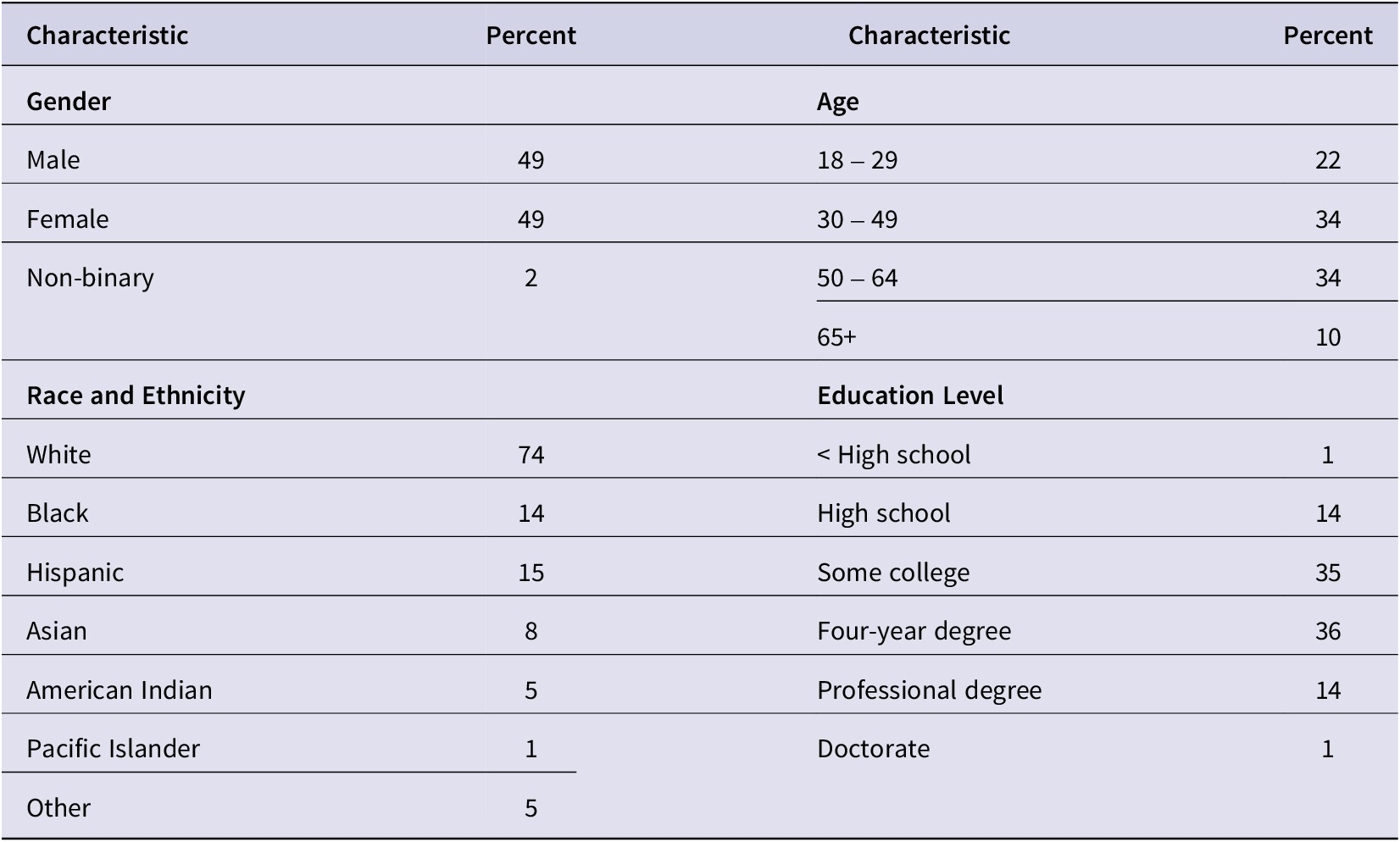
Table 2. Long description
The table is organized into four main demographic sections:
* Gender: Male 49 percent, Female 49 percent, and Non-binary 2 percent.
* Age: 18 to 29 at 22 percent, 30 to 49 at 34 percent, 50 to 64 at 34 percent, and 65 plus at 10 percent.
* Race and Ethnicity: White 74 percent, Black 14 percent, Hispanic 15 percent, Asian 8 percent, American Indian 5 percent, Pacific Islander 1 percent, and Other 5 percent.
* Education Level: Less than High school 1 percent, High school 14 percent, Some college 35 percent, Four-year degree 36 percent, Professional degree 14 percent, and Doctorate 1 percent.
Table 3 displays the mean scores for belief outcomes across treatment groups. The scores reveal distinct patterns in how consumers perceive different claim types, with and without disclaimers. To analyze these patterns systematically, we conducted a Multivariate Analysis of Variance (“MANOVA”) to evaluate the effects of claim type and disclaimer presence on consumer beliefs. The next two sections discuss those analyses, and the concluding section discusses the relationship between demographic factors and dietary supplement label beliefs.
Mean Scores for Belief Outcomes

Table 3. Long description
The table consists of 8 columns: Treatment Group, Disease Claim, Health Claim, Structure/Function Claim, Blood Pressure (normal), Blood Pressure (high), Blood Pressure Comparison, and F D A Oversight. Data is presented as Mean (Standard Deviation).
* Disclaimer Group:
- Disease: 4.42 (0.67) for Disease Claim; 4.59 (0.91) for Blood Pressure (high).
- Health: 3.60 (1.11) for Health Claim; 4.52 (0.45) for Structure/Function Claim.
- Structure: 4.41 (0.55) for Structure/Function Claim.
- Nutrient: Scores range from 1.21 to 2.74.
* No Disclaimer Group:
- Disease: 4.23 (0.71) for Disease Claim; 4.58 (0.61) for Blood Pressure (high).
- Health: 3.74 (0.84) for Health Claim; 4.47 (0.69) for Structure/Function Claim.
- Structure: 4.62 (0.56) for Structure/Function Claim.
- Nutrient: Scores range from 1.84 to 2.98.
* All Groups (Summary Row):
- Disease Claim: 3.20 (1.28)
- Health Claim: 3.12 (1.18)
- Structure/Function Claim: 3.79 (1.23)
- Blood Pressure (normal): 2.89 (1.28)
- Blood Pressure (high): 3.42 (1.31)
- Blood Pressure Comparison: 3.46 (1.24)
- F D A Oversight: 1.62 (0.99)
1. Claim Type
For analyzing the effect of claim type on belief outcomes, we ran a MANOVA. This test is appropriate because it assesses whether multiple dependent variables differ across groups while accounting for potential correlations between these variables.Footnote 103 Unlike a standard Analysis of Variance (“ANOVA”), which examines differences in a single dependent variable at a time, MANOVA simultaneously evaluates multiple outcomes to determine whether group membership exerts a significant multivariate effect.Footnote 104 This is particularly important in the present context given that the dependent variables are conceptually related and may not be independent.
In conducting a MANOVA, one of the key assumptions that must be met is the homogeneity of covariance matrices across groups.Footnote 105 This assumption ensures that the variance-covariance structure of the dependent variables is similar across the different groups being compared. To test this assumption, we employed Box’s M test, which assesses whether the covariance matrices of the groups are equal.Footnote 106 A significant result from Box’s M test would indicate that the assumption of homogeneity is violated, potentially compromising the validity of the MANOVA results. In our analysis, Box’s M test yielded a test statistic of 416.99, with eighty-four degrees of freedom and a p-value below 0.0001, indicating that the assumption of homogeneity is violated. This result is unsurprising given the visibly tighter response variances in the disease claim condition. Because Wilks’ Lambda can be sensitive to such violations, we rely on Pillai’s Trace, which is robust to departures from homogeneity of covariance, in evaluating the multivariate effect of claim type. Additionally, because several self-identified race categories contained too few participants to support estimation of the covariance matrices, the race analysis was limited to the four categories with adequate cell sizes (White, Black, Asian, and Other). Box’s M was non-significant for this comparison.
The MANOVA results for claim type (displayed in Table 4) revealed significant multivariate effects across treatment groups, indicating that group membership significantly influenced at least one of the dependent variables. Specifically, Wilks’ Lambda (0.2631, F = 100.94, p < 0.0001) confirmed a strong overall effect, warranting further investigation through univariate ANOVA and post-hoc analyses to identify which specific dependent variables contributed to these differences.
Multivariate Test Statistics for Group Comparisons (MANOVA) and Continuous Predictors (Multivariate Multiple Regression (MMR))

Table 4. Long description
The table consists of five columns: Effect, Box’s M, Wilks’ Lambda, F Statistic, and p-value. It is divided into two primary sections.
Section 1: M A N O V A (Multivariate Analysis of Variance)
- Claim Type: Box’s M 416.99, Wilks’ Lambda 0.2631, F Statistic 100.94 (significant at p < 0.001), p-value < 0.0001.
- Disclaimer: Box’s M 41.95, Wilks’ Lambda 0.9482, F Statistic 2.9394 (significant at p < 0.01), p-value < 0.01.
- Gender: Box’s M 44.11 (significant at p < 0.05), Wilks’ Lambda 0.9842, F Statistic 0.863, p-value 0.5356.
- Race: Box’s M -362.35, Wilks’ Lambda 0.9167, F Statistic 0.9379, p-value 0.5733.
Section 2: M M R (Multivariate Multiple Regression)
- Age: Box’s M n/a, Wilks’ Lambda 0.9767, F Statistic 1.2831, p-value 0.2574.
- Education: Box’s M n/a, Wilks’ Lambda 0.9845, F Statistic 0.8511, p-value 0.5456.
- Party I D: Box’s M n/a, Wilks’ Lambda 0.1287, F Statistic 364.6016 (significant at p < 0.001), p-value < 0.0001.
Footnote: * p < 0.05, ** p < 0.01, *** p < 0.001.
* p < 0.05, ** p < 0.01, *** p < 0.001.
Accordingly, we conducted univariate ANOVA for each dependent variable, as summarized in Table 5. The results showed that all but one dependent variable reached statistical significance (p < 0.0001). The only exception was FDA oversight, suggesting that the type of claim on the dietary supplement label did not significantly influence participants’ perceptions of the FDA’s role in approving and overseeing the product. This exception is noteworthy, as it suggests that consumers do not infer different levels of FDA involvement based on the type of claim presented on a supplement label. However, for all other dependent variables, claim type had a significant impact on participants’ responses.
Univariate ANOVA Results for Claim Type and Disclaimer

Table 5. Long description
The table consists of three columns: Dependent Variable (Belief), Claim Type F(3, 381), and Disclaimer F(1, 383).
* Disease: Claim Type 67.91 (p < 0.001), Disclaimer 0.01.
* Health: Claim Type 33.85 (p < 0.001), Disclaimer 0.44.
* Structure/Function: Claim Type 165.85 (p < 0.001), Disclaimer 0.45.
* Normal Blood Pressure: Claim Type 38.75 (p < 0.001), Disclaimer 3.02.
* High Blood Pressure: Claim Type 54.32 (p < 0.001), Disclaimer 0.28.
* Comparative Blood Pressure: Claim Type 37.47 (p < 0.001), Disclaimer 1.24.
* F D A Oversight: Claim Type 0.88, Disclaimer 15.93 (p < 0.001).
Note: Three asterisks indicate p < 0.001.
*** p < 0.001.
To determine precisely which claim types differed from each other, we conducted Tukey’s Honestly Significant Difference (“HSD”) tests for pairwise comparisons.Footnote 108 ANOVA itself only indicates the presence of a significant effect — it does not specify where those differences lie.Footnote 109 Therefore, it is necessary to conduct pairwise comparisons to clarify the specific relationships between group means.
A key benefit of Tukey’s HSD is that it accounts for multiple comparisons, reducing the risk of Type I error — incorrectly concluding that a difference exists when it does not.Footnote 110 The test calculates a critical value based on the sample sizes and variance within the groups and compares each pair of means to determine whether their difference is statistically significant.Footnote 111 Unlike simpler post-hoc tests, Tukey’s HSD maintains a consistent family-wise error rate, making it particularly useful in legal and regulatory research, where empirical findings must withstand rigorous scrutiny.Footnote 112 Table 6 displays the pairwise comparison of means resulting from Tukey’s HSD.
Pairwise Comparison of Means for Claim Type – Tukey’s HSD

Table 6. Long description
The table consists of nine columns: Group 1, Group 2, Disease Belief, Health Belief, S F Belief, Normal B P, High B P, Comp, and F D A.
* Disease versus Health: Disease Belief -1.11 (p < 0.01), Health Belief 0.62 (p < 0.01), S F Belief 0.62 (p < 0.01), Normal B P 1.54 (p < 0.01), High B P -1.32 (p < 0.01), Comp -1.28 (p < 0.01), F D A 0.07.
* Disease versus Structure: Disease Belief -1.21 (p < 0.01), Health Belief 0.41 (p < 0.05), S F Belief 0.65 (p < 0.01), Normal B P 1.49 (p < 0.01), High B P -1.32 (p < 0.01), Comp -1.04 (p < 0.01), F D A -0.10.
* Disease versus Nutrient: Disease Belief -2.16 (p < 0.01), Health Belief -0.80 (p < 0.01), S F Belief -1.63 (p < 0.01), Normal B P 0.92 (p < 0.01), High B P -1.99 (p < 0.01), Comp -1.58 (p < 0.01), F D A -0.13.
* Health versus Structure: Disease Belief -0.09, Health Belief -0.21, S F Belief 0.03, Normal B P -0.05, High B P -0.00, Comp 0.23, F D A -0.18.
* Health versus Nutrient: Disease Belief -1.04 (p < 0.01), Health Belief -1.41 (p < 0.01), S F Belief -2.25 (p < 0.01), Normal B P -0.62 (p < 0.01), High B P -0.66 (p < 0.01), Comp -0.31, F D A -0.21.
* Structure versus Nutrient: Disease Belief -0.95 (p < 0.01), Health Belief -1.20 (p < 0.01), S F Belief -2.28 (p < 0.01), Normal B P -0.57 (p < 0.05), High B P -0.66 (p < 0.01), Comp -0.54 (p < 0.01), F D A -0.03.
* p < 0.05, ** p < 0.01.
Our analysis identified numerous statistically significant differences that paint a detailed picture of how the four claim types (Disease, Health, Structure/Function, and Nutrient Content) differ from each other on the participant belief scores.
Several patterns directly address our hypotheses. First, nutrient content claims produced significantly weaker disease beliefs compared to all other claim types, with differences ranging from -0.95 to -2.16 (all p < 0.01). This finding supports Hypothesis 1, confirming that consumers interpret nutrient content claims as communicating less about disease treatment efficacy than other claim types.
Second, disease claims produced significantly stronger disease beliefs than health claims (difference = -1.11, p < 0.01), structure/function claims (difference = -1.21, p < 0.01), and nutrient content claims (difference = -2.16, p < 0.01). This finding supports Hypothesis 3, which posited that consumers exposed to disease claims would be more likely to believe the product treats or prevents disease compared to those exposed to other types of claims.
Looking to other categories, disease claims produced significantly stronger beliefs that the product is intended for individuals with high blood pressure (mean = 4.59) compared to all other claim types, while leading to significantly weaker beliefs that the product is intended for individuals with normal blood pressure (mean = 1.89) compared to all other claim types. These results suggest that disease claims effectively communicate a therapeutic intent that distinguishes them from other claim types.
Casting some caution on these results, however, is the fact that forty-eight percent of the respondents in the structure/function group and fifty-two percent of the respondents in the health claim group expressed “somewhat” or “strong” disease claim beliefs. This finding tempers support for Hypothesis 3 by suggesting that — although disease claims are most likely to convince consumers that a product treats a disease — structure/function claims and health claims also lead consumers to believe that a product treats a disease.
The third notable finding is that health claims and structure/function claims did not significantly differ in their influence on disease beliefs (difference = -0.09, p > 0.05). This finding contradicts Hypothesis 2, which predicted that structure/function claims would produce weaker disease beliefs than health claims. Instead, consumers appeared to interpret these claim types as semantically equivalent with respect to disease treatment capabilities. Notably, structure/function claims and health claims produced statistically equivalent beliefs across multiple measures, including disease beliefs, structure/function beliefs, and high blood pressure beliefs (all p > 0.05). This equivalence in consumer interpretation challenges the regulatory distinction between these claim categories under DSHEA.
These results offer mixed support for the regulatory distinctions established by DSHEA. While participants perceived nutrient content claims as weaker than other claim types (Hypothesis 1 supported) and perceived disease claims as stronger than other claim types (Hypothesis 3 supported), they did not distinguish between health claims and structure/function claims (Hypothesis 2 not supported).
2. Disclaimer
To assess whether the presence of the DSHEA-mandated disclaimer influenced consumer beliefs, we conducted a separate MANOVA, which is reported above in Table 4. The results showed a significant multivariate effect of the disclaimer (Wilks’ Lambda = 0.9482, F = 2.9394, p < 0.01), but univariate ANOVA tests indicated that this effect was limited in scope.
The only statistically significant impact of the disclaimer was on FDA oversight beliefs. Consistent with both Hypothesis 5 and regulatory expectations, participants who viewed supplement labels with the disclaimer reported lower beliefs that the FDA had evaluated the product’s effectiveness (mean = 1.42) compared to those who viewed labels without the disclaimer (mean = 1.82). Although statistically significant, this effect size was relatively small (Cohen’s d = 0.407), suggesting a limited practical impact on consumer perceptions.
Importantly, the disclaimer did not significantly reduce consumer beliefs in product efficacy for disease prevention or health improvement. This finding contradicts DSHEA’s implicit assumption that disclaimers serve a meaningful consumer protection role, undermining Hypothesis 4. Instead, the data show that, when it comes to forming beliefs about a product’s efficacy, consumers largely ignore or fail to interpret the disclaimer as intended, a conclusion consistent with prior research on disclaimer ineffectiveness.Footnote 113
3. Demographic Effects
As depicted in Table 4, our analysis found no significant multivariate effects for gender or race on belief outcomes. Given that age is a continuous variable, a MANOVA is not the appropriate test.Footnote 114 Instead, we ran a Multivariate Multiple Regression with age as a predictor of the dependent variables.Footnote 115 The p-value (p = 0.2574) suggests that age does not have a statistically significant multivariate effect on the dependent variables in this model. To confirm, we ran follow-up univariate regressions for each dependent variable with age as the predictor. No univariate regressions yielded statistically significant results. The only variable approaching significance was Normal Blood Pressure (p = 0.0579), suggesting a possible weak relationship between age and perceptions that the product benefits individuals with normal blood pressure.
Similarly, education level showed no significant multivariate effect on consumer beliefs (Wilks’ Lambda = 0.9845, F = 0.8511, p = 0.5456). These non-significant findings suggest that demographic factors do not substantially influence how consumers interpret dietary supplement claims, pointing to consistent patterns of interpretation across diverse demographic groups.
For political affiliation, our analysis revealed two statistically significant relationships. First, political identification showed a significant negative association with Normal Blood Pressure beliefs (p = 0.016), indicating that more conservative respondents reported lower normal blood pressure perceptions. Second, and more robustly, political affiliation correlated with FDA oversight beliefs (p < 0.0001, R² = 0.043), with more conservative respondents expressing higher confidence in FDA evaluation of the product. This finding contradicts our initial hypothesis, which had anticipated the opposite relationship. The effect size indicates that political ideology explains approximately 4% of the variance in attitudes toward FDA oversight.
Given the increasing politicization of public health policy, particularly during the COVID-19 pandemic,Footnote 116 this result underscores the need to examine how ideological commitments shape public trust in scientific and regulatory institutions. Future research should explore whether this relationship is driven by broader conservative attitudes toward government oversight, specific experiences with FDA-regulated products, or partisan messaging on health policy.
Table 7 summarizes the results for all five hypotheses. Only Hypothesis 1 (nutrient content claims produce weaker disease beliefs than other claims) received full support. Hypothesis 2 (structure/function claims produce weaker disease beliefs than health or disease claims) received partial support, as it held true for disease claims but not for health claims. Hypothesis 3 (health claims produce weaker disease beliefs than disease claims) was supported. Hypothesis 4 (disclaimer reduces disease beliefs) failed to receive support, while Hypothesis 5 (disclaimer reduces FDA approval beliefs) showed a statistically significant effect, but with a small effect size, indicating limited practical impact. Notably, none of the demographic factors yielded statistically significant effects, except for party identification, which — contrary to expectations — showed that conservative respondents are more likely to think that the FDA evaluated the supplement for efficacy.
Hypothesis Results

Table 7. Long description
The table consists of three columns: Hypothesis, Supported by Findings, and Regulatory Consistency.
* H 1: Nutrient is less than Other Claims. Supported by Findings: Yes. Regulatory Consistency: Yes.
* H 2: Structure is less than Health or Disease. Supported by Findings: Partial. Regulatory Consistency: Partial.
* H 3: Health is less than Disease. Supported by Findings: Yes. Regulatory Consistency: Yes.
* H 4: Disclaimer decreases Effectiveness. Supported by Findings: No. Regulatory Consistency: No.
* H 5: Disclaimer decreases F D A Approval. Supported by Findings: Yes (limited effect). Regulatory Consistency: Yes.
III. Discussion
Our experimental investigation of dietary supplement label claims reveals significant discrepancies between regulatory assumptions and consumer understanding. DSHEA’s regulatory framework presupposes that consumers clearly differentiate between four distinct claim types, each meriting different levels of oversight.Footnote 117 Our findings, however, demonstrate that consumer perceptions do not align with this four-tiered regulatory structure, raising important questions about the effectiveness of current dietary supplement regulation.
Equally concerning is our finding regarding the FDA disclaimer mandated by DSHEA. The data show that this disclaimer — prominently displayed on supplement labels in boldface type — fails to meaningfully impact consumer perceptions of product efficacy. Despite regulatory intentions, the presence of the disclaimer “[t]his statement has not been evaluated by the Food and Drug Administration. This product is not intended to diagnose, treat, cure, or prevent any disease” did not significantly reduce participants’ beliefs that the supplements could treat health conditions. This disconnect between regulatory theory and consumer reality suggests that a central consumer protection mechanism within DSHEA may be fundamentally flawed.
Part III explores the implications of our findings in four sections. Section A summarizes our key experimental results and their significance. Section B analyzes the regulatory implications of consumer misperceptions about supplement claims. Section C offers concrete policy recommendations to address the identified shortcomings in the current regulatory framework. Finally, Section D acknowledges limitations of our study and suggests promising directions for future research.
A. Summary of Key Findings
The most notable finding from our experiment is that consumers interpret structure/function claims and health claims as semantically equivalent. Despite the distinct regulatory paths for these claim types — with structure/function claims requiring only notification and health claims requiring pre-market FDA reviewFootnote 118 — participants showed no statistically significant difference in their beliefs about product effectiveness when exposed to either claim type. This equivalence was consistent across multiple belief measures, including disease treatment capability, health promotion, and intended user population.
This finding directly contradicts DSHEA’s assumption that structure/function claims communicate less therapeutic intent than health claims. Under the current regulatory framework, a supplement manufacturer claiming that a product “supports cardiovascular health” (structure/function) faces minimal oversight, while claiming it “may reduce the risk of heart disease” (health claim) requires substantial scientific agreement or qualified health claim review.Footnote 119 Our results suggest that consumers perceive these statements as communicating essentially the same information about product benefits.
In contrast, disease claims were correctly perceived as stronger than both health and structure/function claims, supporting Hypothesis 3.Footnote 120 Participants who viewed disease claims reported significantly higher beliefs that the product could treat existing medical conditions. Similarly, participants correctly identified nutrient content claims as communicating less therapeutic value than other claim types, supporting Hypothesis 1. This creates, in effect, a three-tiered system of consumer interpretation (disease claims > structure/function claims and health claims > nutrient content claims) that conflicts with the current four-tiered regulatory system.
Another striking finding concerns the ineffectiveness of the FDA disclaimer required by DSHEA. The mandated disclaimer showed no significant impact on participants’ beliefs about product effectiveness.Footnote 121 The only measurable effect was on perceptions of FDA oversight, and even this effect was modest in magnitude.Footnote 122 Given the time, space, and administrative costs associated with disclaimer requirements,Footnote 123 this minimal impact raises serious questions about the disclaimer’s value as a consumer protection tool.
Our demographic analyses revealed surprisingly consistent interpretations across gender, race, age, and education levels, suggesting that claim interpretation patterns are broadly similar across diverse consumer groups.Footnote 124 The sole exception was political affiliation, where more conservative respondents showed greater belief that the FDA had evaluated the product’s effectiveness — contrary to what one would likely expect, given that conservatives tend to be more distrustful of government regulation.Footnote 125 This finding merits further investigation to ascertain whether it is reflective of broader political attitudes toward regulatory institutions.
B. Regulatory Implications
1. Reconsidering the Structure/Function and Health Claim Distinction
The lack of perceived difference between structure/function claims and health claims suggests that the current regulatory distinction may be arbitrary from a consumer perspective. Maintaining separate regulatory pathways for claims that consumers interpret identically creates inefficiency without corresponding consumer protection benefits. This regulatory redundancy imposes costs on both industry and government without achieving the presumed goal of providing consumers with clearly differentiated information.
The FDA currently devotes substantial resources to determining whether a claim falls into the structure/function or health claim category. For instance, distinguishing between “supports heart health” and “may reduce the risk of heart disease” requires careful linguistic analysis and consumes scarce regulatory resources.Footnote 126 Our research suggests that these fine distinctions, while legally significant, are functionally meaningless to the average consumer.
Moreover, the current system creates perverse incentives for manufacturers. Given the higher regulatory hurdles for health claims, manufacturers have strong incentives to phrase their claims in structure/function terminology while implying health benefits.Footnote 127 This regulatory arbitrage allows companies to communicate therapeutic benefits to consumers while avoiding the scientific substantiation requirements associated with health claims.Footnote 128 Our results suggest that this strategy is effective; consumers interpret structure/function claims as communicating health benefits comparable to explicit health claims.Footnote 129
2. The Failure of Disclaimer Requirements
The ineffectiveness of the disclaimer suggests a fundamental misalignment between regulatory theory and consumer behavior.Footnote 130 Several factors may explain this failure. First, the disclaimer’s placement (typically on the back panel of supplement packaging) may reduce its visibility and impact. While technically compliant with DSHEA requirements,Footnote 131 this placement ensures that consumers often encounter bold benefit claims before seeing the qualifying disclaimer — if they see it at all. Researchers have theorized that consumers may be overwhelmed by the totality of marketing messages and fail to notice or process the disclaimer amidst more prominent claims and imagery.Footnote 132
Second, the disclaimer’s formal, legalistic language may impede comprehension. Phrases like “this statement has not been evaluated” use passive voice and regulatory jargon that consumers may find difficult to interpret, particularly in the context of otherwise persuasive marketing language.Footnote 133
Third, the disclaimer contradicts consumers’ base assumptions about product regulation. As noted by Mason and Scammon, many consumers operate under an “expectation of protection” assumption, believing that health-related products must meet some regulatory standard before reaching market shelves.Footnote 134 A small-print disclaimer may be insufficient to overcome this deeply held belief.Footnote 135
Most fundamentally, the disclaimer’s ineffectiveness reflects a flawed understanding of how consumers process supplement information. DSHEA assumes a rational, deliberate consumer who carefully weighs all label information. Our findings align with a growing body of research suggesting that consumers instead use heuristic processing when evaluating supplement claims, focusing on prominent benefit statements while giving limited attention to qualifying information.Footnote 136
3. The Need for DSHEA Reform
Our findings contribute to mounting evidence that DSHEA’s core regulatory mechanisms — differentiated claim categories and mandatory disclaimers — fail to achieve their intended consumer protection goals.Footnote 137 The current system creates an illusion of consumer choice and informed decision-making while permitting manufacturers to make strongly implied health claims with minimal substantiation and oversight.
Our findings should be understood against DSHEA’s explicit legislative goals. Congress enacted the statute with two primary objectives: “to ensure the continued consumer access to a wide variety of dietary supplements” and “to provide consumers with more information about the intended use of dietary supplements.”Footnote 138 The congressional findings accompanying DSHEA emphasized that “consumers should be empowered to make choices about preventive health care programs based on data from scientific studies of health benefits related to particular dietary supplements.”Footnote 139 The mandatory disclaimer was designed to serve this informational function by ensuring consumers understood the limited governmental oversight of supplement claims.Footnote 140 Our experimental results suggest this mechanism is not achieving its intended purpose.
This regulatory failure is particularly concerning given the substantial growth in the dietary supplement market since DSHEA’s passage.Footnote 141 When DSHEA was enacted in 1994, the U.S. supplement industry generated approximately four billion dollars in annual revenue.Footnote 142 In 2025, this figure is expected to reach nearly sixty billion dollars.Footnote 143 With increasing numbers of consumers using supplements as part of their health care regimen, the stakes of regulatory ineffectiveness have grown accordingly.Footnote 144
The current system’s shortcomings are compounded by limited FDA enforcement resources. Even when products violate the already permissive standards of DSHEA, the FDA often lacks the capacity to identify and address violations.Footnote 145 The result is a market where misleading claims proliferate, and consumers lack reliable information for evaluating supplement efficacy.
The FDA has itself recognized some of these regulatory gaps. In 2019, the agency announced an initiative to modernize dietary supplement regulation, acknowledging that the existing DSHEA framework had not kept pace with industry growth and evolving consumer safety concerns.Footnote 146 The initiative proposed enhancing enforcement against illegal products, working with industry stakeholders on good manufacturing practices, and exploring new regulatory tools for emerging safety issues.Footnote 147 However, implementation has been limited, and the fundamental structural features of DSHEA — including the distinction between structure/function claims and health claims that our research calls into question — remain unchanged.Footnote 148 Notably, the statement was removed from the FDA’s website in mid-2025, perhaps reflecting a shift in priorities under the Trump Administration.Footnote 149
Our findings suggest that any meaningful modernization effort must address not only enforcement capacity but also the core regulatory categories that consumers fail to distinguish. Although the FDA’s 2019 initiative acknowledged the need for reform, it fell short of the comprehensive restructuring that our empirical evidence suggests is necessary.
C. Policy Recommendations
1. Streamlining Claim Categories
Our findings support a simplification of the current four-tier regulatory system. Given consumers’ three-tier interpretation pattern, policymakers should consider consolidating structure/function and health claims into a single regulatory category subject to consistent substantiation requirements. This would align regulatory distinctions with consumer understanding while reducing unnecessary complexity.
A revised system might maintain separate categories for nutrient content claims (focused on product composition), non-therapeutic claims (encompassing current structure/function and health claims), and therapeutic claims (that is, claims to diagnose, treat, mitigate, cure, or prevent disease). This approach would preserve meaningful distinctions while eliminating artificial categories that consumers do not distinguish.
For the consolidated non-therapeutic claim category, policymakers should establish a single substantiation standard that is more rigorous than the current structure/function requirements but potentially more flexible than the “significant scientific agreement” standard currently applied to authorized health claims. One approach would be to fully embrace the “competent and reliable scientific evidence” standard while providing the FDA with enforcement power to compel dietary supplement manufacturers to produce evidence substantiating their claims.Footnote 150 Such a change would require congressional action to amend DSHEA, but it would go a long way toward ensuring that only scientifically supported claims make it onto supplement labels.
The consolidated category approach offers several advantages beyond regulatory simplification. First, it would eliminate the current incentive for manufacturers to strategically phrase claims to fit the less-regulated structure/function category while implying health benefits.Footnote 151 Second, it would create a level playing field where all manufacturers making similar implied claims would face consistent requirements. Third, it would direct FDA resources away from semantic determinations about claim categories and toward substantive evaluations of scientific support.
While waiting for congressional action, the FDA could take interim steps within its existing authority by issuing guidance documents that acknowledge the functional similarity of structure/function and health claims from a consumer perspective. Such guidance could signal enforcement priorities that focus on substantiation quality rather than technical compliance with claim categorization requirements.
Industry stakeholders might initially resist such consolidation, particularly manufacturers that have developed business models around the current structure/function claim framework. However, a streamlined system could also offer benefits to responsible industry actors by reducing regulatory uncertainty and leveling the competitive landscape between companies making structure/function claims and those investing in the scientific support necessary for health claims.
2. Enhancing Disclosure Effectiveness
Rather than relying on the current ineffective disclaimer, policymakers should develop evidence-based approaches to communicating supplement regulatory status. The current disclaimer suffers from multiple deficiencies that undermine its effectiveness. Its placement on the back panel of supplement packaging ensures that consumers encounter benefit claims before seeing qualifying information.Footnote 152 The formal, legalistic language creates a comprehension barrier for many consumers, particularly those with limited health literacy.Footnote 153 Furthermore, the disclaimer’s small size and technical phrasing fail to overcome consumers’ baseline assumption that health-related products undergo regulatory review before reaching market shelves.
A more effective disclosure system would address these deficiencies through strategic placement, clear language, and consumer-tested formats. Front-of-package disclosures would ensure visibility at the critical moment of product evaluation and purchase decision. Such disclosures might include standardized iconography that visually communicates the level of scientific support.Footnote 154 The language should be direct and accessible, potentially replacing the current passive-voice construction (“[t]his statement has not been evaluated”) with active phrasing that clearly communicates regulatory status (“[t]he FDA has not reviewed whether this product works as claimed”). The federal government’s own plain language guidelines support this shift to active voice.Footnote 155
Notably, our proposed disclaimer is designed to operate within the existing DSHEA framework, where the agency genuinely lacks authority to evaluate substantiation for structure/function claims before they reach consumers.Footnote 156 This language would replace the existing disclaimer’s oblique reference to diagnosis and treatment with a straightforward acknowledgment of regulatory reality: no governmental body has assessed whether the product delivers its promised benefits. To be sure, this disclosure would require revision under a reformed system where FDA possessed greater substantiation authority — a point we address below in connection with our broader structural proposals. But as an incremental improvement achievable without statutory amendment, the revised disclaimer offers immediate benefits by communicating to consumers, in plain terms, the limited governmental oversight that currently exists.
Visual hierarchies in label design also warrant regulatory attention. Current regulations permit benefit claims to appear in large, bold typeface on the front panel while relegating disclaimers to smaller text on secondary panels.Footnote 157 A more balanced approach would establish size relationships between claims and qualifying information, ensuring that disclaimers receive visual prominence proportional to the claims they modify. This would counteract the current practice where eye-catching benefit statements dominate consumer attention while qualifying information remains visually subordinate. The Federal Trade Commission’s (“FTC”) Green Guides serve as a good model for this type of balanced disclosure through their requirements that disclosures be “clear and prominent,” in plain language, and placed in close proximity to the claim.Footnote 158
Standardization of disclosure formats would further enhance effectiveness by creating consistent expectations across products. When consumers encounter uniform disclosure elements across the supplement marketplace, recognition and comprehension improve through repetition.Footnote 159 The standardized Nutrition Facts panel on food products provides a successful model of how consistent formatting can facilitate consumer information processing.Footnote 160 A similar “Supplement Facts” panel could include not only nutritional content but also clear indication of the evidence level supporting key claims.
Consumer testing should precede any disclosure reforms to ensure effectiveness. Unlike the current disclaimer, which appears to have been implemented without empirical validation, new approaches should demonstrate actual impact on consumer understanding in experimental settings. Such testing should evaluate multiple alternative formats, assess comprehension across demographic groups, and measure whether disclosures actually modify beliefs about product effectiveness. This evidence-based approach would align with best practices in disclosure design from other regulatory domains, including securities regulation, environmental labeling, and pharmaceutical information.
3. Strengthening Oversight Mechanisms
Beyond labeling reforms, our findings point to the need for enhanced substantiation requirements and improved oversight mechanisms. The current post-market notification system for structure/function claims creates a regulatory gap that allows products to reach consumers before any agency review.Footnote 161 This approach fundamentally differs from the pre-market approval process required for drugs and the pre-market notification required for health claims,Footnote 162 despite our finding that consumers interpret structure/function claims as communicating similar therapeutic benefits.
Congress should consider amending DSHEA to require pre-market notification for all supplement claims, establishing a unified framework where manufacturers must inform the FDA of claims before products reach consumers. This notification should include not merely the claim language but also a summary of supporting evidence. While falling short of the pre-market approval required for pharmaceutical products, this approach would create a review opportunity before consumers are exposed to potentially misleading claims.
The current inability of the FDA to demand substantiation evidence represents another significant oversight gap. Manufacturers can assert possession of supporting evidence without actually producing it or subjecting it to regulatory scrutiny.Footnote 163 This creates an “honor system” where the agency charged with consumer protection lacks the tools to verify compliance.Footnote 164 Legislative reform should grant the FDA explicit authority to request and review substantiation for all supplement claims, with appropriate penalties for non-compliance or inadequate substantiation.
Minimum standards for substantiation quality would further strengthen the regulatory framework. The current guidance suggesting “competent and reliable scientific evidence” lacks specificity regarding study design, sample size, or applicability to specific product formulations.Footnote 165 The OIG investigation discussed in Part I revealed that many manufacturers rely on studies of individual ingredients rather than finished formulations, ignoring potential interactions among ingredients.Footnote 166 Reformed standards should require evidence for the actual formulation being marketed, appropriate dosages, and relevant populations, with higher substantiation thresholds for claims implying stronger benefits.
A system of random auditing would enhance compliance without requiring universal pre-market review of all substantiation materials. By selecting a percentage of products for in-depth substantiation review each year, the FDA could create a meaningful enforcement presence while managing resource constraints. This approach, similar to IRS tax auditing, would create industry-wide incentives for compliance without requiring expansion of the agency’s capacity to the point of reviewing all products.
Penalties for unsubstantiated claims must be stringent enough to deter violations. The current system, where removing non-compliant products from shelves often represents the primary consequence, creates insufficient economic disincentives for noncompliance.Footnote 167 Enhanced penalties might include significant financial consequences, mandatory corrective advertising, and restrictions on future claims for repeat violators. These graduated enforcement options would provide the FDA with a range of tools proportionate to the severity and frequency of violations.
International regulatory models offer instructive examples for potential reforms. Canada’s Natural Health Products Regulations require pre-market licensing for supplements, including review of safety, quality, and claim substantiation.Footnote 168 The European Food Safety Authority has established a centralized process for evaluating health claims on foods and supplements, resulting in many previously common claims being disallowed for insufficient evidence.Footnote 169
The global nature of the supplement market argues for greater international regulatory harmonization. Manufacturers increasingly operate across multiple jurisdictions with varying regulatory requirements, creating compliance challenges and inconsistent consumer protections.Footnote 170 While full harmonization may be unrealistic given differing regulatory philosophies, increased alignment on basic evidentiary standards and claim categories would benefit both industry and consumers.
The Codex Alimentarius Commission, jointly established by the World Health Organization and Food and Agriculture Organization, offers an existing forum for international coordination on supplement standards.Footnote 171 Stronger U.S. engagement with Codex efforts to develop harmonized approaches to health claims could promote regulatory convergence while ensuring U.S. interests are represented in international standard-setting. Although wholesale adoption of these approaches might prove politically challenging in the U.S. context, they demonstrate that more robust oversight frameworks are both possible and operational in comparable markets.
Understanding these political challenges requires acknowledging the unique political economy of dietary supplement regulation in the United States. Utah has emerged as the epicenter of the American supplement industry, with hundreds of companies headquartered in the state and the sector contributing billions of dollars annually to the state’s economy.Footnote 172 This concentration is not coincidental. Senator Orrin Hatch of Utah was DSHEA’s primary congressional sponsor and remained a staunch defender of the industry throughout his career.Footnote 173
The resulting regulatory framework reflects legislative compromises that often prioritized industry access to market over consumer protection mechanisms. Any meaningful reform effort must, therefore, contend with powerful industry lobbying interests, particularly concentrated in Utah but extending to trade associations with significant political influence nationwide. Past attempts to strengthen FDA authority over supplements have consistently faced organized opposition from industry groups, often framed in terms of consumer choice and health freedom.Footnote 174 These political realities suggest that incremental reforms focused on disclosure and substantiation requirements may prove more feasible than comprehensive restructuring of the regulatory framework, even where more aggressive intervention might better serve consumer interests.
Accordingly, transitional provisions may be essential for any strengthened oversight system. With thousands of products already on the market making structure/function claims,Footnote 175 an implementation timeline that prioritizes high-risk products and claims would allow for orderly regulatory reforms. Claims related to serious health conditions, products with high market penetration, and those targeted at vulnerable populations might receive earlier review, with a phased implementation schedule for other products.Footnote 176
Funding for enhanced oversight presents a significant challenge but could be addressed through user fees like those employed in pharmaceutical regulation. A fee structure — paid by dietary supplement manufacturers — for claim notifications and substantiation reviews would provide resources for meaningful oversight while distributing costs to the industry benefiting from access to the supplement market. Such fees should be scaled appropriately to avoid creating barriers to entry for smaller manufacturers while ensuring sufficient resources for consumer protection activities.
4. Consumer Education Initiatives
Regulatory reforms alone cannot fully address the information asymmetries in the supplement marketplace. Complementary consumer education initiatives are essential to improve public understanding of supplement regulation and evidence evaluation. The FDA, FTC, and other agencies should develop coordinated educational campaigns explaining the different levels of evidence behind drug claims versus supplement claims, the meaning of various claim types, and strategies for critically evaluating product marketing.
Health care providers represent another crucial channel for consumer education. Physicians, pharmacists, dietitians, and other health care professionals should receive training on supplement regulation and evidence standards to better advise patients. Integration of supplement literacy into medical, pharmacy, and nutrition education would equip the next generation of providers to guide consumers through increasingly complex supplement decisions.
Digital tools offer promising avenues for consumer education and independent evaluation. Development of authoritative databases summarizing the evidence behind common supplement ingredients, accessible through consumer-friendly mobile applications, could provide point-of-purchase information beyond what packaging can convey. These resources could include simplified evidence ratings, potential interactions with medications, and links to primary research for those seeking deeper information.Footnote 177
Finally, our study underscores the need for evidence-based approaches to regulatory policy. The disconnect between DSHEA’s assumptions and our empirical findings highlights the risks of developing regulatory frameworks without adequate consumer research. Future regulatory developments should incorporate robust consumer testing before implementation, with ongoing assessment of effectiveness after implementation.
This approach would transform dietary supplement regulation from a largely static system into an adaptive framework responsive to emerging evidence about consumer understanding and behavior. Regular assessment of how consumers interpret and use label information would allow for refinement of regulatory approaches over time, creating a more effective and efficient system for ensuring that supplement marketing provides consumers with accurate and useful information for health decision-making.
D. Limitations and Future Research
While our study provides valuable insights into consumer interpretation of dietary supplement claims, several limitations merit acknowledgment. First, our experimental design presented claims on simulated supplement labels viewed on computer screens. Although we designed these labels to closely mirror real-world products, the purchasing context differs from actual retail environments where consumers face time pressure, competing products, and additional marketing stimuli. Future research should consider field experiments or eye-tracking studies to assess how consumers process claim information in naturalistic shopping settings.
Second, our study focused on a single health domain: blood pressure and cardiovascular health. Consumer interpretation may vary across different health conditions, particularly those with greater personal salience or public awareness. Research examining claims related to cognitive function, weight management, or immune health could reveal whether our findings generalize across the supplement market or reflect domain-specific patterns.
Third, while our sample was demographically representative of the U.S. population, we did not specifically examine populations with particularly high supplement usage or those most vulnerable to misleading claims, such as individuals with chronic health conditions or the elderly. Future research should oversample these populations to assess whether their claim interpretation differs from the general population.
Finally, our study measured immediate perceptions rather than downstream behaviors such as purchasing decisions or health choices. While belief formation is a critical step in consumer behavior, additional research examining actual decision-making would strengthen the connection between label interpretation and consumer welfare outcomes. Longitudinal studies tracking supplement use decisions over time could provide richer insights into how claim interpretation affects health-related behaviors. These limitations notwithstanding, our findings provide an important empirical foundation for evaluating DSHEA’s regulatory assumptions and capture meaningful features of consumer cognition that policymakers should consider in future regulatory design.
IV. Conclusion
Our study reveals a fundamental disconnect between the regulatory framework governing dietary supplement claims and the way consumers interpret those claims. While DSHEA establishes a four-tiered regulatory structure, our findings demonstrate that consumers perceive only three functional categories: (1) disease claims, which they correctly understand as conveying therapeutic efficacy; (2) structure/function and health claims, which they interpret as essentially equivalent; and (3) nutrient content claims, which they recognize as distinct from efficacy-related claims. This disconnect undermines the regulatory logic of the current system and raises significant consumer protection concerns.
Equally concerning, our results show that DSHEA’s mandated disclaimer — designed to alert consumers that supplement claims are not FDA-approved — has little to no impact on consumer perceptions of product effectiveness. Despite its prominent placement, the disclaimer does not significantly alter beliefs about a supplement’s ability to treat or prevent disease, indicating that it fails as a meaningful consumer protection tool.
These findings call into question the efficacy of DSHEA’s core regulatory mechanisms. If consumers do not differentiate between structure/function and health claims, then the additional regulatory burden placed on health claims serves little practical purpose beyond encouraging manufacturers to strategically phrase their claims in a way that avoids scrutiny. Similarly, if disclaimers fail to inform consumers as intended, then policymakers must reconsider whether alternative forms of disclosure — such as front-of-label warnings or clearer, standardized language — might be more effective.
Ultimately, our research suggests that dietary supplement regulation requires reform to align with consumer cognition and behavior. A more rational system would consolidate structure/function and health claims into a single category with a uniform substantiation requirement, strengthen oversight mechanisms to prevent misleading marketing, and replace ineffective disclaimers with disclosures that have been empirically tested for clarity and impact. Without such reforms, DSHEA will continue to provide only the illusion of consumer protection — while leaving consumers vulnerable to misunderstanding the true nature of the supplements they purchase.
* * *
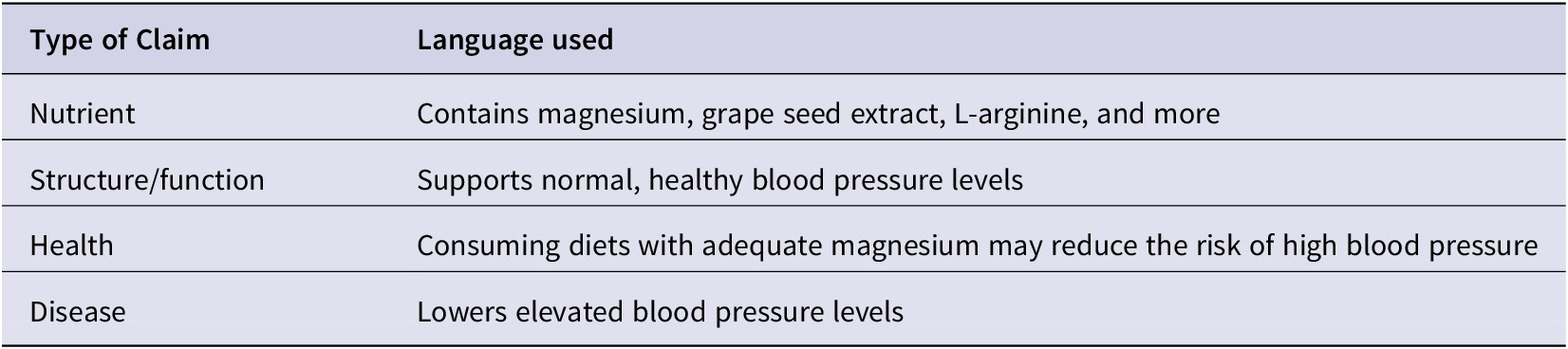


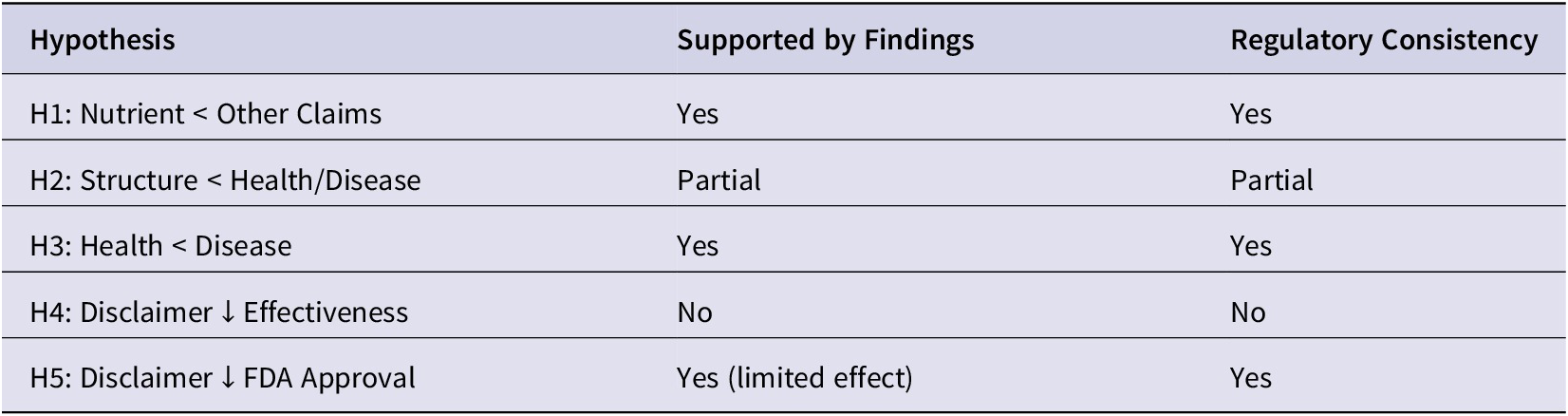

 Open access

