





Impact statement
This research provides a novel framework for harnessing microbial power to restore degraded drylands, which cover more than 40% of Earth’s surface and support billions of people. By synthesizing three decades of successes and failures in incorporating soil microorganisms into dryland restoration, we introduce the MICROB framework. This step-by-step decision tool helps ecologists and practitioners design cost-effective, context-specific microbial solutions. Unlike traditional approaches, MICROB emphasizes that microbes serve as supplementary tools to enhance, not replace, existing restoration strategies such as revegetation. It also highlights when microbial interventions are unnecessary, such as when concomitant recovery or functional redundancy suffices, preventing wasteful applications. The MICROB framework can be seamlessly incorporated into existing restoration planning and design standards, guiding practitioners in deciding when, where and how microbial knowledge should complement restoration efforts. A key innovation is the integration of practitioner needs into microbial selection, ensuring that solutions are scientifically sound, practical and scalable. Additionally, we propose a low-cost field method that combines soil conditioning and inoculation to enhance native microbial colonization, thereby eliminating the need for expensive molecular monitoring. This approach makes microbial restoration accessible to resource-limited regions, particularly in developing countries where dryland degradation is most severe. By bridging the gap between microbial ecology and on-the-ground restoration, this work provides a framework for using soil microorganisms to enhance vegetation establishment, improve soil health and strengthen ecosystem functioning in drylands. The insights gained from this synthesis can guide restoration practice, inform sustainable land-management policy and support interventions that build ecosystem resilience under environmental stress. As climate change expands aridity into non-dryland regions, the insights gained here regarding microbial survival and ecosystem recovery under water scarcity will become increasingly relevant for broader land rehabilitation and agricultural resilience efforts.
Introduction
Human activities have transformed ~30% of terrestrial land for various uses, with an additional one-third experiencing degradation, which is particularly evident in global drylands (Hoover et al., Reference Hoover, Bestelmeyer, Grimm, Huxman, Reed, Sala, Seastedt, Wilmer and Ferrenberg2020). Recognizing the urgent need to prevent, halt and reverse ecosystem degradation, the United Nations declared the period from 2021 to 2030 as the “Decade on Ecosystem Restoration” (UN, 2019). However, restoration efforts, often focusing on seeding or planting desired species, can be challenging, costly and time-consuming, often resulting in limited success. For example, in dryland restoration projects globally, 17% of projects failed to establish any seeded species and 57% of seeded species failed to recruit (Shackelford et al., Reference Shackelford, Paterno, Winkler, Erickson, Leger, Svejcar, Breed, Faist, Harrison, Curran, Guo, Kirmer, Law, Mganga, Munson, Porensky, Quiroga, Török, Wainwright, Abdullahi, Bahm, Ballenger, Barger, Baughman, Becker, Lucas-Borja, Boyd, Burton, Burton, Calleja, Carrick, Caruana, Clements, Davies, Deák, Drake, Dullau, Eldridge, Espeland, Farrell, Fick, Garbowski, de la Riva, Golos, Grey, Heydenrych, Holmes, James, Jonas-Bratten, Kiss, Kramer, Larson, Lorite, Mayence, Merino-Martín, Miglécz, Milton, Monaco, Montalvo, Navarro-Cano, Paschke, Peri, Pokorny, Rinella, Saayman, Schantz, Parkhurst, Seabloom, Stuble, Uselman, Valkó, Veblen, Wilson, Wong, Xu and Suding2021). In such environments, disturbances such as drought can trigger feedback loops between plants and soil, leading to abrupt changes in soil structure and function that cannot be easily restored through revegetation alone (Zhang et al., Reference Zhang, Johnston, Barberán, Ren, Wang and Han2018; Berdugo et al., Reference Berdugo, Vidiella, Solé R and Maestre2022).
The limitations of traditional restoration approaches underscore the urgent need for innovative, effective and economically viable strategies. Soil microorganisms, with their diverse functional roles, are emerging as a promising tool to revolutionize restoration ecology (Farrell et al., Reference Farrell, Léger, Breed and Gornish2020; Sáez-Sandino et al., Reference Sáez-Sandino, Delgado-Baquerizo, Egidi and Singh2023). The concept of harnessing beneficial soil microbes dates back to the late 19th century, with the mass cultivation of legumes and the subsequent demand for rhizobia inoculants (Nobbe & Hiltner, Reference Nobbe and Hiltner1895). Today, plant growth-promoting rhizobacteria (PGPR) and arbuscular mycorrhizal fungi (AMF) are commercially available as sustainable alternatives to inorganic fertilizers and pesticides in agriculture (Santos et al., Reference Santos, Nogueira and Hungria2019). These successes have spurred the adoption of microbial inoculants in restoration practices over the last 30 years (Figure 1), particularly for projects seeking long-term solutions (Sáez-Sandino et al., Reference Sáez-Sandino, Delgado-Baquerizo, Egidi and Singh2023). Recent advances in molecular methods have further fueled research, highlighting the multifaceted potential of PGPR and AMF inoculants in restoration, including improving plant establishment, soil health and stress tolerance (Coban et al., Reference Coban, De Deyn and van der Ploeg2022; de Moura et al., Reference de Moura, Oki, Arantes-Garcia, Cornelissen, Nunes and Fernandes2022).
Trends in soil microorganisms and ecological restoration publications (1993–2023) in the Scopus database. (A) Total annual number of publications on soil microorganisms (search criteria: soil AND (microb OR bacteria OR rhizobia OR fungi OR mycorrhiz* OR algae OR cyanobacteria OR biocrust OR “biological soil crust*” OR “microphytic crust*” OR “microbial soil crust*” OR “algal soil crust*” OR “cryptogamic soil crust*”)) and ecological restoration (ecolog* OR habitat OR ecosystem) AND (restor* OR rehabilita* OR revegeta* OR reclamation* OR remedi*) from 1993 to 2023. (B) Annual relative proportion (%) of specific microbial groups over the total publications. The area of each category was determined using restrictive “AND NOT” filters to isolate “Bacteria,” “Fungi” and “Cyanobacteria or Biocrust.” The unfilled (white) area represents the publications that utilize general “microb*” terms without taxonomic specificity (e.g., early studies focused on bulk microbial biomass, enzymes or total activity). Total proportions exceed 100% because a single study is double-counted if its keywords contain both a specific microbial group and “microbial communities.” (C) Annual relative proportion (%) of major microbiological techniques over all publications for each year from 1993 to 2023. Each category was defined using a comprehensive keyword search combined with restrictive AND NOT filters to exclude overlapping terms from other categories. Sequencing includes genomic and high-throughput sequencing; Culture denotes isolation-based methods; Activity/Biomass includes physiological and biochemical assays; Inoculation focuses on direct application experiments. Molecular methods represents specialized molecular techniques searched by excluding the aforementioned categories to isolate specific fingerprinting and diagnostic tools, including: polymerase chain reaction (PCR), stable isotope probing (SIP), fluorescence in situ hybridization (FISH), denaturing gradient gel electrophoresis (DGGE), terminal restriction fragment length polymorphism (T-RFLP) and automated ribosomal intergenic spacer analysis (ARISA). This exclusionary strategy ensures each study is represented by its primary methodology. The unfilled (white) area represents studies where no specific methodology from the identified categories was detected, such as biocrust studies using visual coverage.

Figure 1. Long description
Panel A is a line graph titled Total publications. The X-axis shows years from 1993 to 2023. The Y-axis shows Documents per year from 0 to 1200. The red line shows a slow increase from near zero in 1993 to approximately 200 in 2012, followed by an exponential increase reaching over 1000 publications by 2023.
Panel B is a stacked area chart titled Microbial groups. The Y-axis shows Percentage of documents per year from 0 to 100 percent. From the bottom up, the categories are:
* Bacteria (dark brown): Starts at 0 percent, grows to occupy roughly 30 percent by 2023.
* Fungi (dark green): Occupies a consistent middle band of approximately 20 to 30 percent.
* Cyanobacteria or biocrust (light yellow): A thin band fluctuating between 5 and 15 percent.
* Microbial communities (olive green): The top layer, expanding significantly after 2000 to occupy the remaining 40 percent.
White space at the bottom left indicates early studies using general terms.
Panel C is a stacked area chart titled Major techniques. From the bottom up, the categories are:
* Sequencing (light tan): Emerges around 2005 and grows to roughly 15 percent by 2023.
* Other molecular methods (dark brown): A thin band appearing after 2000.
* Culture (medium brown): A thin, consistent band of about 5 percent.
* Activity or biomass (light brown): The largest category, occupying roughly 40 to 50 percent of the total area.
* Inoculation (gray): The top layer, fluctuating between 10 and 30 percent.
Significant white space in the early 1990s indicates studies with no specific methodology detected.
Despite these encouraging findings, soil microorganisms remain underutilized in restoration projects (Farrell et al., Reference Farrell, Léger, Breed and Gornish2020). Critically, because commercial inoculants are designed for agricultural purposes, they often fail to deliver the desired outcomes in restoration settings, particularly in arid ecosystems (Emam, Reference Emam2016; Chaudhary et al., Reference Chaudhary, Akland, Johnson and Bowker2019). For instance, agricultural inoculants are primarily intended to function in conjunction with established plants, yet plant establishment itself is often challenging in dryland restoration (Shackelford et al., Reference Shackelford, Paterno, Winkler, Erickson, Leger, Svejcar, Breed, Faist, Harrison, Curran, Guo, Kirmer, Law, Mganga, Munson, Porensky, Quiroga, Török, Wainwright, Abdullahi, Bahm, Ballenger, Barger, Baughman, Becker, Lucas-Borja, Boyd, Burton, Burton, Calleja, Carrick, Caruana, Clements, Davies, Deák, Drake, Dullau, Eldridge, Espeland, Farrell, Fick, Garbowski, de la Riva, Golos, Grey, Heydenrych, Holmes, James, Jonas-Bratten, Kiss, Kramer, Larson, Lorite, Mayence, Merino-Martín, Miglécz, Milton, Monaco, Montalvo, Navarro-Cano, Paschke, Peri, Pokorny, Rinella, Saayman, Schantz, Parkhurst, Seabloom, Stuble, Uselman, Valkó, Veblen, Wilson, Wong, Xu and Suding2021). Moreover, ongoing debates surrounding agricultural inoculants, such as inconsistent field survival, insufficient economic feasibility and the potential risk of invasiveness, are of particular concern in restoration settings compared to agricultural ones (Jack et al., Reference Jack, Petipas, Cheeke, Rowland and Friesen2021; O’Callaghan et al., Reference O’Callaghan, Ballard and Wright2022). Beyond field feasibility, potentially useful scientific outcomes often fail to reach restoration practitioners because these results are primarily disseminated through scholarly journals and specialized terminology (Markovchick et al., Reference Markovchick, Carrasco-Denney, Sharma, Querejeta, Gibson, Swaty, Uhey, Belgara-Andrew, Kovacs, Johnson, Whitham and Gehring2023), which are often inaccessible to practitioners (Gornish et al., Reference Gornish, Campbell, Svejcar, Munson, Vaughn, Spaeth, Yelenik, Wolf and Mitchell2023).
These challenges highlight a fundamental disconnect: while microbial ecology has advanced rapidly, we lack a unified, practical framework that translates this theoretical knowledge into operational decisiton-making for restoration. To address the critical translational gap, we synthesized 638 studies of microbial applications in dryland restoration and proposed a structured, six-stage framework: MICROB (Make it local; Identify right target; Concomitant recovery – microbial community recovery during restoration interventions without direct inoculation; Redundancy and function; Operate in field; and Budget consideration). Rather than reiterating the already well-documented functional roles of soil microbial communities (Hart et al., Reference Hart, Heyde, Cross, Mickan, Agui, Horst, Dixon, Grez, Valliere, Rossel, Whiteley and Nevill2020; Valliere et al., Reference Valliere, Wong, Nevill, Zhong and Dixon2020; Coban et al., Reference Coban, De Deyn and van der Ploeg2022; Rawat et al., Reference Rawat, Kaur, Bhagwat, Arora Pandit and Dogra Rawat2023; Robinson et al., Reference Robinson, Hodgson, Krauss, Liddicoat, Malik, Martin, Mohr, Moreno-Mateos, Muñoz-Rojas, Peddle and Breed2023; Robinson et al., Reference Robinson, Liddicoat, Muñoz-Rojas and Breed2024), this review synthesizes lessons from successes and failures spanning 1993–2023 to offer a dual-purpose roadmap. The MICROB framework provides practitioners with a strategy for implementing microbial tools based on current best practices, while simultaneously directing researchers toward the practical knowledge gaps that currently hinder large-scale application. Ultimately, this framework aims to bridge the divide between fundamental science and field reality, fostering the collaboration necessary to advance restoration outcomes in degraded drylands.
Current status in drylands
Literature screening and classification methodology
To identify key knowledge gaps and practical bottlenecks in incorporating soil microorganisms into dryland restoration, we conducted a systematic synthesis of published studies applying microbial approaches within dryland ecosystems (1993–2023). Our initial search yielded 7,287 publications (Figure 1A; Supplementary Table 1), using a query that combined restoration-related terms (restor* OR rehabilita* OR revegeta* OR reclamation* OR remedi*) with microbial keywords (microb* OR bacteria OR rhizobia OR fungi OR mycorrhiz* OR algae OR cyanobacteria OR biocrust OR “biological soil crust*” OR “microphytic crust*” OR “microbial soil crust*” OR “algal soil crust*” OR “cryptogamic soil crust*) across research areas in environmental science, agriculture, biochemistry and earth science. The scope of this review is restricted to soil-based applications by including the AND TITLE-ABS-KEY(soil) parameter in the search query. Consequently, foliar inoculation studies are not included. Root inoculation or seed biopriming studies that did not evaluate experimental effects within the soil matrix are also excluded.
To evaluate the temporal evolution of microbial groups and methodological approaches, we utilized a hierarchical exclusionary Boolean strategy to categorize publications into four microbial groups and technical categories. For taxonomic classification (Figure 1B), publications were partitioned into three groups – “Bacteria,” “Fungi” and “Cyanobacteria or Biocrust” – by applying specific search strings for each taxon while explicitly excluding terms associated with the others. Simultaneously, a broader “Microbial Communities” category was used to capture all studies indexing that specific phrase. Similarly, for methodological classification (Figure 1C), we assigned publications to one of five technical categories (e.g., Inoculation, Sequencing, Culture-based, Activity/Biomass, Other Molecular Methods). This ensured that each publication was assigned to a single, dominant methodological category based on the hierarchy of its primary analytical focus. High-throughput sequencing and genomic methods were prioritized in the hierarchy, followed by specialized molecular fingerprinting, then traditional physiological and culture-based assays. Full Boolean strings for one of the five technical partitions are provided in Supplementary Table 1.
To target dryland systems, we filtered studies containing “dryland,” “arid,” “semi-arid,” “mediterranean” or “desert” in the title, abstract or keywords, resulting in 699 studies explicitly focused on dryland regions (Figure 2; Supplementary Table 2). All 699 records were manually screened to exclude aquatic systems, except for riparian zones.
Trend in soil microorganisms and ecological restoration publications in drylands (1993–2023). (A) Number of publications (total n = 699) by experiment type. The orange line represents the annual average to help visualize the relative number between the three research targets. (B) Sankey plot illustrating the distribution of publications across three categorical levels: research target (monitoring, n = 357; inoculation, n = 199; exploration, n = 159), microbial group (biocrust, n = 201; fungi, n = 159; microbial communities, n = 153; microbial activities or biomass, n = 108; bacteria, n = 94) and experiment type (field survey, n = 363; field experiment, n = 198; greenhouse experiment, n = 139; lab experiment, n = 15). The cumulative count of microbial groups (n = 715) reflects studies that evaluated multiple distinct taxonomic or functional groups. (C–D) Temporal trends in outcomes of inoculation in greenhouse (n = 105; C) and field (n = 84; D) experiments, plotted by year and microbial group. The number of publications for each group is denoted within the respective panels. Outcomes reflect the measured success of the inoculation intervention relative to the experimental target.

Figure 2. Long description
Panel A consists of three stacked area charts showing documents per year from 1996 to 2023 for Exploration (blue), Monitoring (green), and Inoculation (purple). An orange line representing the annual average across all types shows a steady upward trend, with Monitoring showing the highest volume of publications.
Panel B is a Sankey plot connecting three levels from top to bottom. The top level, Research Target, flows from Inoculation, Monitoring, and Exploration. The middle level, Microbial Group, includes Microbial communities, Biocrust, Fungi, Bacteria, and Activity or biomass. The bottom level, Experiment type, includes Field experiment, Greenhouse experiment, lab experiment, and Field survey. Monitoring flows primarily into Field survey and Biocrust, while Inoculation flows heavily into Greenhouse and Field experiments.
Panels C and D are grids of bar charts showing inoculation outcomes over time (1995 to 2023) for Greenhouse and Field experiments respectively. Each grid is divided into four microbial groups: Bacteria, Biocrust, Fungi, and Microbial communities. The bars are color-coded by outcome: dark and light greens for Positive, grey for Mixed, and pink for Negative. In both panels, Positive outcomes (green shades) dominate the recent years, particularly for Biocrust and Fungi, while Negative outcomes are rare and scattered.
For each publication, we recorded the microbial group (bacteria, fungi, biocrusts or whole microbial communities), research target (exploration, monitoring or inoculation), experimental type (field survey, laboratory, greenhouse or field experiment) and reported outcome (positive, negative or mixed). Research target classification followed a decision-tree framework. Studies that introduced soil microorganisms during restoration were classified as inoculation, regardless of whether inocula consisted of targeted strains, microbial consortia or unsterilized soil amendments. Revegetation alone was not considered inoculation, even though plants can introduce rhizosphere or seed-associated microbes. A “positive” outcome indicates that inoculated treatments outperformed uninoculated controls; “negative” indicates no improvement; and “mixed” denotes variable or context-dependent responses. Mixed outcomes typically occurred when multiple inoculants, plant species or response variables were tested, and only a subset showed significant improvement.
Among studies that did not introduce microorganisms, those that evaluated restoration success using microbial indicators (e.g., community composition, diversity, biomass and enzyme activities) were classified as monitoring, as microbes were used to assess restoration performance. A “positive” outcome is defined as a statistically significant change in microbial metrics that aligns with the specific restoration goals or a priori hypotheses of the study. This includes absolute improvements in functional indicators (e.g., increased microbial biomass, higher soil enzyme activities or the reestablishment of key functional groups), as well as relative shifts in community structure toward a healthy reference state or a pre-degradation baseline. Finally, studies that examined how restoration actions influenced microbial communities without assuming specific directions of change were classified as exploration. These studies aimed to understand microbial responses to restoration processes rather than to evaluate restoration success, and therefore were not assigned outcome categories.
Quantitative results of the synthesis
Over the last three decades, the annual publication volume regarding microorganisms in ecological restoration has undergone an exponential increase (Figure 1A). A significant temporal shift is evident in the research focus: studies characterizing entire microbial communities have surged from ~20% to 50% of the total output, while research focused exclusively on fungal taxa has experienced a slight decline (Figure 1B). This transition toward community-level analysis closely aligns with the ascendancy of high-throughput sequencing as the primary methodology in microbial ecology (Figure 1C). Of the 7,287 publications identified in our search, 699 (9.5%) specifically addressed dryland restoration. Within this dryland-specific subset, monitoring constituted the dominant research target (49.9%) from 2013 to 2023 (Figure 2A). Most monitoring studies evaluated restoration success through field surveys using community-level microbial indicators, including community composition (28.6%), activity or biomass (24.9%), rather than targeting specific microbial groups (Figure 2B). In contrast, inoculation studies (27.8%) typically targeted individual taxonomic groups (e.g., fungi = 42.7%, biocrusts = 29.1% or bacteria = 19.1%) and were conducted more frequently in controlled greenhouse settings (53.8%) than in field-scale experiments (42.7%; Figure 2B). Finally, exploration represented a smaller proportion (22.2%), likely reflecting the applied nature of restoration research, though its prevalence has increased in recent years (Figure 2A).
When examining inoculation outcomes, we found that most dryland restoration experiments reported positive effects, which contrasts with the common perception that microbial inoculants produce inconsistent results. However, as is found in the agricultural field (Azarbad & Junker, Reference Azarbad and Junker2024), greenhouse experiments (79.0% positive; Figure 2C) yielded a slightly higher proportion of positive results than field experiments (73.8% positive; Figure 2D). The only negative greenhouse study with commercial bacterial and fungal inoculants applied to unsterilized topsoil likely failed because introduced microbes were outcompeted by native communities (As & Pérez, Reference As and Pérez2018). Of four negative field experiments using fungal inoculants, three documented abundant preexisting native fungal communities (Bell et al., Reference Bell, Wells, Jasper and Abbott2003; Grove et al., Reference Grove, Saarman, Gilbert, Faircloth, Haubensak and Parker2019; Papp et al., Reference Papp, Habtemariam, Brandt, Cseh, Heller, Péter, Szakály, Kiszel, Codogno, Bratek and Tóth2023). These results indicate that microbial inoculation tends to yield measurable benefits primarily where recipient soils lack intact microbial functional groups, as demonstrated by positive field fungal inoculations in extremely soils affected by desertification (Wang et al., Reference Wang, Zhang, Liu and Li2023), mining spoils (Rao & Tak, Reference Rao and Tak2002; Amir et al., Reference Amir, Cavaloc, Laurent, Pagand, Gunkel, Lemestre, Médevielle, Pain and McCoy2019; Qiu et al., Reference Qiu, Bi, Jiang, Wang, Zhang and Zhakypbek2019) and heavy metal-polluted sites (Kohler et al., Reference Kohler, Caravaca, Azcón, Díaz and Roldán2015). Given that 59.8% of monitoring studies reported positive microbial responses to restoration (Supplementary Table 2), many degraded sites likely have impaired microbiomes, which may explain the high success rate of microbial inoculation.
To further interpret the inoculation outcomes, we annotated 190 inoculation experiments for inoculant source, number of species, microbial group, species identity and intended functional target (Figure 3). “Inoculant sources” were categorized as commercial, collection/laboratory strains, field-isolated, native communities (field-collected but not individually identified) and mixed sources. The number of species was categorized as single, mixed or community, depending on whether explicit counts were provided. Microbial groups were defined by functional or taxonomic identity (e.g., actinobacteria or PGPR among bacteria; AMF among fungi). Functional targets referred to the intended restoration outcomes of the inoculation.
Proportions of sources and targets of microbial inoculants in dryland ecological restoration experiments for bacteria (n = 35), fungi (n = 82) and biocrust (n = 57), respectively. (A–C) Source refers to the origin of inoculants: “Mix” indicates mixed sources; “Native community” versus “Field-isolated” depends on whether specific strains were isolated or the microorganisms were used without isolation. Microbial groups are not strictly defined by taxonomy or function, but use common names for categorization. (D–F) Target variables are based on measured experimental outcomes: “Growth” indicates plant biomass; “MS” and “SS” refer to multiple or single species, respectively; “Fertility” and “Remediation” are soil chemical measures, with fertility indicating nutrient enhancement and remediation indicating pollutant reduction (e.g., heavy metals); “Stabilization” reflects measurements of physical soil properties. For biocrust inoculations, “Formation” tracks the development of the biocrust community, and “Optimization” evaluates the rate of establishment.

Figure 3. Long description
The top row contains three chord diagrams (A, B, C) connecting ‘Source’ on the top arc to ‘Microbial groups’ on the bottom arc.
* Panel A (Bacteria): Shows a high diversity of sources, with ‘Native communities’ (light green) and ‘Field-isolated’ (blue) connecting heavily to ‘Actinobacteria’ and ‘Mixed groups’.
* Panel B (Fungi): Dominated by a large connection between ‘Native communities’ (light green) and ‘Arbuscular mycorrhizal fungi’ (dark olive).
* Panel C (Biocrust): Shows ‘Native communities’ and ‘Field-isolated’ sources primarily feeding into ‘Cyanobacteria’ (light yellow) and ‘Mixed groups’.
The bottom row contains three pie charts (D, E, F) representing experimental targets.
* Panel D (Bacterial targets): The largest segments are ‘Growth (M S) and Fertility’ (teal) and ‘Growth (S S) and Fertility’ (light yellow).
* Panel E (Fungal targets): Dominated by ‘Growth (S S)' (teal) and ‘Growth and Stress (S S)' (light green), followed by ‘Growth (M S)' (pink).
* Panel F (Biocrust targets): The largest segments are ‘Formation and Stabilization’ (teal), ‘Formation and Fertility’ (light yellow), and ‘Formation’ (purple).
A central legend defines ‘Source’ categories (Commercial, Field-isolated, Lab collection, Mix, Native communities) and ‘Microbial groups’ including P G P R plus Rhizobia, Sulfate reducers, and various fungal and bacterial taxa.
Across all evaluated inoculation studies conducted in either greenhouse or field settings, applications typically targeted plants. Among bacterial inoculants, plant growth-promoting bacteria (PGPR) dominated (51.4%; Figure 3A), while arbuscular mycorrhizal fungi (AMF) comprised most fungal inoculants (79.3%; Figure 3B). In contrast, biocrust inoculants often involved mixed microbial groups (47.1%; Figure 3C). Despite belonging to the same functional group, over half of PGPR (55%) and over two-thirds of AMF (68.7%) were applied as mixed inoculations, which have generally proven more effective than single-strain applications (Liu et al., Reference Liu, Mei and Salles2023). The intended targets of bacterial and fungal inoculation were overwhelmingly focused on enhancing plant growth directly or indirectly via soil fertility or stress tolerance: 85.7% of bacterial and 91.5% of fungal experiments measured plant performance as the main response variable (Figure 3D,E). Biocrust inoculation studies, alternatively, focused more on the formation and ecological functions of the biocrust itself, such as soil stabilization and nutrient enrichment (Figure 3F).
Interpretation and implications for restoration
Together, these findings reveal a rapidly expanding yet uneven integration of microbiology into dryland restoration. Current research remains heavily weighted toward microbial monitoring rather than functional manipulation or field-scale implementation. Nevertheless, the widespread use of locally sourced inoculants and relatively high field success rates highlights the growing feasibility of microbial inoculation in restoration practice. Importantly, most studies have focused on individual microbial strains and their effects on plant growth, whereas microbial community-level impacts on broader ecosystem functions remain less explored, except biocrusts. Because biocrust research is relatively advanced compared with other microbial restoration approaches, and recent reviews have already synthesized its applied potential (Lu et al., Reference Lu, Xiao and Lu2022), this review does not examine it in detail but instead uses it as a reference framework for broader dryland revegetation strategies. The key challenge moving forward is to expand the functional scope of microbial applications beyond plant growth promotion to encompass diverse ecological processes and whole microbial communities, while also improving their accessibility and usability for practitioners. Addressing these challenges requires a unified framework that translates decades of microbial research into practical design principles. The MICROB framework was developed for this purpose: to connect existing microbial knowledge with restoration practice, guiding when, where and how microbes can most effectively accelerate dryland recovery.
Make it local: Overcome context dependency
Developing effective microbial inoculants for ecological restoration requires a localized approach. Unlike agricultural systems, where standardized systems may perform reliably across broad regions with the cultivars, both the goals and outcomes of ecological restoration are inherently context-dependent (Gann et al., Reference Gann, McDonald, Walder, Aronson, Nelson, Jonson, Hallett, Eisenberg, Guariguata, Liu, Hua, Echeverría, Gonzales, Shaw, Decleer and Dixon2019; Catford et al., Reference Catford, Wilson, Pyšek, Hulme and Duncan2022). The performance of soil microorganisms varies with the environmental conditions and plant communities of each site (Hoeksema et al., Reference Hoeksema, Chaudhary, Gehring, Johnson, Karst, Koide, Pringle, Zabinski, Bever, Moore, Wilson, Klironomos and Umbanhowar2010; see Box 1 for discussion on the sources of context dependency). Therefore, it is unrealistic to expect a single inoculant to provide certain functions (e.g., enhance plant resistance to drought) globally or even regionally. Instead, inoculants should be specifically tailored, collected and prepared at the local level. At the local scale of a restoration project, the mosaic structure of high- and low-plant cover patches in drylands generates fine-scale heterogeneity in soil resources and microbial composition (Chen et al., Reference Chen, Neilson, Kushwaha, Maier and Barberán2021), indicating that mixed inoculants containing both copiotrophic and oligotrophic microorganisms may be necessary within a single site to achieve effective restoration.
Our literature review in dryland restoration supports the idea that localization of microbial sources is already a common practice (Figure 3), mirroring policies of local plant material use (McKay et al., Reference McKay, Christian, Harrison and Rice2005; Jones, Reference Jones2013). Among existing field and greenhouse inoculation experiments, field-isolated inoculants are the dominant source across all microbial groups (62.9% for bacteria, Figure 3A; 47.6% for fungi, Figure 3B; and 45.1% for biocrusts, Figure 3C). Beyond drylands, numerous studies also report successful revegetation outcomes using locally collected mycorrhizal fungi, whereas commercial mycorrhizal products have shown inconsistent results (e.g., Williams et al., Reference Williams, Norton and Ridgway2012; Torrez et al., Reference Torrez, Ceulemans, Mergeay, de Meester and Honnay2016; Vahter et al., Reference Vahter, Bueno, Davison, Herodes, Hiiesalu, Kasari-Toussaint, Oja, Olsson, Sepp, Zobel, Vasar and Öpik2020; Koziol et al., Reference Koziol, Bauer, Duell, Hickman, House, Schultz, Tipton, Wilson and Bever2021).
Thus, the development of microbial inoculants for restoration should prioritize local collection and low-cost propagation, rather than the heavy-input, bioengineering-focused approaches commonly used in agriculture (dos dos Reis et al., Reference dos Reis, Martínez-Burgos, Pozzan, Pastrana Puche, Ocán-Torres, de Queiroz Fonseca Mota, Rodrigues, Lima Serra, Scapini, Karp and Soccol2024). The goal for incorporating microbial inoculants into restoration should be to establish a practical workflow that enables practitioners to identify beneficial microorganisms on-site, propagate them using low-cost methods and apply them in ways that integrate seamlessly into existing restoration practices without specialized equipment. Alternatively, commercially produced inoculants may still have a role in highly degraded environments such as mining sites, saline soils or chemically polluted areas, which have been reviewed elsewhere (Egamberdieva et al., Reference Egamberdieva, Wirth, Bellingrath-Kimura, Mishra and Arora2019; Solís-Ramos et al., Reference Solís-Ramos, Coto-López and Andrade-Torres2021; Wong et al., Reference Wong, Morald, Whiteley, Nevill, Trengove, Yong, Dixon, Valliere, Stevens and Veneklaas2022). Post-fire restoration sites and areas affected by plant invasions represent restoration-relevant yet comparatively understudied contexts, where limited site heterogeneity constrains microbial establishment and renders them particularly amenable to targeted commercial microbial inoculation (Box 1).
Promising restoration scenarios for commercial microbial inoculants.
The context-dependency of microbial inoculants is difficult to quantify because soil microorganisms interact with their environments in complex, nonlinear ways. For instance, the benefits of mycorrhizal fungi for plant water uptake are often more pronounced in drier environments (Allen, Reference Allen2007; Piñeiro et al., Reference Piñeiro, Maestre, Bartolomé and Valdecantos2013). Similarly, the survival and colonization of inoculated microbes depend on their adaptation to local climates, competition with native microbial communities and the presence of suitable host plants (Thomsen & Hart, Reference Thomsen and Hart2018). Even after successful establishment, microbial effects can differ among plant genotypes (Sevanto et al., Reference Sevanto, Gehring, Ryan, Patterson, Losko, Vogel, Carter, Dickman, Espy and Kuske2023). At the community level, certain species, especially invasives, may benefit disproportionately from inoculation (Greipsson & DiTommaso, Reference Greipsson and DiTommaso2006; Badalamenti et al., Reference Badalamenti, La Mantia and Quatrini2015), although this pattern is not universal (Bunn et al., Reference Bunn, Ramsey and Lekberg2015).
In agriculture, microbial ecologists have sought to mitigate context-dependency through site-specific databases (i.e., linking local environmental conditions and host to AMF abundance and function), mixed inoculants and synthetic microbial communities (Rillig et al., Reference Rillig, Sosa-Hernández, Roy, Aguilar-Trigueros, Vályi and Lehmann2016; Tosi et al., Reference Tosi, Mitter, Gaiero and Dunfield2020; Delgado-Baquerizo et al., Reference Delgado-Baquerizo, Singh, Liu, Sáez-Sandino, Coleine, Muñoz-Rojas, Bastida and Trivedi2025). However, these approaches are difficult to apply to restoration projects, which contend with much greater spatial heterogeneity in soils, plant communities and microclimates (Lombard et al., Reference Lombard, Prestat, van Elsas and Simonet2011; Stahlhut et al., Reference Stahlhut, Conway, Mason and Bauer2023). Agricultural land preparation methods such as tilling or herbicide application can homogenize sites and reduce variability, but these are typically impractical or ecologically detrimental in restoration contexts (Holl et al., Reference Holl, Luong and Brancalion2022). Furthermore, the risks of disrupting native microbial assemblages – such as reducing local mycorrhizal diversity or facilitating invasive species – are particularly concerning in restoration settings (Hart et al., Reference Hart, Antunes and Abbott2017; Dadzie et al., Reference Dadzie, Mu, Slavich, Pottier, Zeng and Moles2023).
Nevertheless, certain stress-dominated ecosystems offer exceptions where commercial microbial inoculants may perform effectively because extreme conditions override site-specific heterogeneity. Two promising scenarios are post-fire restoration and invasive species management. Across regions, fires exert relatively consistent impacts on soils – reducing organic matter, disrupting nutrient cycling, destroying soil biota and increasing erosion (Agbeshie et al., Reference Agbeshie, Abugre, Atta-Darkwa and Awuah2022). Although the magnitude of these effects can vary within a site depending on fire intensity, the overall outcome is a more homogeneous postfire environment. At small spatial scales, both plant communities and surviving seedbanks tend to show reduced heterogeneity, as only a limited subset of fire-tolerant species typically persists or recolonizes (Collins, Reference Collins1992). In this context, microbial inoculants designed to replenish microbial biomass, restore nutrient cycling and stabilize soil structure can perform effectively across sites, since environmental variation and biotic complexity are temporarily diminished. Notably, biocrust inoculants have received increasing attention for postfire restoration because they can simultaneously promote soil stabilization, nutrient recovery and microbial recolonization (Muñoz-Rojas et al., Reference Muñoz-Rojas, Machado de Lima, Chamizo and Bowker2021).
Similarly, invasive species exert general impacts on soil, such as enhancing nitrogen availability and altering soil microbiota, at least on a regional scale (Liao et al., Reference Liao, Peng, Luo, Zhou, Wu, Fang, Chen and Li2008; Zhang et al., Reference Zhang, Li, Wu and Hu2019). In the US Southwest, for example, invasive grasses are often associated with microorganisms that enhance nutrient acquisition, including ectomycorrhizal fungi, nitrifiers and nitrogen fixers (Gornish et al., Reference Gornish, Fierer and Barberán2016; Gornish et al., Reference Gornish, Kim, Julia and Barberán2020; Parsons et al., Reference Parsons, Sayre, Ender, Rodrigues and Barberán2020; Reitstetter et al., Reference Reitstetter, Yang, Tews and Barberan2022). Microbial inoculants that stabilize nutrient pools or enhance labile carbon could offer novel strategies for managing invasions in nutrient-poor soils (Ossanna & Gornish, Reference Ossanna and Gornish2023). Compared with ongoing efforts to engineer microorganisms as targeted bioherbicides (Shahrtash & Brown, Reference Shahrtash and Brown2021), nutrient-focused inoculants may prove more generalizable because they rely less on highly specific plant–microbe interactions.
Identify priorities: From a researcher–centric to a practitioner–centered research approach
Microbial ecologists have long recognized the central role of soil microorganisms in ecosystem functioning (Coban et al., Reference Coban, De Deyn and van der Ploeg2022), yet restoration practitioners might view microbial interventions as abstract or impractical. Our synthesis reveals that the most critical gap in current microbial applications for restoration lies in the mismatch between research-centered objectives and practitioner-centered needs. Among the 119 experiments utilizing bacterial or fungal inoculants – comprising 63.0% of all greenhouse and field inoculation studies – 72 (60.5%) evaluated restoration success by measuring the biomass of only a single plant species. However, real-world restoration projects rarely prioritize the growth of individual species; rather, they aim to reestablish self-sustaining native plant communities and restore ecosystem-level functions. A global meta-analysis found that over 95% of restoration projects set community-scale goals, such as reassembling native vegetation or reducing dominance of non-native species, and about 70% sought to recover broader ecosystem functions like habitat provision and soil stabilization (Hallett et al., Reference Hallett, Diver, Eitzel, Olson, Ramage, Sardinas, Statman-Weil and Suding2013). Because microbial effects can differ, or even reverse, between individual plants and plant communities (Yan et al., Reference Yan, Levine and Kandlikar2022), experiments focused solely on single-species responses offer limited practical value for restoration. For instance, AMF, often considered universally beneficial, can inadvertently favor invasive plants over natives (Lekberg et al., Reference Lekberg, Gibbons, Rosendahl and Ramsey2013). Most importantly, the dominant form of land use in global drylands is grazing, where biodiversity is more central to their ecosystem services than biomass production is in agriculture (Maestre et al., Reference Maestre, Le Bagousse-Pinguet, Delgado-Baquerizo, Eldridge, Saiz, Berdugo, Gozalo, Ochoa, Guirado, García-Gómez, Valencia, Gaitán, Asensio, Mendoza, Plaza, Díaz-Martínez, Rey, Hu, He, Wang, Lehmann, Rillig, Cesarz, Eisenhauer, Martínez-Valderrama, Moreno-Jiménez, Sala, Abedi, Ahmadian, Alados, Aramayo, Amghar, Arredondo, Ahumada, Bahalkeh, Ben Salem, Blaum, Boldgiv, Bowker, Bran, Bu, Canessa, Castillo-Monroy, Castro, Castro, Castro-Quezada, Chibani, Conceição, Currier, Darrouzet-Nardi, Deák, Donoso, Dougill, Durán, Erdenetsetseg, Espinosa, Fajardo, Farzam, Ferrante, Frank, Fraser, Gherardi, Greenville, Guerra, Gusmán-Montalvan, Hernández-Hernández, Hölzel, Huber-Sannwald, Hughes, Jadán-Maza, Jeltsch, Jentsch, Kaseke, Köbel, Koopman, Leder, Linstädter, le Roux, Li, Liancourt, Liu, Louw, Maggs-Kölling, Makhalanyane, Issa, Manzaneda, Marais, Mora, Moreno, Munson, Nunes, Oliva, Oñatibia, Peter, Pivari, Pueyo, Quiroga, Rahmanian, Reed, Rey, Richard, Rodríguez, Rolo, Rubalcaba, Ruppert, Salah, Schuchardt, Spann, Stavi, Stephens, Swemmer, Teixido, Thomas, Throop, Tielbörger, Travers, Val, Valkó, van den Brink, Ayuso, Velbert, Wamiti, Wang, Wang, Wardle, Yahdjian, Zaady, Zhang, Zhou, Singh and Gross2022). Together, these findings highlight that ecologically relevant microbial restoration research must move beyond single-plant responses to address community and ecosystem outcomes.
This does not mean PGPR or AMF inoculants are irrelevant in restoration. Their value emerges when research begins with a concrete restoration challenge and situates microbial interactions within community-scale processes. A successful example is the AMF-assisted establishment of late-successional plants in grassland restoration. This work demonstrated how plant–microbe interactions can be scaled from single-species experiments to community-level applications through a systematic, practitioner-oriented process: identifying a restoration bottleneck, developing microbial hypotheses (Bever et al., Reference Bever, Platt and Morton2012; Bever, Reference Bever2015), validation through controlled experiments (Koziol & Bever, Reference Koziol and Bever2016, Reference Koziol and Bever2017) and confirming long-term field performance (Koziol et al., Reference Koziol, Crews and Bever2020, Reference Koziol, Bauer, Duell, Hickman, House, Schultz, Tipton, Wilson and Bever2021, Reference Koziol, McKenna, Crews and Bever2023). The subsequent commercialization of AMF inoculants (e.g., The International Collection of (Vesicular) Arbuscular Mycorrhizal Fungi and MycoBloom LLC.) illustrates how science can translate into tools that practitioners can use directly in the field. While this case demonstrates successful scaling of plant–microbe interactions to restoration applications, such a long-term research and validation process is rarely feasible in typical restoration practice. Establishing empirical frameworks that streamline the identification, testing and deployment of microbial inoculants could offer a feasible path toward evidence-based practice.
In contrast, microbial community inoculation represents the reverse situation. Its ecological relevance is already well established. Microbial communities are strong predictors of ecosystem function, resistance and resilience (Anthony et al., Reference Anthony, Tedersoo, De Vos, Croisé, Meesenburg, Wagner, Andreae, Jacob, Lech, Kowalska, Greve, Popova, Frey, Gessler, Schaub, Ferretti, Waldner, Calatayud, Canullo, Papitto, Marinšek, Ingerslev, Vesterdal, Rautio, Meissner, Timmermann, Dettwiler, Eickenscheidt, Schmitz, Van Tiel, Crowther and Averill2024; Ayala-Ortiz et al., Reference Ayala-Ortiz, Freire-Zapata and Tfaily2025). However, practical implementation remains underdeveloped. As of 2023, only 15 dryland studies (8% of greenhouse and field experiments) tested community inoculation, and only one directly introduced microbial communities from reference sites (Dadzie et al., Reference Dadzie, Moles, Erickson, Slavich and Muñoz-Rojas2022). Most relied on indirect approaches such as modifying physical (zeolite), chemical (ammonium sulfate) or biochemical (microbe-rich soil carbon amendments) conditions to stimulate native microbial recovery (Supplementary Table 3).
Across these microbial groups, a clear contrast emerges: widely applied inoculants such as AMF and PGPB have well-established protocols for isolation, cultivation and field application, but unsatisfyingly only focus on interactions between individual plants and specific microbes. In contrast, microbial community inoculations aim to influence interactions at the plant–microbial community level, but practical methods for their deployment are still lacking. Bridging this gap, namely identifying priorities for integrating microbial knowledge into restoration, requires research grounded in real restoration challenges and iterative co-learning processes between researchers and practitioners. Co-learning extends beyond engagement by embedding knowledge exchange, monitoring data and practitioner experience within shared frameworks that improve predictive capacity and adaptive planning (Ladouceur et al., Reference Ladouceur, Shackelford, Bouazza, Brudvig, Bucharova, Conradi, Erickson, Garbowski, Garvy, Harpole, Jones, Knight, Nsikani, Paterno, Suding, Temperton, Török, Winkler and Chase2022). For microbial restoration, where context dependency and long-term outcomes are especially uncertain, jointly defining success metrics, embedding experimental trials within operational restoration projects and openly sharing monitoring data can strengthen connections among stakeholders and directly inform implementation. Direct participation in restoration networks, workshops and land-grant extension programs provides institutional platforms for this exchange (Gornish & Roche, Reference Gornish and Roche2018). The ultimate priority is not merely refining microbial tools, but integrating their development and evaluation within practitioner-centered frameworks that target ecosystem recovery rather than experimental success.
Concomitant recovery: When do microorganisms need active intervention in restoration?
Microbial communities frequently recover alongside other restoration actions – a process termed concomitant recovery – obviating the need for direct inoculation to reestablish key ecosystem functions. In the case of biocrusts, which were once thought to recover extremely slowly, passive restoration alone (e.g., grazing exclusion) over decades has been sufficient to reestablish slow-reproducing species (Condon et al., Reference Condon, Pietrasiak, Rosentreter and Pyke2019; Kidron et al., Reference Kidron, Xiao and Benenson2020). Our synthesis of monitoring studies confirms a consistent pattern: without inoculation, over half of the reported microbial indicators during restoration showed positive outcomes (54% of monitoring studies on bacterial indicators, 58% on fungal indicators, 63% on microbial community indicators and 100% on microbial activity and biomass indicators; Supplementary Table 2). Furthermore, other soil treatments than inoculation, such as organic amendments or physical stabilization, have also proven effective in improving soil health metrics in drylands (Kimmell et al., Reference Kimmell, Fagan and Havrilla2023).
These results, synthesized from monitoring studies, indicate that microbial inoculation may not be indispensable for restoring microbial communities. However, the effectiveness of concomitant recovery may be highly site dependent – analogous to the passive restoration of aboveground plant communities – and is influenced by factors such as propagule availability, the severity of degradation and landscape connectivity (Prach et al., Reference Prach, Šebelíková, Řehounková and del Moral2020). Thus, microbial inoculation represents a context-dependent trade-off among project duration, ecological outcomes and resource investment. The remaining 40.6% of monitoring results showing negative or mixed responses further underscore the role of site-specific conditions in determining whether active intervention is warranted.
The prevalence of concomitant recovery implies that after identifying priority microbial functions for a project, a more crucial question arises: When is direct microbial intervention actually needed? The four reported cases of failed inoculation experiments can partly be attributed to inappropriate timing, when desired microbial communities were already established (Bell et al., Reference Bell, Wells, Jasper and Abbott2003; As & Pérez, Reference As and Pérez2018; Grove et al., Reference Grove, Saarman, Gilbert, Faircloth, Haubensak and Parker2019; Papp et al., Reference Papp, Habtemariam, Brandt, Cseh, Heller, Péter, Szakály, Kiszel, Codogno, Bratek and Tóth2023). Given that comprehensive microbial community surveys are often prohibitively expensive for most restoration projects, a key knowledge gap lies in developing empirical models to predict the scenarios where direct intervention is beneficial, akin to the established practice of AMF inoculation for late-successional plants.
Given the currently limited evidence, it is not yet possible to provide a comprehensive empirical checklist for when concomitant recovery is sufficient. Our current understanding is biased toward plant-targeted restoration projects that have achieved at least partial success, as studies reporting complete failures are often absent from the literature (Wood, Reference Wood2020), and successful projects implemented by practitioners frequently go unrecorded in academic databases (Gornish et al., Reference Gornish, McCormick, Begay and Nsikani2024). Consequently, the extent to which microbial communities act as the primary restoration bottleneck remains insufficiently explored in this review.
Despite these limitations, several scenarios can be inferred where microbial recovery may be incomplete in plant-targeted restoration, presenting opportunities for targeted intervention. In the early stages of restoration, microbial recovery often lags behind plant establishment, particularly when seedlings are present but the desired plant community is not yet fully developed (Yang et al., Reference Yang, Balazs, Butterfield, Laushman, Munson, Gornish and Barberán2022). Early successional or invasive plant species often harbor microbial communities distinct from those associated with late-successional or native species (Crawford et al., Reference Crawford, Bauer, Comita, Eppinga, Johnson, Mangan, Queenborough, Strand, Suding, Umbanhowar and Bever2019; Zhang et al., Reference Zhang, Li, Wu and Hu2019). While this divergence does not always hinder restoration – and can sometimes be beneficial, such as when pioneer plants enrich AMF (Höpfner et al., Reference Höpfner, Friede, Unger and Beyschlag2015), or pathogens suppress invasives (Stricker et al., Reference Stricker, Harmon, Goss, Clay and Luke Flory2016) – introducing microbial communities that form positive feedback with desired plant species can accelerate their establishment and improve overall outcomes (Wubs et al., Reference Wubs, Van Der Putten, Bosch and Bezemer2016). If the risk of failure in establishing key species (e.g., plants with obligate symbiotic relationships) is low, resources may be more effectively allocated toward improving site conditions (e.g., erosion control and irrigation) or increasing seedling density (Shackelford et al., Reference Shackelford, Paterno, Winkler, Erickson, Leger, Svejcar, Breed, Faist, Harrison, Curran, Guo, Kirmer, Law, Mganga, Munson, Porensky, Quiroga, Török, Wainwright, Abdullahi, Bahm, Ballenger, Barger, Baughman, Becker, Lucas-Borja, Boyd, Burton, Burton, Calleja, Carrick, Caruana, Clements, Davies, Deák, Drake, Dullau, Eldridge, Espeland, Farrell, Fick, Garbowski, de la Riva, Golos, Grey, Heydenrych, Holmes, James, Jonas-Bratten, Kiss, Kramer, Larson, Lorite, Mayence, Merino-Martín, Miglécz, Milton, Monaco, Montalvo, Navarro-Cano, Paschke, Peri, Pokorny, Rinella, Saayman, Schantz, Parkhurst, Seabloom, Stuble, Uselman, Valkó, Veblen, Wilson, Wong, Xu and Suding2021).
Similarly, as restoration projects near completion, microbial communities may still not fully converge with those of reference ecosystems, even when the plant community appears similar (Lem et al., Reference Lem, Liddicoat, Bissett, Cando-Dumancela, Gardner, Peddle, Watson and Breed2022). Such discrepancies, often reflecting persistent legacy effects, can hinder the recovery of key ecosystem functions (Parsons et al., Reference Parsons, Sayre, Ender, Rodrigues and Barberán2020) and may justify additional microbial interventions to restore missing functions (Yang et al., Reference Yang, Spaeth, Parsons and Barberán2024).
Redundancy and function: Optimizing microbial selection
When direct microbial interventions are deemed necessary for restoration, their success hinges on selecting taxa whose functional traits align with ecosystem recovery goals. A persistent challenge, however, is the disconnection between microbial community data – often derived from molecular methods – and actual ecosystem functionality (Salles et al., Reference Salles, Le Roux and Poly2012; Bier et al., Reference Bier, Bernhardt, Boot, Graham, Hall, Lennon, Nemergut, Osborne, Ruiz-González, Schimel, Waldrop and Wallenstein2015; Rocca et al., Reference Rocca, Hall, Lennon, Evans, Waldrop, Cotner, Nemergut, Graham and Wallenstein2015; Graham et al., Reference Graham, Knelman, Schindlbacher, Siciliano, Breulmann, Yannarell, Beman, Abell, Philippot, Prosser, Foulquier, Yuste, Glanville, Jones, Angel, Salminen, Newton, Bürgmann, Ingram, Hamer, Siljanen, Peltoniemi, Potthast, Bañeras, Hartmann, Banerjee, Yu, Nogaro, Richter, Koranda, Castle, Goberna, Song, Chatterjee, Nunes, Lopes, Cao, Kaisermann, Hallin, Strickland, Garcia-Pausas, Barba, Kang, Isobe, Papaspyrou, Pastorelli, Lagomarsino, Lindström, Basiliko and Nemergut2016, Reference Graham, Wieder, Leff, Weintraub, Townsend, Cleveland, Philippot and Nemergut2014). For example, shifts in the relative abundance of saprotrophic fungi may not translate to faster decomposition rates if abiotic factors (e.g., moisture) constrain the process (Schimel & Schaeffer, Reference Schimel and Schaeffer2012) or if functional redundancy allows other taxa to compensate (Allison & Martiny, Reference Allison and Martiny2009). Similarly, horizontal gene transfer, relic DNA from inactive cells and methodological biases during soil sampling or PCR amplification can distort inferences about microbial functions (Kembel et al., Reference Kembel, Wu, Eisen and Green2012; Salles et al., Reference Salles, Le Roux and Poly2012; Carini et al., Reference Carini, Marsden, Leff, Morgan, Strickland and Fierer2016).
Understanding these constraints emphasizes the need for functional validation in microbial restoration. Molecular data, including amplicon sequencing, functional inference from databases, metagenomics and metatranscriptomics, alone provide insufficient evidence for management decisions, as gene abundance offers only putative insights into ecosystem functionality (Yang et al., Reference Yang, Spaeth, Parsons and Barberán2024). More robust approaches integrate multiple lines of evidence: enzymatic assays, metabolomics and soil chemical analyses can validate hypothesized links between microbial composition and ecosystem processes (Hart et al., Reference Hart, Heyde, Cross, Mickan, Agui, Horst, Dixon, Grez, Valliere, Rossel, Whiteley and Nevill2020). However, a significant operational gap remains: There are currently no standardized, low-cost metrics for on-site ecological diagnostics that allow practitioners to directly assess functional redundancy before intervention. This absence of rapid field assessment tools means that restoration decisions often rely on indirect proxies or a priori assumptions about taxonomic roles.
Current evidence suggests two key principles for selecting target microorganisms in restoration that are likely to ensure successful intervention outcomes. First, targeting functions with low redundancy, such as nitrogen fixation, may yield more substantial effects than manipulating highly redundant processes like decomposition (Li et al., Reference Li, Jiang, Zhang, Teng, Wang, Wang and Lv2021). Second, prioritizing microbial groups with limited dispersal capabilities or slow growth rates might show stronger responses to intervention because these traits naturally constrain their recovery (Yang et al., Reference Yang, Spaeth, Parsons and Barberán2024). Regarding field implementation, emerging pathogen diagnostic tools in agriculture – including loop-mediated isothermal amplification assays (Ivanov et al., Reference Ivanov, Safenkova, Zherdev and Dzantiev2021), immunoprinting kits and lateral flow devices (Boer & López, Reference Boer and López2012) and other diagnostic approaches (Nagaraju et al., Reference Nagaraju, Patted, Manzar, Kashyap, Singh, Akhtar and Singh2024) – offer promising in situ solutions for monitoring microbial functional groups and informing intervention needs without the requirement for complex laboratory infrastructure. While we acknowledge that the economic constraints of environmental restoration differ from the profit-driven incentives of industrial agriculture, the feasibility of these tools often relies on technology transfer rather than de novo development. For example, loop-mediated isothermal amplification (LAMP) assays have already been successfully adapted to detect beneficial arbuscular mycorrhizal fungi (Gadkar & Rillig, Reference Gadkar and Rillig2008); because this adaptation primarily requires specific primer design rather than new hardware, it represents a low-cost entry point for monitoring keystone microbes. In contrast, while lateral flow immunoassays offer unmatched field simplicity (Singh et al., Reference Singh, Cobb-Smith, Higgins and Khan2021), their adaptation is currently more resource-intensive ($30,000–$100,000) due to the high costs of monoclonal antibody production and the technical challenges of managing soil matrix interference (Rosen, Reference Rosen2008). Thus, by strategically adopting “spillover” technologies from agriculture, restoration practitioners can achieve sophisticated microbial monitoring within realistic budgetary frameworks.
Operate in the field
Once it becomes clear that microbial recovery will not proceed naturally or sufficiently, the next challenge is to determine how to intervene effectively in the field. Given that extensive research already exists on isolating and inoculating beneficial bacteria or fungi (Bashan et al., Reference Bashan, De-Bashan, Prabhu and Hernandez2014), this section focuses on the less-explored frontier of microbial community inoculation. Despite early proposals to manipulate soil microbial communities to accelerate restoration (Harris, Reference Harris2009), practical applications in dryland ecosystems remain rare. Among the 15 cases classified as microbial community inoculations, only one study directly introduced microbial communities and profiled the community composition of the inoculants (Dadzie et al., Reference Dadzie, Moles, Erickson, Slavich and Muñoz-Rojas2022). Microbial community inoculations are not only essential for demonstrating the practical value of using microorganisms in restoration but also for establishing causality between microbial abundances and functions. Developing feasible field methods to manipulate soil microbial communities is, therefore, a critical endeavor and a major research gap.
“Soil translocation,” or whole soil transfer – the replacement of degraded topsoil with intact soil from reference sites – remains the most reliable established approach for introducing complex soil microbial communities (Gorzelak et al., Reference Gorzelak, Mcammond, Hamme, Birnbaum, Thomsen and Hart2020; Gerrits et al., Reference Gerrits, Waenink, Aradottir, Buisson, Dutoit, Ferreira, Fontaine, Jaunatre, Kardol, Loeb, Magro Ruiz, Maltz, Pärtel, Peco, Piqueray, Pilon, Santa-Regina, Schmidt, Sengl, van Diggelen, Vieira, von Brackel, Waryszak, Wills, Marrs and Wubs2023). Evidence to date comes primarily from non-dryland ecosystems, where this method has successfully reestablished key functional groups such as AMF nitrogen-fixing bacteria (Emam, Reference Emam2016; Grman et al., Reference Grman, Allen, Galloway, McBride, Bauer and Price2020), and has facilitated the concurrent recovery of both plant and microbial communities (Wubs et al., Reference Wubs, Van Der Putten, Bosch and Bezemer2016; Lance et al., Reference Lance, Burke, Hausman and Burns2020), with some cases showing limited or mixed outcomes (Soteras et al., Reference Soteras, Renison and Becerra2014; Grove et al., Reference Grove, Saarman, Gilbert, Faircloth, Haubensak and Parker2019; Yang et al., Reference Yang, Spaeth, Parsons and Barberán2024). However, its reliance on disturbing intact donor sites renders it inherently unsustainable for large-scale restoration (Giovannetti et al., Reference Giovannetti, Salvioli di Fossalunga, Stringlis, Proietti and Fiorilli2023).
Building on established protocols in biocrust salvage (Antoninka et al., Reference Antoninka, Faist, Rodriguez-Caballero, Young, Chaudhary, Condon and Pyke2020; Tucker et al., Reference Tucker, Antoninka, Day, Poff and Reed2020) and mass production (Bowker et al., Reference Bowker, Antoninka and Durham2017; Antoninka et al., Reference Antoninka, Bowker, Chuckran, Barger, Reed and Belnap2018), we propose, in concept, that microbial restoration could be scaled through active soil conditioning, treating soil as a renewable resource. This idea envisions collecting a small amount of starter soil from reference sites and propagating the associated microbial communities under controlled conditions, thereby preserving donor sites (Figure 4). While isolate-based cyanobacterial inoculation has become a mainstream, cost-effective strategy for biocrust restoration (Rossi et al., Reference Rossi, Mugnai and De Philippis2022), such methods can be difficult to adapt to the broader, largely non-culturable soil microbiome. Instead of dissecting the “black box” through isolate-based inoculation, we propose a conceptual framework to replicate the functioning “black boxes” and strategically deploy them where needed.
Proposed workflow for the collection, propagation and delivery of site-adapted soil microbial communities. (A) Initial collection of “starter” soil from healthy reference sites (green) to be integrated with degraded recipient soil (red). (B) The ratio of healthy to degraded soil is shifted through active soil conditioning, where the band width represents the relative volume of soil material. (C) Iterative soil cultivation and the use of conditioning plants are employed to multiply the “black box” community until sufficient biomass is obtained for landscape-scale application. (D) Optional microbial hardening strategies (e.g., moisture or temperature stress) may be applied to enhance inoculum resilience, though their efficacy varies by taxa. (E) The selection of a delivery method represents a strategic trade-off between technical accessibility for the practitioner and spatial scalability for the project. (F) Final application of the conditioned microbial community to the degraded restoration site.

Figure 4. Long description
The flowchart is organized into six lettered stages.
* Stage A. Soil collection: Two photos show a lush green Reference site and a barren Restoring site. Circular callouts show Healthy soil with desirable microbiome (dark brown) and Degraded soil (light tan).
* Stage B. Soil mixture: A green path from the healthy soil and a red path from the degraded soil merge into a circular icon of mixed soil. The red path is significantly wider than the green path.
* Stage C. Soil cultivation via plant-soil feedback: A large green circular arrow indicates an iterative process where the soil mixture is used to grow a small plant, increasing the microbial biomass.
* Stage D. Optional: Microbial communities hardening: An arrow leads to a box listing U V light, Drought, and Fluctuating temperature. A lightning bolt symbol points to a dark soil mound, representing the application of stressors to increase resilience.
* Stage E. Delivery methods: A diagonal brown bar represents a trade-off between Accessibility (bottom-left) and Scalability (top-right). Four delivery icons are shown along this gradient: Whole soil transfer (highest accessibility), Seedling transplants, Seed pellets, and Microbial inoculants (highest scalability).
* Stage F. Incorporating into restoration project: A large green upward arrow points from the delivery methods back toward the Restoring site photo, completing the cycle.
Applying controlled stress and using conditioning plants is a validated approach to steer microbial communities toward the desired composition (Figure 4C; Valliere et al., Reference Valliere, Wong, Nevill, Zhong and Dixon2020). Knowledge from trap cultures in arbuscular mycorrhizal fungi research and soil conditioning in plant–soil feedback experiments can inform the selection of conditioning plants (van der Putten et al., Reference van der Putten, Bardgett, Bever, Bezemer, Casper, Fukami, Kardol, Klironomos, Kulmatiski, Schweitzer, Suding, Van de Voorde and Wardle2013). For example, higher diversity of conditioning plants can capture more diverse beneficial microorganisms (Tenzin et al., Reference Tenzin, Noirungsee, Runsaeng, Noppradit and Klinnawee2022), while a greater phylogenetic distance between conditioning plants and targeted plant species can reduce the chance of negative plant–soil feedback (Crawford et al., Reference Crawford, Bauer, Comita, Eppinga, Johnson, Mangan, Queenborough, Strand, Suding, Umbanhowar and Bever2019). However, a critical knowledge gap remains regarding the temporal dynamics of these shifts (Kardol et al., Reference Kardol, De Deyn, Laliberté, Mariotte and Hawkes2013). Without a clear understanding of the long-term trajectory of community succession, it remains difficult to determine the point of functional maturity – when a community is sufficiently robust for field application – versus a state of overconditioning, where prolonged exposure to controlled environments may render the microbes maladapted to field-level stressors.
Finally, we emphasize that current empirical data remain insufficient to synthesize a definitive best practice for reconciling the prioritization of site-adapted inocula with biosecurity risks – such as the unintended proliferation of soil-borne pathogens or dormant weed seeds. Although the risk of introducing harmful microorganisms is relatively low when using locally collected soil from healthy ecosystems for restoration, we advocate for mandatory small-scale pilot trials to validate safety and efficacy before landscape-scale implementation.
After the establishment and multiplication of desirable soil microbial communities, the conditioned soil can be “hardened” and prepared for delivery (Figure 4D). While the microbial inoculant industry has traditionally focused on adjusting formulations and carriers to improve field survival (Bashan et al., Reference Bashan, De-Bashan, Prabhu and Hernandez2014; Liu et al., Reference Liu, Le Roux and Salles2022), such methods can be impractical or cost-prohibitive for restoration practitioners working with local communities. In contrast, biocrust researchers have pioneered methods focused on hardening the microorganisms within inoculants (e.g., exposing them to UV light and fluctuating temperatures or subjecting them to periodic desiccation) and softening field environments (e.g., using jute netting to reduce erosion or applying irrigation) (Bowker et al., Reference Bowker, Antoninka and Chuckran2020). Similar concepts have also been explored in agricultural inoculants, where introducing mild stress during cultivation can improve microbial survival and field performance (da Cunha et al., Reference da Cunha, Pedrolo and Arisi2023). However, the efficacy of hardening remains highly inconsistent across different taxa and environments (Bowker et al., Reference Bowker, Antoninka and Chuckran2020; Giraldo-Silva et al., Reference Giraldo-Silva, Nelson, Penfold, Barger and Garcia-Pichel2020). While hardening remains a promising direction for improving microbial resilience, further research is required to determine the optimal intensity of stress and identify which specific microbial guilds benefit most from these interventions.
Selecting a delivery method requires navigating a sharp trade-off between spatial scalability and technical accessibility (Figure 4E). At one end of the spectrum, whole soil transfer is highly accessible to local practitioners as it requires minimal specialized equipment; however, its high resource intensity and bulk generally limit its application to small-scale projects where topsoil is severely degraded. To bridge the gap to larger scales, practitioners can utilize seedling transplants or microbial seed pellets (Gornish et al., Reference Gornish, Arnold and Fehmi2019), though these require increasing levels of nursery infrastructure, specialized machinery and labor. At the highest level of scalability, the most efficient path involves isolating specific beneficial taxa to produce concentrated inoculants. However, we emphasize that such isolate-based methods are often technically demanding and cost-prohibitive for restoration practitioners, who may lack the laboratory facilities required for pure-culture microbiology. By offering a tiered range of delivery formats – from low-tech community transfers to high-tech targeted isolates – this framework allows practitioners to select the method that best aligns with both their spatial goals and their technical capacity.
The transition from soil transfer to soil conditioning represents a necessary evolution toward a scalable and sustainable restoration approach for targeted microbial community inoculations. Realizing this vision requires coproduction between scientists and practitioners to optimize conditioning protocols, hardening techniques and determine minimum effective application rates.
Budget considerations
The framework outlined in the preceding sections sufficiently justifies the ecological significance of integrating microbial communities into restoration. However, the practical application by practitioners transcends purely ecological rationale and is fundamentally constrained by financial and methodological realities. Therefore, integrating microbial interventions requires a pragmatic approach that prioritizes cost-effectiveness and synergy with conventional practices (Holl & Howarth, Reference Holl and Howarth2000).
A primary obstacle to widespread adoption is the profound disconnect between monitoring costs and restoration budgets. Although sequencing expenses have decreased (Shendure & Ji, Reference Shendure and Ji2008), they remain prohibitive for most projects. For example, amplicon sequencing for both bacterial and fungal communities around 100 microbial samples can cost about $8,000, a stark contrast to the mean restoration cost of $36 per hectare (Li & Gornish, Reference Li and Gornish2020). Even in high-value organic agriculture, where soil health investments yield immediate financial returns in reducing fertilizer (Wachter et al., Reference Wachter, Painter, Carpenter-Boggs, Huggins and Reganold2019), farmers’ willingness to pay for soil improvements is capped at roughly $227 per hectare annually (Black et al., Reference Black, Ahmadiani, Bagnall, Morgan, Ogieriakhi and Woodward2025). If high-resolution molecular monitoring is economically unfeasible for profitable agriculture, it is functionally impossible for resource-strapped restoration.
This disparity underscores an urgent need to pivot toward affordable, empirically validated proxy indicators rather than an expensive molecular census. Beyond the aforementioned in-situ diagnostic tools, low-cost indirect indicators offer a viable path forward. Rapid on-site assays, such as the microBIOMETER®, allow for the estimation of fungal-to-bacterial ratios for as little as $10–15 per sample (Laine et al., Reference Laine, Taipale and Tiirola2025). Similarly, lab-based indicators like extractable soil protein – a key proxy for bioavailable nitrogen and microbial activity (Naasko et al., Reference Naasko, Martin, Mammana, Murray, Mann and Sprunger2024) – are commercially available for ~$25 per sample. While these metrics are promising for their scalability, the current lack of calibration within ecological restoration contexts represents a critical research gap that must be addressed to ensure economic feasibility does not compromise ecological accuracy.
It is crucial to position microbial tools not as a panacea, but as strategic supplements to conventional restoration practices. Microbial communities require stable site conditions and cannot single-handedly overcome extreme abiotic stressors like active erosion, nutrient depletion or intense aridity. Foundational investments in erosion control, soil amendment and irrigation thus remain indispensable. When applied as a complementary component, microbial restoration helps couple above- and belowground recovery, accelerating the development of self-sustaining and resistant ecosystems.
To advance, we urge researchers to report both effect sizes and per-unit land costs, enabling direct comparison with conventional methods. By contextualizing microbial interventions within rigorous cost-effectiveness frameworks, practitioners can strategically prioritize measures that balance scientific promise with financial viability. This dual focus will ensure that microbial tools are deployed where they offer the greatest marginal benefit, transforming them from standalone curiosities into integral components of practical restoration science.
Conclusion
The application of microbes in ecological restoration has gained momentum over the past three decades, driven by advances in molecular biology and the escalating urgency of environmental degradation. While 141 successful dryland inoculation experiments, along with numerous reviews, highlight the promising role of microbial ecology in restoration (Hart et al., Reference Hart, Heyde, Cross, Mickan, Agui, Horst, Dixon, Grez, Valliere, Rossel, Whiteley and Nevill2020; Valliere et al., Reference Valliere, Wong, Nevill, Zhong and Dixon2020; Coban et al., Reference Coban, De Deyn and van der Ploeg2022; Rawat et al., Reference Rawat, Kaur, Bhagwat, Arora Pandit and Dogra Rawat2023; Robinson et al., Reference Robinson, Hodgson, Krauss, Liddicoat, Malik, Martin, Mohr, Moreno-Mateos, Muñoz-Rojas, Peddle and Breed2023), this knowledge alone has not translated into widespread adoption of microbial methods in restoration practice. The critical barrier lies not in understanding microbial importance, but in the lack of practitioner-friendly and economically viable approaches.
The MICROB framework provides a structured, six-stage process to translate microbial knowledge into actionable restoration strategies. Drawing on decades of lessons from microbial inoculants, biocrusts and microbial indicators, the framework emphasizes: local adaptation to account for biotic and abiotic context dependency; practitioner-centered design to align microbial tools with on-the-ground priorities; concomitant recovery and functional redundancy, intervening only when ecosystems lack intrinsic regenerative capacity; and cost-effective, field-ready methods for monitoring and delivery. By focusing effort where microbial interventions offer the greatest marginal benefit, MICROB can bridge the gap between microbial potential and practical feasibility.
While challenging, this transition is essential for unlocking the full potential of microbial interventions in combating environmental degradation. Treating restoration projects as living laboratories allows the framework to advance both practical outcomes and fundamental insights into soil microbiome dynamics, revealing causal links between microbial communities and ecosystem functions.
Success requires genuine collaboration between researchers and practitioners. Through knowledge coproduction, joint experimentation and continuous dialogue, we can develop microbial tools that are both scientifically rigorous and practically applicable. This partnership approach will help transform microbial restoration from a promising concept into an effective reality in addressing our growing environmental challenges.
Open peer review
For open peer review materials, please visit http://doi.org/10.1017/dry.2026.10026.
Supplementary material
The supplementary material for this article can be found at http://doi.org/10.1017/dry.2026.10026.
Data availability statement
All data and literature sources supporting this study are included in the Supplementary Materials.
Acknowledgments
The inspiration for this review stemmed from insightful discussions regarding soil microorganisms in restoration at the 2023 Society for Ecological Restoration (SER) Southwest Chapter annual meeting in Santa Fe. The authors would like to express sincere gratitude to the Editor, Sergio Velasco Ayuso, and the two anonymous reviewers for their constructive feedback throughout the review process. The authors would like to particularly thank the Editor for suggesting the inclusion of a systematic literature review and quantitative analysis; these additions provided a critical validation of the MICROB framework and strengthened the discussion regarding biocrust-relevant applications. Their collective insights helped transform this work from a conceptual proposal into a robust tool for the restoration community. Funding for this project was provided by Western SARE (GW22-243).
Author contribution
BY conceptualized the study, developed the MICROB framework and wrote the manuscript. ESG advised on financially and logistically feasible strategies. AB provided expertise on microbial ecology. All authors reviewed and approved the final manuscript.
Financial support
This work was supported by Western SARE (GW22-243).
Competing interests
The authors declare none.
AI declaration
AI tools (ChatGPT-4o and ChatGPT-5, OpenAI; Gemini, Google; Nano Banana 2) were used to assist in preparing this manuscript. Specifically, they were employed to: (1) summarize abstracts into concise one-line statements to facilitate literature classification; (2) generate R code for data cleaning and visualization; (3) improve grammar, clarity and consistency in the manuscript text based on author-provided drafts; and (4) generate an image for the visual abstract. All AI-generated content was thoroughly reviewed, verified and edited by the authors to ensure accuracy and integrity.
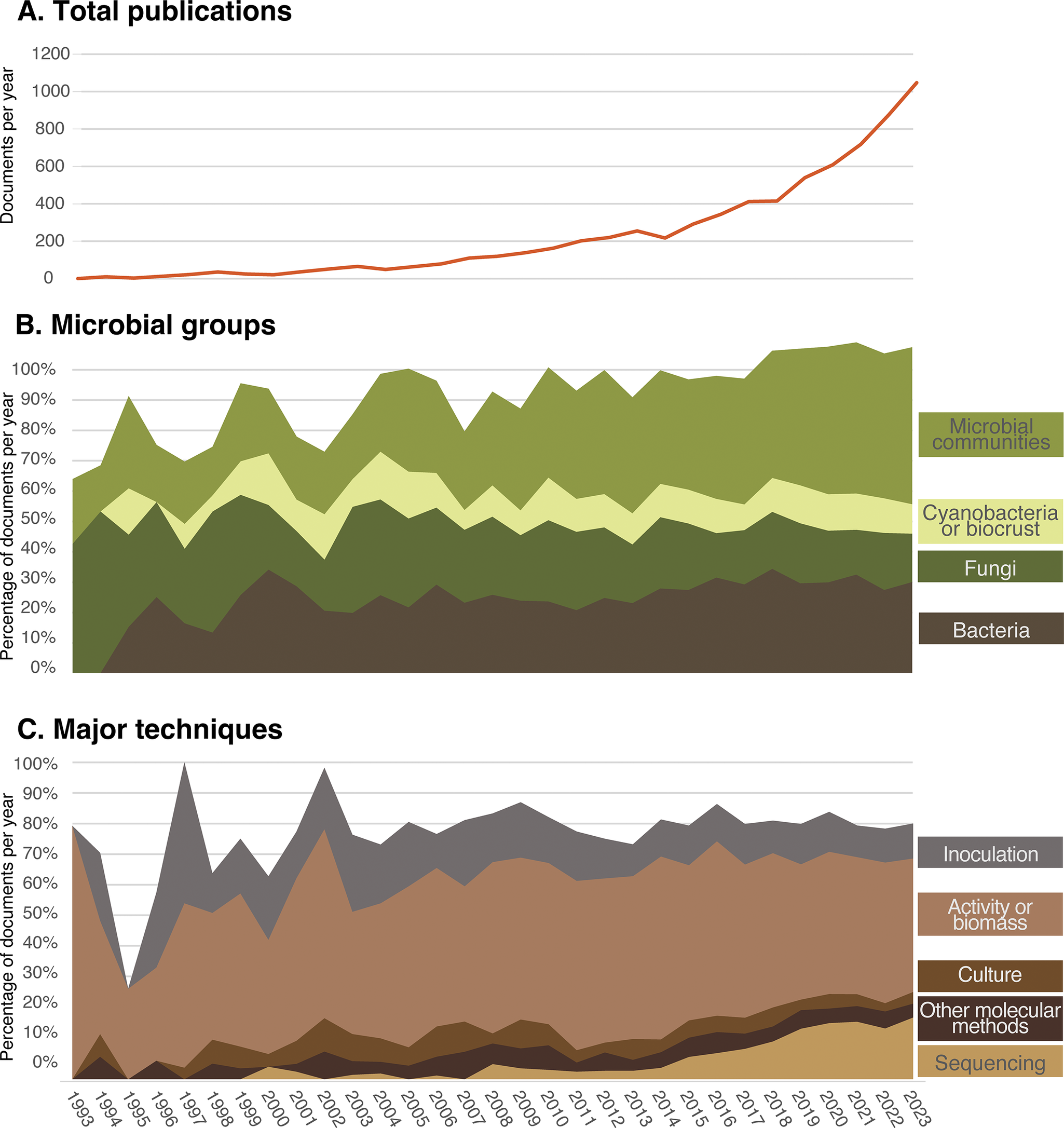
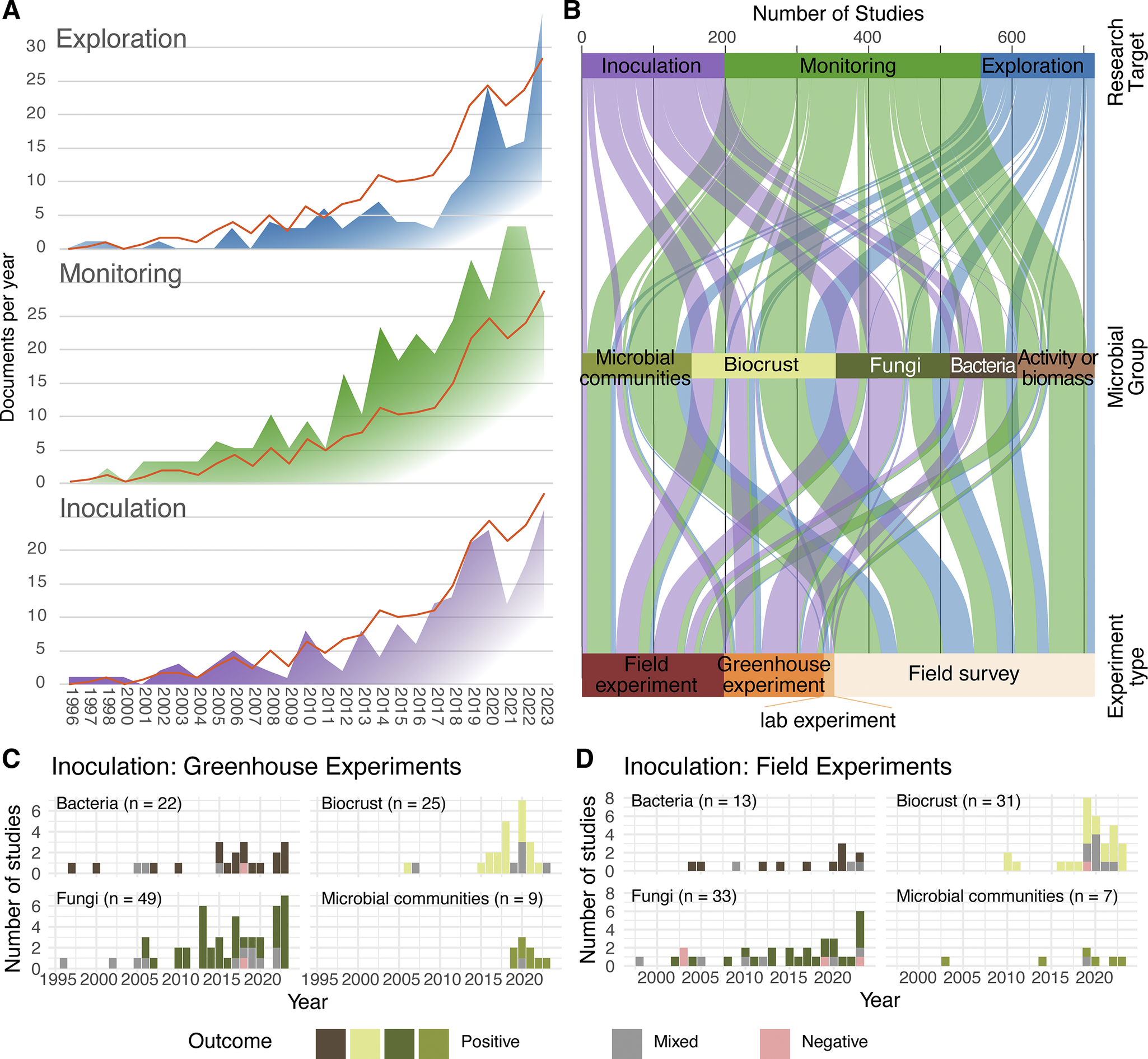
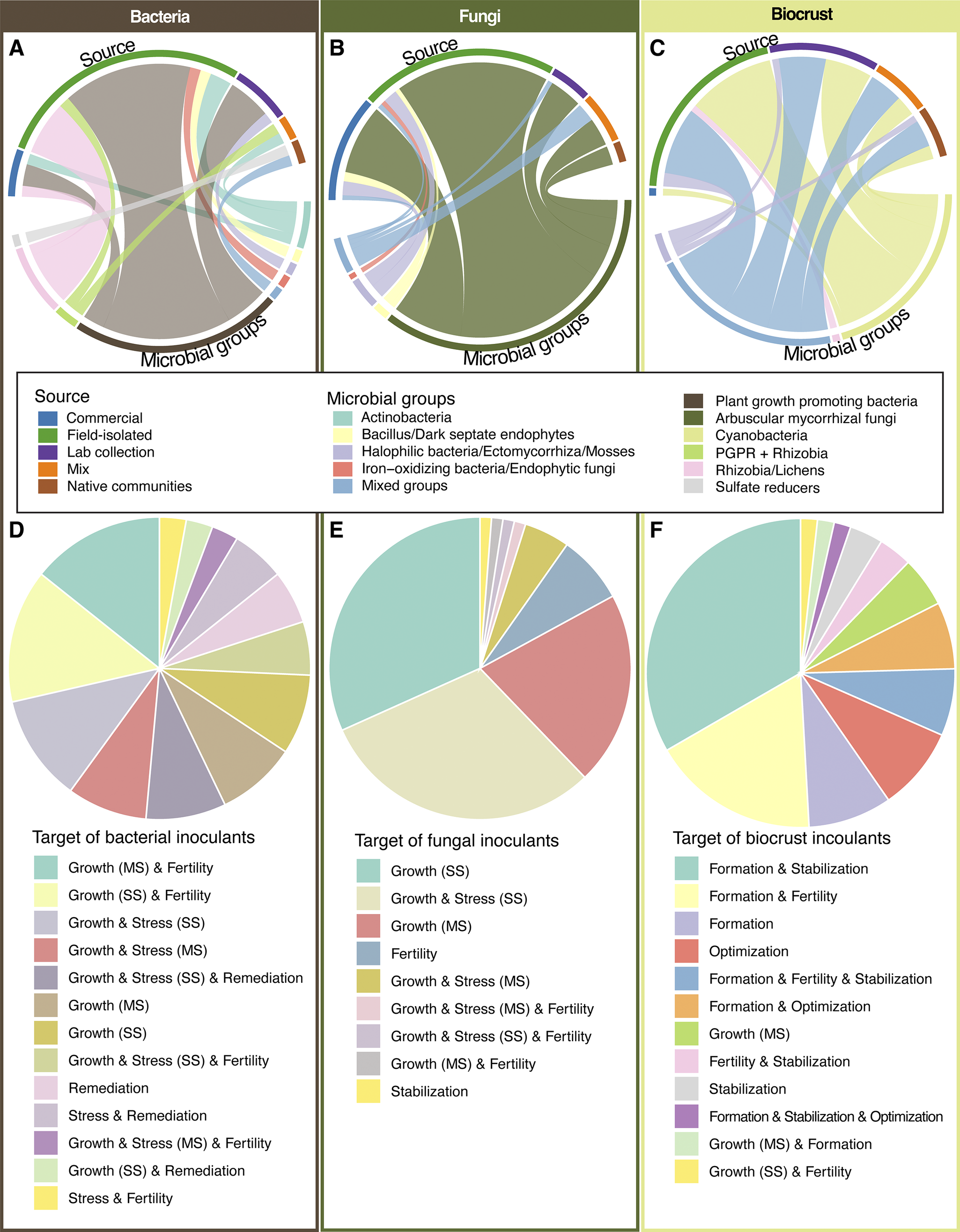
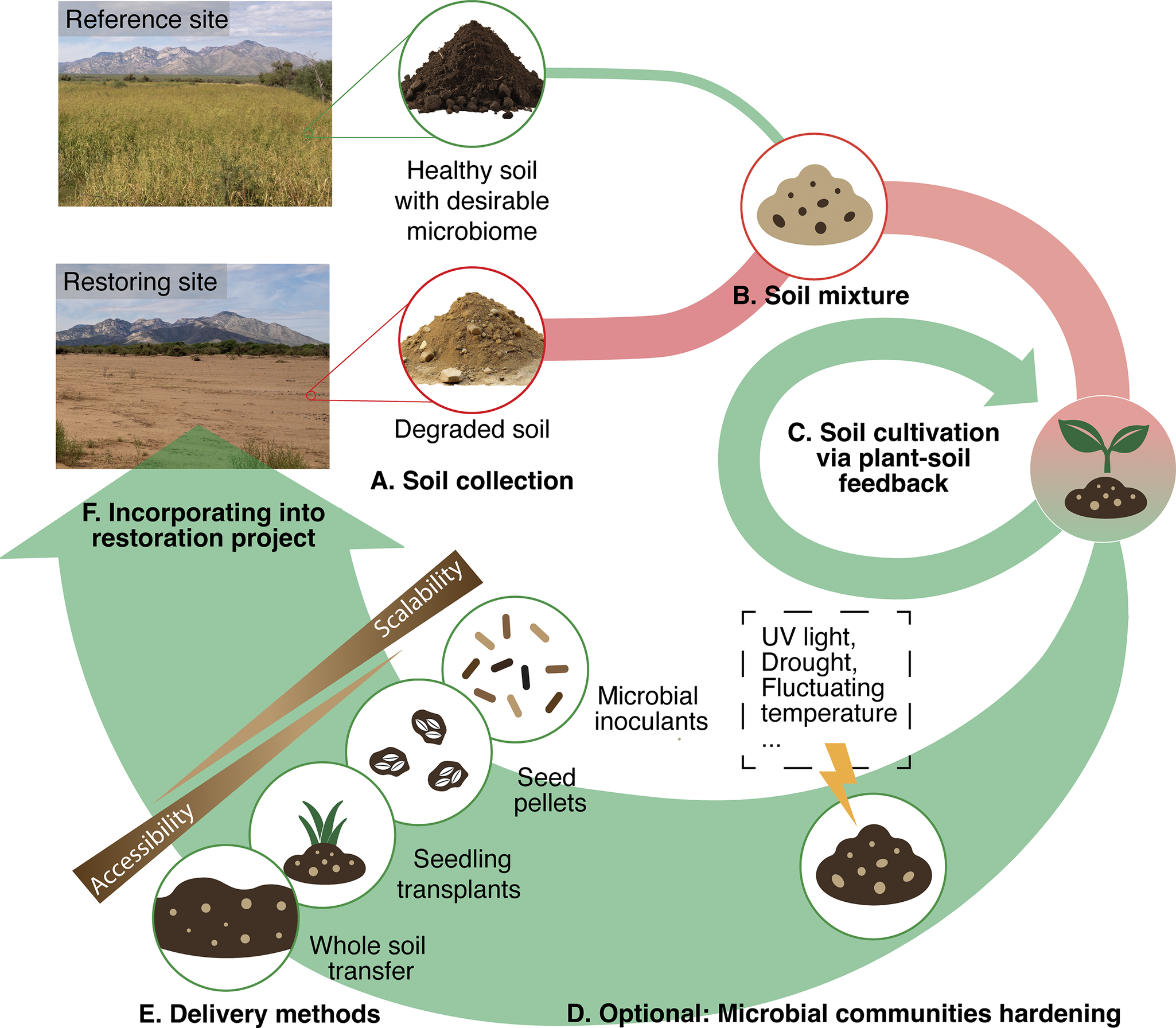


 Open access


Comments
Dear Professor Osvaldo Sala and Professor David Eldridge,
I am pleased to submit my review article, titled “From Paper to Practitioner: Strategies for Incorporating Soil Microorganisms into Dryland Restoration,” for consideration in Cambridge Prisms: Drylands. As a new but highly promising journal, I believe it is the ideal platform to share this work, which bridges the gap between microbial ecology research and practical dryland restoration.
This paper reflects my four years of unsuccessful attempts to apply microorganisms in dryland restoration during my Ph.D. While countless reviews have highlighted the crucial functions of soil microorganisms, this work takes a critical and practical perspective, addressing why microbial interventions often fail to translate from theory to field applications. I introduce the MICROB framework, a step-by-step decision tool designed to guide researchers and practitioners in developing context-specific, cost-effective microbial solutions. Additionally, I propose a novel field method to enhance microbial dispersal without relying on costly molecular monitoring, making microbial restoration more accessible for practitioners.
I believe this review strongly aligns with Cambridge Prisms: Drylands’ goal of mapping out and building connections across disciplines to address real-world problems. By integrating insights from microbial ecology, restoration ecology, and practical land management, this work provides actionable solutions for one of the most pressing challenges in dryland ecosystems: restoring degraded soils in a scalable and economically viable way. The MICROB framework emphasizes collaboration between researchers and practitioners, ensuring that scientific advancements are grounded in real-world needs and constraints.
Thank you for considering this submission. I look forward to the possibility of contributing to Cambridge Prisms: Drylands and am happy to address any feedback or revisions. Please feel free to contact me at benyang@arizona.edu if you require additional information.
Sincerely,
Ben Yang
Postdoctoral Researcher
Department of Environmental Science
The University of Arizona