


Introduction
Much has been written about the advantages of having a planetary magnetic field and atmosphere in a planet like ours to shield the biota from unpredictable, violent events coming from the outer space. In the vast majority of cases, the protection is enough for the event to go unnoticed or producing only minor perturbations, mainly on the high atmosphere. However, it is increasingly recognized that a class of high-energy transients may represent a real threat to life, even if rarely considered in the past and only now being studied in more detail (Dartnell Reference Dartnell2011; Melott & Thomas Reference Melott and Thomas2011). This class comprises the (very large) Solar flares (Dennis Reference Dennis1985; Scalo et al. Reference Scalo, Smith and Wheeler2003), giant flares from soft gamma repeaters (SGR) (Woods & Thompson Reference Woods, Thompson, Lewin and Klis2006), supernovae (Terry & Tucker Reference Terry and Tucker1968) and gamma-ray bursts (GRB) (Thorsett Reference Thorsett1995), among others, which, loosely speaking, share the feature of producing a sudden and intense burst of ionizing radiation – electromagnetic and particulate, which can deeply affect the biosphere if the luminosity is high enough, or if the source is sufficiently close to the target planet to trigger relevant effects, either by chemical alterations or direct biological harm.
Recent works trying to characterize the effects of these events on Earth and on other rocky planets are discussed below. Our intention is to briefly present the subject, and to point that a large number of questions in this field are worth studying, with some results already available in the literature, however, in most cases, in a qualitative way. More extensive details of the effects of these sources can be found in the recent reviews of Melott & Thomas (Reference Melott and Thomas2011) and Dartnell (Reference Dartnell2011).
The four main events and their threats
To start the discussion, we present in Fig. 1 a sketch of the spectra of these different phenomena for ‘typical’ events. Supernovae are not shown since their diversity and uncertainties in the transparency of the ejecta and other factors make it difficult to establish an average spectrum – but it also represents an interesting field to be further studied, as it is unclear as to whether this diversity in the spectra would cause different biological effects. In the order of the figures they are: Solar flares (well studied over the years, although the ‘harmful’ type are more difficult to address, see below); giant flares from SGR (large events experienced at least once by a class of sources identified as SGR) and GRB (now known to be at cosmological distances, commonly associated with the end product of stellar evolution of massive star). The supernovae are roughly divided into core-collapse events (Type II and subclasses, plus Type Ib/c, which are also associated with massive stars stripped of envelopes) and thermonuclear events (white dwarf in accretion or possibly merger of two white dwarfs, still being debated). Spectra are diverse and uncertain enough to preclude detailed calculations of biosphere response, which by no means imply that supernovae are unimportant (Dessart et al. Reference Dessart, Hillier, Livne, Yoon, Woosley, Waldman and Langer2011; Woosley et al. Reference Woosley, Kerstein and Aspden2011).
Sketch of typical spectra of mid- to high-energy astrophysical events. Supernovae are not shown here due to the high diversity of spectral shapes, but their typical energies lie on the few keV range. Not only the shapes but also the integrated energy emitted (when isotropic emission is considered) is also in different scales. GRB can emit up to 1051 erg in gammas, giant flares of SGR up to 1046 erg, supernovae up to 1043 and Solar flares up to about 1033 erg. 1 erg is equivalent to 10−7 J, and, for comparison, 1051 erg is equivalent to the total rest mass energy of the Sun, being GRB the most energetic events in the Universe.

There is at least one characteristic energy scale for each phenomenon (at the slope break), and also a maximum in the case of Solar flares (first panel). The GRBs (last panel) may emit higher energy photons, but those are not always present or recorded (Atkins et al. Reference Atkins2000, Reference Atkins2003; Razzaque et al. Reference Razzaque, Meszaros and Zhang2004). The giant flares from SGR (middle panel) are usually softer compared with those from GRBs, but can mimic the so-called ‘short’ type of the latter, at least for the first 0.1–0.2 s. It is clear from this sketch that the response of the atmosphere to such large input of energy probably demands a detailed consideration of the spectra, a matter also relevant when considering the effects of the radiation on organisms at sea level and under water. This question is important for the direct transmission of the initial photons, but the initial shape of the spectra is not an essential point for the photons that are reprocessed in the atmosphere, because this process will essentially downgrade the energies, losing this initial information and creating final effects very similar for the different events, taking into consideration their energy scales, of course.
Solar and stellar flares
Solar flares are events common on our star which have the characteristic of producing a sudden increase in its brightness (Gosling Reference Gosling1993). These events are associated with Solar magnetic activity on sunspots and can release large amounts of energy in a very short period (up to about 1033 erg, or about 10 billion times the energy released on the explosion of the Hiroshima nuclear bomb), and are commonly followed by the acceleration and emission of charged particle, in events called ‘coronal mass ejections’, which are the main astrophysical events driving the space weather on the vicinities of Earth (Gosling Reference Gosling1993). In addition, non-thermal X-rays are produced with fluxes orders of magnitude higher than normal Solar activity (Dennis Reference Dennis1985; Smith & Scalo Reference Smith and Scalo2007), although the current thick terrestrial atmosphere efficiently blocks this radiation. The charged particles from the Sun (essentially protons) ionize the atmosphere, produce the aurora phenomenon on the poles and could be biologically harmful if we had no geomagnetic field or atmosphere protecting us. They pose real threat to humans and satellites in orbit, being one of the main challenges for long-term manned space missions, such as Mars. Even the surface is not completely protected, as electricity power lines can act as large antennas, absorbing energy from the Solar storms and overloading the entire power grid. In addition, flare events are common on many stellar types (Segura et al. Reference Segura, Walkowicz, Meadows, Kasting and Hawley2010; Benz & Güdel Reference Benz and Güdel2010; Walkowicz et al. Reference Walkowicz, Basri, Batalha, Gilliland, Jenkins, Borucki, Koch, Caldwell, Dupree and Latham2011), and thus we expect to have planets on other systems subjected to similar conditions or even worse, as it is not obvious that all planets will have intense magnetospheres or thick atmospheres. For instance, Scalo et al. (Reference Scalo, Smith and Wheeler2003) have studied their effects in depth, with the emerging conclusion that very large flares could act as punctuated evolution factors (Smith et al. Reference Smith, Scalo and Wheeler2004), either by extinctions and/or speciation, especially for low-mass stars in their initial stages. Even though no such gigantic events have been directly observed from the Sun, there is evidence for their occurrence in Solar-type stars (Walkowicz et al. Reference Walkowicz, Basri, Batalha, Gilliland, Jenkins, Borucki, Koch, Caldwell, Dupree and Latham2011), and their actual occurrence in the Solar system is also expected, possibly having a greater capacity of biological harm on the stages of primordial atmosphere (Martín et al. Reference Martín, Galante, Cárdenas and Horvath2009), and even after the initial rise of the oxygen levels. These possible driving forces for evolution have been scarcely studied up to the date, and there is still ample room for discussion concerning long-term planetary habitability. For example, the 1859 Carrington event has been studied with further detail (Townsend et al. Reference Townsend, Zapp, Stephens and Hoff2003; Cliver & Svalgaard Reference Cliver and Svalgaard2004; Stephens et al. Reference Stephens, Townsend and Hoff2005; Thomas et al. Reference Thomas, Jackman and Melott2007) estimating that it was not harmful on the ground, although aurora was seen as far south as Jamaica.
Giant flares from SGR
The case of giant flares from SGR (Woods & Thompson Reference Woods, Thompson, Lewin and Klis2006), a class of neutron stars with ultra-strong magnetic fields, is quite interesting in connection with the ionizing events. Until the early 1990s, the inference of magnetic fields as high as 1012 Gauss from observations of ordinary pulsars was commonly accepted; however, the occurrence of sudden, extremely energetic events termed as giant flares or superflares from a small number of sources called for an upward revision of the field values in them, quickly recognized to reach 100–1000 times the former figure (Duncan & Thompson Reference Duncan and Thompson1992). This means that the magnetic energy should be a dominating source, or, in other words, that the sources are magnetically powered. In fact, popular models of magnetars resort to magnetic reconfiguration of the field to release the energy powering the superflares. The first recorded event, identified in 1979 as a GRB (GRB050379), was located in the supernova remnant N49 in the large magellanic cloud. The distance to the source (50 kpc) prompted to an energy scale of ≈1046 erg in γ-rays only, and for this reason many researchers refused the identification and continued with the hypothesis that local neutron stars could be the sources, alleviating the so-called energy problem. However, a few years later, not only (classical) GRBs were proved to be extragalactic but galactic twins of that superflare source (termed SGR 0526-66) were also detected (from SRG 1900 + 14 in 1998 and SGR 1806-20 in 2004). The energy scale was then established to be >1046 erg and the question of how close a superflare has to occur to affect the biosphere arose. For comparison, this energy is equivalent to the total radiated by the Sun in a million years, just in γ-rays.
A general picture emergent from the observed giant flares indicates quite a similar pattern for those events, at an observed nominal rate of about 1/10 yr−1, having a very intense spike with duration ≈0.2 s and a long decaying phase lasting ≈100 s (Woods & Thompson Reference Woods, Thompson, Lewin and Klis2006). Very clear signals of periodicity have been detected in the luminosity curves later, naturally associated with the rotation of the underlying neutron star. The spectra of each component are quite different, ranging from a quasi-thermal high-temperature distribution (T spike ≈ 175 ± 25 keV) for the initial spike, and then dropping to a much softer one (T tail ≈ 10 keV), which further drops by a factor of ≈3 at the end of the modulated ‘tail’ phase lasting ≈400 s (all numbers given here pertain to the 27 December 2004 giant flare from the source SGR 1806-20 (Hurley et al. Reference Hurley2005)). The total isotropic-equivalent radiated energy (mainly in the initial spike) has been estimated as 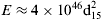 $E \approx 4 \times 10^{46} {\rm d}_{15}^2 \,{\rm ergs}$ (Hurley et al. Reference Hurley2005), possibly being a lower limit as estimated by the non-saturated data of the Geotail experiment (Terasawa et al. Reference Terasawa, Tanaka, Takei, Kawai, Yoshida, Nomoto, Yoshikawa, Saito, Kasaba and Takashima2005).
The effects of these events (Fig. 1) comprise the so-called ‘ultraviolet flash’, or short duration burst of photons resulting from the reprocessing of high-energy photons in the atmosphere, and the chemical alteration of the atmosphere itself in this process, which would cause ozone depletion and consequent increase of Solar ultraviolet flux on the surface. Quantitative estimates of the biological consequences of these planetary effects have been calculated by Galante & Horvath (Reference Galante and Horvath2007), using Escherichia coli and Deinococcus radiodurans as test organisms (Gascón et al. Reference Gascón, Oubiña, Pérez-Lezaun and Urmeneta1995). These micro-organisms were chosen as they represent extremes on the radiation resistance of the known micro-organisms, and have already been extensively studied. E. coli is an internal-living bacterium, being very sensitive to radiation, whereas D. radiodurans is a polyextremophile, being one of the most ionizing-radiation resistant organisms known to date (Battista Reference Battista1997). By comparing their survival rates to the events, one can define a pragmatic range of distances where biological damage would be significant, based on the limits known for terrestrial organisms. The results suggest that a giant flare at distance of up to about 10 pc could produce ionizing radiation fluxes on the surface of the planet capable of inducing a population depletion of 90%, even of the radiation-resistant D. radiodurans. Although this depletion rate cannot be naively extrapolated to a real ecosystem, which are made of different organisms, complex ecological relations and different niches, it indicates that a significant biological damage could be expected from such an event, for the biota directly exposed on the surface, or the biota dependent on this first one. For instance, the primary producers on the top layers of the ocean could be impacted upon, and the second trophic level as well, as a consequence. However, the full ecological impacts of a sudden and massive depletion are still under study.
Although the distance for such an event seems very small, and in fact the closest known sources are ∼2 kpc away today, the orbits of the Sun and SGR members in the Galaxy over several Gyr suggests that at times the closest bursting member could be close enough to cause a major disturbance of the biosphere.
To assess these statistics, a toy model consisting of a sphere was used, in the centre of which the planet was placed. For the Galaxy, two models were used, a 1D (flat) and a 2D (thick) disc. On the flat model, the sphere was moved across the radius of the Galaxy, from 50 to 10 000 pc, at a height of 6 pc from the Galactic plane, simulating the position of the Sun. On the thick disk model, the sphere was moved both on radius (50 to 10 000 pc) and on height (0 to 200 pc). Spheres of 20, 50 and 100 pc radii were used, each representing different levels of radiation impacting on the ground of the planet. One thousand different synthetic distributions of active sources, with a fixed total number of 15 for the entire Galaxy for each, were generated, assuming to follow the spatial distribution of neutron stars according to the exponential laws as described by equations (1) and (2)
 $$N(R) = N_0^R \, {\rm e}^{ - R/R _e} (R_e = {\rm 38}00\,{\rm pc),}$$
 $$N(Z) = N_0^Z\, {\rm e}^{ - Z/Z_e} (Z_e = {\rm 7}0\,{\rm pc)}{\rm.} $$
In each of these populations, the number of events occurring inside the sphere of influence was counted. The greater the number, the more prone that region of the Galaxy was to deliver high doses of radiation to the planet ground due to the giant flares of SGR. Varying the radius of the sphere allowed us to test different thresholds of radiation, and, in an indirect way, to probe the population depletion caused by these irradiation events (Galante & Horvath Reference Galante and Horvath2007).
The statistical model generated reproducible data when it was run for several times, and the results were averaged. Using the 1D model, we could calculate the number of events occurring inside the sphere of influence at different Galactic radii during the age of the Galaxy, as shown in Fig. 2, for spheres of 20, 50 and 100 pc of radii. Smaller spheres stand for higher doses on the ground, because the flare would occur closer to the planet, but it also stands for smaller probabilities of occurrence. We can see that, for a planet at the Galactic radius of the Sun, there would be no events at 20 pc, around 2–3 events at 50 pc and around 16 events at 100 pc.
Number of events inside the sphere of influence as a function of the galactic radius, for spheres of 20, 50 and 100 pc of radius. The Sun is located on the right (dot with vertical line) and may receive a substantial number of devastating flares along its evolution, excepted for the shortest distance scale that may be considered as statistically ‘safe’.

The interval between events was also calculated, which is presented in Fig. 3. For this, the Galactic age was not used as a constraint. At the position of the Sun, with a 20 pc radius, the interval between events would be above 5 billion years; with 50 pc around 2 billion years and with 100 pc around 600 million years, which is in agreement with the results from Fig. 2. This can give us a way of addressing the dynamics of these processes, how they can be compared with other catastrophic events, such as volcanism and meteor impacts.
Time interval between events inside the sphere of influence as a function of galactic radius, for spheres of 20, 50 and 100 pc of radius.

Using the 2D version of the model, we could recalculate the number of events occurring inside the spheres as a function of both the Galactic radius and height. With Solar coordinates, the number of events is, on average, 0 for the 20 pc sphere, 3–9 for the 50 pc sphere and 12–41 for the 100 pc sphere, as can be seen in Fig. 4.
Results of a 2D model of the Galaxy, showing the number of events for spheres of 20, 50 and 100 pc as a function of galactic radius and height.

It is important to note that, if we must include the beaming effect on our model, the number of events we have calculated should decrease by a factor of 4π/θ(sr), or around 1/3 of the original values using the current beaming scenario for the giant flares of SGRs (Terasawa et al. Reference Terasawa, Tanaka, Takei, Kawai, Yoshida, Nomoto, Yoshikawa, Saito, Kasaba and Takashima2005). Naturally, the time between events should be scaled with the inverse of the latter.
It was calculated (Galante & Horvath Reference Galante and Horvath2007) that doses capable of producing 90% level of depletion could be deposited on a planet at distances of around 10 pc from an SGR. Altering the sphere radius allowed us to change the deposited dose and, consequently, the depletion of the population. From 20 to 50 pc, the flux would drop by a factor of 6.25 and from 50 to 100 pc by another factor of 4. However, the survival curve is characteristic of each species, and normally has an exponential dependence with the radiation flux. This would imply on population depletions of the order of 10% at 50 pc and 1% at 100 pc. Although the direct population depletions are small at such distances, the majority of the irradiated energy would be deposited in the atmosphere, causing disturbances on its chemistry, mainly on the ozone layer, which could have consequences for life on a temporal scale of years (Melott et al. Reference Melott, Lieberman, Laird, Martin, Medvedev, Thomas, Cannizzo, Gehrels and Jackman2004).
Concerning observed events, giant flares from SGR have already shown their possibility of causing alterations on our planet, as happened in 2004, when one of these events from the source SGR 1806-20, at a distance of about 10 kpc, affected Earth's ionosphere in a measurable way (Campbell et al. Reference Campbell, Hill, Howe, Kielkopf, Lewis, Mandaville, McWilliams, Moos, Samouce and Winkler2005). As discussed here and in our previous work (Galante & Horvath Reference Galante and Horvath2007), should an event like this take place closer, in the tens of parsecs range, it would have the potential to cause massive impacts on the biota.
It is important to note that giant flares of SGRs are unlikely to cause a global sterilizing event. The time scale for one giant flare occurring close enough to Earth for such effect is longer than the age of the Galaxy, and even if one would occur, it would only affect the surface of one hemisphere of the planet due to its short duration and to the limited penetration of photons. However, flares at distances of tens to hundreds of parsecs are statistically feasible on the time scale of hundreds of Myr, and able to deliver radiation fluxes orders of magnitudes higher than the Solar one, directly affecting life and altering the atmospheric chemistry. The ecological consequences of these sudden events are yet to be modelled.
In comparison with other cataclysmic events, the time scale of occurrence of flares is of the same order of magnitude of the impact of meteors that create craters larger than 100 km in diameter, which is 108 years (Shoemaker Reference Shoemaker1983), but is still much larger than the time scale of supervolcanoes’ activity, which is of the order of 105 years (Wilson Reference Wilson2008).
Supernovae
Supernovae are quite common in the Galaxy (at a rate 1/100 yr−1 or so), and had been identified as a potentially hazardous source long ago (Terry & Tucker Reference Terry and Tucker1968; Ruderman Reference Ruderman1974). The specific effects of ionizing radiation from a supernova were addressed and estimated in a quite ‘generic’ way, that is, without too detailed modelling of the supernova type. This may ultimately lead to significant differences in the final results, not yet addressed. As an example of these calculations, Ellis & Schramm (Reference Ellis and Schramm1995) estimated that a supernova had to explode very close to the Earth to cause a major extinction. The issue of ozone depletion by odd nitrogen compounds was raised by Ruderman (Reference Ruderman1974). Using an analytical model, he actually overestimated the destruction by a large factor, as later became clear (Gehrels et al. Reference Gehrels, Laird, Jackman, Cannizzo, Mattson and Chen2003). The main cause of ionization of the atmosphere by a supernova, which is the flux of cosmic rays that are produced on the event has been recently addressed by Atri & Melott (Reference Atri and Melott2011), who indicated that it should be potentially measurable. However, the distances at which significant planetary effect is expected to be of the order of 10 pc (Melott & Thomas Reference Melott and Thomas2011), similar to the distance for the giant flares from SGR.
Other effects, such as the transmission of the electromagnetic radiation produced on the explosion (through synchrotron or inverse Compton processes), through the atmosphere seem to be less important than ozone destruction. Recent (⩽106 years) local supernovae have been studied in connection with isotopic anomalies of iron and other related problems (Benitez et al. Reference Benitez, Maiz-Apellaniz and Canelles2002), but have never been shown to correlate with biological extinctions events, to date.
GRB
GRBs were suggested to be a major source of perturbations in the work of Thorsett (Reference Thorsett1995). Subsequent work elaborated and raised a number of issues that we briefly describe below.
The effects on an habitable planet can be divided in four different types (Galante & Horvath Reference Galante and Horvath2007): (1) direct irradiation at the surface; (2) ultraviolet flash, the reprocessed, short-duration downgraded energy resulting from the deposition of the burst at the top of the atmosphere; (3) depletion of the ozone layer by catalytic cycles enhanced by the incident radiation; and (4) cosmic ray (particle) bombardment following the burst.
The importance of the first effect is almost insignificant due to the effective shielding of almost any kind of atmosphere due to the Compton effect. A possible exception would be a very thin atmosphere (⩽100 g cm−2) for which the fraction of radiation at ground level could reach ∼1% of the total incident, but putative organisms living under these conditions would be hard to sustain anyway, even in the absence of bursts (Smith et al. Reference Smith, Scalo and Wheeler2004; Galante & Horvath, Reference Galante and Horvath2007; Martín et al. Reference Martín, Galante, Cárdenas and Horvath2009). Unless a specific planet/event needs to be evaluated, the effect of direct radiation can be ignored.
The so-called ultraviolet flash has been addressed by Smith et al. (Reference Smith, Scalo and Wheeler2004) and Galante & Horvath (Reference Galante and Horvath2007), with the conclusion that it may be very important as a sterilization/extinction agent even for events located at ∼kpc away. This is because the retransmitted radiation has an important component at the ultraviolet-B and ultraviolet-C bands. In fact, one can explicitly introduce this feature (Martín et al. Reference Martín, Galante, Cárdenas and Horvath2009) using the action spectrum e(λ) of (Cockell Reference Cockell2000), by writing
 $${E{\ast}} = \sum {e({\rm \lambda} )\;E({\rm \lambda} )\;\Delta {\rm \lambda}} $$
with E* interpreted as the effective biological irradiance (flux integrated in wavelength and weighted by the biological action spectrum), and therefore an effective biological fluence can be defined as F*=E*Δt . With this definition, the biological flux from a GRB can be compared with the Solar one. We have calculated dimensionless irradiances E ad* by normalizing the irradiance on the ground with the irradiance on the top of the atmosphere (see Martín et al. Reference Martín, Galante, Cárdenas and Horvath2009 for further details). Here, we define n as the ratio between the GRB biological fluence and daily biological Solar fluence, and D n the maximal distance (in kpc) in which such multiple can be achieved. Thus defined, the greater the n, the greater would be the biological damage. For instance, D 2 = 1.0 kpc would imply that a biological fluence two times greater the daily Solar fluence would be produced by a GRB at distance of 1.0 kpc. This has been calculated for atmospheres with varying oxygen content (Martín et al. Reference Martín, Galante, Cárdenas and Horvath2009).
Table 1 suggests that for present levels of oxygen the biota will increase the ultraviolet doses by a large factor even if the event occurs well beyond 1 kpc. Thus, the ultraviolet flash is short but quite dangerous to organisms on the hemisphere illuminated by it, and a large fraction of a given exposed population can be depleted. The distances to cause a 90% reduction of the population were calculated by Galante & Horvath (Reference Galante and Horvath2007) without the use of the action spectrum, and turned out to be even larger (few kpc), as expected.
Distances Dn calculated by Martín et al. (Reference Martín, Galante, Cárdenas and Horvath2009)

The next important effect is the depletion of the ozone layer. In the work of Ruderman (Reference Ruderman1974), the production of NOx was addressed as the main agent, since the catalytic cycle would occur:
 $${\rm NO} + {\rm O}_3 \to {\rm NO}_2 + {\rm O}_2, $$
 $${\rm NO}_{\rm 2} + {\rm O} \to {\rm NO} + {\rm O}_2. $$
We already mentioned that Ruderman's analytical estimates for the ozone destruction were too high, a fact pointed out by Crutzen & Bruhl (Reference Crutzen and Bruhl1996). Numerical calculations performed by Gehrels et al. (Reference Gehrels, Laird, Jackman, Cannizzo, Mattson and Chen2003) incorporated richer atmospheric chemistry, showing that the effects would be less intense than expected by the analytical model. Later work by Thomas et al. (Reference Thomas, Jackman, Melott, Laird, Stolarski, Gehrels, Cannizzo and Hogan2005a, Reference Thomas, Melott, Jackman, Laird, Medvedev, Stolarski, Gehrels, Cannizzo, Hogan and Ejzakb) and Melott & Thomas (Reference Melott and Thomas2009) addressed the latitude dependence and transport in the atmosphere of these joints of radiation, obtaining a milder effect (also followed in time over a few years). The critical distances for significant biological impact were calculated by Galante & Horvath (Reference Galante and Horvath2007), using averaged effects over latitude and wavelength, giving results between 8 and 15 kpc, implying that GRB at galactic distances could cause significant biological impact on a planet directly inside its irradiation cone.
A number of issues remain, discussed in these papers and also in Scalo & Wheeler (Reference Scalo and Wheeler2002), related to the global character of the ozone depletion and the possible survival of organisms at convenient latitudes, besides the obvious shelter given by marine environments and other ecosystems. However, it is fair to say that the ozone depletion is the long lasting (∼4 years timescale for ozone healing controlled by the diffusion of the odd nitrogen), larger distance effect and basically confirms (together with the ultraviolet flash) the expectations of Thorsett's original paper.
The last of the effects, muon showers (produced by interaction of cosmic rays on the upper atmosphere) following the radiation was calculated (and dismissed) by Galante & Horvath (Reference Galante and Horvath2007), but recently revived by Atri & Melott (Reference Atri and Melott2011) indicating at least measurable consequences.
As a final remark on GRBs, possibly the most powerful explosions in the Universe (Fig. 5), we want to stress that their occurrence in the Milky Way was entirely possible in the past, regardless of the statistical argument put forward by Stanek et al. (Reference Stanek, Gnedin, Beacom, Gould, Johnson, Kollmeier, Modjaz, Pinsonneault, Pogge and Weinberg2006) about the mean metallicity of the host Galaxies as observed at high redshift. As argued by Melott (Reference Melott2006) and Melott & Thomas (Reference Melott and Thomas2011), our Galaxy consists of a very rich mixture of high- and low-metallicity regions, for instance, the galactic bulge. It is also certain that a large population of binary neutron stars, thought to produce the so-called ‘short’ GRBs when merging, exist, as many systems are currently observed. Each one of these would produce a GRB of the short type at a rate of ∼10−5 yr−1. The ‘long’ GRBs, according to the above observations, are also possible even in contemporary environments, and recent ones (Biermann et al. Reference Biermann, Medina Tanco, Engel and Pugliese2004) may have left signatures to explore.
The image of the powerful GRB080319B detected by Swift (actually shut down the instrument preventively). This event is an example of a huge energy release in gamma rays of a stellar death at ∼7.5 × 10⁹ light years away (Credits: NASA/Swift Science Team/Stefan Immler).

Signatures and related problems
It is not known for sure whether one or more deadly radiation events had occurred along the geological history of the Earth, affecting the biota and climate among other things. Melott et al. (Reference Melott, Lieberman, Laird, Martin, Medvedev, Thomas, Cannizzo, Gehrels and Jackman2004) suggested that the Ordovician extinction showed many of the features expected from a gamma burst incidence. An even wilder suggestion tried to link the Cambrian explosion event to radiation-induced changes. In contrast to the famous case of the iridium layer signature, no obvious marker of such a catastrophe has been found as yet. The large explosion of a GRB should produce big holes in the interstellar medium (Perna & Raymond Reference Perna and Raymond2000; Perna et al. Reference Perna, Raymond and Loeb2000), but they should last for a few Myr only, and dissipate after that. A few of these structures, giant shells, have been observed, but it is still a matter of debate if they were produced on multiple supernovae scenarios or on GRB events. Geochemical signatures could follow from the changes in the atmosphere, but none have been advanced up to now. Work on nuclear photoreactions in the illuminated interstellar clouds is in progress. The main idea here is that a high flux of γ photons can induce nuclear reactions, specially stripping of neutrons and protons, due to the increase of cross section around 20 MeV, due to the giant resonance effect (Ishkhanov et al. Reference Ishkhanov, Yudin and Eramzhyan2000). This increase in the cross section would be enough to allow some photoreactions to take place on the matter compacted by the GRB explosion, producing unstable nuclei that would decay with time and produce isotopic anomalies. The results of these calculations are currently being performed and prepared for publication, and they may represent a way to distinguish the supernova versus GRB scenario for the supershells. As biological signatures of such events, the sudden increase in ultraviolet could have been recorded in the genetic material, but remains ‘hidden’ and unidentified. This proposition is based on the fact that a global radiation event like the ones here proposed could induce a bottleneck effect on the exposed biota, strongly selecting only the organisms with very efficient radiation-resistance mechanisms. Tracing back the evolution of genes related to radiation-resistance could thus indicate the occurrence of such kind of extreme event. However, it is not a simple task to do the phylogeny of these genes, since their variability is high when compared with more stable genes, such as the normally used 16 and 18 s to produce global trees of life. In addition, the sheltered biota would not be affected by the radiation event, and its genes could overcome the ones of the survivors, thus erasing the evidences. We finally point out that the important issue of phytoplankton survival under these effects is being studied (Penate et al. Reference Penate, Martin, Cardenas and Agusti2010) and work in progress will be reported elsewhere.
Conclusion
We would like to conclude by pointing out that a major controversy in the 19th century, namely the catastrophism (championed by G. Cuvier) versus gradualism (defended by C. Lyell) may have gained a new twist in recent times. Not only the incidence of large celestial bodies had to be accepted (Alvarez et al. Reference Alvarez, Alvarez, Asaro and Michel1980), and their global effects acknowledged but also the advance in the study of other cosmic events forced one to go back and address ‘doomsday’ scenarios. We are here now as a living proof that life had not been erased by one of these phenomena, but this does not mean that the Earth has not suffered any of them in more than 4 Gyr. If the astrophysical studies are correct, planets on the Galaxy could be constantly subjected to the influence of this high-energy astrophysical events and this threat should be considered on the habitability studies, and specially, for long-term habitability of civilizations (Annis Reference Annis1999). It is still a matter of debate and work defining if Earth has passed through such an event during its history, and what were its real biological consequences. We may be surprised that life is even more resilient than previously considered.
Acknowledgements
The authors acknowledge the financial support from FAPESP, CNPq and CAPES funding agencies in the form of fellowships and grants, and especially to NAP/Astrobio (PRP-USP) and Fapesp for the funding that made possible the organization of the Sao Paulo Advanced School of Astrobiology – SPASA 2011, where this work was presented as a lecture.
Author disclosure statement
No competing financial interests exist.



