We define philanthropy as voluntary giving by households or corporate bodies to promote charitable causes, projects, and organizations or, alternatively, as “voluntary action for the public good.”Footnote 1 Entrepreneurial philanthropy refers specifically to “the pursuit by entrepreneurs on a not-for-profit basis of big social objectives through active investment of their economic, cultural, social and symbolic resources.”Footnote 2 Government projects financed by taxation and interfamily resource transfers are never philanthropic. Gifts only qualify as philanthropic when the donor is under no compulsion to give, when the gift benefits people with whom the donor is not directly connected, when the gift is made from the donor's own resources, and when the donor receives no direct economic benefit as a consequence of making the gift. In other words, philanthropists invest their own resources in causes they believe will benefit others and that yield no direct benefit to themselves or their families.
This is not to say that philanthropy is a one-way street, but rather that the rewards of philanthropy cannot readily be monetized. Most philanthropists are driven by the urge to give back to society and make a positive difference to communities, small and large, that have nurtured them.Footnote 3 These acts of generosity bring satisfactions and rewards, which, though intangible and experienced subjectively, enrich the lives of philanthropists, encouraging them to become more generous as time goes by and means permit.Footnote 4 Seeing the results of philanthropy—whether it be lives saved, the hungry fed, children educated, animals relieved of suffering, or one of many other positive outcomes—is intensely gratifying.Footnote 5 For those with religious convictions, there is the added benefit of satisfying the obligations of faith, which typically place the rich under a moral obligation to devote a share of surplus household income to caring for others less fortunate.Footnote 6
Some authors go further in proposing that that the social, cultural, and symbolic capital stemming from engagement in philanthropy might be seen as a return on capital invested.Footnote 7 This argument, which casts billionaire philanthropy as both transactional and munificent, acknowledges the power, influence, and esteem gifted by beneficiaries to philanthropists. Philanthropy at scale brings with it the right to call the shots in the domains of the cultural, social, and political as well as the economic and, as such, is seen by critics as profoundly undemocratic.Footnote 8 Large pools of wealth in private hands, it is observed, have created the potential for a new golden age of philanthropy, equivalent but very different to that supporting the growth of voluntary charitable organizations in the nineteenth and early twentieth centuries in the United States and United Kingdom.Footnote 9
In this special issue, we focus on the historical processes underpinning the amassing of entrepreneurial fortunes and the engagement of entrepreneurs in philanthropy.Footnote 10 Despite rising interest in charitable giving, philanthropy and its relationship to entrepreneurship remain under-researched and under-theorized.Footnote 11 Business history research has much to offer in this regard. The engagement in philanthropy by enterprising individuals and families is a feature of many historical epochs in many countries, perhaps most famously associated with the Gilded Age in the United States and names such as Andrew Carnegie and John D. Rockefeller Sr., whose philanthropic foundations remain vital social institutions today.Footnote 12 The opportunity exists to inform current debates through historical research that offers long-run perspectives and critical understandings of the relationships between entrepreneurship, wealth, and philanthropy, each bound up with the economic, social, political, and ideological forces that have shaped the present age of inequality.Footnote 13
Our purpose in what follows is to establish the broader research context of the four articles selected for publication in this special issue. First, we survey the philanthropic landscape and delineate topics for current and future historical research within the field. We then report illustratively on nine historical perspectives emerging from our own longue durée research on philanthropy in the North East of England. There follows an introduction to each of the research articles published in this special issue, drawing attention specifically to the originality of the contributions made by the authors.
Researching Philanthropy
Walter Friedman and Geoffrey Jones, the current editors of Business History Review, have argued persuasively that business historians should engage more fully with the defining issues of the moment.Footnote 14 In this way, they might speak truth to power by establishing the historical contexts and forces, nationally and internationally, that have informed and continue to inform the present. History affords the opportunity to stand back and identify what has changed and what remains the same in structures and situations, establishing the perspectives necessary for sound policymaking. Events that may once have seemed of little consequence often turn out to be decisive, especially those that work subtly to effect far-reaching institutional change.Footnote 15 Economic historians have already done much to inform the global debate on inequality and its consequences, to which the works of Anthony Atkinson and Thomas Piketty in particular bear elegant testimony.Footnote 16 Within the domain of history, the works of Peter Dobkin Hall and Olivier Zunz are exemplary in demonstrating the linkages between entrepreneurship and philanthropy.Footnote 17 Both authors trace the development of philanthropy in the United States in the context of institutional and ideological change, particularly with respect to the formation of large private foundations, laying the groundwork for future work on more specific themes and issues. From a European standpoint, Lenneke Roza, Marjelle Vermuelen, Kellie Liket, and Lucas Meijs point to the need for cross-nationally comparative historical research in highlighting the impact on philanthropic endeavors of different models of civil society and ideologies within different countries.Footnote 18
The existing literature on the making and preservation of entrepreneurial fortunes and the investment of some part of these fortunes philanthropically is sparse relative to the importance of the topic.Footnote 19 Charles Harvey, Mairi Maclean, Jillian Gordon, and Eleanor Shaw have defined the intersection of entrepreneurship and philanthropy as entrepreneurial philanthropy: the active deployment of various forms of capital by super-rich individuals and the companies and foundations they control in pursuit of ambitious social projects on a nonprofit basis.Footnote 20 The ideology and practices of entrepreneurial philanthropy are seen to have deep roots, originating in the second half of the nineteenth century and encapsulated in Carnegie's famous essay “The Gospel of Wealth.”Footnote 21 Conceived in a prior age of inequality, the entrepreneurial philanthropy construct remains a vital one today. It led to the first great wave of philanthropic foundations and underpins the thinking behind the current wave of large-scale philanthropic interventions by Bill Gates and many others.Footnote 22 Entrepreneurial philanthropists bring to their interventions not only money but also their name, networks, and business expertise, becoming activists for social change.Footnote 23 They are characterized by their drive to accumulate personal fortunes, together with a concomitant impulse to employ a share of their wealth in pursuit of philanthropic ventures they control. Hence, their focus is directed toward the (entrepreneurial) creation of wealth and the (philanthropic) redistribution of that wealth in pursuit of declared social objectives.Footnote 24
David Callahan's book The Givers: Wealth, Power and Philanthropy in a New Gilded Age has lent fresh impetus to research in the field, drawing attention to the world-making ambitions and growing influence of high-profile philanthropists like Bill and Melinda Gates, Michael Dell, Warren and Susan Buffet, Michael Bloomberg, George Soros, and Mark Zuckerberg and Priscilla Chan.Footnote 25 Callahan's analysis is consonant with that of Harvey, Maclean, Gordon, and Shaw, who, using capital theory to interpret the behavior of Andrew Carnegie, propose a transactional model of entrepreneurial philanthropy in which philanthropic investments yield a return in cultural, social, and symbolic capital.Footnote 26 This insight shifts the analytical focus away from notions of altruism, generosity, and disinterested social behavior toward recognizing that philanthropy may benefit elite actors operating within the field of power.Footnote 27 Similar, if less explicit, conclusions might be inferred from the work of René Bekkers and Pamela Wiepking, David Bosworth, Francie Ostrower, and Kaspar Villadsen.Footnote 28 Maclean, Harvey, Gordon, and Shaw take a further theoretical stride in showing how entrepreneurs who have become philanthropists deploy the metaphorical framework of the journey to navigate different social landscapes and how philanthropic identities have unfolded through a process of wayfinding in response to events, transitions, and turning points.Footnote 29 Philanthropic identity narratives serve as “generativity scripts” that empower wealthy entrepreneurs to create a legacy that is both self- and socially oriented. This finding is consistent with those of Maryana Feldman and Alexandra Graddy-Reed, who envision the emergence of community-minded philanthropists as moving from a concern with business success to that of social success, as highlighted by social entrepreneurship scholars.Footnote 30 Other research takes a more critical, pessimistic view of the social processes at work, identifying entrepreneurial philanthropy with the subjugation of democracy and the preservation of privilege on the part of super-rich entrepreneurs as a plutocratic class.Footnote 31
A limitation of current research on entrepreneurship and philanthropy is its tendency to focus on the activities of the richest and most powerful practitioners. What is missing is research surveying, codifying, and interpreting the activities of the many thousands of entrepreneur-philanthropists who operate on a more modest scale, locally, regionally, and nationally, but whose collective endeavors are impactful in diverse fields. Only by viewing philanthropy historically, as a force animating the establishment and evolution of a variety of social institutions, can a more accurate and insightful view be formed of its achievements and limitations, past and present.Footnote 32 It is especially important to recognize how philanthropy fits within the voluntary-sector ecosystem; what might be called the philanthropy-charitable sector nexus constituted by a diverse array of organizations, large and small, among which there are numerous interdependencies.Footnote 33 A simplified view of this system, showing how resources flow, directly or indirectly (via philanthropic intermediaries), from philanthropists (donors) to charitable organizations (beneficiaries) is presented in Figure 1.
The philanthropic landscape. (Source: Figure by authors.)

The philanthropic funds that help support the activities of a multitude of charitable activities stem from households, corporations, and nonprofit organizations and are encouraged and incentivized by government. Households, typically headed by wealthy men and women, have been the primary source of philanthropic funds in most countries throughout history. Business owners and others with large accumulations of assets, as opposed to regular employees, typically have the greatest capacity for philanthropic giving.Footnote 34 This is especially the case when they experience a liquidity event, such as the sale of a business, when an asset of previously uncertain value is turned into cash or near cash.Footnote 35 Companies, besides generating income for their owners, may likewise choose to spend money on philanthropic causes such as supporting charities within the locales in which they operate. Corporate philanthropy is frequently resisted by shareholders as an inappropriate use of surplus funds, which, according to the prevailing doctrine of shareholder value, should be reinvested or paid out as dividends.Footnote 36 Nonetheless, many companies remain philanthropic, often reflecting the values of influential shareholders or partners and their identification with a particular city of region, and acting in the belief that behaving philanthropically might increase long-term profitability.Footnote 37 Nonprofit organizations too may generate financial surpluses that are distributed to philanthropic causes, including fraternities like Masonic lodges and sports associations.Footnote 38 The capacity of households and corporate bodies to be philanthropic may be enhanced by government, which sets the rules of the philanthropic game and, as in both the United States and United Kingdom, may incentivize philanthropy by means of relief from taxation.Footnote 39
Philanthropic households and corporate bodies can choose to support charitable causes by donating to a beneficiary or indirectly through a legally regulated philanthropic vehicle. Figure 1 identifies five generic types. Resources regularly flow between philanthropic intermediaries, which collectively exercise control over large pools of capital. Trusts and foundations within each category support the charitable sector not only by making grants to favored charities but also, in many cases, by proactively driving social change, partnering with others to increase impact, and having a catalytic effect by championing innovative causes.Footnote 40 Independent foundations are governed by trustees under the terms of their founding constitution or variations agreed to by regulators. They are often the philanthropic vehicle of choice for the wealthiest households.Footnote 41 Community foundations are vehicles through which local philanthropists manage their charitable giving.Footnote 42 Community foundations make grants to charitable organizations from the funds established by individuals, couples, and families, which are more or less restricted and subject to guidance from donors. They also accumulate unrestricted endowments from estate gifts and donors who see value in allowing the trustees to decide how money is best spent, and they may serve as agents for independent foundations seeking to effectively distribute funds at the grassroots level. Corporate foundations secure income from the private-sector companies to which they are tied, either receiving a prescribed share of profits or ad hoc payments more loosely related to earnings.Footnote 43 Their governance and philanthropic spending reflect the priorities of the parent organization. Affiliated trusts, funds, and foundations are established to raise and manage funds in support of single institutions such as hospitals, museums, concert halls, theaters, schools, and universities. Donor-advised funds (DAFs) have been the staple product offering of community foundations since their inception in the early twentieth century, but more recently new players have entered the market. A DAF is a charitable account established by a donor with a nonprofit entity for which the donor pays an annual fee for advisory and fund-management services. The big advantage for the donor is that tax relief can be claimed immediately on paying into the account.Footnote 44
The attractions to the philanthropist of channeling their giving through a special-purpose philanthropic vehicle, apart from tax advantages, are those of control and, optionally, permanence.Footnote 45 Control is achieved by clearly signaling the types of activity the philanthropist is interested in funding and any terms and conditions that might be imposed should a donation be made. Large foundations, moreover, employ specialist staff to ensure that funded projects are viable and sponsoring organizations well governed and financially and ethically sound. Permanence is achieved when philanthropists, individually or collectively, create a permanent endowment to yield a regular flow of funds from investments in real property or financial assets. In the United States, many twentieth- and twenty-first-century foundations—for example, Rockefeller (1913), Ford (1936), Lilly (1937), Hewlett (1966), Gates (1994), and Silicon Valley Community (2007)—have permanent endowments measured in billions of dollars and commensurately large philanthropic incomes, enabling them to commit to very large charitable projects and programs that operate over many years.Footnote 46
In North America, Europe, and Asia, tens of thousands of beneficiaries of philanthropy—spanning the fields of health care, education, universities, research, welfare, religion, disaster relief, economic development, the arts, heritage, and environmental protection—depend in part on financial support from trusts and foundations to maintain and develop their operations. Large numbers of them also solicit funds directly from philanthropists for capital projects, to support day-to-day activities, and when possible, to build endowments. In higher education, for example, many private universities and colleges of the most prestigious public universities have accumulated endowments as big as those of the largest grant-making trusts and foundations. The global reputations for academic excellence of Harvard, Yale, Stanford, Princeton, and others depends in no small measure on the financial leverage conferred by philanthropy, which enables the recruitment of the most talented researchers and students.Footnote 47
This brief description of the contemporary philanthropic landscape from the three related perspectives of donor, philanthropic organization, and beneficiary suggests many avenues for historically informed research on the relationship between entrepreneurship and philanthropy. From the donor perspective, for example, there are important questions relating to the means, motives, and rewards of donors that cannot be answered without reference to specific historical contexts, enabling the identification of behavioral similarities and differences across time and space. Likewise, from the organizational perspective, important issues relating to the leadership, power, and governance of philanthropic organizations might best be explored through the lens of history. Equally, from the beneficiary perspective, historical research provides opportunities to dispassionately analyze the changing appeal of particular philanthropic causes and the achievements and dark side of philanthropy.
Thinking about entrepreneurship and philanthropy in this way, systemically and historically, led the guest editors of this special issue to ask how studying philanthropy past, in one discrete area across successive historical eras, might illuminate their understanding of philanthropy present. They decided to answer this question by undertaking a study of philanthropy in the North East of England across nine centuries, from the Norman Conquest to the present. The region has a rich cultural, religious, and industrial history, identified in the modern era with coal mining, shipbuilding, railway engineering, chemicals, and steel manufacture. It covers an area of 8,592 square kilometers, divided into the four subregions of Northumbria, Tyne & Wear, County Durham, and Teesside. Its main conurbations are those of Berwick, Hexham, and Morpeth in Northumbria; Newcastle and Sunderland in Tyne & Wear; Durham and Hartlepool in County Durham; and Middlesbrough on Teesside. The population of the region stood at 2.65 million people in 2018.Footnote 48
Historical Perspectives
There is a small but rich and informative literature on the history of philanthropy in Britain, but very little on philanthropy specifically in North East England.Footnote 49 Our research is intended to help remedy the situation by surveying the history of philanthropy over a period of more than nine hundred years, from the time the North East was brought under Norman control—thirty years or so after the conquest of 1066—to the present. Starting with little knowledge of philanthropy in the North East, we began by exploring regional and local histories to identify possible instances of significant philanthropic acts through the ages.Footnote 50 We researched philanthropists, philanthropic causes, beneficiaries, and organizations using published and archival sources during the medieval (1100–1500), early modern (1501–1750), modern (1751–1950), and contemporary (1951–present) eras. We established contexts for philanthropy using economic, social, cultural, political, and religious histories for each period.
At the time of the Norman Conquest in 1066, England had a small population of about 1.7 million that lived primarily off the land. Just 20,000 or so souls resided in the North East.Footnote 51 The region was, in effect, an extensive buffer zone between Scotland to the north and the more prosperous parts of England south of the Tees. After 1095, when the Normans finally gained control of the region, large estates consisting of numerous townships were granted to Norman lords. Agricultural settlements multiplied and new towns were created as centers of industry, commerce, and administration, most notably Newcastle.Footnote 52 The region's population had grown to 223,600 by 1290.Footnote 53 With government effectively decentralized, the Norman aristocracy took the lead in socioeconomic development and philanthropy was integral to the process. Numerous stone churches and ten religious houses were built during the twelfth and thirteenth centuries.Footnote 54 Several “hospitals” were founded to care for the sick and elderly. Philanthropy was also important in creating the infrastructure needed for economic development, such as the provision of roads, bridges, and marketplaces. The catastrophe of the Black Death of 1347–51 and subsequent plagues brought an end to the era of aristocratic philanthropy. The population had shrunk to 55,000 by 1377 and the old manorial order began to crumble as labor became scarce and real wages began to rise.Footnote 55 There were few big philanthropic initiatives, although at the village level the celebratory “ale” became institutionalized as a fundraising device for local good causes.Footnote 56
Early modern England experienced “a process of commercialisation” that saw “a patchwork of loosely articulated … regional economies … transformed into an integrated economic system in which market relationships were the mainspring of economic life.”Footnote 57 This process was aided by the gradual evolution of a more coherent state in which cooperation between local elites and national government progressively increased.Footnote 58 The merchant-entrepreneur community of Newcastle, which controlled a large part of the national coal trade, rose in power and influence relative to the traditional landowning class. Aristocratic philanthropy—including that of the prince-bishops of Durham—continued, but from the fourteenth century onward, the entrepreneurial class was ascendant. Wilbur Jordan and, more recently, Ilana Ben-Amos have argued that the philanthropic impulse ran broad and deep across English society, helping to explain the “increased scale of endowments and bequests that were channelled via numerous guilds and parishes into hundreds of institutions such as almshouses, hospitals, and schools, as well as varied relief programs.”Footnote 59 This assessment is confirmed by evidence from the North East of extensive support for religion, poor relief, the elderly, infrastructure improvements, education, and toward the end of the period, health care. In education, for example, 17 classical grammar schools and 136 free-of-charge elementary schools were founded before 1750.Footnote 60
In the early decades of the modern era, beginning in the mid-eighteenth century, the North East, on account of its remoteness, was an economic laggard. Beginning in the 1820s, however, the region began a remarkable transition from industrial straggler to industrial leader; its population escalating from 320,000 in 1801 to 1.8 million in 1901.Footnote 61 A confident, close-knit entrepreneurial community presided over a cluster of rapidly growing industries, most notably coal mining, locomotive building, shipping, shipbuilding, steam turbines, and iron and steel making.Footnote 62 Rapid urbanization, however, led to overcrowding and unsanitary conditions, and with central government not yet willing to assume responsibility for health and welfare, it was philanthropy that provided many of the solutions to social ills.Footnote 63 As in previous eras, there were wealthy philanthropists who acted alone, but increasingly it became the norm to operate collectively through the formation of charitable societies funded by a long list of subscribers.Footnote 64 Under this arrangement, donations—while varying in size by capacity to give, reflective of the social hierarchy—were pooled to create and sustain entirely new institutions and organizations, leading Frank Prochaska to conclude that “no country on earth can lay claim to a greater philanthropic tradition than Great Britain.”Footnote 65 In the North East, philanthropy in the modern era, whether through individual or collective endeavors, can lay claim to founding hundreds of places of worship, several orphanages and numerous children's societies, soup kitchens and clothing societies for the poor, almshouses, important hospitals, dispensaries, sanatoriums and maternity hospitals, seventy-six new charity schools, hundreds of Sunday schools, three universities, a string of parks, gardens, and wildlife sanctuaries, a wealth of art galleries and museums, and numerous public libraries and societies campaigning for political and social reform.
The golden age of coal mining and heavy industry in North East England drew swiftly to a close after 1950.Footnote 66 Deindustrialization followed from heightened international competition and poor productivity in many firms and industries, effectively bringing an end to once staple industries like coal mining and shipbuilding with the inevitable loss of employment opportunities, inducing in turn interrelated cycles of disadvantage in education and health.Footnote 67 Many of the resulting problems have been countered by growth in the U.K. welfare state, but the advent of the welfare state did not eliminate the need for voluntarism and philanthropy. Organizations such as charities for the homeless, children, and people with disabilities, alongside hospices, continue to depend in large measure on philanthropic support, as do smaller and newer charities that deal with difficult social issues like drug addiction or the integration of refugees into communities. The result has been renewed growth in the charitable sector, with major projects aimed at socioeconomic renewal led by entrepreneurial philanthropists.Footnote 68
In the remainder of this introduction, we offer a series of perspectives or lessons based on our research. Our intention is to demonstrate the value of history in the study of entrepreneurship and its relationship to philanthropy. The findings and contextual data informing our thinking can be accessed at our project website in a series of working papers and specially written profiles of philanthropists, beneficiaries, and trusts and foundations.Footnote 69
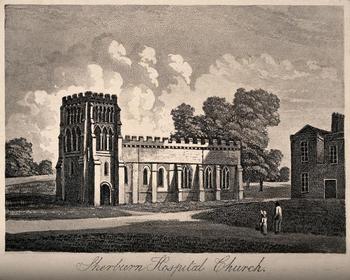
Unsurprisingly, perhaps, our first and most general reflection is that present-day philanthropy has deep roots. It is remarkable that philanthropic initiatives taken during the first centuries following the Norman Conquest are still bearing fruit today. Two ancient “hospitals”—Sherburn House near Durham (see Figure 2), founded in 1181 by Bishop Hugh du Puiset, and the Hospital of God at Greatham, founded in 1273 by Bishop Robert de Stitchell—continue today as providers of accommodation for the elderly.Footnote 70 St. Mary Magdalene and Holy Jesus Trust almshouse charity in Newcastle similarly dates back to the twelfth century. Many other less well endowed religious foundations, like the Maison Dieu in Newcastle, founded by entrepreneur Roger Thornton in 1412, have long since disappeared, along with the numerous monasteries, nunneries, and friaries that were swept away during the dissolutions of 1537 to 1540 ordered by Henry VIII.Footnote 71 Traces remain in occasional architectural gems like the twelfth-century Brinkburn Priory Church in Northumberland, built and endowed by Sir William Bertram II (1157–1206), and in place names and a few surviving repurposed buildings such as Blackfriars in Newcastle.Footnote 72 Many more ancient churches have survived, often extended and adorned by later philanthropic gifts, as at St. Michael and All Saints, Felton, where in 1331 Sir Roger Mauduit constructed the Lady Chapel. Sir Roger endowed a chantry at the same time, a dedicated trust for the support of a priest who in return was obligated to say prayers for the founder and other named individuals.Footnote 73 Chantries were a standard form of philanthropy before their abolition by Henry VIII. Of the forty-two in existence in Northumberland in 1537, twenty-seven were in Newcastle, eleven at the parish church of St. Nicholas (founded ca. 1091), and the others at the nearby chapels of All Saints (founded ca. 1286), St. Andrew (founded ca. 1218), and St. John (founded ca. 1287).Footnote 74 Thereafter, it became common for the wealthy to leave legacies for the poor as their chosen route to redemption.Footnote 75
Chapel of Sherburn House Hospital, founded in 1181 by Bishop Hugh du Puiset, great-grandson of William the Conqueror, originally serving as a home for leprous monks and nuns. (Source: Courtesy of the Wellcome Collection, no. 22802i, Wellcome Library, London.)

Second, the North East exhibited both close similarities to and particular differences from national philanthropic trends. In many respects, the objects and trajectory of philanthropy in the North East have broadly resembled those prevailing in other parts of England. In the early modern era, secular causes such as education gained ground over religious causes, and in the modern era, the trend continued as hospitals, infirmaries, and dispensaries moved center stage, often funded on a subscription basis by many people, not the few.Footnote 76 Philanthropy came of age amid the industrial boom that transformed the North East from a rural to a predominantly urban society. Voluntary initiatives flourished in social welfare provision, religion, parks and gardens, art galleries, museums, and higher education before the full development of the welfare state after 1950.Footnote 77 Since then, philanthropy has been reinvented as a source of additional support for establishment causes like the arts and higher education and as sponsor of innovative operating charities tackling a swathe of economic, social, cultural, and political problems.Footnote 78 What, then, stands out as distinctive in the history of philanthropy in the North East of England? First, it is evident that the palatine-bishops of Durham had more wealth and power than their counterparts elsewhere in England (see Figure 3 for a prominent example), which explains the continued existence of charities like Sherburn House (1191), the Hospital of God at Greatham (1273) and Lord Crewe's Charity (1721), as well as the establishment of Durham School (1414) and the University of Durham (1832) as religious foundations.Footnote 79 Second, the concentration of economic power in the hands of the business elite of Newcastle that held sway over the region from the later medieval period to the mid-twentieth century had important consequences for philanthropy. Newcastle became a hub for philanthropy because it was the place where merchants, bankers, coal owners, and industrialists conducted their business and dominated civic life through occupancy of political office while maintaining social ties through intermarriage and membership of social and religious groups. Elite cohesion created a sense of common purpose and the capacity to mobilize in support of philanthropic initiatives, often in advance of other towns and cities.Footnote 80 The Newcastle Infirmary (1751), the Lying-In Hospital for Poor Married Women (1760), and the College of Physical Sciences (1871) are exemplary.Footnote 81 Third, the speed of deindustrialization in the contemporary era has given rise to economic and social problems in the North East that are more severe than in other parts of Britain.Footnote 82 Yet, there remains a strong sense of place and identity, carried over from the prior era, which has inspired various creative philanthropic responses to the challenges of social renewal.Footnote 83 The region is, for example, home to the largest community foundation outside North America—that of Tyne & Wear and Northumberland—measured in terms of size of endowment and annual philanthropic spending.Footnote 84
Lord Nathaniel Crewe (1633–1721), Bishop of Durham (1673–1721), established Lord Crewe's Charity, the North East's oldest permanent foundation, by bequest of his Northumbrian estates. (Source: Nathaniel Crewe, 3rd Baron Crewe by John Faber Jr, after Sir Godfrey Kneller, Bt, mezzotint, 1727 (1698), NPG D34242, National Portrait Gallery, London.)

Third, entrepreneurship has been the motor force of North East philanthropy since the fourteenth century. Once the simple equation between wealth and landowning was broken, and fortunes came also to be made in trade, mining, manufacturing, and services, then the philanthropic crown passed from the landowning to the entrepreneurial class. Across the centuries, it has been those who have made money for themselves, together with their spouses and immediate descendants, who have contributed most freely to charitable causes. In the medieval period, the generosity of Newcastle merchant Roger Thornton (d. 1430) was legendary.Footnote 85 In the early modern period, the endowment of famous Newcastle schools by merchant Thomas Horsley (Royal Grammar), in 1545, and the widow of a tobacco merchant, Dame Eleanor Allan, in 1704, are illustrative.Footnote 86 In the industrial age, the careers of ironmaster Henry Bolckow (1806–1879), engineering titan Lord William Armstrong (1810–1900), shipbuilder Sir Charles Palmer (1822–1907), and shipping magnate Joseph Constantine (1856–1922) confirm the long-standing connection between entrepreneurship and philanthropy.Footnote 87 Notable counterparts in the contemporary period include housebuilder Sir William Leech (1900–1990), household products manufacturer Wilfred Handley (1901–1982), innovative engineering company founders Reginald Mann (1898–1991) and Alan Reece (1927–2012), and fashion house entrepreneur Dame Margaret Barber (b. 1940).Footnote 88
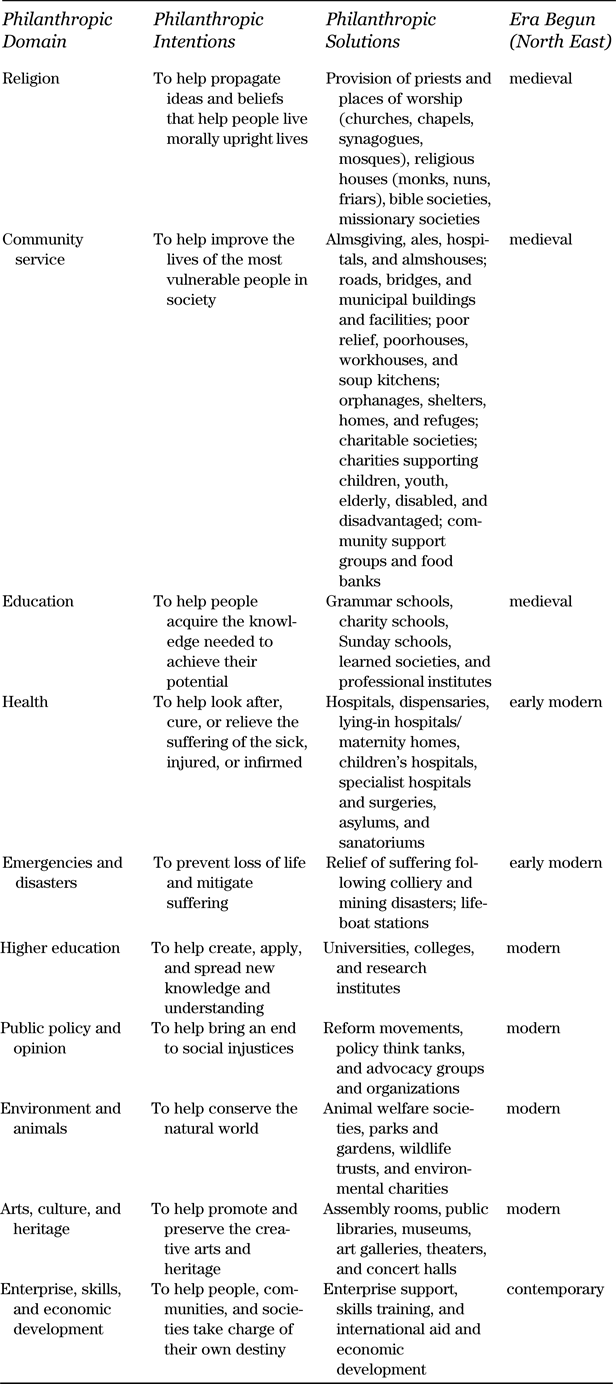
Fourth, philanthropy has been a major source of social innovation. One of the primary strengths of philanthropy is its ability to get new things off the ground, to set the ball rolling.Footnote 89 This can be seen in the pattern of schools formation across the North East, where seventeen grammar schools offering a classical education were endowed in the fifteenth, sixteenth, and seventeenth centuries, followed by large numbers of nonclassical charity schools in the late seventeenth and early eighteenth centuries, before they were superseded by fee-paying and state schools.Footnote 90 Many hospitals and three of the region's five universities likewise have their roots deep in philanthropy, as do several prominent art galleries and museums and most of the region's hospices. Social innovation by entrepreneurial philanthropists can help to instigate new sites of responsibility, which in turn can play a part in social renewal.Footnote 91 What we witness in philanthropy, time and time again, is that initiatives taken in one locality spread from one place to another through a process of mimetic isomorphism. What Paul DiMaggio and Walter Powell describe as the collective rationality at play in organizational fields has plainly also been at work in numerous institutional fields across the centuries.Footnote 92 This is demonstrated in Table 1, in which we chart the types of philanthropic innovations found in the North East of England over more than nine centuries. Presenting the objects of philanthropy in this way affirms the universality and practicality of philanthropic intentions. It points to the existence of structural continuities and incremental change over the longue durée.Footnote 93 In general, the North East has moved with the times, often, as has been said, as an early adopter but occasionally as a pioneer—for example, laying claim to the world's first lifeboat station, at Bamburgh, and the commissioning in 1789 of the first purpose-built lifeboat, Lionel Lukin's patented “unimmergible,” or unsinkable, boat.Footnote 94
Philanthropic Domains, Intentions, Solutions, and Eras

Source: Table by authors.
Fifth, social activism is crucial to the success of philanthropic ventures. Philanthropy achieves most when directed by practical initiatives intended to change the world for the better, referred to here as social activism.Footnote 95 At times, a philanthropist and a social activist may be one and the same person, conforming to the stereotype of the entrepreneurial philanthropist in deploying not only economic capital but also cultural, social, and symbolic capital in pursuit of transformational social objectives.Footnote 96 Entrepreneurial philanthropists pursue a particular theory of change in pursuit of what they conceive as social progress. A good contemporary North East example is that of Sir Peter Vardy, whose charity Safe Families for Children seeks to prevent at-risk children from becoming criminalized following entry into the local authority care system. The solution offered by the charity, which now operates throughout the United Kingdom, is to support families in multiple ways at times of crisis to prevent family breakdown and the need to take children into care.Footnote 97 Many philanthropists, however, are less hands-on in the pursuit of social causes and team up instead with social activists who, while not economically well endowed, have a theory of change and the requisite cultural, social, and symbolic capital needed to lead a philanthropic campaign. The Quaker solicitor Robert Spence Watson (1837–1911), for example, played a key role in the founding of the College of Physical Sciences in Newcastle in 1871, not as a philanthropist but as a social activist.Footnote 98 He believed passionately that the continuing competitiveness of Newcastle as an industrial city depended on increasing the supply of highly educated scientists, engineers, and allied professionals. The same was true of his friend and fellow Quaker, electrical engineer Theodore Merz (1840–1921), whose daughter, philanthropist Theresa Merz (1878–1958), campaigned for women's rights as a suffragette and used her fortune to found a home for unmarried mothers in 1935.Footnote 99
Sixth, many philanthropic ventures have depended on financial support from the many, not the few. We are attuned nowadays to thinking of philanthropy in terms of big donors, living as we do in an era of celebrity when the rich and famous capture the limelight.Footnote 100 In the eighteenth, nineteenth, and early twentieth centuries many charities were funded by subscribers who gave what they could afford and what felt appropriate.Footnote 101 In North East England, as elsewhere in the United Kingdom, the subscription list became a commonplace means of raising funds for new buildings, for responding to industrial disasters, and in some cases for meeting running costs. Subscription lists typically reflected the social composition of society. They were headed by the upper class and upper middle classes, who subscribed larger sums, but many others, often hundreds, also made a financial contribution. Companies, local government, corporate bodies like guilds and later trade unions, and cooperative societies frequently subscribed to a variety of causes. Large numbers of churches and Sunday schools across the North East were built in this way, and even major institutions, like Newcastle University, were founded by drumming up support among members of the regional industrial and professional elite.Footnote 102 Likewise, hospitals, dispensaries, asylums, and other health care facilities were built and operated on the basis of what we call subscription philanthropy. This was not without controversy; with subscription often went the right to nominate people for admission to hospitals, leaving medical staff compromised when poor people without sponsors requested treatment.Footnote 103
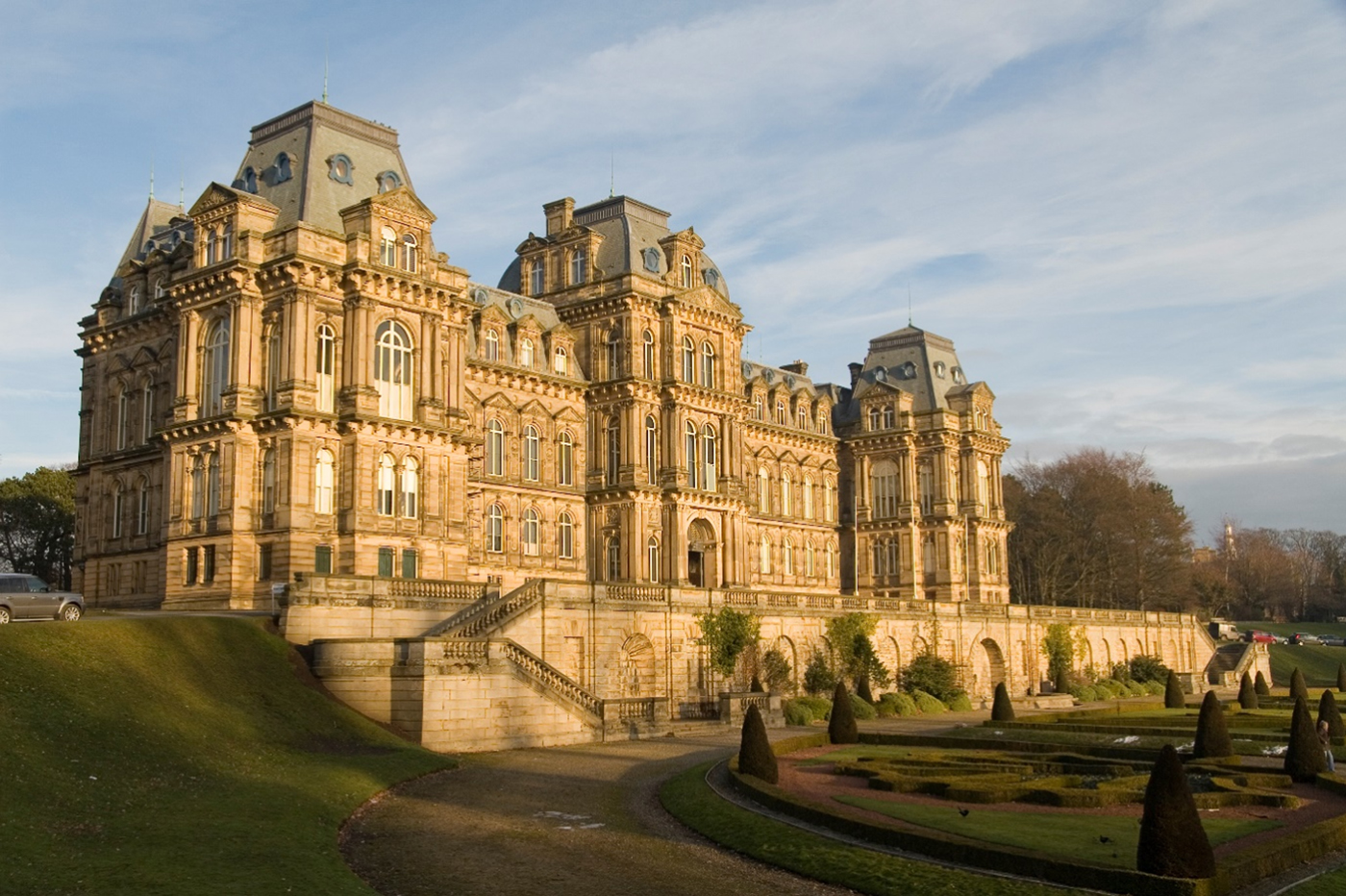
Seventh, prestigious institutions are magnets for philanthropy. Not all charitable organizations have the same appeal. Museums and art galleries, for example, often build up their collections incrementally, serving as a locus for in-kind philanthropy, as private individuals donate specimens, works of art, or entire collections.Footnote 104 The Great North Museum in Newcastle thus owes its present distinction to many hundreds of donors, as does the city's Laing Art Gallery.Footnote 105 The Bowes Museum in Barnard Castle (see Figure 4) is unusual in retaining a strong association with the collections of its founders, John and Joséphine Bowes, inheritors and despatchers of a coal-mining fortune accumulated over centuries.Footnote 106 Leading research universities like Durham and Newcastle are especially magnetic because they attract donations from many individuals, trusts, and foundations in support of a wide variety of attractive causes, most especially medical research.
Bowes Museum, County Durham, begun 1869 and completed 1892. Gifted by coal magnate John Bowes and his wife, Joséphine, together with fifteen thousand artworks and a large endowment. (Source: Courtesy of Andrew Teasdale.)

Eighth, charitable organizations must adapt to survive because only very rarely does philanthropy prove a sustainable source of long-term funding. In exceptional circumstances, the resources gifted to charitable organizations by founders have proved sufficient to sustain them for hundreds of years, as at Sherburn House and the Hospital of God at Greatham. Normally, however, longevity is dependent on finding fresh sources of income, and this, in turn, requires adapting to changing times and circumstances. The tendency is for philanthropic income as a proportion of total income to decline over time. Research-intensive universities like Newcastle and Durham, for example, while having large philanthropic incomes in absolute terms, secure most of their operating income from student fees, trading activities, funding councils, and research grants and contracts. Philanthropic income, however, remains vitally important to the funding of capital projects, cutting-edge research, and student bursaries. Large numbers of other charities, likewise, have migrated over time to mixed funding models by winning contracts from government bodies, trading, and charging for services. Famous old independent schools like Newcastle Royal Grammar, Dame Allan's, Durham School, and Barnard Castle School began as philanthropic foundations but nowadays depend almost entirely on income from fees to sustain themselves. In general, smaller and newer charities are more dependent on philanthropic income than larger and more established charities, consistent with the notion that philanthropy often does its best work at the front line, taking on challenges spurned by the establishment.Footnote 107
Ninth, and finally, many contemporary philanthropic constructs and practices owe precedent to the distant past. Institutions like philanthropy, while open to incremental change, become embedded through the regular, near automatic, enactment of solutions to recurring problems. The most obvious practice is that of endowing a charity with the means to ensure its survival. In the medieval era, churches and religious houses secured a good part of their income from the rental income on lands endowed to them by large landowners. Almshouses and hospitals likewise depended on having sufficient rental income from real property, either land or houses and shops in urban areas. Inadequately endowed charities tended to struggle and eventually fail. Popular charities, like parish churches, received regular endowments from living or deceased parishioners and other supporters, enabling them to hire more priests. This template has been handed down over the centuries and in essence differs little from that in place in many charities today. The main difference is not in the practices of harvesting and managing endowments, but in the type of assets endowed, which since the nineteenth century have tended to be more liquid. Likewise, the idea of a permanently endowed trust or foundation, managed by trustees, that might distribute charitable funds over many generations in keeping broadly with the wishes of the founder has existed at least since the early modern era. In North East England the earliest example is Lord Crewe's Charity, established by the bequest of extensive estates by the late bishop of Durham, Nathaniel Crewe (1633–1721), in 1722.Footnote 108
Four Original Contributions
The following four articles in this special issue were submitted for consideration along with many others following a call for papers examining aspects of the relationship between entrepreneurship and philanthropy. In the call, the guest editors invited contributions researched and written in the mode of historical organization studies, wherein historical data, methods, and knowledge are used to generate analyses “whose validity derives from both historical veracity and conceptual rigor” to enrich “understanding of historical, contemporary and future-directed social realities.”Footnote 109 Under this research paradigm, authors are enjoined to use history proactively, not only to make sense of the past but to shed light on important issues in the present.Footnote 110 The very nature of historical research, rooted as it is in specific geographical and temporal contexts, makes it fertile terrain for bottom-up inductive theorizing that grows out of rich descriptions of particular historical examples. Each of the articles selected for publication is exemplary in these aspects, offering fresh theoretical and empirical insights based on exacting historical research.
The first article, by Catherine Casson and Mark Casson, demonstrates how significantly philanthropic entrepreneurs contributed to socioeconomic development in later medieval England (1300–1500). From the donor perspective they examine philanthropic means, motives, and rewards, and from the beneficiary perspective they focus on philanthropic causes and achievements. They portray the merchants, financiers, and makers in their sample as perceiving—more strongly than members of the gentry, lawyers, and administrators—a harmony between self-interest and the social interest. The entrepreneurs were significantly more philanthropic than rentiers and professionals and lent greater support than their counterparts to schemes for municipal improvements, such as road making and bridge building. Religious motives are in evidence, but there is also considerable evidence that medieval entrepreneurs, like contemporary entrepreneurs, favored giving back to communities that had once supported them.Footnote 111 A large proportion of them held civic positions. They were duly honored for their contributions to society as philanthropists and office holders. In this groundbreaking article, the authors contribute to a more sophisticated understanding of how entrepreneurship and philanthropy came together in pursuit of economic and social improvement.
In the second article, Alice Shepherd and Steven Toms examine the relationship between philanthropy and competitive advantage in their exploration of philanthropy in the cotton textile mills of nineteenth-century Britain—the “dark, Satanic mills” of the Industrial Revolution immortalized by William Blake in “Jerusalem.” Shepherd and Toms show that charitable acts served to legitimate the social status of elites. This was especially the case for those whose factory communities expressed and made manifest the entrepreneur's social and moral vision in acts of “interested disinterestedness,” as highlighted by Pierre Bourdieu.Footnote 112 The authors provide a valuable typology displaying the spectrum of philanthropy in which nineteenth-century factory owners engaged, ranging from viewing factories as production units to socially engaged partnership that took much more account of employee organizations. What this reveals above all is that the relationship between entrepreneurship and philanthropy can take many forms, of which the type of philanthropy examined here might be summarized as paternalist philanthropy.
In the third article, a timely and illuminating study of changing ownership structures at the Scotch whisky blender and merchant Robertson & Baxter, Niall MacKenzie, Jillian Gordon, and Martin Gannon explore how different contextual factors propelled the transformation of a family business into a philanthropic commercial enterprise. The enterprise owners, three sisters who had remained spinsters and had no successors, led this transformation. In doing so, they established a new organizational form comprising both a commercial and a philanthropic vehicle. Drawing on archival sources, and employing an institutional theory lens, the authors examine the changing landscape of the Scotch whisky industry in the twentieth century, marked by foreign takeovers, focusing on the impact of contextual factors on the evolution of organizational forms. The authors explain how, in forming the trust, the sisters used their social position and family connections to access elite legal and financial networks in London. This confirms the direct economic return to entrepreneurs facilitated by philanthropy itself, discerned by Charles Harvey, Mairi Maclean, Jillian Gordon, and Eleanor Shaw.Footnote 113 The authors bring to our attention a new type of philanthropic hybrid organizational form, whereby business and philanthropy feed off each other symbiotically. What this article highlights primarily is the role that history can play in helping to extend understanding of the shifting relationship between philanthropy, business, and the state, emphasizing the value of adopting a microhistorical approach situated within its wider context.
In the final article, Nicolas Duquette chronicles and explains the profound consequences of tax breaks for wealthy U.S. philanthropists from the inception of the deduction for itemizing taxpayers in 1917 to the end of 2017. This is a rare attempt to explore the long-term dynamics of a crucial aspect of public policy toward philanthropy, cataloging in a detailed appendix every legal change relating to the deduction over the course of a century. The author shows that the deduction was initially conceived as a means of encouraging wealthy individuals to support public services voluntarily, thereby limiting public expenditure. When income tax rose to new, much higher levels in the 1950s and 1960s, rich industrialists—however philanthropically inclined—had a powerful incentive to create philanthropic foundations and endow them by donating large blocks of stock in their companies, simultaneously reducing both income tax and capital gains tax obligations. These incentives were increased in 1952, 1954, and 1962 when Congress progressively raised the proportion of income that might be claimed as a tax deductible expense, causing a surge in charitable deductions as a proportion of GDP. The resulting increase in the power of private foundations, some serving as vehicles of corporate control, led in turn to more intensive debate over the fairness and Treasury cost of tax breaks for the wealthy. Reforms in 1969 and 1986 that reduced the size of tax breaks were hotly contested and were partially reversed in 1993. In 2017, the limit on the proportion of income that could be deducted for income tax was raised from 50 to 60 percent, strongly favoring the super-rich. What this research confirms, in line with the findings of Maclean and Harvey on attempted reform of similar tax policies in the United Kingdom, is that the philanthropic elite greatly values the favorable tax treatment it receives, resisting change through the mobilization of political networks and the mobilization of third-sector support for the continuation of historically embedded privileges.Footnote 114
As philanthropy has moved to take center stage in debates over inequality and social inclusion, within and between nations, interest in its potential as a force for good or ill has begun to grow, although, as contended in this introductory article, it remains an under-researched and under-theorized topic. Business history, we believe, has an important contribution to make in this regard because the vantage point it affords—the encompassing sweep or longue durée of historical perspective—can spark fresh insights into contested issues relating to donors, beneficiaries, and philanthropic organizations. The articles published in this special issue, each in different ways, fulfill this promise. As a collection, they give pause for thought, causing us to challenge our assumptions and prejudices about philanthropy past, present, and future.