

This is the first of four chapters to distinguish between these four different levels, or sets, of political security dynamics in the Arctic. We start with the regional level, as it sets much of the frame for the other two, namely the systemic and the national. A look at the regional Arctic level, or the dynamics amongst the eight Arctic countries in the Arctic, is inherently what much of Arctic studies are concerned with. Thus, the goal of this chapter is to describe the specific regional political dynamics in the Arctic that relate to security and international relations.
The Arctic
What comprises the area above the Arctic Circle – the ‘Arctic region’ – is rather diverse in terms of a few parameters, such as population density, climatic conditions, links between the Arctic communities and the capitals located further south, and security relations; however, commonalities abound. The region’s sparse population, distance to economic centres, climatic challenges – not to say the impacts of climate change – as well as security links speak of similarities across the northern part of the globe.
Before examining political security dynamics in depth, we must unpack one more essential component of Arctic fundamentals, namely the legal frameworks that govern the management of ocean space and related issues of sovereignty, sovereign rights, and jurisdiction. It is otherwise hard to distinguish between what concerns the Arctic specifically, what are global dynamics (see Chapter 4), and – crucially in an examination of the Arctic – what are unfounded speculative statements about ‘lack of governance’ or a ‘resource race’ and what the Arctic states are truly concerned with.
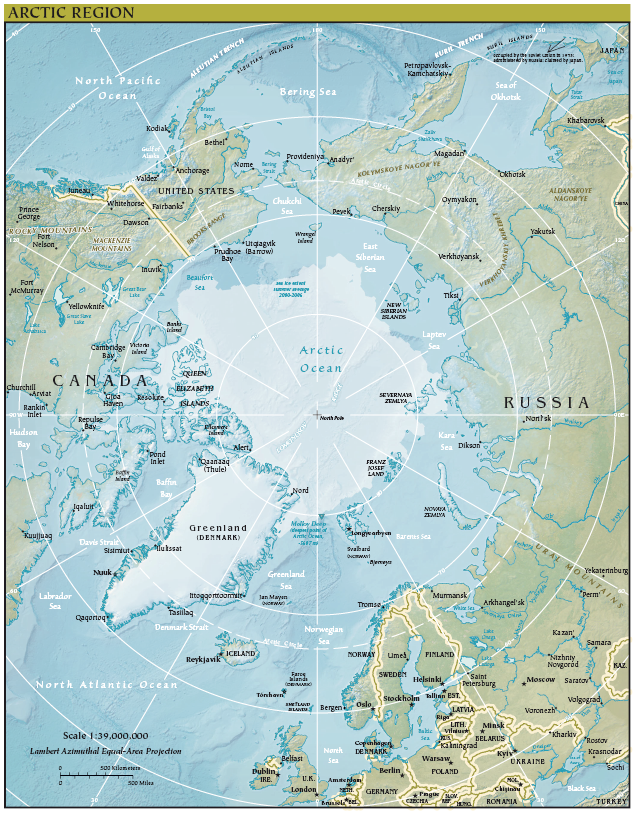
Figure 3.1 sets the geographical parameters for this book for clarity. The focus is on the eight Arctic states (those with territory above the Arctic Circle) and the political dynamics amongst themselves and between them and states and actors located outside the region. Still, what the term ‘Arctic’ represents and the common and/or political usage of it are not defined quantities but the result of social construction through debate, action, and language.Footnote 1 It is also noteworthy that different Arctic countries have various traditions when it comes to referring to their northern territories.
Map of the Arctic.
Naturally, the Arctic states vary in size and structure. On the face of it, we can draw a rough line between the Nordic countries – all of them with territory in the Arctic – Russia and the two North American states, Canada and the USA. Starting with the Nordic states, seen from afar, they tend to look rather similar – small, highly developed democracies with a strong welfare state, market liberalism, a shared and overlapping history and, apart from Finland, a common language family. Iceland stands out as an island state with a very small population and no armed forces (apart from a coast guard force). However, when we look more closely at these countries, differences in their security concerns and approaches to the Arctic appear.
In a circumpolar context, the population patterns on the Scandinavian Peninsula, in northern Finland, and in Russia stand out as rather dense with a number of relatively large cities and towns. The most apparent explanation for this is the climatic difference between the European parts of the Arctic and the Siberian and North American parts, defined by the Gulf Stream that ensures a temperate climate even above the Arctic Circle in Europe. The Barents Sea is ice-free even in wintertime, with ice appearing to its maximum extent only around Svalbard and Frans Josef Land. These climatic conditions have led to the settlement and sustenance of large communities, especially along the coastline. Another central issue concerns the Sami, the Indigenous Peoples that inhabit the Sami land, Sápmi, that stretches across all four countries – Finland, Norway, Sweden, and Russia – in the north-western parts of Europe.
Looking at the North American Arctic, different characteristics emerge. Greenland, the world’s largest island, is part of Europe in the political sense; however, it is part of North America in a geographical sense. A population of only approximately 57,000 across a vast area entails certain challenges in terms of infrastructure and local capacity. The Canadian Arctic – or North – is equally sparse in population. Only 130,000 people reside across a vast domain that covers as much territory as Western Europe and approximately 40 per cent of Canada’s land area. Most of them are not located above the Arctic Circle, but in communities in the mid-to-southern parts of Yukon, the Northwest Territories, and Nunavut as well as in northern parts of the province of Quebec. In Alaska, the situation is somewhat different – the northern state is geographically cut off from the lower forty-eight as the USA purchased the area from Russia (in 1867). The majority of the population resides in the southern part of the state, in or near Anchorage, Fairbanks, and Juneau. In North America, a range of Indigenous Peoples live close to or in the countries’ Arctic regions.
Finally, the Russian Arctic territory makes up approximately half of the entire Arctic landmass. As in North America, the population in the eastern parts of Russia is sparse due to limited infrastructure, harsh climatic conditions, and lack of development. Only around 50,000 people reside in the Chukotka region bordering the Bering Sea and Strait. However, the Murmansk and Arkhangelsk regions have almost 795,000 and 1.185 million inhabitants, respectively, in the west of Russia. In total, approximately 2.5 million people live in what Russia defines as its North or Arctic. It is obvious that the sheer differences in geography, climate, and population patterns between the different ‘Arctics’ also have a bearing on political dynamics.
Although NATO and the EU are not necessarily competing security organisations, they tend to mark different pathways in a Nordic context. On one hand, Iceland and Norway have repeatedly rejected the prospect of EU membership while being adamant about the northern (or Arctic, if you will) role of NATO (Østhagen, Sharp, and Hilde Reference Østhagen, Sharp and Hilde2018). On the other hand, Finland and Sweden have taken the lead in many of the EU’s own Arctic initiatives while maintaining a close-but-not-too-close relationship with NATO (Raspotnik Reference Raspotnik2018). Only the Kingdom of Denmark bridges the two organisations, although Greenland, which is the Kingdom’s Arctic foothold, left the then-European Economic Community in 1985.
However, in response to the Russian invasion of Ukraine in February 2022, Finland and Sweden took steps to initiate their NATO membership applications, with Finland joining in 2023 and Sweden in 2024. Marking a watershed in Nordic security affairs, and thus also for the Arctic, this means that seven of the eight Arctic countries now belong to a security and defence alliance that was created to counter a perceived Soviet threat. Now, the only remaining Arctic state outside the alliance is Russia.
In North America, both Canada and the USA are NATO members. The USA naturally has a global outlook on security concerns as it engages at will across the world. Canada is active in NATO missions in Europe; however, this defence alliance has often been seen as an ‘out of area’ dimension to Canada’s defence instead of something integral to the territorial defence of the Canadian homeland (Jockel and Sokolsky Reference Jockel and Sokolsky2009). Instead, for both Canada and the USA, North American Aerospace Defense Command (NORAD) provides the fundamental structure for defence of the North American homeland in the Arctic (Charron and Fergusson Reference Charron and Fergusson2022; Lackenbauer Reference Lackenbauer, Depledge and Whitney2021).
Russia stands outside of both the EU and NATO; however, it has its own various security arrangements and cooperation mechanisms. The Commonwealth of Independent States Free Trade Area was initiated by Russia in 2011 to promote further economic (and political) integration amongst some of the former USSR countries. After 2014, the debate over Chinese and Russian cooperation along several axes has also become more prominent and Russian leadership has rhetorically talked about increased security cooperation between the two countries’ armed forces (Ebel Reference Ebel2022; Moe, Lamazhapov, and Anisimov Reference Moe, Lamazhapov and Anisimov2022; Tingstad, Pezard, and Shokh Reference Tingstad, Pezard and Shokh2024a). However, questions regarding the realities of this bilateral cooperation and the extent to which Russia can accept the junior role that a Sino–Russian entanglement entails remain (Hsiung Reference Hsiung2022; Stensdal and Heggelund Reference Stensdal and Heggelund2024; Lamazhapov Reference Lamazhapov2024). Especially in an Arctic context, this speaks to more than just economic cooperation, but also to Russian fears of Chinese encroachment and the loss of control over key developments in the North (Røseth Reference Røseth2014; Almén and Hsiung Reference Hsiung2022).
The Arctic Ocean
When it comes to maritime spatial zones, the delimitation agreements and continuing disputes are crucial to the understanding of the fundamentals of Arctic geopolitics and the background of political security dynamics. In 1982, most states agreed on a comprehensive legal regime, the United Nations Convention on the Law of the Sea (UNCLOS) (United Nations 1982). The Law of the Sea gave the legal justification for states to put in place ‘new maritime zones in addition to the 12 nautical mile (NM) territorial sea, with a 200 NM “resource” or “fisheries” zone which became termed the exclusive economic zone (EEZ)’ (Østhagen Reference Østhagen2020b: 3). However, as such zones have already been implemented by coastal states since the 1950s – as some states pre-empted an international agreement – states have developed differing interpretations of how to draw maritime boundary lines (Forbes Reference Forbes1995: 13).
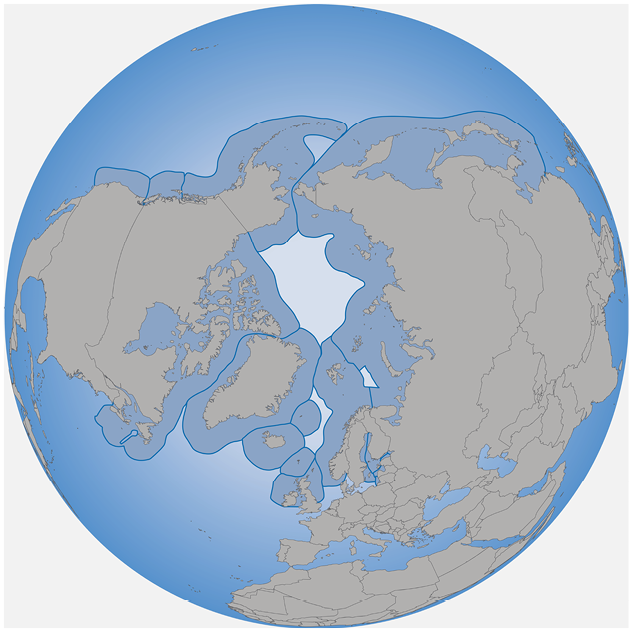
Of the eight Arctic states, seven are parties to the Law of the Sea Convention. The exception is the USA, but it generally regards the Law of the Sea as being reflective of customary international law and thus binding on all states (Roach and Smith Reference Ashley and Smith2012). All the Arctic coastal states – Canada, Kingdom of Denmark, Norway, Russia, and the USA – as well as Iceland have advanced broad maritime claims (see Figure 3.2) in keeping with both international law and their own national interests (Churchill Reference Churchill2001).Footnote 2
The exclusive maritime economic zones in the Arctic.
Since the 1950s, the Arctic states have agreed on various maritime boundaries in Arctic waters. What stands out as a particular case of how the Arctic states have sought to insulate their region from security and governance issues, concerns their approach to the Arctic Ocean. Looking at territory and the process of establishing and demarcating borders between states in the North, most of those were settled in the nineteenth and twentieth centuries as part of the expansion of sovereignty and administrative capacity in the various Arctic countries. In contrast to many other parts of the world in which questions about borders and territories remain, in the Arctic, Canada, the Nordic states, Russia, and the USA have demarcated their northern borders and resolved sovereignty disputes over islands and archipelagos such as Hans Island, Jan Mayen, and Svalbard. The territorial questions in the Arctic – disputes over borders on land and ‘who owns what’ – have all been settled.
What remains are disputes and concerns over jurisdiction and rights at sea. According to a geographic definition, the Arctic is inherently an ocean surrounded by land. This entails that the ‘seascape’ defines many of the regional questions of resource governance, access, and subsequent security issues. Albeit the smallest of the world’s oceans,Footnote 3 the Arctic Ocean (at 14 million km2) is almost six times larger than the Mediterranean Sea (at 2.5 million km²), five times larger than the Caribbean Sea (at 2.8 million km²), and four times larger than the South China Sea (at 3.5 million km²). And the Arctic Ocean represents only half of the space we call the Arctic.
The rapid melting of Arctic sea ice and the prediction that the Arctic Ocean might be ice-free during the summer by around 2050 bring up a range of questions relevant under the Law of the Sea, and governance more generally. In essence, the Law of the Sea sets the parameters for intra-Arctic disputes over resource management, ocean governance, and access to various parts of the Arctic. It has also been used by the Arctic states to counter claims of the Arctic as an ‘ungoverned’ space.
However, the Arctic Ocean remains exceptional with respect to maritime boundaries as, in contrast to the general trend, so many boundaries are settled (Østhagen and Schofield Reference Østhagen and Schofield2021). Looking at the Arctic ‘experience’, out of seven, only one boundary segment remains in dispute, between the USA and Canada in the Beaufort Sea (J. S. Baker and Byers Reference Baker and Byers2012; Byers and Østhagen Reference Byers and Østhagen2017). This highlights how the Law of the Sea provides the undisputed framework for dealing with the challenges over how to manage ocean space, including areas of overlapping maritime claims, especially in the Arctic Ocean context, where all of the coastal states have overtly indicated that they remain committed to its terms.
Fundamentally, affirming the Law of the Sea, the practical management of maritime spaces, and ultimately agreeing on maritime boundaries in the Arctic region have not only been steps taken in order to provide frameworks for ocean-based resource development but also efforts to ensure the primacy of the Arctic states (Hoel Reference Hoel2009, Reference Hoel2014), as other actors are increasingly engaged in regional affairs ranging from science to fisheries.
The End of the Cold War and a Surge in Arctic Cooperation
The Arctic states have obviously had bilateral and multilateral interactions concerning, or in, the Arctic for as long as the modern state structure has existed. As Chapter 2 explained, claiming territory and thus sovereignty and delimitating borders on land and later at sea has been an ongoing process for centuries. However, the focus here is on regional security dynamics in more recent times and the related rapid surge in cooperative mechanisms amongst the Arctic states.
Often hailed as a landmark for ‘modern’ Arctic relations, in 1987 in Murmansk, Secretary-General of the Communist Party of the Soviet Union, Mikhail Gorbachev, delivered a speech that became known as the Murmansk Initiative. Gorbachev called for increased cooperation between the USSR and Western countries along a range of issues, such as arms control, limiting military activity, enhancing economic prosperity in the North, inclusion of Indigenous Groups, and scientific cooperation (Gorbachev Reference Gorbachev1987). The events that followed in the period 1989–1991 profoundly changed Russia, and thus, they also changed the Arctic. Although the military and security initiatives were not met with applause from the other Arctic countries (Åtland Reference Åtland2008), the speech marked the start of a surge in cooperation in the North on a regional level and thus also region-building efforts (Keskitalo Reference Keskitalo2004).
As the systemic overlay of the Cold War faded, regional interaction and cooperation in the North flourished apace. While the region as a geopolitical space seemed to disappear from the radar of global power politics during the early post-Cold War period (see more in Chapter 4), interaction amongst Arctic states increased. This allowed the eight circumpolar countries to embrace creating a favourable political environment to deal with transboundary issues and stimulate economic development. In particular, Indigenous Peoples gained more political visibility and an official voice at various cooperative mechanisms.
Regional organisations such as the Arctic Council, the Barents Euro-Arctic Council, and the Northern Forum emerged in the 1990s to tackle issues such as environmental degradation, regional and local development, and cultural and economic cross-border cooperation. Military security issues were deliberately excluded; this enabled a plethora of cooperative arrangements to be agreed amongst the countries in different constellations without them getting bogged down in the high politics associated with national defence considerations and deterrence.
The Arctic Council eventually became the primary forum for pan-Arctic issues. After initiatives in the early 1990s, the Ottawa Declaration officially established the Arctic Council in 1996 as a high-level forum to ‘provide means for promoting cooperation, coordination and interaction amongst the Arctic States, with the involvement of the Arctic Indigenous communities and other Arctic inhabitants on common Arctic issues’ (Arctic Council 1996: 2). The note to this sentence further states: ‘The Arctic Council should not deal with matters related to military security.’
The procedures and rules of the Arctic Council were adopted at the first meetings. It was decided, amongst other things, to let the chairship rotate every other year amongst the eight Arctic states and that all decisions should be taken unanimously – the role of observers and the status of Indigenous Peoples as ‘permanent participants’ was also specified. The permanent participants have full consultation rights in connection with the Council’s negotiations and decisions; however, they do not have voting rights. The observers were and remain a highly diverse group of NGOs, international organisations, and non-Arctic states. In 2011, at a ministerial meeting in Nuuk, it was decided to establish the Arctic Council Secretariat in Tromsø, Norway. The Standing Secretariat became operational in 2013.
The day-to-day workings of the Arctic Council are handled by the six working groups. They are the producers of scientific knowledge, tasked with identifying and analysing Arctic challenges, and the venue in which the member states, permanent participants, and observers actively participate in the work of the Arctic Council (Arctic Council 2024). The working groups cover everything from the monitoring of mercury levels to formulating guidelines for Arctic shipping to undertaking a wide range of studies regarding climate change in the Arctic (Exner-Pirot Reference Exner-Pirot2015).
In the first period of Arctic Council, from 1996 to the mid 2000s, most of the work centred on combating pollution in the Arctic. This work has gone on to inform international conventions on pollution, including the Minamata Convention (on mercury) and the Convention on Persistent Organic Pollutants (Stockholm Convention) (Rottem Reference Rottem2017; Graczyk and Rottem Reference Rottem2020; Bloom Reference Bloom1999). Adding to its legitimacy, a growing number of non-Arctic state actors – initially France, Germany, the Netherlands, Poland, Spain, and the United Kingdom; and more recently, China, India, Italy, Japan, Singapore, South Korea, and Switzerland – have applied for and gained observer status on the Council (Koivurova Reference Koivurova2010; Willis Reference Willis2013; Steinberg and Dodds Reference Steinberg and Dodds2015).
Another forum that emerged in the same period, albeit with a more local/region-specific focus, is the Barents Cooperation that focuses on the Barents Region (Northern Europe). The Barents Euro-Arctic Region was launched in 1993 by the Kirkenes Declaration (Barents Euro-Arctic Council 1993). The original members of the Barents Euro-Arctic Council were the Kingdom of Denmark, Finland, Iceland, Norway, Russia, Sweden, and the European Commission, although this forum collapsed after Russia left in 2022 (returned to below). Moreover, thirteen counties or similar subnational entities form the Barents Regional Council, highlighting the regional dimension in Arctic cooperation. In 2008, the International Barents Secretariat was established in Kirkenes, Norway.
Ergo, in the early to mid 1990s, several initiatives appeared amongst the Arctic states – the Arctic Council and the Barents Euro-Arctic Council are only two examples of this, albeit the most prominent ones, as they include a high-level component where the foreign ministers (usually) of the participating states met when concluding one chairmanship period and starting another.Footnote 4 These forums are relatively toothless if we only examine their institutional set-up and mandate, their impact is measured – as put by Svein Vigeland Rottem (Reference Rottem2020) – by ‘decision-shaping’ and not ‘decision-making’. All these efforts are textbook examples of the theories that emerged around the same time concerning regionalisation, and how to develop regional structures to avoid conflict and – ultimately – the pitfalls of global geopolitics and anarchy.
Moreover, by including not only the circumpolar states but also a range of state and non-state actors as observers, these forums have ensured the Arctic states’ primacy when dealing with Arctic or subregional Arctic issues. This is especially the case for the Arctic Council which transformed from a relatively limited forum where foreign ministers from the Arctic states often did not attend ministerial meetings to a forum where both the Russian and the US foreign ministers would meet and portray relative harmony – despite tensions elsewhere – to signify the importance of the Council and its work. A region-building outsider–insider dynamic has been clear in terms of which states can be members of the Council; however, an underlying premise has been that it is better to have non-Arctic actors such as China, the EU, India, and the UK involved rather than exclude them.
However, as put by Jennifer Spence, the focus on the Arctic Council as the ‘container’ of Arctic cooperation – which is beyond what it was originally conceived as – has arguably also challenged the organisational capacity of that institution (Spence Reference Spence2017). The Arctic Council perhaps became famous because of the allure behind a regional organisation framed as ‘the’ Council for that region, although in reality its decision-making and enforcement abilities were, and still are, extremely limited.
Governance Vacuums and Global Interest
In the beginning of the 2000s, a set of political dynamics started to place the Arctic in the spotlight. First and foremost, global attention on the Arctic region began to show. This was initially driven by a growing awareness of climate change and the mere fact that the Arctic is one of the parts of the globe where the effects are becoming apparent at a faster rate than elsewhere.Footnote 5 Debates about Arctic sovereignty and the potential dangers associated with the ‘opening’ of the region remained largely academic until they intersected with the increasingly apparent effects of global climate change and popular perceptions about competition for Arctic resources in the early 2000s (Østreng Reference Østreng and Claes1999; Orheim et al. Reference Orheim, Broch, Forsell, Kristoffersen, Stordal, Broderstad and Hansson2003; Stokke Reference Stokke2006). Arctic ice sheets were disappearing at an accelerated pace, which coincided with new prospects for offshore oil and gas exploration, as well as the opening of shipping lanes such as the Northeast and Northwest Passages (The Economist 2015).
Record lows in the extent of summer sea ice, combined with record high oil prices, uncertainty over maritime boundaries, and a much-talked-about US Geological Survey (USGS) estimate released in 2008 – suggesting that the region holds 13 per cent of the world’s undiscovered oil and 30 per cent of its undiscovered natural gas (USGS 2008) – conspired to drive Arctic issues to the forefront of international politics. Scholars such as Rob Huebert (Reference Huebert2003, Reference Huebert2010) and Scott Borgerson (Reference Borgerson2008, Reference Borgerson2009) spoke of an ‘Arctic arms race’ emanating from regional resource and sovereignty issues rather than global strategic drivers. In particular, the Russian planting of the titanium flag on the seabed of the North Pole in 2007 became a focal point of attention for a media narrative about an impending Arctic scramble (Dodds Reference Dodds2010; Nilsson and Christensen Reference Nilsson and Christensen2019).
The flag planting generated considerable media coverage, much of which was relatively alarmist in nature (BBC News Reference News2007). This tone extended to the diplomatic arena when the Canadian foreign minister, Peter MacKay, appeared to dismiss the flag-dropping incident as a stunt, stating, ‘This isn’t the fifteenth century. You can’t go around the world and just plant flags and say “We’re claiming this territory”’ (Parfitt Reference Parfitt2007). In response, the Russian foreign minister, Sergey Lavrov, observed that ‘no one is throwing flags around’; analogies were drawn between Russia’s action and Edmund Hillary and Tenzing Norgay planting the Union Jack on the summit of Everest in 1953 (Parfitt Reference Parfitt2007). Indeed, Lavrov emphasised that Russia was not acting unilaterally; its actions were ‘in strict compliance with international law’ (Novosti Reference Novosti2007).
Some of the attention that is given to the Arctic – including in terms of security and ‘geopolitical’ attention – sometimes seems related to a notion of Arctic ‘uniqueness’ or the Arctic as a ‘last frontier’ (e.g., Emmerson Reference Emmerson2010). Individuals seem drawn to the unknown, mystical, and wild – especially as few such areas remain in the globe today as the impacts of human activity and settlement are increasingly evident. These notions are also part of this global fascination with the Arctic region, which, in and of itself, can lead to simplified causation and general assumptions about the Arctic (for more on this, see Sfraga Reference Sfraga2017; Duffy Reference Duffy2013; Burke Reference Burke2017; Medby Reference Medby2014; Jacobsen Reference Jacobsen2015; Manicom Reference Manicom2011).
This fascination with the Arctic, although it is difficult to measure and determine its causal effects, seems to have been the instigator of a debate about Arctic governance structures that started in academic circles but gained attention in wider political circles at the end of the 2010s. Scholars were quick to examine and engage in debate about whether the existing governance structures in the North could manage all this influx of activity and political attention. Governance scholar Oran Young (Reference Young2005) wrote that Arctic governance efforts were different from traditional ways of understanding regimes and international cooperation, with promising hopes for global efforts to combat climate change. Although the academic governance debates tended to, and still tend to, be rather sober with an emphasis on aspects such as resilience of current institutions or the benefits of establishing limited new forms,Footnote 6 especially those with an environmental agenda have been quick to jump to the conclusion that a completely new governance framework was, and still is, needed for the Arctic.
The argument – as explicitly stated by some government officials and environmental activists and sometimes read between the lines when non-Arctic actors discuss ‘Arctic governance’ – is that the Arctic is inherently the ‘common heritage of mankind’ and thus the responsibility of the global community and not just the Arctic states and their inhabitants.Footnote 7 Others have been eager to ‘save’ or ‘protect’ the vulnerable Arctic, perhaps without being clear about which part of the Arctic or why it needed protection in the first place (Greenpeace Reference Østhagen2012; Østhagen Reference Østhagen2012).Footnote 8
One comparison that is frequently made and continues to have some leverage is that of Antarctica, which at first glance, might make sense. Both polar regions have been perceived as ‘frozen landscapes’ devoid of human activity, and these are the places most affected by climate change while also attracting economic interests due to their vast resource potential and global demand for those resources. While the global community managed to agree on a comprehensive governance regime to avoid conflict, resource extraction, and harm to the environment concerning Antarctica through negotiations in the post-war period, the Arctic has no such holistic governance system. However, there are marked differences between the two regions. In fact, it would not be wrong to deem them ‘polar opposites’ in terms of the spaces’ history, level of human activity, and their subsequent governance structures.
In essence then, while the Arctic is an ocean surrounded by sovereign countries, Antarctica is a landmass that does not officially belongs to any state, surrounded by oceans.Footnote 9 Antarctica is a continent with most of its territory falling within the Antarctic Circle (Stephens Reference Stephens2011: 318). Legally, the spatial extent of the Antarctic regime is specified by the Antarctic Treaty that defines its operational area as south of 60°S (‘The Antarctic Treaty’ 1959). Further, unlike the Arctic, the Antarctic has no history of supporting human populations and Indigenous Peoples (Rack Reference Rack and Mark Nuttall2018). In comparison with the Arctic, the ATS governs much of the Antarctic region and provides a fixed point in terms of governance. However, to argue that a similar system should be in place for the Arctic misunderstands the nature of the Arctic, its inhabitants, states, and the governance structures in place.
The argument might hold true if we are talking about the high seas that are the Central Arctic Ocean, around the North Pole. Although, most of the Arctic’s subsea continental shelf will be subject to the sovereign rights of one of the various Arctic coastal states. The rest (and the majority) of the Arctic region is the sovereign territory of one of the eight Arctic states or comprises waters that are either territorial seas or exclusive economic zones. The ‘limited governance’ argument does not immediately hold true from this perspective – at least not any more or less than it does in other maritime domains surrounded by states (e.g., the Mediterranean or the Caribbean).
The Arctic and the Antarctic therefore are indeed polar opposites. One difference is the presence of penguins in one domain, whereas polar bears roam the other (imagine the situation if they shared domains). Perhaps more central for the purposes of this book, the former is a landmass without human habitation surrounded by water with a Treaty that explicitly excludes military activity (Article 1), whereas the latter is an ocean surrounded by landmass with human habitation – with military activity across all eight Arctic states. Moreover, establishing sovereignty over territory, delineating borders on land, and eventually extending sovereign rights into the maritime domain are processes that do not infer a ‘legal vacuum’ or a lack of jurisdiction and governance in the Arctic.
In the wake of this global attention to the Arctic and Arctic governance, environmental organisations and politicians outside the region dominated debates about the ungoverned Arctic region. In Canada and Russia, nationalistic voices also demanded urgent state action to defend this ‘frontier’ from outside aggressors in a ‘race for resources’. Such messages tended to conflate identity politics, national interests, continental shelf delimitation processes, energy security, mineral resources, and security and control over Arctic jurisdictions (Lackenbauer Reference Lackenbauer2010; Sergunin and Konyshev Reference Sergunin and Konyshev2014). As stated by Artur Chilingarov – a Russian scientist and explorer – after the 2007 flag planting, ‘I don’t give a damn what all these foreign politicians there are saying about this. If someone doesn’t like this, let them go down themselves … and then try to put something there. Russia must win. Russia has what it takes to win. The Arctic has always been Russian’ (NBC News 2007).
The Arctic ‘Story’: Exceptionalism and Cooperation
Calls for new governance structures in or for the Arctic and implications that the current system is insufficient from around 2007 provoked a response from the Arctic states. First, the Arctic states started organising events and engaging in public diplomacy (and closed-door diplomacy) vis-à-vis those actors who had been most vocal in expressing concerns about limited Arctic governance (Offerdal Reference Offerdal2011). Amongst these were the UK (or some Members of Parliament in the UK) and the EU (or some Members of European Parliament), where subsequent efforts were made to convince critical voices of the adequacy of the current governance system, with an emphasis on the Law of the Sea (Bartenstein Reference Bartenstein2015; ‘European Parliament Resolution of 9 October 2008 on Arctic Governance’ 2008; Raspotnik and Østhagen Reference Raspotnik and Østhagen2019).
The growing importance of, and emphasis placed on, regional forums in the North and then especially the Arctic Council came about as a consequence of the increased international attention given to the region, often driven by actors external to the region (for a discussion, see Young Reference Young2010; Stephen and Knecht Reference Stephen and Knecht2017). In response to such concerns, the five Arctic coastal states gathered in Ilulissat, Greenland in 2008 to highlight the primacy of Arctic states and their sovereign rights (Arctic Ocean Conference 2008). Senior political representatives of the five Arctic states publicly declared the Arctic to be a ‘region of cooperation’ (Exner-Pirot Reference Exner-Pirot2012). They affirmed their intention to work within established international arrangements and agreements, in particular, the Law of the Sea – highlighting a specific regional approach and coherence amongst the Arctic states (Stephen and Knecht Reference Stephen and Knecht2017).
During this period, Jonas Gahr Støre, for example, then foreign minister of Norway, repeatedly emphasised that ‘[t]he Arctic – unlike Antarctica – is an ocean surrounded by national states with sovereign rights to sea areas off their coasts in accordance with international law’ (Gahr Støre Reference Støre2010b). Moreover Gahr Støre, together with his Russian colleague Lavrov, wrote an op-ed in the Canadian newspaper Globe and Mail about the importance of settling maritime boundary disputes in the Arctic (Lavrov and Gahr Støre Reference Lavrov and Gahr Støre2010):
the Russian-Norwegian experience proves that the United Nations Convention on the Law of the Sea provides a solid framework for addressing issues that will arise as the climate in the Arctic changes and the Arctic Ocean is transformed’. At the same time, ‘we firmly believe that the Arctic can be used to demonstrate just how much peace and collective interests can be served through the implementation of the international rule of law
These are examples of an active Lavrov response from the Arctic states addressing concerns about governance in the North with an emphasis on the Law of the Sea and the well-functioning mechanisms in place in the Arctic. The same occurred when some actors started highlighting Svalbard’s governance structures and discussing whether a new treaty should be discussed – against the interests of Norway as the sovereign of Svalbard. These ideas were met with a direct pushback from Norway, eventually taking the issue somewhat off the agenda (Raspotnik and Østhagen Reference Raspotnik and Østhagen2014; Bladet Vesterålen 2011).
Moreover, the op-ed by Lavrov and Gahr Støre highlights a third strand of response from the Arctic states, namely the narrative of ‘cooperative regional relations’. As stated in 2010: ‘we believe that the challenges in the Arctic should inspire momentum in international relations, based on co-operation rather than rivalry and confrontation, and we believe that important steps have already been taken towards this goal’ (Lavrov and Gahr Støre Reference Lavrov and Gahr Støre2010). This idea of the Arctic as a special place for international cooperation was propagated internationally in tandem with the primacy of the Law of the Sea to underscore that the Arctic is not a legal vacuum or an arena for immediate conflict.
Another relevant dimension of Arctic region-building in this period concerns how all the Arctic states have regularly put forth so-called Arctic policies or Arctic strategies, often repeating the mantra of cooperation in relatively streamlined Arctic policy and/or strategy papers (Rottem Reference Rottem2010; Heininen et al. Reference Heininen, Everett, Padrtová and Reissell2020). The typical phrases found in these policy documents highlight the ‘importance of international cooperation’ in the Arctic, the need for ‘sustainable development’, the importance of respect for traditional livelihoods, and the fundamentals of the Law of the Sea and its primacy in the Arctic.
Despite the Arctic countries being rather different in terms of setup, structure, and the characteristics of their Arctic regions, repeating the listed points concerning governance and cooperation became an essential part of Arctic diplomacy efforts, counteracting or downplaying the security developments that were taking place at the same time. Playing into this, at the Nuuk, Greenland ministerial meeting in 2011, the Arctic Council presented a specific set of criteria to be fulfilled for possible observers to the Council (Senior Arctic Officials 2011).Footnote 10 These criteria were meant to further reiterate the points concerning ‘sovereignty, sovereign rights and jurisdiction’ in the Arctic (Guo Reference Guo2012). The criteria also served the purpose of underscoring the unity amongst the Arctic countries – including Russia – while dealing with external interests to the region and emphasising the ‘Arctic story’.
The deterioration in the relationship between Russia and the other Arctic states in 2014 did not fundamentally change the commonality of interests when it came to Arctic-specific issues, or the Arctic states’ desire to portray the Arctic as a ‘low tension’ region, despite, for example, the cessation of military contact with Russia by the other Arctic states (Østhagen Reference Østhagen2016; Byers Reference Byers2017). Although security concerns became much more prominent and fears of Russian erratic behaviour were suddenly a worry, all Arctic states including Russia reconvened in Greenland in 2018 and repeated promises of cooperation and protection of the Law of the Sea (Jacobsen Reference Jacobsen2018), which, after all, gives the Arctic states sovereign rights over large parts of the Arctic Ocean.
In fact, this focus on the cooperative features of the Arctic region, despite global tensions involving the same actors in other parts of the world, has been deemed the essence of an ‘Arctic exceptionalism’. In the book Arctic Politics: Conflict and Cooperation in the Circumpolar North Oran Young (Reference Young1992: 6) noted that ‘Arctic exceptionalism’ had already emerged ‘as a powerful force in the world’. Young argued that the concept stemmed from outside commentators ‘accentuating the exotic and unique features of the Arctic’, which had ‘the effect of setting the region aside from the mainstream concerns of most fields of study’ (Young Reference Young1992: 6). The collective action problems associated with Arctic environmental issues, which no one state could address alone, were particularly apt to being tackled through this approach.
For most commentators, the idea of Arctic exceptionalism became inextricably linked to the assumptions that the region was a cohesive and cooperative space insulated from geopolitical tensions elsewhere, and it was ‘exceptional’ when compared to other regions (Gunhild Hoogensen Gjørv and Hodgson Reference Hoogensen Gjørv and Hodgson2019: 4). Heather Exner-Pirot and Robert Murray defined the concept as ‘the successful effort’ both ‘to maintain cooperation in the region despite internal competition for resources and territory’ and ‘to compartmentalize Arctic relations from external geopolitical tensions’. They argued that the Arctic regional order was exceptional insofar as Arctic states and those states with involvement in the area worked ‘to negotiate an order and balance of power predicated on norms such as cooperation and multilateralism’ (Exner-Pirot and Murray Reference Exner-Pirot and Murray2017: 47–48).
In other words, Arctic exceptionalism regarding regionalism and region-building is directly linked with norms-based multilateralism and institutionalist approaches. This concept has served two purposes: (1) it has been a focal point of Arctic studies looking at the unique situation in the North and (2) it has been an important aspect of the narrative created by the Arctic states’ foreign ministries and Arctic policy documents when attempting to combat the alternative narrative depicting the Arctic as a region ‘up for grabs’ or doomed by an impending scramble for resources (Grindheim Reference Grindheim2009; Wilson Rowe Reference Rowe2018).
The Arctic spirit of uniqueness must also be understood in the context of the discussion that emerges from the social construction of where to draw the line between the Arctic and the rest of the world and the idea of being ‘near’ the Arctic. As the region has attracted attention from countries located south of the Arctic Circle, proving one’s Arctic credentials seems to be a popular endeavour (Steinveg Reference Steinveg2017; Bekkevold and Offerdal Reference Bekkevold and Offerdal2014). In fact, it was the United Kingdom that first actively used an approximation of the term near-Arctic in an official document – its 2013 Arctic policy titled Adapting to Change: UK policy towards the Arctic. The policy states, ‘The United Kingdom is not an Arctic State, but we are the Arctic’s nearest neighbour’ (UK Government 2013: ii). The UK Parliament’s Select Committee on the Arctic defines the ‘UK as a near-Arctic state’ (UK Parliament 2015).
However, the term gained notoriety when it became linked with China. In this context, the focus is to underscore that what is ‘in’ the Arctic or has proximity to this somewhat arbitrary boundary is likely to have political connotations and can be subject to dispute. Also the EU repeatedly highlights and justifies its Arctic interests due to its impact and influence on the Arctic region in everything from changes in climate to trade (Raspotnik Reference Raspotnik2018).
Another debate that has caused some friction amongst the Arctic states has been the emphasis on being a coastal state with a direct coastline facing the Arctic Ocean. That approach excludes Finland and Sweden and, depending on where one draws the line in the North Atlantic, also Iceland. The Arctic Five (A5) club gained traction at the beginning of the Arctic ‘era’ in the twenty-first century, that is, 2006–2008. This culminated in the five Arctic coastal states gathering in Ilulissat in 2008. However, the idea of maintaining the A5 as an exclusive club of only coastal states has wavered. In 2010, Canada organised another gathering; however, it was rebuked by the USA and Secretary of State Hillary Clinton for not inviting all Arctic states (Blanchfield Reference Blanchfield2010). Ensuring the primacy of all eight Arctic states in Arctic debates – the foremost arena being the Arctic Council – seems to have outweighed debates regarding geographical relevance and coastal features, without discounting the practical relevance of only gathering the coastal states (Kuersten Reference Kuersten2016).
In 2018, when the Kingdom of Denmark invited the other states to reconvene for a ten-year anniversary of the Ilulissat declaration, all the eight Arctic states were included (Jacobsen Reference Jacobsen2018). This is symptomatic of traditional ‘region-building’ efforts, namely that it matters more to represent a common regionalised approach, even identity, than to focus on only functionality and specific issues at hand (e.g., Neumann Reference Neumann1994). Ergo, although Finland and Sweden are less relevant when discussing most Arctic Ocean issues, they are crucial to have around the table to present a pan-Arctic unity and the distinctness of the Arctic region.
Still, in a break with this Arctic-states-first approach, one effort that stands out as an example of both how the Arctic states have approached ocean governance and what is seen as a way to deal with potential future problems before they arrive (Wegge Reference Wegge2015; Young Reference Young2010) is the Central Arctic Ocean Fisheries Agreement. Fisheries management challenges are emerging further south due to the ongoing changes in the distribution of various Arctic fish stocks,Footnote 11 which showcase the difficulties of reaching an agreement when interests are entrenched. In order to avoid this situation in the Central Arctic Ocean, the agreement – officially known as the Agreement to Prevent Unregulated High Seas Fisheries in the Central Arctic Ocean – represents a multinational effort to safeguard the Arctic Ocean environment (Agreement to Prevent Unregulated High Seas Fisheries in the Central Arctic Ocean 2018). Signed in 2018, the agreement includes the six Arctic states with direct stakes in Arctic fisheries – Canada, the Kingdom of Denmark (on behalf of Greenland and the Faroe Islands), Iceland, Norway, Russia, and the USA. But it also added China, the European Union, Japan, and South Korea. Together, these states account for a substantial portion of the global fishing industry.
The primary purpose of the Central Arctic Ocean Fisheries Agreement was to pre-emptively protect the Central Arctic Ocean (the area beyond national jurisdiction) from unregulated and potentially harmful commercial fishing activities. The agreement enforces a moratorium on commercial fishing in the high seas portion of the Arctic Ocean for an initial period of sixteen years. This moratorium is intended to allow for comprehensive scientific research aimed at better understanding Arctic marine ecosystems and the potential impacts of fishing (Balton Reference Balton2021, Reference Balton2022). While the agreement is a proactive measure with global significance, questions remain about implementation and enforcement, particularly given the vast and remote nature of the Arctic Ocean. Monitoring compliance and ensuring that states adhere to the moratorium presents logistical and technological challenges (Balton Reference Balton2021). The agreement’s initial duration (until 2037, as it came into effect in 2021) could also be seen as insufficient given the ongoing and unpredictable nature of climatic and ecological transformations. The agreement focuses solely on fisheries, but the Arctic Ocean faces other environmental threats such as increased oil and gas exploration, shipping, and pollution.
Also, for all the progress in terms of developing new governance mechanisms in the Arctic or reiterating existing ones, as well as efforts in settling maritime boundary disputes within 200 NM of the coast, broad areas of overlapping assertions to outer continental shelf rights underlying the majority of the Central Arctic Ocean remain unresolved. Although the flag-planting manoeuvre by Russia in 2007 has often been used as a starting point for the ‘new era’ of Arctic geopolitics (Østhagen Reference Østhagen2021b), what it concerns in essence is extended continental shelf submissions in the Arctic Ocean. However, planting a flag infers no rights or claims through the Law of the Sea. Instead, Law of the Sea Article 76 lays down complex criteria regarding continental shelf areas seawards of 200 NM whereby the outer limits of the continental shelf may be determined with assistance from a scientific and technical body established through the Law of the Sea Convention – the Commission on the Limits of the Continental Shelf (CLCS).Footnote 12
All Arctic coastal states have been active in gathering the data required to formulate submissions. For example, some – such as the USA and Canada – have cooperated amongst themselves, to facilitate joint surveys (J. S. Baker and Byers Reference Baker and Byers2012). All the Arctic coastal states, except the USA (as a non-Law of the Sea party), have made submissions to the CLCS. The USA did, however, put forth its own unilateral claim for an extended continental shelf in late 2023 (US Department of State 2023; Tingstad Reference Tingstad2023). It appears from these submissions and the US claim that, should the Commission be in agreement, the vast majority of the seabed of the Arctic Ocean will form part of the outer or extended continental shelf of the coastal states. More likely, a dispute concerning overlapping claims will emerge. Delineating the outer limits of the continental shelf seawards of 200 NM limits is considered challenging because of numerous ‘complexities and ambiguities’ associated with Article 76 of the Law of the Sea (Macnab Reference Macnab and Nordquist2004b, Reference Macnab2004a; Cook and Carleton Reference Cook and Carleton2000) as well as issues concerning the way in which the Commission works (McDorman Reference McDorman2002).
Issues such as the legal status of the Northwest and Northeast Passages are other examples of ocean disputes that have received considerable attention in the Arctic. However, these are not related to the delineation of maritime space. Instead, they concern whether or not the passages can be deemed internal waters (giving Canada and Russia extensive rights to manage them) or international transit lanes (limiting the restrictions Canada and Russia can place on foreign vessels) (Lackenbauer Reference Lackenbauer2010). Especially for Canada, this has been an important issue (Huebert Reference Huebert1995; Kraska Reference Kraska2007; Pharand Reference Pharand2007; Byers and Lalonde Reference Byers and Lalonde2009). Canada treats the passages as internal waters subject to Canadian jurisdiction, whereas the United States (and others) maintains that they are international straits in which foreign vessels, including military vessels, have the right to transit (Lalonde and Lasserre Reference Lalonde and Lasserre2013).Footnote 13
In sum, the essence here is that in a study of the Arctic’s role in international politics and relations, and especially its governance relations, we must bear in mind the way the Arctic has figured in various environmental campaigns as a symbol for climate change and the effects of human inaction. Moreover, this engagement and interest have led to calls for new governance structures in the Arctic. Although many of the structures that have emerged or been re-energised are relevant for dealing with various issues in the North, calls for pan-Arctic governance treaty structures similar to those in Antarctica are based on a false premise, namely that the two polar regions share political traits and challenges. The Arctic states ‘fought’ back through public diplomacy and statements, trying to convey the message that the Law of the Sea regime and the sovereignty and sovereign rights of the Arctic states are the pillars of the governance system in the Arctic in the twenty-first century, although disputes still exist concerning how to regulate and govern various maritime issues in the North.
Arctic Security Cooperation
This book is primarily about security dynamics and their existence in a regional setting. So far, security concerns and threat perceptions have been remarkably absent in the discussion of Arctic exceptionalism, governance, and cooperation. That is, however, exactly the point: the regionalist or region-building approaches and efforts performed by Arctic states (by their officials and politicians, as well as the academic community (Steinveg Reference Steinveg2017)) must be interpreted as a counterreaction to security issues dominating the Arctic regional agenda during the Cold War (see Chapter 4), as well as the uptick in global interest with the region sometimes founded on the incorrect premise of an impending conflict or resource race.
Therefore, a specific dimension is absent from the previous discussions related to both the growth of regional cooperative mechanisms and the counternarrative of exceptionalism that emerged from 2007 to 2008 onwards: military or state security. As highlighted, this was explicitly excluded when the Arctic Council was formed. Many have attributed this exclusion to the Council’s success in convening the Arctic states despite tensions elsewhere (Graczyk and Rottem Reference Rottem2020; Grønning Reference Grønning2016; Young Reference Young2010).
However, this does not mean that there have been no security challenges in the Arctic, either on a circumpolar level or via a regional lens. As Chapter 4 will focus on global dynamics impacting the Arctic, the increase in military activity and related tensions has more or less paralleled the focus on cooperative measures and the counternarrative, as outlined. Yet these dynamics are driven by a different logic, with a different set of (global) drivers, and they – to some extent – involve different actors, or at least different ministries, from the Arctic states.
Before turning to these dynamics, it is worth maintaining the focus on regional dynamics and how Arctic states have attempted to regionalise Arctic security issues. In many ways, the reason why this has been difficult, or has not fully served a purpose, is because military security concerns in the Arctic are not circumpolar in nature, they are rather national and subregional – which is a point we return to in the following chapters. Still, attempts have been made to engage in security dialogue, especially before 2014, where engagement with Russia was the main goal. Before 2014, a common perception amongst the Arctic countries was that a regional dialogue on security policy was appropriate to avoid misunderstandings and reduce tensions.
The Arctic Security Forces Roundtable (AFSR) was established in 2010–2011 through the initiative of the USA and Norway. This forum included senior officers and bureaucrats from the eight Arctic countries as well as some European countries. The Northern Chiefs of Defence Forum was established in 2012 through Canada’s initiative for joint meetings between the chiefs of defence of the eight Arctic countries. Both forums were non-structured ways of engaging in informal dialogue on Arctic issues with Russia, albeit without much expected output beyond confidence-building and information sharing. However, after the Russian annexation of Crimea and the conflict in Ukraine in 2014, the CHOD was discontinued, while the ASFR has been convened without Russian participation. The Arctic Council has been raised as a possible arena for security policy dialogue; however, the Arctic countries have taken a clear stand against this, as the success of the Arctic Council lies in including all the Arctic countries in softer forms of cooperation.
The Case of the Arctic Coast Guard Forum
Perhaps the best case to study when unpacking Arctic regional security cooperation is the efforts made to establish a coast guard forum, because it was meant to serve a clear regional purpose with a security component and it also illustrates the difficulties in pan-Arctic or circumpolar cooperation on such issues.
As the limited capabilities of coastal Arctic states surfaced with the increasing national and international attention given to the Arctic, multilateral cooperation became the focal point to alleviate pressure. In 2011, the eight Arctic countries negotiated an agreement for search and rescue under the auspices of the Arctic Council. A similar agreement on oil spill preparedness was negotiated two years later in 2013 (Arctic Council 2013, 2011a). Although these agreements have been used to indicate how Arctic states embrace multilateral cooperation, they have been criticised for having limited impact in the Arctic, mainly outlining existing responsibilities and boundaries (Rottem Reference Rottem2014).
As a response to limited Arctic capacities and growing activity, the idea of establishing a dedicated forum for Arctic coast guards was proposed (Conley et al. Reference Conley, Toland, Kraut and Østhagen2012: 37). Modelled on existing forums for the North Pacific and the North Atlantic, American and Russian officials subsequently took the first steps towards the establishment of an ‘Arctic Coast Guard Forum’. The Russian annexation of Crimea and start of the conflict in eastern Ukraine in 2014 halted the process as representatives from Russia were not included in two experts’ meetings hosted by Canada in Nova Scotia. Still, the next experts’ meeting in March 2015 was held in Washington, DC, and this time the Russian Coast Guard was present. The eight countries decided to push ahead, and the Arctic Coast Guard Forum (ACGF) was formally established on 30 October 2015, at the US Coast Guard Academy in New London, Connecticut (Melia Reference Melia2015).
Some argued that the Forum could serve as an arena to tackle security dialogue with Russia at a time when other channels were unavailable (Conley and Rohloff Reference Conley and Rohloff2015; Grønning Reference Grønning2016). However, others worried about attaching too much significance to the Forum, that it would hamper practical cooperation in favour of creating yet another Arctic ‘talk-shop’ (Sevunts Reference Sevunts2016). Moreover, some fundamental challenges limited what tasks multilateral cooperation – via the ACGF – could embark on.
An overarching function of most coast guards is the protection of the coastal state’s sovereign rights. Coast guards uphold sovereignty through naval presence and the enforcement of national jurisdiction (Till Reference Till2004: 330–47). For example, fisheries inspections are an integral part of protecting a state’s sovereign rights through the management of its own marine resources (Skram Reference Skram2017). This authority cannot be shared without the coastal state ceding some of its sovereignty. In addition, significant differences have been found between individual coast guards operating in the Arctic region (Østhagen Reference Østhagen2020a). Each coast guard is tailored to national interests, geography, and institutional cultures; no single unified Arctic coast guard structure exists.
The variety of mandates and structures consequently challenges dialogue of a potentially sensitive and/or military character. As a result, the Arctic Coast Guard Forum had to resort to a ‘lowest common denominator’ approach (Østhagen Reference Østhagen2015). If collaboration was to expand beyond an immediate response, the relatively wide variations in mandates and competence acted as barriers. Effective collaboration with defence actors is often dependent on a similar set of structures with similar size and priorities (Diesen Reference Diesen and Petersson2013; Valasek Reference Valasek2011). The lack of commonality in organisational structures and mandates as well as the lack of harmonisation between coast guards in the Arctic offer significant obstacles for future collaboration.
Finally, the geographic vastness of the Arctic was in itself a challenge to effective on-the-ground cooperation. Although this point should be self-explanatory, it tends to be overlooked in the broader public discourse, especially when politicians make a point to praise international cooperation in the North. Arctic geography involves large maritime domains, where few emergency incidents occur and limited or no capabilities are present. Sharing responsibility or handing over tasks to other countries is often not even an option as states struggle to provide sufficient capabilities in their own areas of interest. The option of practical or onsite cooperation between, for example, Norway and Canada is non-existent, given the great distance between these two parts of the Arctic region (Østhagen Reference Østhagen2020a).
In addition to the outlined challenges, the integration of Russia in any security dialogue or security forum is needed on the one hand and challenging on the other. In the initial pre-meetings before the Arctic Coast Guard Forum’s establishment, the importance of Russian participation for the Forum’s relevance was clear (Pincus Reference Pincus2015). This was partly because of Russia’s extensive coastline and responsibilities along the Northeast Passage and partly because of Russia’s shared maritime borders. In the Bering Sea, the Chukchi Sea, and through the Bering Strait, Russia and the USA share an extensive maritime boundary settled in 1990. Similarly, in the Barents Sea, Russia and Norway share an extensive and predominantly ice-free maritime boundary settled in 2010. Finland shares a maritime boundary with Russia in the Gulf of Finland, though it is smaller in size and not in the Arctic. In all these border domains, cooperation with Russia on both a practical as well as a governmental level is essential to effectively manage straddling fish stocks and provide environmental protection and search and rescue response. Moreover, all these countries have some form of direct line with Russian authorities or the Northern Fleet in order to manage any unfolding crisis scenario.
A possible expansion of coast guard collaboration in these geographic areas depends on both diplomacy and cooperation with Russia. In most cases, coast guard affairs constitute so-called low politics, which states tend to separate from larger diplomatic affairs (Østhagen Reference Østhagen2016). In particular, the sharing of non-sensitive information and the identification of ‘best practices’ were areas of focus. Developing a community of experts that not only sees value in sharing information and cooperating but also develops trust and ‘socialises’ into preferring collaborative solutions had the potential to advance coast guard cooperation further, a point we examine more in the final chapter.
We have seen examples of these mechanisms at work at a lower level in the case of Norway–Russia in the Barents Sea (Hønneland and Jørgensen Reference Hønneland, Jørgensen, Heier and Kjølberg2015). It is interesting to note that, while more in-depth forms of collaboration prove difficult for coast guards due to national jurisdiction and sovereignty concerns, the opposite is the case with the lower level forms of collaboration. The soft security nature of coast guard tasks works to their advantage. As a matter of fact, low-level collaboration between coast guards dealing with tasks of a non-sensitive nature, such as sharing of information, joint exercises, training, and procurement, could easily be facilitated. However, even amongst fellow NATO member states, seemingly insurmountable obstacles arise as soon as the nature of the tasks changes – more specifically, when we talk about higher level forms of military-to-military collaboration.
Simultaneously, having Russia around the table led to a bumpy start for the Forum, initially postponing its launch due to Russian actions in Ukraine in 2014. Even before 2014, collaboration with Russia had its inherent limitations. Sensitive information could not be shared on the same level as between the other seven NATO members in the Arctic (Canada, Norway, USA, Iceland, Kingdom of Denmark – and by 2024 – Finland and Sweden). After 2014, the other Arctic states also placed strict guidelines on the role and mandate of their representatives when they met and worked with their Russian counterparts. Further, with Russia’s full-scale invasion of Ukraine in 2022, the Arctic Coast Guard Forum was suspended (Underwood Reference Underwood2022). Norway, however, overtook the operations of both the website and – following its chairship of the Arctic Council from May 2022 – the chair of the Forum (ACGF 2024; Kystvakten 2024). However, as with the Arctic Council, Russian participation has not been completely excluded and it remains a member of the Forum.
The Allure of Regional Cooperation
Zooming back out to the regional level of Arctic security dynamics and practices, a relevant question here is: Why have these various cooperative initiatives – ranging from the Arctic Coast Guard Forum to the Arctic Council and various other mechanisms – emerged? Chapter 2 outlined how rationalist approaches within international relations place emphasis on the goal-seeking rational behaviour of states driven and constrained by material factors as well as institutional structures.Footnote 14 Cooperation (between states) is inherently a product of conflicting interests and/or policies that are brought into alignment. Institutions – as tools set up by states to manage potential disputes – are arguably rational design consequences of states’ interests and a result of a bargaining process between the same states (Fearon Reference Fearon1998; Koremenos et al. Reference Koremenos, Lipson, Snidal, Koremenos, Lipson and Snidal2001). By distinguishing harmony from cooperation and discord, Keohane (Reference Keohane1984: 53–54) argues that ‘[c]ooperation takes place only in situations in which actors perceive that their policies are actually or potentially in conflict, not where there is harmony’. Thus, discord provides a platform for potential cooperation. When states cooperate in the international system, they often develop an explicit or implicit international regime.Footnote 15 Regimes help ‘improve the contractual environment and thus stabilize cooperation’ (Levy, Young, and Zürn Reference Levy, Young and Zürn1995: 288).
Furthermore, Haas (Reference Haas1989) – through the idea of ‘epistemic communities’ – argued that a small issue area of international cooperation could become dominated by technical experts who not only represent their own states but also start to share common beliefs and approaches to solve the problems at hand. ‘Regimes are not simply static summaries of rules and norms; they may also serve as important vehicles for international learning that produce convergent state policies’ (Haas Reference Haas1989: 377). In essence, these communities take on a life on their own.
Evaluating these rather stylised conceptions of the emergence of international cooperation, it is clear that what emerged amongst Arctic states in the 1990s served several purposes. The primary motivation, as stated in, for example, the Ottawa (Arctic Council) and the Kirkenes (BEAC) declarations, was to deal with environmental and economic issues in the Arctic and Barents areas respectively. From a ‘top-down’ perspective, there obviously has been a realisation amongst decision-makers and experts in the Arctic states regarding common or shared interests across the circumpolar region that have led to the establishment of several agreements, forums, and even institutions – or governance structures – to deal with the problem at hand. In other words, interdependence has been evolving (e.g., Keohane and Nye Reference Keohane, Nye and Boston1977).
Arctic states not only recognised shared interests in everything from emergency response management to best practices for local and Indigenous economic development in the North. As the states collaborated to solve these problems or deal with the plethora of Arctic issues that arose as activity increased in the North, they were also becoming increasingly connected and dependent on each other (Byers Reference Byers2017). For example, as fisheries co-management mechanisms between Norway and Russia or – to a more limited extent – between Russia and the USA expand (Østhagen Reference Østhagen2016), maintaining them becomes a priority in and of itself, not only because of the positive-sum yields they produce (in this example, sustainable total quotas).
It is in turn not sufficient to only highlight the Arctic Council and its emergent status as the primary forum for Arctic issues; we must conceive of the wider spectrum of ‘governance’ in the circumpolar area (and regions/areas linked to it). All the various agreements, whether of bilateral or multilateral character, that govern everything from fish stock quotas to border crossings, Indigenous issues, or environmental concerns constitute ‘Arctic governance’. In this frame, the various forums with the Arctic Council as spearhead are only a minor part of a larger system, albeit the part that attracts the most attention and symbolism as a lightning rod for Arctic governance writ large. For example, a range of Arctic cities set-up the Arctic Mayors’ Forum in 2019, adding further to a local level of governance in the Arctic (Németh Winther Reference Winther2025).
However, there is another aspect of the emergence of these forums, namely, the intrinsic power structures embedded in them as well as their role in regional or global relative power relations. One cannot ignore that Russia is by far the most dominant Arctic actor, along parameters ranging from demography to economic investments and military capacity in the North. Yet in an Arctic cooperative setting, Russia faces seven other Arctic states that are all ‘Western’ liberal democracies and – after Russia’s invasion of Ukraine in 2022 – part of NATO. The notion, as sometimes expressed by various Nordic countries, that these forums were meant to help curtail Russia (Skedsmo Reference Skedsmo2007; Rowe Reference Rowe2018; Onsager and Stuvøy Reference Onsager and Stuvøy2022) is obviously related to power and the asymmetric relations between Russia and each of its Nordic neighbours.
In addition, an insider versus outsider perspective on regional dynamics is relevant in explaining the emergence of such forums from a relative power or strategic perspective. The increased international attention given to the region also led the Arctic states to become more conscious about their regional primacy and how this can be maintained and upheld (Bertelsen Reference Bertelsen, Shibata, Zou, Sellheim and Scopelliti2019; Pedersen and Steinveg Reference Pedersen and Steinveg2024). Ensuring regional primacy, or power, vis-à-vis other countries must be seen as an underlying motivation for why both the Arctic Council and other forums have moved up on the foreign policy agendas of the various Arctic states (Stokke Reference Stokke, Conde and Iglesias2017; Steinveg Reference Steinveg2024).
Finally, as is often the case with international relations and foreign policy dynamics, we cannot ignore the immaterial dimension of these developments. In contrast to the top-down analyses presented here, an element of ‘bottom-up’ exists when it comes to Arctic governance that is – albeit not unique – an important trait in the regional affairs of the North (Steinveg Reference Steinveg2017; Young Reference Young2005). Awareness of the effects of both climate change and especially local/regional pollution became apparent in the 1980s and 1990s, and instigating low-level forms of cooperation on a practical level (i.e., working groups) became a solution to an emerging problem. Thus, the notion of a northern ‘epistemic community’ comes into play – and some would argue that the emergence of these forums was the result of decades (from the 1970s) of work on managing local and regional northern challenges exemplified by the Agreement on the Conservation of Polar Bears from 1973.Footnote 16
We also cannot ignore the wider foreign policy objectives related to identity and ideas amongst the 7+1 in the Arctic. The inclusion of post-Soviet Russia in liberal or Western structures was meant to enable Russia to become more similar to the West. By including the new Russian Federation into various low-level cooperative forums in the 1990s, it was hoped that ideas of democracy and liberal society would transform Russia and ‘make them more like us’ (Hønneland Reference Hønneland2012a; L. C. Jensen Reference Jensen2017; Rowe Reference Rowe and Sven2015). The Barents Cooperation especially signifies this, with the relatively large amounts of funds being spent by the Nordic countries on various projects in Russia aimed at democracy, civil society, and societal transformation (Skedsmo Reference Skedsmo2007). The effects of these efforts can be debated; however, as many have pointed out, decades of Barents regional cooperation and cross-border collaboration in this specific part of the world has fostered a certain kind of identity and similarity in the North that transcends what was previously the border between East and West during the Cold War (Hønneland Reference Hønneland1998; Onsager and Stuvøy Reference Onsager and Stuvøy2022; Steinveg and Medby Reference Steinveg, Østhagen, Cheltenham and Elgar2023).
In essence, it seems clear that there are apparent positive-sum effects of Arctic states cooperating – by sharing information, improving each other’s capacities, and assisting possible emergency scenarios. Yet there is concern about states having the ability and capacity to coordinate and capitalise on this apparent potential. Furthermore, it seems clear that multilateral pan-Arctic security cooperation between Arctic states was not developed to serve an immediate demand that states could not deal with on their own or through bilateral modes of cooperation. As shown in the case of coast guards, there are marked limitations to what can actually be achieved in a multilateral setting – even before Russia invaded Ukraine in 2022.
We can conceptualise various reasons for the establishment of multilateral cooperation. First, the concept of ‘signalling’ is relevant to this debate. Initially introduced in international relations as it relates to game theory and games with imperfect information, signalling helps explain actions that do not initially serve a specific purpose on their own (Snidal Reference Snidal1985; Mock Reference Mock1992). We can conceive of Arctic states’ desire to signal at two different levels, where the message in both cases is clear, along the lines of ‘we are taking appropriate steps to deal with a dire situation’. Given the warning calls from scholars and experts concerning Arctic maritime emergency potential leading to political and public demands for government action,Footnote 17 setting up multilateral forums is done to signal that efforts are being made to alleviate the situation.
On the one hand, the audience is domestic, soothing public demands for action. On the other hand, the audience is international, showcasing to other countries that the Arctic states are effectively managing the changing environment in the North. In particular, concerns over the Arctic described as lacking political governance structures, voiced – amongst others – by some Members of the European Parliament as well as by some Chinese officials,Footnote 18 triggered a response by Arctic governments emphasising and reiterating the robustness of the ‘Arctic regime’.Footnote 19 The following chapter will discuss it in detail. By signalling to both external and internal actors, the Arctic states were seen to be dealing with an issue of growing apprehension, even if we can question to what extent a multilateral forum alleviates actual capacity concerns.
We can read the emphasis in the Arctic states’ various policy documents (i.e., Arctic policies) on ‘cooperation’, ‘Law of the Sea’, and the regional governance structures, such as the Arctic Council, as a direct response to the alternative narrative of the Arctic as an ungoverned space (Heininen Reference Heininen2012; Heininen et al. Reference Heininen, Everett, Padrtová and Reissell2020). Rather quickly, this became part of the fundamentals when officials from Arctic states discuss the Arctic. The criteria set out for observers to the Arctic Council at the Nuuk ministerial meeting in 2011 also underlined these points, namely that outsiders to the region must ‘Recognize Arctic States’ sovereignty, sovereign rights and jurisdiction in the Arctic’ and ‘Recognize that an extensive legal framework applies to the Arctic Ocean including, notably, the Law of the Sea, and that this framework provides a solid foundation for responsible management of this ocean’ (Senior Arctic Officials 2011).
In addition, we can conceive of cooperation as having an effect beyond the coordination of policies and signalling to other actors. As Alastair Johnston (Reference Johnston2001) and Jeffrey Checkel (Reference Checkel2005) argue, actors partaking in international cooperation over time ‘do not emerge the same’. The role of expert communities (or epistemic communities) – such as coast guard officials – in national policymaking should not be underestimated either. The aspiration of creating an additional layer of Arctic governance through the inclusion of another expert dimension in the already complex Arctic system is evident from the initial conception of the Arctic Coast Guard Forum (Neffenger Reference Neffenger2014: 42).Footnote 20
Understanding how such mechanisms can serve a purpose beyond policy coordination amongst partaking states can help us better comprehend why they are set up in the first place, also with an eye on regional security dynamics and separating those from international and national ones. However, after the Russian invasion of Ukraine in 2022, the idea of instigating additional cooperative mechanisms with Russia in the Arctic seems unlikely – maintaining those that already exist is a core challenge for Arctic states.
The ‘Region’ Unravels?
Looking at the regional dimension of political and security dynamics in the Arctic, some of the following conclusions can be drawn. It is apparent that the Arctic territory and the Arctic Ocean are more or less segmented into spaces of state sovereignty, or spaces where states have exclusive sovereign rights, based on the Law of the Sea. There is little to argue about when it comes to boundaries, although disputes between states do exist (Lackenbauer and Lalonde Reference Lackenbauer and Lalonde2019). Thus, despite territorial land grabs in other parts of the world, a ‘race’ for Arctic resources or territory is not likely to unfold in the foreseeable future. Arctic-based conflicts, where Arctic or non-Arctic states claim a limited number of out-of-bound offshore resources (many of which are likely to remain unexplored for the next few decades), are neither economically nor politically viable and thus are not an immediate cause for concern (Østhagen Reference Østhagen2023a).
As also discussed here, it seems plausible to argue that low-level forms of regional interaction and cooperation have contributed to low tension in the North, even when they did not deal directly with security matters (Stephen and Knecht Reference Stephen and Knecht2017). Since 1996, the emergence of the Arctic Council as the primary forum for regional affairs serves as a platform from which its member states can portray themselves as working harmoniously towards common goals (Exner-Pirot Reference Exner-Pirot2015). What we have seen since the start of the new millennium is that the Arctic states have actively worked to shelter regional security dynamics: from initiating regional cooperative forums in the 1990s and responding to international attention in the early 2000s to instilling a somewhat artificial separation between security issues and non-security governance in response to increased tension in other parts of the world from 2014 onwards. Still, the deterioration in relations between Russia and the West in 2014 as a result of Russian actions in Ukraine also changed the security dynamics in the Arctic.
However, the effects of this change depend on what issue or level we focus on (Rahbek-Clemmensen Reference Rahbek-Clemmensen2017; Byers Reference Byers2019). Although all the other seven Arctic states were quick to condemn Russian actions in spring 2014 and put in place sanctions in line with the EU’s/USA’s regimes, cooperation in the frame of the Arctic Council, the Barents Euro-Arctic Council, and a range of various multilateral and bilateral mechanisms continued uninterrupted. There were some voices calling for a ban on Russian participation in some Arctic Council activities, especially from Canada (Berthiaume Reference Berthiaume2015); however, the effect was limited in the end. Only a year after the annexation of Crimea, all Arctic states jointly established an Arctic Coast Guard Forum. Indeed, the foreign ministries of all Arctic Council members, including Russia, kept proactively emphasising the ‘peaceful’ and ‘cooperative’ nature of regional politics after 2014 (Wilson Rowe Reference Elana2020; Heininen et al. Reference Heininen, Everett, Padrtová and Reissell2020). This was perhaps more of a desire or goal than necessarily a reflection of reality at the time.
From 2014, the divergence between the regional dynamics that this chapter is devoted to and the security dynamics that link to the global level as well as to the national or subregional level, as is outlined in the following two chapters, became more apparent. As such, the traditional security and defence issues in the Arctic became separate from the wider ‘Arctic policies’ of the various Arctic countries. As Chapters 5 and 6 explore in-depth with Norway and the USA as cases, this dual-track approach seems almost contradictory at times. On the one hand, the foreign ministries and diplomats kept emphasising the governance structures and the cooperative regional spirit of the Arctic, and on the other hand, the various Armed Forces and Ministry of Defence officials kept highlighting the increased military activity and tension in parts of the Arctic (for more on this dichotomy, see Wilson Rowe Reference Elana2020).
Consequently, the idea of an Arctic exceptionalism or the Arctic being in some ways sheltered from both the geopolitical concerns and from the spillover effects from other parts of the world, started to crack. Although there are few remaining maritime disputes and no territorial issues in the Arctic – a stark contrast to many other parts of the world – the limited disagreements or disputes that remain suddenly were interpreted and analysed in a new light after the Russian regime’s apparent willingness to use military force against another country to achieve its strategic and geopolitical goals. Thus, it was not issues in the Arctic per se that led to a rethink of Arctic geopolitics but a rethink of Russian intentions and Russian calculations more broadly.
Simultaneously, the spill-over from NATO–Russia tension (and to some extent USA–China tension) into specific parts of the Arctic became increasingly apparent from 2014 onwards both in terms of military operations in the region and rhetoric and statements from various officials – sometimes crossing, or even shattering, the imaginary separation between Arctic diplomacy issues and Arctic security issues. A clear example of this was the speech given by US Secretary of State Mike Pompeo in Finland in 2019, just in advance of an Arctic Council Ministerial Meeting, arguing that security matters should be given more attention in the Arctic (US Department of State 2019).
Then, in 2022, Russia fully invaded Ukraine on 24 February. On 3 March the same year, the other seven Arctic countries suspended cooperation with Russia in the Arctic Council. Cooperation was also suspended in the Barents Euro-Arctic Council. However, some forms of bilateral mechanisms were kept in place, especially for those Arctic countries bordering Russia. Although Russia did not immediately change its military posture in the Arctic, as with the effects in 2014, the most immediate change was a reinterpretation of Russian intent and possible scope for escalation and aggressive action.
At the same time, high-level political dialogue through the Arctic Council or writ large, initiating new forms of cooperation, or even touting existing forms, is currently not possible. What has also become clear since, is that efforts to continue pan-Arctic dialogue and cooperative structures is almost impossible, due to the lack of trust and dialogue between the seven Western Arctic states and Russia. It is therefore timely to ask whether the region-building efforts of the 1990s and 2000s, which also continued albeit dampened after 2014, are now being reversed? Is the Arctic ‘region’ unravelling as a political construct, or are there characteristics of the Arctic, and of its related actors, that still demand some form of particular Arctic approach?
Still, the effects of the Russian war in Ukraine have not been a complete breakdown of the various cooperative mechanisms and regimes that exist in the Arctic. Especially when looking at functional or practical cooperation at sea, contact and dialogue remain. Norway and Russia uphold their co-management regime for fish stocks in the Barents Sea (Oma Vyvial Reference Oma Vyvial2023). Russia continues contact with both the US and Norwegian Coast Guards in order to deal with incidents. The Arctic Council resumed working group cooperation after Norway took over the chairship from Russia in 2023 (Arctic Council Secretariat 2024). And the parties to the Central Arctic Ocean Fisheries Agreement continue to meet, including Russia. Others are musing about the Arctic potentially being one arena for future engagement with Russia through science diplomacy and other low hanging fruits that are particularly evident in the Arctic (Paul Reference Paul2024; Parlato et al. Reference Parlato, Middleton, Hancock, Madani and Arthur Berkman2024).
Thus, the main spill-over effect from the Russian Ukraine invasion was the increased tension in the field of security and military concerns that now occupy more space in Arctic discussions than ever, and the distinction between security affairs and ‘high-level’ politics and other more technocratic and ‘low-level’ issues is clearer than ever. However, it is apparent that these security concerns and related interests and practices do not necessarily derive from changes in the Arctic, but rather the central role parts of the Arctic play in systemic or global security relations – something we examine in the following chapter.
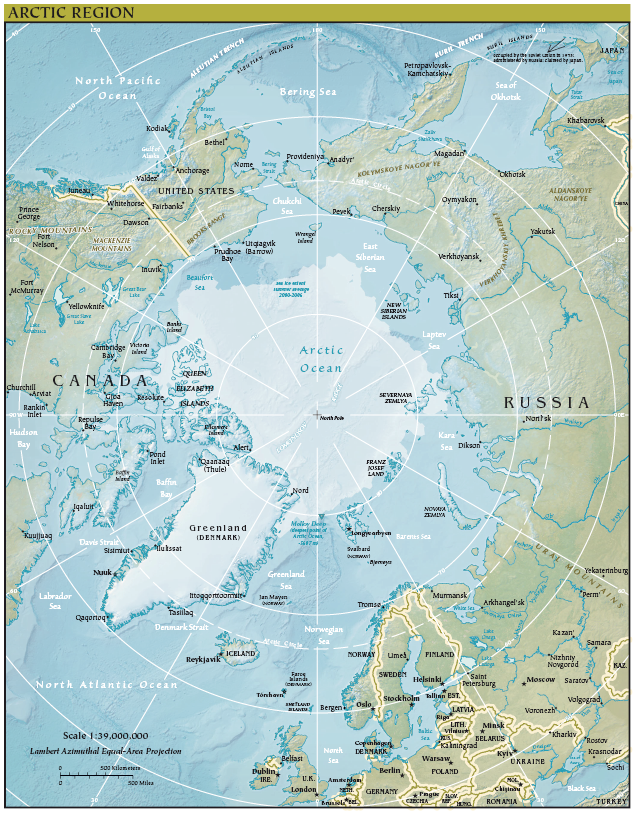
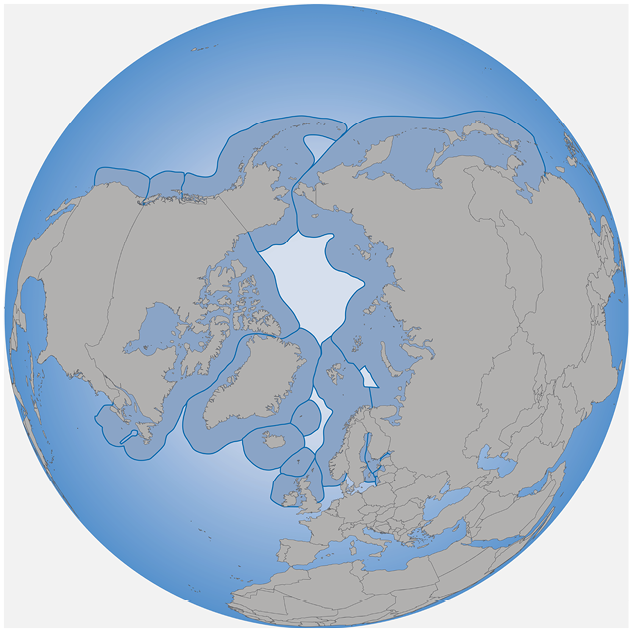

 Open access