But the truth is that they are cheap, and one doesn't mind using them up.
—Torquemada (after Fletcher Reference Fletcher1970)Obsidian prismatic blades are a diagnostic and long-lived technological tradition in Mesoamerica whose importance is evident in their ubiquity. In fact, they are so ubiquitous that they should have been included in Kirchhoff's (Reference Kirchhoff1943) classic list of defining traits for Mesoamerica.Footnote 1 The earliest known examples are associated with Early Archaic and even Paleoindian period sites (Aveleyra Arroyo de Anda Reference Aveleyra Arroyo de Anda1967; Niederberger Reference Niederberger1976), but they do not appear in significant numbers until the Early Formative period, initially in lithic assemblages dominated by simple flake tools made from expedient cores (Boksenbaum et al. Reference Boksenbaum, Tolstoy, Harbottle, Kimberlin and Neivens1987; Winter and Pires Ferreira Reference Winter, Pires-Ferreira and Flannery1976). Over time, prismatic blades came to dominate lithic assemblages in many parts of Mesoamerica, although this was neither a rapid nor steady process. In the Basin of Mexico, prismatic blades remained in relatively low frequency for most of the Formative period (Boksenbaum et al. Reference Boksenbaum, Tolstoy, Harbottle, Kimberlin and Neivens1987:Table 3; Niederberger Reference Niederberger1976:62). Noting a similar pattern in Formative period Chiapas, Clark (Reference Clark, Johnson and Morrow1987) argued that the initial spread of prismatic cores and blades depended on the emergence of complex societies. Prismatic blades are, to quote Clark, “elegant and efficient” and, I would add, extremely effective, which would likely have made them a valuable commodity in the prestige economies of emerging Formative period chiefdoms. However, their potential value as a luxury item is only one aspect of the role of complex societies in the spread of prismatic blades and blade technology. Clark's thoughtful and oft-cited study provides an appreciation of the various technological and logistical imperatives of prismatic blade production that impeded its adoption by societies that lacked the appropriate organizational infrastructure. Widespread adoption would have most likely occurred after local populations and the sociopolitical organization approached a size and complexity to foster a viable economy of scale.
By the Postclassic period, however, prismatic blades had been a significant component of the Mesoamerican material inventory for several millennia, and their role in Postclassic period technology and society is decidedly at variance with what was seen for the Formative period. This is particularly true for western Mesoamerica, where the few Aztec ethnohistoric documents that mention prismatic blades paint a picture of a ubiquitous, mundane, and readily available commodity. Some sources specifically mention blademakers and sellers (e.g., Sahagun Reference Sahagun, Dibble and Anderson1961:85), including those who both made and sold their wares in public markets (Diaz del Castillo Reference Diaz del Castillo1956:216; see also Feldman Reference Feldman, Lee and Navarrete1978). Another perspective on how mundane prismatic blades had become by the Postclassic period is provided by archaeology as seen, for example, in the excavation of several residential compounds and associated middens at the Early Postclassic site of Tula, Hidalgo, that yielded nearly 25,000 lithic artifacts, virtually all of which consisted of prismatic blade segments, used individually or perhaps hafted as components of composite tools in a manner similar to the Aztec macuahuitl (Healan Reference Healan1989, Reference Healan1993). The degree of dependence upon prismatic blades in Postclassic period Mesoamerica, particularly western Mesoamerica, and the degree to which this dependence involved unmodified segments rather than whole blades has not been fully appreciated.
What factors are responsible for what Darras (Reference Darras2008) aptly termed “la banalización de la navaja prismática” that began some time before the Early Postclassic period? As detailed in the following, I believe that two of the most significant factors were the rise of urban society and what was perhaps the most significant innovation in prismatic core/blade technology since its inception: the ground platform.
CITIES AND WORKSHOPS
It seems likely that from the beginning, prismatic blade production in Mesoamerica was a craft practiced by relatively few persons rather than an activity engaged in by most households. There are two principal reasons for this assertion, one of which, gained from replicative experimentation, is the high degree of skill and motor control required to consistently produce fine pressure blades as well as to rectify errors that inevitably occur. This is not in itself sufficient reason to assume craft specialization, however, because even mundane household tasks may involve highly developed motor skills attained from a lifetime of performance on a regular if not daily basis. At least as important as attaining such skills, however, is maintaining them, and the needs of the average household probably would not have required a blademaker's services for more than a very brief period of time. Not only does this infrequency make production at the household level inefficient, but would almost certainly preclude attaining as well as maintaining an adequate level of skill.
Corroborating evidence from archaeology that prismatic blade production was not a normal household activity includes the fact that most domestic prismatic core/blade assemblages consist mainly of finished blades and blade products with few if any cores and little if any debitage associated with core/blade reduction. This would suggest that blades were made elsewhere and distributed to consumer households through markets, peddlers, or other means. Indeed, in recent decades, core/blade and other lithic reduction loci have been identified, at least tentatively, at a number of habitation sites in Mesoamerica, in particular urban sites and regional centers. These production loci are commonly referred to as workshops, a term that aptly connotes a place devoted to the production of a specialized craft. Although identification has in most cases been largely limited to surface evidence—chiefly concentrated debitage, rejects, and other manufacturing by-products—several localities have been systematically explored through extensive excavation that has confirmed the existence of core/blade and other lithic workshops and shed light on their overall structure and function (Fernandez Dávila Reference Fernandez Dávila and Fernandez Dávila1994; Healan et al. Reference Healan, Kerley and Bey1983; Hester Reference Hester1979; Hirth Reference Hirth2006; Rattray Reference Rattray, Margarita and Clark1990; Sheets Reference Sheets1975). Moreover, in situ workshop assemblages provide the most comprehensive perspective on core/blade and other pre-Hispanic lithic technologies.
In the 1980s, I undertook one of the first, and what remains one of the few, extensive excavations of an obsidian workshop at Tula, where surface survey had previously encountered core/blade debitage in the western extreme of the ancient city (Healan et al. Reference Healan, Kerley and Bey1983: Figure. 2; Healan Reference Healan1993:Figure 3a). Intensive survey within this approximately 2.5 km2 “debitage zone” encountered several localized concentrations of higher density, the largest of which covered about 12 ha. I conducted exploratory excavations in an area of unusually high surface density within this 12 ha area and partially exposed the remains of a prismatic core/blade workshop containing distinct living, working, and refuse dumping areas (Healan et al. Reference Healan, Kerley and Bey1983). As previously noted (Healan Reference Healan, Hirth and Andrews2002, Reference Healan and Hirth2003), the workshop was engaged exclusively in core/blade (as opposed to biface) reduction, importing percussion blade cores that were transformed into prismatic cores in a manner that will be described later. Fine prismatic blades apparently comprised the primary item of output, most of which were missing from the workshop, but virtually all of the exhausted cores from which they were derived were discarded at the workshop.
Although this locality appeared to have the densest surface concentrations, it must be noted that other localized surface concentrations occur within the overall 2.5 km2 debitage zone, suggesting the presence of other workshops. Indeed, subsequent salvage excavations conducted by the Instituto Nacional de Antropología e Historia (INAH) partially exposed another prismatic core/blade workshop approximately 1 km to the northeast (Fernandez 1994).
CORES, BLADES, AND PLATFORMS
As currently understood, prismatic core/blade production in Mesoamerica was a multistage process with notable technological variation (Hirth and Andrews Reference Hirth and Andrews2002), although it typically began by initiating pressure blade removal on preformed percussion blade cores (hereafter, polyhedral cores). This set into motion a process of positive feedback in which the topography of large, irregular percussion scars on the core face was gradually replaced by one of small, parallel-sided “fine” blade scars typical of prismatic cores and their blades. At the Tula workshop, the by-products of the positive feedback process, first series and second series pressure blades (Clark Reference Clark1988:15; Healan et al. Reference Healan, Kerley and Bey1983:138), were discarded on site, thus providing some of the first archaeological documentation of the process.
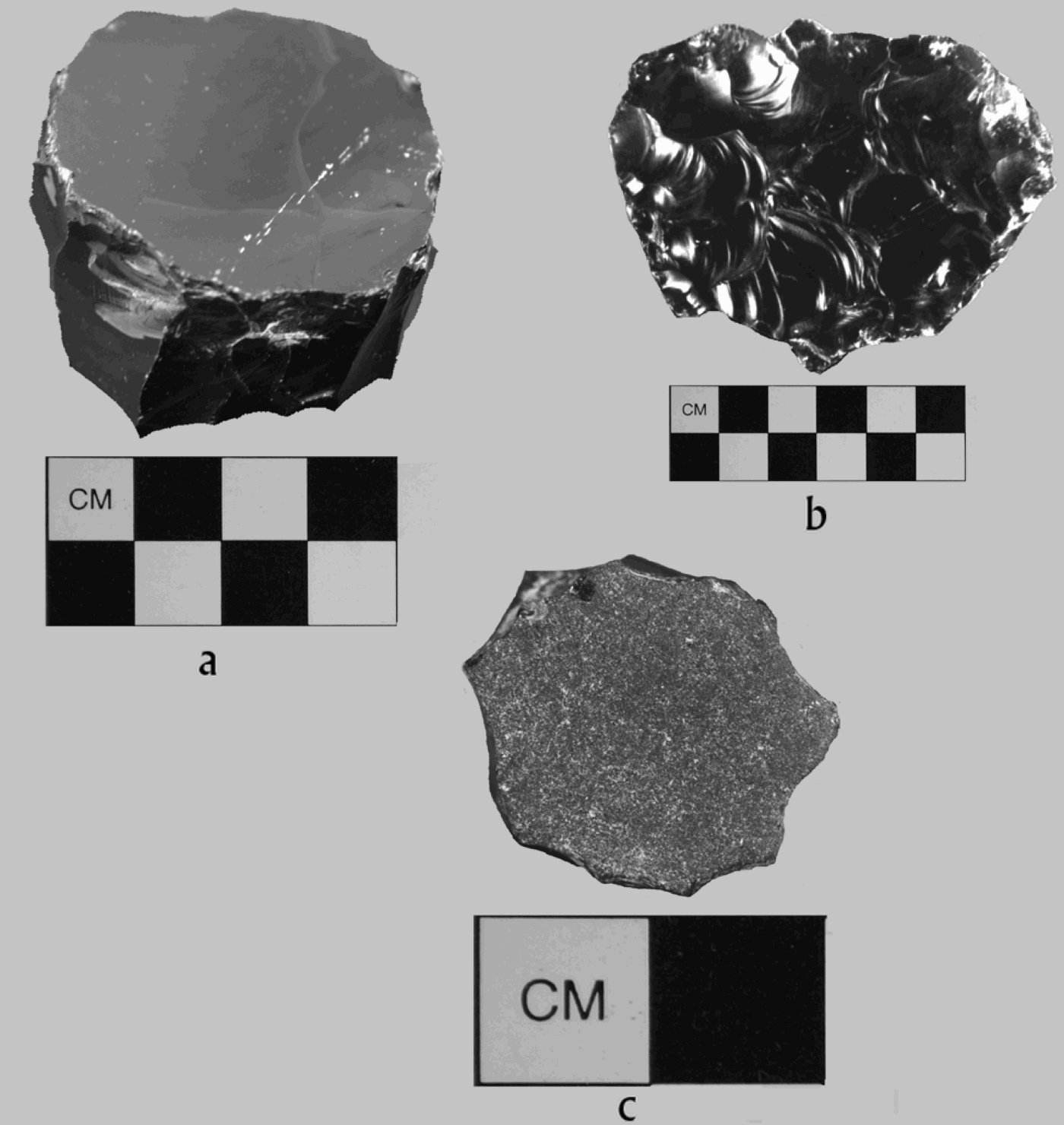
Mesoamerican prismatic cores and blades exhibit notable technological and morphological variation over time, including the manner in which core platforms were created or prepared. For much of the pre-Hispanic era, prismatic cores and blades exhibited two types of platforms, of which perhaps the most common, the smooth or single facet platform, exhibits a smooth, mirror-like surface (Figure 1a). This type of platform was most often created when one end of a nodule or other piece of obsidian being made into a polyhedral core was truncated by removing a single large flake, with the resulting truncation surface serving as the platform for the core during both its polyhedral and prismatic stages of reduction. The other type, the multifaceted platform, exhibits a complex pattern of juxtaposed facets separated by low, sinuous arrises (Figure 1b). As with single facet platforms, multifaceted platforms are created by truncating one end of a nodule, in this case by removing a series of flakes whose overlapping scars create the multifaceted surface.
Examples of the most common modes of core platform preparation in Mesoamerica: (a) smooth (single facet); (b) faceted; (c) ground. Both (a) and (b) are percussion (polyhedral) cores, and (c) is a pressure (prismatic) core.
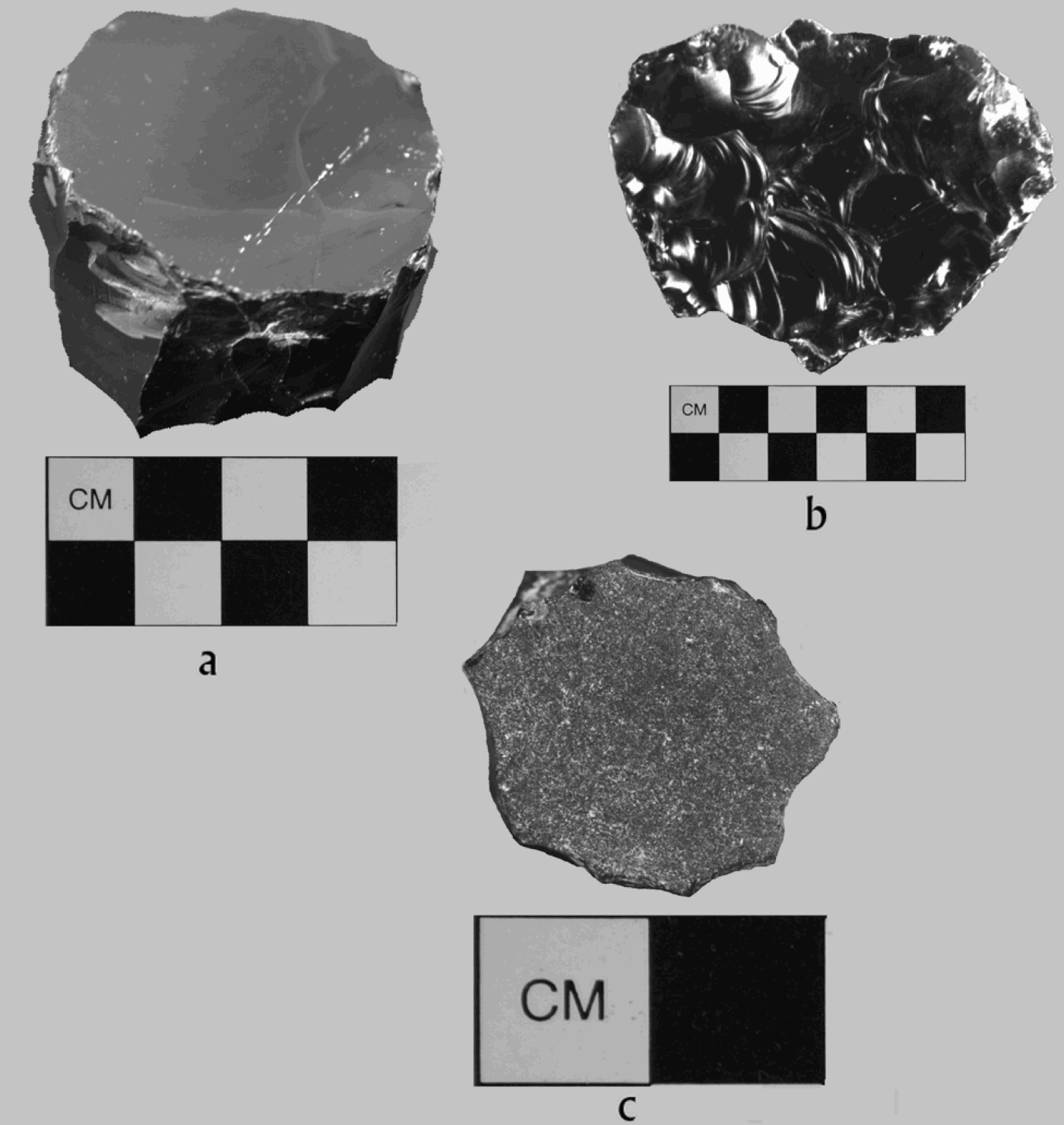
A third type of prismatic core platform, the ground platform, differs markedly from single facet and multifaceted platforms in exhibiting a flat, matte-like appearance similar to modern ground glass, a mode of preparation easily identifiable on cores as well as blades (Figure 1c). Although some examples have been reported from Classic-period contexts (Santley et al. Reference Santley, Kerley and Barrett1995:474; Spence et al. Reference Spence, Weigand, de los Dolores, de Arechavaleta, Hirth and Andrews2002:67), ground platforms first appear in significant numbers during the Epiclassic period, most notably at Xochicalco, Morelos, and by the Postclassic period had largely replaced single facet and multifaceted platforms as the exclusive mode of platform preparation in central Mexico and other parts of western Mesoamerica. So rapid and widespread was their adoption that ground platforms are often used as a horizon marker.Footnote 2
GROUND PLATFORM PREPARATION
One of the major activities at the Tula workshop was the preparation of ground platforms on the imported polyhedral cores, an activity that generated a distinctive suite of debitage and was associated with an equally distinctive set of implements. Systematic examination of the debitage and implements in conjunction with limited informal replicative experimentation indicated that ground platform preparation was a three-step process: (1) establishing a uniform multifaceted surface, (2) pecking the multifaceted platform, and (3) grinding the pecked platform.
Establishing a Uniform Multifaceted Surface
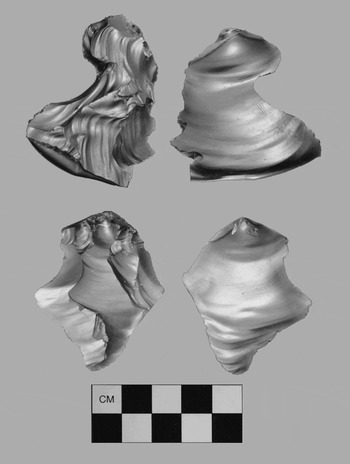
Unlike single facet or multifaceted platforms that are created during the initial core fabrication process, ground platforms are made by modifying existing core platforms—invariably multifaceted platforms. The imported polyhedral cores already had multifaceted platforms when they arrived at the workshop, yet a large portion of workshop activity involved additional removal of flakes from the core platform. These distinctive flakes, termed platform facet flakes (Healan et al. Reference Healan, Kerley and Bey1983:138), bear remnant blade facets and arrises from the core face on their platform and margins and remnants of the preexisting multifaceted core platform on their dorsal surface (Figure 2). Most such flakes are relatively thin and flat with feather terminations, consequently leaving flat, shallow scars or facets on the platform surface.
Examples of platform facet flakes, dorsal and ventral views.

Platform facet flakes made up nearly 16% of the macroscopic assemblageFootnote 3 by frequency. If incoming polyhedral cores already had multifaceted platforms, why was it necessary to remove additional flakes, and why so many? Many specimens bear prominent hinge scars on the dorsal surface left by abnormally terminating flake removals that would have impeded subsequent pecking and grinding were they not removed. The majority of facet flakes bear no such features, however, and I believe the primary intent of their removal was to achieve a uniformly low relief of shallow facets and low arrises on the platform surface for optimum grinding.
Pecking the Multifaceted Platform
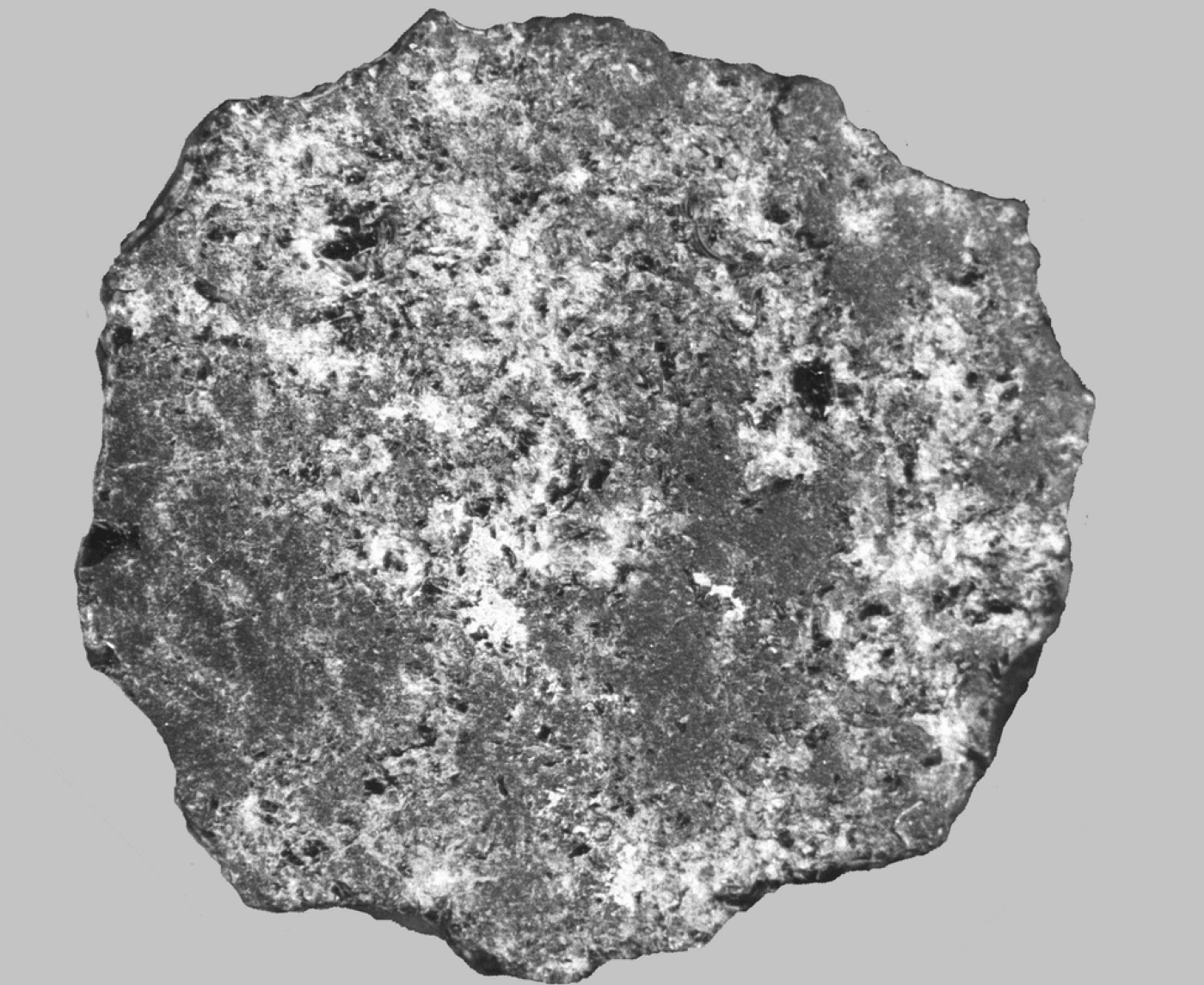
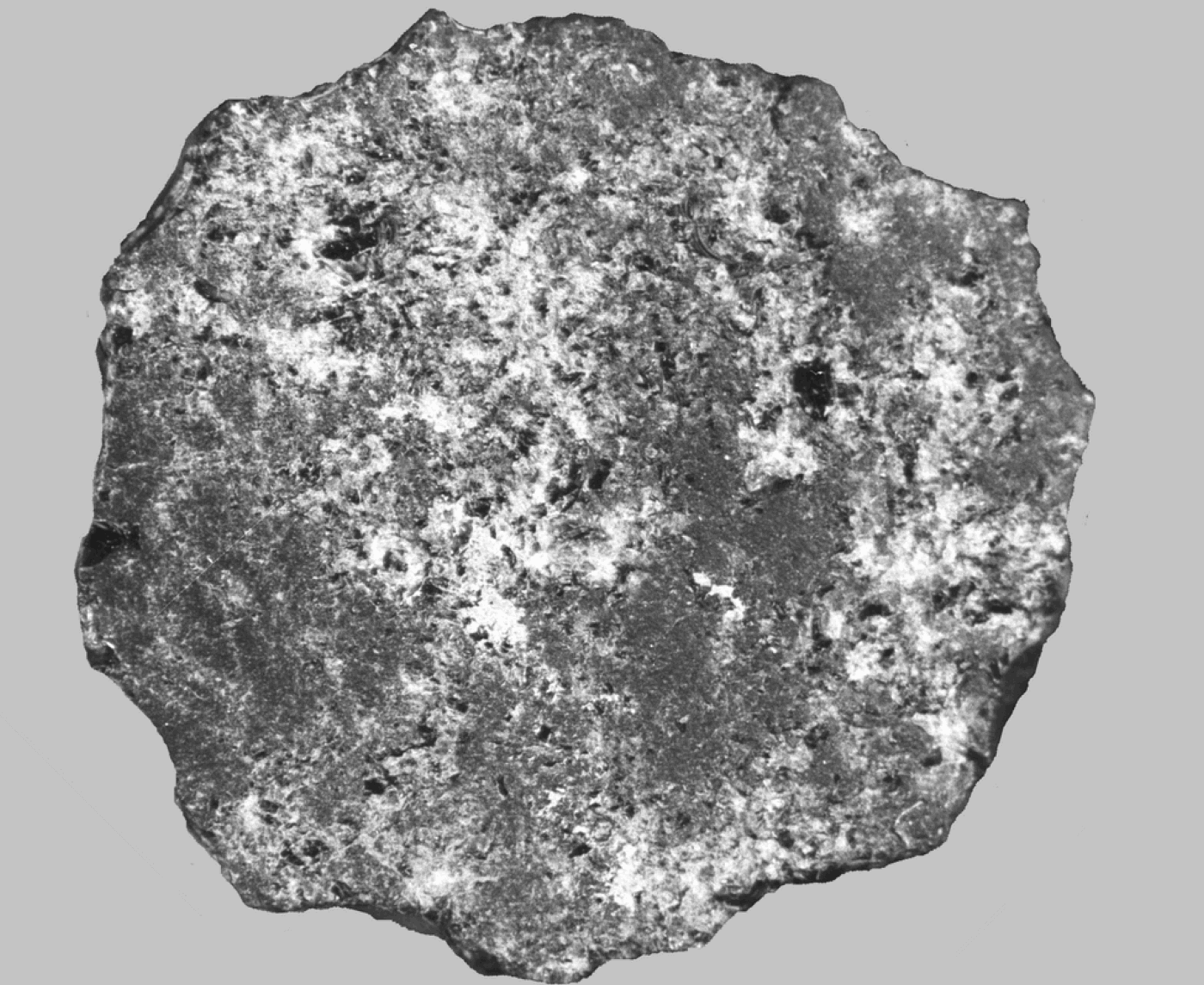
During this stage, the multifaceted surface was systematically pecked with a hard object, covering it with tiny impact fractures and embedded Hertzian cones and obliterating the arrises that would have impeded uniform contact with the grinding surface. Pecking may also make grinding and subsequent blade removal easier. Pecked platforms have a “frosty” appearance, which under magnification resembles cracked ice. Although most traces of pecking are subsequently obliterated by grinding, pecking scars, and remnants of low-lying facets that did not come into contact with the grinding surface are often visible on ground platforms (Figure 3).
Incompletely ground prismatic core showing remnant pecking scars and faceted platform surface.
Various investigators have attempted to replicate the pecking process using a variety of methods and tools. In my own experiments, I found that using a small, pointed chert pebble and a pattern of light, rapid blows on a hand-held, multifaceted platform replicate created a pattern of tiny cones and impact fractures similar in appearance to that observed on archaeological specimens. Experiments by Hirth et al. (Reference Hirth, Andrews and Flenniken2006) involved an entirely different procedure in which the core platform was held against the tip of a large, pointed chert flake that was then tapped against anvil stones that consequently exhibited pitting similar to that observed on archaeological specimens. In experiments involving pecking of obsidian cores for another purpose, Trachman and Titmus (Reference Trachman, Titmus and Hirth2003) produced a similar configuration of impact fractures by pecking obsidian with a chert biface. Finally, Gene Titmus (personal communication, 2000) has obtained similar results using a soft hammerstone.
Grinding the Pecked Platform
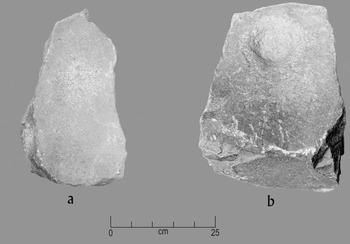
The final stage involved grinding the pecked surface to achieve the nearly perfectly flat, fine-textured, matte surface that is the desired final product (e.g., Figure 1c). Grinding was apparently performed using large, distinctive basalt slabs found in large numbers at the Tula workshop (Figure 4) as well as several other ground platform workshops. Unlike metates, these slabs exhibit wear from a rotary rather than reciprocal motion, and microscopic examination of residue from the surfaces of some of these slabs revealed substantial amounts of obsidian microdebris. Grinding presumably involved some abrasive agent, possibly pulverized obsidian. Many such slabs contained one or more depressions made by pecking and grinding (Figure 4b).
Basalt grinding slabs exhibiting rotary grinding pattern believed to have been used to grind core platforms. Note pecked depression in (b).

OTHER GROUND PLATFORM WORKSHOPS
More recently, core/blade workshops that featured ground platform preparation have been excavated at two other sites in western Mesoamerica that, despite considerable differences in age and other aspects, followed essentially the same procedures for ground platform preparation as the Tula workshop. The first of these sites is Epiclassic period Xochicalco, where survey and excavation by Hirth (Reference Hirth2006) identified probable workshop sites at seven different localities, followed by excavation that included complete exposure of three separate residential compounds that functioned as obsidian core/blade workshops. The Xochicalco workshops followed a hitherto unknown reduction strategy in which used, nearly exhausted prismatic cores imported from elsewhere were refurbished and returned to blade production. It should be noted that most of these cores arrived at the workshops with single facet platforms, and the initial stages of the refurbishing process involved replacing these with ground platforms using essentially the previously described three-step process. As with the Tula workshop, platform facet flakes were a major by-product of this activity, although correspondingly smaller in size and exhibiting prismatic rather than polyhedral core topography on the platform and margins. Likewise, the Xochicalco workshops contained the same distinctive grinding slabs. Of particular importance is that Xochicalco was a rapidly abandoned site whose workshops consequently contained considerable de facto refuse, including small jars often found in close proximity to grinding slabs that may have held some type of slurryFootnote 4 (Hirth Reference Hirth2006:160).
The other recently excavated ground platform workshop is a Late Postclassic period production facility at the Ucareo, Michoacan obsidian source that contained the same distinctive debitage and implements associated with ground platform preparation that were described earlier. This rather unique site, named Villafuerte, was a highly specialized, highly intensive production facility not associated with a settlement and will be discussed apart from the Tula and Xochicalco workshops.
ON GROUND PLATFORMS AND WORKSHOP PRODUCTIVITY
Ground platform preparation was obviously a labor intensive activity; moreover, it consumed a significant proportion of a core's mass before blade production even began. At the Tula workshop, it is estimated that about 13% of the mass (weight) of incoming cores was removed during the first (platform faceting) stage of the process. Ground platforms must have bestowed some benefits to compensate these costs in labor and material, and indeed, various authors have noted several possible benefits. Particularly obvious is the ability of the textured platform surface to seat the pressure tool and minimize slippage during the application of force (Crabtree Reference Crabtree1968:463), thereby eliminating one major potential source of error in blade removal. Of equal importance is the likelihood that the extensive microfracturing effected by pecking and grinding facilitated fracture initiation and propagation on the platform surface during blade removal (Cotterell and Kamminga Reference Cotterell and Kamminga1987:685; Crabtree Reference Crabtree1968:465), a process Crabtree likened to breaking the surface tension of a liquid. This may explain the observation of Hirth et al. (Reference Hirth, Andrews and Flenniken2006:83), based on replicative experimentation, that ground platforms made it possible to remove blades using a handheld pressure reduction technique they believe was used at Xochicalco. Finally, ground platform surfaces are remarkably flat, a significant advantage in maintaining a consistent platform/face angle of approximately 90 degrees or less to facilitate successful blade removal. Taken together, these various benefits seemingly made it easier to remove blades by pressure while reducing the likelihood of certain errors during blademaking.
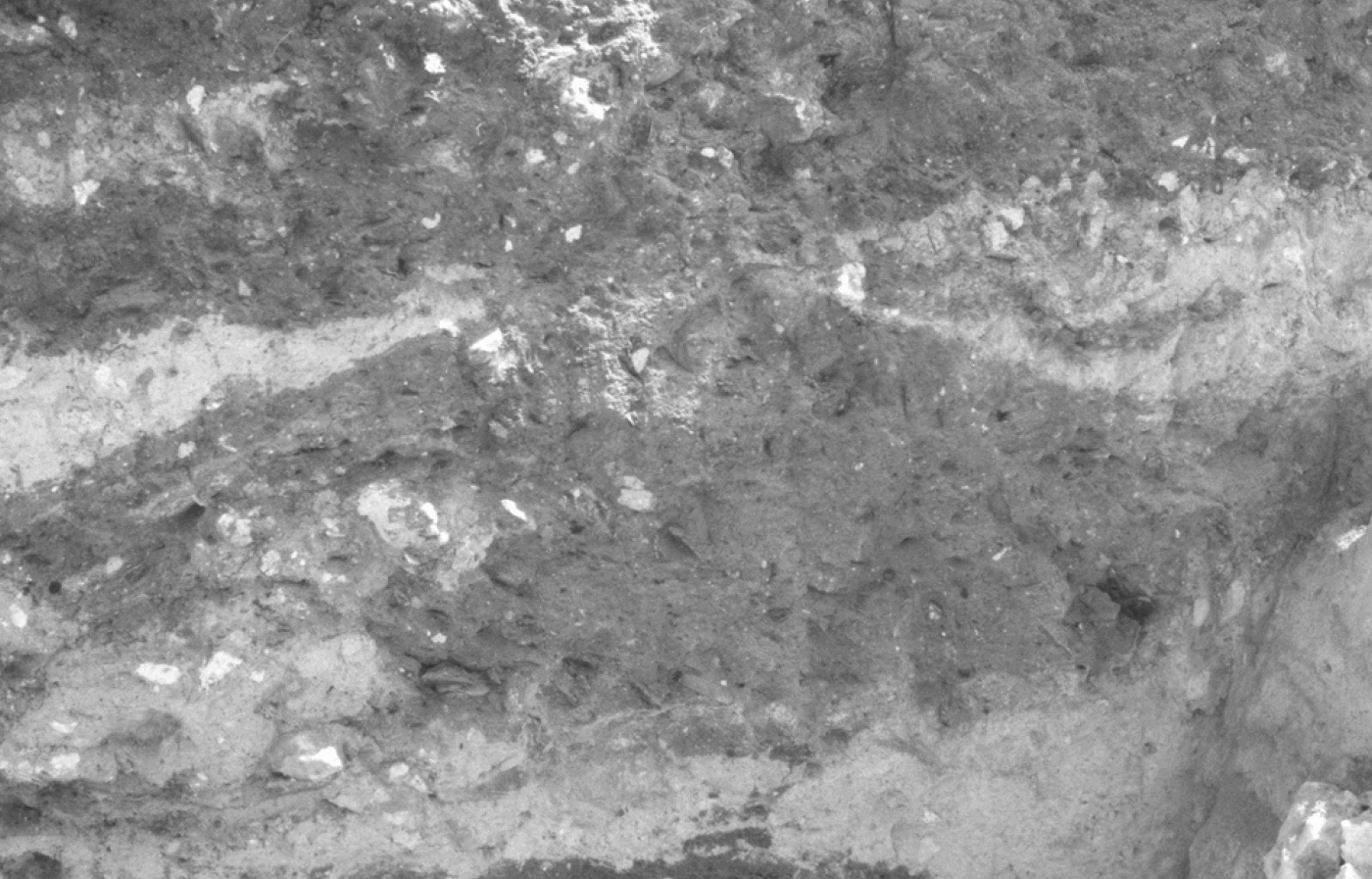
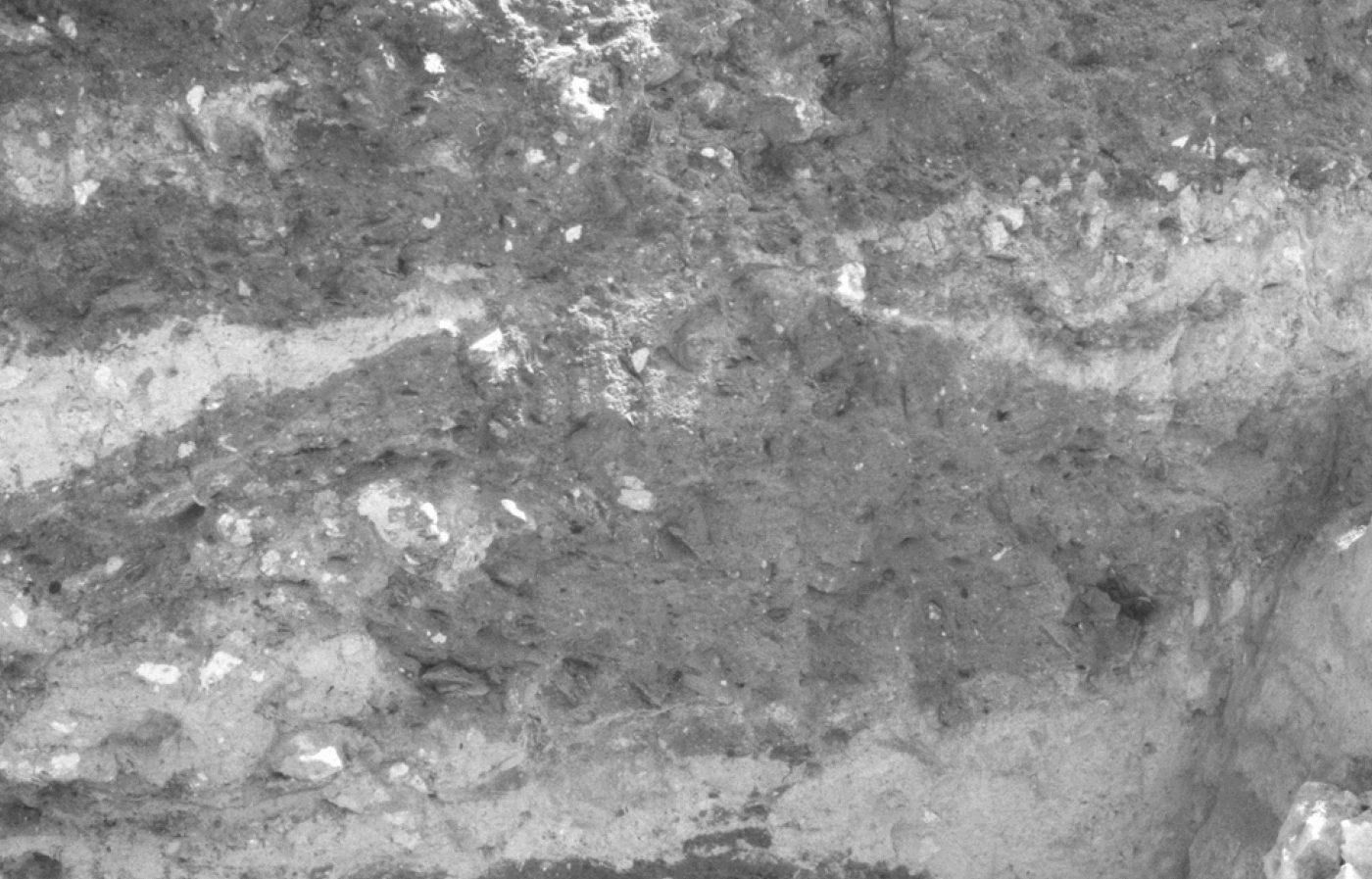
One conclusion that might be drawn from this discussion is that ground platforms were adopted because they made it possible for blademakers to increase their rate and, consequently, their volume of output, which would explain the spread of ground platform use around the same time that prismatic blades became a mundane, readily available resource at seemingly all levels of pre-Columbian society. At the local level, the ability to increase production would have presented individual workshops with an opportunity to acquire more consumers and perhaps amass a surplus for themselves or their patrons. In fact, however, neither the Tula nor the Xochicalco workshops appear to have been engaged in more than a modest volume of production. Hirth's (2006:Table 8.5) estimations of production output for the three Xochicalco workshops are generally low, the equivalent of reducing approximately .5 to 1.5 cores per day. Attempts to estimate production volume at the Tula workshop suggest an equally low volume of output, tentatively estimated as the equivalent of less than one core reduced per day (Healan Reference Healan1993:453). The latter is at best a rough estimation, but a generally low volume of production is also evident in the diffuse character of obsidian waste deposits at the Tula workshop, mostly soil lenses mixed with sherds and other domestic refuse along with small amounts of core/blade debitage that rarely exceeded 20 g/liter of deposit (e.g., Figure 5).
Refuse deposit from Tula workshop site containing sparse obsidian debitage mixed with sherds and other domestic refuse. Width of exposure is approximately 1 m.
To summarize, both Tula and Xochicalco apparently contained multiple workshops at several locations engaged in core/blade production using ground platforms, but none appear to have produced enough to have kept even one blademaker occupied full time. This raises a number of questions, most notably why blademakers invested the time and labor in ground platform preparation for such a low level of output involving multiple workshops, and why workshop output was low in the first place. Possible answers to these questions, along with the role possibly played by ground platforms, are discussed later in this paper.
PRISMATIC CORE/BLADE TECHNOLOGY IN THE SUPPLY ZONE
To better understand the role ground platforms may have played in the dissemination of prismatic blades and core/blade technology, it is useful to compare lithic assemblages at consumer sites such as Tula and Xochicalco to those of sites located in close proximity to obsidian sources. In the 1990s, I conducted an investigation of pre-Hispanic settlement and obsidian exploitation in the Ucareo-Zinapecuaro (hereafter, U-Z) source area located in Michoacan (Healan Reference Healan1997), which, along with the Pachuca source, located in Hidalgo, comprised the principal sources of obsidian for both Tula and Xochicalco. These investigations provide evidence of intensive exploitation of two adjacent but geologically distinct (Ucareo and Zinapecuaro) obsidian sources, which agrees with their identification in lithic assemblages at sites located throughout Mesoamerica (Healan Reference Healan1997:Table 1). This is particularly true of the Ucareo source, where over 1,000 individual quarry sites were identified during the survey.
One of the most significant discoveries involved specialized production loci adjacent to a number of quarry sites at the Ucareo source that produced polyhedral cores with multifaceted platforms such as those that the Tula workshop imported, indeed, some of these may be sites from which the Tula workshop obtained its input. It thus appears that a substantial portion of the manufacture of polyhedral cores from the Ucareo source took place at the quarries themselves. Many of these production loci had engaged in prismatic core production as well.
Of particular interest is the variable role played by prismatic core/blade technology in the lithic assemblages of habitation sites within the U-Z source area. In general, habitation sites in the vicinity of the Zinapecuaro source made relatively little use of prismatic blades, relying more upon expedient core/flake technology using readily available surface cobbles. This pattern persisted throughout the pre-Hispanic era. On the other hand, prismatic core/blade technology is common at habitation sites in the vicinity of the Ucareo source, including several sites that appear to have engaged in high-volume production of prismatic blades. The most prominent of these is Las Lomas, the largest site in the source area during the Late Classic and Epiclassic periods, which yielded nearly 1,500 whole or partial prismatic cores and over 8,000 whole or fragmentary blades during an intensive surface survey of the approximately 250 ha site core. Much of this material occurred in discontinuous surface concentrations suggestive of refuse associated with discrete production loci like the Tula and Xochicalco workshops but in considerably higher density, almost certainly representing a considerably higher volume of production. Other smaller but equally intensive prismatic blade production sites were encountered in the same general area. The intent of such large-scale, high-volume production is not known, but it would not appear to have been for purely local consumption. The presence of large numbers of unifacial and bifacial tools in many of the Las Lomas surface concentrations suggests manufacturing activities that may have involved large numbers of prismatic blades as part of the manufacturing process and/or perhaps as part of whatever was being manufactured. Prismatic cores from Las Lomas and other sites around the Ucareo source tend to be rather large, often exceeding 220 to 230 mm in length compared with an average of approximately 100 mm or less at Tula.
An equally distinctive feature of prismatic cores and blades from Las Lomas and other pre-Tarascan (Late Postclassic) period sites in the source area is the exclusive use of single facet platforms. Cores and blades with ground platforms do not appear until the Late Postclassic period, when the U-Z source area was under Tarascan domination and was the principal source of obsidian for Tzintzuntzan and other settlements in the Tarascan heartland (Pollard Reference Pollard, Berdan and Smith2003). Given that obsidian at Tarascan sites occurs chiefly in the form of prismatic blades with ground platforms (Helen Pollard, personal communication, 1996), the appearance of ground platforms in the U-Z source area at that time is presumed to have been a Tarascan introduction.
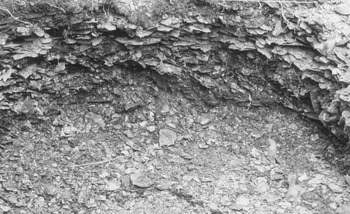
During the survey, a remarkable site was encountered near one of the most intensively quarried areas of the Ucareo source. Designated Villafuerte, the site covers little more than a hectare and appears to have been a specialized facility engaged in the mass production of polyhedral cores with ground platforms using the same procedures and implements described for Tula and Xochicalco. No prismatic blade production occurred at the site, however; hence, these cores went elsewhere for subsequent reduction. There was little evidence of habitation at the site itself, nor were there any habitation sites in the immediate vicinity. The most dominant feature at the Villafuerte facility was a single mound measuring approximately 14 m in diameter and approximately 2.5 m in height, which exploratory excavation revealed consisted of pure debitage, derived almost exclusively from polyhedral core preparation and platform grinding (Figure 6). Although I have not yet attempted to estimate the volume of output represented by this mound, it is clearly of a magnitude that places Villafuerte in a wholly different realm that, along with its highly specialized nature and absence of habitation, is more on the order of a factory when compared with the Tula and Xochicalco domestic workshops. It seems likely that this facility was created to supply the Tarascan state with cores ready for prismatic blade production, perhaps for weaponry for the Tarascan war machine and domestic utensils for Tarascan households. That one of its principal activities involved the preparation of ground platforms, previously unknown in the source area, is presumed to reflect the preferences or requirements of the blademakers who ultimately reduced the cores.
Southeast face of exploratory pit in refuse mound at the Villafuerte site showing pure core/blade debitage.

DISCUSSION
Workshops at both Tula and Xochicalco made and used ground platforms, a distinctive mode of platform preparation that became a defining feature of prismatic core/blade technology in much of western Mesoamerica during the Postclassic period. Associated debitage and implements indicate ground platform preparation was costly in both labor and raw material, but its widespread adoption indicates it must have been worth the effort. The problem, however, is that it is not clear what advantage was actually gained by using ground platforms. Neither the Tula nor the Xochicalco workshops produced large volumes of blades for their effort; indeed, estimated workshop output at both sites did not amount to much more than the equivalent of reducing a single core on a daily basis. The dubious causal relationship between ground platforms and rate of productivity becomes more so when one considers that ground platforms were not used in the U-Z source area, even in the high-volume production loci at Las Lomas, until the Tarascans introduced or more likely imposed them. This raises several distinct but related questions, some answers to which may lie in considering other possible benefits of ground platform preparation than their capacity to increase productivity.
The most basic question, why the Tula and Xochicalco workshops engaged in such a low level of productivity, may involve factors that lay beyond their control. In earlier times, prismatic blade production may have been intentionally restricted to enhance its status as a prestige good (Clark Reference Clark, Johnson and Morrow1987), but I have already noted that this was almost certainly not the case for western Mesoamerica in the Postclassic period. Hirth (Reference Hirth2006:134) believes that workshop output at Xochicalco was constrained by the availability of the used prismatic cores upon which they depended, which he suggests were obtained from itinerant blade craftsmen during periodic visits to the site. Tula may have enjoyed a more formal and systematic relationship with the suppliers of its polyhedral cores (Healan Reference Healan1993), but any production based upon nonlocal raw material would face logistical and other challenges that would potentially affect availability and therefore productivity.
It is important to note that recent attempts to estimate rates of consumption of prismatic blades for various sites in central Mexico yield annual per capita consumption rates that, while showing a steady increase over time, are surprisingly low. This includes an estimated two blades per individual for Late Formative period Loma Torremote (Santley Reference Santley and Hirth1984:60), approximately four blades for Middle Classic period Teotihuacan (Clark Reference Clark and Isaac1986:38), four to six blades for Epiclassic period Xochicalco (Hirth Reference Hirth2006:134), and seven blades for Early Postclassic period Tula (Healan Reference Healan1993:452). If these estimations are accurate, then a low volume of production would have been all that was required to meet local needs. This does not, however, explain why blademakers would not have attempted to increase production by increasing the size of their market beyond the local community (but see later discussion), nor does it explain why multiple workshops existed under these circumstances at both Tula and Xochicalco.
Indeed, the existence of multiple workshops, each engaged in a low volume of production that would not have kept even one blademaker occupied full time is perhaps the most enigmatic aspect of prismatic core/blade production at Tula and Xochicalco. It becomes less so, however, when one considers evidence that these workshops engaged in other craft activities besides core/blade production, a practice Hirth (Reference Hirth2006:276) has called multicrafting. At Xochicalco, he found evidence that the core/blade workshops had engaged in other activities that included chert tool production, stucco processing, and obsidian lapidary work (Hirth Reference Hirth2006:Table 12.1). This is also true of the Tula workshop, where evidence of other activities included manufacture of objects of shell and bone and the manufacture of trilobal eccentricsFootnote 5 and possibly other objects from prismatic blades. Thus, in situ archaeological evidence from both Tula and Xochicalco shows a pattern of workshops engaged in low-volume core/blade production as well as other, similarly low-volume craft activities. From this perspective, the Tula and Xochicalco workshop personnel are viewed less as core/blade specialists than as craft producers who diversified production, possibly as a means of minimizing subsistence risk involving such factors as inconsistent raw material availability (Hirth Reference Hirth2006:276).
Recent studies suggest that multicrafting was a strategy followed by craft producers at other sites in western Mesoamerica as well, most notably Middle Classic period Teotihuacan, where excavations at Tlajinga 33, an apartment compound on the southeastern periphery, recovered evidence that its occupants engaged in a variety of craft activities over time that initially included lapidary and jewelry production in a variety of media and possibly frescoing and painting of ceramic vessels, followed by the manufacture of San Martin Orange pottery (Widmer Reference Widmer, Tapia and Rattray1987). In the northeastern periphery of the city, excavations at Tecopac likewise encountered evidence of lapidary production along with possible evidence of mica and shell working as well (Turner Reference Turner, Tapia and Rattray1987). Similar evidence of multicrafting was also encountered at two Classic period sites in the Valley of Oaxaca (Feinman and Nicholas Reference Feinman, Nicholas, Feinman and Nicholas2004). These include the site of Ejutla, where an open area adjacent to a residential structure contained evidence of shell working, ceramic production, and limited lapidary activity, and El Palmillo, which contained multiple production loci with evidence of chert tool manufacture, maguey processing, and textile production. Outside of western Mesoamerica, additional evidence of household-based multicrafting comes from Late Classic period Aguateca, Guatemala, where excavation of what are believed to have been elite residences revealed direct and indirect evidence of scribal activity and the preparation of pigments used in scribing, as well as a number of other craft activities that included stelae carving and the preparation of celts used in this activity, bone and shell carving, pyrite mirror manufacture, and evidence from use wear analysis for meat or hide processing and wood carving (Aoyama Reference Aoyama2007; Inomata Reference Inomata2001). It must be noted, however, that the reasons why elite craft producers pursued a multicrafting strategy generally involving what Inomata (Reference Inomata2001:332) termed “high culture” items may have been wholly different from those of nonelite producers of utilitarian craft goods.
To summarize, I suggest that low-volume prismatic core/blade production at Tula and Xochicalco was probably the result of a host of factors that may have included fluctuations in raw material availability and a focus on production for the local market, about which more is said later in this discussion. Moreover, a strategy whereby specialists divided their time among several craft activities would obviously restrict individual craft productivity; hence, multicrafting itself could have been a cause as well as an effect of low productivity. Multicrafting may have created an environment within which ground platforms found an adaptive niche, as shall be discussed.
Finally, there is the question raised at the outset of this section concerning why blademakers at Tula, Xochicalco, and presumably elsewhere would have invested time and labor in preparing ground platforms if doing so did not lead to increased productivity. I have already noted the high degree of motor control required to consistently produce fine pressure blades and the need to perform the craft with sufficient regularity to maintain this skill. This would have been particularly troublesome for blademakers whose productivity, for whatever reason, amounted to the equivalent of reducing less than a single core on a daily basis. One solution is to somehow reduce the skill requirements for effective blademaking so that a relatively low frequency of craft performance would not significantly affect productivity. The benefits associated with ground platforms that made it easier to initiate blade removal and lower the incidence of certain kinds of error would almost certainly have been advantageous in this capacity as well. This, I believe, is why workshop personnel at both Tula and Xochicalco invested the time and energy in ground platform preparation despite low volumes of output.
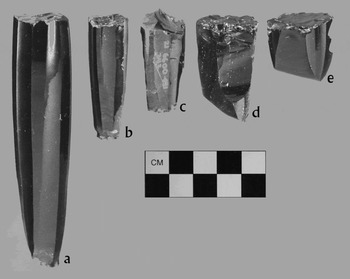
In reality, the investment of time and energy may have been much less of a factor than it might seem if ground platform preparation was a task performed by others. At the Tula workshop, soil residue analysis suggests that much of the workshop activity was performed outdoors and away from the house compound, conveniently located near a refuse dumping area (Healan Reference Healan1995). On the other hand, numerous grinding slabs were found in situ on floors inside at least one of the houses, suggesting that platform grinding, a task that may have required more “elbow grease” than skill, was performed by household members other than the blademakers themselves. This may also have been true of platform faceting, given the recovery of numerous prismatic core segments that had been flaked on one or both truncation surfaces to produce a multifaceted core platform (Figure 7). These pieces may have been created to practice removing platform facet flakes, perhaps to train other members of the household in this task. These discoveries raise the intriguing prospect that some, perhaps all of the steps involved in ground platform preparation were performed by other members of the blademaker's household. Nowhere, however, is the capacity to “outsource” ground platform preparation demonstrated more effectively than at the Villafuerte site, as previously described.
Prismatic core segments exhibiting faceting resembling multifaceted platform preparation on one end. Specimens (a) to (c) are proximal segments (platform at bottom) with faceting on end opposite platform. Specimens (d) and (e) exhibit subsequent removals with abnormal terminations.

To summarize, I believe that ground platforms, perhaps an innovation borrowed from the lapidary industry, were of greatest value to blademakers who, for whatever reason, performed their craft infrequently and/or at a low volume of production that would otherwise have made it extremely difficulty to attain and maintain an optimum level of skill. On the other hand, for highly skilled blademakers who practiced their craft with much greater regularly, as suggested at Las Lomas, ground platforms apparently offered little or no advantage to justify the labor investment.
If multicrafting created a niche favorable for the adoption of ground platform preparation, then ground platform preparation may in turn have further fostered multicrafting by making blademaking a craft attractive to a larger pool of individuals. If indeed multicrafting was a strategy followed by craft producers in general, a likely pool of nouveau blademakers would be other craft specialists seeking to diversify production. Indeed, ground platform preparation could well have originated in workshops that, like the Xochicalco workshops, juxtaposed prismatic core/blade and lapidary production.
An additional consequence of making blademaking available to a wider range of individuals may have been to foster its appearance at a more local level, thereby increasing the availability of blades to households located in hinterland settlements. If so, such a network of local workshops, each with a limited market, would explain why workshops at urban centers such as Tula and Xochicalco did not expand production by expanding the size of their market. Determining whether or not this was indeed the case will require more detailed investigation of hinterland settlements and other communities outside of the major centers where the bulk of our current knowledge of core/blade workshops is based.
To conclude, I believe it is no coincidence that prismatic blades became a mundane, readily available resource at virtually all levels of pre-Columbian society around the same time that ground platforms became the near exclusive mode of platform preparation in western Mesoamerica. The specific causal relationships involved, however, appear to pertain less to factors of increased individual productivity and more to factors of skill, as comparisons between the Tula and Xochicalco workshops and those of Las Lomas would suggest. Ground platforms made blademaking available to a larger pool of potential craft producers, who in turn made prismatic blades the ubiquitous, mundane commodity as described by Torquemada and others.
RESUMEN
Durante gran parte de su historia, la navajilla prismática fue un objeto relativamente escaso que probablemente funcionaba como un artículo de valor o de prestigio. No obstante, antes del período postclásico la navajilla llegó a ser un artefacto ampliamente distriuido y mundano, como lo han indicado varias fuentes entnohistóricas así como el registro arqueológico. Parece que este cambio sucedió cuando los productores de navajas comenzaron a preparar las plataformas de los núcleos picándolas o bien alisando la superficie. La popularidad de esta técnica entre las navajeros de Mesoamerica, a pesar de la inversión de tiempo y energía que se require, indica la necesidad de producir navajas prismáticas en una manera más eficiente. Sin embargo, parece que la ventaja principal de la plataforma picada y alisada no fué un aumento en productividad por parte de navajeros individuales sino una reducción del nivel de habilidad necesaria para su manufactura.
ACKNOWLEDGMENTS
Excavations of the Tula obsidian workshop and survey and excavations in the Ucareo-Zinapecuaro obsidian source area were conducted by Tulane University under my direction, with funding provided by the National Science Foundation and the permission of the Consejo de Arqueología, Instituto Nacional de Antropología e Historia of Mexico. I am grateful to Kenneth Hirth for inviting me to contribute a paper to this special section, and I appreciate the extremely useful suggestions offered by Kazuo Aoyama, Alejandro Pastrana, and an anonymous reviewer on a previous version of this paper.