Introduction
Life expectancy has dramatically increased over the past century, arguably due to the availability of clean water and sanitary systems, vaccines and antibiotics.Reference Wooten1 Although at a slower rate, life expectancy is still increasing in most parts of the world, probably in relation to improvements in health care and access to better treatment. On the other hand, this trend towards longevity is associated with an increased demand on health services and health care expenditure.Reference Lubitz, Cai, Kramarow and Lentzner2
Older people constitute a particular group regarding pharmacotherapeutics. They are high consumers of prescription drugs, but age-related pharmacokinetic and pharmacodynamic changes and high rate of co-morbidities put them at increased risk of adverse effects. Furthermore, pharmacological studies and clinical trials in this age group are scant, especially in those with significant co-morbidities, and so there is often inadequate information available to guide safe and effective use of drugs.Reference McLean and Le Couteur3
Pharmacological considerations in older adults
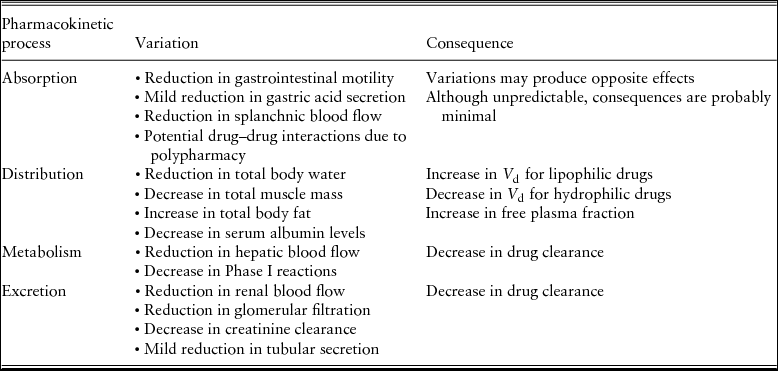
Even in the absence of specific disease, ageing is associated with change in muscle and liver mass and kidney function that can affect pharmacokinetics.Reference Aymanns, Keller, Maus, Hartmann and Czock4 Reduction in total body water determines a decrease in the volume of distribution (V d) for hydrophilic drugs, whilst increase in total body fat produces a 20–40% increase in V d for lipophilic drugs.Reference Fulop, Worum, Csongor, Foris and Leovey5, Reference Ginsberg, Hattis, Russ and Sonawane6 Ageing usually reduces gastrointestinal motility and blood flow, and gastric acid secretion is reduced, but the net effect of all these changes is difficult to predict and variations in drug absorption in older patients are generally considered to be small.Reference Mangoni and Jackson7, Reference Hutchinson8
Age-related decrease in liver volume and blood flow determines a reduction in metabolic reactions, in particular those collectively known as Phase I, catalysed by cytochrome P450 enzymes (CYP450), which in turn may reduce total and free-drug clearance.Reference Mangoni and Jackson7, Reference Zoli, Magalotti, Bianchi, Gueli, Orlandini and Grimaldi9, Reference Young and Lyon10 Loss of renal parenchyma is another hallmark of increasing age, which in conjunction with a decrease in renal plasma flow determines a progressive decline in glomerular filtration rate (GFR).Reference Esposito, Plati, Mazzullo, Fasoli, De Mauri and Grosjean11–Reference Coresh and Astor13 At least 0.4 ml min−1 of GFR is lost in individuals of Caucasian race per yearReference Wetzels, Kiemeney, Swinkels, Willems and den Heijer14 and this decline is also associated with an age-related prolongation in the half-life (T ½) of different drugs that have first-order elimination. This is more evident when GFR is <30 ml min−1, since the T ½ rises in a hyperbolic manner in relation to renal function.Reference Aymanns, Keller, Maus, Hartmann and Czock4, Reference Musso, Macias Nunez and Oreopoulos15
V d increases with age partly due to a decrease in protein binding, and mainly due to a relative increase in fat mass.Reference McLean and Le Couteur3, Reference Perucca16 Nevertheless, the increase in free plasma fraction and the decrease in total clearance compensate for the ageing effect on V d and, with the exception of loading doses for some antimicrobials, dose increments are usually not necessary.Reference Noreddin and Haynes17 In contrast, when total clearance (Cl) of free-drug is reduced in older people due to end-organ disease, the need for dose reduction becomes increasingly apparent.Reference Perucca16, Reference Butler and Begg18 Dose adjustments in older patients are especially required for drugs with a narrow therapeutic range.Reference Mallet, Spinewine and Huang19, Reference Wang20 In this context, predictive tools for dose individualization and the availability of measuring plasma drug concentrations become highly desirable, since the net effect of age-related pharmacokinetic variations is particularly difficult to predict. Table 1 summarizes the major pharmacokinetic changes in older patients.
Major pharmacokinetic modifications in older patients

Pharmacodynamics may also change in older people, mainly in relation to drug sensitivity.Reference Merle, Laroche, Dantoine and Charmes21 The same pharmacokinetic concentration in biophase (target tissues) can produce reduced or, more frequently, increased effects (usually adverse effects) in older patients compared with younger patients.Reference Field, Gurwitz, Harrold, Rothschild, DeBellis and Seger22, Reference Delafuente23 This may, in turn, suggest the need for further dose reductions for some drugs. The risk of fixed adjustment approaches is that the desirable effect could be missed due to the sigmoidicity of the relation between effect and concentration (known as the Hill coefficient). In contrast, in some cases older patients show less sensitivity, such as with drugs affecting beta-adrenergic receptors.Reference Waltman24 With the possible exception of antimicrobials, the preferred therapeutic approach in older people has usually been to ‘start low and go slow’ in order to avoid untoward effects. However, this poses a risk for potential suboptimal therapy.Reference Catterson, Preskorn and Martin25–Reference Abernethy27
Polypharmacy, interactions and adverse effects
It has been reported that older patients use up to 30% of all medications, although they account for only 12% of the total population.Reference Waltman24 Frequently they receive a large number of medications prescribed by one or more different practitioners and the risk of ‘polypharmacy’ – the use of five or more concomitant medications usually being excessive or unnecessary – is greater when there is no primary health care provider.Reference Hajjar, Cafiero and Hanlon28, Reference Weiss and Lee29 Beyond the issue of unnecessary costs, polypharmacy runs the risk of inadequate dosing, increased adverse effects and drug interactions.Reference Bressler and Bahl30, Reference Willlams31
In elderly patients affected by multiple disorders, it is appropriate to set treatment priorities and always consider an initial non-pharmacological therapeutic approach (e.g. exercise and weight reduction). This helps to avoid polypharmacy, as well as to monitor and oversee the benefits and potential harms of the prescribed drugs in order to reduce their adverse effects. In addition, other strategies have been reported as effective for avoiding adverse drug events. These include adequate communication between health providers, particularly during transitions from hospital to out-patient care, the use of computer decision support systems, use of low dose and slow titration, and the consideration of drug–drug and drug–disease interactions at the time of prescription.Reference Waltman24, Reference Topinkova, Baeyens, Michel and Lang32–Reference Clyne, Bradley, Hughes, Fahey and Lapane35
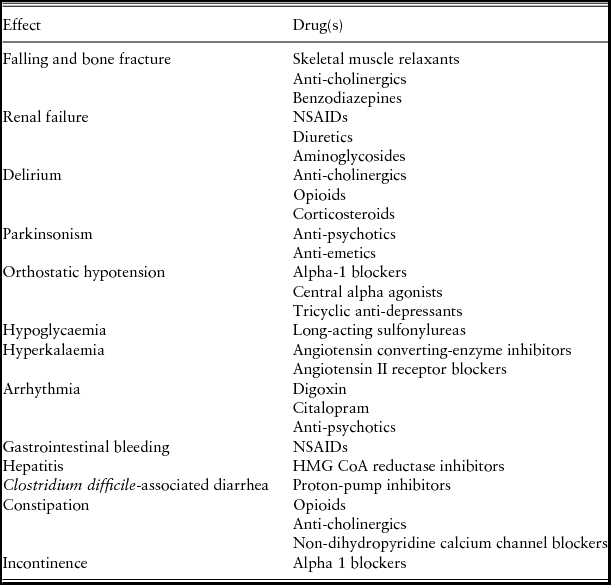
Adverse drug reaction should be suspected whenever an elderly patient has an unexpected change in function, for example gait disorder, change in mental status or behaviour, or urinary or faecal incontinence. Adverse drug effects are responsible for 30% of ambulatory geriatric consultations and 10–17% of hospital admissions.Reference Waltman24 The main medication-related adverse events that have been reported in this population are shown in Table 2.Reference Peron, Marcum, Boyce, Hanlon and Handler36–38
Main adverse effects of drugs commonly used in older people
It has been reported that more than 99,000 emergency hospitalizations for adverse drug events occur each year among older adults in the United States, most of which are for supratherapeutic effects. Warfarin is implicated in about one-third of these hospitalizations, while insulin, oral anti-platelet agents and oral hypoglycaemic agents accounted for about another third. Medications commonly designated as high-risk or potentially inappropriate (according to widespread Beers Criteria) were rarely implicated.38, Reference Budnitz, Shehab, Kegler and Richards39
Dose adjustments in older patients
Modifications in V d must be taken into account when dosing a particular drug in older people. As such, a loading dose for initial administration should be considered for some drugs, in order to obtain the target effect immediately.Reference Noreddin and Haynes17 Subsequent doses in repetitive administration should be adjusted as per the reductions in GFR and total Cl. Different adjustment approaches can be used, based on reduction of individual maintenance doses, increase in administration interval, or a combination of both, depending on whether the area under the curve (AUC) or the peak concentration (C peak), constitute the main pharmacokinetic characteristic associated with efficacy and/or toxicity.Reference Dettli40
In a thorough review of pharmacokinetics and pharmacodynamics of the ageing kidney, Aymanns et al. analysed three major kinetic determinants of drugs (T ½, V d, Cl) from data published in PubMed. After recording approximately 90,000 values of 3000 drugs and metabolites, the data revealed an average 1.39-fold age-related prolongation of T ½ and, surprisingly, only modest changes in Cl and V d. This might mean that, from a kinetic point of view, only a few of the most commonly prescribed drugs may need significant dosage modifications.Reference Aymanns, Keller, Maus, Hartmann and Czock4
Using a different approach, Denneboom et al. conducted a pharmacotherapy analysis by a multidisciplinary expert panel (including general practitioners and clinical pharmacists) of about 100 home-dwelling older patients on polypharmacy.Reference Denneboom, Dautzenberg, Grol and De Smet41 In this study, the prescription of drugs in an inappropriate dosage was seen in 56% of cardiovascular drug users and in 40% of neurological drug users. In addition, on a two-round modified Delphi Survey, an expert panel of geriatric clinical pharmacists was convened to reach consensus for oral dosing in primarily renally cleared medications prescribed for older adults, based on the fact that approximately 25% of the population over 70 years old may have a Cl <60 ml h−1. For ten of the reviewed medications (chlorpropamide, colchicine, cotrimoxazole, glyburide, meperidine, nitrofurantoin, probenecid, propoxyphene, spironolactone and triamterene), a consensus was reached not to use when Cl <30 ml h−1. For a group of eight medications (acyclovir, amantadine, ciprofloxacin, gabapentin, memantine, ranitidine, rimantadine and valacyclovir) consensus was reached and a dosing reduction guideline was completed. Interestingly, there was no agreement on appropriate dosing for commonly prescribed drugs such as metformin, allopurinol, atenolol, hydrochlorothiazide and metoclopramide. This underscores the intrinsic difficulty of drug adjustments in older people based upon scant and insufficient data.Reference Hanlon, Aspinall, Semla, Weisbord, Fried and Good42 It should be noted that some drugs are to be avoided or even totally contraindicated when GFR is <60 ml h−1: methotrexate since it accumulates after 4–8 weeks of use and can cause long-lasting myelotoxicity, anti-diabetics such as glibenclamide/glimepiride because of the risk of hypoglycaemia, and enoxaparine because of the risk of haemorrhage. When GFR is <30 ml h−1 there is high prevalence of hyperkalaemia with spironolactone/eplerenone, and central nervous system toxicity with antibiotics such as cefepime.Reference Hartmann, Czock and Keller43 A particular consideration involves the use of antibiotics. Patients with renal insufficiency may need a higher starting dose, so beginning with the standard dose and then adjusting the maintenance dose to renal function depending on half-life should be the rule.Reference Aymanns, Keller, Maus, Hartmann and Czock4, Reference Hartmann, Czock and Keller43
Some drugs, regardless of their dosage, may be ‘inappropriate’ for older people. For example, the use of long-acting benzodiazepines and psychotropics with anti-cholinergic properties has been clearly associated with an increased risk of falling in older people and with functional impairment.Reference Peron, Gray and Hanlon44, Reference Berdot, Bertrand, Dartigues, Fourrier, Tavernier and Ritchie45
Successful dosing in older patients should also consider behavioural influences on compliance. Adherence rate is higher in acute rather than chronic conditions, and persistence among patients with chronic conditions is disappointingly low, dropping dramatically after 6 months. Organizing an easy medication schedule for older people therefore is paramount.Reference Osterberg and Blaschke46 In a systematic review of the associations between dose regimens and drug compliance, Claxton et al. confirmed that the prescribed number of doses per day is inversely related to patient compliance.Reference Claxton, Cramer and Pierce47 Drug compliance was significantly higher for once-daily versus three-times-daily (P = 0.008), once-daily versus four-times-daily (P < 0.001), and twice-daily versus four-times-daily regimens (P = 0.001).Reference Claxton, Cramer and Pierce47 However, there were no significant differences between once-daily and twice-daily regimens, or between twice-daily and three-times-daily regimens. In multivariate, meta-regression analyses by Coleman et al., the adjusted, weighted-mean, percentage adherence rate for twice-daily, three-times-daily and four-times-daily dosing regimens were all significantly lower compared with once-daily regimens.Reference Coleman, Limone, Sobieraj, Lee, Roberts and Kaur48 Moreover, the risk of non-adherence is especially high in the presence of cognitive impairment, when the use of numerous medications for multiple chronic conditions is commonplace.
Despite significant methodological limitations, Zedler et al. systematically reviewed the available data from randomized controlled trials, concluding that calendar packaging, especially in combination with education and other reminder strategies, may be useful in improving adherence in long-term treatment.Reference Zedler, Kakad, Colilla, Murrelle and Shah49
Pharmacogenomics
The pharmacological effects of most drugs depends on the result of a series of pharmacokinetic processes, which determine the amount of a drug that reaches the biophase, as well as on pharmacodynamics, involving the interaction between the drug and its site of action. These processes occur at variable levels in different individuals and one of the major determinants of this variability is genetics. The structure, function and expression of most enzymes involved in drug transport and metabolism, as well as the specific drug receptors, may be affected by the presence of genetic variants, which may in turn modify the intended therapeutic effect or the appearance of adverse effects.
In cases in which polymorphisms or mutations affect the structure or expression of these proteins, with corresponding implications for their function, genomic analyses can be applied prior to treatment to predict the patient's response. This concept represents the central aim of pharmacogenomics.Reference Gardiner and Begg50 However, importantly, pharmacogenomic analyses do not explain all of the variability in drug responses. Consequently, the new paradigm of individualized therapy must combine genetic information and non-genetic factors, such as sex, age, diet, environmental factors, drug interactions, demographics and clinical observations in order to determine the best treatment for each patient.
Both in the selection of drugs and in their dosage, the aim is to optimize the patient's therapeutic experience.Reference Hylek, Chang, Skates, Hughes and Singer51, Reference D’Andrea, D’Ambrosio, Di Perna, Chetta, Santacroce and Brancaccio52 The magnitude of the expression of transporters, metabolizing enzymes and receptors depend primarily on genetic factors. Among these factors, different types of inherited genetic variants may be found, such as deletions, insertions and the multiplication or repetition of sequences, which may involve large portions of DNA. However, the most frequent variants and the most common targets of pharmacogenetic tests are the single nucleotide polymorphisms (SNPs).
SNPs are modifications of a single base in the nucleotide sequence. Studies of the human genome sequence have established that there are more than 15 million SNPs, of which only a small number appear to have any impact on the kinetics or dynamics of drugs. Pharmacogenomic studies can range from those that reflect genetic diversity to those that identify specific sequences of nucleotides in individuals with particular behaviours in relation to metabolism or drug response.Reference Sandanaraj, Lal, Cheung, Xiang, Kong and Lee53, Reference Klein, Altman, Eriksson, Gage, Kimmel and Lee54 In the elderly population, pharmacogenomics could be a useful tool to determine and prioritize the type of treatment and the most appropriate drug dose.
About 75% of the variability observed in drug transformation reactions involve catalysis by the cytochrome P450 (CYP) enzymatic system.Reference Gardiner and Begg50 The CYP genes are part of a highly polymorphic superfamily that, in turn, leads to high variability in the activity of the encoded enzymes and different metabolic phenotypes. Subjects with normal enzyme activity, usually carrying two functional gene copies, exhibit an extensive metabolizer (EM) phenotype. Compared with this normal phenotype, subjects lacking functional enzymes, usually homozygotes for a defective allele, exhibit a poor metabolizer (PM) phenotype. Heterozygotes for a defective allele exhibit an intermediate metabolizer (IM) phenotype. Subjects with increased enzyme activity, usually carrying more than two functional gene copies or mutations inducing increased gene expression, exhibit a rapid or an ultra-rapid metabolizer (RM or UM) phenotype, depending on their homozygote or heterozygote status.
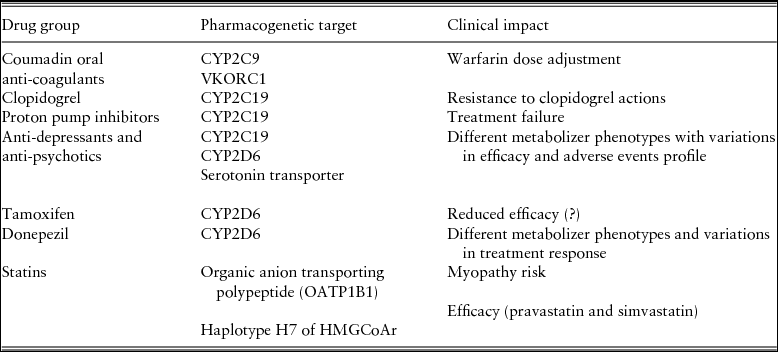
The impact of pharmacogenomics on some drugs commonly prescribed to older patients are summarized in Table 3 and discussed in more detail below.
Main pharmacogenetic targets for commonly used drugs in older people
Anticoagulant drugs
Up to 50% of patients on coumadin drug therapy fail to achieve or maintain an adequate International Normalized Ratio (INR) with administered doses.Reference Claxton, Cramer and Pierce47 The main reason for this is the great variability that exists in the response to coumadin agents, depending, for example, on age, vitamin K content in the diet, pharmacological interactions, fever, cardiac failure and hepatocellular injury. Genetic factors also contribute to the variability in dose requirements. Isoenzyme CYP2C9 participates in the metabolism of coumadin anticoagulants and many other drugs. The gene is located on chromosome 10q24.2 (Gen Bank id 1559). A CYP2C9 polymorphism has been described and there are two frequent allelic variants associated with decreased enzymatic activity: the allele *2, showing a substitution of arginine→cysteine at position 144, in exon 3 (rs1799853), and allele *3, showing a substitution of isoleucine→leucine at position 359 in exon 7 (rs1057910). These variants determine an enzyme with 12 and 5% activity, respectively, in comparison with the wild-type (CYP2C9 *1). Both variants have been related with greater risk of bleeding complications and lower anticoagulant dose requirements.
Similarly, the subunit 1 of vitamin K epoxide reductase (VKORC1) is responsible for the transformation of vitamin K 2,3 epoxide to its reduced form, required for the gamma-carboxylation of the vitamin K-dependent coagulation factors (factors II, VII, IX and X). Coumadin oral anticoagulants inhibit the VKORC1 enzyme complex, preventing the regeneration of the reduced form of vitamin K and so interfering with its anticoagulant action. SNPs have been described for the gene (Gen Bank id 79001) encoding VKORC1, many of which are in linkage disequilibrium, related to a decrease in enzymatic expression and thus resulting in a reduction in the anticoagulant dose required. The VKORC1 complex gene is located on chromosome 16p12–21q, where one of the most relevant variants is at position -1639 of the promoter region, with a G>A substitution (rs9923231).Reference D’Andrea, D’Ambrosio, Di Perna, Chetta, Santacroce and Brancaccio52
In multivariate analyses, age, weight and genetic polymorphism of CYP2C9 and VKORC1 genes accounted for 72.2% of the warfarin dose variability.Reference Sandanaraj, Lal, Cheung, Xiang, Kong and Lee53 Currently, the FDA recommends the performance of a pharmacogenomic test for CYP2C9 variants for every patient about to initiate oral anticoagulant therapy. Recently, the International Warfarin Pharmacogenetics Consortium used clinical and genetic data from 4043 patients to create a dosing algorithm that was based on both clinical variables and genetic information. They found that initial doses of warfarin estimated by the pharmacogenetic algorithm were significantly closer to the required stable therapeutic doses than those derived from a non-pharmacogenetic clinical algorithm, or from fixed-dose approaches.Reference Klein, Altman, Eriksson, Gage, Kimmel and Lee54, Reference Manolopoulos, Ragia and Tavridou55
Anti-platelet drugs
Clopidogrel is a pro-drug activated in the liver by CYP enzymes, mainly CYP2C19. The active metabolite acts by forming a disulfide bridge with the platelet adenosine diphosphate (ADP) receptors. Clopidogrel bioavailability is limited by the intestinal P-gylcoprotein (PgP) activity, encoded by the ABCB1 gene, and only 15% of the original dose is oxidized to its active metabolite.Reference Mega, Close, Wiviott, Shen, Walker and Simon56 There is a great inter-individual variability in patient response to clopidogrel and clinical cases of treatment failure in preventing acute coronary syndromes are well recognized. The presence of variant alleles associated with poor enzyme activity – particularly the *2 allele and to a lesser extent *3, *4 and *5 alleles – are associated with a decreased platelet response to clopidogrel, which has been termed ‘resistance’ to clopidogrel.Reference Sugunaraj, Palaniswamy, Selvaraj, Chaitanya Arudra and Sukhija57 On the other hand, the presence of the *17 allele is associated with increased transcriptional activity and therefore more susceptibility to the action of clopidogrel with an increased risk of bleeding.Reference Sibbing, Gebhard, Koch, Braun, Stegherr and Morath58 Genetic variability determining clopidogrel response is not only limited by CYP2C19 polymorphisms, although the influence of other polymorphisms, such as ABCB1 gene or P2Y12 receptor gene, has not been reported consistently across different publications.Reference Ziegler, Schillinger, Funk, Felber, Exner and Mlekusch59–Reference Giusti, Gori, Marcucci, Saracini, Sestini and Paniccia62
In 2010 the FDA included a warning on the product label indicating that individuals with a dysfunctional variant in the gene encoding CYP2C19 may require dose adjustment of clopidogrel, or the selection of an alternative drug. Subsequently, both the American Heart Association and the American College of Cardiology supported the utility of CYP2C19 genotyping in patients with moderate to high risk of cardiovascular events who are treated with clopidogrel.Reference Holmes, Dehmer, Kaul, Leifer, O’Gara and Stein63 Patients undergoing percutaneous coronary intervention for acute coronary syndrome appear to be the best candidates for pharmacogenomic analysis, provided the results are rapidly available.Reference Sorich, Polasek and Wiese64
Proton pump inhibitors (PPI)
The biotransformation of PPI occurs primarily through CYP2C19 and the study of polymorphisms for these drugs may have a specific application. CYP2C19 is responsible for the initial hydroxylation of omeprazole and lanzoprazole and, to a lesser extent, the demethylation of pantoprazole and rabeprazole, which are the steps that produce metabolites without antacid activity. The ability of these drugs to reduce gastric acidity depends largely on the concentration that is reached in the plasma after absorption. Therefore, those who rapidly metabolize the drug (‘rapid metabolizers’) have significantly lower gastric pH values than those who are ‘extensive metabolizers’, ‘intermediate metabolizers’ or ‘poor metabolizers’. In this case, lower metabolizing rates are clinically beneficial given the wide therapeutic range of these compounds.
In recent years, it has been established that one of the causes of gastroesophageal reflux disease (GERD) that is refractory to PPI therapy, which occurs in approximately 10% of patients, is related to differences in the efficiency of the metabolism of the drug. Endoscopic cure rates are much lower in rapid metabolizers than in intermediate metabolizers, and highest cure rates are observed in the poor metabolizers. It was established that the genotype is also critical for nocturnal acid bouts (episodes in which the pH falls below 4 for more than an hour), which are considered to be an influential factor in treatment outcome. This result suggests that patients who are refractory to standard doses of PPIs should be offered an increased dose or decreased dosing intervals, on the assumption that they are rapid metabolizers.Reference Kawamura, Ohara, Koike, Iijima, Suzuki and Kayaba65–Reference Furuta, Shirai, Ohashi and Ishizaki67 Response rates in the eradication of Helicobacter pylori are also influenced by the patient's genotype. The poor metabolizers are able to achieve 100% eradication with the standard dose of PPIs and with the addition of 500 mg of amoxicillin and omeprazole four times daily for 2 weeks. Using this therapeutic scheme, the eradication rate for intermediate metabolizers is 60%, whilst for rapid metabolizers it is only 30%.Reference Kang, Kim, Lee, Park, Kim and Chang68 This differential approach, allowing the individualization of PPI treatment according to the CYP2C19 genotype, constitutes a real breakthrough, considering that this therapy is not exempt from compliance problems, cost, resistance and adverse effects.
Anti-depressants and anti-psychotics
Most tricyclic anti-depressants are metabolized by the CYP2C19 isoenzyme to secondary products that have similar activity to their precursors. As such, the clinical impact of pharmacogenomic analysis is probably low for these drugs. On the other hand, poor metabolizers of this isoenzyme tend to present intolerance to treatment with sertraline, citalopram and escitalopram, which are also metabolized mainly through this pathway. In this case, the use of alternative drugs such as mirtazapine, fluvoxamine or paroxetine would be advisable.
The CYP2D6 isoenzyme metabolizes approximately 25% of drugs biotransformed by the microsomal system, including many psychotropic drugs, especially anti-psychotics and anti-depressants. The CYP2D6 gene is located on chromosome 22 and has 5–10% of polymorphism in Caucasian adults. More than 50 genetic variants of CYP2D6 have been identified, which collectively determine the phenotypes of enzyme activity. The most frequent null allele in this population is the *4, responsible for 70–90% of all poor metabolizer phenotypes. Genotype analysis can accurately identify individuals who will act as poor metabolizers,Reference Kirchheiner, Muller, Meineke, Wernecke, Roots and Brockmoller69 with the subsequent requirement of considering dose adjustment. In the case of anti-psychotic drugs, individuals with the poor metabolizer phenotype increased frequency of side-effects (particularly dyskinesias) and longer hospital stays.Reference Ellingrod, Schultz and Arndt70, Reference Andreassen, MacEwan, Gulbrandsen, McCreadie and Steen71 Patients with this phenotype should not receive anti-psychotics that are dependent on this metabolic pathway, such as typical neuroleptics or risperidone, but will benefit more from drugs such as clozapine, olanzapine, quetiapine or ziprasidone. Given the limited clinical efficacy and the narrow therapeutic range of anti-psychotics, pharmacogenetic analysis may have enormous potential impact.
Tamoxifen
The anti-proliferative effects of this drug are mediated primarily by endoxifen and 4-OH-tamoxifen, both products of CYP2D6 isoenzyme activity.Reference Borges, Desta, Li, Skaar, Ward and Nguyen72 According to recent evidence, both tamoxifen's efficacy and frequency of adverse effects in breast cancer treatment are related to the activity of this isoenzyme.Reference Goetz, Rae, Suman, Safgren, Ames and Visscher73
Donepezil
This is the most commonly used acetylcholinesterase inhibitor for the symptomatic treatment of Alzheimer's disease. After oral administration, more than 90% of donepezil undergoes extensive phase I metabolism by the CYP2D6 enzyme. Thus it can be expected that polymorphisms in the CYP2D6 gene will play a role in the pharmacokinetics of donepezil, influencing the efficacy of treatment.Reference Seripa, Bizzarro, Pilotto, D’Onofrio, Vecchione and Gallo74 Among the large number of allelic variants of the CYP2D6 gene, recent data demonstrated that one polymorphism was associated with a higher enzymatic activity in vivo as a consequence of higher gene expression. A recent clinical study showed that a significantly higher frequency of gene variants conferring decreased or absent CYP2D6 enzyme activity was observed in Alzheimer's disease patients classified as responders to donepezil compared with those who were non-responders.Reference Seripa, Bizzarro, Pilotto, D’Onofrio, Vecchione and Gallo74, Reference Varsaldi, Miglio, Scordo, Dahl, Villa and Biolcati75
Drug transporters/receptors and their pharmacogenomic impact on personalized medicine in older people
Drug transporters play a major role in drug disposition and, after the CYP enzymatic system, are the major determinants of the pharmacokinetic, safety and efficacy of drugs through their effect on intestinal absorption, tissue distribution, efficacy and elimination. Proteins that transport drugs outside the cells and tissues, are mainly members of the ATP-dependent ABC transporter (ATP-binding-cassette transporter) family and a number of polymorphisms have been reported affecting the function of the ABCB1 gene (at locus 7q21.12) encoding the transporter P-glycoprotein. Conversely, drug transporters of the SLCO/OATP (solute carrier/ organic anion transporter) family are mainly responsible for inward transport of drugs into the cells (hepatocytes, renal tubular cells, etc.). The anionic transporters of the SLCO family have been extensively characterized and the genotype for certain variants appears to be clinically important.
Serotonin transporter
The 5HTTLPR promoter repeat polymorphism, in the SLC6A4 gene that encodes the serotonin's transporter, is one of the most studied genes as it is the target of most anti-depressant agents. This polymorphism consists of a 22 bp variable number of tandem repeats (VNTR), with two major alleles showing 14 and 16 repeats, designated as short (or S) and long (or L). This variation in the promoter region of the SCL6A4 gene determines a dose-dependent 5HT reuptake from the synaptic cleft in normal subjects, being 40% lower in those with allele S compared with those with allele L. The S allele at the promoter may reduce transporter expression and hence response to treatment with serotonin reuptake inhibitors,Reference Caspi, Sugden, Moffitt, Taylor, Craig and Harrington76 although the largest study in the field failed to find a correlation between polymorphism and anti-depressant effect.Reference Cervilla, Rivera, Molina, Torres-Gonzalez, Bellon and Moreno77, Reference Lesch, Bengel, Heils, Sabol, Greenberg and Petri78 Nevertheless, this study confirmed a correlation with side-effects. An initial meta-analysis of 15 studies revealed a highly significant association between subjects homozygous for the S allele and a worse remission or response rate,Reference Gerretsen and Pollock79 but a more recent meta-analysis of 28 studies involving 5408 participants failed to detect any association.Reference Cervilla, Rivera, Molina, Torres-Gonzalez, Bellon and Moreno77 The conflicting analyses illustrate the difficulty in addressing pharmacogenomic biomarkers.Reference Heils, Teufel, Petri, Stober, Riederer and Bengel80
Statins
Inhibitors of the enzyme HMG CoA reductase block the rate-limiting step in cholesterol synthesis. They are useful for lowering LDL cholesterol and are widely used for primary and secondary prevention of cardiovascular events. Different polymorphisms in the HMG CoA reductase and LDL receptor have been associated with smaller decreases in levels of LDL, but have shown little clinical impact in trials. Pharmacogenetic analysis can predict myopathy associated with statin use, based on the presence of a polymorphism in the SLCO1B1 gene encoding OATP1B1. This organic anion transporting membrane polypeptide is responsible for inward transport of statins into the hepatocyte. It also represents one of the sites of interaction between statins and fibrates. In patients randomized to 80 mg of simvastatin, the presence of SLCO1B1 polymorphism was associated with myopathy with an odds ratio of 27.Reference Vladutiu and Isackson81 This raises the possibility to search for this polymorphism in patients and then either adjust the prescribed dose, or switch drug in order to prevent toxicity. However, despite the increased risk, the infrequency of myopathy (<1%) limits the potential impact on clinical practice.
The haplotype H7 of HMG CoA reductase has been associated with a decrease in treatment response to pravastatin and simvastatin, but this finding has not been shown for other commonly used statins. Finally, the variability in the control of cholesterol has shown some association with genetic variations in ApoE, although this finding awaits further confirmation.Reference Medina, Gao, Ruan, Rotter and Krauss82, Reference Utermann83
Therapeutic drug monitoring
Therapeutic drug monitoring (TDM) refers to the individualization of drug dosing within a target range and involves measurement of plasma or serum concentrations of drugs in individual patients.Reference Ruiz, Array and Lowenthal84 TDM may be useful as individual patients may respond differently to the same therapeutic dose regimen, based on changes and variability in drug absorption, distribution and elimination.Reference Ghiculescu85
Suitable drugs for TDM must have certain properties. These include: good relationship between plasma concentration and clinical effect or toxicity, low predictability of effect from usual dosing, narrow therapeutic range, no easily measured clinical response, or pharmacokinetic modifications possible due to renal or hepatic insufficiency or other pathological conditions. Furthermore, for a clear interpretation of drug concentration, several characteristics must be known: patient's age, sex and weight, time of sample in relation to last dose, concomitant drug therapy and clinical status.
The ageing process implies progressive loss in the functional capacities of organs and changes in kinetic processes.Reference Hutchinson8, Reference El Desoky26, Reference Klotz86 Furthermore, older patients present a higher susceptibility to toxic effects of medications. The unexpected or altered response to drugs in this group compared with younger individuals can thus be explained mainly by changes in pharmacokinetics, dynamic changes or polymedication.Reference Mangoni and Jackson7 Thus there are many clinical scenarios in older patients that may benefit from therapeutic drug monitoring.Reference Greenblatt, Harmatz and Shader87–Reference Waade, Molden, Refsum and Hermann91
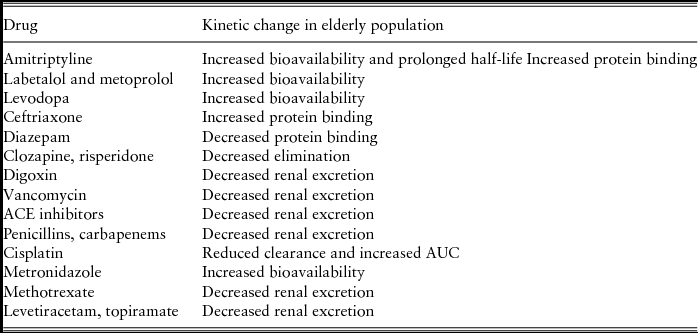
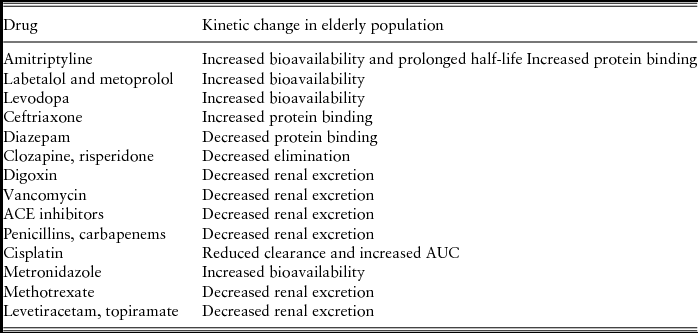
Aside from the usually monitored compounds, such as coumadin anti-coagulants, lithium or aminoglycosides, several other classes of drugs have been studied. TDM of anti-arrhythmic drugs, particularly class I agents such as flecainide, digoxin and amiodarone, may help to prevent toxicity and enhance clinical efficacy. New anti-epileptic drugs (e.g. topiramate, levetiracetam, gabapentin) have reduced clearance in older patients and TDM might be helpful to guide changes in dosing. Similarly, older patients may face higher risk of concentration-dependent side-effects of commonly used anti-depressants and anti-psychotics, due to reduced clearance and an absolute increase in serum concentrations (mainly with tricyclic and serotonin anti-depressants). Table 4 shows drugs with significant pharmacokinetic changes in older patients and which are therefore potential candidates for TDM.
Selected drugs and pharmacokinetic changes in the elderly population
Conclusions
The frequent use of multiple medications, in conjunction with pharmacological variations and increased susceptibility to adverse effects, means that older patients constitute an ideal candidate population for therapeutic individualization. Dose adjustments to take into consideration particular patient characteristics may contribute to a reduction in concentration-dependent toxicity, harmful drug interactions and unexplained lack of efficacy of commonly prescribed drugs. Pharmacogenomic analysis and TDM constitute potentially useful and currently under-explored tools in day-to-day care of older patients.
Scaling-up of these approaches is probably a progressive effort that requires not only scientific rationale, but also education of providers (as with any novel technologies). It will depend on the building of multidisciplinary work for logistic implementation, facilitating the laboratory turn-around-time, easy access to results and clear guidelines for further drug selection or dose adjustments. Availability of specialist clinical pharmacology consultation may prove instrumental for this potential therapeutic paradigm change.
Conflicts of interest
None.