Introduction
Antarctic Specially Protected Areas (ASPAs) have been designated to afford protection to sites with exceptional examples of biota, habitats and ecosystems, especially where human impact may threaten specific conservation values. Each ASPA has a specifically tailored management plan that addresses these values, and entry into a site requires the issue of a permit, clearly stating the reason for entry on a specific date, by the national authority to whom each person is responsible (Lewis Smith Reference Lewis Smith1994). However, science requirements from a wide range of disciplines with diverse research interests converging in small areas may compromise the diversity of conservation values contained within the ASPAs.
In this regard Chown et al. (Reference Chown, Lee, Hughes, Barnes, Barrett, Bergstrom, Convey, Cowan, Crosbie, Dyer, Frenot, Grant, Herr, Kennicutt, Lamers, Murray, Possingham, Reid, Riddle, Ryan, Sanson, Shaw, Sparrow, Summerhayes, Terauds and Wall2012b) identified loss of or damage to habitat as one of the main human threats to Antarctic terrestrial biodiversity. The ASPA system, through its management plans, aims to mitigate this by protecting specific vulnerable or outstanding biological sites or, in some instances, sites representative of a range of biological features in a particular region. However, despite ASPA designation for sites containing outstanding plant assemblages mandating restricted access, permitted human activities still impose significant pressure on habitat stability, and consequently on its biological components. This is mostly related to the convergence of multidisciplinary scientific interests within such ASPA sites. Pertierra & Hughes (Reference Pertierra and Hughes2013) showed that in some extremely small ASPAs repeated visits from a few permitted researchers often resulted in extremely high pressure compared to larger sites. Moreover, Antarctic terricolous mosses have very low resistance to trampling even under low pressure intensities (see Pertierra et al. Reference Pertierra, Lara, Tejedo, Quesada and Benayas2013). As a result, protection of local vegetation has been identified as the main reason for designation of several ASPAs (Hughes et al. Reference Hughes, Pertierra and Walton2013).
Mosses are the major group of terrestrial plants in Antarctica, where 113 taxa are recognized (Ochyra et al. Reference Ochyra, Bednarek-Ochyra and Smith2008a, Reference Ochyra, Lewis-Smith and Berdnarek-Ochyra2008b, Ellis et al. Reference Ellis, Ah-Peng and Aleffi2017). However, only 11 moss species are considered to be endemic to the continent and associated islands. Four of these endemics are among the rarest species in Antarctica, observed at three or fewer sites; while a further 34 species are also regarded as ‘rare’ (data from Ochyra et al. Reference Ochyra, Lewis-Smith and Berdnarek-Ochyra2008b). Several of these ‘rare’ species are associated with unusual habitat characteristics provided by geothermal activity in the few volcanically active areas of the Antarctic region, namely the South Sandwich Islands, Deception Island in the South Shetland Islands, and Mounts Erebus, Melbourne and Rittmann in Victoria Land (Lewis Smith Reference Lewis Smith1984, Smith Reference Smith1984, Reference Smith2000, Reference Smith2005, Convey et al. Reference Convey, Smith, Hodgson and Peat2000, Ochyra et al. Reference Ochyra, Bednarek-Ochyra and Smith2003, Convey & Lewis Smith Reference Convey and Lewis Smith2006, Ochyra Reference Ochyra, Bednarek-Ochyra and Smith2008a).
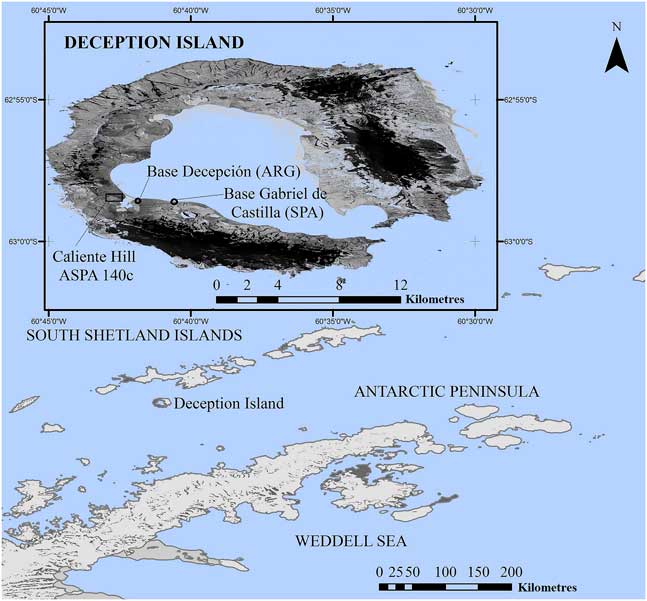
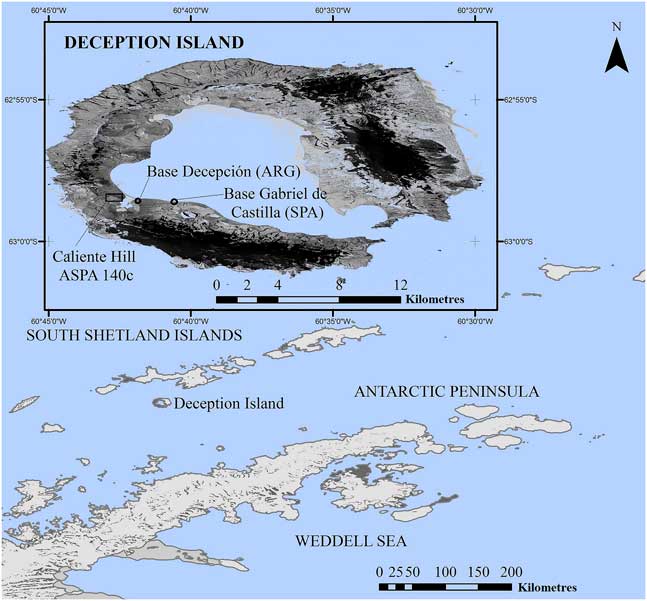
The volcanic Deception Island (62°58'S, 60°42'W, Fig. 1) possesses a wide range of bryophyte and lichen communities, including several associated with geothermal soils (Smith Reference Smith2005). Some of these assemblages are highly unusual in the Antarctic biome and contain various mosses and liverwort species which are rare or extremely rare, including five that are unknown elsewhere south of 60°S. The whole extent of geothermal grounds where these communities live is <100–250 m2 in area. For these reasons nine exceptional terrestrial sites were originally designated sub-sites within ASPA No. 140 in 2002 and subsequently revised (ATCM 2012). The special significance of Antarctic geothermal sites as biological refugia during glacial epochs and diversity ‘hotpots’ has recently been discussed by Fraser et al. (Reference Fraser, Terauds, Smellie, Convey and Chown2014), who also expressed concern regarding the impact of climate change and human disturbances on such sensitive areas.
Map view of Deception Island showing ASPA No. 140 site C Caliente Hill and the position of the island within the northern Antarctic Peninsula.
Deception Island has been identified as critically vulnerable to human impact (Chown et al. Reference Chown, Huiskes, Gremmen, Lee, Terauds, Crosbie, Frenot, Hughes, Imura, Kiefer, Lebouvier, Raymond, Tsujimoto, Ware, van de Vijver and Bergstrom2012a, Pertierra et al. Reference Pertierra, Hughes, Vega and Olalla-Tarraga2017). In addition to characteristics such as its volcanic activity, unstable terrain and relatively rapid regional climate warming, it has some of the highest numbers of cruise ship visits and tourist landings anywhere in Antarctica (Pertierra et al. Reference Pertierra, Tejedo and Benayas2014). The island also has a long history of industrial activity (sealing from early 19th century and whaling until 1931) and scientific activity (with up to four research stations operational during periods between 1944 and the present) (Dibbern Reference Dibbern2010, Pertierra et al. Reference Pertierra, Tejedo and Benayas2014). As a consequence of recent human activity, there have been reports of introductions of non-native plants (Smith & Richardson Reference Smith and Richardson2011), ship accidents (Pertierra et al. Reference Pertierra, Tejedo and Benayas2014) and cumulative trampling impacts (Tejedo et al. Reference Tejedo, Pertierra, Benayas, Convey, Justel and Quesada2012). Furthermore, there is growing evidence of impacts within some of the ASPA sub-sites as a result of different scientific research activities that conflict with the values for which the sub-sites were designated. Because of the concurrence of activities and multiple interests the entire island has been designated Antarctic Specially Managed Area No. 4 ‘Deception Island’ (ATCM 2005), which provides a dynamic framework for effectively addressing any emerging conservation issues.
The active fumarole fissure at the summit of Caliente Hill (also known as Cerro Caliente in Spanish) near Fumarole Bay (ASPA No. 140, site C, 62°58'30''S, 60°42'30''W, altitude 120 m, with an estimated area of c. 40×3 m (Smith Reference Smith2005)) also has the highest concentration of extremely rare mosses currently known in Antarctica. These include the Antarctic endemic moss Schistidium deceptionense Ochyra, Bednarek-Ochyra & Lewis-Smith, which is the only known Antarctic single-site endemic bryophyte (Ochyra et al. Reference Ochyra, Lewis-Smith and Berdnarek-Ochyra2008b). Other singular species reported from this site include Bucklandiella subcrispipila (Müll.Hal.) Bednarek-Ochyra & Ochyra, which is very rare and known from few localities. Moreover, Dicranella hookeri (Müll.Hal.) Cardot and Pohlia wahlenbergii (F.Weber & D.Mohr) A.L. Andrews are known in only one other site in Antarctica (Ochyra et al. Reference Ochyra, Lewis-Smith and Berdnarek-Ochyra2008b, ATCM 2012).
Despite the need for conservation of rare plants on Caliente Hill, conflicting science requirements converge at the site, as it is also of interest to those researching geology, seismology, geophysics, botany, invertebrate biology and microbiology, which has inevitably led to a damaging cumulative footprint. According to Pertierra & Hughes (Reference Pertierra and Hughes2013), ASPA No. 140 (various sub-sites) received, on average, at least 30 permitted scientific visitors annually between 2009 and 2012, with up to four different national Antarctic programmes (NAPs) involved. However, the actual number of visitors to Caliente Hill cannot be accurately determined because the information provided by NAPs to the electronic information exchange system (EIES) of the Antarctic Treaty System is often incomplete. Nevertheless, overall, the area has one of the largest footprint scores in Antarctica (Pertierra et al. Reference Pertierra, Hughes, Vega and Olalla-Tarraga2017).
Here, the extent of disturbance and visible damage to one the rarest moss formations in Antarctica located at Caliente Hill is assessed and recommendations are made to safeguard its botanical values for the future.
Materials and methods
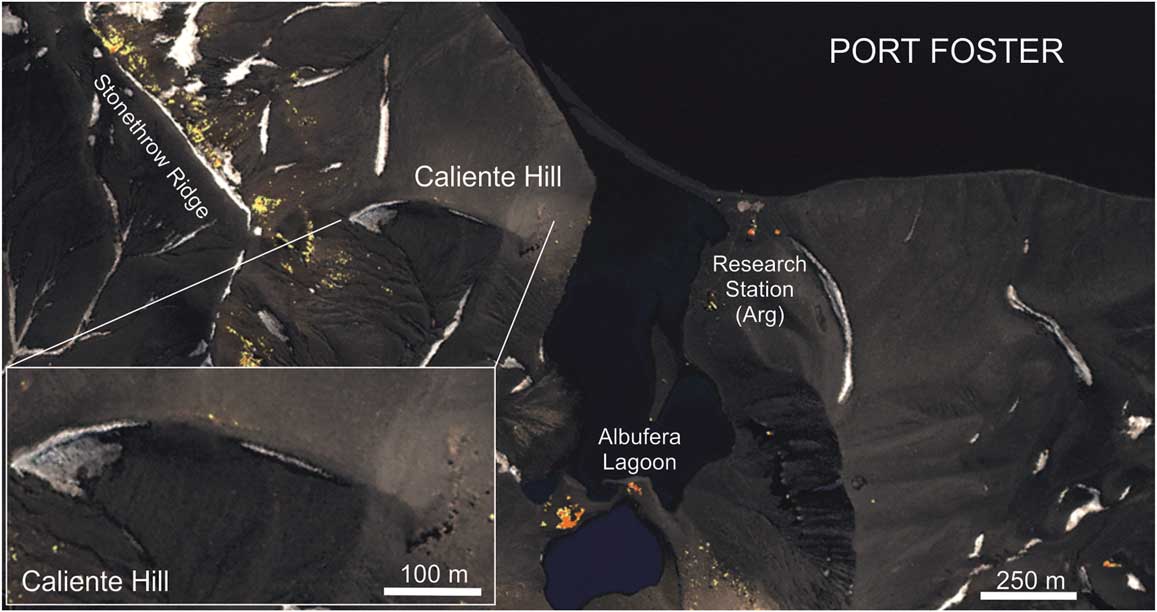
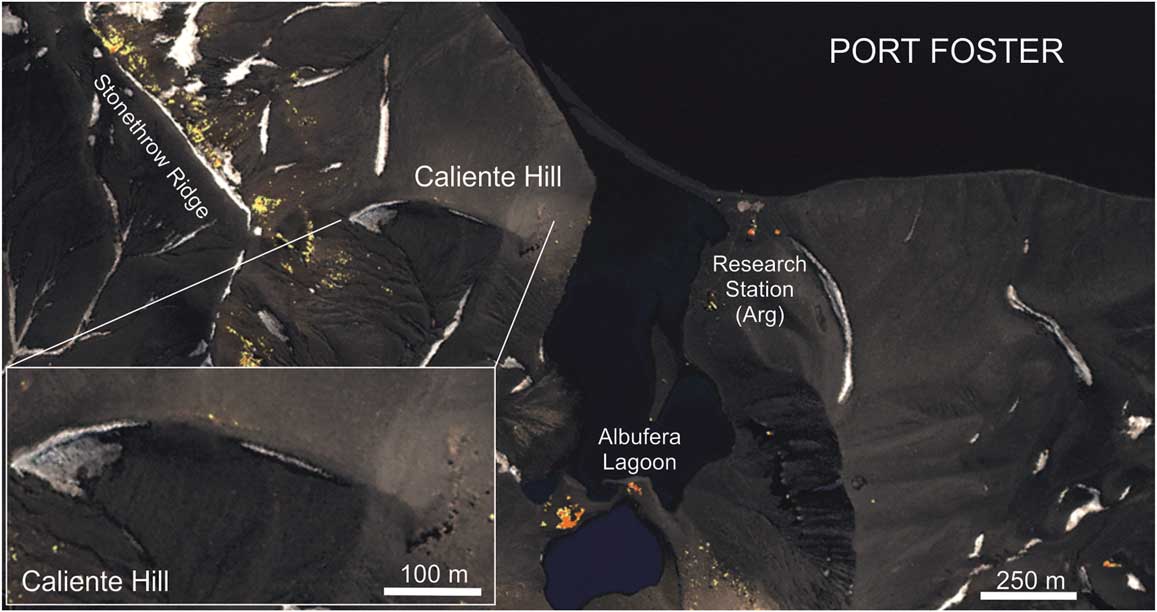
The location of Caliente Hill (ASPA No. 140 site C) on Deception Island is shown in Fig. 1. Figure 2 shows satellite-derived normalized difference vegetation index (NDVI) values in the area in order to assess the relative vegetation density within ASPA No. 140 site C compared to the surroundings (see Hughes et al. Reference Hughes, Ireland, Convey and Flemming2016).
Normalized difference vegetation index (NDVI) derived from satellite imagery for the area around Caliente Hill, Deception Island, South Shetland Islands. Green vegetation cover is shown using a colour scale of yellow to orange to red, with red indicating the highest NDVI values. Only low NDVI values are recorded on Caliente Hill due to the sparse cover of the vegetation in the vicinity of the fumaroles.
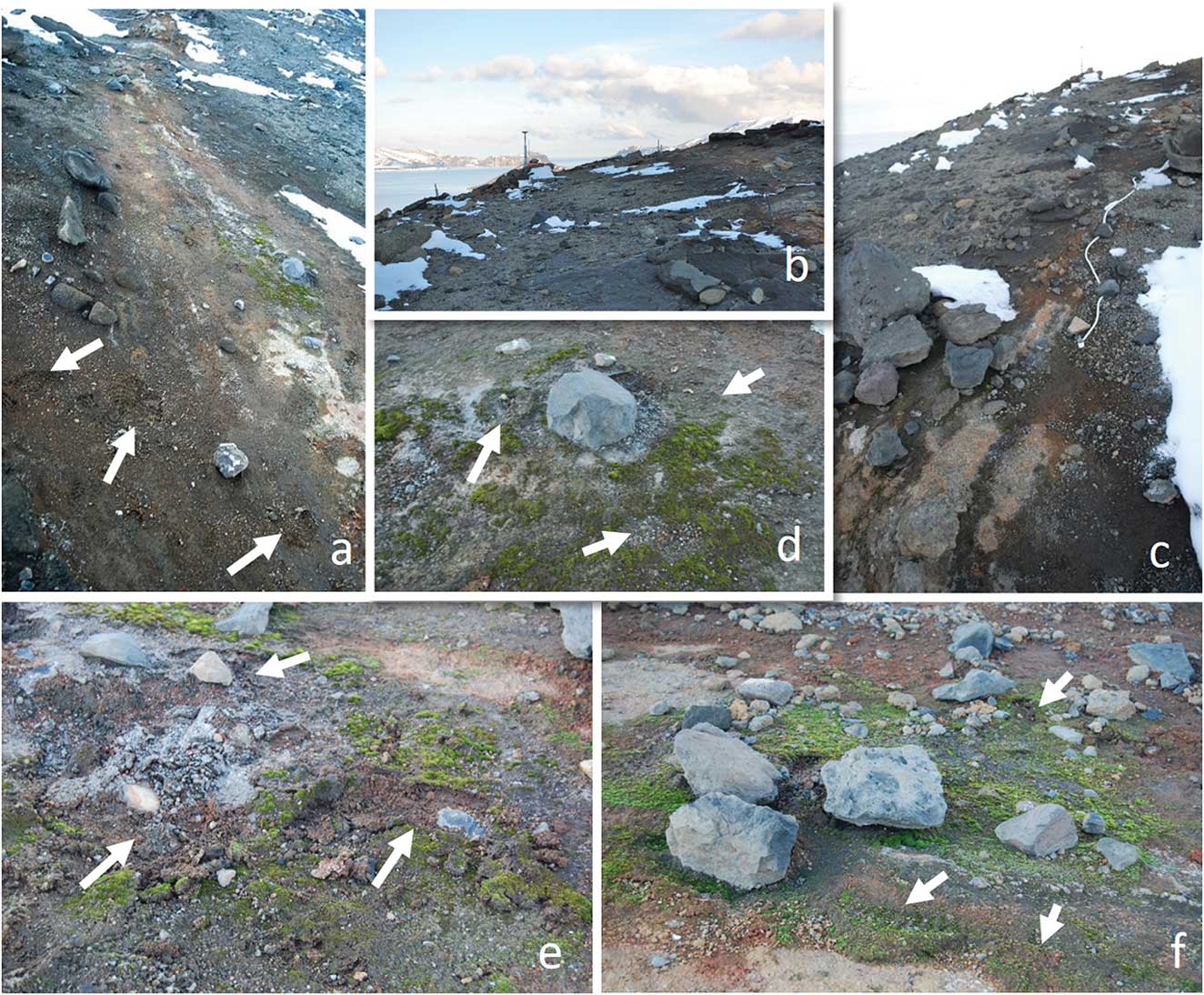
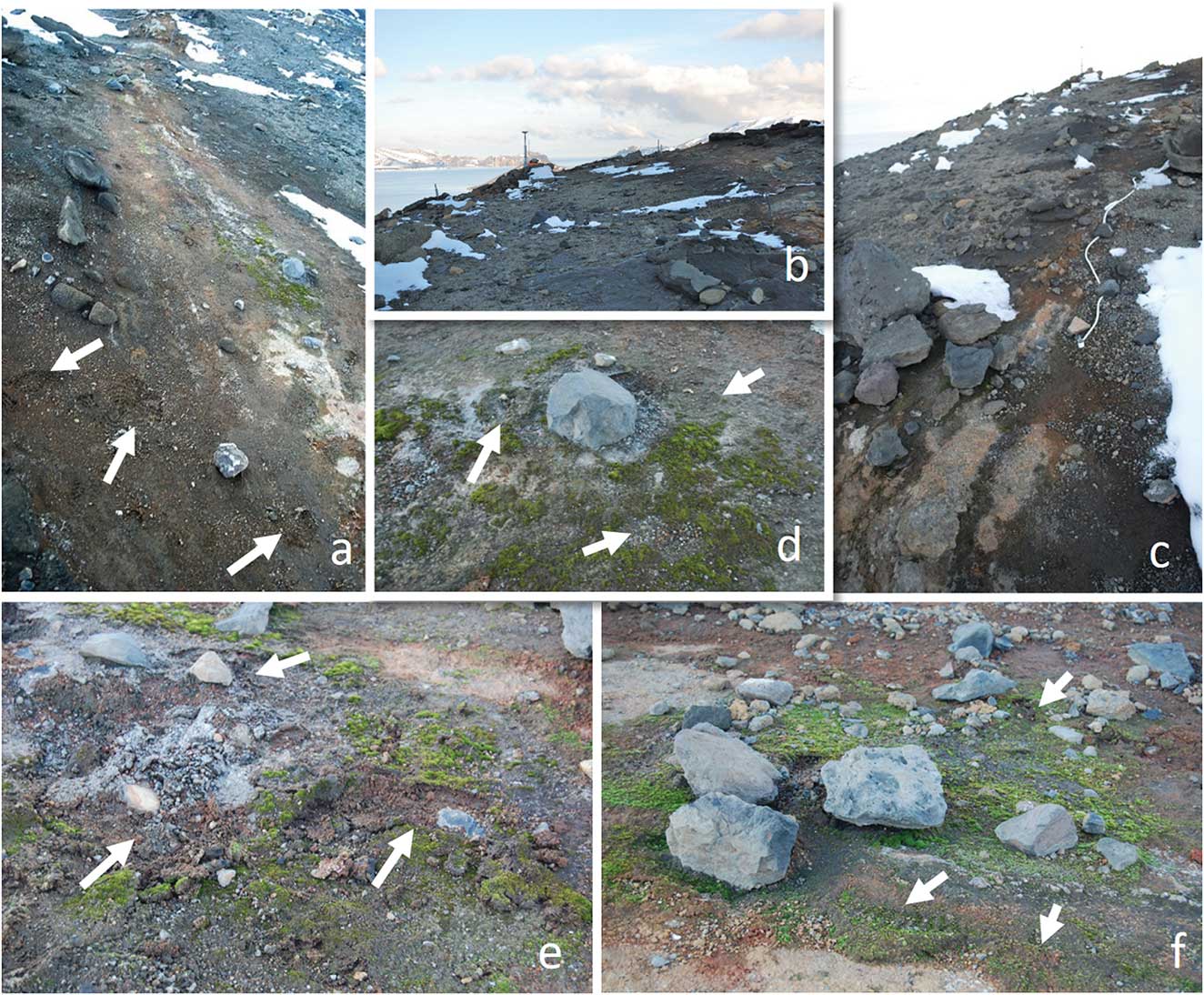
Caliente Hill was visited once in February 2012 for the purpose of examining the condition of the bryophyte community described by Smith (Reference Smith2005) and to collect small plant samples for identification. A permit allowing entry to the site, for these stated reasons, was issued by the Spanish Polar Programme. During the visit to site C it was observed that previous trampling had disrupted the bryophyte cover (Fig. 3). Aware of the bryophytic importance of the site, minimal samples were taken from mosses found detached from their substratum to identify them at species level. Sampling was conducted according to the principle of minimal disturbance to attached colonies and habitat (soil, rock and fumarole vents), and sampling only from loose plants and trampled patches that were deemed likely to eventually die and/or be blown away by the wind. As a consequence, sampling was not objective or extensive but opportunistic. Therefore, the identified species neither provide a complete inventory of the moss diversity at this site nor indicate the full extent of physical damage to the site by trampling. Specimens are kept in herbarium MAUAM at Universidad Autónoma de Madrid (Spain).
Views of the geothermal site on the summit ridge of Caliente Hill. a.–b. Western end of the ridge where some seismic measuring equipment is visible. c. Eastern end of the site. d.–f. Detail of moss colonies. Several prominent footprints are indicated by arrows.
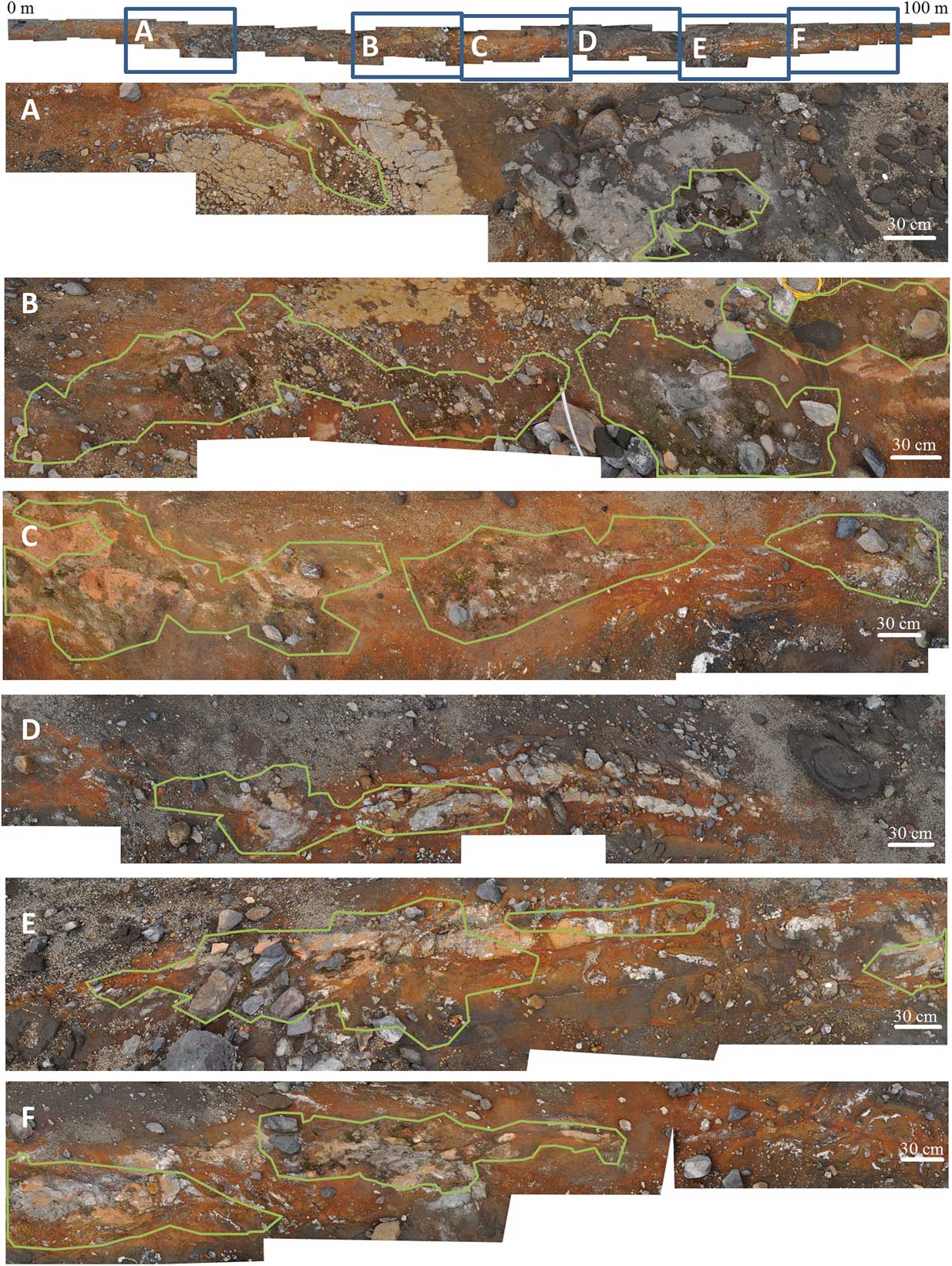
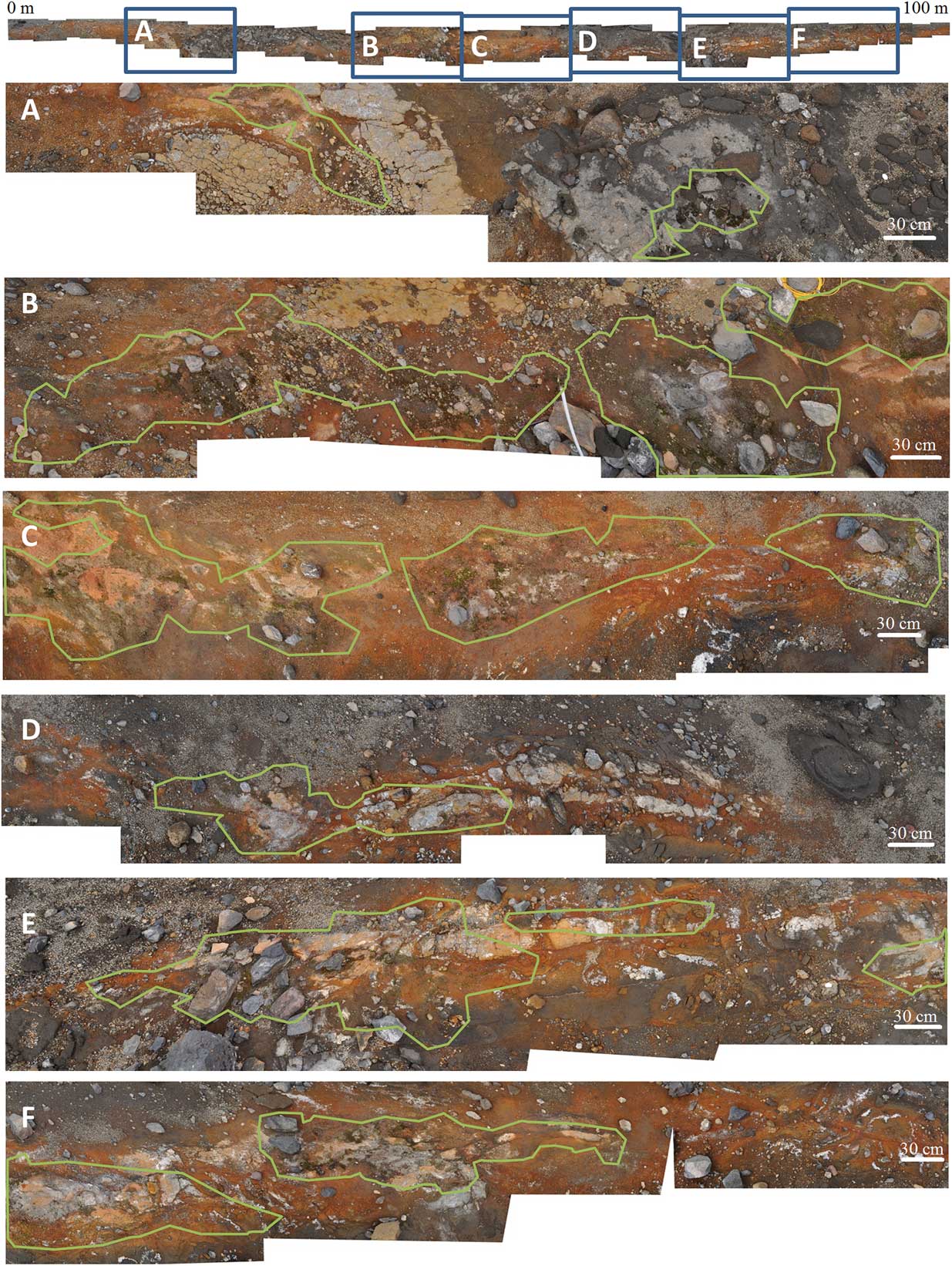
The Caliente Hill geothermal site was re-visited in 2015 for monitoring purposes. In order to identify and map the intermittent moss cover, the entire thermal anomaly (c. 100 m2) was examined in situ and photographed. A photographic assemblage was made with Photoshop software (UAM licensed) from a set of 32 consecutive images (Fig. 4). Further trampling damage and other breaches of the ASPA management plan were also documented.
Photographic assemblage over the thermal anomaly of Caliente Hill. Sections with highest coverage are displayed (A–F). Approximate scales are displayed.
Results
The NDVI signal in ASPA No. 140 site C is almost negligible in comparison with other nearby areas (Fig. 2). Disturbance from trampling effects was documented at several assemblages along the thermal anomaly (see Fig. 3). Samples of dislodged moss from the protected geothermal site included four distinct species. The most abundant was Schistidium antarctici (Cardot) L.I. Savicz & Smirnova, an endemic but common, non-threatened Antarctic species. A second species of that genus, S. deceptionense, a moss described and known only from this site on Deception Island, appeared in much smaller amounts. The observed material consisted of a few isolated gametophores and small fragments of colonies, some of them with sporophytes. Additionally, there were two small turfs of Ditrichum ditrichoideum (Cardot) Ochyra, a mainly sub-Antarctic species that in the Antarctic region is known only from areas with recent volcanic activity in the South Sandwich Islands and on Deception Island (Ochyra et al. Reference Ochyra, Lewis-Smith and Berdnarek-Ochyra2008b). The sample also contained a very small amount of immature gametophores of Bryum orbiculatifolium Cardot & Broth, a species considered very rare in the Antarctic biome.
The photometric assemblage showed that the vegetated surface is irregular and sparse along the thermal anomaly (see Fig. 4), with at least 13 distinct stands in which moss cover was more or less apparent. These patches comprise, in undetermined proportions, mosses associated with permanently warm soils, whereas immediately beyond the perimeter of the thermal area, several other generalist terricolous (predominantly) and saxicolous species occur. Two of the stands, with relatively high moss cover associated with heated ground, are located in the immediate area of a seismic station (Fig. 4b).
Discussion
Damage to and status of the moss formations on heated ground in Caliente Hill
Although largely free of vegetation, Caliente Hill, site C of ASPA No. 140, harbours a mixed association of mosses and a very few crustose lichens, forming a unique community (Smith Reference Smith2005). Most of the identified mosses affected by trampling on Caliente Hill are ‘rare’ species in Antarctica and are always associated with geothermal habitats. As such, they are critically important in the Antarctic bryoflora.
The most alarming impact detected on Caliente Hill has been the direct effect of trampling on moss patches containing Schistidium deceptionense, an extremely rare moss. The conservation of S. deceptionense, a species only recently described (Ochyra et al. Reference Ochyra, Bednarek-Ochyra and Smith2003), is critical since it is considered one of only seven strict Antarctic endemic mosses. Schistidium is one of the most diversified genera in Antarctica, and most of the presently recognized endemic or quasi-endemic mosses in the Antarctic biome belong to this genus (Ochyra et al. Reference Ochyra, Lewis-Smith and Berdnarek-Ochyra2008b). Moreover, so far, S. deceptionense is currently only known to be found at site C of ASPA No. 140, i.e. in a single area of c. 120 m2. Its currently known geographical range is therefore exceptionally narrow. Consequently, its population should be considered as globally Critically Endangered (CR) according the IUCN criteria (IUCN 2011). It may be argued that S. deceptionense is not a true endemic in the strictest sense. Globally, many cryptogamic species described as new from a single or very few localities have been based on misidentifications. Frequently, these very narrow endemics are eventually reduced to synonyms of more widespread taxa. This has also occurred with the Antarctic bryoflora, and critical revisions have led to the synonymization of many of the taxa described as Antarctic endemics (Ochyra et al. Reference Ochyra, Lewis-Smith and Berdnarek-Ochyra2008b). This is not entirely the case with S. deceptionense as its morphological differentiation and taxonomic circumscription is based on modern taxonomical considerations. Similarly, true highly localized bryophyte endemics are known in other regions (Medina et al. Reference Medina, Draper and Lara2011). However, since Schistidium is recognized as a complex genus, the identity of S. deceptionense remains to be evaluated using phylogenetic methods in an evolutionary context, as has been done for another single-island, non-Antarctic, endemic moss (Orthotrichum handiense, Patiño et al. Reference Patiño, Medina, Vanderpoorten, González-Mancebo, Werner, Devos, Mateo, Lara and Ros2013). The phylogeny of the genus Schistidium has been partially analysed by Milyutina et al. (Reference Milyutina, Goryunov and Ignatov2010) but, since their study focused mainly on Northern Hemisphere species, S. deceptionense and many other Antarctic taxa were not included.
The fact that S. deceptionense is so far known to be associated only with a geothermal substratum could be interpreted as an indication of its inability to adapt to the Antarctic climate. Rare bryophytes in Antarctica are often associated with heated volcanic ground, but most of these are non-endemic species which are frequent in other regions of the world. Their presence in Antarctica is dependent on the geothermal nature of their habitat, which provides favourable growing conditions from high soil temperature and high humidity (Smith Reference Smith2005, Ochyra et al. Reference Ochyra, Lewis-Smith and Berdnarek-Ochyra2008b). At present S. deceptionense is regarded as a single-site endemic restricted to an unusual microhabitat. However, it is probable that, in due course, it will be found at other geothermal sites on Deception Island. What remains uncertain is whether this taxon is a true species or an ecotype of a known species that has adapted to a very unusual microhabitat. Thus, whether or not S. deceptionense is a true endemic or simply a morphological variant that has colonized a favourable habitat, we propose that it should be treated as a significant threatened population in Antarctica.
Management actions required to safeguard conservation values
Trampling damage observed in both 2012 and 2015 summers to this ‘rare’ moss formation containing S. deceptionense and its unusual habitat emphasize how vulnerable it is to human impact. Available information on this unique and extremely fragile population indicates that it may be facing a high risk of extinction. Furthermore, the only known populations in the Antarctic biome of Bryum orbiculatifolium are at Deception Island, some islands of the South Sandwich archipelago and a site in Schirmachar Oasis, Eastern Antarctica (Ochyra et al. Reference Ochyra, Lewis-Smith and Berdnarek-Ochyra2008b). This moss has previously been reported from other sites of ASPA No. 140, although it had not been recorded before on Caliente Hill (ATCM 2012).
Our observations revealed that most scientists and technicians working regularly on Caliente Hill are aware of, and aim to respect, the values of the bryophyte community and the sensitivity of its habitat. However, while they are positively willing to prevent damage to it, it is clear that cumulative impacts are resulting, despite the precautions set out in the ASPA management plan. Nonetheless, the most severe damage observed may be attributable to casual visitors permitted for a single entry, as they are likely to be less well informed of the extreme sensitivity of the site. Vegetation in the area is extremely sparse (ATCM 2012), and often partially buried by the loose dry ashy soil, and so it may not be noticed, especially by non-biologists, although even some of the more obvious stands are still clearly damaged (see Fig. 2). Thus, the problem arises not only from a low carrying capacity with regard to visitor impact, but also from unintentional damage resulting from occasional inadvertent trampling of the communities. In a previous study by Pertierra et al. (Reference Pertierra, Lara, Tejedo, Quesada and Benayas2013) it was strongly recommended that all stands of bryophytes should be avoided due to their general high sensitivity to trampling. However, if considered absolutely necessary, well-defined narrow sacrificial trails could be marked to allow recurrent transit across these fragile sites to restrict any wider cumulative trampling impacts. The site may therefore benefit from strategic zoning. Additionally, to reduce human traffic, we recommend that national authorities that issue permits to enter ASPAs do not grant access to Caliente Hill for educational or recreational activities. Unpermitted recreational visits are a particular concern because of easy access from two nearby scientific stations and a tourist landing site at Fumarole Bay. Other sites within ASPA No. 140 may also be accessed easily, notably at Whalers Bay (site K, Ronald Hill to Kroner Lake) and Pendulum Cove (site G), potentially resulting in further unrecorded impacts in geothermal grounds, as a result of poorly controlled tourist activity from yachts or cruise ships or the recreational activities of station personnel. However, in the case of Caliente Hill, the cumulative threat to the moss assemblage associated with its geothermal soil and rocks is mainly attributed to permitted scientists themselves, possibly unaware on the magnitude of the trampling damage.
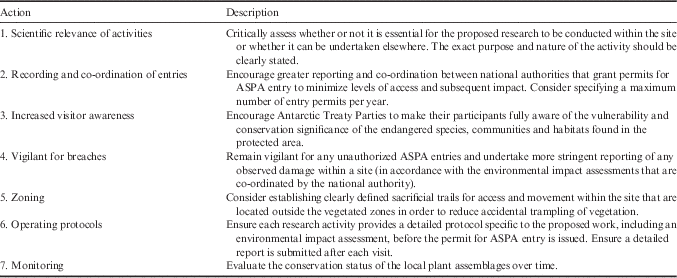
In order to preserve all coexisting values at this site (and at some of the other geothermal sites vulnerable to human impact, such as Perchuć Cone (ASPA No. 140, site J)) it may be necessary to further prioritize conservation values, define the site boundaries and recommend more rigorous specific protective measures to minimize the associated impacts in the longer term. Here, we suggest the following recommendations regarding the conservation of the Deception Island ASPA No. 140 sub-sites, and the issue of site entry permits (see Table I). Special consideration should be given to develop an internal zoning within site C to accommodate different research requirements. This could include delimitation of a clearly marked exclusion or ‘restricted area’ with very restricted or no access between sections B–F (Fig. 4). Some of these general recommendations are already embodied in Antarctic Treaty agreements such as the environmental impact assessment process, as laid out in Annex I to the Protocol, but in some cases require more effective implementation. To a degree, all bryophytes, indeed all plants and lichens, within the Antarctic Treaty area are protected by the Protocol on Environmental Protection to the Antarctic Treaty, Annex II, Conservation of Antarctic Fauna and Flora, Article 3 Protection of Native Fauna and Flora (see: http://www.ats.aq/e/ep.htm). This states that no native plants (including fungi and lichens), or their propagules, may be removed or damaged in ‘such quantities that their local distribution or abundance would be significantly affected’. Moreover, the Deception Island ASPA No. 140 management plan (2012) specifically identifies the geothermal bryophyte communities and component species, and their habitats, as critical values requiring protection (as noted specifically for site C Caliente Hill). However, these instruments may fail without implementation. In this regard, SCAR has already taken a prominent role in improving the education and awareness of scientists on the conservation of Antarctic values, including through the production of several codes of conduct (http://www.scar.org/codes-of-conduct), although further initiatives are encouraged.
Potential management actions to ensure conservation of vulnerable plant communities at ASPA No. 140 site C, Caliente Hill and other vegetated geothermal sites where conservation goals may conflict with research interests.

In the event that these measures fail to effectively protect the plant community and its habitat, it may be necessary to consider the temporary closure of the site to allow, as far as possible, the recovery of the vegetation and its soil environment. In this regard, only complete and accurate recording of activities and regular monitoring can provide an insight into the full extent and scale of trampling damage by NAPs (Hughes et al. Reference Hughes, Fretwell, Rae, Holmes and Fleming2011). Delimitation of prohibited zones have already been employed within the ASPA management plans at other geothermal sites on Tramway Ridge, Mount Erebus, Cryptogam Ridge, Mount Melbourne and Mount Rittmann (ASPA No. 175).
Strategic conservation of Antarctic values
Lewis Smith (Reference Lewis Smith1994) and Shaw et al. (Reference Shaw, Terauds, Riddle, Possingham and Chown2014) emphasized that the ASPA system does not adequately represent all biogeographical regions or environmental domains in Antarctica (see also Terauds et al. Reference Terauds, Chown, Morgan, Peat, Watts, Keys, Convey and Bergstrom2012, Hughes et al. Reference Hughes, Ireland, Convey and Flemming2016). In this regard we argue that the rarity of certain organisms occurring in geothermal areas should be further emphasized and afforded extra attention for strategic conservation (Fraser et al. Reference Fraser, Terauds, Smellie, Convey and Chown2014). Moreover, despite their rare presence in Antarctica, geothermal soils may have provided an important refuge for biodiversity during extensive glacial epochs (Convey & Lewis Smith Reference Convey and Lewis Smith2006).
Some progress has been made, in recent years to enhance protection of plants within Antarctic geothermal sites. Initial reports on the issue of bryophyte damage on Caliente Hill were presented to the Treaty Parties at the 37th and 38th Antarctic Treaty Consultative Meetings (ATCM 2014b, 2015), and the issue has been highlighted in the ASPA No. 140 management plan (ATCM 2012). In May 2016 the SCAR code of conduct for activity within terrestrial geothermal environments in Antarctica was agreed through Resolution at the 39th ATCM (ATCM 2014a, 2016). The generally applicable code of conduct recognizes that damage can be done to vulnerable plants by trampling (points 9 and 22), but the effectiveness of the code of conduct to reduce impacts at sites including Caliente Hill remains to be seen. It is hoped that the Antarctic Treaty Consultative Parties will see fit to further improve and strengthen the existing management framework to afford greater protection to the rare moss communities of Deception Island, and particularly at sites where extinction of a very localized endemic species may occur despite current protected area management efforts.
Conclusions
This study has shown a specific example of an area with outstanding biological significance where effective implementation of management provisions is essential for the protection of conservation values from other interests. Substantial damage to rare bryophyte species, including the site-specific endemic Schistidium deceptionense, was observed in 2012 and 2015 in ASPA No. 140 site C Caliente Hill. Photomapping of the site has revealed the scarce, patchy and often inconspicuous nature of the rare local plant communities along the thermal anomaly, which has highlighted the need for increased education of permitted visitors with regard to the presence and vulnerability of the plants, in order to prevent further trampling damage. From the results of this study, it is hoped that more effective management procedures can be defined and implemented by treaty parties to ensure the long-term conservation of the critically endangered species present at this site. Moreover, this case study serves as an alert to extend the management action at other locations where conservation goals may conflict with research interests. Increased awareness of regulations, co-ordination of actions, accounts reporting activities, vigilance for breaches, defined entry protocols, internal area zoning, and potentially prioritization of conservation activities when other provisions fail, may all need to be considered to ensure the effective protection of the different values recognized within the Antarctic protected area system.
Acknowledgements
This study was part of the MIDAH CTM2010-11013 project financed by the Spanish National Polar Programme. Our deepest gratitude goes to Olga López-Hilzinger for her photometric skills and continuous support on producing the photo-assemblages. Thanks also to all the Spanish researchers working in the area for sharing their valuable thoughts. In particular, special thanks to Dr Amos Gil. We are also indebted to Peter Convey for his valuable insight. We are very grateful to Ryszard Ochyra for critical review of the specimens. We also thank Graciela de Diego for field support. LRP was partially supported by a contract associated to the project NICHEAPPS (CGL2014-56416-P) from the Spanish Ministry of Economy and Competitiveness (MINECO). This paper contributes to the BAS Polar Science for Planet Earth programme, the BAS Environment Office Long-Term Monitoring and Survey project and SCAR’s State of the Antarctic Ecosystem research programme. Tanya O’Neill, David Walton and one anonymous reviewer are acknowledged for their comments which greatly improved the manuscript.
Author contribution
RILS: original discovery and afforded protection. JB, LRP: monitoring conceptualization, sampling design and field research. FL: taxonomic identifications. RILS, FL: site characterization. LRP, KAH: analysis of spatial data. LRP, KAH, FL, RILS, JB: environmental assessment. LRP, FL: manuscript writing. KAH, RILS, JB: manuscript revision.