In the period from the mid-1950s to the mid-1970s, a group of researchers at the University of Liverpool made pioneering contributions in two seemingly disparate areas of scientific research: Lepidoptera (butterfly and moth) genetics and human medical genetics. In the Lepidoptera research, studies conducted by members of the group revealed key elements of the genetic basis of mimicry, the evolution of some butterflies to alter their appearance so as to resemble an unrelated – and ill-tasting – species, thereby reducing the likelihood of being eaten by predators. In the area of medical genetics, members of the group were able to unearth clues about the genetic basis of common human diseases. Most notably, they developed a means of prevention of Rhesus (Rh) haemolytic disease of the newborn (erythroblastosis foetalis), a disease arising from a tragic immunological clash that can occur when a pregnant woman whose blood cells type as Rh-negative carries a foetus who is Rh-positive. Up to the 1960s, this disease took the lives of about a thousand babies per year in the United Kingdom, ten thousand per year in the United States, and many thousands more worldwide.Footnote 1
The Liverpool investigators, although they never labelled themselves as anything more than a group, certainly merit the designation ‘Liverpool school’. They meet the criteria, ‘intellectual, institutional, technical, psychological, and financial’, that distinguish a ‘research school’, as originally put forth by J.B. Morrell and summarized by G.L. Geison.Footnote 2 Similarly, they meet the technical, social and institutional criteria described by J.R. Ravetz.Footnote 3 The Liverpool investigators were motivated by a shared set of core beliefs, intellectual and methodological, emerging from the field of ecological genetics, which maintained that genetic polymorphisms (those producing small phenotypic variations and present at a frequency higher than the mutation rate) were not neutral and could be the key to unlocking fundamental understandings about selective forces, genetic mechanisms and the causation of common human disorders. The group had a distinct institutional identity within the University of Liverpool's Department of Medicine. It was sought out by students who, after earning their academic credentials there, propagated Liverpool ideas as they dispersed to other places. Among the alumni, there was a deeply shared intellectual and social kinship that persisted long after they established their own distinguished careers. And the Liverpool investigators received substantial external recognition, outside financial support, national acclaim and ultimately international acclaim for their work.
Yet, despite its prominence and accomplishments, the Liverpool school's output diminished after the mid-1970s and its reputation began to fade. As a scientific, medical and educational entity, it was slowly dismantled and now no longer exists. This essay investigates the historical trajectory of the Liverpool school, with special attention to the crucial role that partnerships played in promoting its development, in producing its research successes and, ultimately, in contributing to its decline.
The founding partnership: Cyril A. Clarke and Philip M. Sheppard
It was a chance event in 1952 that brought Cyril Clarke together with Philip Sheppard. That event was to trigger major changes in the lives of both men, changes that neither could have anticipated. Clarke was a physician in internal medicine and a consultant physician at the David Lewis Northern Hospital in Liverpool. He had no formal training in genetics. At age forty-five, after meeting Sheppard, he was to become galvanized into starting a new phase of his career as a serious researcher in genetics. Sheppard, whose own scientific education had been delayed owing to his incarceration as a prisoner of war during the Second World War, had been a student of E.B. Ford, the scientist who had established the specialized area of ‘ecological genetics’ (the study, through a fusion of genetics with evolutionary theory and environmental biology, of genetic changes over time in natural populations). Sheppard had earned his DPhil the year before, at the age of thirty, and continued on at Oxford as a junior research officer in Ford's department. His research focus was on the scarlet tiger moth (Panaxia dominula) and the brown-lipped snail (Cepaea nemoralis). But, after meeting Clarke, he was to expand his research terrain into an entirely new area marked by an active involvement in programmes of medical research.
In their separate locations, both men had an interest in butterflies and moths. For Sheppard, they were a major component of his research programme.Footnote 4 For Clarke, they were a hobby. Clarke had been posted in Australia during the Second World War. There, as he put it, ‘the sun shone and the butterflies flew’.Footnote 5 This had revived his childhood love of butterflies and led to his decision, once home again, ‘to go into breeding Lepidoptera seriously and scientifically’. After the war, it became a major pastime as he built a greenhouse for butterflies in the garden of his home near Liverpool. In 1952, trying to replicate the ‘secret’ methods commercial butterfly purveyors used to create novel organisms, he taught himself how to mate butterflies by hand-pairing,Footnote 6 and through this technique he was able to produce hybrids of American and British species of swallowtail butterflies.Footnote 7
The event that brought the two of them together occurred in October 1952, when Sheppard placed an advertisement in the ‘Wants and exchanges’ list of the Amateur Entomological Society journal, asking for ‘living eggs, larvae or pupae of Papilio machaon (Swallowtail) from the Continent for genetic research. Will buy, or exchange for living British P. machaon or South African P. demodocus’.Footnote 8 Clarke saw the ad and wrote to Sheppard, offering him some of the eggs from the hand-pairing crosses he had done between P. machaon and the American black swallowtail (P. asterias). Sheppard was intrigued by the offer, even suspicious that such a hybrid could be produced, but also fully aware how useful interspecies hybrids would be in investigating fundamental questions in ecological and evolutionary genetics. And so he responded to Clarke. After that initial contact, a lively correspondence developed between the two men. In one early letter, dated 9 October 1952, Sheppard suggests,
I am afraid I have run on rather a long time about the Papilios and I hope you will excuse me but the field seems wide open and capable of producing spectacular results in a very short time. Would it be possible for us to get together some time and discuss the situation at some length. Perhaps you sometimes come to Oxford and we could meet.Footnote 9
In a return letter, Clarke indicated an interest in meeting but was forced to admit that ‘[my] genetics are a little rusty and not up to your standard’.Footnote 10
But meet they did that December at Oxford. Their first paper together, in 1953, came only after an intense, but polite, scrutiny by each of the other's contributions – all done through the mail.Footnote 11 At one point, Sheppard felt it necessary to apologize for his frankness: ‘With regard to the manuscript, as you see I have taken you at your word and torn it to pieces, but as you realize my comments are only suggestions and you can use them, disregard them or modify them as you see fit.’Footnote 12
Nonetheless, the seeds that were planted at that time germinated almost immediately and began what would blossom into nearly a quarter-century of joint research projects. The papers they produced drew on their complementary strengths: Clarke's expertise in the breeding of butterflies and Sheppard's expertise in experimental design, along with his skills in interpreting quantitative data. One main programme of study over the years was the genetic basis of mimicry in butterflies, the occurrence of genetic changes which produced wing patterns that allowed one type of butterfly (generally just the female of the species) to resemble closely another species (that is to say, the model). If the model was unpalatable to predators, this provided some protection to the mimicking butterfly, increasing the chances of survival. Clarke and Sheppard were able to show that this type of mimicry (known as Batesian mimicry) involved the evolution of a localized cluster of genes, a ‘supergene’ in the parlance of ecological genetics. The supergene controlled a number of general features of the wing and abdomen, with perfection of the mimicry occurring through the accumulation of mutations in other modifying genes scattered throughout the genome. Over the years, the major theme of the Sheppard and Clarke collaboration, informed by E.B. Ford's theories of ecological genetics,Footnote 13 was that, with natural selection as the driving force, the genome was dynamic, displaying cross-talk among different genetic systems. Their work on mimicry was a major contribution to the field of genetics of the Lepidoptera and it stimulated much research by others in the field.Footnote 14 As it happens, their work on mimicry also provided a stepping stone into the other major area that came to characterize the Clarke–Sheppard partnership.
In May 1953, not long after their partnership began, Clarke asked Sheppard how they could extend their collaboration into the realm of medical genetics. Sheppard's response was immediate: ‘Blood groups’. A basic tenet of E.B. Ford's ecological genetics is that all balanced polymorphisms (such as the stable distribution of ABO blood groups in a population) are maintained by opposed selective forces that keep the population's polymorphism mix in equilibrium. In humans, predisposition to disease was a possible selective force, with each blood group conferring resistance to some diseases and predisposition to others. If a specific blood group is found to be associated with a disease, that insight might open the door to understanding causation and might even offer clues to possible means of treatment or prevention for that disease. Sheppard's terse suggestion was all the encouragement that Clarke needed. He and his senior medical registrar, Richard McConnell, began a number of studies using the patient data at their disposal to investigate whether specific blood types were associated with specific diseases.
It may be hard for twenty-first-century readers to appreciate the importance of blood groups as targets of study in the mid-twentieth century. The human genome, now so richly populated with identified genes and many forms of genetic markers, was, at that time, very poorly understood. The major genetic landmarks were few in number. The ones that were known, such as the genes for the different blood groups (for example, ABO and Rh), consequently loomed large as centrepieces for research endeavours. And early attempts to find correlations seemed promising. A paper by Aird, Bentall and Fraser-Roberts, published at about the time the Clarke–Sheppard collaboration was beginning, indicated that a correlation existed between blood group A and stomach cancer in a Scottish population.Footnote 15 Sheppard was well aware of that paper and had even followed up on it with an article suggesting that the action of the secretor gene might help explain this correlation.Footnote 16
As soon as 1 June 1953, Clarke was able to report,
I have started wrestling with the blood groups and when I get back to work today will see about starting on the gastric ulcer patients. It would also be most interesting, as you suggest, to see whether the patients with carcinoma of the stomach in the A group are secretors or not.Footnote 17
From then on, their regular correspondence contained a mixture of Lepidoptera and medical issues as their collaboration in both areas grew closer.Footnote 18 Communications continued while Sheppard spent time at Columbia University in the laboratory of Theodosius Dobzhansky. Clarke continued to rely on Sheppard for the determination of the statistical significance of the blood-group/duodenal ulcer data.Footnote 19
As the blood-group work proceeded, E.B. Ford weighed in and offered encouragement:
The work which you have done seems to me to be of the highest interest, not only in regard to the medical genetics, but in regard to the theory of Polymorphism. I may say that, when I was insisting thirteen years ago that the human blood groups are of selective importance (and therefore examples of Polymorphism), I was laughed at and opposed by nearly all geneticists, except Sir Ronald Fisher. It is of much interest to me, therefore, to see the evidence now accumulating that the blood groups are of selective value.Footnote 20
Explaining the dynamics of this highly productive partnership, Clarke often said that Sheppard taught him genetics and that he taught Sheppard medicine. To some extent, this statement is true as each man entered the collaboration with vastly different training. However, it is not completely true. Sheppard, as a student of Ford, had long had an interest in the relation of the human blood groups to human disease. Clarke, for his part, worked hard on his own to improve his knowledge of genetics. He read E.B. Ford's basic genetics text,Footnote 21 arranged a private weekly genetics tutorial for himself and Richard McConnell with Trevor Burnett of the University of Liverpool's Department of Zoology,Footnote 22 and joined the Genetical Society to put himself in contact with the UK's leading genetic researchers.
The Clarke–Sheppard partnership grew closer and more efficient in 1956. A senior lectureship in genetics opened up in the Liverpool Department of Zoology. Sheppard acknowledged the opening in a letter to Clarke on 30 January: ‘Thank you very much for your letter and the information, both on the Liverpool job and on the butterflies.’Footnote 23 Though Clarke felt that he had to manipulate a reluctant Sheppard into applying, this does not actually seem to have been the case. According to a letter Sheppard wrote to R.A. Fisher at that time, financial need was the critical factor: ‘I have absolutely no desire to leave here [Oxford] but as I have not got a permanent position, and have two small children to think of, I can see no alternative at the moment.’Footnote 24 The application was successful; Sheppard came to Liverpool in the summer of 1956. In 1960, he became reader in genetics and head of a sub-department in genetics. By 1963, that sub-department had become a full Department of Genetics with Sheppard as the professor of genetics.
In retrospect, despite all the time and effort expended in their search for polymorphisms associated with diseases, only a few have stood up to statistical analysis and even those have not yielded key insights into the genetic or physiological nature of the connection that could lead to applications in the clinical setting. Nonetheless, the Clarke–Sheppard partnership created a sense of research excitement, and young doctors interested in earning an MD degree in the British system (done by carrying out a research project and writing a thesis) began to join their ongoing medical-genetic research efforts.
In 1958, the University of Liverpool advertised the post of reader in medicine and Clarke was encouraged to apply by the dean, Dr J.M. Leggate.Footnote 25 Despite Clarke's relatively advanced age of fifty-one and his limited record of academic and administrative experience, he was successful. With this new academic appointment, he moved to the University of Liverpool Department of Medicine. Their close proximity – within walking distance of one another – permitted the Clarke–Sheppard partnership to proceed with even greater intensity. And it allowed the young researchers working under their direction to join together at the university. Seven years later, with the retirement of Lord Henry Cohen in September 1965, Clarke was named professor of medicine and chair of the Department of Medicine at Liverpool. This was a position he was to hold until 1972, when he reached the age of sixty-five and, as was customary, retired.
The outstanding accomplishment of this research partnership was the line of work that led to a means of preventing Rhesus haemolytic disease of the newborn, a very serious and life-threatening disorder. When Clarke wrote about the origins of their Rhesus research project,Footnote 26 his claim was that he and Sheppard were struck by the similarity between the genetic organization revealed in their work on mimicry in Papilio dardanus (where three linked genes provided the main mimetic phenotype) and the organization of Rh-antigen locus in humans as proposed by R.A. Fisher (that Rh status resulted from three linked genes: C, D and E). In addition, in both cases these gene clusters (or ‘supergenes’) showed evidence of responding to influences emanating from elsewhere in the genome. Maleness overrode the mimicry phenotype in the butterfly and certain ABO genotype combinations in mother and foetus could prevent an Rh-positive foetus from causing sensitization in an Rh-negative mother.Footnote 27
Looking back at the decision to start work on the Rh gene, Clarke recalled,
It was this type of finding and the many examples of gene interactions in the Papilio species which directed our attention to the Rh blood group system where crossovers probably account for the rare genotypes and where there is a marked interaction between the Rh and ABO systems.Footnote 28
Some have found this story of the butterfly/medical analogy far too neat, and question its accuracy.Footnote 29 However, comments from Sheppard at the time that the Rh research work began do appear to support Clarke's version of events. For example, in 1959 Sheppard explained the Rh project to the Nuffield Foundation, from which he was receiving modest grant support, as follows:
Dr. C.A. Clarke and I … have established that all the variants of the Papilio dardanus we have investigated are controlled by an allelomorphic series of ten genes. Moreover, there is some evidence that in reality this series is comprised, not to strict allelomorphs, but of closely linked loci or sub-loci which can cross over on occasion. This is exactly the same situation that is found in the human blood groups, particularly in the Rhesus system.Footnote 30
Despite the fact that neither Clarke nor Sheppard had any experience with Rh disease, they extended their joint work into this new area. The pathway from their pursuit of this analogy to the successful means of preventing Rh disease has been recounted in many places.Footnote 31 They began by setting to work Ronald Finn, a young doctor seeking a research project for his MD degree, to check the blood types of recent newborns and their Rh-negative mothers. The purpose was to verify the original findings of P. Levine and H.R. Nevanlinna that some Rh-negative mothers carrying an Rh-positive foetus never develop antibodies against the Rh factor if the mothers are also ABO incompatible with the foetus. Finn found evidence that some forms of ABO incompatibility between mother and foetus did indeed offer protection.
This retrospective study was followed, in 1959, by a prospective study using the Kleihauer technique, which could identify foetal blood cells in maternal blood. It established that the most likely time for foetal blood cells to enter the maternal bloodstream, where the Rh-antigens present on their surface could trigger a maternal immune response, is at the time of delivery, as the placenta pulls away from the uterine wall. The project team, now expanded to include John Woodrow, Richard McConnell and Shona Towers, in addition to Clarke, Sheppard and Finn, set to work to see if foetal blood cells containing the Rh factor could be destroyed before they could elicit an immune response. They began a three-stage study to see if the immune response could be thwarted by first administering Rh-positive cells and then anti-Rh antibody (specifically, anti-D antibody) into Rh-negative male volunteers from the Liverpool police force. They repeated that procedure with post-menopausal, Rh-negative women. Finally, encouraged by the results obtained from the two stages, they introduced anti-D antibody into Rh-negative mothers who had just given birth to Rh-positive babies and where there was evidence, using the Kleihauer technique, that a significant quantity of foetal blood cells had entered their blood stream at delivery. In this way, they were able to demonstrate that their passive-immunity approach did destroy Rh-positive cells, before these cells could cause an immune response in the mother, and thus could prevent Rh disease in the foetus at subsequent pregnancies.Footnote 32 Prior to the discovery of this means of prevention, a subsequent pregnancy with another Rh-positive foetus was damaging or fatal to the foetus because maternally produced anti-Rh antibodies were able to cross the placenta and attack foetal blood cells. This work, which defeated a once-dread medical event, is considered one of the major medical research success stories of the twentieth century.Footnote 33
After Clarke's official retirement he was elected president of the Royal College of Physicians, where he was actively involved from 1972 to 1977, and he continued as editor of the Journal of Medical Genetics until 1985.Footnote 34 Despite these and other responsibilities, he maintained his collaboration with Sheppard. Whether it was on the Liverpool University campus during the week or at the Clarke home on Saturday evenings and Sunday mornings, their research went on at a great pace. Clarke's research publications exceed four hundred in number, including five books; Sheppard's number over 150, including a book, Natural Selection and Heredity,Footnote 35 which went into many editions. A significant fraction of their research publications included the other as a co-author. This highly productive partnership – one that continually criss-crossed the boundaries between science and medicine – ended only with Sheppard's untimely death from leukaemia in 1976 at the age of fifty-five.
The partnership with Victor McKusick at Johns Hopkins University
While the Liverpool school was still coalescing, it forged another partnership that created a second, albeit temporary, academic home for many of the Liverpool physicians, allowing them to enrich their training and deepen their genetic knowledge. This was the partnership established with Victor McKusick, who was a member of the medical faculty at Johns Hopkins University (JHU) in Baltimore, Maryland. McKusick was a cardiologist with strong genetic interests. He is now considered one of the founding fathers of the field of medical genetics.Footnote 36 Over the course of two decades, this partnership had one consistent feature: members of the Liverpool group would go to the United States to spend a year (in some cases longer) as fellows in the Medical Genetics unit that McKusick had established on 1 July 1957 when he became director of JHU's Joseph Earle Moore Clinic for Chronic Diseases.Footnote 37
This particular partnership arose initially from a friendship between McKusick and Richard McConnell, at that time Clarke's senior associate at David Lewis Northern Hospital in Liverpool. In 1955, McConnell had been traveling in the US for six weeks, giving talks at various places and describing the Liverpool group's earliest research findings of apparent associations of blood type and secretor status with human diseases such as stomach ulcers and cancer.Footnote 38 After one talk at the Galton–Garrod Society at JHU, McConnell met with Victor McKusick, the only audience member who remained afterward to speak with him.Footnote 39 They discussed their mutual belief in the importance of genetics in clinical medicine, an interest that clearly was not widely shared in the medical community at that time. That meeting between kindred spirits turned into a lifelong friendship, one that rapidly was extended to include Cyril Clarke.
The Moore Clinic, institutionally situated within the JHU Department of Medicine, was relatively rich in financial resources and had a tradition of encouraging academic visitors. In 1957, with McKusick newly at the helm, it received a National Institutes of Health training grant that provided funding for eight to ten physicians a year to come to the unit as fellows to advance their medical training and improve their research skills in genetics. The fellowship period provided both clinical and research components.
In October 1957, McKusick wrote to McConnell to see if he knew of any doctors who might be interested in applying for a year-long fellowship supported by the newly received training grant:
we have available Fellowships to foreign students … In addition to a certain amount of formal training, the students will be given an opportunity to do a research problem using clinical material. We have several major research projects underway and the Fellow may either select one of these to associate himself with or may undertake a problem of his own selection.Footnote 40
In fact, McConnell did have a candidate to suggest: his medical registrar, Dr David A. Price Evans. McConnell wrote, ‘He is an exceptionally gifted young man who has been medically qualified for seven years, has the M.R.C.P. [Membership in the Royal College of Physicians] and, as well as being a good clinician, has had a first class scientific training.’Footnote 41 The arrangements for this fellowship were finalized during a subsequent visit by McKusick to Liverpool, one of several stopovers he made as part of a European trip.Footnote 42
David Price Evans thus became the first of the Liverpool doctors to enter the fellowship programme. His time with McKusick was quite productive. Though Price Evans had arrived with some ideas of his own for a research project, the one he ultimately worked on emerged from a talk he attended shortly after his arrival in Baltimore on the metabolism of isoniazid, a drug widely used in the treatment of tuberculosis. Some patients rapidly inactivated the drug and, as a result, exhibited suboptimal responses to it. In contrast, others were slow inactivators who were likely to show side effects related to drug toxicity. Price Evans immediately suspected that this was a polymorphism that would have a clear genetic basis. His research project was fruitful and he was able to establish that there was a genetic basis to isoniazid metabolism. Rapid inactivation was dominant to slow inactivation. Thus individuals expressing the dominant phenotype rapidly metabolize this drug whereas those with the recessive phenotype metabolize it slowly. These findings not only explained the differential effects of the drug on individuals (and gave physicians better insights into setting proper drug doses for their patients) but also provided experimental support for the newly emerging field of pharmacogenetics.Footnote 43
For many years afterward there was always at least one Liverpool doctor in the cohort of research visitors to McKusick's group.Footnote 44 Their research covered a wide span of medical-genetics topics. Some, like Price Evans, decided on a research project once there. Others, such as those working on the Rhesus project (e.g. Ronald Finn and John Woodrow) brought aspects of their ongoing research with them and drew in other collaborators, such as Julius R. Krevans, from JHU. One, David Weatherall, was to return for an extended stay studying the molecular basis of haemoglobin disorders such as thalassaemia and sickle-cell disease, working at first under McKusick and then in other laboratories at JHU. Though their specific areas of clinical and research work differed, all of them returned to Liverpool with a vastly enriched genetics education and with data for their MD degree theses. Thus both medical and research credentials would be burnished with what the Liverpool fellows called a BTA – been to America – experience.
Such an arrangement was key to promoting the training of the Liverpool doctors at a time when genetics was not yet a clinical discipline and the subject of genetics was largely absent from medical curricula. As a symbol of its appreciation, the University of Liverpool granted McKusick an honorary degree, Doctor of Medicine (honoris causa), on 13 February 1976. In tribute to McKusick, nearly all the doctors who had been in the fellowship programme – and who considered him the second father of the Liverpool groupFootnote 45 – came back to Liverpool to celebrate the occasion with him.
The Nuffield Foundation partnership
The burgeoning work of the Liverpool group, especially its growing reputation for bringing genetics into the clinical setting, came to the attention of the Nuffield Foundation, a private British medical charity. One member of its board, Janet Vaughan, was the key voice in advocating strongly within the foundation that support be given for genetics research in medicine.Footnote 46 Vaughan was a physician who had worked on the relationship between blood factors and bone disease in the 1930s. After the Second World War, she became principal of Somerville College, a women's college at Oxford. Vaughan immediately turned to E.B. Ford, a colleague at Oxford and a long-time Nuffield grantee for his ecological-genetics work, thinking that Ford could be the recipient of such funding. However, Ford convinced her and others at the foundation that there was only one person who had the medical credentials, the access to patients and the support of a team of able genetic researchers: Cyril Clarke at the University of Liverpool Medical School.Footnote 47
There were, in fact, other possible places where genetics and medicine were intersecting that could have been candidates for Nuffield support at that time: the Galton Laboratory, under the direction of Lionel Penrose; the Paediatric Research Unit at Guy's Hospital, directed by Paul Polani; and the Clinical Genetics Research Unit at the Great Ormond Street Hospital for Sick Children, first established by John Fraser Roberts and directed by Cedric Carter.Footnote 48 Important research was certainly being done at the Galton Laboratory but there was no direct connection to patients. Polani's group was emphasizing cytogenetics, particularly chromosomal anomalies in children. And Fraser Roberts and Cedric Carter were developing the field of genetic counseling by drawing from detailed family histories. However, none of these other groups aligned so closely with Ford's own intellectual commitments – or were as well known to Ford – as the Clarke–Sheppard efforts at Liverpool.
The negotiations to support medical genetics at Liverpool progressed rapidly from the initial tentative discussions with the key players, Clarke, Sheppard and Ford, to a preliminary proposal to the Liverpool University itself. In a letter of 2 July 1963, the Nuffield Foundation made clear its goals:
Detailed talks on the scientific possibilities have resulted in an outline scheme by which interesting developments in the Liverpool Departments of Medicine and of Genetics might be taken up and expanded into a long term programme of research to be conducted by a new Unit of Medical Genetics created for the purpose. The mainspring of this programme would be the important work already being accomplished by Dr. Clarke and his colleagues, notably Professor Sheppard, and emphasis would be laid on a series of specific topics to include human polymorphism and relationship to aetiology and distribution of common diseases, inversion polymorphism, Rhesus factor phenomena, and genetic predisposition to cancer. The trustees … [are willing to consider] a capital grant for necessary buildings and support on a generous time scale for a period of perhaps as long as ten years.Footnote 49
Within a few months, a grant in the amount of £350,000 was made to the University of Liverpool for the Nuffield Unit of Medical Genetics, with Clarke as the director. Based on a suggestion made by Lord Cohen, then the chair of medicine, the Nuffield Unit was administratively situated within the Department of Medicine.Footnote 50 It was the largest grant given by the Nuffield Foundation until that time, and the largest grant that had ever been received by the University of Liverpool from a private source.Footnote 51 Nearly half of the grant was used as the major contribution toward the construction of a new building as a wing of the Medical School. This building was officially opened on 26 May 1967.Footnote 52 The building had a distinctive feature: a heated greenhouse on the roof dedicated to Lepidoptera research. This greenhouse was not a place for recreational research on the Lepidoptera; nor was it a luxury ornament to make more convenient the work of two hobbyists. It was established to facilitate basic genetic understandings that could then be sought and tracked in humans. For the Liverpool researchers, the Lepidoptera were, indeed, the model genetic organism. As Sheppard explained to the Nuffield Foundation,
Man is highly polymorphic for many blood group systems as well as other characters, and consequently it was obviously worth investigating the butterfly at the same time as the blood groups of Man, since the polymorphism is one which might throw light on the evolution and significance of that in the other.Footnote 53
The remainder of the funds was to be used to support various lines of medical-genetics research for a period of ten years, at which point the university stipulated that it would then assume responsibility for support. With subsequent additional grants, the Nuffield was to give nearly £400,000 to the Nuffield Unit of Medical Genetics. In today's currency, this corresponds to roughly 10 to 15 million pounds.Footnote 54
The establishment of the Nuffield Unit of Medical Genetics was a major factor in allowing the various research interests and activities of the Liverpool researchers to coalesce into a ‘Liverpool school’. The creation of space and the infusion of funds meant that existing research programmes could be expanded and a wide range of new topics engaged. The unifying link among them all was the focus on genetics. Newcomers to the Unit were encouraged to draw on their own clinical experience and continued commitment to patient care in identifying and pursuing research problems. Within the Unit there were few formal presentations, but there were many opportunities to talk informally and interact with others. According to the physician–researchers who worked there, the atmosphere was lively and supportive, with a constant buzz of conversation.
The final annual report to the Nuffield Foundation, which summarizes the research produced by the Unit over the entire ten-year grant period, displays the broad range of research undertaken.Footnote 55 This included serology research, primarily the project on Rh haemolytic disease; biochemical genetics, emphasizing pharmacogenetic studies; haematology, emphasizing the molecular biology of haemoglobin and other blood disorders; immunopathology, centring on histocompatibility and transplantation genetics; and a variety of activities exploring the genetic basis of common disorders, especially oesophageal cancer, gastrointestinal diseases, and schizophrenia. The final report also indicates the variety of research projects involving the Lepidoptera and concludes by stating, ‘all in all the Lepidoptera continue to provide us with most interesting genetic material and we hope this will lead to further applications in Man.’
On 1 August 1972, the grant came to an end and, in accord with prior agreements, the Nuffield Unit of Medical Genetics was integrated into the Department of Medicine. Even after the major Nuffield grant had ended, the foundation continued to provide modest amounts of grant support to Cyril Clarke for the Lepidoptera research he carried out in the rooftop greenhouse and in the greenhouses in his home garden. Its last award to Clarke, an extension to a previous three-year grant, came in 1998 when he was ninety years old.Footnote 56
The silent partner: Féo Clarke
The last partnership – one that was a crucial support for the work of the Liverpool School – was the most enduring and has been the least recognized. This was the scientific partnership between Cyril Clarke and his wife Féo. To outsiders, it was obvious that Féo was a devoted and loving wife, running the household, raising their three boys, crewing their racing dinghy and bringing in the sails after a day out on the water, and carefully typing and proofreading her husband's manuscripts. But, to insiders, it was clear that she was much more: a close scientific confidante, a sounding board for new ideas, a hands-on researcher, and a skilled writer who drafted some of the main works associated with the Liverpool school.Footnote 57
Féo Clarke in 1946, at age thirty-six. Photograph courtesy of Stephen Clarke.

Partnerships between husband and wife are not new to science.Footnote 58 Where Féo Clarke is unusual is in her lack of any scientific credentials. She had no university education and no type of prior scientific training. Born Frieda Margaret Mary HartFootnote 59 in 1910 in Singapore, where her father, Campbell (Jack) Hart, was then working, she came to England when her family moved back in 1912. Her formal education ended with a finishing school in Switzerland, where she specialized in languages. With her marriage to Cyril on 27 December 1935, Féo became his lifelong helpmate, assisting him in all aspects of his work, whether it was by entertaining children who came to the asthma clinic he started or helping in the greenhouses set up in their garden where the butterflies were raised. When Cyril Clarke began his collaboration with Philip Sheppard in butterfly and human genetics, she became involved as well. David Weatherall, one of the original members of the Liverpool school, has claimed that Féo's skills at carrying out crosses by hand-pairing the butterflies and rearing the caterpillars exceeded those of her husband and were responsible for the high quality of the data collected.Footnote 60 Their children remember a household completely dedicated to the Clarkes' research efforts.Footnote 61 The parents would begin each day by engaging in early morning scientific discussions about experiments and possible interpretation of data, with Cyril trying out scientific ideas and Féo giving him feedback. They would end the day together by reviewing any new results that had been collected. Piles of papers and notes were always in abundance. When major writing projects were under way, every space in the house would be commandeered.
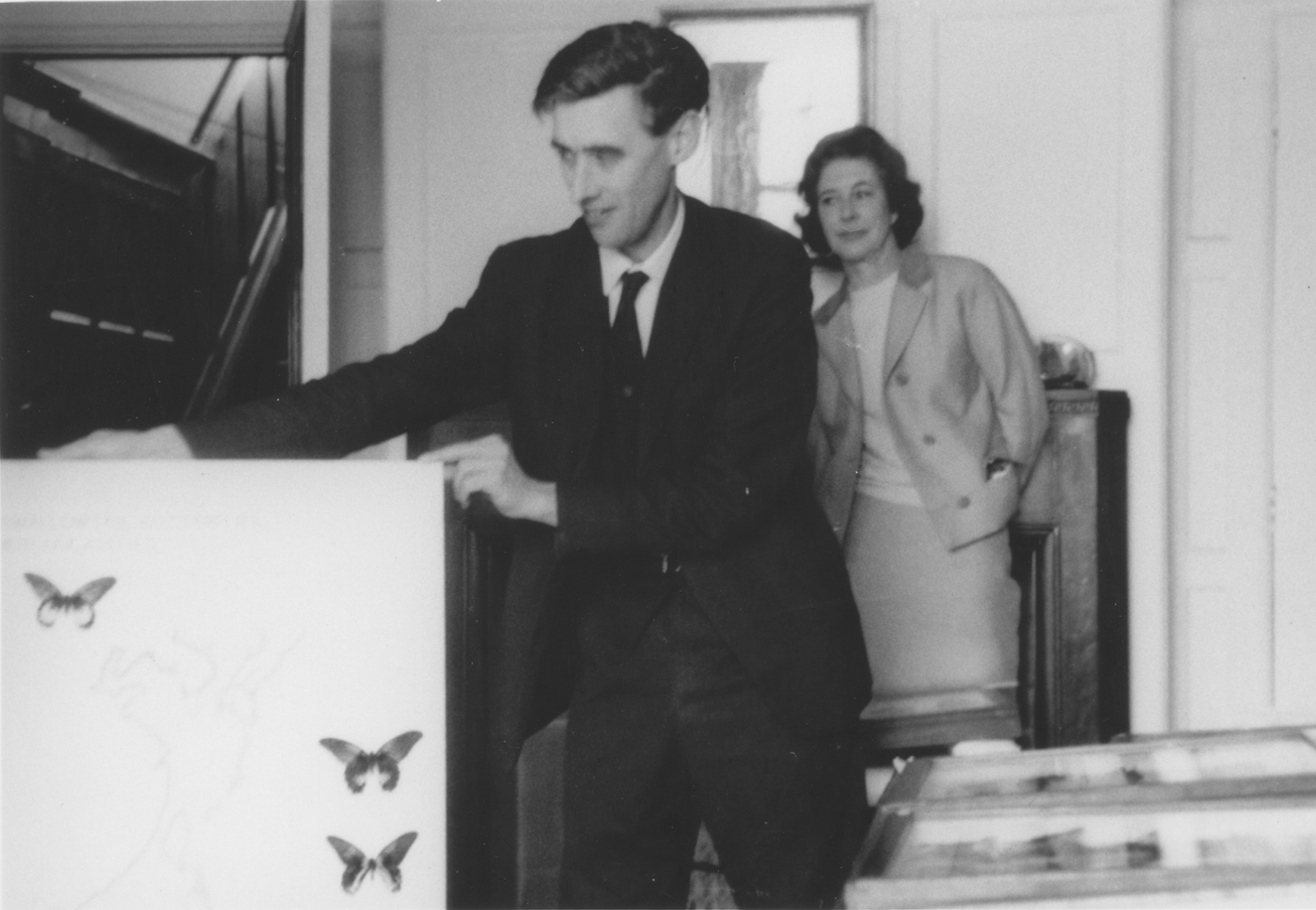
Philip Sheppard and Féo Clarke (c. early 1960s). Photograph courtesy of Dr Richard McConnell.
Outside their home, as the Liverpool scientific endeavours expanded, Féo's role in that work also increased. She was a constant companion to her husband and was with him at laboratory meetings and conferences. The physician–researchers most closely associated with the Liverpool group all mentioned her keen analytic mind and her extensive participation in all aspects of the work. Such aspects included carrying out genetic crosses, suggesting ways to fine-tune experiments and considering conclusions. She attended all the Rhesus-project group meetings and, according to McConnell, ‘made valuable contributions to all the discussions … having read and understood the relevant scientific literature, and, most importantly, remembered it’.Footnote 62 John Woodrow, another long-term member of the Liverpool school, maintained that ‘Féo Clarke … was involved with Cyril's work at every level and … was, I am sure, an indispensable collaborator in all aspects of his research activities.’Footnote 63 The Liverpool researchers have likened her to other women, such as Anne McKusick (Victor McKusick's wife) and Ruth Sanger (Robert Race's wife), who were themselves medically or scientifically trained and who had highly regarded professional careers in their own right. In sum, Cyril and Féo Clarke formed what their colleagues and research technicians have termed a ‘complete partnership’.
In the years following Cyril Clarke's retirement from the University of Liverpool, and especially after the death of Philip Sheppard, Féo became his closest collaborator in research efforts. Richard McConnell recalled that she ‘participated fully’ in the study of colour polymorphism in Biston betularia, the peppered moth, one of the main research activities in their later years.Footnote 64 She also worked on the Panaxia dominula (scarlet tiger moth) studies of the artificial colony established by Philip Sheppard in 1961 and then forgotten after his death in 1976. In 1988, quite by accident, Clarke found a bimacula female (a rare homozygote form of the scarlet tiger moth) caught in his moth trap. He tracked down the colony, which was still flourishing, and he and Féo then proceeded to derive data from it.Footnote 65 Féo was elected to the Council of the Royal Entomological Society in 1994 (until 1997), an honour that Cyril Clarke noted to others had ‘nothing to do with me’.Footnote 66 As Cyril Clarke aged, and his own intellectual vigour began to decline, Féo was regarded by their co-workers and co-authors as the partner most in charge of the scientific work and of the papers that ensued.
Cyril and Féo Clarke in their later years. Photograph courtesy of Dr Charles Clarke.
But despite such intense and continuous involvement, for most of her life she remained a singularly silent partner. In the literature there is mention of Féo in the acknowledgements sections of publications. For example, in the book he wrote in 1962 to introduce doctors to genetics, Cyril credited Féo as follows:
it is abundantly clear that [the book] would never have materialized had it not been for the immense amount of hard work done by my wife, who read, abstracted and checked the references, unravelled for me some most puzzling problems, made rough drafts of many chapters, discussed all the subject matter, fortified morale and somehow maintained a sense of humour throughout.Footnote 67
And in his book featuring a collection of papers tracing the origins and successful conclusion of the Rh story,Footnote 68 Cyril Clarke wrote, ‘I am also greatly indebted to my wife for much hard work and help – not only did she help with the selection of papers but provided first drafts for many of the commentaries.’ It is not clear who wrote the jacket copy for that book, but it does state there, ‘He has a wife who is actively engaged in helping with his research’, words he would have certainly have had to approve.
Over the years Féo had authored six papers under her own name on basic statistical techniques in genetics for entomologistsFootnote 69 and two on the Papilio memnon butterfly published in the Malayan Nature Journal.Footnote 70 With one exception (the Malayan Nature Journal paper that is co-authored with Cyril Clarke and Philip Sheppard), her name does not appear on any scientific publications with her husband until well after his retirement. It is only from 1983, when she was already in her seventies, until her death in 1998 that her name appears as a co-author with Cyril on twenty-one papers. She was never listed as the corresponding author, the person who is generally the research leader and the one to be contacted regarding publication decisions or with questions about the work.
Cyril Clarke's failure to recognize his wife's research contributions earlier is certainly a puzzle. He was always generous in the sharing of authorship credit. He had sought out and published several papers with women scientists (for example Ursula Mittwoch and Sylvia Lawler). And he was never reluctant to include skilled laboratory staff as co-authors. W.T.A. Donohoe, the Liverpool school's very able chief technician for twenty-two years, was an expert in serology and blood grouping who carried out much of the serology associated with the Rhesus project. He was seen by many as a major contributor to the success of the group, and he appears as a co-author on many publications. Donohoe's contributions are also mentioned in other contexts, such as talks and historical pieces. That Féo did not receive similar recognition may reflect a preference for putting only the names of scientifically qualified individuals on papers. Or it may be due to the fact that, despite all the time that she spent there, Féo never had an official appointment at the university or support from the Nuffield grant. And it is also quite possible that it was Féo's own natural reticence and her desire to put her husband first in all things – something Cyril Clarke as a traditional husband would not have questioned – that caused her to prefer to remain in the shadows.
There is one place where Cyril Clarke did give her full credit. In 1968, in an article in Scientific American,Footnote 71 in which Clarke details the steps that led to the prevention of Rh disease of the newborn, he includes the following anecdote:
For months I puzzled over the problem with my colleagues Sheppard and Richard B. McConnell. One night my wife, who had taken a keen interest in our work, woke me from a sound sleep and said: ‘Give them anti-Rh.’ Now nothing is more irritating to a physician than to be awakened in the middle of the night and told how to manage his medical affairs. In a huff I replied, ‘It is anti-Rh we are trying to prevent them from making,’ and turned over and went to sleep again. In the clear light of morning, infuriatingly, the idea began to make sense … I discussed the proposal with my colleagues, and we decided to test it.
According to this account, then, it was Féo who came up with the original idea of using anti-Rh antibody and thus was the stimulus for the major breakthrough that enabled the protection of Rh-negative mothers and their Rh-positive babies. This account tallies with Philip Sheppard's recollectionFootnote 72 that it was Clarke who first brought the idea to him. And it is supported by colleagues and co-workersFootnote 73 who heard mention of it in later years from Féo herself. However, it is at odds with the memories of others in the group. Ronald Finn, whose research on foetal cells in maternal blood provided the crucial experimental data, is also credited with coming up with the idea and referred to it in a talk he gave at the Liverpool Institution. The published summary of that talk states,
Dr. Finn tentatively suggested that it might be possible to destroy any foetal red cells found in the maternal circulation following delivery by means of a suitable antibody. If successful, this would prevent the development of erythroblastosis, so mimicking the natural protection afforded by ABO incompatibility.Footnote 74
Though Finn could not recall if, in the talk itself, he specifically mentioned that anti-D would be the suitable antibody, Richard McConnell and David Weatherall, present at the time, recall that he did.
When Cyril Clarke's account was called into question by medical historian David R. Zimmerman,Footnote 75 Clarke was so offended at the implication that he was unfairly seeking credit for himself that he fired off a letter to Zimmerman asserting that the story was true and offering the view that ‘I say I gave Ronald the idea, and he says he thought of it himself. Both may be true – as Philip Sheppard suggested in his letter to you – after all, the Americans had the idea independently.’Footnote 76 In 2004, thinking back on the origins of this key idea, Finn offered the following explanation:
I don't think Cyril would ever tell a lie … [At] the meeting of the Medical Institution in Liverpool in February 1960, when I first mentioned that we might consider preventing rhesus disease with Anti-D, this was a throwaway remark at the end of the paper. My hypothesis is that it didn't register with Cyril at all; he didn't hear it. But then the next thing that … happened is that Cyril decided to write this up … And Cyril and Féo used to write things up together but I suspect that very often Cyril said, ‘I am busy today, Féo, you write it up.’ Then Féo would have come across the sentence about preventing Rh haemolytic disease, and, being Féo, she would have thought about it and worked out what it meant, and then she would have told Cyril … So I believe that the first time Cyril did hear the idea was from Féo.Footnote 77
However one resolves this disagreement about priority, it does establish that Féo Clarke was closely connected to the Rhesus research and she certainly appears to be one key source for proposing the idea of how to prevent Rhesus haemolytic disease. The Lasker prize committee gave its 1980 award to both Finn and Clarke, as well as to the three members of the American team (Vincent Freda, John Gorman and William Pollack) which pursued a similar approach.
The partnership with Féo was a fruitful one. Even though Cyril Clarke actively collaborated with others after the death of Sheppard in 1976 (among them David West, Bruce Grant, Laurence Cook and D.F. Owen), it was Féo who was his most constant and productive collaborator. With her sudden death in 1998, this partnership came to an end. It was then, his own health in decline, that Cyril Clarke's scientific career ended. He died two years later after spending nearly all the remainder of his life in a nursing home.
Conclusion
The history of the Liverpool school provides an opportunity to explore the ways partnerships contribute to scientific success. At the same time, it may also hold some cautionary lessons about the limitations inherent in such research relationships.
The most prominent feature that permitted the Liverpool school to achieve its remarkable productivity was that it was not based on a single partnership. It was, in fact, a set of interlocking partnerships, each of which supported the others. All were directed toward the same overarching goal: using genetic tools, anchored in butterfly research, to gain an understanding of the genetic basis of common human disorders. The linchpin that held the separate partnerships together was Cyril Clarke himself. Though regarded by his colleagues as somewhat socially awkward, Clarke's success in this role has been attributed to his ‘unquenchable curiosity’,Footnote 78 his ability to recognize talent and attract outstanding people,Footnote 79 and his success in encouraging the researchers and garnering the resources needed to support ongoing work.
To each partnership, the individuals who collaborated with him brought their own special skills, such as in the breeding of butterflies (Féo Clarke), in improving experimental design and providing statistical analysis (Philip Sheppard), or by contributing special resources (such as the educational opportunities provided by McKusick at Johns Hopkins or the financial support given by the Nuffield Foundation). Much of the Liverpool school's considerable success must have been due to an atmosphere of respect and mutual regard that promoted open and honest exchanges and overrode any scientific disagreements or episodes of interpersonal discord – even when Sheppard ‘tore to pieces the design’ of experiments.Footnote 80 The archival record reveals no signs of struggle over authorship, no evidence of conflict with disaffected students, and no hints of any behind-the-scenes infighting or miffed feelings that can cause joint efforts to deteriorate.
Why, then, did the Liverpool school disappear as an entity? Of course, scientific partnerships are typically limited in scope and are never intended to last in perpetuity. But what is unusual in this case is that the decline of the Liverpool School began even as the field of medical genetics was beginning to grow and make its mark in many areas of clinical medicine. Under these circumstances, why did the Liverpool school fade just as the field it had helped to create began to thrive? There are several possible reasons.
The first has to do with the amount of time that it takes partnerships to solidify into more enduring research institutions. At Johns Hopkins University, Victor McKusick had a long career extending over more than sixty years. McKusick was able to stay active in genetic research for decades and continue to extend the range of his contributions through the extensive genetic-disease database that he developed, his support for the Human Genome Project, and the summer course in medical genetics which he started at Bar Harbor in 1960. This allowed him time to put down deep roots, and gave him ample opportunity to nurture and expand programmes until they could stand on their own. In contrast, Clarke's own scientific career was limited by his late start in academic medicine and by his retirement at age sixty-five, giving him only fourteen years to develop and reinforce an institutional presence. Though he continued to be highly productive after his retirement, he was no longer in a position to play a leadership role as the Nuffield Unit of Medical Genetics was transitioning into the Department of Medicine. His successor, David Price Evans, apparently did not have the same flair for recognizing talent or the same commitment, even moving his office away from the former Nuffield Unit into the Department of Medicine itself. When, in 1983, Price Evans left Liverpool to become director of medicine at the Armed Forces Hospital in Riyadh, Saudi Arabia, his replacement as professor of medicine, R.H.T. Edwards, brought in interests in muscle metabolism and physiology. Thus, in the absence of a clear plan for ensuring the integrity of the unit after the Nuffield grant ended, changes in leadership in the Department of Medicine meant that, over time, there was a diminished institutional commitment. The resources allotted to it were reduced and space was directed, piece by piece, to other uses.
Another reason for the failure of the Liverpool school to establish more enduring institutional arrangements, arrangements that could transcend the partnership commitments of any set of individuals, could be related to Clarke's own view of the role of genetics in medicine. Unlike McKusick and others who saw medical genetics as worthy of being developed into a separate medical speciality, Clarke felt strongly that genetics should be thoroughly integrated into standard medical practice and become part of the knowledge base of every physician. As a result, he resisted efforts to establish medical genetics as a separate speciality within medicine. Thus when regional genetics services were being established by the National Health Service in the 1970s, those associated with the Liverpool school did not embrace that opportunity and, consequently, became less visible.Footnote 81
Finally, it may be that, despite the successes it achieved – or perhaps because of them – the Liverpool school remained locked into the holistic intellectual framework provided by ecological genetics, with its continued emphasis on the Lepidoptera as model genetic organisms. This natural tendency to keep with what has worked before may ultimately have hindered the Liverpool school's own ability to evolve, to stay in the forefront of an international research environment that was increasingly relying on more reductionist approaches and favouring model organisms much easier to maintain and manipulate in laboratory settings. In the last decades of the twentieth century, prokaryotic organisms such as bacteria (Escherichia coli) and eukaryotic organisms such as the fruit fly (Drosophila melanogaster) and the mouse (Mus musculus) were being studied intensively and the results mined for clues about gene organization and mechanisms of gene function in humans, as well as for possible modes of intervention that could alter gene activity. The decoding of the genetic material of these model organisms has provided a valuable database for comparison with the human genome. Thus the very successes that brought the Liverpool school to the forefront may have made it resistant to adopting new theoretical approaches and newer experimental tools as the field of medical genetics expanded.
The Liverpool school is gone. Its signature rooftop greenhouse was dismantled in 1998. Yet many of its research contributions, and those of its alumni who became leaders in medical genetics throughout the UK,Footnote 82 still stand as important landmarks in medical genetics. One can only wonder what more could have been accomplished had it endured.