Refine search
Actions for selected content:
31 results in Arthurian Studies

Studies in Arthurian and Chronicle Traditions in Memory of Fiona Tolhurst
- Quondam et Futurus
-
- Published by:
- Boydell & Brewer
- Published online:
- 25 June 2026

Perceforest
- The Prehistory of King Arthur's Britain
-
- Published by:
- Boydell & Brewer
- Published online:
- 14 May 2024
- Print publication:
- 17 March 2011

Local Place and the Arthurian Tradition in England and Wales, 1400-1700
-
- Published by:
- Boydell & Brewer
- Published online:
- 21 February 2024
- Print publication:
- 21 November 2023

Ethics in the Arthurian Legend
-
- Published by:
- Boydell & Brewer
- Published online:
- 10 January 2024
- Print publication:
- 11 July 2023

Arthurian Bibliography
-
- Published by:
- Boydell & Brewer
- Published online:
- 09 January 2024
- Print publication:
- 07 November 2002

New Directions in Arthurian Studies
-
- Published by:
- Boydell & Brewer
- Published online:
- 03 May 2023
- Print publication:
- 01 July 2002

A Companion to Chrétien de Troyes
-
- Published by:
- Boydell & Brewer
- Published online:
- 23 March 2023
- Print publication:
- 11 August 2005

Parzival
- With Titurel and the Love Lyrics
-
- Published by:
- Boydell & Brewer
- Published online:
- 23 March 2023
- Print publication:
- 01 October 2002

A History of Arthurian Scholarship
-
- Published by:
- Boydell & Brewer
- Published online:
- 18 March 2023
- Print publication:
- 16 February 2006

The Scots and Medieval Arthurian Legend
-
- Published by:
- Boydell & Brewer
- Published online:
- 18 March 2023
- Print publication:
- 24 April 2005

The Legend of the Grail
-
- Published by:
- Boydell & Brewer
- Published online:
- 18 March 2023
- Print publication:
- 15 June 2004
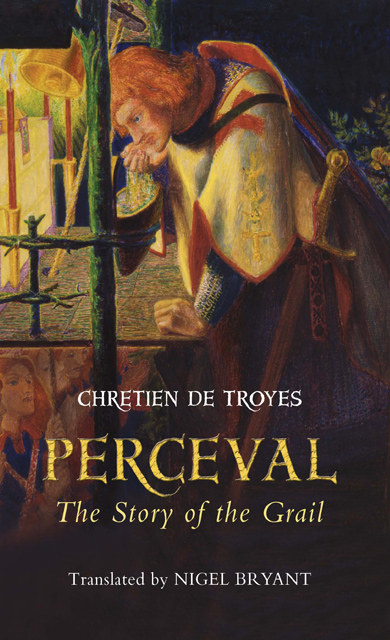
Perceval
- The Story of the Grail
-
- Published by:
- Boydell & Brewer
- Published online:
- 18 March 2023
- Print publication:
- 14 September 2006

A Companion to the Lancelot-Grail Cycle
-
- Published by:
- Boydell & Brewer
- Published online:
- 17 March 2023
- Print publication:
- 01 January 2002

The History of the Kings of Britain
- An Edition and Translation of the Britonum [Historia Regum Britanniae]
-
- Published by:
- Boydell & Brewer
- Published online:
- 10 March 2023
- Print publication:
- 15 November 2007
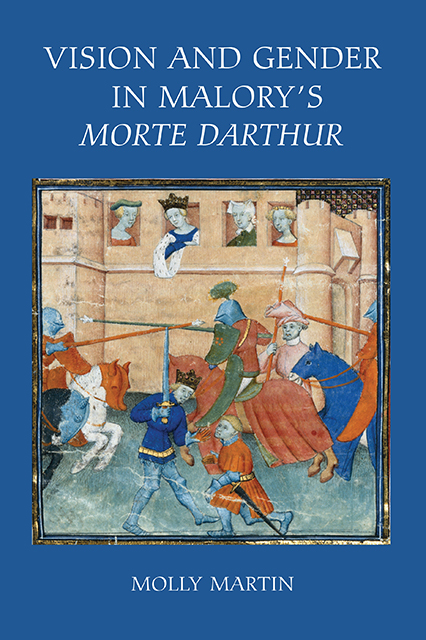
Vision and Gender in Malory's Morte Darthur
-
- Published by:
- Boydell & Brewer
- Published online:
- 01 March 2023
- Print publication:
- 16 September 2010

The Interlace Structure of the Third Part of the Prose Lancelot
-
- Published by:
- Boydell & Brewer
- Published online:
- 18 February 2023
- Print publication:
- 18 November 2010
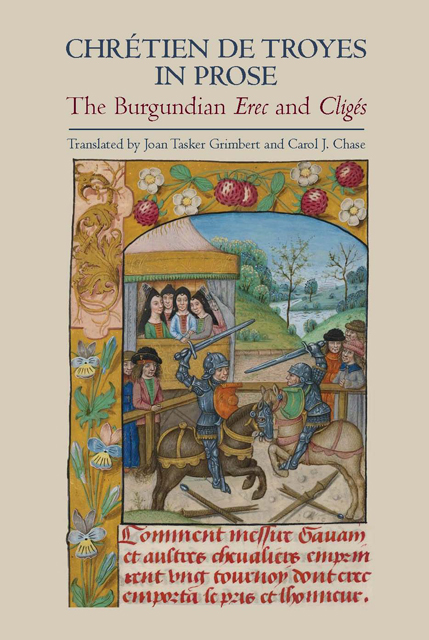
Chrétien de Troyes in Prose
- The Burgundian Erec and Cligés
-
- Published by:
- Boydell & Brewer
- Published online:
- 14 February 2023
- Print publication:
- 21 July 2011

Castles and Space in Malory's Morte Darthur
-
- Published by:
- Boydell & Brewer
- Published online:
- 20 January 2023
- Print publication:
- 15 February 2019
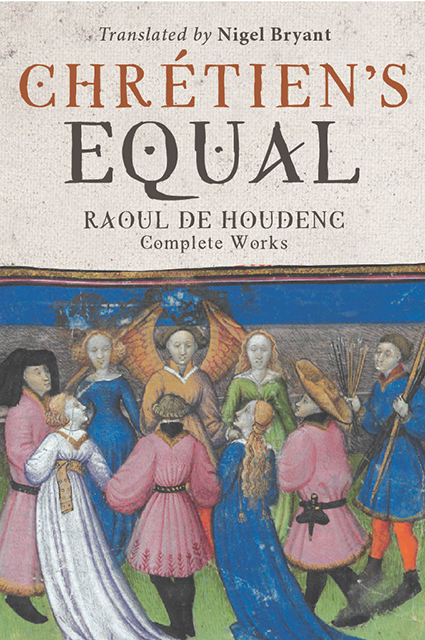
Chrétien's Equal: Raoul de Houdenc
- Complete Works
-
- Published by:
- Boydell & Brewer
- Published online:
- 14 January 2023
- Print publication:
- 06 August 2021

Wirnt von Gravenberg's Wigalois
- Intertextuality and Interpretation
-
- Published by:
- Boydell & Brewer
- Published online:
- 07 October 2022
- Print publication:
- 24 February 2005
