Refine search
Actions for selected content:
26 results in Studies in the History of Medieval Religion

The Reception of Papal Legates in England, 1170-1250
- Narrating the Adventus Ceremony
-
- Published by:
- Boydell & Brewer
- Published online:
- 26 June 2026
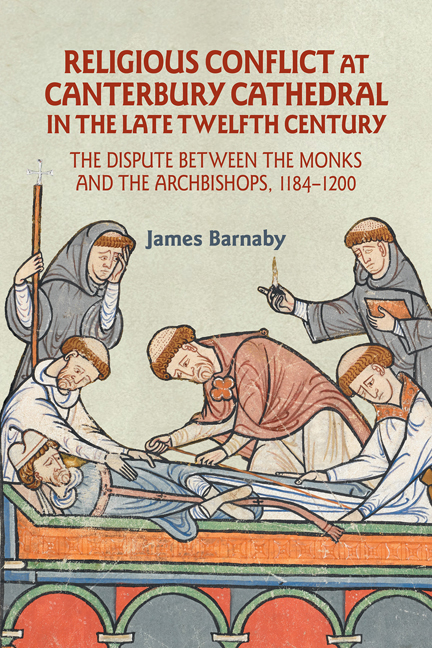
Religious Conflict at Canterbury Cathedral in the Late Twelfth Century
- The Dispute between the Monks and the Archbishops, 1184-1200
-
- Published by:
- Boydell & Brewer
- Published online:
- 09 May 2024
- Print publication:
- 21 May 2024
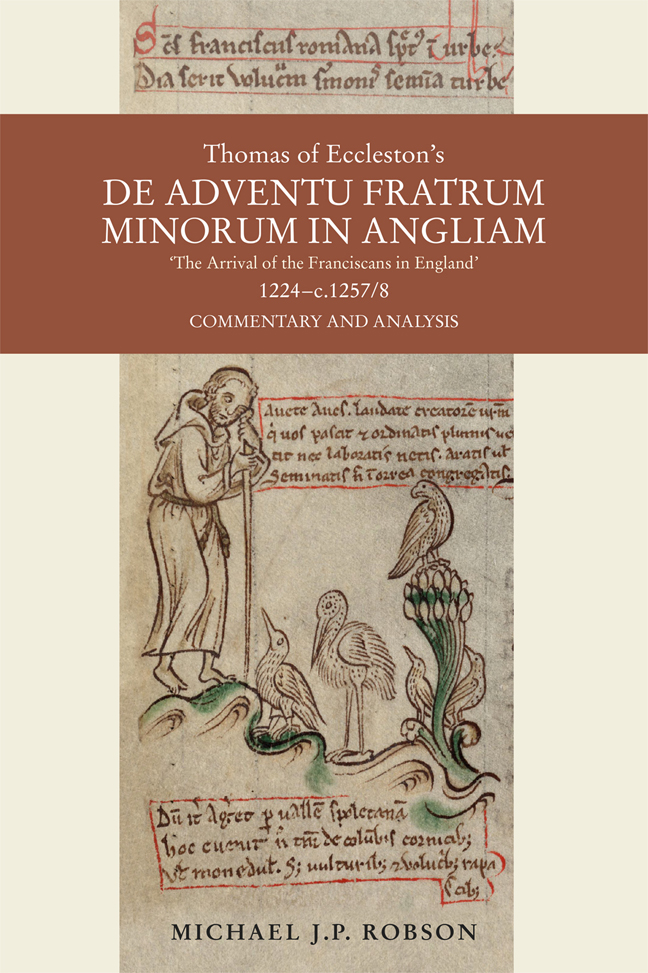
Thomas of Eccleston's De adventu Fratrum Minorum in Angliam 'The Arrival of the Franciscans in England', 1224-c. 1257/8
- Commentary and Analysis
-
- Published by:
- Boydell & Brewer
- Published online:
- 02 March 2024
- Print publication:
- 08 August 2023
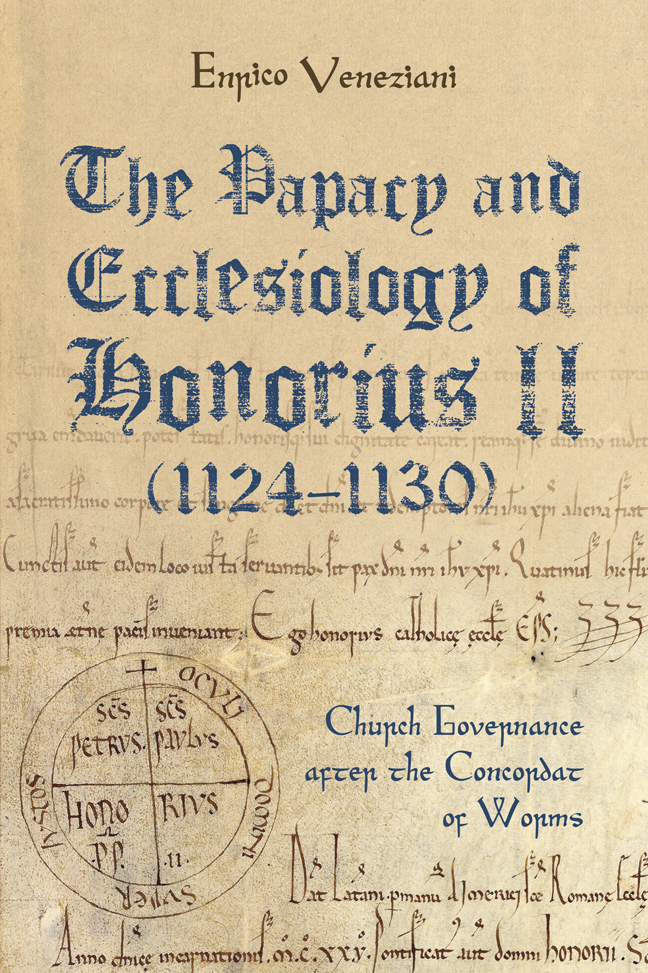
The Papacy and Ecclesiology of Honorius II (1124-1130)
- Church Governance after the Concordat of Worms
-
- Published by:
- Boydell & Brewer
- Published online:
- 09 January 2024
- Print publication:
- 07 March 2023
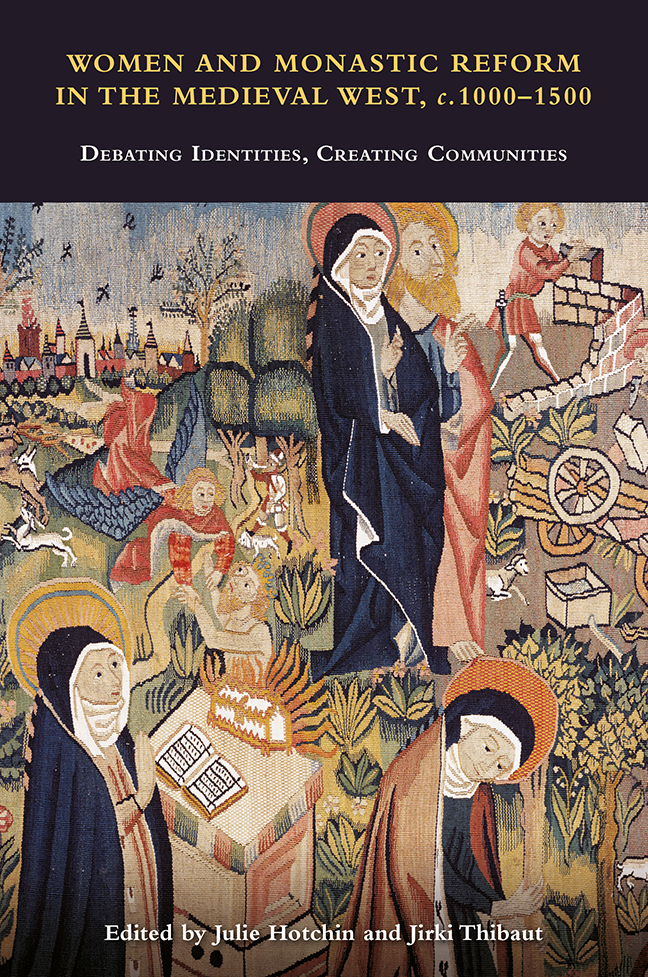
Women and Monastic Reform in the Medieval West, c.1000-1500
- Debating Identities, Creating Communities
-
- Published by:
- Boydell & Brewer
- Published online:
- 09 January 2024
- Print publication:
- 04 April 2023
-
- Book
- Export citation
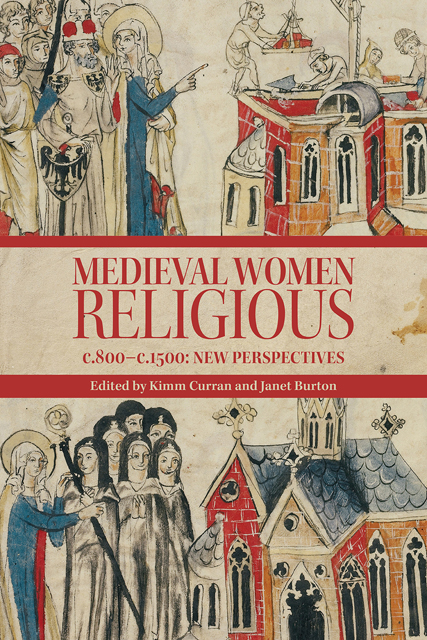
Medieval Women Religious, c.800-c.1500
- New Perspectives
-
- Published by:
- Boydell & Brewer
- Published online:
- 08 June 2023
- Print publication:
- 24 January 2023
-
- Book
- Export citation

Leper Knights
- The Order of St Lazarus of Jerusalem in England, c.1150-1544
-
- Published by:
- Boydell & Brewer
- Published online:
- 25 March 2023
- Print publication:
- 06 April 2003

Inward Purity and Outward Splendour
- Death and Remembrance in the Deanery of Dunwich, Suffolk, 1370-1547
-
- Published by:
- Boydell & Brewer
- Published online:
- 22 March 2023
- Print publication:
- 15 July 2001

The Culture of Medieval English Monasticism
-
- Published by:
- Boydell & Brewer
- Published online:
- 10 March 2023
- Print publication:
- 20 September 2007
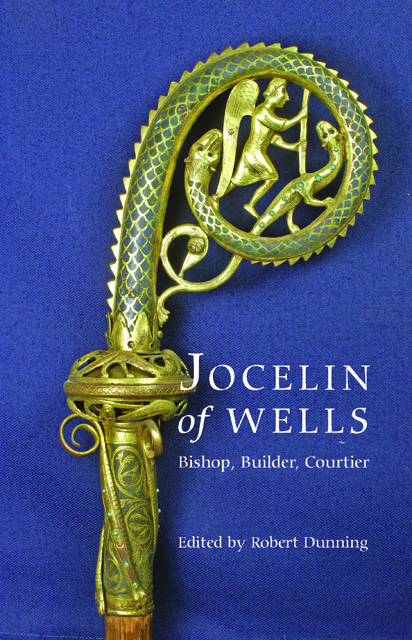
Jocelin of Wells
- Bishop, Builder, Courtier
-
- Published by:
- Boydell & Brewer
- Published online:
- 02 March 2023
- Print publication:
- 15 July 2010
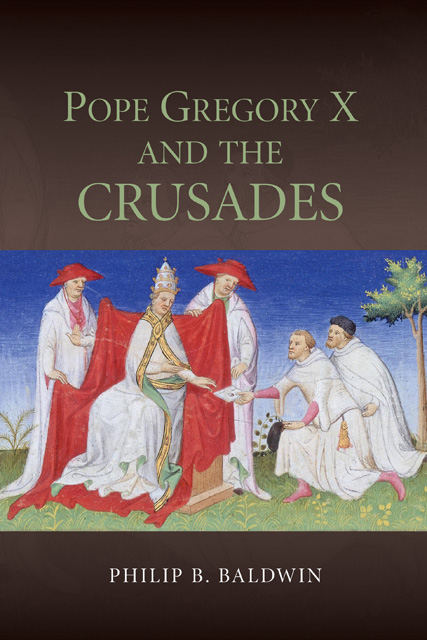
Pope Gregory X and the Crusades
-
- Published by:
- Boydell & Brewer
- Published online:
- 28 February 2023
- Print publication:
- 15 May 2014
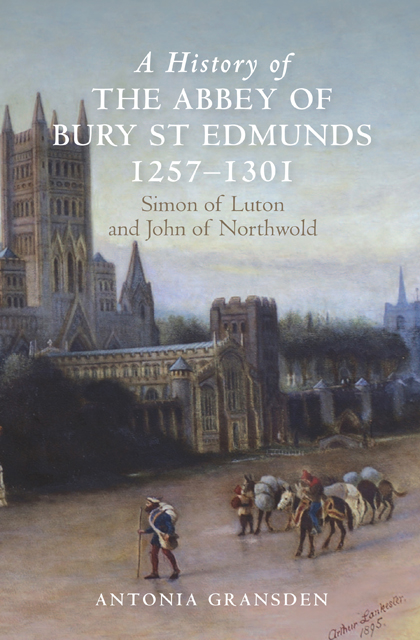
A History of the Abbey of Bury St Edmunds, 1257-1301
- Simon of Luton and John of Northwold
-
- Published by:
- Boydell & Brewer
- Published online:
- 22 February 2023
- Print publication:
- 21 May 2015
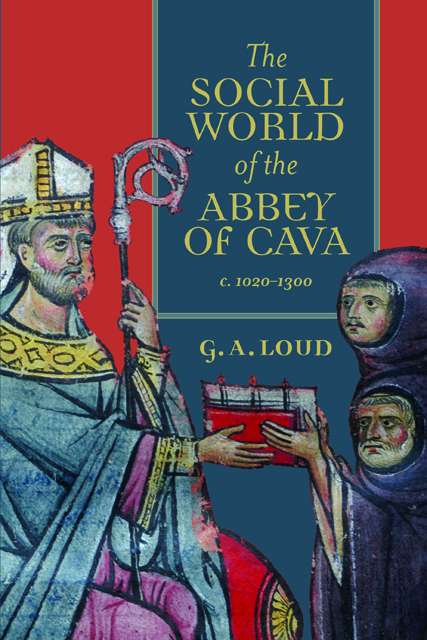
The Social World of the Abbey of Cava, c. 1020-1300
-
- Published by:
- Boydell & Brewer
- Published online:
- 14 January 2023
- Print publication:
- 18 August 2021
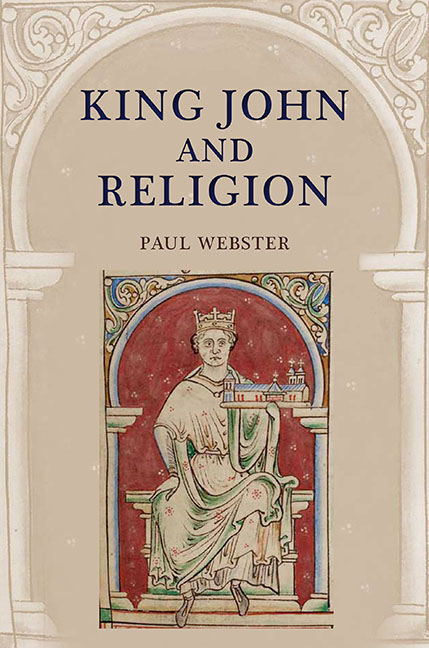
King John and Religion
-
- Published by:
- Boydell & Brewer
- Published online:
- 07 May 2022
- Print publication:
- 18 June 2015
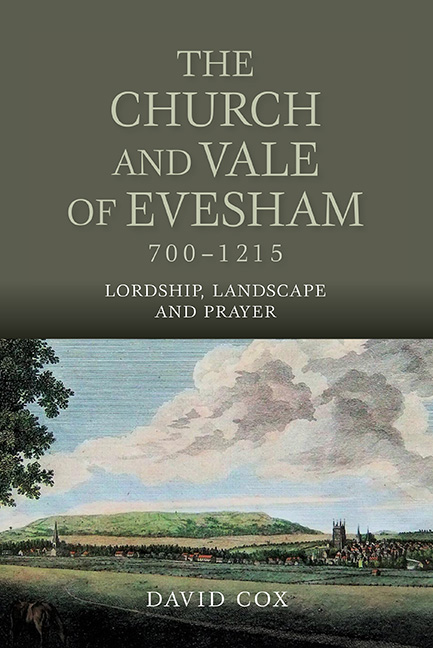
The Church and Vale of Evesham, 700-1215
- Lordship, Landscape and Prayer
-
- Published by:
- Boydell & Brewer
- Published online:
- 11 May 2021
- Print publication:
- 19 November 2015

St Stephen s College Westminster
- A Royal Chapel and English Kingship, 1348–1548
-
- Published by:
- Boydell & Brewer
- Published online:
- 28 April 2020
- Print publication:
- 17 April 2020
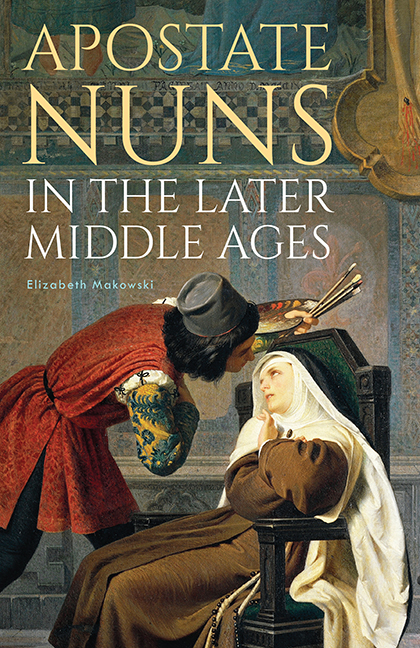
Apostate Nuns in the Later Middle Ages
-
- Published by:
- Boydell & Brewer
- Published online:
- 18 September 2019
- Print publication:
- 21 September 2019
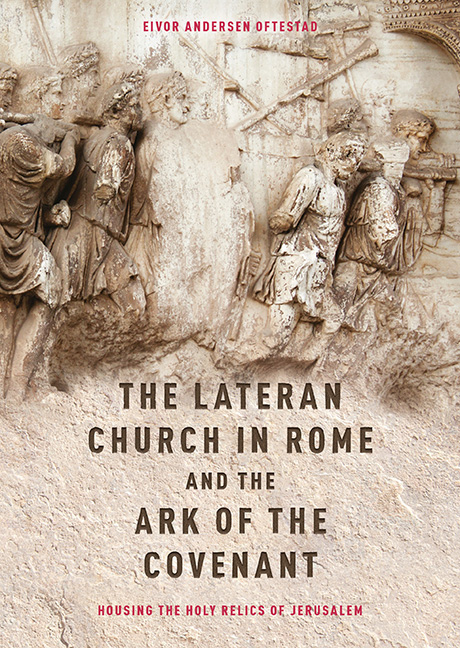
The Lateran Church in Rome and the Ark of the Covenant: Housing the Holy Relics of Jerusalem
- with an Edition and Translation of the Descriptio Lateranensis Ecclesiae (BAV Reg. Lat. 712)
-
- Published by:
- Boydell & Brewer
- Published online:
- 31 August 2019
- Print publication:
- 15 March 2019
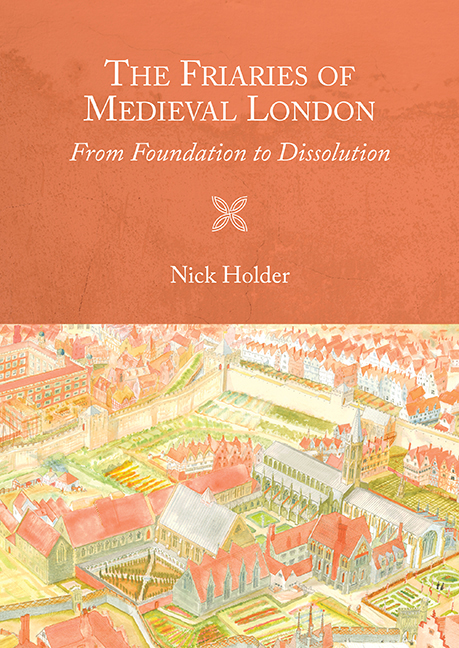
The Friaries of Medieval London
- From Foundation to Dissolution
-
- Published by:
- Boydell & Brewer
- Published online:
- 16 May 2018
- Print publication:
- 31 October 2017
The Foundations of Medieval English Ecclesiastical History
- Studies Presented to David Smith
-
- Published by:
- Boydell & Brewer
- Published online:
- 24 October 2017
- Print publication:
- 10 November 2005
