Women and Gender in German Studies focuses on the literary contributions of German-speaking women from the eighteenth to the twenty-first centuries, as well as feminist approaches to canonical literature.
To save content items to your account,
please confirm that you agree to abide by our usage policies.
If this is the first time you use this feature, you will be asked to authorise Cambridge Core to connect with your account.
Find out more about saving content to .
To save content items to your Kindle, first ensure no-reply@cambridge.org
is added to your Approved Personal Document E-mail List under your Personal Document Settings
on the Manage Your Content and Devices page of your Amazon account. Then enter the ‘name’ part
of your Kindle email address below.
Find out more about saving to your Kindle.
Note you can select to save to either the @free.kindle.com or @kindle.com variations.
‘@free.kindle.com’ emails are free but can only be saved to your device when it is connected to wi-fi.
‘@kindle.com’ emails can be delivered even when you are not connected to wi-fi, but note that service fees apply.
Analyzes the role of emotions in the religious lives of women from across Germany and Europe from the nineteenth century to the 1970s.
Scholarship on women and religion has focused primarily on the intersection between women's religious engagement and their emancipation. This volume goes beyond that to examine the vital role religion has played in the private and public lives of German and European women. Because emotions are central to the expression of religiosity, it draws on approaches from the history of emotions to examine how women understood, felt and practiced religion in their search for meaning.
Spanning from the nineteenth century to the 1970s, the volume's essays show how religion helped women make sense of their lives. It also illuminates the degree to which women used religion and its attendant emotional scripts to shape modern society and how religious discourses in turn shaped women's emotions and comportment in the public sphere. The volume builds on recent research that shows that religion-especially the religiosity of women-remained a pressing public concern in modern Europe. From anxieties over the religiosity of Bavarian servants to restrictive norms imposed on Jewish widows, from the interfaith commitments of kindergarten teachers to the autobiographical narratives of aspiring Protestant deaconesses, from the suffering of stigmatics in Germany and Belgium to Irish women's public narratives of their religiosity, this book reveals how women's faith and attendant religious emotions have been central to their public and private lives.
Essays by feminist scholars of German Studies looking at how women-particularly women of color-have put their anger to use in German-language cultural production and how they themselves might do so in their scholarship.
In Germany and in Western culture more broadly, women experience anger in response to misogyny, racism, and other injustice, but open expression of that anger is often considered unwomanly. Yet a rich tradition of feminist thinkers of color-including Audre Lorde, Brittney Cooper, Amia Srinivasan, and Sara Ahmed-understands anger as energizing and imperative for structural change. How might we cultivate an anger that is affirming, inclusive, legitimate, creative, animating, and most of all, feminist?
This volume of essays by feminist scholars of German Studies-writing in dialogue with such thinkers while acknowledging their own largely white, privileged positionalities-looks at how women have put their anger to use in German-language cultural production and how they themselves might do so in their scholarship. The eleven contributions approach the topic of female anger intersectionally and transnationally. They examine angry women in the contexts of politics, activism, philosophy, economics, race, nationality, sexuality, illness, and humour. Covering a wide array of genres and discussing works from the eighteenth to the twenty-first centuries, they explore creators including writers, filmmakers, comedian/activists, musicians, and journalists. They investigate the tensions between the emotion of anger and the practice of being an angry woman, global responses to anger, and artistic representations of angry women in Germany, Austria, and Switzerland.
The first English translation of Fontane's late, posthumously published novel, featuring the eponymous, complex heroine and confronting issues regarding gender roles and marriage that still resonate today.
Reveals how socialist discourses and psychoanalytic ideas shaped the modern models of motherhood envisioned by women writers working in the Weimar press and literary spheres.
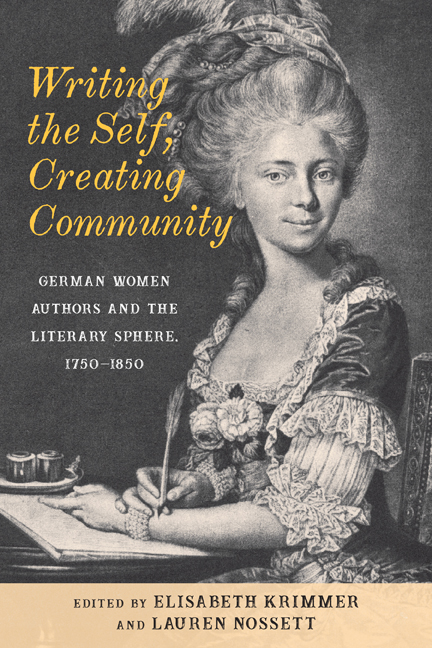
Examines a variety of texts from late Enlightenment Germany to provide a nuanced rethinking of women's roles as wives, mothers, and housekeepers, creators of the cultural spaces of the home.
Examines portrayals of plants and landscapes in recent German novels and films, addressing the contemporary forms of racism, nationalism, and social and ecological injustice that they expose.
First English translations of two early feminist short-story collections, shedding light on the 'woman question' at the turn of the twentieth century and relating to today's #MeToo movement.
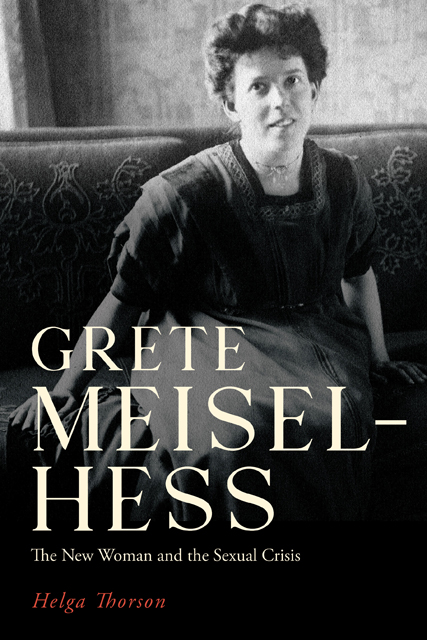
This first book in English on Meisel-Hess, an early feminist voice in modernist discourse, illustrates the dynamic interplay between gender, sexuality, and race/ethnicity in Austrian and German modernism.
First English translation of the memoirs of Austrian Romani Holocaust survivor, writer, visual artist, musician, and activist Ceija Stojka (1933-2013), along with poems, an interview, historical photos, and reproductions of her artworks.
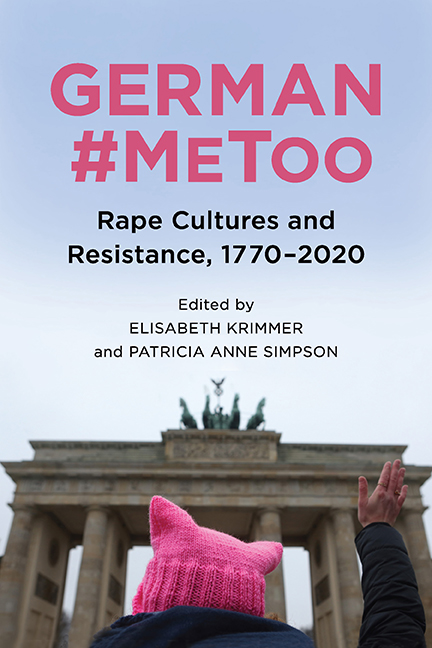
This volume of new essays represents a collective, academic, and activist effort to interpret German literature and culture in the context of the international #MeToo movement, illustrating and interrogating the ways that 'rape cultures' persist.
By exploring the concept of the 'tender gaze' in German film, theater, and literature, this volume's contributors illustrate how perspective-taking in works of art fosters empathy and prosocial behaviors.
The first English translation of a presciently modern portrayal of emerging feminist sensibilities in a nineteenth-century family, by one of Germany's leading pre-First World War writers
Emphasizing the role of and portrayal of emotion, this study argues for the inclusion of six late-eighteenth-century German language novels by and about women in a revised canon.
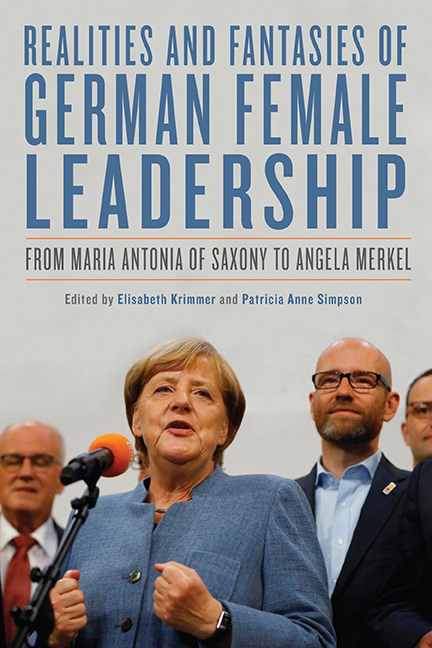
A collection of essays achieving a deeper understanding of the historical roots and theoretical assumptions that inform the realities and fantasies of German female leadership.
Explores the process of "becoming woman" through an analysis of the depiction of girls and young women in contemporary Anglo-American and German literary texts.
Recommend this
Email your librarian or administrator to recommend adding this to your organisation's collection.