We partner with a secure submission system to handle manuscript submissions.
Please note:
You will need an account for the submission system, which is separate to your Cambridge Core account. For login and submission support, please visit the
submission and support pages.
Please review this journal's author instructions, particularly the
preparing your materials
page, before submitting your manuscript.
Click Proceed to submission system to continue to our partner's website.
To save this undefined to your undefined account, please select one or more formats and confirm that you agree to abide by our usage policies. If this is the first time you used this feature, you will be asked to authorise Cambridge Core to connect with your undefined account.
Find out more about saving content to .
To send this article to your Kindle, first ensure no-reply@cambridge.org is added to your Approved Personal Document E-mail List under your Personal Document Settings on the Manage Your Content and Devices page of your Amazon account. Then enter the ‘name’ part of your Kindle email address below. Find out more about sending to your Kindle.
Find out more about saving to your Kindle.
Note you can select to save to either the @free.kindle.com or @kindle.com variations. ‘@free.kindle.com’ emails are free but can only be saved to your device when it is connected to wi-fi. ‘@kindle.com’ emails can be delivered even when you are not connected to wi-fi, but note that service fees apply.
Ancient stone monuments may have marked the locations of key ritual activities for pastoralist communities. This project is the first to employ multi-method geophysical survey to identify additional features of construction and use at the Chalcolithic-period Rajajil Columns site in northern Saudi Arabia.
Recent investigations in north-west Arabia have revealed that many major oases in the region were enclosed by a network of monumental walls. Confirmation of four newly identified walled oases demonstrates that this Walled Oases Complex had a substantial impact on long-term socioeconomic development in the region.
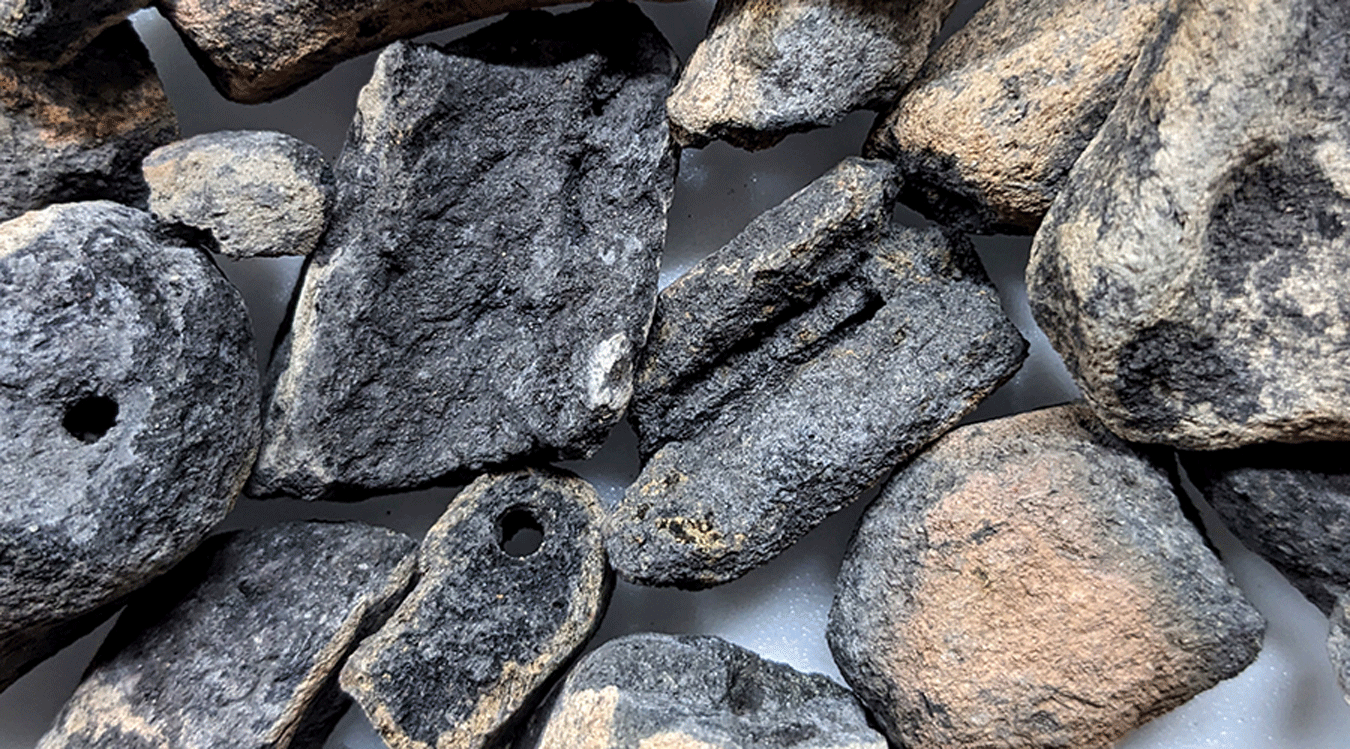
Multidisciplinary methods permit the first archaeometallurgical study of artefacts from five key first-millennium BC settlements in Poland: Grzybiany, Wicina, Kamieniec, Tarławki and Mołtajny. This project fills a lacuna in our understanding of technical ceramics, metal provenance and the role of settlements in the cultural landscape.
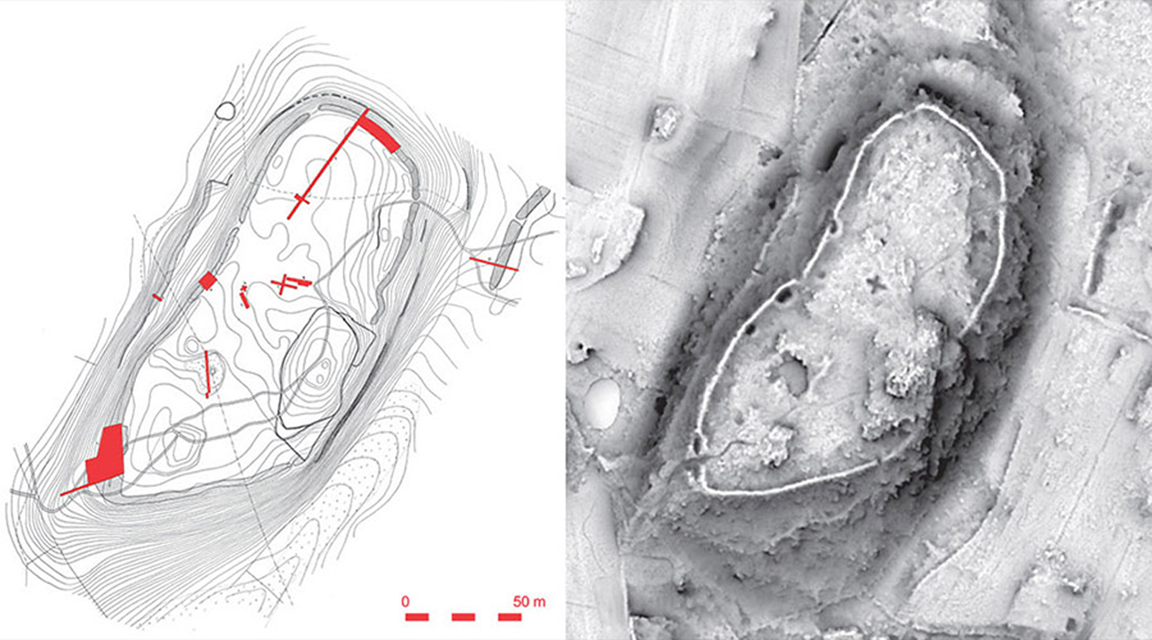
Fortified Island (FORTIS) examines Iron Age fortifications on the island of Bornholm to assess their characters, locations and chronologies. Through a multimethod approach, the project deepens our understanding of fortifications in relation to their physical and cultural landscapes, both on Bornholm and in the Baltic Sea Region more generally.
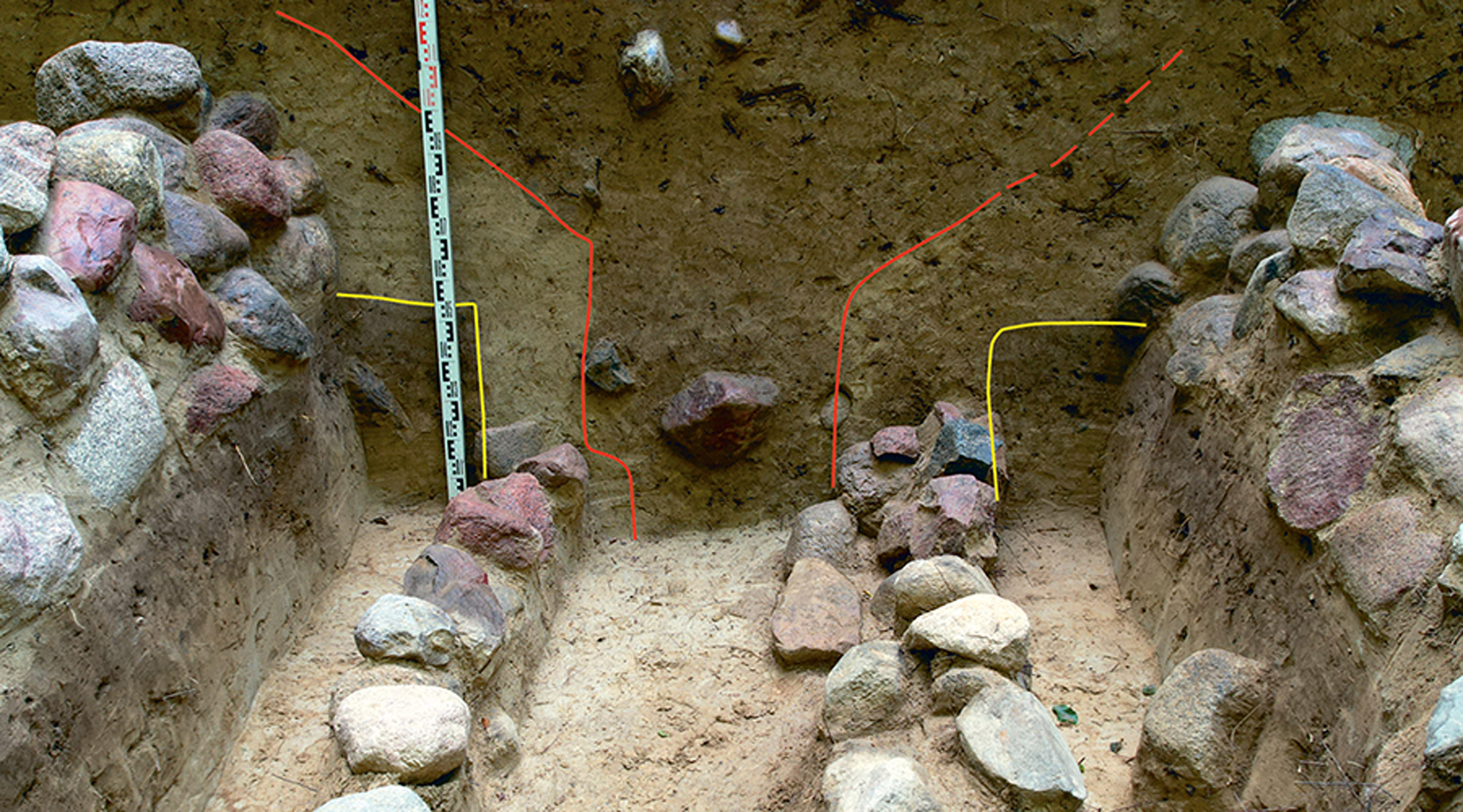
In 2022, a project was initiated to investigate the cemetery at Nowy Chorów, northern Poland, with Orzeszkowo-type (rectangular) burial mounds. During the excavations, both inhumation and cremation graves were uncovered, along with elements of elite grave goods and evidence of the reopening of the graves.
The early medieval stronghold of Grzybowo, Wielkopolska, was a large complex, comprising two strongholds and an extensive outer settlement, with numerous elite movable monuments. Excavations suggest that this was an important site for the ruling dynasty, with analogies for this form of central stronghold found in Ruthenia and Bohemia.
Medieval elite culture is often difficult to grasp among archaeological records from settlement sites. A silver-gilt amethyst setting, probably part of a brooch, from the moat of Castle Kolno in Poland represents an unusual high-status find from a context related to everyday activity.
This study explores early domestic life at the historic Yoruba site of Orile-Owu. Excavations and ethnography reveal insights into diet and food processing, medicinal practices and the daily routines of occupants during the mid-fifteenth to mid-seventeenth centuries AD.
Since 2015, four non-invasive campaigns have surveyed the San José Galleon shipwreck in the Colombian Caribbean, providing valuable insights into the age and provenance of artefacts found on the seabed. Numismatic, archaeological and historical approaches have been employed to analyse a collection of gold coins recorded within this underwater context.
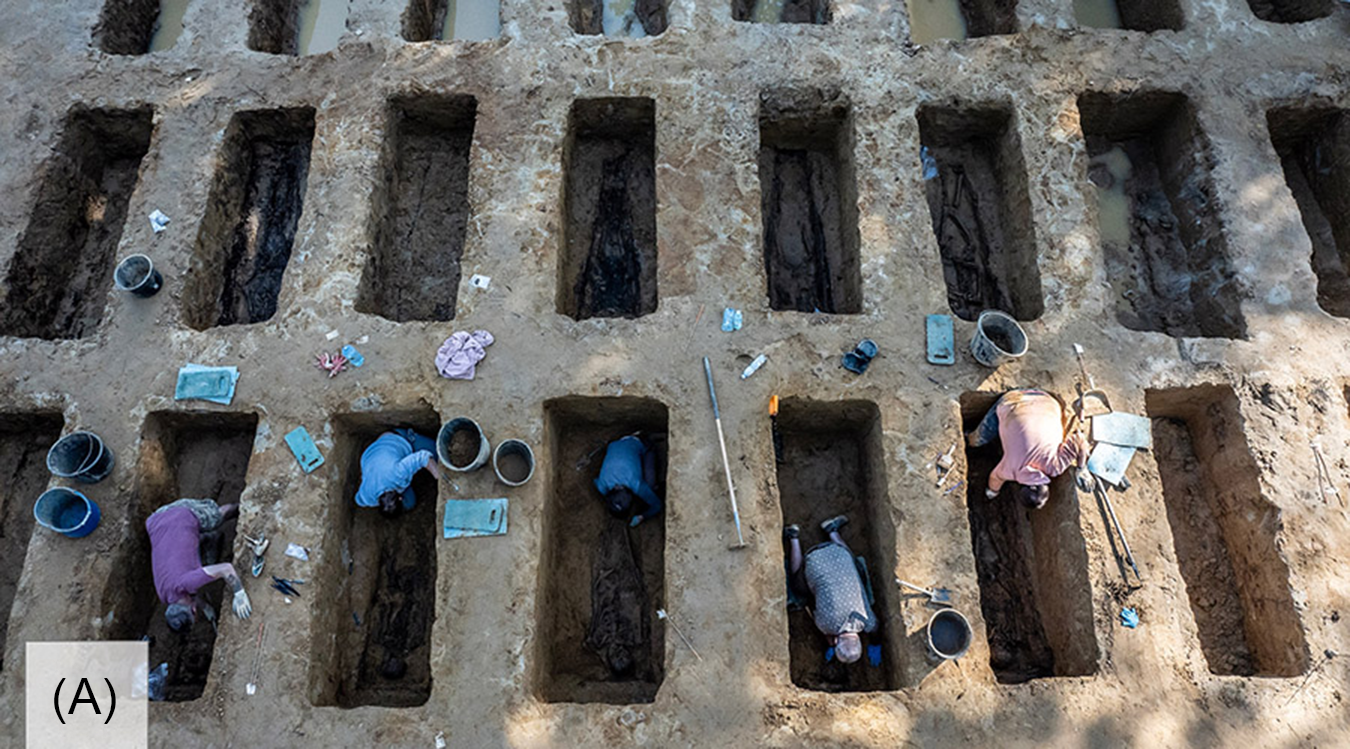
‘Lamsdorf/Łambinowice: an archaeology of memory’ is an interdisciplinary project that uses archaeological research methods and tools to locate unknown and unmarked graves of prisoners of war (PoW) and civilians related to the functioning of the German camp Stalag VIII B (344) Lamsdorf in the years 1939–1945.
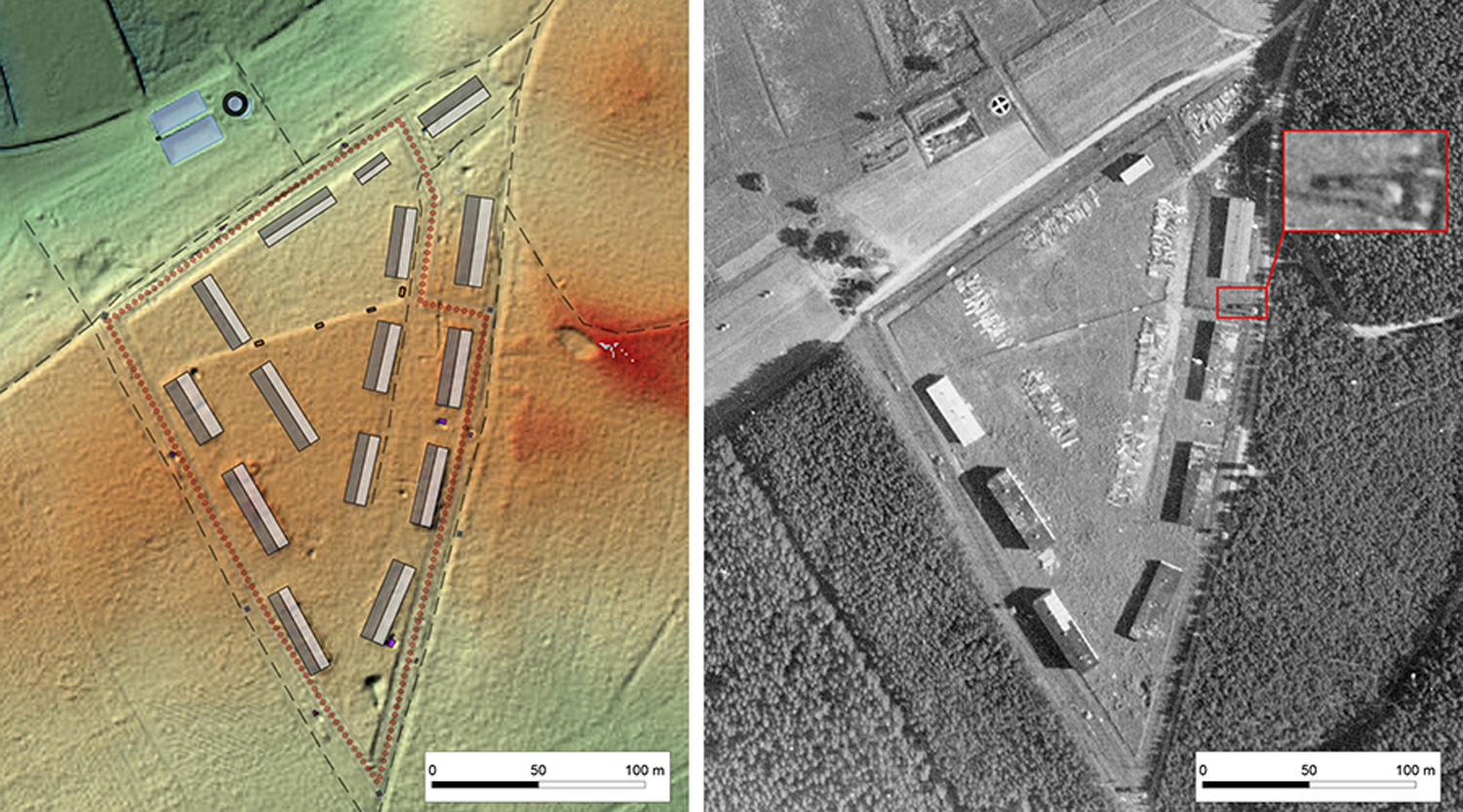
This study uses archival photos and data from lidar, geophysical surveys and excavations to help uncover the physical realities of two Second World War Nazi sub-camps, Czyżówek (AL Halbau) and Karczmarka (AL Kittlitztreben), in the Gross-Rosen network, now in south-west Poland.
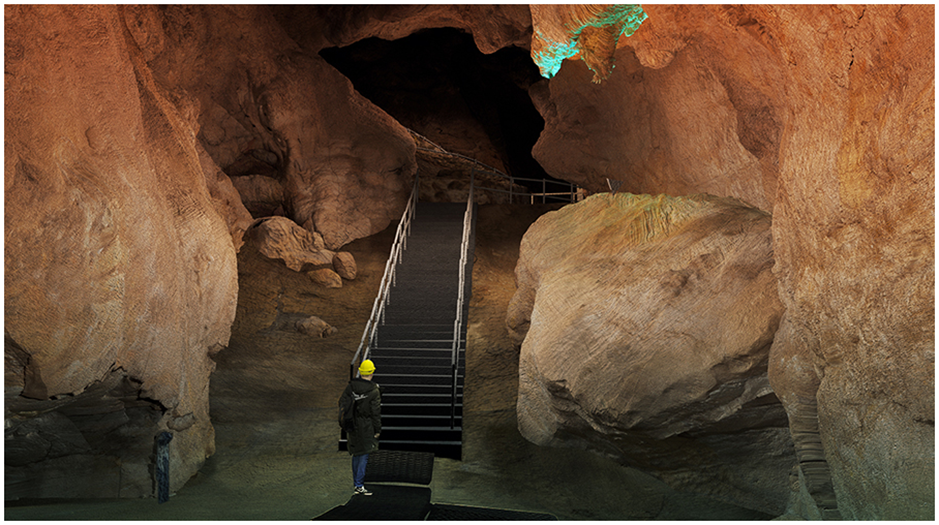
Accessibility at the Sterkfontein Caves UNESCO World Heritage Site limits public and scientific engagement. The authors digitally visualised part of the cave using laser scans and photogrammetry, geospatially integrating the digital cave and fossil datasets. This enables broader access for learners, educators and scientists and enhances scientific outreach potential.