We partner with a secure submission system to handle manuscript submissions.
Please note:
You will need an account for the submission system, which is separate to your Cambridge Core account. For login and submission support, please visit the
submission and support pages.
Please review this journal's author instructions, particularly the
preparing your materials
page, before submitting your manuscript.
Click Proceed to submission system to continue to our partner's website.
To save this undefined to your undefined account, please select one or more formats and confirm that you agree to abide by our usage policies. If this is the first time you used this feature, you will be asked to authorise Cambridge Core to connect with your undefined account.
Find out more about saving content to .
To send this article to your Kindle, first ensure no-reply@cambridge.org is added to your Approved Personal Document E-mail List under your Personal Document Settings on the Manage Your Content and Devices page of your Amazon account. Then enter the ‘name’ part of your Kindle email address below. Find out more about sending to your Kindle.
Find out more about saving to your Kindle.
Note you can select to save to either the @free.kindle.com or @kindle.com variations. ‘@free.kindle.com’ emails are free but can only be saved to your device when it is connected to wi-fi. ‘@kindle.com’ emails can be delivered even when you are not connected to wi-fi, but note that service fees apply.
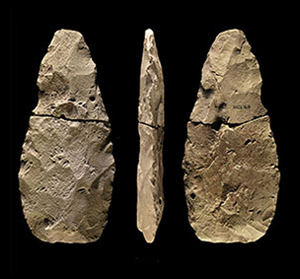
Xiaonanshan is an archaeological site dated to 16.5–13.5 cal kyr BP, situated beside the Ussuri River in China. The lithic assemblages feature microblade debitage, bifacial points and stone adzes, which provide important new materials for this project to explore Neolithisation in the Amur River basin of northeast Asia.
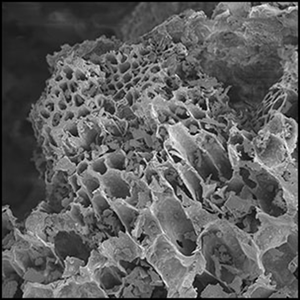
Previous archaeobotanical research in Southwest Asia focused on the Neolithic ‘founder crops’. The Founders project revisits this concept and the economic role these species played in the development of agriculture. To achieve this aim, archaeological food remains are studied and culinary practices of the last hunter-gatherers and first farmers are evaluated.
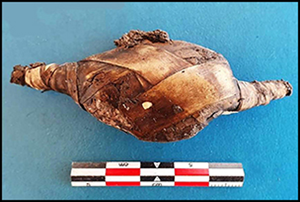
Rare organic artefacts, including wooden figurines and fishnet fragments from the Stone Age (c. 6000–2000 BC) were found in 2020 and 2021 during excavations of a wetland site in Finland. The first results from analysing the artefacts, crafting methods and raw materials provide novel insights into artisanship, material know-how and visual culture of northern hunter-fisher-gatherers.
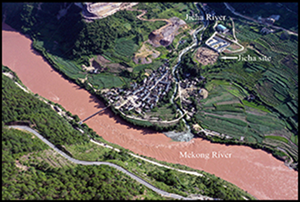
Jicha is a Bronze Age settlement located next to the upper Mekong River in the Hengduan Mountains of Yunnan, south-west China. Recent excavations have revealed details of successive occupation and copper-base industrial activity. The site's position and chronology provide evidence of north–south demographic movement and technological transmission along the eastern Qinghai-Tibet Plateau corridor.