We partner with a secure submission system to handle manuscript submissions.
Please note:
You will need an account for the submission system, which is separate to your Cambridge Core account. For login and submission support, please visit the
submission and support pages.
Please review this journal's author instructions, particularly the
preparing your materials
page, before submitting your manuscript.
Click Proceed to submission system to continue to our partner's website.
To save this undefined to your undefined account, please select one or more formats and confirm that you agree to abide by our usage policies. If this is the first time you used this feature, you will be asked to authorise Cambridge Core to connect with your undefined account.
Find out more about saving content to .
To send this article to your Kindle, first ensure no-reply@cambridge.org is added to your Approved Personal Document E-mail List under your Personal Document Settings on the Manage Your Content and Devices page of your Amazon account. Then enter the ‘name’ part of your Kindle email address below. Find out more about sending to your Kindle.
Find out more about saving to your Kindle.
Note you can select to save to either the @free.kindle.com or @kindle.com variations. ‘@free.kindle.com’ emails are free but can only be saved to your device when it is connected to wi-fi. ‘@kindle.com’ emails can be delivered even when you are not connected to wi-fi, but note that service fees apply.
Eşek Deresi Cave provides a new Late Epipalaeolithic sequence in the Central Taurus Mountains, radiocarbon dated to c. 13 200–10 700 years cal BC. Here, the authors present preliminary analyses of finds excavated between 2021 and 2024, which indicate links to contemporaneous sites in Central Anatolia and the Levant.
Searching for the Neolithic along the Vardar-Morava River corridor revealed several new sites in a previously underexplored region. Multidisciplinary investigations at Svinjarička Čuka identified Neolithic and Bronze Age occupation. Highlights presented here demonstrate the potential of this new key site for enriching our understanding of the prehistory of the Balkans.
A newly discovered grave in Wadi Nafūn, Oman, features a unique burial structure, combining monumental architecture and the collective deposition of human remains from multiple Neolithic groups. Detailed analysis of the burial community reveals new insights into Neolithic rituals and subsistence strategies during the Holocene Humid Period in southern Arabia.
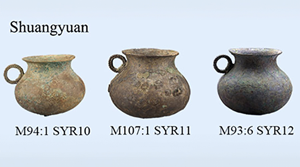
Bronze mou vessels appear in Shu tombs in south-west China during the Eastern Zhou period (c. 771–256 BC). Examination of these vessels reveals major changes in the supply of metal and alloying technology in the Shu State, throwing new light on the social impact of the Qin conquest and later unification of China.
Large-scale field research is providing extensive data on the prehistoric settlement history of the Bayuda Desert in Sudan. The authors briefly examine notable outputs from the project, including some of the more than 100 radiocarbon dates that permit a more nuanced understanding of the chronology of settlement pattern changes.
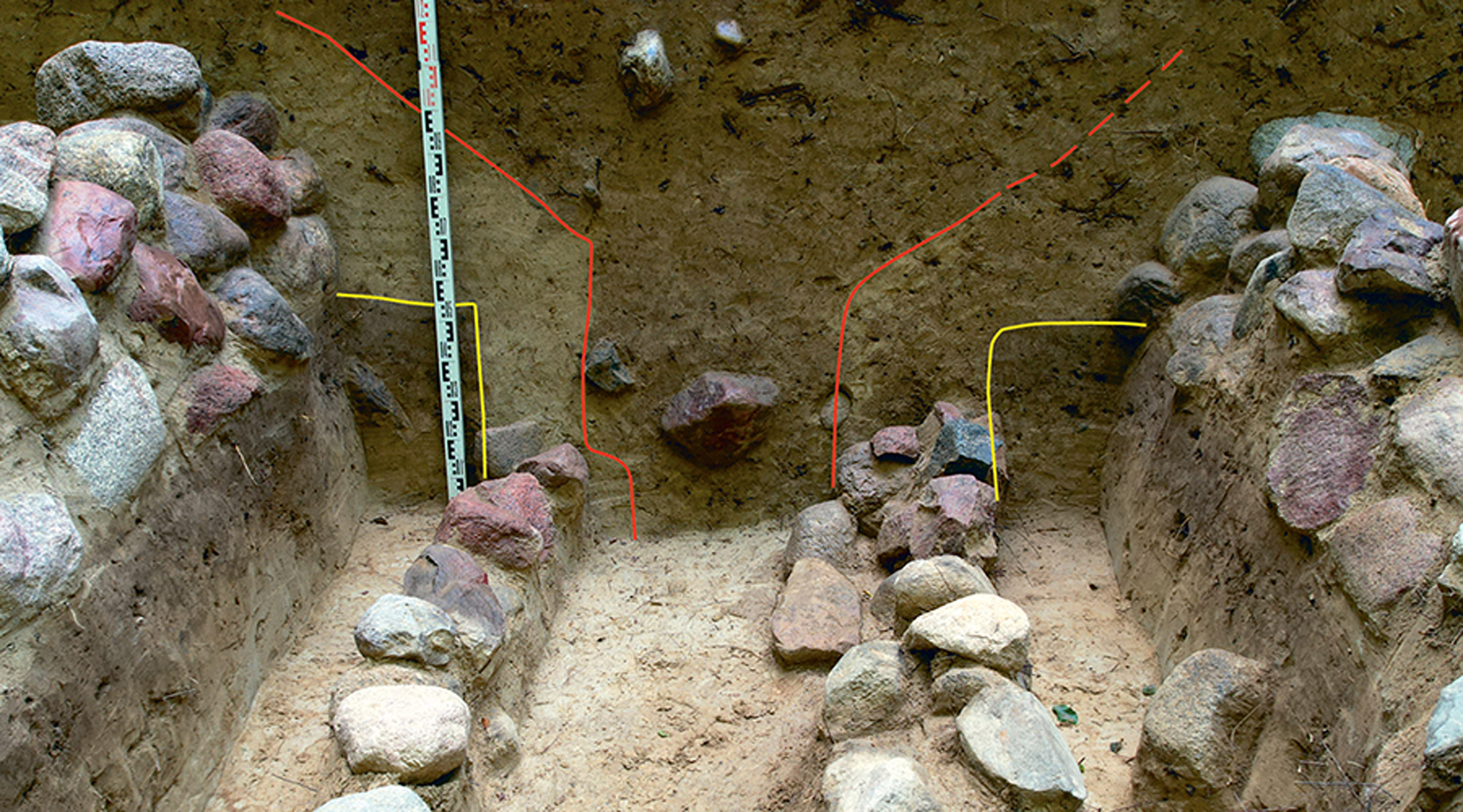
In 2022, a project was initiated to investigate the cemetery at Nowy Chorów, northern Poland, with Orzeszkowo-type (rectangular) burial mounds. During the excavations, both inhumation and cremation graves were uncovered, along with elements of elite grave goods and evidence of the reopening of the graves.
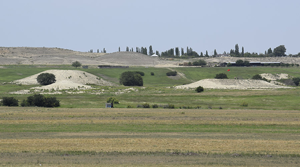
Despite its geographic correspondence with a key fourteenth-century BC port, the tell of Yavneh-Yam has yielded only meagre evidence for Late Bronze Age occupation. The recent discovery of a sealed monumental rock-cut burial cave with hundreds of grave goods provides the first clear evidence for a significant polity.
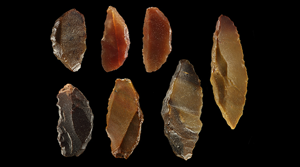
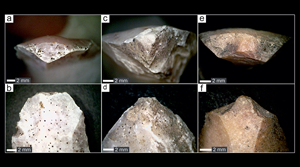
Two new sites, identified during a survey of the Tajuña River Valley, central Iberia, show evidence of both flint extraction and working, specifically for the production of long blades. These are an important addition to the limited number of such sites known in Eurasia.
The early medieval stronghold of Grzybowo, Wielkopolska, was a large complex, comprising two strongholds and an extensive outer settlement, with numerous elite movable monuments. Excavations suggest that this was an important site for the ruling dynasty, with analogies for this form of central stronghold found in Ruthenia and Bohemia.
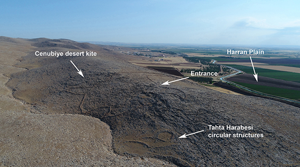
Collation of satellite imagery and new fieldwork in Şanlıurfa (south-east Türkiye) has revealed large numbers of stone-walled desert kites, some of which may date to the Pre-Pottery Neolithic (c. 9500–7000 BC). The authors briefly explore the potential role of these structures in the processes of early sedentism and monumentality.
The capacocha was one of the most important types of Inca sacrifices. Road stations (tambos) were built for the pilgrims who travelled to mountain peaks with the sacrifices. Spatial analysis of two tambos on the slopes of the Pichu Pichu and Chachani volcanoes in Peru reveals segregation in the sacred landscape.
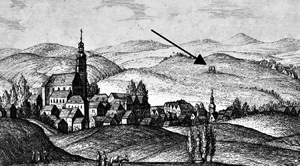
Historic sites of lawful execution are now largely consigned to archival records, including hand-drawn maps. Using these records to identify potential locations, this project deploys non-invasive geophysical surveys and targeted excavation to uncover execution sites and historic gallows in Silesia.
Medieval elite culture is often difficult to grasp among archaeological records from settlement sites. A silver-gilt amethyst setting, probably part of a brooch, from the moat of Castle Kolno in Poland represents an unusual high-status find from a context related to everyday activity.
Analysis of use-wear and chemical composition of five early Bronze Age halberds from Muszkowo reveals that they were crafted over several casting events and meticulously finished, then subjected to use before their final deposition.
This project documents the current archaeological record of the Qaraçay River Basin in western Azerbaijan. Integrating intensive pedestrian survey, satellite imagery analysis and topographic mapping, the study identified 85 kurgans, six necropolises and nine sites from the Chalcolithic or medieval periods. The authors believe this demonstrates the potential for further archaeological studies in the region.
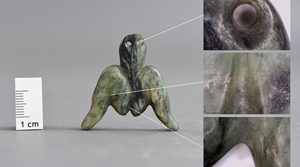
The discovery of an ornament made from Phyllobius viridicollis beetles in a cremation grave at the Domasław cemetery highlights the diverse use of organic materials in funerary rites. Together with dandelion pollen, the find offers interpretative potential for reconstructing the seasonal timing of the burial.
Debate surrounds the early peopling of the Arabian Peninsula. The first evidence of the Levallois lithic technology in the Huqf area of south-eastern Arabia now extends the Middle Palaeolithic record of hominin activity into central Oman and helps to diversify the picture of Arabian prehistory.