We partner with a secure submission system to handle manuscript submissions.
Please note:
You will need an account for the submission system, which is separate to your Cambridge Core account. For login and submission support, please visit the
submission and support pages.
Please review this journal's author instructions, particularly the
preparing your materials
page, before submitting your manuscript.
Click Proceed to submission system to continue to our partner's website.
To save this undefined to your undefined account, please select one or more formats and confirm that you agree to abide by our usage policies. If this is the first time you used this feature, you will be asked to authorise Cambridge Core to connect with your undefined account.
Find out more about saving content to .
To send this article to your Kindle, first ensure no-reply@cambridge.org is added to your Approved Personal Document E-mail List under your Personal Document Settings on the Manage Your Content and Devices page of your Amazon account. Then enter the ‘name’ part of your Kindle email address below. Find out more about sending to your Kindle.
Find out more about saving to your Kindle.
Note you can select to save to either the @free.kindle.com or @kindle.com variations. ‘@free.kindle.com’ emails are free but can only be saved to your device when it is connected to wi-fi. ‘@kindle.com’ emails can be delivered even when you are not connected to wi-fi, but note that service fees apply.
The G72/G30 gene is one of the common loci shared both by schizophrenia and bipolar disorder. Studies accumulating since the discovery of this gene complex in 2002 produced controversial results in both disorders in different populations.
Objective
We investigated the association between G72/G30 gene and bipolar I disorder (BPI) in the Romanian population paying special attention to the association of G72/G30 locus with lifetime psychosis in BPI patients.
Method
Fourteen G72-SNPs were genotyped in a Romanian sample of 198 BPI patients and 180 controls screened for psychiatric disorders in the Institute of Human Genetics, Life & Brain Center of the University of Bonn, Germany. Statistical analysis was performed with FAMHAP and Haploview-v3.32. The significance level of the results was corrected for multiple testing through permutations in 100,000 Monte Carlo simulations.
Results
None of the fourteen SNPs was associated with the global diagnosis of BPI in our total patient sample or with the psychotic BPI subtype. But four SNPs reached nominal significance in the non-psychotic BPI subgroup [rs3916965 (M12) (P=0.044), rs1935057 (P=0.037), rs3916967 (M14) (P=0.043), rs2391191 (M15, non-synonymous) (P=0.043)]. In the non-psychotic subgroup, the haploblock including M14 and M15 (GA) remained significantly associated with BPI after correction through permutations (P=0.0524; OR=1.82).
Conclusion
Our results are the first replication of the study by Williams et al. (2006) reporting the same G72-SNPs [M12(A) and the functional SNP M15(A)], with the same alleles, to be associated with non-psychotic BPI disorder.
As part of a process to improve bipolar disorders (BPD) treatment and outcome in France, AFBP developed recommendations in the management of patients with bipolar disorders for French practitioners. The recommendations aim to reflect both evidence-based practice and real-world experience. Here, we will focus on the management of BPD with comorbid addictive disorders.
Method
A formalized method by expert consensus panel was used. 239 questions were developed and sent to a panel of 40 French experts in order to assess six domains:
1) screening and diagnosis,
2) acute phase treatment,
3) maintenance and non pharmacological treatment,
4) somatic comorbidities,
5) psychiatric comorbidities and suicide risk management and
6) special populations.
Special attention was made to situations where evidence based treatment are lacking.
Results
The treatment of BPD and comorbid addictive disorders should be concurrent. The only exception is during an alcohol withdrawal where mood state may be reassessed for a second time. Experts recommend the use of atypical antipsychotics or anticonvulsants during a manic, mixed or depressive episode as well as in prophylaxia. During a depressive episode, the adjunction of an antidepressant may be considered. If adjunctive sedative treatment is necessary, a sedative classical antipsychotic seems to be a better choice that benzodiazepine. Substitution treatment for opioid must not be stopped. A psychotherapy focused on the addiction should be systematic in susbtance dependence and proposed in substance abuse.
Conclusion
The French expert panel recommends different therapeutic options for patients with dual diagnosis compared to usual BPD patients.
Theory of mind (ToM) has been proved to play a crucial role in social cognition and functioning. In our study, higher order mentalization performance of euthymic bipolar I patients were compared with that of healthy controls. The impact of demographic data, course of the disorder and patients’ current functioning were also considered while interpreting mentalization data.
Methods
The mentalizing performance (computerized faux pas task and false irony task), neurocognitive functioning, and IQ of twenty-three euthymic bipolar I patients and 31 matched (IQ, age) healthy controls were examined. In the patients group, the age at onset, the occurrence of psychotic symptoms, age, education, current employment status, and global functioning were also taken into account.
Results
Bipolar patients scored significantly lower in false irony tasks than healthy controls (p< 0,02). The deficit in irony tasks positively correlated with the number of episodes. Among the examined variables, the performance in the faux pas task predicted most closely the functional outcome in bipolar I disorder. No correlation was found between the ToM and irony deficits and the occurrence of psychotic symptoms, the length of the bipolar disorder or neurocognitive functioning.
Conclusion
Our results showed impaired performance in faux pas and irony tasks, which correlates with the number of previous episodes. Additionally, the impairment of ToM functions predicts a worse functional outcome.
The aim of the present study was to thoroughly investigate the existing comorbidity between Axis II and Bipolar Disorder (BD) pointing out as well the meaningful existing comorbidity between Personality Disorders and Cyclothymia.
Materials and methods
A study group composed of 70 patients affected by Bipolar Disorder (Type I, Type II, and Cyclothymia) was enrolled at the Bipolar Disorders Unit of the Catholic University of the Sacred Heart of Rome. Axis I diagnosis was made by SCID-I; Axis II diagnosis was made by SCID-II.
Results
In a sample of 70 patients in euthymic phase, 39 patients (55.7%) showed comorbidity with Axis II Disorders. Clusters were represented as follows: 2 patients (5.1%) fell within cluster A; 24 patients (61.5%) within cluster B; 9 patients (23%) within cluster C; and 4 patients (10.4%) turned out to be affected by NAS Personality Disorders. On the whole 39 patients - 24 patients (61.5%) affected by BD I, 6 patients (15.3%) affected by BD II, and 9 patients (23.0%) affected by Cyclothymia were found to have comorbidity with Axis II Disorders. Besides, in our sample there was a significant comorbidity between Cyclothymia and Personality Disorders.
Discussion
More than half of patients (55.7%) showed comorbidity with Axis II Disorders. Moreover most of patients turned out to be affected by Personality Disorders falling within cluster B while 23% of Cyclothymic patients were found to have comorbidity with Axis II Disorders.
1) identify the prevalence of depression in diabetic women presenting in a primary care clinic;
2) determine if the primary care physician detected depression in these patients; and
3) determine if a relationship existed between depression and glycemic control (Hgb A1C) in these patients.
Method
Prospective, convenience sample. All women with a diagnosis of Type I or II Diabetes Mellitus were included. Participant's charts were audited for documentation of Hgb A1C levels, and the diagnosis of depression. Patients were asked to complete Beck Depression Inventory (BDI II) scale. Participants who score 16 or higher on the BDI were considered depressed. Participants' scores on BDI II and their Hgb A1C levels were compared with demographic data, and chart verification of depression. Statistical analyses was accomplished using Chi-Square for categorical variables and student's t-test for independent variables all analyses was run using SPSS v. 10
Results
61 patients participated. When prevalence of depression in diabetic participants was compared with BDI II scores, 47% (N=24) of participants were found to be depressed. Primary care physician recognized and documented depression in 4% (N=2) of the depressed participants. The mean Hgb A1C was higher for depressed participants (9.31%) when compared to non-depressed participants (8.03%), but was not statistically significant I II (p =.788).
Conclusions
Depression was a major problem for patients with diabetes presenting to primary care clinic, and that diabetes was under diagnosed. Contrary to previous studies, patients in this study with diabetes and depression had similar glycemic control.
The present study aimed to explore the association between stressful life events (LE) and the development of affective psychopathology.
Method
Thirty patients with unipolar disorder and 30 patients with bipolar disorder were compared to 60 matched healthy controls as regards the rate of stressful LE. Measures included the Beck Depression Inventory, the Adult Life Events Checklist and the Childhood Life Events Questionnaire.
Results
The entire sample had more LE in general, more negative and loss-related LE in the year preceding their first depressive episode as compared to normals. Subjects with unipolar disorder had more positive LE and more achievement LE, whereas subjects with bipolar disorder had more uncontrollable LE in the year preceding the first depressive episode. The relationship between LE and manic episodes was prominent in the year preceding the first manic episode, with bipolar subjects reporting more LE in general and more ambiguous events in that year. A significant relationship was found between childhood LE and the development of affective disorders in adulthood, with unipolars exhibiting less positive and achievement LE.
Conclusions
The major impact of LE on the onset of affective disorders was found in the year prior to the first depressive or manic episodes, in the unipolar and bipolar groups. This suggests that the accumulation of LE at this crucial period contributes to the precipitation of a pathological response mechanism. Once established, this mechanism would be reactivated in the future by even less numerous and less severe stressors, compatible with the kindling hypothesis.
Schizophrenia is still one of the most mysterious and costliest mental disorders in terms of human suffering and societal expenditure that affects about 1.1 percent of the world population. But is there any difference for treating schizophrenia due to its cause? In this study we evaluate the therapeutic effect of haloperidol and risperidone in patients with positive familial history.
Method and materials
We had chosen 110 men with schizophrenia with positive familial history, who refer to psychology institute of Rasul Hospital in Tehran in 2000 to 2009. We divided these patients into two main groups by random, each group have 55 patients. For case group Haloperidol was used to control their symptoms and for the control group risperidone was used. During a period of one year we evaluate their response to the treatment in different groups.
Results
The mean age of patients in case group was 34.8 and for control group it was 34.4. From the case group 45.2% show decrease in their symptoms and in control group just 36.6% so the therapeutic effect of haloperidol was significantly better than risperidon for patients who have positive familial history. In addition after 6 months of therapy just 12% of patient in case group have remission but is control group we faced 28.3%.
Discussion
It is better to use the first line anti psychotic, haloperidol, in patients with positive familial history. This help to more decrease in symptoms and also the less chance for remission.
The treatment of depressive phases of bipolar disorder is challenging. Electroconvulsive therapy (ECT) is generally considered to be the most effective treatment even if there are no randomized controlled trials (RCT) of ECT in bipolar depression. The safety of ECT is well documented, but there are some controversies as to the cognitive side effects.
Objectives
To compare the effects and side effects of ECT with pharmacological treatment in treatment resistant bipolar depression. Cognitive changes during the treatment will be measured, as well as quality of life.
Method
A prospective, randomised controlled multi-centre trial. 6- week acute treatment trial with 7 clinical assessments. Follow up visit at 26 weeks or until remission (max 52 weeks). A neuropsychological test battery designed to be sensitive to changes in cognitive function will be used.
Setting
Nine study centres across Norway, all acute psychiatric wards
Sample
132 patients aged 18 and over, who fulfil criteria for treatment resistant depression in bipolar disorder, MADRS score of at least 25 at baseline
Intervention
Intervention group: 3 sessions per week for up to 6 weeks, total up to 18 sessions. Control group: algorithm-based pharmacological treatment as usual.
Results
Six departments have included 43 patients since start in May 2008.
Conclusion
This study is the first randomized controlled trial that aims to investigate whether ECT is better than pharmacological treatment as usual in treatment resistant bipolar depression. Possible long lasting cognitive side effects will be evaluated. The study is investigator initiated, without support from industry.
Erectile dysfunction is twice common in patient with depression. Testosterone plays vital role in erectile function. Low testosterone level is found in patients of depression. High level of prolactin has depressive effect on libido function. Hypogonadism and hyperprolactinemia can be the causative factor for depression. Hormonal changes can be both cause and effect of depression with ED.
Method
In sample of 76 patients having depression with co morbid ED blood levels of prolactin, and free testosterone were determined.
Half of patients were treated with sex friendly antidepressants while in other half mesterolone and piribedil were used as adjunct medicines.
Results
In 9.2% free testosterone level was below than reference value. In 28.9% prolactin level was high .51 .31% were found having border line free testosterone level.
In younger age group free testosterone level was lower than older age group. There exist inverse relation between prolactin level and free testosterone level. Patients who were given adjunct medication showed rapid improvement both for depression and erectile dysfunction.
Discussion
Reduced level of free testosterone and high level of prolactin has bilateral relation with depression with co morbid ED. Although prevalence of hypogonadism and hyperprolactinemia is low in the study yet high numbers of borderline cases are of great significance. It is postulated that fall in sexual function is directly proportional to change in levels of these hormones from the base line that are reversed by adjunct medicines.
Conclusion
In patients with concomitant major depression and erectile dysfunction hormonal changes plays important role.
The study aims to investigate depression in sample of women in divorced situation and comparison with normal ones (undivorced women).
Method
Method research is causative-comparative (Ex post facto). 30 divorced and 30 undivorced women age between 25-30 randomly were selected and Beck's depression questionnaire was administered on them. T independence test was used to analyze the data.
Results
Findings shows significant differences between tow groups. Divorced women have high scores in depression questionnaire. Also 70 percent of divorced women were in deep depression.
Conclusion
The findings indicated rate of depression in divorced women range from moderate to deep with affective and emotional disturbances that shows psychiatric disorders in the women and is needed plans and programs to relieve their depression and back them to social life.
The neuroleptics, which were invented in the middle of the last century, have changed psychiatry as the clinical discipline, and a problem of the pharmacological resistance insensibly has become the main problem. A radical way to overcome the resistance of the anxious and depressive disorders lies in the field of the modern neurosurgical techniques. However, the verification of the resistance still requires more developed approach.
Aim
The main aim of our study was to develop and test an integrated neuropsychiatric approach in order to objectify the resistance and the disease severity for the selection of patients for surgical treatment.
Methods and participants
We used different types of neuroimaging techniques for reviewing clinical and neurophysiological correlations: positron-emission tomography (PET), functional magnetic resonance imaging (fMRI), diffusion-tensor imaging (DTI) and its relations to the electroencephalography (EEG) data.
We examined 110 patients with depressive and anxious-obsessive disorders. 40 of them were examined using fMRI, 35 using PET and 35 using DTI. The patients were divided into groups by the ICD-10 criteria. The average age of the group was 46.3 years, the number of males and females in groups was approximately equal.
Results
It was revealed that the degree of resistance had a significant correlation with the number of functional and structural neuroimaging indicators.
Conclusions
We obtained data which objectifies the concept of resistance. We also represent our understanding of clinical and physiological approach to the selection of target structures for stereotaxic neurosurgical exposure (in particular for deep brain stimulation) in the complex treatment.
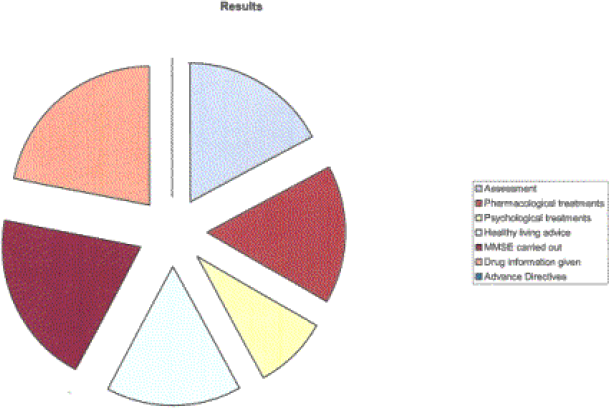
Bipolar affective disorders contribute significant mortality and morbidity in the management of mental disorders in developed and developing countries. A recent review reported 12- month estimates of approximately 1% (range 0.5% - 1.1%). The current practice reveals large variations in the standards of care delivery with non existent protocols in third world countries. National Institute of Health and Clinical Excellence (NICE, United Kingdom) has developed guidelines that dictate the best practice in the management of Bipolar disorder in England and Wales.
Objectives
We compared local adherence to and uptake of NICE guidelines for Bipolar affective disorders (supposedly the best practice).
Aims
To feedback Managers and practicing psychiatrists in the local trust about the shortcomings in the best practice as per national guidelines.
Methods
We reviewed the clinical notes of nearly one-third of all the service users diagnosed with Bipolar Affective Disorder (ICD code F31) in a rural county in England.
Results & conclusions
The need to discuss pharmacological options with the patients to help make them an informed choice as well as offering psychological treatments and life style advice were the most deficient areas of practice. We plan to reaudit the practice to document changes in practice.
To study the evolution of Functional Psychoses through continual supervision.
Material and method
A sample of 123 cases with Functional Psychotic Disorder were studied, observed and treated continually by the same team in the framework of the STEPF project that studies the evolution of psychoses through a Case Register established and exploited since 1985. The average period of evolution was 13 years. We studied the metamorphosis of the diagnosis over time in correlation with the demographic parameters and therapy.
Results
The stability of the diagnosis, in the sense of persistence of the first year diagnosis, was: Schizophrenia (41 cases) - 85%; Bipolar Disorder (22 cases) - 81%; Recurrent Depressive Disorder (20 cases) - 100%; Persistent Delusional Disorder (10 cases) - 80%; Paranoid Depressive Disorder (11 cases) - 27%. The majority of changes in the diagnosis happen during the first 5 years of illness. The last 10 years see changes in approximately 30% of the cases.
Conclusion
The stability over time of the diagnosis of Functional Psychoses is relative.
Personality (according to Cloninger) responds to Biological aspects (temperamental) and Psychosocial (characterological), thereby forming the complex pattern of human behavior. High level of avoidance of harm and stiffness are factors associated with depressive disorders, closely linked to the Serotoninergic System. Melancholicus Typus (MT) is characterizes by its seriousness, scrupulousness of conscience, perfectionism, responsibility and order at all levels among other features.
Objective
Develop an inventory psychometrically to assess the influence of personality traits Melancholicus Typus in the appearance of resistant depression throughout life.
Method
Retrospective observational study. We designed a questionnaire with a total of 70 items that shaped the personality of Melancholicus Typus. We explored the internal consistency using statistical factor analysis, as well as discriminate validity of these. This questionnaire was applied to the sample of 100 patients signed informed consent prior. They met criteria for inclusion/exclusion. The patient population is from the Institute of Psychiatry Rafael Coullaut. Madrid.
Conclusion
The existence of personality traits of Melancholicus Typus identifies a vulnerability to developing relevant resistant depression over the life of individuals. The inventory developed for this study is a useful test to assess personality traits such as Melancholicus Typus both clinical populations and general population.
Results
The scale shows good construct validity, as well as good internal consistency through correlations Item/Total. The reliability of the scale is high.
Heavy drinking commonly complicates treatment of depression. This study evaluated how the Alcohol Use Disorders Identification Test (AUDIT) and its abbreviations perform in mild and moderate depression.
Methods
In a subsample (2086/4020, response rate 51.9 %) of the National FINRISK 2007 Study a modified Beck Depression Inventory (short form) was administered to evaluate depression. The AUDIT, AUDIT-C and AUDIT-3 were tested against the gold standard of heavy drinking according to the definition of the World Health Organization calculated from the Timeline Followback.
Results
Mild depression was found in 32 % of men and 40 % of women, moderate depression in 13 % and 18 %, respectively. In the mildly depressed, 44 % of men and 30 % of women were defined as heavy drinkers, in the moderately depressed 49 % and 27 %, respectively.
The AUDIT and AUDIT-C performed consistently in mild and moderate depression. The optimal cut-offs (sensitivity and specificity ≥ 0.75) for men were of ≥ 8 or ≥ 9 for the AUDIT and ≥ 6 for AUDIT-C. The optimal cut-offs for women were ≥ 5 for the AUDIT and ≥ 4 for AUDIT-C. The AUDIT-3 did not perform well in women, but in men a good level of sensitivity and specificity was reached with a cut-off of ≥ 2.
Conclusions
The AUDIT and AUDIT-C performed well in screening for heavy drinking among the depressed. In depressed men, the AUDIT-3 i.e. a single question was efficacious in detecting heavy drinking. The need for sex-specific cut-offs was highlighted.
To evaluate the safety of aripiprazole as adjunctive treatment in major depressive disorder (MDD) without psychotic features within different patient subgroups.
Methods
Data were pooled from three multicentre, randomized, double-blind, placebo-controlled studies (CN138-139, CN138-163 and CN138-165). Patients who did not respond adequately to an 8-week course of standard ADT were randomized to receive adjunctive aripiprazole or placebo for a further 6 weeks. To assess differences in the adverse events (AE) profile of aripiprazole for demographic subgroups, the incidence of AEs was presented for the pooled placebo-controlled MDD studies by gender, age, and race. An odds ratio (OR) estimate was calculated and the ORs compared across all categories using the Breslow-Day test for AEs with incidence ≥5% in the pooled aripiprazole group.
Results
In total, 14.3% of aripiprazole-treated patients and 12.5% of placebo-treated patients discontinued treatment. Treatment-emergent AEs were reported by 65.4% and 82.3% in the adjunctive placebo and adjunctive aripiprazole groups, respectively. Most aripiprazole-related AEs were, however, mild to moderate in severity. With the exception of blurred vision, which occurred in white patients only (p=0.002), there were no significant differences in the incidence of treatment-emergent AEs across different age groups, racial groups or between the genders in the aripiprazole- and placebo-treated groups.
Conclusion
Adjunctive aripiprazole was generally well tolerated and most treatment-emergent AEs were of mild to moderate severity. The AEs profile of adjunctive aripiprazole did not show significant variation in relation to age, gender or race, compared with that of placebo.
To evaluate the efficacy of aripiprazole adjunctive antidepressant therapy (ADT) with regard to functioning in patients with major depressive disorder (MDD) who did not achieve an adequate response with standard ADT.
Methods
Pooled data were analyzed from three nearly identically designed randomized, double-blind, placebo-controlled trials: CN138-139, CN138-163 and CN138-165. These included patients with MDD, without psychotic features, who had failed at least one ADT treatment in the present episode. Patients completing an 8-week prospective ADT phase with inadequate response were randomized to 6-weeks’ treatment with adjunctive aripiprazole (n=508) or placebo (n=494). Functioning was assessed using the Sheehan Disability Scale (SDS). Comparisons of mean change from baseline in total SDS score, and domains of family life, social life and work/school were performed using ANCOVA.
Results
Adjunctive aripiprazole produced significant improvements in total SDS (-1.2 on an adjusted scale of 1-10, with 10=worst level of functioning/1=best) vs adjunctive placebo (-0.7, p< 0.001). Adjunctive aripiprazole produced significant changes in the family life domain (-1.4 for adjunctive aripiprazole vs -0.7 for adjunctive placebo, p< 0.001) and the social life domain (-1.4 for adjunctive aripiprazole vs -0.7 for adjunctive placebo, p< 0.001). No difference between groups was observed on the work/school domain (-0.8 for adjunctive aripiprazole and -0.6 for adjunctive placebo, p=0.34).
Conclusions
Adjunctive aripiprazole showed significant improvements in overall SDS scores, and family and social life domains. Less change was observed in the work/school domain. The results emphasize that assessment of patient functioning may have utility both in clinical trials and clinical practice.
Several chronobiologic techniques were proposed as an alternative to antidepressant medications. The current article reports the design and the initial outcome results of a new chronobiologic multistage intervention (CMI) that is comprised of the following techniques:
(i) partial sleep deprivation during the second half of the night(wake therapy),
(ii) medium (green) wavelength light in combination with dawn simulation (DS),
The study was conducted as a set of 12 single-case designs with moderate-to-severe depressive volunteering patients. Depression, anxiety and tension measurements were taken on a daily basis beginning with a baseline measurement (T0), followed by a set of four consecutive morning measurements during the therapeutic intervention (T1-T4),and with a final measurement carried out at the end of 4 weeks of follow-up (T5).
Results
A clinically significant rapid improvement of the depressive symptoms was demonstrated and maintained for at least 4 weeks after the end of the intervention. No dropouts or compliance difficulties were observed. Sleepiness in the late afternoon hours was reported by several of the participants, but did not reach a level that interfered with their ability to function.
Conclusions
These initial findings showed the procedure to be effective and well tolerated. It affords many advantages, such as the achievement of a rapid response, no extinction of the therapeutic effect after 4weeks of follow-up, safety, high patient compliance and cost effectiveness.
According to CBT theory, belief system has an important role in etiology of depression. Absolutistic, rigid and irrational beliefs might have influence on development and persistence of depressive psychopathology. The aim of our study was to examine characteristics of irrational beliefs in the cognitive scheme of patients with Major Depressive Disorder (MDD).
Method
The sample consisted of sixty inpatients diagnosed as MDD by using the ICD-X criteria. The assessment of irrational beliefs was carried out by Beck's Personality Belief Questionnaire (PBQ).
Results
Our findings have shown that irrational beliefs related to histrionic, schizoid and paranoid cognitive system were the most prevalent in patients with MDD. We also found significant and high correlation between opposite way of thinking - histrionic beliefs pattern correlated with avoidant and schizoid beliefs patterns. Also, dependent belief pattern was in a significant correlation with avoidant, schizoid and paranoid beliefs. In addition to rigidity, absolutistic and imperative cognitive schemes, we also found ambivalent cognitive tendencies. The existing ambivalence could be an important factor in the maintenance of depressive symptoms.
Conclusion
Our study has shown high prevalence of irrational beliefs in MDD patients. By recognizing the exact cognitive biases underlying depression, it might be possible to direct the therapeutic interventions more specifically and provide a highly personalized approach in the treatment of patients with MDD. We also believe that there is a need for a psychotherapeutic work on irrational beliefs during remission, which might prevent relapses.
Bipolar disorder (BD) is associated with impaired psychosocial behaviours. Little is known about deficits in neurocognitive functions like decision-making possibly related both to these behaviours and to the nature of the disorder.
Objectives
To determine whether decision-making impairments exist in manic (M), depressed (D) and euthymic (E) bipolar patients (BP) and to determine whether illness and course-of-illness characteristics can predict participants’ performance
Methods
A power analysis was conducted. A total of 315 subjects, including 45 M and 32 D inpatients and 90 E outpatients with BD I, medicated, and 150 Healthy Controls (HC), age, IQ and gender-matched, were included. Decision-making ability and sensitivity to punishment frequency were assessed with the Iowa Gambling Task (IGT).
Results
On the IGT, MBP (p< 0.001), DBP (p< 0.01) and EBP (p< 0.05) selected significantly more cards from the risky decks than HC with no significant differences between BP groups. Unlike HC, MBP (p< 0.001), DBP (p< 0.05) and EBP (p< 0.05) showed little capacity to learn from incurred losses with no significant differences between BP groups, but, like HC, BP preferred decks that yielded infrequent penalties over those decks that yielded frequent penalties. In a multivariate analysis, decision-making impairment in the BP was significantly (p=0.001) predicted by low level of education, high total number of admissions and family history of BD.
Conclusions
BP clearly show defects in decision-making predicted by course-of-illness illness characteristics. Impaired decision-making might be a trait-related neurocognitive deficit in BD and partly explain impaired psychosocial behaviours of BP.