We partner with a secure submission system to handle manuscript submissions.
Please note:
You will need an account for the submission system, which is separate to your Cambridge Core account. For login and submission support, please visit the
submission and support pages.
Please review this journal's author instructions, particularly the
preparing your materials
page, before submitting your manuscript.
Click Proceed to submission system to continue to our partner's website.
To save this undefined to your undefined account, please select one or more formats and confirm that you agree to abide by our usage policies. If this is the first time you used this feature, you will be asked to authorise Cambridge Core to connect with your undefined account.
Find out more about saving content to .
To send this article to your Kindle, first ensure no-reply@cambridge.org is added to your Approved Personal Document E-mail List under your Personal Document Settings on the Manage Your Content and Devices page of your Amazon account. Then enter the ‘name’ part of your Kindle email address below. Find out more about sending to your Kindle.
Find out more about saving to your Kindle.
Note you can select to save to either the @free.kindle.com or @kindle.com variations. ‘@free.kindle.com’ emails are free but can only be saved to your device when it is connected to wi-fi. ‘@kindle.com’ emails can be delivered even when you are not connected to wi-fi, but note that service fees apply.
Early onset psychosis (EOP) and bipolar disorder (EOBP), occurring before the age of 18, have been linked to early signs of atherosclerosis and an elevated risk of cardiovascular disease (CVD). Physical exercise is a well-established factor in reducing the risk of developing CVD. However, it remains unclear whether regular physical activity can mitigate cardiovascular risk factors and signs of atherosclerosis in individuals with EOP and EOBP.
Objectives
This study aimed to explore the impact of physical exercise on cardiovascular risk factors in these populations.
Methods
We assessed the physical exercise habits of 71 individuals, including 22 with EOP, 21 with EOBP, and 28 age-matched healthy controls. Participants’ physical exercise routines were categorized as 0, 1, 2, or 3 or more times per week, with each session lasting at least 30 minutes. Our analysis included adjustments for conventional CVD confounders. Additionally, we used high-frequency ultrasound (22 MHz) to evaluate different layers of the arterial wall in the left common carotid artery (LCCA).
Results
Compared to the control group, adolescents with EOP and EOBP exhibited significantly thicker LCCA intima thickness (0.132 vs. 0.095 mm, p<0.001) and intima/media ratio (0.24 vs. 0.17, p<0.001). Remarkably, adolescents with EOP and EOBP who engaged in physical exercise three times or more weekly (n=13) displayed significantly less intima thickness (0.142 vs. 0.116 mm, p<0.01). However, we did not observe a significant association between exercise and other CVD risk factors. Even when considering factors such as the extent of antipsychotic medication use or the severity of the disorders in our regression analysis, the significant association between exercise and reduced intima thickness persisted (p<0.05).
Conclusions
Among adolescents with EOP or EOBP, those who engaged in physical exercise three or more times weekly exhibited less pronounced LCCA intima thickness compared to their less active counterparts, although it remained thicker than that of healthy controls. These findings, if replicated, suggest that regular physical exercise, specifically three or more times a week, could potentially offer protection against the future development of CVD in individuals with EOP and EOBP. Further research is warranted to confirm and expand upon these promising results.
An increase in suicidal behavior among the adolescent population is reflected in the literature and in clinical practice. According to a study of suicidal behavior and mental health by the Spanish ANAR Foundation, the number of cases with suicidal behavior has experienced an accentuated growth in the period 2012-2022 (1,921.3%), highlighting the increase produced in the post-COVID-19 period, between 2020 and 2022 (128%)
Objectives
To analyze the reasons for admission to the short hospitalization unit. To describe the sociodemographic characteristics of hospitalized adolescents.
Methods
Descriptive observational study of the sample of adolescents admitted to the inpatient psychiatric unit of the Hospital Universitario Puerta de Hierro between January 1, 2023 and June 30, 2023. It is carried out through the information obtained in the clinical history of the patients.
Results
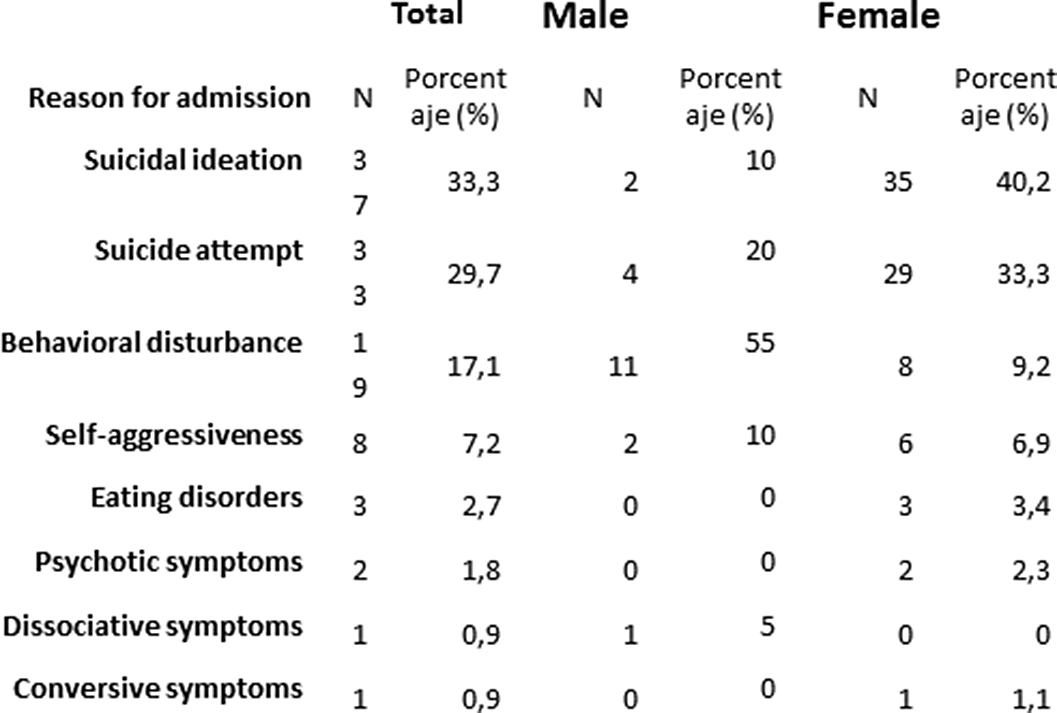
During this period of time 113 adolescents were admitted, 80.2% were female. The mean age was 15.16 years. The main reason for admission was autolytic ideation, occurring in 33.3% of the patients. The second most frequent reason for admission was suicide attempt (29.7%) and behavioral disturbance (17.1%) was the third most frequent. Of the methods used in suicide attempts, drug overeating stands out among the methods used in suicide attempts. (75.8%), followed by attempted hanging (12.1%) or cutting (12.1%).
Image:
Conclusions
The results corroborate what is reported in the scientific literature, where self-harm and self-injury attempts have increased and are the most frequent reasons for admission. This shows that suicide is a public health problem of the first order, where prevention and early intervention programs are necessary.
Commencing in 2019, the onset of the COVID-19 pandemic prompted an upsurge in online engagement, drawing attention to the advantages and perils associated with the use of social media. Existing research emphasizes that elevated symptom levels of attention deficit/hyperactivity disorder (ADHD) are linked not to the extent (time) of usage but to its addictive nature. However, scant research has explored its relationship with sleep quality.
Objectives
In this study, we scrutinized the correlation between problematic social media usage, sleep quality, and ADHD symptoms in a non-clinical sample of young individuals during the third wave of the pandemic.
Methods
We administered an online survey to 139 participants (mean age: 21.37 years, standard deviation: 2.68 years, range: 15-27). The survey encompassed various assessments, including the Bergen Social Media Addiction Scale (BSMAS), the Athens Insomnia Scale (AIS), and the self-report version of the SWAN scale (Strengths and Weaknesses of ADHD Symptoms and Normal Behavior). Participants also reported on the extent of their social media use.
Results
Significant distinctions emerged in the extent of social media usage between online (M=3.12; SD=1.08) and in-person educational settings (M=2.47; SD=0.78) (t(73)=6.01; p<0.001; d=0.70). While ADHD symptom levels exhibited no correlation with the extent of social media engagement, they did exhibit a significant positive correlation with problematic usage (r=0.32; p<0.001). Likewise, the extent of social media usage displayed no correlation with sleep quality; however, problematic usage was linked to poorer sleep quality (r=0.27; p=0.002). In our mediation analysis, problematic usage correlated both directly (c’=-0.61; p=0.02) and indirectly (ab=-0.36; 95% CI: -0.60 - -0.10) with heightened ADHD symptoms through diminished sleep quality (F(1,120)=21.94; p<0.001; R2=0.27).
Conclusions
Our findings affirm that it is not the extent but rather the problematic nature of social media usage that assumes significance. Moreover, our results propose that problematic usage may exacerbate ADHD symptoms, not only directly but also by influencing sleep quality.
The COVID-19 pandemic has led to a rise in psychological disorders among adolescents and young adults. There is an increase in the prevalence of likely anxiety and likely depression among the subscribers of MoreGoodDays supportive text message program, reflecting the impact of the COVID-19 pandemic on this cohort.
Objectives
To assess the prevalence, severity, and correlates of likely generalized anxiety disorder (GAD) and likely major depressive disorder (MDD) among subscribers of MoreGoodDays program.
Methods
This study used a cross-sectional design. An online survey questionnaire was used to collect sociodemographic and clinical information from subscribers of MoreGoodDays program, a daily supportive text message program co-designed with adolescents and young adults for their peers in Alberta. Validated instruments, the Generalized Anxiety Disorder GAD-7 and Patient Health Questionnaire-9 PHQ-9 were used to collect information on likely GAD and likely major depressive disorder (MDD), respectively. Data was analyzed with SPSS version 25 using chi-squared tests and binary logistic regression analysis.
Results
343 subscribers of MoreGoodDays participated in the survey. Overall, 117 (56.0%) respondents had a likely MDD and 97 (46.6%) had a likely GAD. Participants who would like to receive mental health counselling were 27 times more likely to experience GAD (OR = 27; 95% CI: 3.09–250.00) and 40 times more likely to experience MDD (OR = 40.03; 95% CI: 4.43–361.51) than those who did not. Respondents who had received mental health counselling in the past were 18.5 times more likely to experience MDD compared with those who had not (OR = 18.52; 95% CI: 1.55–200.00). Demographic variables, including age, education, employment, and relationship status, and clinical variables, such as history of anxiety, depression, obsessive-compulsive disorder, ADHD, and adverse childhood experience, did not independently the predict presence of likely GAD or MDD in subscribers of MoreGoodDays.
Conclusions
The prevalence of anxiety and depression was relatively high among subscribers of MoreGoodDays, indicating the long-term effect of the COVID-19 pandemic. This finding has significant implications in the broader context of mental health research and emphasizes the need for more research into innovative mental health support for this cohort. The desire to receive counselling was predictive of both anxiety and depression and is a positive sign of the openness of this cohort to receive psychological intervention. Since this group is mostly adapted to mobile text technology, government agencies and policymakers should prioritize and implement readily accessible interventions such as supportive text messages to support their psychological well-being.
Postpartum depression (PPD) is a common psychiatric illness affecting maternal health, which can lead to poor outcomes for the infant, mother and family. Since the usual pharmacological treatment has low efficacy and a delayed onset of action, new treatment options should be explored. A recent meta-analysis demonstrated positive effects of racemic ketamine on PPD, but limited evidence is available on its more potent derivative esketamine.
Objectives
To determine the effect of esketamine administered prophylactically during labor on the risk of incidence of PPD at 1 week and 6 weeks after delivery.
Methods
PubMed, Scopus and GoogleScholar databases were searched for randomized controlled trials that studied the efficacy of esketamine that screened for PPD using the Edinburgh Postpartum Depression Scale (EPDS). Risk ratio was used to determine the effect of incidence on PPD. Heterogeneity was examined with I2 statistics. A random-effects model was used, as per moderate heterogeneity (I2=59%, p-value<0.05).
Results
We included 7 RCTs with 1287 patients, 635 having received esketamine (49.3%). Patient-controlled intravenous analgesia (PCIA) or single intravenous dose during the delivery or cesarian section were the main drug delivery methods. Follow-up ranged from 4 weeks to 6 months, and EPDS cut-off scores for depression risk differed between studies, from 9 to 13 points. Dosages varied from 0.2mg/kg to 0.5mg/kg for single-dose administration and 0.1mg/kg to 1.25mg/kg for PCIA. Incidence of PPD at one week (RR: 0.459 95%CI 0.217-0.970; p<0.05; figure 1A) and at 6 weeks (RR: 0.470 95%CI 0.273-0.810; p<0.01; figure 1B) was significantly less common in patients who received esketamine during or after labor. Risk of bias was low in 5 studies and moderate in 2 studies. Risk of publication bias is significant.
Image:
Conclusions
Prophylactic esketamine seems to improve EPDS scores in women at one and six weeks after birth. A more thorough analysis of the adverse effects on maternal and neonatal health are required, and long-term benefits are not fully understood. Larger multicenter studies would be a welcome addition to the issue at hand.
Spravato® (esketamine nasal spray- ENS) is a new adjunctive drug for Treatment Resistant Depression (TRD), i.e. patients with major depressive disorder that failed to adequately respond despite the use of two different antidepressants. In France, a real world non-interventional post-commercialization cohort study is being conducted aiming to describe the conditions of use of the esketamine, and to observe the outcomes.
Objectives
To in-depth explore the lived experience of first administered ENS treatment among adults with TRD, we are conducting an ancillary qualitative study.
Methods
This qualitative study uses the IPSE approach (Sibeoni et al. BMC Medical Research Methodology 20.1(2020):1-21) and has been conducted in four French psychiatric departments. Design was based on the recruitment of patients through the Cohort study, all interviewed twice, the first time 3 to 5 weeks after the first administration of ENS, and the second time around 6 months after, whether treatment has been continued or not. Data analysis follows the IPSE analytic procedure and is conducted in two stages: three individual researchers carry out independent work and the group collectively pools data. These preliminary results are based on the sole analysis of the first interviews conducted from July 2022 to July 2023.
Results
Eighteen participants with moderate to severe TRD, including 13 women, were interviewed and two axes of experience have been produced: (1) the overwhelming experiences of the treatment, perceived differently depending on patients, as a dissociative experience, both inside – described as a trip- and outside of them; (2) A discordant treatment experience with both solitude and relational support from medical team.
Conclusions
These results highlight the need to better prepare the patients for the initiation of the treatment and to take into consideration the settings in which the treatment is administered, as well as the importance of the support received from the nursing staff.
Disclosure of Interest
E. Manolios Grant / Research support from: have recieved financial support to conduct the study, J. Mathé Grant / Research support from: have recieved financial support to conduct the study, J. Sibeoni Grant / Research support from: have recieved financial support to conduct the study, M. Rotharmel Consultant of: Janssen, B. Astruc Consultant of: Janssen, B. Falissard Consultant of: Janssen, L. Mekaoui Consultant of: Janssen, A. Laurin Consultant of: Janssen, E. Gaudre-Wattinne Employee of: Janssen Cilag, J. Dupin Employee of: Janssen Cilag, A. Revah-Levy Grant / Research support from: have recieved financial support to conduct the study
The DiSCoVeR Project: ‘Examining the synergistic effects of a cognitive control videogame and a self-administered non-invasive brain stimulation on alleviating depression’ is a double-blind, sham controlled, randomized controlled trial investigating the feasibility and efficacy of an innovative, self-applied treatment approach for patients diagnosed with major depressive disorder. The trial is conducted at three clinical trial sites (Hadassah, Israel; Riga Stradiņš University, Latvia; Ludwig-Maximilian-University, Germany). The treatment approach combines prefrontal transcranial direct current stimulation with a videogame designed to enhance cognitive and emotional control. This treatment is self-applied at home and remotely monitored. At the beginning of the intervention the patients are randomized in an active group receiving both active stimulation and videogame and the other group receiving sham stimulation and visually similar but not active videogame.
Objectives
The present interims analysis after half of the patients included examines patients’ intrinsic motivation after completing the first five sessions (of 30) of the treatment. We also examine patients’ interest/enjoyment, perceived competence, effort, felt pressure/tension, and perceived choice following the first week of treatment. Intrinsic motivation has been associated with enhanced learning and performance, so it can be used as one of the predictors for patient compliance.
Methods
At the end of the 5th session, the patients filled in the Intrinsic Motivation Inventory (IMI) including the following subscales: interest/enjoyment, perceived choice, perceived competence, effort/importance and felt pressure/tension (scored on a 7-point Likert scale, ranging from 1 “not at all true” to 7 “very true”).
Results
This report includes the first 55 patients randomized (27 patients in the active group and 28 patients in placebo group) for the DiSCoVeR trial. Patients rated their overall interest/enjoyment at 4.50 out of 7 (SD±0.17 95% CI 4.16 to 4.84), their perceived choice at 5.55 (SD±0.16; 95% CI 5.23 to 5.87), their perceived competence at 4.52 (SD±0.15; 95%CI 4.22 to 4.82), their effort/importance at 5.07 (SD±0.16; 95%CI 4.74 to 5.40) and their pressure/tension at 3.00 (SD±0.13; 95% CI 2.73 to 3.26).
Conclusions
We conclude that overall patients were quite interested in the treatment and had inherent pleasure while doing the sessions, felt that it was their choice to do them, felt that they performed the task quite effectively, were invested in doing the sessions and the experienced pressure and tension were low. The perceived choice and competence are positive predictors of intrinsic motivation. This aligns with the previous published data of a smaller patient subset (L. Konosonoka et al Medicina (Kaunas) 2022;58(Supplement 1):72) with the standard deviations being smaller in our larger patient sample.
SARS-CoV virus showed transneuronal penetration through the olfactory bulb resulting in the rapid intracranial spread. So, olfactory dysfunction is an early marker of COVID-19 infection. However, individuals may develop chronic olfactory impairment for more than six months in 1–10% of cases.
Objectives
The study’s objective was to evaluate the efficacy and safety of intranasal immunotherapy using bioactive substances produced by M2 macrophages for the treatment of people with long-term post-COVID-19 hyposmia.
Methods
Seven individuals with long-term persistent hyposmia (7 to 24 months), associated with PCR-confirmed coronavirus infection were evaluated for olfactory function at baseline, one, and six to twelve months after therapy.
Results
The intranasal inhalation of M2 macrophage conditioned medium (one time per day for 28-30 days) was well tolerated. Furthermore, olfactometry demonstrated that the patients restored their capacity to perceive (Kruskal-Wallis H test 14.123, p = 0.0009) and recognize odors (H = 11.674, p = 0.0029). In addition, the subjective evaluation of smell significantly improved (H = 11.935, p = 0.0026). At the 6- to 12-month follow-up, the majority of patients (5/7) reported extremely high levels of satisfaction with the outcomes, and the remaining two patients also felt generally positive about the therapy’s success.
Conclusions
Overall, our study showed that the use of intranasal inhalations as a method of delivering bioactive factors and the conditioned medium of M2 macrophages as a therapeutic agent are both safe, well tolerated and, according to preliminary data, clinically effective in the treatment of patients with long-term post-COVID-19 hyposmia.
Although increasing resilient coping throughout life is beneficial, it is particularly important in young people. To prevent the development of mental health problems, it is crucial to understand the factors associated with resilience. However, among university students, the characteristics considered conducive to resiliency have not been sufficiently studied, particularly during pandemic times.
Objectives
The present study examined factors associated with resilient coping in Portuguese higher education students during the COVID-19 pandemic.
Methods
Data were collected from an opportunity large sample of participants during the academic year 2020/2021. Four self-report measures were utilized within the study: Herth Hope Index, Brief Resilient Coping Scale, Depression Anxiety and Stress Scale – 21 items, and Impact of Event Scale-Revised. Additionally, a demographic questionnaire was used to collect data including age, gender, have children, education level, and study area. Ethics clearance was obtained. In order to test the research question, a multiple regression was conducted (using SPSS 28), with resilient coping as the dependent variable and the other variables entered as potential predictor variables.
Results
A total of 1522 students (75.1% women and 24.9% men) took part in this study. Most participants were single (91.2%), had no children (93%), and the ages ranged from 18 to 59, with a mean age of 22.88±6.93 years. In terms of study level, the majority of students (73.7%) are at the undergraduate level and are not working (76.6%). Among the participants, 35.7%, 36.2%, and 28.5% had symptoms of stress, anxiety, and depression above the normal range, respectively. High resilience scores were found in 215 participants (14.1%). The mean hope (HHI) was 35.53 (SD = 5.92). Our results also demonstrated that hope is the only predictor of resilient coping (p<0.001). A higher level of hope is expected to affect people’s psychological adjustment by influencing both their appraisal of, and their coping with, the stressors confronted by them.
Conclusions
Establishing and improving protective factors should increase the likelihood of the individual successfully avoiding negative outcomes and increase their ability to function normally, thus promoting resilient outcomes. We were able to draw practical implications for developing resilience-promoting methods in a university context. These results can be used to help students build resilience by preparing for future problems.
Chronic fatigue and psychiatric manifestations (depression, anxiety and sleep disturbances) appear to be key features of post-COVID-19 syndrome and increase significantly in prevalence over time (Lavienraj et al. J Neurol Sci 2022;434:120162). Several studies have suggested an association between altered levels of arginine metabolites and depression, anxiety and stress severity (Arisoy et al. J Psychiatr Res 2020;120:21-28). L-arginine supplementation has also been shown to improve walking performance, muscle strength, endothelial function and fatigue in adults with Long COVID (Tosato et al. Nutrients 2022;14(23):4984).
Objectives
To study effects of L-arginine oral supplementation on chronic fatigue and depressive symptoms reported 3 months or more after acute COVID-19 onset in elderly outpatients without severe comorbid conditions.
Methods
This is a parallel-group, double-blind, randomized controlled trial conducted on 96 over 65 non-hospitalized patients suffering from Long Covid-related fatigue and depression. The first group included patients that received 1,66 g L-arginine twice a day in addition to a standard antidepressant therapy based on Selective Serotonin Reuptake Inhibitors (SSRIs), whereas the second group received antidepressant only. Severity of fatigue and depressive symptoms was evaluated at baseline and after 8 weeks of treatment using Fatigue Symptom Inventory (FSI) and Hamilton Rating Scale for Depression (HAM-D), respectively.
Results
At baseline, 64 patients (66,7%) reported moderate fatigue (4-6) and the remaining 32 (33,3%) reported severe fatigue (7-10). In this phase the average HAM-D score was 12,85 ± 5,97; among patients, 57,3% experienced mild symptoms of depression, 32,3% experienced moderate symptoms and 6,4% experienced severe symptoms. After two months, patients treated with L-arginine supplementation exhibited a 30% greater improvement in fatigue-related symptom severity (p=0.008) and a significantly decrease in average HAM-D score (p=0.002) compared to the group treated with SSRI only.
Conclusions
According to our results, adding oral L-arginine to standard antidepressant therapy in elders with Long Covid-related fatigue and depression significantly decreases severity of both physical and affective symptoms. Further studies are needed to clarify the intriguing role of L-arginine in the treatment of Post Covid-19 syndrome and its potential effects in promoting geriatric patients’ health, wellbeing and quality of life.
Although over 100 million pregnant women worldwide are at risk of infection with SARS-CoV-2, little data exists on the impact of COVID-19 and related treatments on maternal/neonatal health.
Objectives
1) To quantify the prevalence of medication use in pregnancy to treat COVID-19; 2) To quantify and compare the risk of adverse pregnancy/neonatal outcomes in those with and without COVID-19.
Methods
In the Canadian Mother-Child population-based cohort (CAMCCO), two key sub-cohorts were identified using prospective data collection of medical services, prescription drugs, hospitalization archives data, and COVID-19 surveillance testing program (02/28/2020-2021). The first cohort included all pregnant women with at least one completed trimester of pregnancy during the study period regardless of pregnancy status (delivery, induced/planned or spontaneous abortion); this cohort was further stratified on COVID-19 status. The second cohort included all non-pregnant women (aged 15-45) with a positive COVID-19 test. COVID-19 infection in pregnant or non-pregnant women was assessed using COVID-19 test results or ICD-10CM codeU07.1 from hospital data. COVID-19 severity was categorized based on hospital admission. Women were considered exposed to COVID-19 medications if they filled at least one prescription for a medicine included in the WHO list in the 30 days pre- or 30 days post-COVID-19 positive test/diagnosis. Considering potential confounders, association between COVID-19 during pregnancy, treated vs not, and perinatal outcomes were quantified using log-binomial regression models.
Results
150,345 pregnant women (3,464 (2.3%) had COVID-19), and 112,073 non-pregnant women with COVID-19 diagnoses were included. Pregnant women with COVID-19 were more likely to have severe infections compared to non-pregnant women with COVID-19 (11.4% vs 1.6%, p< 0.001). The most frequent medications used in pregnancy to treat COVID-19 were antibacterials (13.96%), psychoanaleptics (7.35%), and medicines for obstructive airway disease (3.20%). In pregnancy COVID-19 was associated with spontaneous abortions (adjRR 1.76, 95%CI 1.3, 2.25), gestational diabetes (adjRR 1.52, 95%CI 1.18, 1.97), prematurity (adjRR 1.30, 95%CI 1.01, 1.67), NICU admissions (adjRR 1.32, 95%CI 1.10, 1.59); COVID-19 severity was increasing these risks but COVID-19 treatment with study medications reduced all risks.
Conclusions
Severity of COVID-19 was greater in pregnancy. Antibacterials, psychoanaleptics, and medicines for obstructive airway disease were the most used overall. Severe COVID-19 in pregnancy was associated with higher risks of adverse maternal, and neonatal outcomes.
Previous theoretical models and reviews have documented a strong connection between emotion dysregulation and eating disorders (ED) psychopathology among the general and clinical populations.
Objectives
We aimed to assess the link between emotional dysregulation and ED in the Tunisian general population.
Methods
We conducted a cross-sectional, descriptive and analytical study among Facebook group members, using an online questionnaire, over the period from February 17, 2023 to May 26, 2023. Emotional dysregulation was assessed via the “Difficulties in Emotion Regulation Scale” (DERS), which is composed of six sub-scores : “Non-acceptance” (N), “Strategies” (S), “Impulse” (I), “Goal” (G), “Clarity” (C) and “Awareness” (A). The Eating Attitude Test (EAT-26) was used to assess the risk of developing ED.
Results
A total of 528 responses were included. The mean EAT-26 score was 12.36±10.34; and 12.3% of our population were at high risk of developing an ED. The mean N, S, I, B, Cl, C and overall DERS scores were 7.78; 8.24; 7.08; 9.57; 6.46; 7.61 and 46.74, respectively.
We showed that the EAT-26 score was correlated with the overall DERS score (r=0.260; p<0.001) as well as with the N (r=0.208; p=0.002), S (r=0.228; p<0.001), I (r=0.212; p=0,025), B (r=0.198; p<0.001), C (r=0,122; p=0,005) and Cl (r=0.136; p=0.002) scores.
Conclusions
Our study showed that participants with a high risk of developing an ED seem to have more difficulties with emotional regulation. Thus, our findings call for interventions that target emotion regulation in the treatment of ED.
Virtual Reality (VR) represents an emerging and promising tool to enhance standard care for patients with eating disorders (EDs). Indeed, VR provides an immersive and interactive experience in a safe and controlled environment that can simulate real-life situations, showing encouraging findings on various components of psychological treatments such as exposure therapy, psychoeducation, and emotional regulation.
Objectives
This study aims to evaluate the Zen Garden VR App in patients with anorexia nervosa (AN) in order to obtain pilot data regarding changes in mood, relaxation, anger, anxiety, and weight and shape concerns. A secondary aim was to receive feedback from participants about the VR experience, its components, and its possible application for people with AN.
Methods
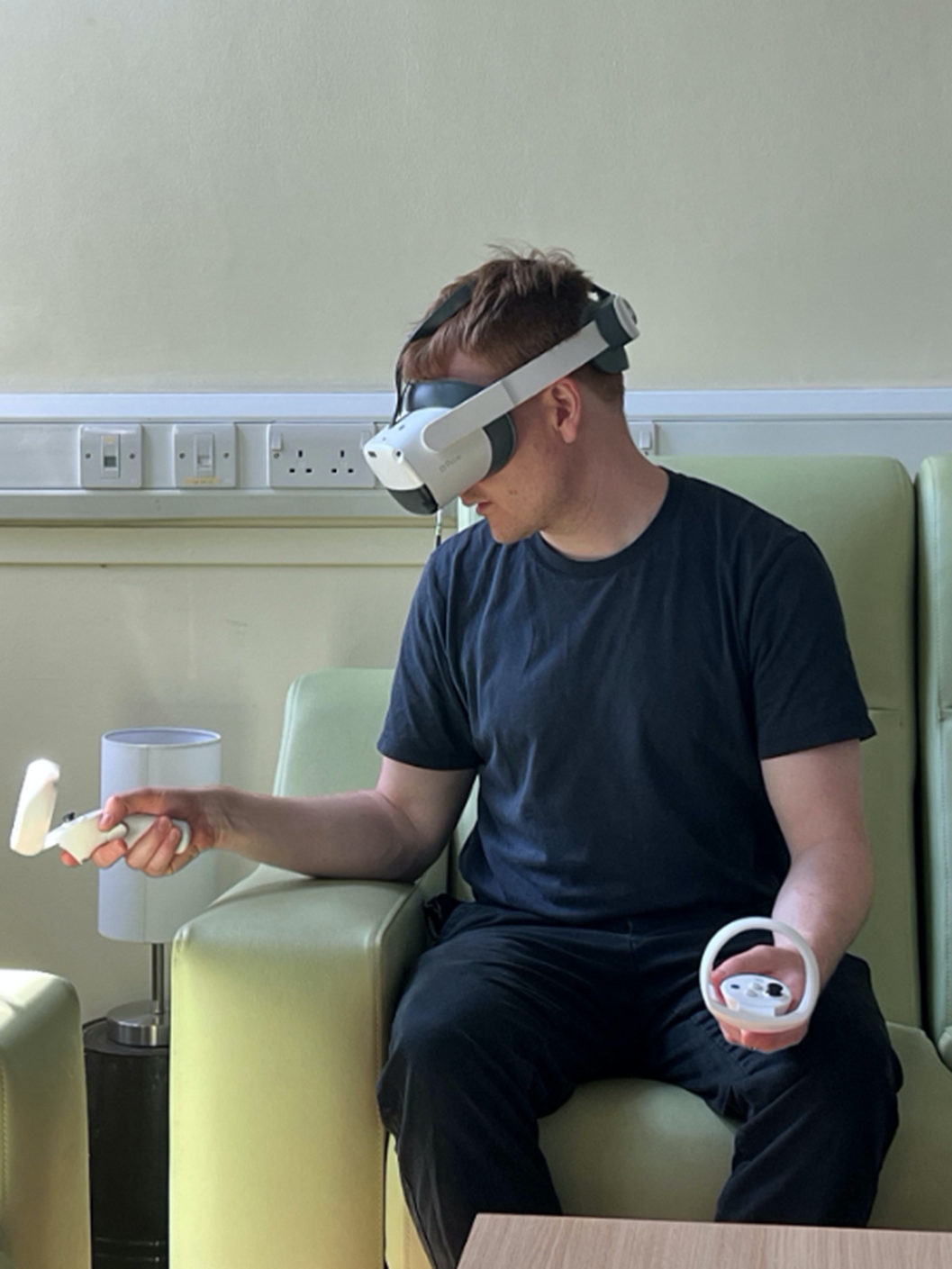
Self-reported baseline and post-intervention data were collected from a sample of six female inpatients with AN recruited at the Eating Disorders Service at the Bethlem Royal Hospital of the South London and Maudsley NHS Foundation trust (SLaM). The technology used during the VR session consisted of an Oculus head-mounted display headset and two controllers which provided continuous rotational and positional tracking (Figures 1, 2 and 3).
Results
Findings showed a global improvement after the VR Zen Garden App session, mainly in reducing levels of anxiety (Cohen’s d= 1.07) and promoting relaxation (Cohen’s d= 0.95), with possible applications especially before and after meals when food fears are at their highest. In addition, the music that was played during the intervention had a particularly positive effect.
Image:
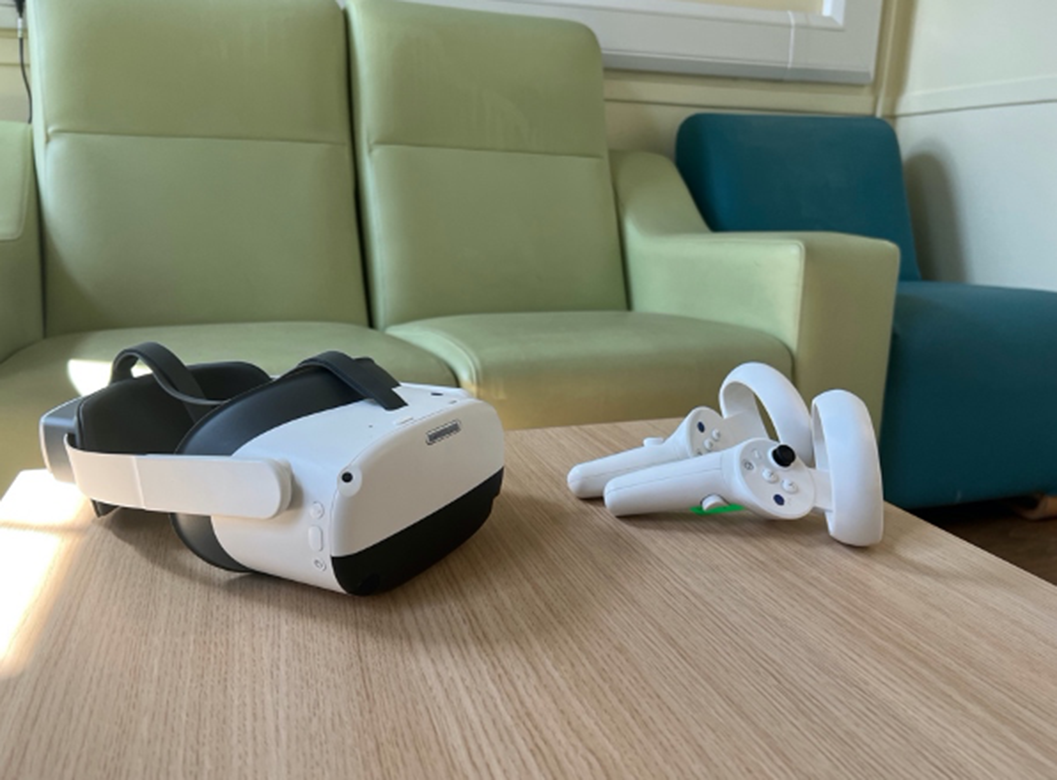
Image 2:
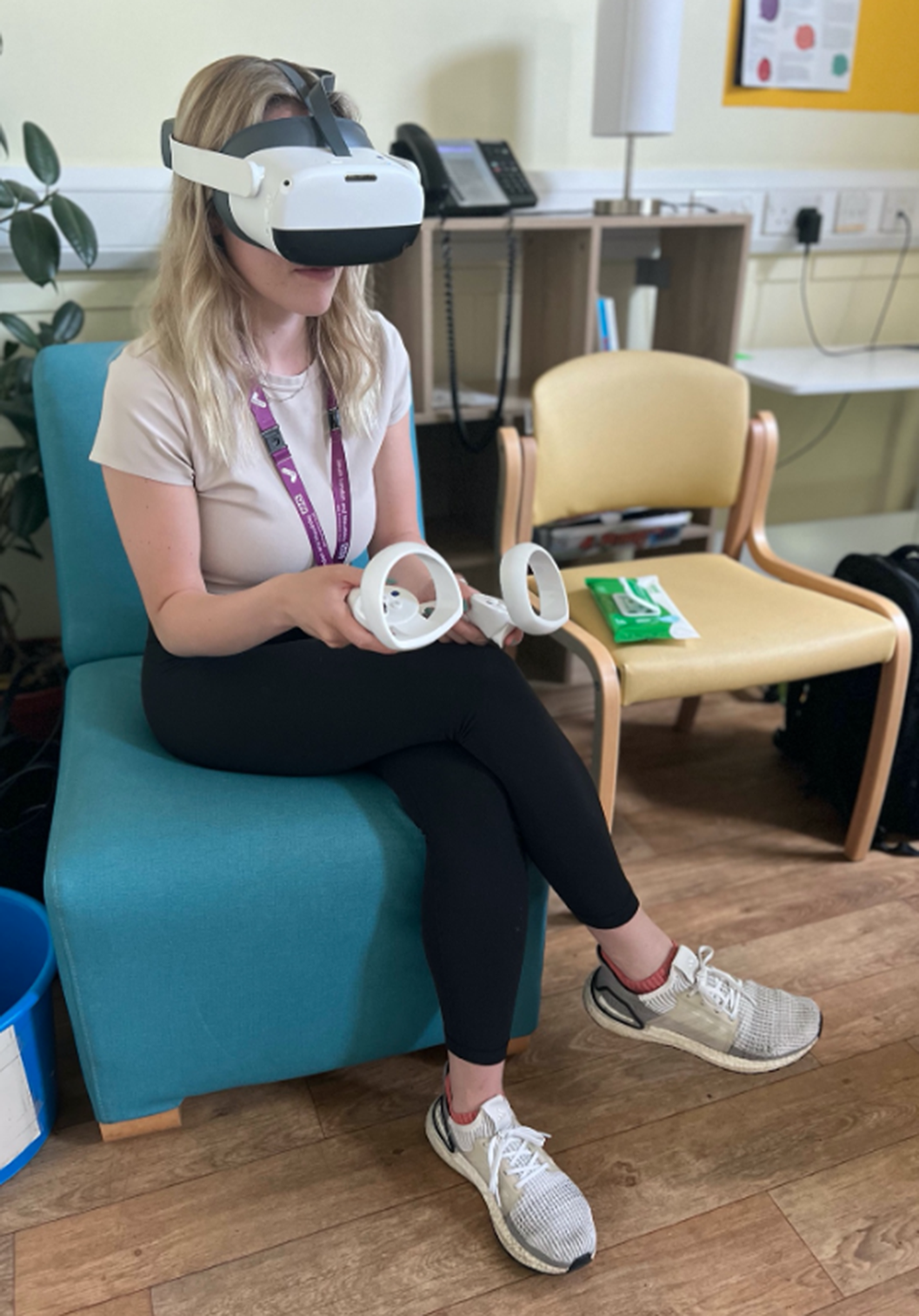
Image 3:
Conclusions
Despite limitations, such us the small sample size and the one time point measurement, positive clinical implications have been highlighted for the Zen Garden VR App in patients with AN, although further studies are needed to confirm these preliminary findings. It is possible that VR could usefully augment and personalize care for people with an EDs. A range of interventions might be used to target the most compromised symptoms such as designing interventions that can help with triggers to eating disorder psychopathology.
High levels of impulsivity are associated with individuals suffering from eating disorders. Impulsivity is a complex and multidimensional construct, with elevated impulsivity traits posing a specific risk in relation to binge-eating and purging disorders when compared to restrictive types eating disorders.
Objectives
Our aim was to identify the difference in impulsivity profile in children and young patients with eating disorders, including anorexia nervosa restrictive type (ANR), anorexia nervosa binge eating/purging type (ANP), bulimia nervosa (BN) and binge-eating disorder (BED).
Methods
Patients aged 21 years or younger, meeting the DSM-V criteria for ANR (n=125), ANP (n=48), BN (n=38), and BED (n=37) were enrolled in the study. The participants had an average age of 16.3 ± 2.15 years. Data collection involved the administration of the UPPS Impulsiveness Scale (UPPS). Bilateral Student’s t-tests were conducted to evaluate potential statistically significant differences among the diagnostic groups.
Results
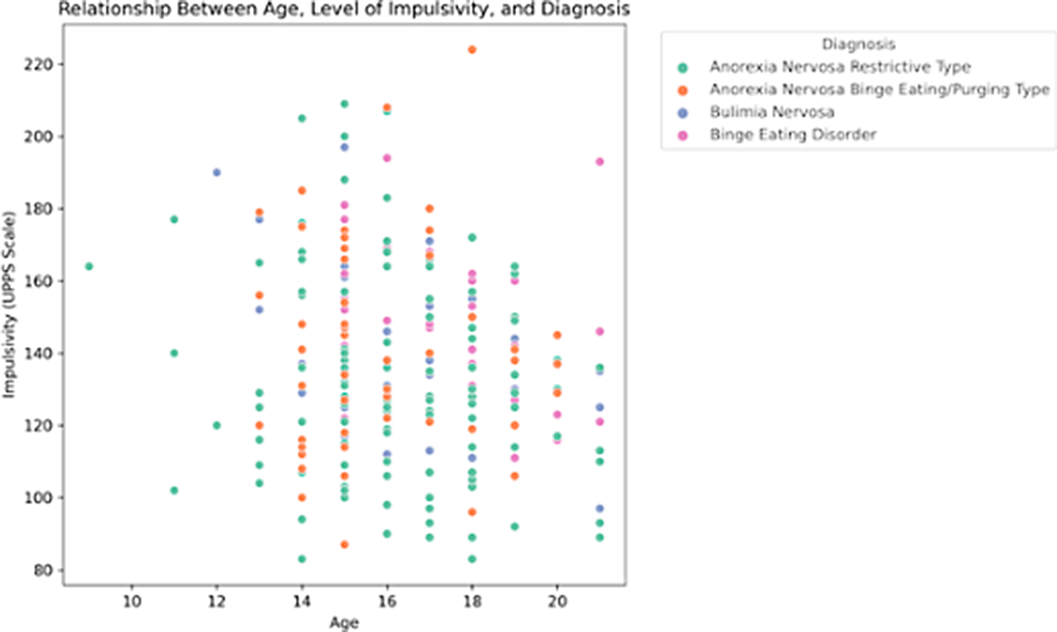
Our results indicated statistically significant differences in total impulsivity between patients diagnosed with ANR and each of the other eating disorders including ANP (T-Stud -2,19 p < .02), BN (T-Stud -2.17p < .03), and BED (T-Stud -2,68 p < .008) (Figure 1). However, no significant differences were observed among the other eating disorder groups. Nevertheless, it is noteworthy that heightened impulsivity traits, particularly sensation-seeking tendencies, were a common feature among all subtypes of eating disorders, regardless of their specific diagnostic category. Impulsivity and age also exhibited a statistically significant negative correlation (r = -0.13, p = .03) (Figure 2).
Image:
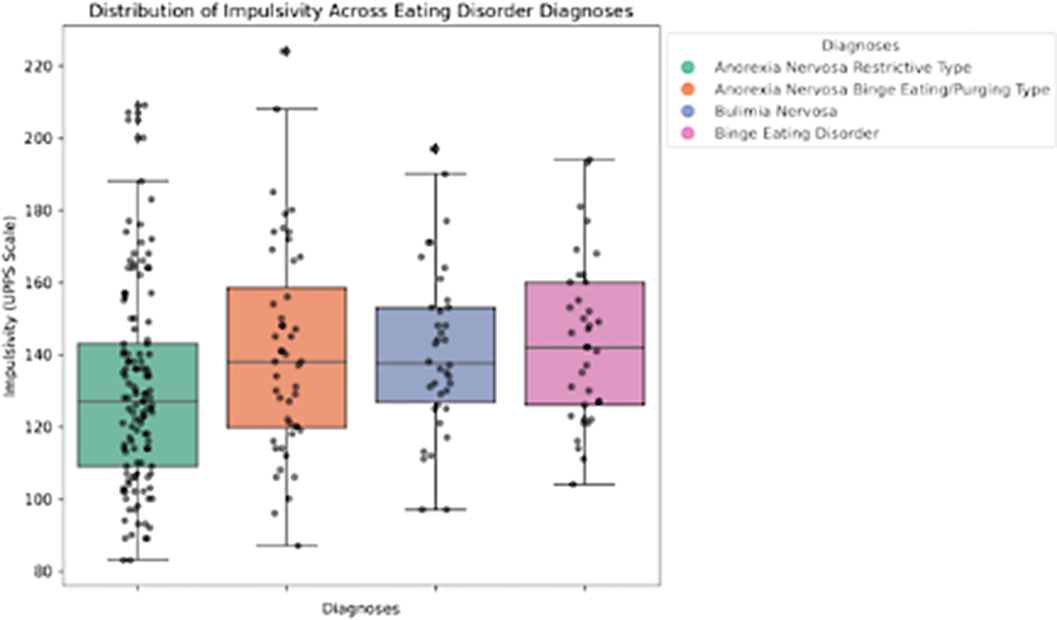
Image 2:
Conclusions
Impulsivity in individuals with restrictive and binge/purgative eating disorders differ significantly, with lower levels of impulsivity in ANR (Figure 1), except for sensation-seeking tendencies. This suggests that both groups may share a similar inclination for seeking intense emotions or engaging in emotionally arousing behaviors. As individuals age from adolescence to young adulthood, there is a tendency for impulsivity levels to decrease (Figure 2).
The presence of eating disorders is often associated with serious physical complications, self-destruction, and suicidal tendencies. Furthermore, eating disorders may often present as a symptom of or in comorbidity with personality disorders. In order to treat eating disorder patients successfully we need a more complex and individual approach taking into consideration the specific personality dysfunctions and traits present in the patient underlying symptomatic manifestations. Recently a paradigm shift in conceptualisation of personality disorders led to the introduction of a dimensional concept focusing on severity of dysfunction in both ICD-11 and DSM-5 in its Alternative Model for Personality Disorders (AMPD). IN addition, DSM-5 as part of AMPD also considers the presence of 5 domains of pathological personality traits including 25 facets. This more complex mapping of personality could aid understanding personality contributors to psychopathology not only in personality disorders and could aid treatment by providing targets for psychotherapy.
Objectives
Our aim was to compare pathological personality traits according to DSM-5 AMPD in eating disorder patients, and matched healthy control subjects.
Methods
We are launching a large project focusing on personality disorders. For this analysis we used the adult form of PID-5 to assess pathological personality traits along 5 domains and 25 facets in eating disorder patients and psychiatrically healthy controls. Data were analyzed with the Mann-Whitney test using R.
Results
Preliminary results of a pilot analysis in 14 eating disorder patients and matched psychiatrically health controls are shown. Comparing the data of the two groups, a significant difference was observed in several personality facets, including Anxiousness, Deceitfulness, Grandiosity, Impulsivity, Manipulativeness, Perceptual dysregulation, Rigid perfectionism, Submissiveness, and Unusual beliefs. These differences in the above facets reflect differences in the two groups in all pathological personality domains including Anhedonia, Negative affect, Antagonism, Disinhibition, and Psychoticism.
Conclusions
Our results show complex differences between eating disorder patients and healthy control subjects in several facets, pointing to a unique pattern and the affectedness of all pathological personality domains. Such results could possibly add to identifying personality trait targets for psychotherapy in eating disorders besides increasing our understanding on the etiopsychopathology of this serious psychiatric illness. Our study is ongoing, but more complex analyses involving further measures and variables in larger samples bring the hope for increasing effectiveness of treatment for anorexia.
The EDE-Q-7 Portuguese version presented good reliability and validity in Portuguese women fro the general population (Pereira et al. 2022).
Objectives
The aim of our study was to analyse the psychometric properties of the EDE-Q-7 in a sample of Portuguese women during the perinatal period.
Methods
Participants were 346 women with a mean age of 31.68 of years old (± 4.061; range: 18-42). 160 were pregnant (second or third trimester) and 186 were in the post-partum (mean baby´s age=4.37 months (± 2.87; range: 1-12). They answered an online survey including the Portuguese version of the EDE-Q-7 and of the Screen for Disordered Eating/SDE.
Results
Confirmatory factor analysis (CFA) presented adequate fit, in pregnancy (χ2/df=; RMSEA=, p<.001; CFI=; TLI=; GFI=), postpartum (χ2/df=; RMSEA=, p<.001; CFI=; TLI=; GFI=) and considering both – perinatal period (χ2/df=2.7998; RMSEA=.0722, p<.001; CFI=.9709; TLI=.9444; GFI=.9761). The Cronbach’s alpha coefficients were >0.90 for the total and approximately .70 for the three factors - Dietary restraint, Shape/weight overvaluation and Body dissatisfaction. All the items contributed to the internal consistency and presented high internal consistency. Pearson correlations between factors and total scores were significant, positive and high, as well as between the EDE-Q-7 measures and SDE (>.60 with the total; >.40 with the factors), in pregnancy, postpartum and considering both periods.
Conclusions
Presented sound psychometric properties across the perinatal period, the EDE-Q-7 and can be very useful to evaluate the presence and severity of eating disorders symptoms in women in pregnancy and post-partum.
Stigma towards mental disorders has been shown to be a major obstacle to recovery and quality of life among people with psychiatric disorders. Despite significant advances in the treatment of mental disorders, stigma remains concerning to patients, caregivers, and healthcare professionals. Singapore is a city state in South-East Asia with a multi-ethnic population. A nation-wide campaign launched in 2018, Beyond the Label, focusing on addressing stigma and promoting social inclusion for persons with mental health conditions.
Objectives
The aims of the current study were to (i) establish the dimensions of stigma and examine its correlates in the general population of Singapore using a vignette approach, and (ii) examine whether there was any change in stigma levels from 2016 to 2023.
Methods
Data for the current study comes from an ongoing nation-wide, cross-sectional study of mental health literacy conducted in Singapore since September 2022. The study population comprises Singapore Residents aged 18–65 years who are currently living in Singapore. Respondents were randomly assigned and presented a vignette describing one of seven specific disorders: alcohol abuse, dementia, depression, depression with suicidality, gambling disorder, obsessive-compulsive disorder, and schizophrenia. Stigma was assessed using Personal and Perceived scales of the Depression Stigma Scale (DSS) (Griffiths et al. Br J Psychiatry; 2004 185 342-349), and the Social Distance scale (SDS) (Link et al. Am J Public Health 1999; 89 1328–1333).
Results
2500 respondents who completed the survey were included in the current analysis. The mean age of the respondents was 42.8 years. A three-factor model comprising ‘weak-not-sick’, ‘dangerous/undesirable’, and ‘social distance’ provided acceptable fit. Multivariable linear regression analyses revealed that younger age, female gender, students, and dementia vignette were significantly associated with lower weak-not-sick scores while Malay and Indian ethnicity, lower education, and alcohol abuse and gambling disorder vignette were significantly associated with higher weak-not-sick scores. Those of Malay and Indian ethnicities and those with a family member or close friend who had problems similar to the person in the vignette were significantly associated with lower social distance scores.
A significant decrease (p<0.001) in all three factor scores was observed from 2016 to 2023 (Table 1).Table 1.
Mean stigma scores over time
2016
2023
Factors
Mean (SD)
Mean (SD)
Weak-not-sick
10.2 (2.1)
9.5 (2.3)
Dangerous/undesirable
11.6 (2.8)
11.2 (2.7)
Social distance
12.0 (3.1)
11.6 (3.0)
Conclusions
Our study found a significant decrease in stigma from 2016 to 2023 in the Singapore population which indicates the positive impact of anti-stigma initiatives in Singapore. Interventions must be co-developed with males, older adults, and those with a lower education to further reduce stigma in this multi-ethnic population.
Psychiatric Day Hospital (DH) constitutes an area of semiresidential care for short- and medium-term diagnostic and therapeutic-rehabilitative services. Through a descriptive analysis, we analyzed the clinical rationale and expected goals leading to an admission to the psychiatric day hospital service at St. Andrew’s Hospital in Rome, over a two-year period (2021-2022).
Objectives
We aim, through the evaluation of the epidemiological data of patients, particularly the causes of admission and sending institutions, to be able to have at our disposal important comparison data to understand the characteristics of the patient population received in psychiatric day hospital services.
Methods
Medical records of 218 patients admitted from 01.01.2021 to 31.12.2022 at the Psychiatry Day Hospital of Sant’Andrea Hospital in Rome were analyzed. The main sociodemographic and clinical characteristics and finally the type of psychiatric service from which the admission came were collected and analyzed, in addition to the reason for referral and therapeutic goal. Statistical analyses were conducted using Excel spreadsheets.
Results
64% of admissions aimed to modify or start new medication regimens with monitoring (e.g., Clozapine, Carbolithium, Esketamine). 19% were for medical evaluations, mainly neurological, cardiological, endocrinological, or internal medicine. 9% were for diagnostics. 2% were for infusion therapy, and an additional 2% for Esketamine treatment. The main findings highlight that Day Hospital use primarily focused on comprehensive patient assessments and therapy adjustments, often involving closely monitored drugs. Notably, 19% were for medical evaluations, with 28% of them being neurological assessments. This suggests challenges in conducting detailed medical assessments outside a context with prioritized access to such services.
Conclusions
Limited data in the literature make it challenging to conduct comparative analyses regarding patients in psychiatric day hospital services. However, our data can spark a discussion about admissions with objectives that could potentially be addressed through alternative services. We should also explore why this isn’t happening. It could be interesting to conduct a descriptive analysis comparing epidemiological data from the two years before and after the period under investigation. Conducting retrospective statistical analysis on the collected data can yield more comprehensive results.
Several data have been published in the past decade on the mental health of the Hungarian population by different research teams but less information is available about the trends of mental status of the population based on comparable research methods.
Objectives
Our aim is to provide data on the time trends of mental status in Hungary using comparable methodology.
Methods
Four cross-sectional mental health surveys of the adult Hungarian population were designed by the authors; data collection was carried out by an opinion polling company between 2010 and 2023. Representative samples were selected by multistage stratified cluster sampling and weighted for analysis. Self-filling questionnaires were used to collect information on demographic data and socioeconomic status; validated scales were used to assess pathological distress (GHQ) and sense of coherence (SOC).
Results
Distribution of the respondents by permanent residence, age and sex in all surveys reflected that of the adult population of the country. The proportion of adults struggling with severe psychological distress approximately halved from 14.53% in 2010 to 6.78% in 2019 showing a significantly improving trend (<0.001) with higher proportions of women being severely stressed compared to men. Sense of coherence, a measure of psychological resilience increased by 3.43 points from 2010 to 2019 (p<0.001), also reflecting a significantly improving trend without gender difference. However, the last survey of 2023 showed significant worsening with 18.85% of adults struggling with pathological distress, and a dramatic decrease in sense of coherence (-13.64 points).
Educational level and social support were found to be consistent and significant determinants of mental health.
Conclusions
Mental health status improved among Hungarian adults in the past decade up until 2019 but the trend turned into the opposite by 2023. Further research is warranted to uncover the underlying causes of the latest changes.
Autism spectrum disorders (ASD) represent a major public health concern on a global scale. The increasing prevalence of ASD worldwide, coupled with the arising demand for treatments, underscores its important role in the public mental health discourse. Ensuring the equitable integration of children with ASD and their families into all aspects of society becomes an imperative task, in order to eradicate the stigma associated with the broad spectrum of autism, encompassing both visible and concealed dimensions.
Objectives
The primary objective of this study was to determine the crude prevalence of ASD in Greece nationwide, while also examining regional disparities in both prevalence and therapies. The study spanned a three-year period from February 2019 to February 2022 and relied on retrospective data sourced from the Greek National Organization for Healthcare Services Provision (EOPYY).
Methods
EOPYY provided de-identified data, including information such as sex, age, diagnosis, and treatment for each child, facilitated by hashed social security numbers. Statistical analysis of the dataset was performed using the open-source statistical program R.
Results
A total of 18,245 children aged 2 -17 years were diagnosed with ASD in Greece, representing a nationwide crude prevalence rate of 1.16%. Regional disparities were evident, with prevalence rates ranging from 0.49% in the North Aegean to 1.57% in Crete. Over the three-year study period, a total of 15,328,327 non-medical therapies were prescribed, corresponding to an annual average of 264 therapies per child. Statistically significant differences between the thirteen regions in Greece were observed, ranging from 230 to 323 annual therapies per child.
Conclusions
Our findings align Greece’s ASD prevalence with the global estimate of 1 in 100 children, as per the World Health Organization. Disparities between rural and urban areas in Greece may be attributed to differences in diagnostic procedures and the availability and accessibility of specialized services for autistic individuals. Thus, the establishment of a national surveillance system for ASD is recommended to enhance our understanding of the autism spectrum, monitor changes in prevalence, and identify potential contributing factors to autism conditions. Furthermore, these evidence-based results offer invaluable insights for crafting policies concerning healthcare, education, and employment for individuals with ASD in order to ensure the development of people with autism, their wellbeing, and a good quality of life.