We partner with a secure submission system to handle manuscript submissions.
Please note:
You will need an account for the submission system, which is separate to your Cambridge Core account. For login and submission support, please visit the
submission and support pages.
Please review this journal's author instructions, particularly the
preparing your materials
page, before submitting your manuscript.
Click Proceed to submission system to continue to our partner's website.
To save this undefined to your undefined account, please select one or more formats and confirm that you agree to abide by our usage policies. If this is the first time you used this feature, you will be asked to authorise Cambridge Core to connect with your undefined account.
Find out more about saving content to .
To send this article to your Kindle, first ensure no-reply@cambridge.org is added to your Approved Personal Document E-mail List under your Personal Document Settings on the Manage Your Content and Devices page of your Amazon account. Then enter the ‘name’ part of your Kindle email address below. Find out more about sending to your Kindle.
Find out more about saving to your Kindle.
Note you can select to save to either the @free.kindle.com or @kindle.com variations. ‘@free.kindle.com’ emails are free but can only be saved to your device when it is connected to wi-fi. ‘@kindle.com’ emails can be delivered even when you are not connected to wi-fi, but note that service fees apply.
Long-acting injectable antipsychotics (LAIs) have emerged as a new therapeutic option to treat patients suffering a psychotic disorder. To date, there is a lack of studies regarding safety and clinical use pattern of LAIs in pregnant women.
Objectives
Provide evidence and real world clinical data of pregnant women with schizophrenia who have been treated with long-acting aripiprazole monohydrate (aripiprazole once monthly [AOM] condition) during their pregnancy.
Methods
Descriptive real-world clinical experiences of pregnant women in treatment with AOM. The information was obtained by reviewing electronic medical records and by direct clinical observation management.
Results
The first six case-series describing the pregnancy course of women with schizophrenia treated with AOM. All of them remained psychopathologically stable through pregnancy, and their infants became healthy with normal developmental milestones (Table 1).
Table 1.
Clinical characteristics of six case-reports.
Mothers
1
2
3
4
5
6
Maternal/Pregnancy outcomes
Age(years)
35
29
35
31
38
30
Diagnosis
Schizophrenia
Schizophrenia
Schizophrenia
Schizophrenia
Schizophrenia
Schizophrenia
AOM(mg/days)
400-300
400-300
400-300
160
300
400
Type of delivery
Eutocic.
Eutocic, preterm
Eutocic
Eutocic
Eutocic
Eutocic
Neonatal outcomes
Weight(grams)
3300
1800
3140
3102
2940
3400
Gender
Female
Female
Male
Male
Male
Male
Developmental Abnormalities(years)
No(3)
No(2)
No( 0.17)
No(2)
No(2)
No(1.5)
Conclusions
The favorable results in this case-series suggest that despite the lack of evidence on reproductive safety and treatment with AOM during pregnancy, this therapeutic option should be considered in pregnant women with schizophrenia. However, further research on the use of long-acting antipsychotics in pregnant women is needed.
Schizophrenia is a chronic psychiatric illness with periods of remission and relapse. Patients vary in the frequency and severity of relapse, time until relapse and time in remission. Discontinuation of antipsychotic medication is by far the most important reason for relapse. A possible method to optimize medication adherence is to treat patients with long-term, depot medication rather than oral medication.
Objectives
Primary objective is to compare all cause discontinuation rates in patients with schizophrenia randomized to either one of the two depot medications (aripiprazole depot or paliperidone palmitate) with patients randomized to either one of the two oral formulations of the same medication (aripiprazole or paliperidone) over an 19 month follow-up period.
Methods
Pragmatic, randomized, open label, multicenter, multinational comparative trial consisting of a 19 month treatment period. Patients aged 18 years or older, having experienced the first psychosis 1-7 years ago, currently meeting DSM-IV-R criteria for schizophrenia. Patients are randomized 1:1:1:1 to paliperidone palmitate, aripiprazole depot, oral aripiprazole or oral paliperidone. The primary outcome is all cause discontinuation.
Results
In the Intent to Treat sample (n=511), no difference was found in time to ACD between the combined oral and combined depot treatment arms, nor between the four individual treatment arms.
Conclusions
Even though the scientific evidence comparing oral and depot medication has been inconsistent, most studies were conducted in rigorous clinical settings, which may have biased those results. In contract, given the pragmatic, open label design of the current trial, the results may be more representative of common daily practice.
Patients with Schizophrenia Spectrum Disorders (SSD) often lead unhealthy lifestyles with higher prevalence of obesity and unfavourable cardiometabolic parameters with less life expectancy and often worse quality of life compared with general population.
Objectives
Evaluate the effectiveness of a combined intervention of exercise and psychoeducation in 48 SSD outpatients with metabolic syndrome (MetS), treated with second-generation antipsychotics and also aimed to explore if the effect persisted in a long-term follow-up of 24 months.
Methods
The intervention included a 12-week aerobic exercise program and a session of lifestyle psychoeducation. Effectiveness was measured in terms a wide range of outcomes involving physical and psychological health, functioning, quality of life, physical activity and changes in motivation to exercise in the context of the self-determination theory.
Results
The active intervention group showed benefits after Bonferroni correction over clinical global impression, identified motivation to exercise and changes of physical activity pattern. Maintenance of effects after 24 months of follow-up was observed for identified regulation to exercise and also for negative symptoms of psychosis (Table). Table. Effects assigned-group/time-over *p≤0.05 **p≤0.01.
Variables
12weeks
24months
Time
Groupxtime
Groupx timex gender
p
p
p
p
p
HDL (mg/dl)
0.021*
Negative Syndrome Scale
0.044*
0.004**
BREQ-2- Extrinsic regulation
0.008**
0.004**
-External
0.026*
-Introyected
0.038*
-Identified
0.018*
0.015*
0.003**
0.002**
BREQ-2-Intrinsic regulation
0.005**
0.004**
Pedometer (steps/day)
0.001**
0.006**
Conclusions
A combined intervention on SSD outpatients with MetS showed effectiveness over several clinical parameters and functioning. Therefore, should be considered an essential part of the integral treatment in mental health services for SSD patients.
The prevalence of schizophrenia is close to 1 percent internationally. According to the 2019 census, the population in the province of León, our study population, is 460,001 inhabitants.
Objectives
To study the distribution of schizofrenia in the area covered by the Complejo Asistencial Universitario de León, Spain.
Methods
This is a retrospective and cross-sectional descriptive study. The data of the hospitalizations of the last 10 years (2009-2019) will be obtained in any service of the CAULE of the 28 basic health areas of the province of León, with a diagnosis of schizophrenia. Prevalence will be calculated. The rate of schizophrenia will be calculated for the decade per 1000 inhabitants.
Results
3133 admissions identified 1576 unique patients. It is the decade of 50-59 where the largest number of hospitalizations is concentrated. Most entered directly into the psychiatry hospital care. It is 2019 where the most income is produced and 2017 the one with the least. The rate of schizophrenia is 3,2 Per 1000 inhabitants.
Conclusions
Hospitalizations for schizophrenia is concentrated in the decade of the 40-49 years. The diagnosis of schizophrenia is frecuently delayed until negative symptoms appear. There is an upward trend in hospitalizations per year in the last decade. The rate of schizophrenia is higher in areas where consanguinity is present and where the prison is located.
The development of obesity and metabolic abnormalities that seed future ill-health occur early with antipsychotic treatment. In 2013, the 12-week Keeping the Body in Mind (KBIM) pilot lifestyle intervention was delivered to a small sample of youth experiencing first-episode psychosis (FEP) with <4 weeks of antipsychotic exposure in a cluster-controlled design. The control group experienced significant increases in weight (mean 7.8kg) and waist circumference (mean 7.1cm) compared to non-significant increases (mean 1.8kg) in the KBIM group.
Objectives
To evaluate the effect of KBIM as routine care on anthropometry and metabolic biochemistry in a larger sample of youth with FEP across three mental health services.
Methods
This retrospective chart audit was conducted on youth with FEP, prescribed a therapeutic dose of antipsychotic medication, and who engaged with KBIM between 2015 and 2019. Primary outcomes were weight and waist circumference. Secondary outcomes were blood pressure, blood glucose and blood lipids. Outcomes were collected in a pre-post design. Implementation elements were also obtained from the participant’s medical file.
Results
One-hundred and eighty-two people met inclusion criteria. Follow-up data were available on up to 134 people for individual outcomes. Mean number of sessions attended was 11.1 (SD=7.3). Weight and waist changes were limited to 1.5kg (SD=5.3, t(133)=3.2, p=0.002) and 0.7cm (SD=5.8, t(109)=1.2, p=0.23). Nineteen percent experienced clinically significant weight gain. There were no changes to blood pressure or metabolic biochemistry.
Conclusions
The positive outcomes for weight and waist circumference found in the initial pilot study were maintained with implementation as routine care.
In daily life an alert or relaps prevention plan can be a helpful tool in preventing patients with severe mental illness (SMI) from relapse. However, patients often find it hard to keep the paper version close by. A smartphone version could be a solution. “MySolutions” is a webapplication providing the possibility to add e.g. pictures or music to the alert plan, which could be helping in time of need.
Objectives
To describe the lived experiences of patients with (SMI) with the webapplication ‘MySolutions’ and get insight in the helping and hindering characteristics of the application.
Methods
Qualitative research in a fenomenological framework. Eight interviews were held with outpatients with SMI. All interviews where methodically analyzed using the steps of Colaizzi (1978).
Results
In general, users were enthousiastic about the look and feel of the application. Using the application was considerd easy. Lived experiences of participants displayed the following themes: Autonomy, Acceptance, Frustration, Self confidence, and Reassurance. By practicing and adding photos and music, they perceived the webapplication to be a personal aid tool for experienced problems related to mental vulnerability in daily life. Participants also reported more difficulties in using the application in times of dysregulation.
Conclusions
The webapplication can be a valuable addition to the alert plan for people with SMI due to the possibility of personalization and the fact it is always available on a mobile phone. The application seems particularly suiting for people in a stabile phase. Future research should focus on phase of recovery in relation to use of the application.
The COVID-19 pandemic and associated preventive measures have an impact on the persons’ mental health, including increasing risk of symptoms of anxiety and depression in particular. Individual experiencing mental health difficulties in the past could be especially vulnerable during lockdown, however, few studies have tested this empirically considering preexisting mental health difficulties using longitudinal data.
Objectives
The objective of this study is to examine the longitudinal association between preexisting symptoms of anxiety/depression and symptoms of anxiety/depression during lockdown due to the COVID-19 pandemic in a community sample.
Methods
Seven waves of data collection were implemented from March-May 2020. Generalized estimation equations models were used to estimate the association between preexisting symptoms of anxiety/depression and symptoms of anxiety/depression during lockdown among 662 mid-aged individuals from the French TEMPO cohort.
Results
We found an elevated odds ratio of symptoms of anxiety/depression (OR=6.73 95% [CI=4.45–10.17]) among individuals experiencing such symptoms prior lockdown. Furthermore, the odds of symptoms of anxiety/depression during lockdown was elevated among women (OR=2.07 [95% CI=1.32–3.25]), subjects with low household income (OR=2.28 [1.29–4.01]) and persons who reported loneliness (OR=3.94 [2.47–6.28]).
Conclusions
This study demonstrates a strong relationship between preexisting symptoms of anxiety/depression and anxiety/depression during the COVID-19 outbreak among mid-aged French adults. The findings underline the role of preexisting symptoms of anxiety/depression as a vulnerability factor of anxiety/depression during lockdown. Furthermore, the study shows that loneliness is independently associated with symptoms of anxious/depression, when controlling for prior anxiety/depression symptoms.
COVID-19 caused an ongoing health emergency that rapidly spread worldwide, so all countries adopted exceptional health measures to reduce disease’s transmission. The stress caused by pandemic presents increasing risks for family violence and for child abuses. Interinstitutional Equips of Abusive and Maltreatment (IEAM) deals with the management of abusive families in Palermo’s territory. IEAM starts evaluations after the interventions of the court solicited by a complaint filed by teachers, law enforcements or members of the family. IEAM is formed by consultations in maternity ward, child welfare service and school educational psychologists.
Objectives
The purpose of this research was to evaluate the variations of child abuse and maltreatment reported during local and National lockdown due to pandemic. Reported cases were compared with the previous year.
Methods
The authors collected data of IEAM’s advisory from January 2019 until August 2021. The number of cases was evaluated monthly.
Results
We observed 124 cases in 2019, 145 in 2020 and 94 until August 2021. Advisory reductions coincided with the service activity reduction in August of every year and in March 2020 when Italy declared national lockdown. Social isolation represents a risk factor for child abuse. Although the increase of cases was quite stable, there are reasons to speculate that the reporting of child abuse and maltreatment decreased since home isolation hampered the access to responsible services.
Conclusions
School closure together with the strong reduction of social care and monitoring during and after lockdown might have increased the domestic violence. Lastly, the child abuse may be underreported despite the effective increase.
Cognitive functioning and psychological well-being are considered negatively affected by COVID-19. An estimated 15%-40% of COVID-19 patients report disrupted cognitive performance. Higher rates of anxiety, depression and sleep disturbances are also reported post infection.
Objectives
We examined the profile of cognitive changes in a group of adults with a confirmed COVID-19 diagnosis, compared to those without a COVID-19 diagnosis (cross-sectional between-subjects investigation); and for a subgroup, compared to their pre-COVID-19 cognitive function (longitudinal within-subjects investigation).
Methods
One hundred and twenty-one adults (57 with no known history of COVID-19; 64 with confirmed COVID-19; 17/64 with long COVID symptoms) were assessed online for psychological well-being and cognitive function (attention, processing speed, working memory, episodic memory and executive function). Pre-COVID-19 cognitive data were available for 56 of 121 adults (24 adults with a confirmed diagnosis of COVID-19; 22 with no known history of COVID-19) through the MyCognition database.
Results
The COVID-19 group showed reduced processing speed in both cross-sectional and longitudinal investigations, and also showed significant attentional impairment when examined cross-sectionally. Five long COVID symptoms (abdominal pain, chest pain, sore eyes/conjunctivitis, sore throat and vomiting/nausea) were associated with reduced performance in multiple cognitive domains. Higher levels of depression and anxiety were also present in the COVID-19 group but these symptoms were mostly unrelated to cognitive performance.
Conclusions
COVID-19 survivors, especially those with long COVID symptoms, are very likely to experience cognitive disruption. Measures need to be implemented to support their cognitive recovery in addition to the physical recovery.
At Kiskunhalas Semmelweis Hospital, a special mobile container hospital was set up to care for patients infected with SARS-CoV-2 during the first wave of the pandemic.
Objectives
We aimed to create a proactive integrated mental health protection system for the frontline healthcare workers that provides an opportunity for psychophysiological monitoring of stress and crisis during shifts, as well as providing staff with more lasting methods of coping with difficulties.
Methods
From the ascending branch of the second wave, every two weeks on the workers’ rest day, mental helpers initiated a phone call to each employee participating in the program. If it was necessary, we provided psychological counseling, crisis intervention, brief psychotherapy, and psychopharmacotherapy. In addition, self-operated psychophysiological screening devices were used at the frontline work site, which provided an opportunity for continuous telemedicine monitoring.
Results
In our department, three psychologists and three psychiatrists kept in touch with an average of 150 frontline workers per month. Interventions were needed for a total of over 24% in December and January, over 17% in February and March, almost 9% in April, and only 4% in May. Helpers rated an average of two-thirds of these cases as moderate. They faced severe stress 2-3 times a month in sum, and for 2-3 workers needed medication.
Conclusions
Without a mental support system, self-report-based data suggest that nearly half of responders working at the frontline reached the threshold of clinically significant mental syndromes (Greenberg et al, 2021). Using our mental health support system, one-fifth of the workers needed intervention.
The COVID-MENTA Screening Program was developed to monitor the mental health of frontline healthcare professionals and identify those at high risk for suicide at the Kiskunhalas Mobile Disease Control Hospital.
Objectives
Our post hoc analysis aimed to investigate the association between psychological distress and suicide ideation based on passively collected data during the screening work.
Methods
A sample of 50 healthcare professionals was analyzed from 167 participants in the COVID-MENTA Screening Program between the second and third waves of the COVID-19 pandemic. Data collection was performed during the breaks of healthcare professionals at work. Half of the group (N=25) perceived severe distress (scored > 5/10 on Distress Thermometer). The crisis monitoring application was based on Klonsky and May’s 3-step theory (2015) and was built by adapting the questions on the appropriate international scales (Psychache Scale, Beck’s Hopelessness Scale, Interpersonal Needs Questionnaire, Suicide Capacity Scale). The tool can stratify the current suicide risk into seven levels.
Results
Spearman’s Rank Correlation was used for statistical analysis. There was a significant positive correlation between the psychological distress and the suicide risk (r (48) = 0,43, p < 0,01).
Conclusions
Our findings supported the hypothesis of the study that the risk of suicide rises with the increase of the level of distress. The application has been proved effective in ecological conditions, helping in several cases to screen individuals currently at increased risk for suicide, allowing us to intervene in a timely and effective manner.
the recent covid19 pandemic is not devoid of psychological risks on paramedical staff. Among them, those who work in the operating theaters are exposed to such risks.
Objectives
to determine the perceived stress level and the psychological impact of COVID-19 on paramedics in the operating room.
Methods
This is an observational, descriptive and analytical study carried out in the operating rooms of Sahloul University Hospital during a 3 month period. The data collection tool was a self-administered questionnaire composed of 5 main parts (socio-demographic characteristics, occupational characteristics, exposure to COVID-19, the Perceived Stress Scale (PSS) and the Hospital Anxiety and depression scale (HADS)).
Results
96 paramedical staff participated in our study. The average perceived stress score was significantly higher among anesthetists. 48% of participants had anxiety. Anesthetists had significantly higher anxiety scores (p = 0.001). 26.1% of participants had definite depression. Of those with definite depression, 35.3% were anesthetists (p = 0.028). Factors significantly associated with the occurrence of anxiety were: psychiatric history, increased workload, contact with a positive coronavirus patient in the operating room, and severe perceived stress. However, the factors significantly associated with the occurrence of depression were: initial training in the management of covid-19 patients, personal infection with SARS-COV2 and severe perceived stress.
Conclusions
Covid-19 pandemic is causing significant symptoms of anxiety and depression among operation room staff. Primary and secondary prevention strategies must then be undertaken.
Individuals confirmed with COVID-19 were isolated or treated in medical and well-designated units; however, such a situation probably causing psychological and mental health problems that require prompt intervention.
Objectives
The purpose of this study was to identify the knowledge and management of healthcare workers regarding psychosocial and mental health priorities and needs of individuals with COVID-19.
Methods
This is a cross-sectional descriptive study. The data collected conveniently at one single point in time from 101 healthcare workers in Jordan directly managing the health of individuals with COVID-19.
Results
healthcare workers have moderate to a high level of knowledge of psychological distress related to COVID-19; mean ranged from 50-70% agreement and confidence. Healthcare workers had moderate to a high level of management of psychosocial and mental health needs. In general, healthcare workers were able to identify mental and psychosocial health needs and priorities at a moderate level. Healthcare workers’ knowledge had a positive and significant correlation with age (r = .24, p = .012) and years of experience (r = .28, p =.004), and a significant difference was found in their management towards using mental and psychosocial care between those who are trained on psychological first aids and those who are not (t = - 3.11, p = .003).
Conclusions
there is a need to train healthcare workers to integrate psychosocial and mental health care while managing psychological distress related to COVID-19.
Nations thorughout the world are imposing mandatory quarantine on those entering the country. While such measures may be effective in reducing the importation of COVID-19, the mental health implications remain unclear.
Objectives
This study sought to assess mental well-being and factors associated with changes in mental health in individuals subject to mandatory quarantine following travel.
Methods
Travellers arriving at a large urban international airport completed online questionnaires on arrival and days 7 and 14 of mandated quarantine. Questionnaire items such as travel history, mental health, attitudes towards COVID-19, and protection behaviours were drawn from the World Health Organization Survey Tool for COVID-19.
Results
There was a clinically significant decline in mental health over the course of quarantine among the 10,965 eligible participants. Poor mental health was reported by 5.1% of participants on arrival and 26% on day 7 of quarantine. Factors associated with greater decline in mental health were younger age, female gender, negative views towards quarantine measures, and engaging in fewer COVID-19 prevention behaviours.
Conclusions
While the widespread use of quarantine may be effective in limiting the spread of COVID-19, the mental health implications are profound and have largely been ignored in public policy decision-making. Psychiatry has a role to play in contributing to the public policy debate to ensure that all aspects of health and well-being are reflected in decisions to isolate people from others.
The COVID-19 pandemic, and the consequent recession, have caused a decline in the job market, with the resultant job insecurity increasing the risk of depression. While this affected all genders, suicidal thoughts were observed to be more common among women than men, suggesting that the impact of unemployment on depression varies by gender, with gender differences affecting the outcome of depression.
Objectives
This study aims to verify the moderating effect of gender on the structural relationship between unemployment, depression, and suicide during the COVID-19 pandemic by using online search trend data.
Methods
The study utilized the search trend data from Naver’s Data Lab service, by analyzing the searches of men and women under 65, between March, 2020 and September 12, 2021. The search terms were “unemployment,” “depression,” and “suicide.” The analysis examined 1121 searches using the Model 7 research model through the SPSS Process Macro to verify the moderating effect of gender on the mediating pathways for unemployment, depression, and suicide.
Results
We observed that searches for “unemployment” significantly increased with searches for “depression” (B=1.860, p<.001) and “suicide” (B=.860, p<.001). The analysis further revealed that the correlation between the increase in searches relating to depression and unemployment was seen more in women than men. This resulted in an accompanying increase in the volume of searches for suicide (B=2.341, p<.001).
Conclusions
The job insecurity caused by the COVID-19 pandemic led to varying degrees of depression according to gender. Thus, social security measures related to unemployment, depression, and suicide interventions require a gender-specific approach.
Culture is used to refer to the aspects of thinking, feeling, and behaviour related to nation, heritage, place of birth and ethnicity. I look at how the cultural context of mental disorders and the cultural context of mental disorders and the challenges of addressing ethnic diversity in psychiatric services because there is an over-representation of black people detained under the MHA.
Objectives
My aim is to understand what current data shows and use this to find a way forward which identify issues with culture and independently and challenge policies, services systems and address culture in clinical practice to provide culture complement care.
Methods
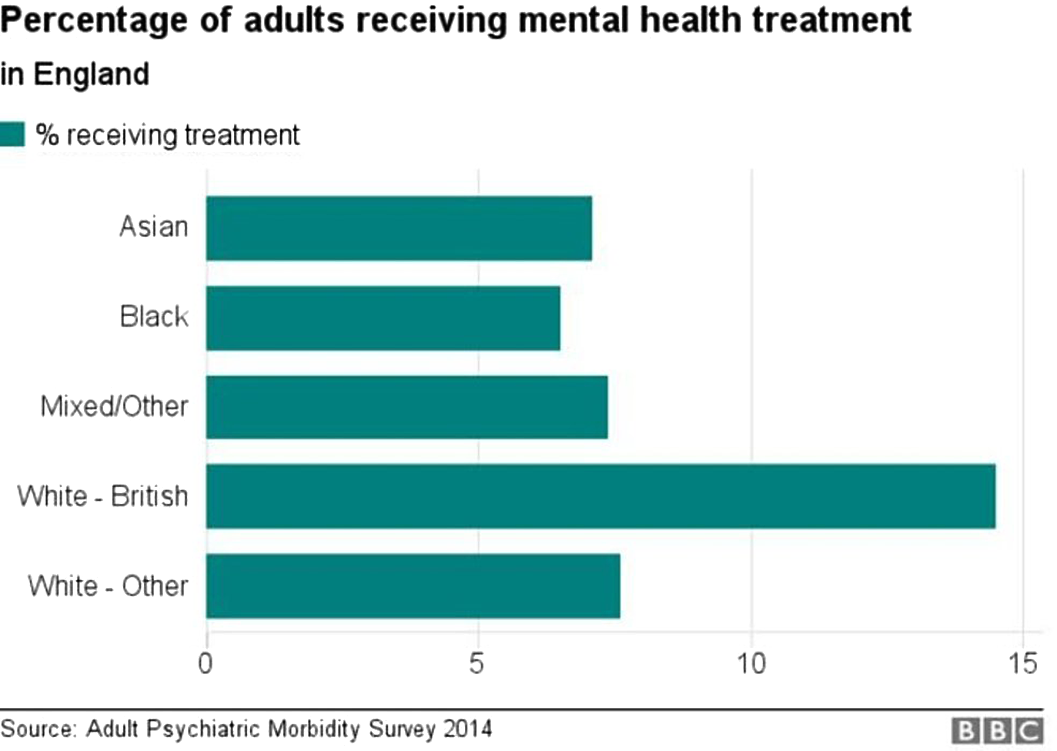
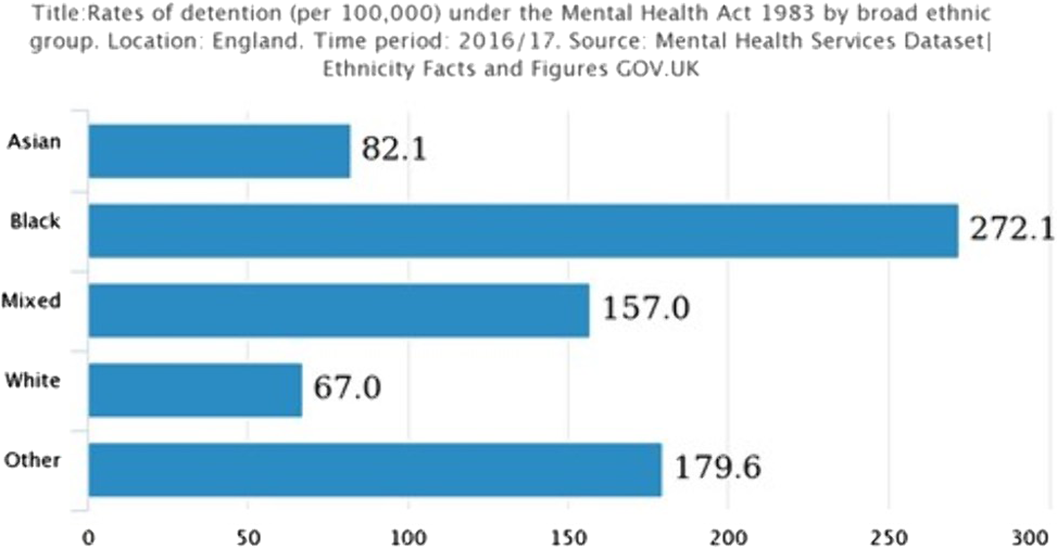
. research on rates of detention
Results
The MHA acts tells us POC are 4 times more likely to be detained, arrested under 136 twice as much, and are 8 times as likely to be put on CTOS. 40% of black people will more likely asses care through the police system. (mind.org, Uk) This further shows us just how unrepresented POCs are when it comes to their diagnosis, treatment, and care, especially compared to their white counterparts.
Conclusions
In conclusion regulatory bodies and clinicians have to work towards understanding and identifying the reasons for these disparities and then implementing measures to address this. Such as putting people of color in higher positions in mental health positions in mental health positions to add diversities, also teaching the staff members and other people in high positions of power how much culture really impacts mental health, culturally appropriate advocacy, and improving research done.
Psychiatry has typically underserved indigenous people and immigrants. Indigenous people have different ways of viewing mind and mental health and conventional Euro-American psychiatry has not always acknowledged that.
Objectives
We wanted to modify conventional psychiatric approaches to better serve our indigenous population. We worked together to determine what that would be, gained feedback from indigenous patients and practitioners, and wanted to describe what we learned in an autoethnographic fashion.
Methods
We engaged each other, indigenous practitioners within the community and indigenous patients in an ongoing discussion of how psychiatry should change to be relevant to indigenous people. We monitored our own process in an autoethnographic fashion.
Results
1. The typical DSM (Diagnostic and Statistical Manual) or ICDA (International Classification of Diseases) categories were difficult to apply to the lives of many of these patients, given the high levels of trauma both experienced and transmitted epigenetically (inter-generational trauma). A power-threat-meaning framework appeared to be a more useful adjunct to these classifications along with trauma-informed perspectives. 2. Conventional cognitive behavior therapy was less accepted given its emphasis on rational thinking, while narrative approaches were more successful, given the widespread uses of stories and storytelling in these cultures and the emphasis on relationship as more important than rationality. 3. Trained peer counselors were very helpful. 4. Bringing culture (language, songs, ceremonies, elders, arts) into treatment was highly desirable.
Conclusions
Psychiatric services to indigenous and immigrant communities should focus on empowerment through community-based, participatory methods, facilitating local problem solutions, and involving traditional elders, local government, and other stakeholders.
Beyond living longer, it is increasingly important to live with more and better health during aging (1). Sexual well-being (SWB) was found to contribute to health and well-being in old age and is highly under-researched in the older population (2).
Objectives
This study aims to analyze SWB in a cross-cultural way through older Portuguese and Slovenian older samples.
Methods
We interviewed 136 older participants with an average age of 71.6 years old. Participants were Portuguese and Slovenian and lived in the community. Participants were subjected to semi-structured interviews and these were subjected to a content analysis process.
Results
The content analysis indicated nine themes related to SWB: self-reported good health; demonstrations of love; non-sexual joint activities; overall well-being and quality of life; partner support; positive self-image; being independent and active; sexual compatibility; and masturbation. Portuguese older adults experience their SWB associated mainly with self-reported good health and demonstrations of love, while Slovenians older adults associate their SWB mainly with non-sexual joint activities and overall well-being and quality of life.
Conclusions
The themes found in this study are fundamental evidence for cultural interventions and guidelines outlining in the context of sexual health in aging, mainly due to the scarcity of knowledge of SWB among older adults. 1.von Humboldt S et al. Sexual expression in old age: How older adults from different cultures express sexually? Sex Res Social Policy. 2020;1-15. 2.von Humboldt S et al. Are older adults satisfied with their sexuality? Outcomes from a cross-cultural study. Educ Gerontol. 2020;46:284-293.
Oder adults have been stereotyped (1), both explicitly and implicitly, as being asexual or naturally lacking sexual desires (2).
Objectives
The objective of this study is to analyse the perspectives of sexual unwellness (SU) of Portuguese and Slovenian older adults.
Methods
A qualitative research was carried out, in which these perceptions were analysed at a cultural level. Methods: The sample of this study consisted of 136 older participants, between 65 and 96 years of age. Participants were of two different nationalities and lived in the community. Participants were interviewed, and all interviews were carried out through the process of literal transcription and subsequent content analysis.
Results
Eight key mutually exclusive themes emerged from the interviews: unavailability of partner; traditional values; body restrictions; low self-esteem and well-being; poor social support; dissatisfaction with physical appearance; pain during sex; and difficulties meeting new people. Unavailability of partner was the most important theme (17.9%) for the studied sample and specifically among Portuguese participants. Conversely, difficulties meeting new people was the least reported theme (6.8%) for the entire sample. For Slovenians traditional values were most relevant with respect to feeling sexually unwell.
Conclusions
Older adults from two different countries reported diverse sexual experiences. Eight mutual-exclusive themes were extensively illustrated. 1.von Humboldt S et al. Sexual expression in old age: How older adults from different cultures express sexually? Sex Res Social Policy. 2020;1-15. 2.von Humboldt S et al. Are older adults satisfied with their sexuality? Outcomes from a cross-cultural study. Educ Gerontol. 2020;46:284-293.
Cultural barriers and prejudices of mental healthcare professionals may promote inequalities in the provision of care to immigrant population and have a negative impact in provided service quality.
Objectives
To identify barriers and facilitators of immigrants’ accessibility to mental health services.
Methods
A literature review has been made through PubMed database.
Results
Immigrants’ accessibility to mental health services may be related to social insurance problems, inadequate knowledge about their health rights, inadequate knowledge of the local language, as well as the bureaucracy of Greek State which may complicate mental health examination and treatment. The challenges faced by mental healthcare professionals in terms of diagnosis and treatment of migrants include communication difficulties due to linguistic and cultural differences as far as verbal presentation of symptoms and illness behavior is concerned. Culturally competent mental health professionals should work to erase racism and prejudice, to be familiar with cultural issues and have adequate knowledge related to cultural groups, to learn the life story of each patient separately and encourage patients to explain how their illness affects their lives, promoting a trustful communication environment in the context of healthcare provision.
Conclusions
Exploring the specific needs of migrants as well as assessing the degree of satisfaction from their access to healthcare services are essential to providing integrated mental health care for people from different culture.