We partner with a secure submission system to handle manuscript submissions.
Please note:
You will need an account for the submission system, which is separate to your Cambridge Core account. For login and submission support, please visit the
submission and support pages.
Please review this journal's author instructions, particularly the
preparing your materials
page, before submitting your manuscript.
Click Proceed to submission system to continue to our partner's website.
To save this undefined to your undefined account, please select one or more formats and confirm that you agree to abide by our usage policies. If this is the first time you used this feature, you will be asked to authorise Cambridge Core to connect with your undefined account.
Find out more about saving content to .
To send this article to your Kindle, first ensure no-reply@cambridge.org is added to your Approved Personal Document E-mail List under your Personal Document Settings on the Manage Your Content and Devices page of your Amazon account. Then enter the ‘name’ part of your Kindle email address below. Find out more about sending to your Kindle.
Find out more about saving to your Kindle.
Note you can select to save to either the @free.kindle.com or @kindle.com variations. ‘@free.kindle.com’ emails are free but can only be saved to your device when it is connected to wi-fi. ‘@kindle.com’ emails can be delivered even when you are not connected to wi-fi, but note that service fees apply.
White matter abnormalities have been identified in major depressive disorder (MDD). Although several diffusion tensor imaging studies found decreased fractional anisotropy (FA) in MDD, the effect of antidepressants (AD) treatment on white matter integrity has been insufficiently studied.
Objectives
We sought to examine the effect of AD treatment of MDD on white matter, using DTI, in responders compared to nonresponders.
Methods
We included 25 individuals with MDD (HAMD >/=20) without inflammatory, unstable medical/neurological conditions or prolonged duration (> 1 year),or AD or anti-inflammatory treatment >/=1 week preceding first evaluation. Evaluation before treatment and at 16 weeks included depression rating scales, a cognitive battery, inflammatory markers and MRI. Desvenlafaxine was initiated at 50mg with a possible increase to 100mg at 8 weeks.
Results
Changes included: increased volume in responders in the right Inferior Fronto-Occipital fasciculus (p=0.0315) and Superior Longitudinal Fasciculus part 3 (p=0.0050); in remitters in the right Inferior Fronto-Occipital fasciculus (p=0.0359) and Superior Longitudinal Fasciculus part 2 (p<0.05) and 3 (p=0.0481); decreased volume in responders in the left Superior Longitudinal Fasciculus part 1 (p=0.0147) and left Corona Radiata(p<0.05); and in remitters in the left Superior Longitudinal Fasciculus part 1 (p=0.0109) and the Corpus Callosum part 5 (p<0.05); decreased FA in the right Cortico Spinal Tract in remitters (p=0.0175) and responders (p=0.0272), and an increase in FA in the left Uncinate Fasciculus in nonremitters (p=0.0493). These results lose significance following Bonferroni correction.
Conclusions
Overall, AD treatment of MDD was not associated with significant changes in FA, whole brain, or specific tract volume in this study.
Clinical case about a 62 year old patient, diagnosed with mixed anxiety-depressive disorder. In current treatment with Paroxetine, Clorazepate and Trazodone. She presents low spirits secondary to a neurological process (stroke + amyloid angiopathy+ epilepsy+ cognitive impairment) and difficulties in performing daily activities. Her daughter reports that she is totally dependent, she spends the whole day in bed. On examination we observe a dull mood, without emotional reactivity. Lack of motivation. Psychomotor slowness.Significant cognitive impairment with difficulties in performing daily activities. Mnesic faults.
Objectives
Clinical case shows radiological and cognitive improvement with vortioxetine
Methods
Last diagnoses: August 2020: HSA OF THE FRONTAL AND PARIETAL GROOVES RIGHTS September 2020:SYMPTOMATIC FOCAL EPILEPSY SECONDARY TO LEFT FRONTOPARIETAL INTRAPARENCHIMATOSUS HEMATOMA December 2020:MYELOID ANGIOPATIA February 2021:SUBARACHNOID HEMORRHAGE March 2021:DEPRESSIVE DISORDER SECONDARY TO MEDICAL ILLNESS - MODERATE COGNITIVE IMPAIRMENT
Results
Spectacular improvement in mood and cognitive deficit. The family reports that after 5 days they noticed the change. They find her more lively, she has returned to doing housework and is autonomous for day-to-day life. She has regained her memory and performed calculation exercises on a daily. The patient says that she has returned to being her usual self, “before I felt like a mummy and now I have finally woken up, it seems like a miracle”.
Conclusions
It has improved much with change of antidepressant, from paroxetine to vortioxetine in patient who show in cranial MRI: New-onset lesion in the right frontal lobe attributable and subarachnoid hemorrhage located in convex furrows ,radiological findings in favor of amyloid angiopathy
Depression is characterized by a pattern of specific changes in the network organization of brain functioning.
Objectives
We researched a graph structure specificity in a depressive student sample by analyzing resting-state EEG. All possible combinations of graph metrics, frequency bands, and sensors/sources levels of networks were examined.
Methods
We recorded resting-state EEG in fourteen participants with high Beck Depression Inventory score (24.4 ± 9.7; 20.4 ± 1.5 y.o.; 14 females; 1 left-handed) and fourteen participants with a low score (6.8 ± 3.7; 21.3 ± 2.0 y.o.; 8 females; 1 left-handed). We applied weighted phase-lag index (wPLI) to construct functional networks at sensors and sources levels and computed characteristic path length (CPL), clustering coefficient (CC), index of modularity (Q), small-world index (SWI) in 4-8, 8-13, 13-30, and 4-30 Hz frequency bands. We used Mann-Whitney U-test (p < 0.05) to investigate between-group differences in the graph metrics.
Results
The depressive sample was characterized by increased CC and Q in the 4-30 Hz band networks and decreased CPL in the beta-band network (sensors-level for CPL and CC, and sources-level for Q).
Conclusions
Elevated CC and Q may relate to an increase of intramodular connectivity, and CPL reduction reflects the global connectivity increasing. We hypothesize that intramodular hyperconnectivity could explain the rise of global functional connectivity in participants with depressive symptoms. Funding: This research has been supported by the Interdisciplinary Scientific and Educational School of Lomonosov Moscow State University ‘Brain, Cognitive Systems, Artificial Intelligence’.
Schizotypy is associated with increased vulnerability to schizophrenia spectrum disorders. Therefore, investigation of its brain correlates seems prominent for better understanding of schizophrenia-spectrum continuum as well as for development of biological treatments for schizotypal personality disorder. Functional alterations of prefrontal cortex (PFC) and their associations with clinical symptoms are well-known to exist in schizophrenia. However, their relevance to schizotypy remains unclear.
Objectives
The aim of the study was to check for associations between schizotypal traits in a non-clinical sample and whole-brain functional connectivity (FC) of lateral as well as medial PFC (lPFC and mPFC, respectively).
Methods
Eighty-two healthy individuals (52 females, mean age 24.8±5.48) filled out the Schizotypal Personality Questionnaire (SPQ-74) and underwent resting-state fMRI (3T). Seeds in lPFC and mPFC were taken from frontoparietal and default mode networks (atlas by Yeo et al., 2011). We analyzed correlations between four schizotypal factors (cognitive/perceptual, paranoid, negative, and disorganization; Stefanis et al., 2004) and whole-brain FC of the seeds (statistical threshold: p<.001 voxelwise; p[FDR]<.05 clusterwise).
Results
Cognitive/perceptual factor (‘Odd beliefs/magical thinking’ and ‘Unusual perceptual experiences’ SPQ-74 subscales) is negatively correlated to FC of bilateral mPFC with a cluster in the right cerebellum (Crus 1, 2).
Conclusions
Prefrontal-cerebellar dysconnectivity may be one of the neurobiological factors underlying positive-symptoms-like schizotypal traits in non-clinical subjects. To some extent, it coincides with the data on associations between functional features of these brain structures and positive symptoms in schizophrenia (Pinheiro et al., 2021; Goghari et al., 2010).
Disclosure
The study was supported by RFBR Grant 20-013-00748.
Brain lesions may induce psychiatric symptoms in some cases. Imaging tests are important to make a differential diagnosis, and therefore initiate an appropriate treatment.
Objectives
Presentation of a clinical case about a patient with psychiatric symptoms who presented an organic lesion.
Methods
Bibliographic review including the latest articles in Pubmed about psychiatric symptoms induced by organic lesions.
Results
We present a 51-year-old male patient, with adequate previous functionality, who attended psychiatric consultations due to changes in his character, with delusional mystical and megalomaniac ideation, verbiage, hypoprosexia, memory loss and insomnia (diagnosed with Bipolar Disorder type II, hypomanic episode). Eventually, a brain computed tomography scan was performed, in which meningioma was visualized. The patient underwent surgery, and he asked to keep a sample of his tumor to always carry it with him on a pendant. Psychiatric symptoms induced by organic lesions are highly variable, depending on the location and size of the lesion, and they may be the first and/or only symptom of a meningioma (up to 21% according to various studies), so it is important to perform imaging tests in some cases. At this time, the patient is under follow-up, he has remained euthymic and stable, and he refuses to take psychopharmacological medication.
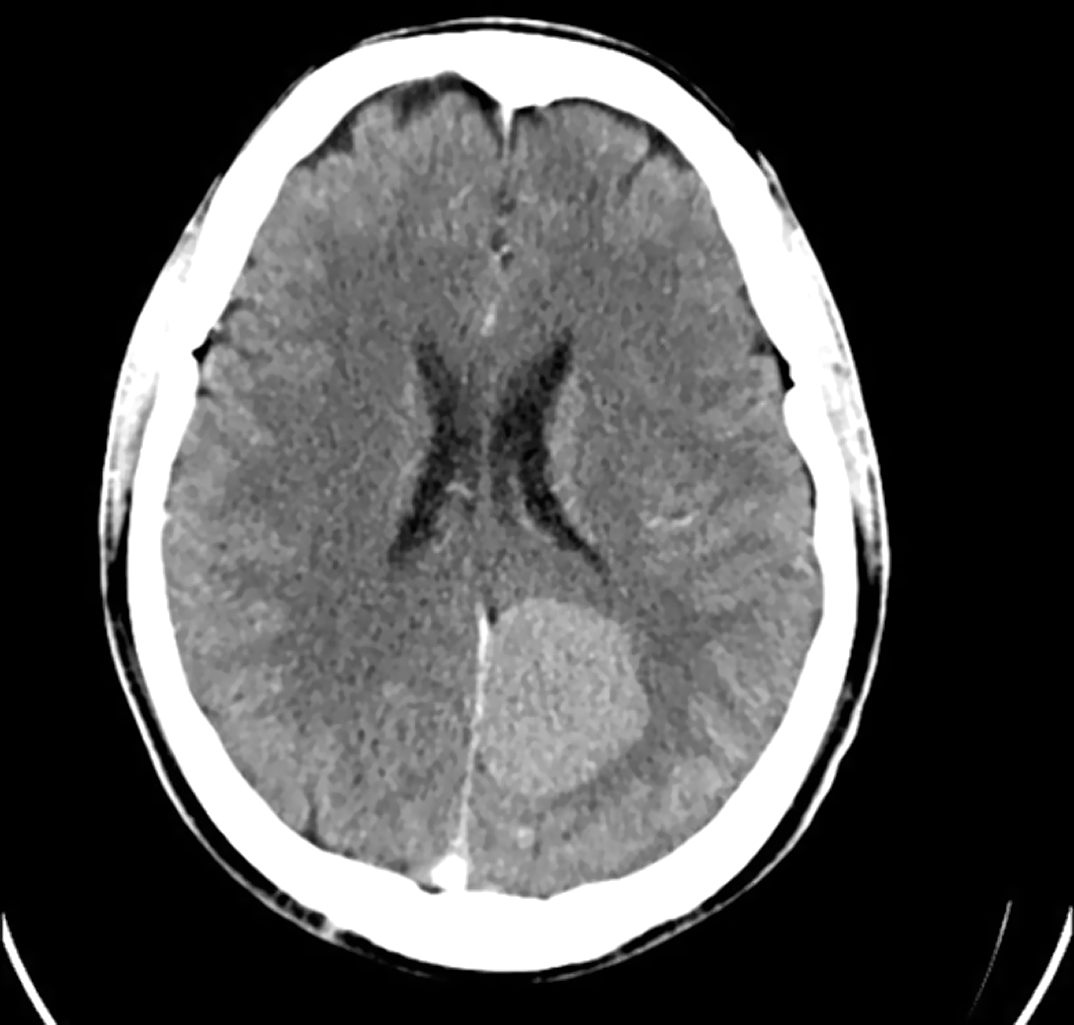
Conclusions
Psychiatric symptoms may be the first and/or only manifestation of an organic lesion in some cases. Neuroimaging tests (CT and MR) may be useful in the differential diagnosis. It is important to carry out an indiviualized treatment based on the patient’s pathology, which may include surgery and/or drugs.
Uterine cancer is the most common gynecologic malignant neoplasm in developed countries. While depression is up to 3-5 times more common in patients with cancer than in the general population, literature is still limited regarding the relation between Endometrial Cancer and depression.
Objectives
To analyze Depression among Endometrial Cancer hospitalizations in mainland Portuguese public hospitals (2008-2015).
Methods
A retrospective observational study was conducted using administrative data from all hospitalizations in Portuguese mainland public hospitals between 2008-2015. All women’s hospitalizations(≥18 years) with a primary diagnosis of Endometrial Cancer (ICD-9-CM 182.x) were selected. Secondary diagnosis of depression was identified with ICD-9-CM 296.2x, 296.3x and 311x codes. Surgical procedures codes 68.4x, 65.6x, 40.3x, 40.5x, 68.6x, 68.9x and 68.8x were used to divide the hospitalizations into surgical vs non-surgical. Groups were compared with Pearson Chi-square test and crude odds ratio(OR) was used to estimate the association between surgery and depression.
Results
From 10227 hospitalizations with a primary diagnosis of Endometrial Cancer, 533 had a registry of depression(5.2%). Annual depression frequency rose from 2.0% (2008) to 8.3% (2015). Among patients with a record of depression, 73.2% had surgery. Women who had surgery were significantly more likely to have registered depression (p<0.001). The OR for depression in surgical vs non-surgical patients was 1.73 (95%IC:1.42-2.10).
Conclusions
Patients hospitalized due to Endometrial Cancer and submitted to surgery had almost two-fold more risk of having a registry of depression. This trend reinforces the importance of early depression screening of these patients, enabling the implementation of timely therapeutic strategies before and after surgery.
individual attitudes and structural inadequacies act as major barriers towards non-utilization of cancer screening and treatment offers in many high-income countries with subsidized public healthcare.
Objectives
Our interdisciplinary research group at Heidelberg University is studying the underlying individual perceptions, attitudes and experiences of age- and gender-specific barriers against cancer-related medical and psychosocial offers available in Germany.
Methods
We designed a mixed-methods, sequential explanatory study using two quantitative instruments to determine the most important age- and gender-specific barriers for non-patients and cancer patients and survivors. In the second phase, semi-structured interviews will be conducted via selective sampling to record participant opinions, experiences and expectations of using cancer-related health services.
Results
We expect to identify and explain important personal barriers and facilitators related to the use of cancer screening and treatment offers. Further interviews with stakeholders in cancer healthcare, such as physicians, nurses and self-help groups will be conducted to complement data from the service-providers’ point of view. The results will be analyzed with behavioral and sociocultural theories to gain a deeper understanding of perceived and experienced barriers in accessing cancer care in Germany and to formulate recommendations for prospective targeted approaches and interventions.
Conclusions
Our findings will be useful for facilitating knowledge transfer and policy dissemination to increase public awareness about cancer offers and improve participation rates. The results will be also used to develop an interprofessional teaching module in the medical curriculum as well as prepare and implement advanced training courses for medical professionals certified by the State Medical Association.
Disclosure
This study is funded by Strube Stiftung Stuttgart.
The cerebellum is often overlooked when evaluating neuropsychiatric disorders. Lately, evidence has increased for the existence of cerebellar connections -generally in relation to vermis and posterior lobe- with cortical areas related to pathophysiology of psychiatric disorders. The cerebellar affective cognitive syndrome, also known as Schmahmann syndrome, has even been described with an evaluation scale.
Objectives
Case report of a patient suffering a manic episode in context of single right cerebellar metastasis derived from ovarian tumor.
Methods
A non-systematic literature review was conducted on PubMed database on cerebellum pathology related to psychiatrics disorders. The clinical case report was prepared through the review of the patient´s clinical record.
Results
The authors introduce the case of a 50-year-old woman, diagnosed with high-grade serous ovarian tumor, with single right cerebellar metastasis of 42mm, who was admitted to oncology due to behavioral alteration, with no prior psychiatric history. The patient showed hyperthymic mood, with speech scanned but fluid, manifesting intense well-being and ideation of mystical-religious and megalomaniac content. Haloperidol up to 7.5mg/8 hours and clonazepam 2 mg/8 hours were prescribed, switching haloperidol to olanzapine up to 25mg/day after several days, since the symptoms did not improve. Valproic acid 500 mg/24 hours was also added. Progressive improvement was seen, without worsening of motor symptoms or instability. The CCAS scale (Cerebellar Cognitive Affective/Schmahmann syndrome) was performed, with a positive result (10/10) being> 3 definitive CCAS.
Conclusions
The relationship between cerebellum and neuropsychiatric disorders is still partly unknown, requiring more research to be able to carry out specific diagnoses and treatments for patients.
Refugees are forced migrants but there is a large variation in the distance that refugees cover and there is a knowledge gap on how this may affect refugees’ health and health care needs.
Objectives
Herein, we investigate the association between long-distance migration and post-traumatic stress disorder (PTSD), a serious psychiatric disorder associated with deteriorating mental and somatic health and highly prevalent in refugees.
Methods
Included were 712 adult Syrian refugees and asylum seekers in Lebanon and Denmark arriving no more than 12 months prior to inclusion. The Harvard Trauma Questionnaire was used to assess PTSD and the estimate of association was obtained by multiply imputing missing data and adjusting for confounding by propensity score-weighting with covariates age, sex, socioeconomic status, trauma experience, and WHO-5-score, reporting the bootstrap 95-percentile confidence interval (95% CI). Additionally, a number of sensitivity analysis were carried out.
Results
The prevalence of PTSD was high in both Lebanon (55%) and Denmark (60%) and long-distance migration was associated with a 9 percentage point (95% CI [-1; 19]) increase in the prevalence of PTSD among newly arrived Syrian refugees and asylum-seekers.
Conclusions
In the present study the prevalence of PTSD increased after long-distance migration which may support considering “long-distance migration” in refugee health screenings and in particular when assessing the risk of post-traumatic stress disorder. This is a first step in examining the health effects of migration on refugee health.
Emigration is the act of leaving one’s country of nationality or habitual residence to settle in another nation. In Tunisia, this phenomenon is increasing in particular for doctors.
Objectives
Evaluating the intentionality of emigration among interns and medical residents in Tunisia while studying the factors related to it.
Methods
We conducted a cross-sectional, descriptive and analytical study of interns and medical residents who participated in our study through the social network ’Facebook’ by an anonymous self-questionnaire. The level of satisfaction with the different aspects of life were assessed by a 5-point Likert scale, from “not at all satisfied” to “very satisfied”.
Results
The total number of participants was 56 of which 64.3% were medical residents. More than 50% of the participants expressed dissatisfaction with the distribution of tasks and organization of work (66.1%), safety at work (53.6%), comfort (57.2%), time allocated to personal life (53.6%) and salary (69.6%). The political, health and educational situation in the country was considered unsatisfactory by the majority of participants (90% to 95%). Among our participants, 44.6% regretted having chosen the profession of medicine and 53.6% had plans to immigrate to work abroad. The intentionality of immigration was significantly higher among men (p=0.02), those with siblings abroad (p=0.047) and those without dependent relatives (p=0.040).
Conclusions
Young physicians are strongly looking for emigration. This decision could emanate from professional, personal and political factors. Further studies seem to be necessary to explain this emigration phenomenon.
Migrations are a source of stress for patients, which can have repercussions on their Mental Health. We present the case of a native Senegalese patient who presented a first psychotic episode.
Objectives
Presentation of a clinical case of an immigrant patient with a psychotic disorder.
Methods
Bibliographic review on migration and psychosis by searching for articles in Pubmed.
Results
We present the case of a patient of 20 years, a native of Senegal, who has been living in Spain for 3 months in a shelter home. He has no family or relations in Spain, and only speaks Wolof, presenting serious difficulties in communication with healthcare workers. He came to Hospital with his social worker because strange behaviors had been observed. He presented delusional ideation of self-referential and mystical-religious content, related to “the prophet” and “the need to fulfill a mission”. He also presented auditory hallucinations that he identified as of divine origin, and ordered him to perform behaviors such as picking hairs from the ground and various rituals. He acknowledges cannabis and alcohol use in the previous days. Paliperidone treatment was started. Throughout the admission, he begins to show concern for the state of his relatives in Senegal and the need to send them money.
Conclusions
Multiple studies indicate that migrants are at higher risk of psychosis, specially those from countries where the majority of population was black, according to some series. The challenge lies in understanding the mechanisms underlying this increased incidence, taking into account psychosocial factors such as social isolation and trauma.
Clozapine, the first atypical antipsychotic, is a highly effective medication for patients with treatment-resistant schizophrenia. Robust evidence describes important risk for psychosis in immigrant population(2). Despite this, some studies suggest that immigrant patients are less treated and misdiagnosed due to cultural barriers(3,4). Clozapine and Electroconvulsive therapy tend to be less prescribed in immigrants(3). However, few studies assess differences in clozapine prescription between immigrants and non-immigrant psychotic inpatients.
Objectives
To describe and compare clozapine prescription between psychotic patients and non-psychotic patients in a sample of Acute and Chronic inpatients.
Methods
Patients who have presented, according to DSM-V criteria, one or more non-affective psychotic episodes, were recruited in Acute and Chronic inpatients units leading to a total sample of 198 patients. Immigrant condition was defined as “a person who comes to live permanently in a foreign country”. Demographic characteristics of patients, clinical data and main pharmacological treatment were recorded through a questionnaire. Comparative analysis was performed with IBM SPSS Statistics using Chi-Square Test and t-Student test.
Results
From a total of 198patients clozapine was prescribed to 31(15,7%). From the total immigrant sample only 7,1% had prescribed clozapine compared to 24,2% from the locals(p<0.005). Significant differences in diagnosis associated to clozapine were found between both groups : Schizophrenia(57,1%immigrants, 57,1%locals), Schizoaffective disorder(14,3%immigrants, 41,7%locals) and Non specific psychosis (28,3%immigrants, 8,3%locals).
Conclusions
According to our results, immigrant psychotic inpatients receive less clozapine prescription compared to non-immigrant psychotic patients. There results should be considered to study barriers for clozapine prescription in this population and offer a treatment based in equality.
Despite a significant number of studies devoted to the relationship between depression and religiosity, the diagnosis of depression in religious patients is complicated due to the insufficiently studied psychopathology and the peculiarities of the patient’s experiences.
Objectives
To determine the specific features of psychopathology and phenomenology of depression, masked by a “religious facade”, for timely diagnostics and prevention of suicidal behavior.
Methods
One hundred and fifteen religious (orthodox) inpatients (41 male, 74 female) with depression (F31.3, F31.4, F 32.1., F 32.2, F 33.1, F 33.2 according to ICD-10) were examined. Psychopathological method, HAM-D, SIDAS and statistical analysis were applied.
Results
Five types of depression were specified, which differed in psychopathological structure and content of the religious experiences. Overvalued ideas of guilt and sinfulness were predominant in melancholic depressions, ideas of God-forsakenness and the loss of “living” faith - in apathetic. Depressions with overvalued doubts whether the right faith and confession has been chosen accompanied with anxiety, melancholy and apathy. It should be specially mentioned apathetic and melancholic depressions characterized by “spiritual hypochondria” with specific cenesto-hypochondrical symptomatology. Melancholic depressions characterized by high suicidal risk prevailed (65%) over the other depressions.
Conclusions
Depressions masked by a “religious facade” often are not recognized due to specifical content, which results in lack of timely diagnostics and creates a high risk of suicidal behavior.
Alexithymia is considered a personality trait characterized by difficulties in identifying and expressing emotions, impoverished fantasy life and tendency toward action-oriented or ‘operational’ Thinking. There are alterations in cognitive processing and regulation of emotions, and tendency to somatization.
Objectives
The authors examine literature regarding the concept of alexithymia, exploring the current definition and role in the clinic, research findings and proposed management.
Methods
A brief non-systematized review is presented, using the literature available on PubMed and Google Scholar.
Results
Alexithymia is not a discrete psychiatric diagnosis. It has been reported in 9-10% of the general population. It is related to numerous psychiatric disorders (substance use disorders, anxiety disorders, depression and eating disorders), but also to somatic illnesses (essential hypertension, functional gastrointestinal disorders, diabetes mellitus, psoriasis, fibromyalgia and cancer pain). Neuroimaging and neurobiological studies found evidence for morphological and functional brain alterations that integrate the classification introduced by Bermond. Affective type I is characterized by the absence of emotional experience and, consequently, by the absence of cognition accompanying the emotion (associated to right unilateral cortical lesions). Cognitive Type II is characterized by a selective deficit of emotional cognition with sparing of emotional experience (associated to a right-to-left unidirectional deficit in interhemispheric transfer).
Conclusions
There is little consensus on the subject. Clarification of the mechanisms underlying alexithymia can improve our management of these individuals. Identification of effective strategies could improve the patients’ capacities for adaptive emotional processing and enhance other aspects of functioning.
Praecox feeling (PF) is a characteristic feeling of bizarreness or unease that a psychiatrist experiences when facing a patient with schizophrenia. This term, proposed by Rumke in 1941, was considered an important feature of a schizophrenia diagnosis. However, since the movement toward operational diagnostic methods in the late 1970s, it has fallen out of use.
Objectives
This work aims to discuss the role of Praecox Feeling in the clinical approach to schizophrenia diagnosis.
Methods
PubMed database was searched using combinations of the terms “praecox”, combined with “feeling” and “schizophrenia”.
Results
PF is sometimes experienced silently before the patient participates verbally. An experienced and attentive clinician can intuitively feels changes in the body posture, facial expression, the tone of the voice, motor behavior, and attitude that could look insignificant, but as a whole they present the patient as “definitely un-understandable.” Although there is lacking evidence to sustain the rehabilitation of the PF as a reliable and valid clinical criterion consistent with the operational approach, a broader scientific approach is called for. PF should not be trivialized, as is sometimes the case, into a quick diagnosis but could be a real determinant of medical decision.
Conclusions
Even though there may not be sufficient evidence to consider it valid clinical diagnostic criteria, it still appears to play an important role in the clinical decision-making process and should not be underestimated or stigmatized. This concept is not completely subjective and does rely on objective information, such as the patient’s behaviour and body language.
Anhedonia is a symptom usually, and probably simplistically, defined as the inability to experience pleasure. It is considered one of the core symptoms of depression and a negative symptom of schizophrenia.
Objectives
We intend to explore whether previous studies found common or dissimilar experiences of anhedonia in depression and schizophrenia.
Methods
We performed a review of the published literature on the subject using PubMed. We conducted a search using ‘anhedonia’, ‘schizophrenia’, and ‘depression’ as keywords.
Results
There is different and diverging evidence on the matter. Historical reports associated schizophrenia with trait anhedonia, and depression with state anhedonia. More recently, some authors correlated appetitive anhedonia (lack of interest/desire) with schizophrenia, and consummatory anhedonia (lack of pleasure/enjoyment) with depression, but this was not corroborated by other studies. However, in line with it, there are findings of a normal physiological response to pleasurable stimuli among schizophrenics. Some authors propose that, in schizophrenia, this symptom might not represent an inability to feel pleasure but rather a deficient expression of its experience, as a part of blunted affect. Reward models highlight a deficit in reward learning in depression, but disorganization of reward processing and a focus on irrelevant clues in schizophrenia, which prevent patients from pursuing a pleasurable experience.
Conclusions
There are still limited studies comparing the experience of anhedonia in depression and schizophrenia. There seem to be significant differences between the two, but further studies are needed. In particular, this could be important in screening schizophrenic patients for depression.
Refugees are at elevated risk of developing common mental disorders (CMD) as they may have been exposed to stressors and traumatic experiences before, during and after their movement. However, prevalence rates of CMDs among refugees reported across studies vary strongly.
Objectives
To examine the prevalence of CMDs (PTSD, anxiety, depression and somatic disorder) among Syrian refugees in the Netherlands, and the diagnostic accuracy of self-reporting questionnaires in Arabic.
Methods
A sample of N=1339 adult Syrian refugees was randomly selected from the Dutch national population registry. Participants were approached in December 2020-March 2021 to complete questionnaires on symptoms of PTSD (PCL-5), anxiety/depression (HSCL-25), and somatic disorder (SSS-8). After the survey, a sub-sample was invited for a clinical interview using the Structured Clinical Interview for DSM-5 (SCID-5) to enquire about the presence or absence of PTSD, anxiety, depression or somatic disorder.
Results
In total, 407 participants (53.6% female, M age=34.2yrs, SD=14.1) completed the survey. The majority (65.9%) arrived in the Netherlands in 2015-2017. Using a cut-off of PCL-5 ³33, 75 participants (18.4%) reported probable PTSD. Using a cut-off of ³1.83 on the HSCL-25 depression subscale and ³1.75 on the anxiety subscale, 153 participants (37.6%) reported depression and 135 (33.2%) reported anxiety, and using a cut-off of ³12.0 on the SSS-8, 121 (29.8%) reported somatic complaints. A sub-sample of 214 participants (52.6%) were followed-up with the SCID-5. Psychometric properties will be presented.
Conclusions
Syrian refugees in the Netherlands are at high risk for the development of a CMD. Implications, strengths and limitations of the study will be discussed.
Bipolar Disorder (BD) is a severe mental disorder with a high genetic load, in which is relevant to identify potential differences in affective temperaments between both diagnostic subtypes.
Objectives
To find differences between BDI and BDII patients in affective temperaments evaluated by Temperament Evaluation of the Memphis, Pisa, Paris, and San Diego TEMPS-A.
Methods
A sample of 407 euthymic patients with diagnosis of bipolar disorder type I (BDI= 307) or type II (BDII= 100) according to DSM-IV-TR criteria being age 18 or older was recruited from the Bipolar and Depressive Disorders Unit of the Hospital Clinic of Barcelona. Five affective temperaments were evaluated using the TEMPS-A. It was initially verified that the scores of these temperaments do not fulfil the assumption of normality by means of tests. Differences in means were estimated using Mann-Whitney U and Chi square tests (p <0.05) as appropriate, and ANCOVA controlling the effect of confounding variables.
Results
Data revealed that patients with BD II had significantly higher scores in four affective temperaments: dysthymic, cyclothymic, irritable and anxious compared to BDI. After controlling the most relevant moderating variables, BDII patients continued to show higher scores in irritable temperament .
Conclusions
BDII patients present a more irritable temperament than BDI (p=0,037), which can affect the course and management of the disease. It could be suggested that presenting higher scores of these temperaments could be associated with BDII and further studies are needed to replicate this finding since it might help the clinicians in early phases to guide in the diagnostic process.
Since there is no objective criteria, unique clinical symptom or laboratory test to make the diagnosis of conversion disorder; its diagnosis and treatment is challenging which leads to a poor prognosis.
Objectives
The aim of this study is to investigate the brain metabolic activity of patients with conversion disorder with PET/MRI.
Methods
12 conversion disorder patients were included. Somatosensory Amplification Scale, Somatoform Dissociation Scale, Patient Health Questionnaire-15, Toronto Alexithymia Scale were filled in by the participants. Neurological, mental status examinations, Wechsler Adult Intelligence Scale-Revised Form (WAIS-R) and brain F18-FDG-PET/MRI were performed. Structured Clinical Interview for DSM-5, Hamilton Depression and Anxiety Scales were administered.
Results
83% of the patients were female, the mean age was 33 years and average education period was 10,2 years. WAIS-R total scores were consistent with low avarage intelligence level.Cerebral hypermetabolism was detected in the primary visual cortex. Average regional brain metabolic activity had a tendency to increase in bilateral prefrontal, right sensorimotor (SM),cingulate,right inferior parietal,occipital lateral,right temporal lateral cortices and cerebellum. Each region was metabolically correlated with the homologous contralateral regions. Significant correlations in the same direction was found between frontal and occipital lateral & primary visual cortices; cerebellum and left sensorimotor cortex; anterior cingulate cortex(ACC) and superior parietal cortex & cerebellum. No correlations were found between ACC and left SM cortex.
Conclusions
Findings of our study indicate that there are moderate changes in regional brain metabolic activities and inter-regional correlations in patients with conversion disorder. In order to confirm these findings, furter functional neuroimaging studies are needed.
Bipolar disorder (BD) is a complex mental disorder. Cognitive dysfunction represents a core feature, strongly related with patients’ functional outcome. Functional Remediation (FR), is an integrated neuropsychological and psychosocial rehabilitation treatment aimed at enhancing cognitive functions in order to achieve full functional recovery(Torrent et al., 2013). Evidence highlighted an association of neurotrophins and cognitive dysfunctions. Particularly, BDNF has been investigated a potential biomarker. Preliminary studies explored the effects induced through FR interventions on serum BDNF levels(Bonnin et al., 2019). Evidences suggest that high BDNF serum levels are related to good cognitive functioning(Mora et al., 2019). Results require further explorations. The present pilot study targets to identify the neurobiological correlates of response, investigating the potential neuroprotective role of the FR.
Objectives
Assess the effectiveness of FR in ameliorate cognitive deficits measured with BAC-A and psychosocial functioning with FAST, in modifying BDNF levels in a sample of euthymic patients with BD, compared to standard treatment.
Methods
Two arms(1:1)randomized, rater-blinded, controlled study of 30out-patients with BD-I and BD-II, according to DSM-5 criteria. Patients between 18 and 55 years in euthymic phase. Neurocognitive and clinical assessments, at the same times, serum assessment of BDNF levels will be performed.
All patients will be assessed at baseline(T0), at the end of treatment(T1) and at the 3-month follow-up(T2).
Results
After treatment, patients receiving FR show better cognitive and psychosocial performance than those receiving TAU.
Conclusions
Given the important role of neutrophins in the pathogenesis of BD, identifying BD-specific biomarkers would contribute to understand the underlying neuro-pathophysiological processes and to personalize treatments.