We partner with a secure submission system to handle manuscript submissions.
Please note:
You will need an account for the submission system, which is separate to your Cambridge Core account. For login and submission support, please visit the
submission and support pages.
Please review this journal's author instructions, particularly the
preparing your materials
page, before submitting your manuscript.
Click Proceed to submission system to continue to our partner's website.
To save this undefined to your undefined account, please select one or more formats and confirm that you agree to abide by our usage policies. If this is the first time you used this feature, you will be asked to authorise Cambridge Core to connect with your undefined account.
Find out more about saving content to .
To send this article to your Kindle, first ensure no-reply@cambridge.org is added to your Approved Personal Document E-mail List under your Personal Document Settings on the Manage Your Content and Devices page of your Amazon account. Then enter the ‘name’ part of your Kindle email address below. Find out more about sending to your Kindle.
Find out more about saving to your Kindle.
Note you can select to save to either the @free.kindle.com or @kindle.com variations. ‘@free.kindle.com’ emails are free but can only be saved to your device when it is connected to wi-fi. ‘@kindle.com’ emails can be delivered even when you are not connected to wi-fi, but note that service fees apply.
Insufficient or faulty cooperation between the various child protection professions can have an extremly negative impact on the well-being of the concerned children. Communication problems that were revealed when dealing with cases of child abuse show the importance of adequate cooperation and common language of the involved professions in child protection.
Objectives
An online-course adressing medical-therapeutic professionals, youth welfare as well as judiciary and police was developed to impart skills and knowledge in child protection to create interdisciplinary understanding and improve cooperation between the involved professions.
Methods
The acquisition of competencies, the transfer of learning content into everyday work and the quality of the online-course are determined using an online-survey before starting (t1) and after completing (t2) the course. T1-assessment is currently being evaluated with 1034 datasets, t2-assessment will take place 03/2022.
Results
Intended target groups could be accessed and participated in the online-course, although the ratio of medical-therapeutic participants was greater than of judiciary professionals. Specific results of T1- and T2- assesssment and comparing analyses are expected in March 2022 and will be presented.
Conclusions
Based on existing online-courses developed by the Universityhospital Ulm, the suitability of online-education for training professionals in the field of child protection could be proven. If comparable effects can be shown for this online-course, there is an increase in evaluated offers of high quality. These enable comprehensive and low-threshold access to the subject of interdisciplinary communication and cooperation in child protection for involved professionals.
Health Related Quality of Life (HRQOL) is acknowledged as an important construct in describing the individuals overall condition within the health context. In the case of families with Autism Spectrum Disorders (ASD), neurotypical siblings’ HRQOL is an important concept for this at-risk population. Social support has been identified as an important protective factor against parental psychological problems. However, possible associations between HRQOL in neurotypical ASD-siblings and parental variables, such as perceived social support, remained unexplored in the ASD-siblings’ literature.
Objectives
This study aimed to investigate any association between HRQOL in neurotypical ASD-siblings and parental perceived social support and key demographic variables.
Methods
118 parent-child-dyads from Greek ASD-families that fulfilled inclusion criteria participated in this study and answered a demographic questionnaire. Parents were administered the Multidimensional Scale of Perceived-Social-Support (MSPSS), while the children answered the Kidscreen-27. A hierarchical multiple regression was performed to test the hypothesis.
Results
Hierarchical regression showed that neurotypical siblings HRQOL (as measured with KIDSCREEN-27 total score) was associated with perceived social support from the family (std beta=0.184; p=0.027; model 1), and this association persisted after demographics entered the model (std beta=0.369; p=0.015; model 2). Thus, it was found that the sibling’s HRQOL was associated with perceived social support from the family independent of demographics.
Conclusions
The results of the present study showed that the HRQOL in ASD-siblings is associated with perceived social support from the family, pointing to the need for supporting siblings and designing effective interventions in order to prevent possible mental health problems in neurotypical siblings of ASD individuals in the future.
Despite the high prevalence of psychiatric disorders among children and adolescents, services are often accessed too late or not at all. Inpatient-equivalent treatment can be a good option here, as it can counteract structural barriers by enabling treatment from home. Although national and international studies highlight the benefits, this form of treatment is offered by only a few psychiatric facilities.
Objectives
The aim is to provide a decision-making aid for the introduction of outreach treatments with regard to cost-effectiveness. Based on this, the question will be answered whether telemedicine can be an option for the distribution of rare (human) resources.
Methods
1) Based on a systematic review, the best available evidence will serve for deriving hypotheses and providing assumptions for the decision-making model. 2) Decision analytic modeling will be used to determine the cost-effectiveness of inpatient-equivalent treatment compared to conservative inpatient treatment. 3) An additional systematic review will provide information on the use of telemedicine in inpatient equivalent treatment.
Results
The following questions need to be discussed: 1)Is there an indication for all psychiatric diseases and age groups? 2) Are there ethical considerations that need to be taken into account, especially in the use of telemedicine? What incentives need to be set for psychiatrists to opt for inpatient-equivalent treatment?
Conclusions
The results of the study may help to raise awareness of inpatient equivalent treatment among decision-makers. Furthermore, fears could be reduced, since admission to a psychiatric facility can mean a stigmatizing intervention in the lives of young patients.
DSM-5, ICD-10, and ICD-11 classifications can be described as „incoherent“. Psychopathology depends on “time of damage and resilience” ratio. Continuums of mental disorders compose a table, like a periodic table of chemical elements. Similar psychopathology can have different neurobiological origin, and vice versa.
Objectives
Current classifications of mental disorders ICD-10, DSM-5, as well as the new ICD-11 being developed, do not show interrelations in pathogenesis between groups of mental disorders. This is a weak point of these classifications, although they serve a good purpose in relation to medical statistics and encoding requirements.
Methods
Taxonomic classification of mental disorders proposed in this empirical study reveals interrelations between diagnostic categories of mental disorders. Classification as an object of this empirical study is initially developed on author’s observation of psychopathology in clinical practice. It also relies on scientific data of genetics and neurobiology of mental disorders.
Results
The classification is based on two axes system. First axis reflects the time of damage of neural tissue in specific stage, i.e. neuron body genesis, neuron growths genesis, synaptic pruning or further neural information modeling. The second axis is connected with resilience. The two axes system includes in one continuum and connects into one classification table (Figure 1) almost all diagnostic groups from ICD-10 or DSM-5 (with two exclusions: “organic” type mental disorders and pathology of myelination process).
Conclusions
This empirically derived concept of classification could be used in clinical practice in differential diagnosis, discovering heterogeneities in patients with same diagnostic “code”, planning treatment strategies, predicting course of mental disorders.
Youth exposed to complex trauma (CT) show an increased risk of psychiatric morbidity, including a wide range of psychiatric disorders. However, to date, there is no specific diagnosis in the DSM-5 that capture the clinical complexity of these patients. Properly, the last version of the ICD-11 includes a diagnosis termed Complex Post-Traumatic Stress Disorder (CPTSD), which considers the pattern of post-traumatic stress symptoms, plus life-impairing disturbances in self-organization (emotion dysregulation, negative self-concept and interpersonal problems). Clinical research about CPTSD, especially in younger population, is still limited.
Objectives
To explore the symptomatology of CPTSD in a sample of youth exposed to CT and its association with worse clinical outcomes.
Methods
187 youth aged 7 to 17 years participated in the EPI_young_stress_project (116 with current psychiatric disorder and 71 healthy controls). CT was evaluated following the TASSCV criteria. To identify CPTSD symptomatology, we performed an exploratory factor analysis including CBCL and TEIQue items. The global level of functioning was measured by CGAS.
Results
Preliminary results pointed that youth exposed to CT showed greater internalizing (p<.001) and externalizing (p<.001) symptomatology. Regardless of their current primary diagnosis based on DSM-5, youth exposed to CT reported more CPTSD symptomatology (p<.001). Moreover, youth with CPTSD showed greater use of psychotropic drugs (p<.001), higher and longer hospitalizations (p=.002) and worse overall functioning (p<.001).
Conclusions
The inclusion of the CPTSD in future versions of mental disorders manuals should increase the implementation of early specific trauma interventions, which may improve victims’ lives and reduce the risk of worse clinical outcomes.
The diagnosis of simple schizophrenia remains an unusual and controversial diagnosis today. The presentation of nonspecific symptoms shared by other nosological entities make differential diagnosis a challenge.
Objectives
The main objective of this case report is to review the diagnosis of simple schizophrenia and its differential diagnosis.
Methods
Case report and literature review. We present the case of a 52-year-old man who was admitted to a medium stay unit for psychosocial rehabilitation with the diagnosis of simple schizophrenia after his debut at 49 years of age with clinical manifestations of progressive self-care abandonment and personality change.
Results
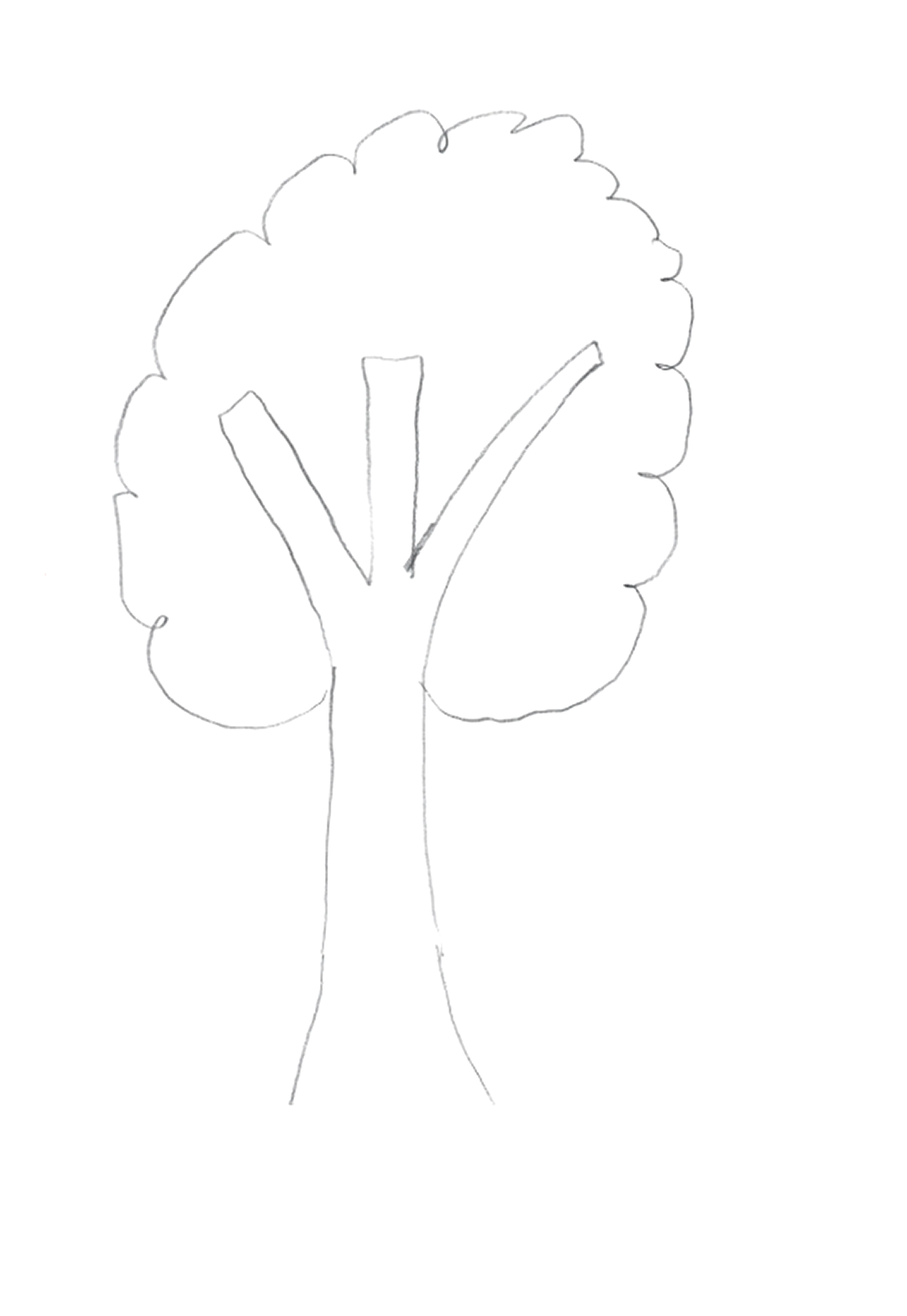
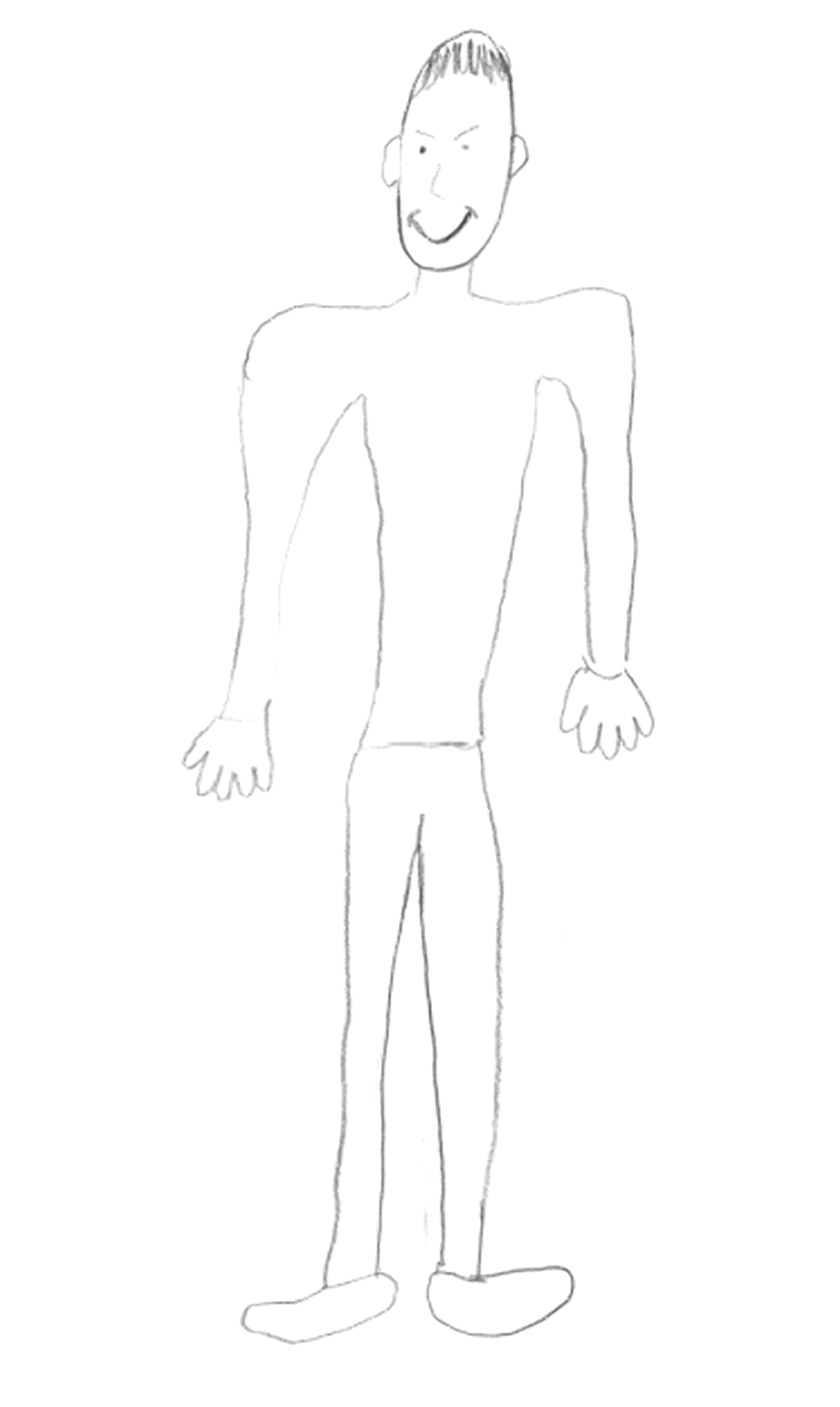
Given the psychosocial deterioration observed and lack of response to pharmacological and psychotherapeutic treatments, the possible diagnoses of dementia praecox and simple schizophrenia were considered. Several individual and family interviews, neuropsychological and projective tests (HTP test, figure 1-3) were performed in order to define the diagnosis. The results revealed age-appropriate cognitive functioning and the absence of data suggestive of an underlying psychotic disorder. On the other hand, it was observed that the patient was able to establish some social relationships and participate in group activities in the medium stay unit. These findings suggest the influence of factors related to the socio-familial environment and cast doubt on the initial diagnostic hypothesis.

Conclusions
The diagnosis of simple schizophrenia continues to present itself as a complex diagnosis that requires a careful review of the differential diagnosis.
Antisocial disorder is characterised by difficulty to adapt to social norms that normally rule different aspects of the person’s conduct in adolescence and adulthood. According to DSM-V, this disorder’s prevalence stands between 0.2% and 3%, and is more frequent in men.
Objectives
Numerous studies have been made about the influence between the environment and genetics for the development of this disorder, finding in several patients a punctual mutation of the monoamine oxidase gen (MAOA); although impulsive behaviour has also been associated to the 5-HT tranporte gene (5-HTT), and the protein coding gene for Tryptophan Hydroxylase TPH1
Methods
The hospital admission for these patients must be made when there’s autoregressive or hetero aggressive behaviour, suicide attempts, psychotic symptoms, or symptoms that generate important repercussions in the person’s normal functions. Nevertheless, is important to identify during the hospitalization the improvement possibilities of these patients in order to make drug or psychotherapy adjustments; in the case that we don’t observe treatment benefits, the patient will be released from the hospitalization
Results
The main treatment is psychotherapy.
Conclusions
There’s not much evidence of drug use in this disorder, however, mood stabilizers, antidepressants, atypical antipshychotics and benzodiazepines are used for rage control, impulsiveness, anxiety and aggressiveness.
Personality disorders are frequently encountered by all healthcare professionals and can often pose a diagnostic dilemma due to the crossover of different traits amongst the various subtypes. The ICD 10 classification comprised of succinct parameters of the 10 subtypes of personality disorders but lacked a global approach to address the complexity of the disease. The ICD 11 classification provides a more structural approach to aid in clinical diagnosis.
Objectives
A literature review of the diagnostic applicability of ICD 11 classification of personality disorders is presented in comparison with the ICD 10 classification.
Methods
A retrospective analysis of the literature outlining the ICD 10 and 11 classifications of personality disorders, exploring the differences in evidence-based applications of both.
Results
The ICD 11 classification of personality disorders supersedes the ICD 10 classification in describing the severity of the personality dysfunction in conjunction with a wide range of trait domain qualifiers, thus enabling the clinician to portray the disease dynamically. The current evidence available on the utility of the ICD 11 classification gives a promising outlook for its application in clinical settings.
Conclusions
The ICD 11 has transformed the classification of personality disorders by projecting a dimensional description of personality functioning, aiming to overcome the diagnostic deficiencies in the ICD 10 classification. The versatility offered by the application of the ICD 11 classification can be pivotal in reshaping the focus and intensity of clinical management of the disease.
States compatible with “Delusional disorder” have been described since the XIX century. Esquirol mentioned “irrational ideas and actions that would develop via logical and plausible arguments”; Kraepelin referred to the condition as “paranoia” and considered that hallucinations could not be present– unlike Bleuler, who considered them to be a possible feature. The criteria for delusional disorder have suffered several changes in the last centuries.
Objectives
We aim to review the evolution of the criteria for delusional disorder across the editions of the Diagnostic and Statistical Manual of Mental Disorders (DSM).
Methods
Review of DSM editions.
Results
Criteria for the diagnosis of “paranoia” (DSM III) or “delusional disorder” (DSM III-IV.V) underwent several changes. In the first editions hallucinations could not be prominent (DSM-III-IIIR) and in the DSM IV, only tactile or olfactory hallucinations related to delusions could be present. In DSM-V hallucinations of other modalities related to the delusional theme can be present. Regarding delusional themes, the first edition of the DSM III regarded persecutory delusions only – which was changed in the DSM-III-R, with the inclusion of grandiose, jealous, erotomaniac, and somatic. Only in the DSM-V did the occurrence of bizarre delusions become possible in delusional disorder. Across the editions, there is a consensus about the absence of negative symptoms, absence of disorganized speech, and that the behavior is not odd aside from delusional content.
Conclusions
The most debatable symptoms across centuries in the classification of delusional disorders were: presence of hallucinations, the nature of the delusional content, and inclusion of bizarre delusions.
There is a well-established association between anger, hostility, and an increased risk of cardiovascular disease. Emerging evidence also suggests associations between anger/hostility and type 2 diabetes (T2D), though evidence from longitudinal studies has not yet been synthesized.
Objectives
To systematically review findings from existing prospective cohort studies on trait anger/hostility and the risk of T2D and diabetes-related complications.
Methods
Electronic searches of MEDLINE (PubMed), PsychINFO, Web of Science, and CINAHL were performed for articles/abstracts published up to December 15, 2020. Peer-reviewed longitudinal studies conducted with adult samples, with effect estimates reported for trait anger or hostility and incident T2D or diabetes-related complications, were eligible for inclusion. Risk of bias/study quality was assessed. The review protocol was published a priori in PROSPERO (CRD42020216356) and was in keeping with PRISMA guidelines. Screening for eligibility, data extraction, and quality assessment was conducted by two independent reviewers.
Results
Four studies with a total of 155,146 participants met the inclusion criteria. A narrative synthesis of extracted data was conducted according to the Synthesis Without Meta-Analysis guidelines. While results were mixed, our synthesis suggested a positive association between high trait-anger/hostility and increased risk of incident T2D. No longitudinal studies were identified relating to anger/hostility and incident diabetes-related complications. Geographical locations of the study samples were limited to the USA and Japan.
Conclusions
Further research is needed to investigate whether trait-anger/hostility predicts incident type 2 diabetes after adjustments for potential confounding factors. Longitudinal studies are needed to investigate trait-anger/hostility and the risk of diabetes-related vascular complications.
Intriguingly, autism spectrum disorders (ASD) and symptomatic generalised joint hypermobility (S-GJH) (e.g. hypermobility spectrum disorders and Ehlers Danlos Syndrome) share several clinical manifestations including motor difficulties, sensory hypersensitivity and autonomic dysfunction. Moreover, many syndromic forms of ASD manifest a hypermobile phenotype. Despite the increased interest in the area, few systematic studies are available.
Objectives
This large cross-sectional comparative study aimed to examine the association between S-GJH and ASD in adults.
Methods
We assessed GJH by physical examination using the Beighton Scoring System (BSS) and collected data on musculoskeletal symptoms and skin abnormalities amongst 156 adult patients with ASD and 413 adult community controls. A proxy for S-GJH was created by combining a positive BSS with at least one additional musculoskeletal symptom or skin abnormality.
Results
The prevalence of S-GJH was significantly higher amongst patients with ASD than amongst controls (16.7% vs 4.8%, p< .001). A logistic regression model, adjusting for candidate covariates of GJH (age, sex, race), revealed a significant influence of ASD on S-GJH with adjusted odds ratio of 5.4 (95% CI 2.8-10.5, p< .001).
Conclusions
ASD and S-GJH are associated in adults. If recognised, musculoskeletal complications related to S-GJH can be relieved by physiotherapy. Clinicians should be familiar with that symptoms frequently occurring in GJH such as pain, fatigue and orthostatic intolerance may mimic or aggravate psychiatric symptoms (e.g. depression, anxiety). Knowledge about comorbidities may provide clues to underlying aethiopathological factors. Future research to clarify the mechanisms behind this association and to evaluate how comorbid S-GJH affects ASD outcome is warranted.
Psychiatric comorbidity is prevalent among patients with epilepsy. Post-ictal psychosis syndrome (PIP) is a recent entity important to know. It belongs to the group of epileptic psychoses. The clinical presentation is often atypical, and symptoms are usually related to seizures.
Objectives
This work aimed to study the particularities of PIP.
Methods
It is a case report of PIP, involving a patient hospitalized in psychiatry department.
Results
We report the case of a 45-year-old woman, with medical history of generalized epilepsy which was stabilized under antiepileptic treatment (phenobarbital 150 mg/day). The patient was hospitalized for psychomotor instability and inconsistent speech after having experienced a generalized tonic-clonic seizure in the context of discontinuation of treatment. Psychiatric assessment revealed a hostility, a reluctance , a persecution delirium and auditory and visual hallucinations. A series of examinations have been carried out ; Neurological examination revealed no anomaly , a computed Tomography Scan of the Brain was normal. A lombar puncture was normal. A covid-19 infection was eliminated. The usual antiepileptic medication was reintroduced to the patient (Phenobarbital 150 mg/day),in association to benzodiazepines (clonazepam 4 mg/day). After 72 hours of treatment, psychiatric symptoms improved. The patient returned to its baseline condition after 7 days. A similar episode was reported two months earlier in the same circumstances with a similar symptomatology and a spontaneous resolution within 7 days.
Conclusions
PPI syndrome, regardless of its good short-term prognosis, can potentially evolve into other psychiatric disorders of less good prognosis. Thus, this syndrome should be managed in collaboration with neurology and psychiatry.
A history of traumatic brain injury (TBI) is often associated with acquired epilepsy, which is associated with psychiatric co-morbidity, that when undetected might lead to misdiagnosis and mistreatment.
Objectives
The objective is to present the case of a 47-years-old male with a history of TBI and undetected acquired epilepsy, with a subsequent treatment resident mood disorder that was lead to a full clinical remission once epileptic activity was controlled using anti-seizure monotherapy.
Methods
After compulsory admittion to our inpatient psychiatric unit because of suicidal ideation and persistent aggressive behavior with volatile mood swings, the patient was fully evaluated and his psychiatric and medical histories were recorded. A brain CT scan and EEG were performed. Laboratory tests excluded other medical co-morbidity.
Results
The patient had a previous history of TBI and subsequent multiple episodes of mood disorders that failed to reach full remission even if treated with antidepressives and antipsychotics for adequate time and dosage according to current quidelines. EEG was positive for epileptiform activity with sporadic slow theta waves and right frontotemporal epileptic-like features while the patient was free of clinical seizures. Carbamazepine was initiated and titrated up to 1200mg daily leading to the full remission of the initial clinical symptoms along with the EEG findings’ improvement. The patient remained stable with his functionality at its utmost recovery during the two-years follow-up evaluations.
Conclusions
TBI induced epilepsy might be under-diagnosed in the absence of clinical seizures leading to the mistreatment of the associated psychiatric disorders that could be the only clinical presentation of the underlying pathology.
Huntington’s disease (HD) is a rare (1-9/100 000), inherited disease characterized by an elongated CAG repeat on chromosome 4p, leading to a degeneration of neurons. Also, psychiatric symptoms are very common in the early stage and may appear before motor symptoms.
Objectives
To characterize neuropsychiatric symptoms in a group of individuals with manifest or pre-motor Huntington’s disease in Medellín, Colombia.
Methods
Data obtained from clinical records of individuals with HD (motor-manifest or pre-motor with triplets count) evaluated for ENROLL-HD project in the Group of Neuroscience of Antioquia. We explored variables related to substances abuse, neuropsychiatric symptoms, the respective age of onset, sex, and triplet count when available.
Results
Twenty-six (53%) were women, 8% had a familiar history of psychotic illness in a first-degree relative and 88% presented motor symptoms. Also, 59% had a history of depression, 53% irritability, 57% aggressiveness, 34% apathy, 29% perseverative/obsessive behavior, 14% psychosis, and 30% mild cognitive impairment. Ten individuals (20%) had motor without neuropsychiatric symptoms. Also, thirty-seven individuals (76%) presented motor and neuropsychiatric symptoms; of these, 41% had neuropsychiatric symptoms before motor symptoms. No psychiatric symptoms were associated with the use of alcohol, cigarettes, or drugs of abuse.
Conclusions
Neuropsychiatric symptoms are highly prevalent among individuals with HD and studies oriented to create relevant knowledge for the development of advice oriented to people with this disease are necessary.
We report a case of a 56-year old woman with a history of depressive disorder between 2012 and 2017 achieving full remission after treatment with antidepressants and anxiolytics. In the year 2021 was presented to the emergency department manifesting alteration of behavioral patterns, ataxia, mental confusion and horizontal nystagmus. A chronic alcohol abuse was also discovered while interviewing. She also exhibited low mood, anterograde amnesia and confabulations that improved rapidly after following treatment with thiamine.
Objectives
Reviewing clinical manifestations and treatment of Wernicke encephalopathy and the development of Korsakoff syndrome.
Methods
We systematically reviewed articles using PubMed.
Results
Wernicke encephalopathy is a well-known complication of thiamine deficiency, mostly associated with alcohol use disorder. Classically, the syndrome comprises changes in mental status, gait ataxia and ophthalmoplegia. However, the full triad has been described in only 10-17 % of cases, which in our the case is report. After the diagnosis was established and was treated with thiamine, a rapid improvement in the patient´s clinical status was observed. Cognitive impairment was later identified, taking into account the possibility of a Korsakoff syndrome characterized by irreversible brain damage and subsequent loss of anterograde memory. In our patient, this specific diagnosis was dismissed due to the clinical improvement after thiamine treatment.
Conclusions
It is relevant to emphasize the importance of a precise diagnosis and treatment of patients with Wernicke Encephalopathy to avoid the development of a Korsakoff syndrome.
The behavioural variant of frontotemporal dementia (bvFTD) is a devastating neurodegenerative syndrome with its peak in the early sixties at about 13 per 100,00. The diagnosis of bvFTD relies on clinical assessment as patients present executive and behavioural deficits, like apathy, loss of motivation and personality changes. Current diagnosis criteria lack specificity and symptomatic overlap between bvFTD and primary psychiatric disorders (PPD) pose a diagnostic conundrum, with half of bvFTD patients previously receiving a psychiatric diagnosis.
Objectives
The goal is to discuss the syntomatic overlap of these two entities.
Methods
Brief non-systematic literature review on the topic, illustrated by a case-report presentation.
Results
A 69 year old men, retired and single, is committed for thought and behavior disorganization and insomnia. He presented expansive mood but also temporal and spatial disorientation and periods of incongruous speech. This patient’s clinical presentation could both entice a diagnosis of bvFTD but also of an affective disorder, especially since it has been reported that neuropsychiatric presentations, like late-onset psychosis or mania, can be the initial presentation of this form of dementia, particularly in patients with C9orf72 mutations, who often display persecutory or grandiosity delusions.
Conclusions
This clinical case exemplifies the difficulty that lies in differentiating cases of bvFTD from late-onset idiopathic mood or psychotic disorders. It is important to consider that on cognitive assessment patients with bvFTD score significantly worse on executive function tests that PPD patients No disease- modifying therapies are available for patients with bvFTD, therefore drug treatment should focus on the most disruptive or taggable behaviours.
In patients submitted to refractory epilepsy surgery, psychiatric comorbidity is high (affecting 1 in every 3 patients), with descriptions of improvement, worsening and emergence of de novo psychopathology.
Objectives
Identifying the prevalence of psychopathology and associated risk factors in a group of patients submitted to refractory epilepsy surgery.
Methods
Retrospective observational study. Non systematic literature review.
Results
We observed 42 patients, 45.2% female and 54.8% male, with an average age of 46.5 years (SD±11.6). The average age of presentation of epilepsy was 18.8 years (SD±12.7), 97.6% with temporal lobe epilepsy and 2.4% with parietal lobe epilepsy, 50% in each hemisphere. 19% had surgical complications and 40.5% had post-surgical recurrence of crisis. 45.2% presented with pre-surgical psychopathology (33.3% affective disorders, 16.7% anxiety disorders, 2.4% psychotic disorders, 2.4% neurodevelopmental disorders and 2.4% substance use disorders). Post-surgically, 50% improved, 20.8% maintained and 29.2% worsened their psychopathology and 21.4% had de novo psychopathology. We didn’t find associations between the analyzed variables and the worsening or appearance of de novo psychopathology.
Conclusions
The worsening or appearance of de novo psychopathology is a well known phenomenon in patients submitted to refractory epilepsy surgery. In our sample there were cases of improvement, maintenance, worsening and emergence of de novo psychopathology, however we weren’t able to identify the factors associated with these different outcomes. Our study was retrospective and had a small sample, as limitations. Further, better-designed studies are necessary to identify risk factors for psychiatric disorders, allowing their effective prevention and treatment.
Psychotropic medications are frequently co-prescribed with antiretroviral therapy (ART). Hepatic metabolism both of AP and ART involves the cytochrome P450 enzyme system, potentially leading to a multitude of pharmacokinetic (PK) interactions and serious adverse side effects. The magnitude and clinical impact of PK-interactions can vary significantly.
Objectives
The scope of this review is to summarize the currently available data regarding drug-drug interactions (DDI) between AP and ART, and to provide recommendations for their management.
Methods
A formal search of Embase, Cochrane and Medline was performed, searching for human studies from inception till 2017 on PK-interactions between AP and ART and reporting clinical toxicity as outcomes. Authors also provide their expertise on magnitude and clinical relevance of DDI using PK interaction chart.
Results
Ten case reports including total of 13 patient were analyzed, comprising following AP: aripiprazole (N=2), risperidone (N=4), quetiapine (N=3) and lurasidone (N=1) in combination with various ART regiments. Significant PK-interactions were to occur in cases when aripiprazole was combined with ritonavir and/or cobicistat or efavirenz and/or darunavir; risperidone with indinavir of ritonavir; quetiapine with ritonavir and atazanavir/ritonavir; lurasidone with atazanavir. Adverse events occurred in combinations of aripiprazole with ritonavir/darunavir, risperidone with ritonavir or indinavir, quetiapine with atazanavir and lurasidone with atazanavir.
Conclusions
Psychotropics and antiretrovirals may be used safely, particularly when known DDIs are proactively managed. Clinicians should be aware of the pharmacokinetic and pharmacodynamic properties of these agents to best direct therapy and to provide optimal patient care
Both Major Depressive and Alcohol Use Disorders are highly prevalent. They also are the major contributors to disability and decreased quality of life and, as they are often comorbid with each other, the diagnosis and treatment of concurrent depression and alcohol use disorder represents a challenging task with multiple clinical questions requiring evidence-based recommendations.
Objectives
The goal of this presentation is to review the optimal strategies to treat concurrent alcohol use and major depressive disorders in the context of current research findings and clinical practice.
Methods
Narrative review, knowledge synthesis.
Results
The most up-to-date research findings in the areas of epidemiology of concurrent depression and alcohol use disorder, their differential diagnosis, and treatment approaches will be reviewed. This review will include the current evidence of effectiveness of various antidepressants in treatment of depression concurrent with alcohol use disorder and antidipsotropic agents use for alcohol use disorder in the context of depressive symptoms, as well as their combinations. We will discuss the timeline of initiation of both antidepressants and antidipsotropic agents, non-pharmacological treatment modalities as well as the clinical tools that can be used to properly monitor patients’ progress and optimize the treatment process, and the integrative teamwork necessary to achieve optimal results.
Conclusions
Ultimately, the optimal diagnostic and treatment algorithm and the set of evidence-based treatment recommendations will be presented.
According to the Global Burden of Disease study (WHO, 2010), epilepsy is ranked as the second most impacting neurological disorder worldwide, in terms of disability-adjusted life years, and is often associated with psychiatric comorbidities, stigma and high economic costs. This frequent association between epilepsy and mental disorders is a fact, however, they are often underdiagnosed and undertreated in patients with epilepsy, which further reduces the quality of life of this population and induces the demand for psychiatric emergency care.
Objectives
To give the comorbid relevance between epilepsy and mental disorders, this study aims to identify the main psychiatric illnesses associated with patients with epilepsy treated at the emergency of a psychiatric hospital in 2020. In addition to establishing the clinical and epidemiological factors related to this association.
Methods
All patients diagnosed with epilepsy (G40), according to the International Classification of Diseases, who underwent emergency care at the HABM, São José do Rio Preto, São Paulo, in 2020. Epidemiological and clinical data were collected.
Results
There were 7258 consultations, with only 27 as cid G40. 71.4% were male, 55% single and age between 42-49 years old. 47.6% indicated psychiatric comorbidities (cid F06). 23.8% patients with both disorders were attended by psychiatrist.
Conclusions
The concomitant occurrence of psychiatric disorders and epilepsy has significant relevance. However, it is known that the diagnosis of psychiatric disorders in epileptic patients is sometimes late, poorly conducted or even underdiagnosed. Therefore, knowing the profile of patients with epilepsy allows us to identify the factors associated with the concomitant of psychiatric disorders.