We partner with a secure submission system to handle manuscript submissions.
Please note:
You will need an account for the submission system, which is separate to your Cambridge Core account. For login and submission support, please visit the
submission and support pages.
Please review this journal's author instructions, particularly the
preparing your materials
page, before submitting your manuscript.
Click Proceed to submission system to continue to our partner's website.
To save this undefined to your undefined account, please select one or more formats and confirm that you agree to abide by our usage policies. If this is the first time you used this feature, you will be asked to authorise Cambridge Core to connect with your undefined account.
Find out more about saving content to .
To send this article to your Kindle, first ensure no-reply@cambridge.org is added to your Approved Personal Document E-mail List under your Personal Document Settings on the Manage Your Content and Devices page of your Amazon account. Then enter the ‘name’ part of your Kindle email address below. Find out more about sending to your Kindle.
Find out more about saving to your Kindle.
Note you can select to save to either the @free.kindle.com or @kindle.com variations. ‘@free.kindle.com’ emails are free but can only be saved to your device when it is connected to wi-fi. ‘@kindle.com’ emails can be delivered even when you are not connected to wi-fi, but note that service fees apply.
Conversion disorder (CD) is largely managed by primary care physician. A good knowledge of this disorder and a mastery of adequate therapeutic means will allow patients to recover promptly and reduce recurrences.
Objectives
To evaluate the management of CD by primary care physicians.
Methods
This cross-sectional and descriptive study involved 90 primary care physicians in the region of Sfax (Tunisia). We submitted a self-administered anonymous questionnaire to physicians to explore their practice towards patients with CD.
Results
Among the 90 doctors contacted, 54 (60%) responded to our questionnaire. Their age ranged from 25 to 70 years, with a median of 41 years. The sex ratio was 0.92. The average number of years of practice was 15 years (SD = 9.7). Half of the physicians reported that the consultation of a patient with CD lasted between 15 and 30 minutes. Faced with a first episode of CD, 61.1% of the doctors decided to treat the patient alone and 18.5% preferred to take the advice of a psychiatrist. In the case of a recurrence, 59.2% chose to refer the patient immediately to a psychiatrist. The use of pharmacological treatment was indicated by 64.8% of participants. Half of the doctors stated that they had difficulties in managing patients with CD.
Conclusions
According to our results, the management of CD by primary care physicians remained restrictive and difficult. It is therefore necessary to encourage primary care physicians to express the difficulties they encounter and to turn to their psychiatric colleagues for help.
Binge-eating disorder (BED), is one of the most common eating disorder. Treatment aims to reduce binge-eating frequency and disordered eating–related cognitions, improve metabolic health and weight, and regulate mood (in patients with coexisting depression or anxiety)
Objectives
The aim of this study was to examine the efficacy of lisdexamfetamine dimesylate in a simple of 50 women with a binge eating disorder diagnosis compare with selective serotonin reuptake inhibitor
Methods
Two groups were made, one with lisdexamfetamine and the other with selective serotonin reuptake inhibitor (fluoxetine). 20 women were in each group (total n=40). The doses depend of the binge symptoms and rates were from 30 to 70md/day for lisdexamfetamine and for fluoxetine the doses were from 20 to 60mg/day.
Results
Binge behaviors decreased with a 50mg/day dose of lisdexamfetamine. The 70mg/day doses present also less binge behaviors but also more adverse events. The 30mg/day doses did not decrease binge-eating behaviors.
Conclusions
Lisdexamfetamine is the first pharmacological agent to receive FDA approval for use in adults with moderate to severe binge eating disorder. This study supports further assessment of lisdexamfetamine as a treatment option for decreasing binge eating behavior and also symptoms associated such as anxiety and obsessive and compulsive features in adults.Increased efficacy with increasing dosages of lisdexamfetamine suggests a dose-response relationship until 50mg/day. Women with a dose of 50mg/day of lisdexamfetamine report less adverse event, more adherence to treatment and improve their eating behaviors.
Antidepressants and antipsychotics have a wide range of cardiac side effects. Although the absolute risk is considered low, some are potentially life-threatening.
Objectives
We aim to review the main cardiological complications of antidepressants and antipsychotics and their management. We will consider 1) QTc prolongation and arrhythmia 2) heart rate 3) blood pressure 4) myocarditis.
Methods
Review of cardiological complications of antidepressants and antipsychotics.
Results
Qtc prolongation is correlated with arrhythmia risk. QTc is obtained with Bazett’s formula, which has limitations. All inpatients and some outpatients starting antipsychotic should undergo ECG. Increased QTc can result in different approaches, depending on severity. Most antidepressants do not significantly affect QTc, except for escitalopram and tricyclics, mostly in overdose. Sinus tachycardia can occur with most antipsychotics. Tricyclics can also produce this effect. Other causes should be excluded, and management can be achieved with bisoprolol. Other antidepressants most commonly produce a slight decrease in heart rate or have a minimal to no effect. Antipsychotics can cause hypertension or hypotension depending on the degree of affinity to specific adrenergic receptors. Tricyclics can lead to postural hypotension. Antidepressants interfering with noradrenaline can cause hypertension. Myocarditis is mostly associated with clozapine. Patients should be screened for clinical signs and laboratory findings - especially in the presence of risk factors. Suspicion should prompt echocardiological examination and confirmation leads to cardiology referral.
Conclusions
Weighing the risks and benefits of these medications is a continuous process. Management of cardiological complications is possible and may involve a multidisciplinary approach.
First responders to disasters are at risk of developing post-traumatic stress disorder (PTSD). The trajectories of post-traumatic stress symptom severity differ among individuals, even if they are exposed to similar events. These trajectories have not yet been reported in non-Western first responders.
Objectives
We aimed to explore post-traumatic stress symptom severity trajectories and their risk factors in first responders to the 2011 Great East Japan Earthquake (GEJE)— a historically large earthquake that resulted in a tsunami and a nuclear disaster.
Methods
56 388 Japan Ground Self-Defense Force (JGSDF) personnel dispatched to the GEJE were enrolled in this seven-year longitudinal cohort study. PTSD symptom severity was measured using the Impact of Event Scale-Revised (IES-R). Trajectories were identified using latent growth mixture models (LGMM). Nine potential risk factors for the symptom severity trajectories were analyzed using multinomial logistic regression.
Results
Five symptom severity trajectories were identified: “resilient” (54.7%), “recovery” (24.5%), “incomplete recovery” (10.7%), “late-onset” (5.7%), and “chronic” (4.3%). The main risk factors for the four non-resilient trajectories were older age, personal disaster experiences, and working conditions. These working conditions included duties involving body recovery or radiation exposure risk, longer deployment length, later or no post-deployment leave, and longer post-deployment overtime.
Conclusions
The majority of first responders to GEJE were resilient and developed few or no PTSD symptoms. A substantial minority experienced late-onset and chronic symptom severity trajectories. The identified risk factors can inform policies for prevention, early detection, and intervention in individuals at risk of developing symptomatic trajectories.
Though BDSM interest (bondage & discipline, dominance & submission and sadism & masochism) has proven to be quite prevalent (46.8% in recent research), there is still significant stigma surrounding it, both in general society and among mental health practitioners.
Objectives
This research explores the biological mechanisms associated with a BDSM interaction in the hope to strengthen the argument that it does not belong in the psychiatric field.
Methods
The present study collected data on peripheral hormone levels, pain thresholds and pain cognitions before and after a BDSM interaction and compared these results to a control group.
Results
show that submissives have increased cortisol and endocannabinoid levels due to the BDSM interaction and that these increases are linked. Dominants showed a significant increase in endocannabinoids associated with power play but not with pain play. BDSM practitioners have a higher pain threshold overall and a BSDM interaction will result in a temporary elevation of pain thresholds for submissives. Additionally, pain thresholds in dominants will be dependent upon their fear of pain and tendency to catastrophize pain and submissives will experience less fear of pain than the control group
Conclusions
Even though this is one of the first studies of its kind, several biological processes can be associated with BDSM interactions, strengthening the hypothesis of BDSM as a healthy form of intimacy and promoting its distinction from paraphilias as they are described in the DSM or ICD classifications.
The approach to evaluating the effectiveness of psychosocial rehabilitation (PSR) of mentally ill patients implies a multidimensional, hierarchical consideration of mental pathology with the inclusion of clinical and psychopathological, socio-environmental and personal indicators when setting goals and objectives of PSR
Objectives
Development of algorithms and models for evaluating the effectiveness of PSR taking into account: clinical, socio-demographic, psychological characteristics of the patient and the characteristics of the family environment, as well as factors of psychiatric care.
Methods
Clinical, statistical, algorithms of the analytical hierarchy process (AHP) [1].
Results
Numerical estimates of changes (before and after the PSR program) in the main areas of patient’s functioning disorders, such as motivation, cognition, compliance, coping strategies, family, skills, immediate environment, and others, are proposed as particular criteria for evaluating the effectiveness of PSR. Quantitative estimates for particular criteria are obtained on the basis of rank estimates, which are converted into numerical ones based on AHP algorithms [1]. Quantitative integral estimates of the effectiveness of PSR are obtained on the basis of partial estimates, taking into account the weight of the corresponding areas of impaired functioning of patients.
Conclusions
The developed approach opens up prospects for obtaining numerical, partial and integral estimates based on various rank scales, which are of interest from the point of view of forming criteria-indicators (markers) of the effectiveness of psychosocial, rehabilitation, psychoeducational and psychotherapeutic measures. References: 1. Mitikhin, V.G., Solokhina, T.A. S.S. Korsakov Journal of Neurology and Psychiatry. 2019; 119(2): 49-54
COVID-19 pandemic has affected human communities around the world, and there is fear that people with chronic diseases such as Multiple sclerosis(MS) are more vulnerable to negative psychological effects.
Objectives
The aim of the present study was to assess the quality of sleep in patients with (MS) in comparison with healthy controls(HCs), during the COVID-19 pandemic and to identify its associated factors.
Methods
This was a cross-sectional survey study conducted with patients followed at the neurology department of Hbib bourguiba university hospital in sfax(Tunisia), during the month of november2020. Sleep quality was evaluated using the Pittsburgh Sleep Quality Index(PSQI). The PSQI is a questionnaire assessing participants’ sleep quality, sleep duration, and sleep disturbances and their severity during the past month.Participants with a PSQI ≤5 are classified as ‘good sleepers’.
Results
Fifty two patients were included in the study. The mean age was 33.69 years(SD=9.21 years)and the sex ratio(F/H)was 4.77. Overall, our patients had higher scores of(PSQI)compared to HC and these différences were statistically significant(p < 0.05). The mean score of(PSQI)was 11.04(SD=3.003)and 11.53%were classified as ‘good sleepers’. Unemployment was related to a poor sleep quality(p=0.0001). Patients with high EDSS(r=0.7;p=0.0001), high number of relapses(r=0.58 ;p=0.0001)were more likely to have sleep disturbance. There was a positive correlation between a poor sleep quality and the duration of disease(r=0.38;p=0.005).
Conclusions
We identified that during the COVID-19pandemic patients with(MS)had a worse sleep quality. The COVID-19pandemic poses a challenge to psychological resilience. More studies are warranted to better understand the long-term consequences of the pandemic on mental health of vulnerable people.
Meta-analyses suggest that patients with schizophrenia show deficit in working memory – both verbal and visual – and are more distractible. Working memory disturbances are even regarded as the central deficit in schizophrenia by some researchers. Theta synchronization (especially over fronto-central areas) is related to cognitive control and executive functioning during working memory encoding and retention.
Objectives
The main goal of the study was to gain more understanding of the nature of working memory deficit and attentional distractibility in schizophrenia.
Methods
35 patients with schizophrenia and 39 matched controls were enrolled in our study. Participants performed a modified Sternberg working memory task that contained salient and non-salient distractor items in the retention period. A high-density 128 channel EEG was recorded during the task. Event-related theta (4-7 Hz) synchronization was analyzed during working memory encoding (learning) and retention (distractor filtering) in a later time window (350-550 ms).
Results
Patients with schizophrenia showed weaker working memory performance and increased attentional distractibility compared to the control group: patients had significantly lower hit rates (p < 0.0001) and higher distractor-related commission error rates (p < 0.0001). Theta synchronization was modulated by condition (learning < distractor) in both groups but it was modulated by salience only in controls (salient distractor > non-salient distractor, p[patients] = 0.95, p[controls] < 0.001).
Conclusions
Our results suggest that patients with schizophrenia show diminished cognitive control compared to controls in response to salient distractors. Difficulties in cognitive control allocation may contribute to the behavioral results observed in this study.
Schizophrenia (SZ) and bipolar disorder (BD) are severe mental illnesses with large overlapping heritability. Both disorders are associated with altered neurophysiological responses, as measured with magnetoencephalography (MEG) or electroencephalography (EEG), particularly reduced mismatch negativity (MMN) and 40 Hz auditory steady-state responses (ASSR). These deficits could potentially both serve as early markers of illness and provide insight into the underlying pathophysiology as endophenotypes. First-degree relatives to patients with SZ and BD also show some neurophysiological deficits, however whether these deficits can be detected in adolescent offspring of patients is undetermined.
Objectives
We aim to investigate whether adolescents at familial high risk of schizophrenia and bipolar disorder show aberrant MMN and ASSR compared to population-based controls.
Methods
We will investigate MMN and 40 Hz ASSR in 15 year old adolescents (n ≈ 175) born to parents diagnosed with either SZ (FHR-SZ), BD (FHR-BD), or neither SZ or BD (population-based controls, PBC) using MEG. We will first perform sensor-level analyses and subsequently apply dynamic causal modeling (DCM) to investigate effective connectivity and make inferences about the underlying neurobiological mechanisms. We will investigate whether current psychopathology, cognitive status, and genetic risk for SZ and BD predict neurophysiological responses in the adolescents. Investigations are part of The Danish High Risk and Resilience Study - VIA (VIA15), a population-based longitudinal cohort study integrating social, psychological and biological risk factors and outcomes for SZ and BD.
Results
Final results are expected in 2024
Conclusions
The VIA15 study will allow for unprecedented insight into the neurobiological development of schizophrenia and bipolar disorder.
The average concentration of copper in the air, e.g. in the USA it ranges from 5–20 ng/m3, in soil from 5–70 mg/kg, and the intake of copper from food is 1.0–1.3 mg/days for adults (0.014–0.019 mg/kg/day) (Barceloux, 1999). The effect of lipoic acid is reflected in the intensification of ATP synthesis, participates in the assimilation of lactic acid, activates the enzyme cycle of tricarboxylic acid, stimulates the growth of lactic acid bacteria by replacing acetate (acetate transfer factor), stimulates CoA synthesis (fatty acid utilization), prevents liver damage by various toxins, normalizes aldolase and transferase levels.
Objectives
The aim of this study is to show the useful role of a supplement, lipoic acid, as an antioxidant in the prevention of oxidative stress.
Methods
All procedures were performed after anesthesia of albino rats with ketal in accordance with the principles of sacrifice in laboratories. After medial laparotomy albino rates Wistar soy, a 10% homogenate of brain tissue was made in an appropriate medium and an analysis of acid and alkaline DNase activity was performed (Kocić i sar., 2004).
Results
DNases are thought to be the main executors of apoptosis, responsible for internucleosomal DNA fragmentation, which is the breakdown of chromosomal DNA into oligonucleosome-sized fragments. Administration of lipoic acid has been shown to protect against oxidative stress caused by copper.
Conclusions
Based on the results of this research, it can be concluded that lipoic acid is a powerful and powerful antioxidant.
While decreased alpha-band functional connectivity (FC) and changes in network topology have been reported in Alzheimer’s disease, it is not yet entirely known whether these differences mark cognitive decline in the early stages of the disease.
Objectives
Our study aimed to analyze EEG FC and network differences in the alpha frequency band during visuospatial memory maintenance between Mild Cognitive Impairment (MCI) patients and healthy elderly with subjective memory complaints.
Methods
FC and network structure of 17 MCI patients and 20 control participants were studied with 128-channel EEG during a visuospatial memory task. FC was measured by amplitude envelope correlation with leakage correction (AEC-c), while network analysis was performed by applying the Minimum Spanning Tree approach.
Results
Increasing memory load enhanced the mean alpha-band FC in the control group. In contrast to that, after an initial increase, the MCI group showed significantly (p<0.05) diminished FC in the highest memory load condition. Mean alpha AEC-c correlated significantly with the size and mean diffusivity of medial temporal lobe structures in the entire sample. The network analysis revealed a rerouted network in the MCI group with a more centralized topology and a more unequal traffic load distribution compared to the control group.
Conclusions
Alpha-band FC correlates with cognitive load-related modulation, with medial temporal lobe atrophy, and with the disruption of hippocampal fiber integrity in the earliest stages of cognitive decline. The more integrated network topology of the MCI group is in line with the “hub overload and failure” framework and might be part of a compensatory mechanism.
The prevalence of schizophrenia is close to 1 percent internationally. According to the 2019 census, the population in the province of León, our study population, is 460,001 inhabitants.
Objectives
To study the distribution of schizofrenia in the area covered by the Complejo Asistencial Universitario de León, Spain.
Methods
This is a retrospective and cross-sectional descriptive study. The data of the hospitalizations of the last 10 years (2009-2019) will be obtained in any service of the CAULE of the 28 basic health areas of the province of León, with a diagnosis of schizophrenia. Prevalence will be calculated. The rate of schizophrenia will be calculated for the decade per 1000 inhabitants.
Results
3133 admissions identified 1576 unique patients. It is the decade of 50-59 where the largest number of hospitalizations is concentrated. Most entered directly into the psychiatry hospital care. It is 2019 where the most income is produced and 2017 the one with the least. The rate of schizophrenia is 3,2 Per 1000 inhabitants.
Conclusions
Hospitalizations for schizophrenia is concentrated in the decade of the 40-49 years. The diagnosis of schizophrenia is frecuently delayed until negative symptoms appear. There is an upward trend in hospitalizations per year in the last decade. The rate of schizophrenia is higher in areas where consanguinity is present and where the prison is located.
Clozapine is an effective second-generation antipsychotic that is approved for treatment-resistant schizophrenia and risk reduction of recurrent suicidal behavior in schizophrenia or schizoaffective disorder. Its available pregnancy pharmacikinetics data remain limited, which presents a challenge for clinicians managing women taking clozapine during perinatal period .
Objectives
The aim of this study was to provide new data of clozapine and norclozapine placental passage and neonatal outcomes.
Methods
We retrospectively studied a consecutive case series of six pregnancies where there was clozapine exposure (5 in politherapy and 1 in monotherapy). Clozapine and norclozapine serum concentrations were determined in the mother-infant pairs on the day of delivery (intrapartum maternal blood and umbilical cord blood respectively) and measured using a validated high-performance liquid chromatography method. The within- and between-day precision expressed as the coefficient of variation (CV)% were both <10%. The limit of quantification (LoQ) was 5 ng/mL. Neonatal outcomes were reviewed from pediatric records.
Results
The mean infant-mother clozapine and norclozapine ratio at delivery were 0.44 (SD=0.13) and 0.28 (SD=0.05) respectively. There was a weak positive correlation between maternal and umbilical cord clozapine and norclozapine serum concentratios (Pearson correlation coefficient 0.183, p=0.769 and 0.827, p=0.084 respectively). The rate of neonatal complications was 16%. One neonate (16%) , whose mother had drug abuse history during pregnancy, presented with a generalized neurodevelopment delay and the consequent need for continuous intensive care.
Conclusions
In our study, placental passage of clozapine and norclozapine was partial during delivery. Statistical power was limited for examining te association between neonatal clozapine levels and neonatal outcomes.
Despite recent legislative changes through the enactment of 2017-58 law on the elimination of violence against women and children, sexual violence remains fairly frequent and is often underestimated.
Objectives
to describe the epidemiological peculiarities of victims of sexual assault in the Mahdia region and to discuss their medico legal implications.
Methods
this is retrospective study of 110 cases of victims of sexual assault examined at the legal medicine department of the TAHER SFAR University Hospital in Mahdia. This work was carried out over the period from January 2016 to August 2018.
Results
the majority of victims were female (80%) and the main vulnerability factor was an age under 15 (26%). The perpetrator was generally unique (74%). Sexual assault by penetration was mostly reported (51% of cases), and was almost exclusively penile (98,2 of cases). The gynecological examination revealed a torn hymn in 43 victims, a compliant hymen without traumatic lesions in 7 victims (8%) and recent vulvar traumatic lesions without hymenal crossing in 5 victims (5,6%). Recent anal penetration was diagnosed in 6 male victims (6,8%). Among female victims, recent anal penetration was diagnosed in 5 victims (22,7%). One in four victims reported a market psychological impact with female predominance in 85% of cases. Complications of the most reported sexual assaults were pregnancy in 7% of cases. In total, only 57,3% of the certificates issued made it possible to conclude that the injuries.
Conclusions
The care of victims of sexual assault requires a multi- disciplinary approach; medical, psychiatric, social and legal.
Attention Deficit / Hyperactivity Disorder (ADHD) is a highly prevalent neurodevelopmental condition characterized by inattention, motor hyperactivity and impulsivity. ADHD cognitive and behavioral presentation is characterized by a high heterogeneity (APA, 2013). Indeed, a complex diagnostic process, that considers several validated tools, is, to date, necessary.
Objectives
The main aim is to develop supervised machine learning (ML) algorithms that could be used to support the diagnostic process for ADHD, by identifying the most relevant features in discriminating between the presence or absence of the ADHD diagnosis in children.
Methods
We analyzed data from 342 children (Mean age: 8y 8m ± 1y; 61 F) referred for possible ADHD symptomatology. Assessments were performed by an expert clinician and through questionnaires: Social Responsiveness Scale (SRS), Child Behavior Checklist (CBCL), Conners Rating Scale for Parents (CPRS) and for Teachers (CTRS). Data were analyzed using a decision tree classifier and random forest algorithms.
Results
The decision tree model performed an accuracy of 0.71. The random forest model that was identified as the best tested, performed an accuracy of 0.77 (Figure 1) and it identified as most informative parent- and teacher-rated DSM-oriented ADHD symptoms (Figure 2).
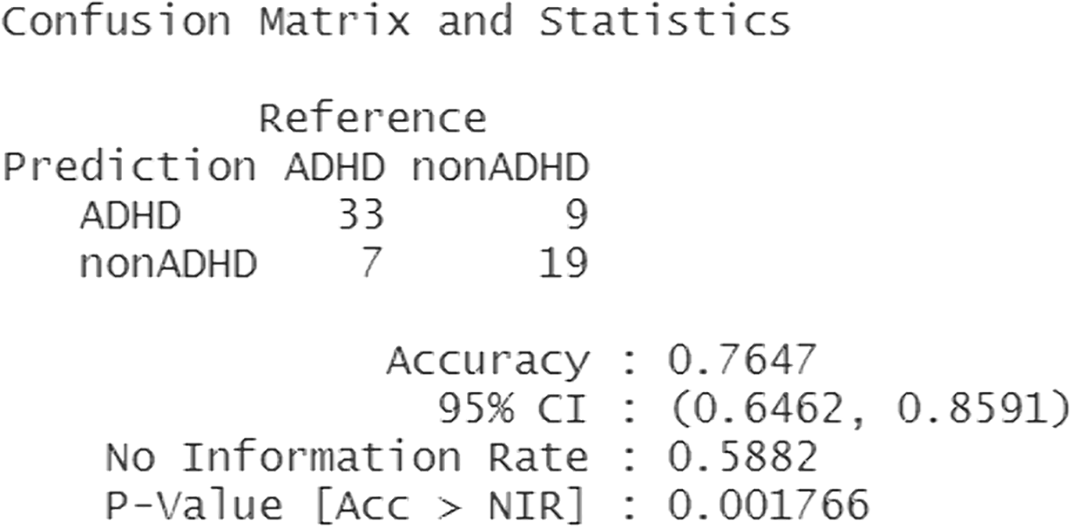
Figure 1: Random forest confusion matrix and statistics.
Figure 2: Ranking of variables importance.
Conclusions
A random forest classifier could represent an effective algorithm to support the identification of ADHD children and to simplify the diagnostic process as an initial step. The use of supervised machine learning algorithms could be useful in helping the diagnostic process, highlighting the importance of a personalized medicine approach.
Patient safety problems stemming from healthcare represent a significant cause of morbidity and mortality globally. The evidence base on safety in mental healthcare, particularly regarding community-based mental health services, has long fallen behind that of physical healthcare, with fewer research publications, developed primarily in isolation from the wider improvement science discipline. This disconnect both yields, and stems from, conceptual and practical challenges which must be surmounted in order to advance the science and improvement of safety in mental healthcare.
Objectives
The objectives of this research were to conduct a narrative review to provide an overview of conceptual issues in this area, their origins, and implications for patient safety science and clinical care. We also sought to identify approaches to overcoming these issues.
Methods
We examined theoretical and empirical evidence from the fields of patient safety, mental health, and improvement science to address this knowledge gap.
Results
We identified challenges with defining safety in the context of community mental healthcare, ascertaining what constitutes a ‘preventable’ safety problem requiring intervention, and in finding relevant research evidence. The research indicated that risk management has taken precedence over proactive safety promotion in mental healthcare. This positions service users as the origin of safety risks, with iatrogenic harm and latent system hazards associated with mental healthcare widely overlooked.
Conclusions
We propose a broader conceptualisation of safety to advance the field and outline potential next steps for the integration and uptake of different sources of ‘safety intelligence’ within community mental health services.
Disclosure
NS is the director of London Safety and Training Solutions Ltd, which offers training in patient safety, implementation solutions and human factors to healthcare organisations and the pharmaceutical industry. The other authors have no competing interests.
Symptoms of depression are transdiagnostic heterogenous features frequently assessed in psychiatric disorders, that impact the response to first-line treatment and are associated with higher suicide risk. This study assessed whether severe mental pain could characterize a specific phenotype of severely depressed high-risk psychiatric patients. We also aimed to analyze differences in treatments administered.
Methods
2,297 adult patients (1,404 females and 893 males; mean age = 43.25 years, SD = 15.15) treated in several Italian psychiatric departments. Patients were assessed for psychiatric diagnoses, mental pain, symptoms of depression, hopelessness, and suicide risk.
Results
More than 23% of the patients reported high depression symptomatology and high mental pain (HI DEP/HI PAIN). Compared to patients with lower symptoms of depression, HI DEP/HI PAIN is more frequent among females admitted to an inpatient department and is associated with higher hopelessness and suicide risk. In addition, HI DEP/HI PAIN (compared to both patients with lower symptoms of depression and patients with higher symptoms of depression but lower mental pain) were more frequently diagnosed in patients with personality disorders and had different treatments.
Conclusions
Patients reporting severe symptoms of depression and high mental pain presented a mixture of particular dangerousness (high trait hopelessness and the presence of suicide ideation with more frequency and less controllability and previous suicide behaviors). The presence of severe mental pain may act synergically in expressing a clinical phenotype that is likewise treated with a more complex therapeutic regime than that administered to those experiencing symptoms of depression without mental pain.
Previous studies have explored the association between parenting style and offspring’s psychological well-being, and the association between offspring’s achievement attribution pattern and psychological well-being. However, little is known about the role of offspring’s achievement attribution in the relationship between parenting and offspring’s psychological well-being. We aimed to find the role of adolescents’ achievement attribution pattern in the relationship between parent–child communication quality and adolescents’ mental health.
Methods
A cross-sectional analysis was conducted on 2,725 adolescents aged from 9 to 18 years who are participating in the China Family Panel Studies. Participants supplied demographic information and completed a series of psychological scales including the Center for Epidemiologic Studies Depression scale, an adapted version of the Parental Bonding Instrument, an achievement attribution scale, and single-item measures of subjective well-being and subjective interpersonal popularity.
Results
Linear regression analysis revealed that after controlling for demographic factors good parent–child communication negatively correlated with depression symptoms, and positively associated with subjective well-being and subjective interpersonal popularity. Next, mediation analysis found that internal attribution of achievement partly mediated the effects of parent–child communication quality on adolescents’ depression, subjective well-being, and subjective interpersonal popularity. The result was robust after controlling demographic variables.
Conclusions
An internal attribution pattern of achievement partially accounted for the associations between parent–child communication quality and adolescents’ psychological outcomes including depression, subjective well-being, and subjective interpersonal popularity. Future interventions for adolescents’ mental health promotion can target parent–child communication and adolescents’ positive achievement attribution pattern.
DIALOG+ is a digital psychosocial intervention aimed at making routine meetings between patients and clinicians therapeutically effective. This study aimed to evaluate the cost-effectiveness of implementing DIALOG+ treatment for patients with psychotic disorders in five low- and middle-income countries in Southeast Europe alongside a cluster randomised trial.
Methods
Resource use and quality of life data were collected alongside the multi-country cluster randomised trial of 468 participants with psychotic disorders. Due to COVID-19 interruptions of the trial’s original 12-month intervention period, adjusted costs and quality-adjusted life years (QALYs) were estimated at the participant level using a mixed-effects model over the first 6 months only. We estimated the incremental cost-effectiveness ratio (ICER) with uncertainty presented using a cost-effectiveness plane and a cost-effectiveness acceptability curve. Seven sensitivity analyses were conducted to check the robustness of the findings.
Results
The average cost of delivering DIALOG+ was €91.11 per participant. DIALOG+ was associated with an incremental health gain of 0.0032 QALYs (95% CI –0.0015, 0.0079), incremental costs of €84.17 (95% CI –8.18, 176.52), and an estimated ICER of €26,347.61. The probability of DIALOG+ being cost-effective against three times the weighted gross domestic product (GDP) per capita for the five participating countries was 18.9%.
Conclusion
Evidence from the cost-effectiveness analyses in this study suggested that DIALOG+ involved relatively low costs. However, it is not likely to be cost-effective in the five participating countries compared with standard care against a willingness-to-pay threshold of three times the weighted GDP per capita per QALY gained.
Psychiatric disorders are highly polygenic and show patterns of partner resemblance. Partner resemblance has direct population-level genetic implications if it is caused by assortative mating, but not if it is caused by convergence or social homogamy. Using genetics may help distinguish these different mechanisms. Here, we investigated whether partner resemblance for schizophrenia and bipolar disorder is influenced by assortative mating using polygenic risk scores (PRSs).
Methods
PRSs from The Danish High-Risk and Resilience Study—VIA 7 were compared between parents in three subsamples: population-based control parent pairs (N=198), parent pairs where at least one parent had schizophrenia (N=193), and parent pairs where at least one parent had bipolar disorder (N=115).
Results
The PRS for schizophrenia was predictive of schizophrenia in the full sample and showed a significant correlation between parent pairs (r=0.121, p=0.0440), indicative of assortative mating. The PRS for bipolar disorder was also correlated between parent pairs (r=0.162, p=0.0067), but it was not predictive of bipolar disorder in the full sample, limiting the interpretation.
Conclusions
Our study provides genetic evidence for assortative mating for schizophrenia, with important implications for our understanding of the genetics of schizophrenia.