We partner with a secure submission system to handle manuscript submissions.
Please note:
You will need an account for the submission system, which is separate to your Cambridge Core account. For login and submission support, please visit the
submission and support pages.
Please review this journal's author instructions, particularly the
preparing your materials
page, before submitting your manuscript.
Click Proceed to submission system to continue to our partner's website.
To save this undefined to your undefined account, please select one or more formats and confirm that you agree to abide by our usage policies. If this is the first time you used this feature, you will be asked to authorise Cambridge Core to connect with your undefined account.
Find out more about saving content to .
To send this article to your Kindle, first ensure no-reply@cambridge.org is added to your Approved Personal Document E-mail List under your Personal Document Settings on the Manage Your Content and Devices page of your Amazon account. Then enter the ‘name’ part of your Kindle email address below. Find out more about sending to your Kindle.
Find out more about saving to your Kindle.
Note you can select to save to either the @free.kindle.com or @kindle.com variations. ‘@free.kindle.com’ emails are free but can only be saved to your device when it is connected to wi-fi. ‘@kindle.com’ emails can be delivered even when you are not connected to wi-fi, but note that service fees apply.
Partner violence is a serious public health problem.International studies have well-explored the psychological aspects of domestic violence, but few explored the clinical profile of women victims of violence
Objectives
To define the clinical and psychopathological profile of women victims of domestic violence
Methods
We contacted 75 women who consulted at the psychiatric emergency of ‘HediChaker hospital’Sfax -Tunisia whowhere consulting in the context of medical expertise for domestic violence, on the period between May until October 2021 An anonymous survey was asked to these ladies
Results
The age oscillates between 18 and 64 years 86.7% of the participants were married for the first time, and 24% had at least one child. In 48% of the cases, the victims and their partners had an average socio-economic level. 66.7% don’t have a job. 6.7 % had toxic habits: 5.3% were smoking 22.7% had psychiatric follow: 14.3% for depressive disorder, 7% for bipolar disorder and 1.4% for anxiety Following a physical assault by the spouse, 37.3% of women consulted medical emergency and 21.3% consulted psychiatric emergency. The prevalence of potentially traumatic life events was 29.3%:16% were victim of parental violence and 13.3% suffered from sexual abuse.
Conclusions
This study shows that the prevalenceof domestic violence is higher among young working women. This work underlines also the necessity of a systematic screening of different aspects of violence in emergency medical or psychiatric servicesin order to provide for these ladies the necessary psychological support
Pregnancy has sociocultural implications that lead to conceiving it depending on the cultural context (Noguera & Rodríguez, 2008). Self-care is a cultural practice associated with the well-being of mother and child during pregnancy (Carmona, Hurtado and Marín 2007). Being relative to culture, self-care varies according to current beliefs. Beliefs are the concretion of a way of thinking about the environment that surrounds us (Peirce, 1903).
Objectives
Analyze the beliefs of women from a population group in Montería, about pregnancy and its implications regarding self-care in eating.
Methods
Qualitative approach. Sources: primary. Sample: due to saturation, 15 pregnant women assigned to the Mocarí neighborhood hospital in Montería. Instrument: semi-structured open interview. The information was processed through AtlasTi, implementing content analysis. Emerging categories: contents, routines in food.
Results
Main belief: food affects the well-being of mother and child. It is adequate or inappropriate depending on categories such as content and routines. The former refer to the food consumed, the latter indicate the times of consumption.
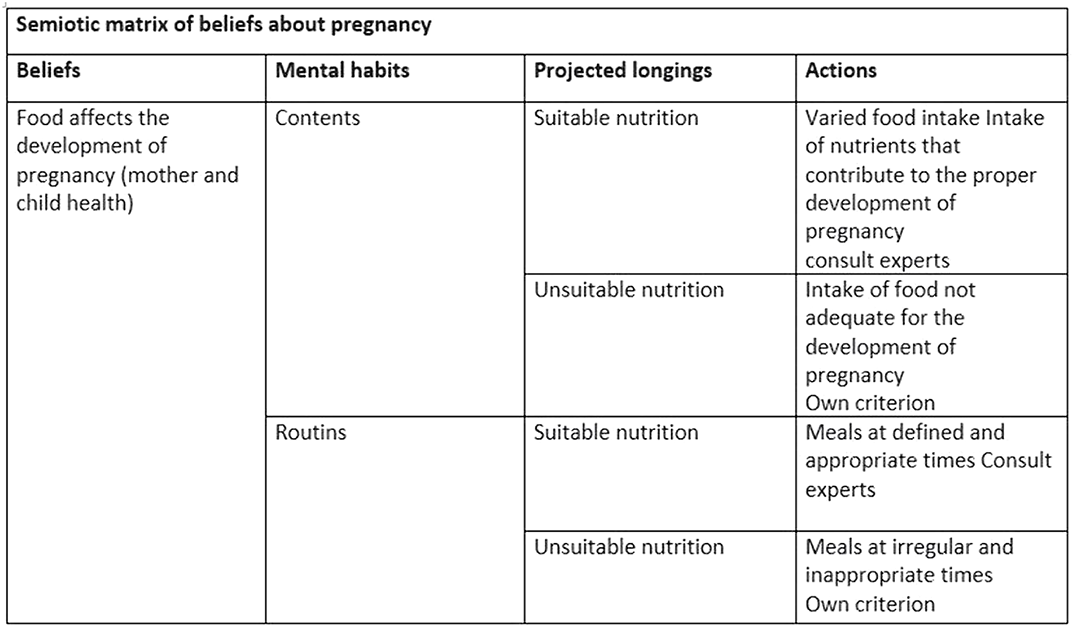
Conclusions
Beliefs about pregnancy operate as generators of mental habits, projected wishes and concrete actions. Therefore, they are an important starting point for the implementation of self-care practices at the institutional level.
The problems of the attitude to success and failure are relevant at the present time.
Objectives
study allows to describe and compare the indicators of emotional intelligence and the types of attitudes toward success and failure of a peer in adolescence and youth
Methods
110 students and 90 teenagers were studied. T.V. Beskova’s methods “Attitude to the success and/or failure of a peer” in adolescence and adolescence (adapted technique by T.V. Beskova), N. Hall’s method of evaluating “emotional intelligence” (EQ questionnaire).
Results
The “Relationship to Peer Success and Failure” methodology showed differences between adolescence and adolescence in scales: “peer joy” U = 0.016 (p≤0,05), “desire to achieve the same” U = 0.008 (p≤0,01), U = 0.027 “envy” (p≤0,05) and “passive” U = 0.006 (p≤0,01). The EQ questionnaire showed statistically significant differences in scales as “managing one’s emotions” U = 0.007 (p≤0,01), “self-motivation” U = 0.006 (p≤0,01). There are age differences in the types of attitudes to peer success and failure and the specifics of emotional intelligence in older adolescence and adolescence. Spearman rank correlation coefficient (r = 0.48) there is a relationship between the type of relationship to peer success and failure and emotional intelligence in adolescence and adolescence
Conclusions
Thus, the study showed the features of personal factors in relation to the success and failure of a peer in adolescence and adolescence.
Epidemiological studies suggested that antidepressant usage amongst pregnant women increased by 3- to 7-fold in the past 2 decades and that up to 13% of fetuses are exposed to antidepressants. There are concerns regarding the impact of prenatal antidepressant use on the offspring.
Objectives
We aim to review more recent evidence of antidepressant use during pregnancy and the risk of autism spectrum disorder (ASD) in the offspring.
Methods
Non-systematic review based on the PubMed® database.
Results
A recent meta-analyses suggested children of mothers who used antidepressants during their pregnancy may be at a higher risk of ASD, compared to mothers who do not use these medications. Other suggested that the use of any antidepressants in the first 2 trimesters was related to significantly risk of developing ASD. Despite higher risks with the use of antidepressants, the absolute risk appears to be low. In addition, confounding factors should be considered while interpreting the results. Studies concluded that the comparator group selection strongly influences the observed antidepressant-ASD relationship. Associations derived from general population studies might have been mediated by unmeasured maternal psychiatric burden or transdiagnostic genetic liability. The observed increase in risk may also be associated with depression, not its treatment.
Conclusions
The findings of these studies have important implications, and often result in drug discontinuation with a significant impact on maternal and infant health. Future research should include investigation of the severity of depression in this association, assessment of antidepressant dose and use of antidepressants in pregnant women with other pathologies.
Intimate partner violence (IPV) and psychological distress are major public health concerns among emerging adult women.
Objectives
To study the self-esteem of women victims of domestic violence and to determine its associated factors .
Methods
This was a cross-sectional descriptive study carried out at the National Health Fund of Sfax among women who consulted during the months of October and November 2019. The sociodemographic and clinical characteristics of the consultants were collected using a pre-established form. Women’s Experience with Battering Scale” (WEBS) was used to screen (IPV). The Rosenberg Self-Esteem Scale (RSE), was used for evaluating individual self-esteem. It uses a scale of 0–4 where a score less than 25 may indicate a problematic very low self esteem.
Results
The sample comprised 110 women. More than half (66.7%) of women had a primary school level and 69% had a median socioeconomic level. (IPV) was estimated at 57.3% in our population. The mean (WEBS) score was 30.92(SD=9.8) and the mean (RSE) score was 31.26 (SD=3.5) among abused women self-esteem was very low in15.5% and low in 42.7% Abused women were more likely to have a low self-esteem (r= -0.528 ;p=0.012) The score of self-esteem decreased with age (r=-0.685 p=0.0001) and previous history of violence(p=0.04).
Conclusions
The findings suggests that Women who experienced (IPV) were more likely to have a low self-esteem. Therefore, the role of the physician is essential not only in the care of the victims but also in the detection of psychological repercussions.
Pregnancy loss (PL) – by induced or spontaneous termination of pregnancy – is common, although its consequences on women’s mental health are often neglected in clinical practice.
Objectives
To understand the existence of psychiatric morbidity in women, associated with PL, as well as related risk factors.
Methods
Non-systematic review of literature through search on PubMed/MEDLINE for publications up to 2021, following the terms ‘pregnancy loss’, ‘psychiatry disorder’, ‘depression’ and ‘anxiety’.
Results
After a PL, anxiety is the most frequent symptomatology in 41% of women. Depression occurs in 22-36% of women in the first two weeks after PL, declining over time. Symptoms compatible with Post Traumatic Stress Disorder (PTSD) are found in 25% of women with PL in the first month. Women who meet criteria for PTSD are more likely to present criteria for Depressive Episode. Substance Use Disorder and Prolonged Grief Disorder are also reported, the latter having, as predictors, previous relational difficulties, poor social support and absence of descendants. Risk factors associated with significant psychopathology within PL are, for example, nulliparity, infertility, previous PL, longer gestation time, lower marital satisfaction, previous psychiatric illness, and history of abuse.
Conclusions
In clinical practice, the risk of psychopathology in women with PL should be considered. This population should be actively questioned about the presence of symptoms, as well as their persistence and impact, requiring timely and appropriate pharmacological and psychotherapeutic intervention. Perinatal Mental Health interventions show important gains in the overall health of women and their offspring.
Bipolar disorder (BD) is a severe mental illness (SMI) with an estimated lifetime prevalence of around 1%, starting in young adulthood and progressing with acute episodes. Although there is no significant prevalence difference between the sexes, the course of the disorder may be more problematic in women, due to hormonal and reproductive factors. Moreover, hypersexuality and impulsive sexual behaviour can manifest as part of a manic or hypomanic episodes, with devastating effects on the physical and emotional health of these patients.
Objectives
To highlight the pertinent issues related to sexual and reproductive health of women with BD.
Methods
A non systematic review of the literature from the last 10 years was carried out using the electronic databases, Pubmed and Google Scholar. The literature search was confined to papers written in English. The keywords ‘sexual health’, ‘reproductive health’, were combined with ‘bipolar disorder’ and ‘women’.
Results
The literature points to an increased incidence of unsafe sexual practices (unprotected sex, multiple sexual partners, trading sex) as well as poor reproductive and sexual health (increased risk of sexually transmitted diseases, high risk of unwanted pregnancies and abortions, low use of contraceptives, menstrual and fertility problems). Female patients with BD are also more likely to report history of sexual abuse.
Conclusions
Attention and counseling regarding effective contraception, planning a pregnancy and risk of sexually transmitted diseases, among others, should be an integral part of health care received by all women with bipolar disorder.
The perinatal period constitutes a unique individual and family experience, involved in multifaceted transformations and adaptations at the physical, psychological, social, and emotional levels. This is the period in women’s life cycle where there is a higher risk for the development of mental illness.
Objectives
To introduce the perinatal mental health programme of the Hospital do Espírito Santo de Évora. The main objective is to structure an intervention with the woman and her support network to promote healthy parenting.
Methods
Implementing secondary and tertiary intervention approaches in a general and public hospital in the Alentejo region of Portugal. The programme is composed of the following components and domains of intervention in the pre-conception, pregnancy, and post-partum periods: individual consultation; brief intervention consultation; mindfulness sessions in the immediate postpartum period; home-based interventions; empowerment interventions for hospital and community healthcare professionals.
Results
It is expected that the project will result in a multidisciplinary approach to perinatal mental health, with significant impact, improved perinatal mental health of the women integrated in the project, as well as improved level of satisfaction in the provision of care in the woman/family.
Conclusions
Considering the prevalence and impact of mental health issues in the perinatal period, it is desirable to structure interventions with a holistic and multidisciplinary approach. Perinatal mental health should be prioritized during the entire process of pregnancy and postnatal period. A network of primary and secondary care systems may allow mitigating and/or overcoming vulnerabilities.
The current situation caused by restrictive measures related to the COVID-19 pandemic provokes the high level of aggressiveness and all forms of domestic violence. These results in mental health problems.
Objectives
The purpose of this study was to find out the consequences of domestic violence against women and to identify psychological problems and mental disorders in women.
Methods
A cohort of 18 females was examined by psychiatrists and psychologists. All women turned to specialists at the Moscow Institute of Psychiatry for help.
Results
All women were victims of violence by their husbands and partners. Lockdown situation associated with COVID 19 pandemic has exacerbated the problem of domestic violence. Clinical assessment has revealed different depressive symptoms, anxiety, fear, suicidal tendencies forming the clinical picture of adjustment disorder (2 cases), acute reaction to stress (3 cases), post-traumatic stress disorder (2 cases), depressive episode (8 cases), eating disorders behavior in the form of bulimia and anorexia (3 cases).
Conclusions
The research has revealed that domestic abuse against women associated with lockdown situation during the COVID 19 pandemic often results in psychological and long-term mental health problems. In these cases, prevention is needed to combat violence against women with the participation of public health specialists, psychologists, psychiatrists, sociologists.
The influence of sexual hormones on mental disorders have been extensively reported. In fact, recent studies suggest that sex hormones may play a relevant role in the pathophysiology of psychosis, may be a precipitant when exogenously administered or even be used as a treatment agent of psychotic disorders.
Objectives
To describe the case of a patient with a recent diagnosis of delusional disorder (DD) with an onset in the perimenopausal period.
Methods
Case report and narrative review focused on the impact of sexual hormones on depressive symptoms and alcohol use comorbidity during perimenopause in DD women by using PubMed database.
Results
Case report: A 48-year-old woman diagnosed with DD. The clinical assessment of climacteric symptoms, as well as the gonadotropins (elevated levels of follicle-stimulating hormone -FSH- and luteinizing hormone -LH-) and estrogen levels monitoring (variations on 17-β-estradiol -E2-) enabled to link the endocrine changes with the onset and course of the psychiatric disorder. During the development of the disease, the patient also presented comorbid depressive symptoms and alcohol use disorder. Review: Estrogen depletion seems to increase the risk of psychosis, while scientific literature is not conclusive in establishing a definitive relationship between depressive symptoms and hormonal imbalance in DD. Alcohol use disorder is a common comorbidity in both perimenopausal women and patients with DD.
Conclusions
Multiaxial management of the case helped clinicians to achieve clinical stabilization. Sex differences as well as hormonal pattern disturbances should receive special attention due to the seminal implications in pharmacotherapy and clinical outcomes.
This study revolves around self-esteem which is defined as a basic human characteristic related to self-awareness, emotions, cognitions, behavior, lifestyle, general health and socio-economic factors. This fundamental data of the personality is revealed from one person to another as well as from one period to another. Many studies point out that advancing adults do not necessarily imply a decline in sense of self-worth, although skill losses are very real in many areas of psychological activity. Therefore, it seemed interesting to us to further explore this point in Moroccan women.
Objectives
Evaluate and compare self-esteem among different age groups of Moroccan women. Identify the different influencing factors.
Methods
This is a descriptive cross-sectional study using a questionnaire based on tow parts, the first based Rosenberg scale, and the second part to identify the presence of certain factors influencing self-esteem.
Results
Our researches have shown a similar results to those of some previous studies. Indeed, we found out that women experience a significant rise of self-esteem simultaneously with the increase of age. Yet, this self-esteem starts to decline in middle-aged women. Several factors can affect it; we can note on the top, the impact of relationships, education and physical health.
Conclusions
This research contributes to our understanding of Moroccan women’s self-esteem and to the identification of factors that influence it.Self-esteem is a core identity issue, essential to personal validation and our ability to experience joy. Previous researchs also suggests that self-esteem might influence economic welfare and physical health.
Gender disparities exist regarding prevalence, symptomatology and risk factors of mental disorders. In Tunisia, there is only one hospital dedicated entirely to mental health which is Razi hospital.
Objectives
The aim of the present study was to assess gender based mental health disparities in a psychiatric department and its related factors.
Methods
A cross sectional and comparative survey was conducted between March and April 2021 in the department of psychiatry D of Razi Hospital including 70 patients with a sex ratio= 1.
Results
The participants were aged between 17 and 68. Men had higher rate of celibacy: 80% of men against 48.57% of women (p=0.009). A total of 11.42% of women were illiterate against 2.85% of men, 48% of men were unemployed against 62.85% of women. There was a significant difference between gender and use of cigarettes, cannabis and alcohol (p<0.001). The diagnosis was mood disorders for 35.42% of women and 17.14% of men and schizophrenia for 57.14% of women and 77.14% of men. Gender and modality of hospitalization were significantly associated (p=0.046): 14% of women were involuntary hospitalized against 40% of men. Time between symptoms onset and consulting is 3.5 years (±5.67) for women and 1.77 (±4.75) for men. The mean number of admissions for women is 1.59 and for men 4.2 (p=0.009).
Conclusions
Onset of mental disorders for women is 3 to 4 years later than men. They have better premorbid functionning and better social networks.Gender disparities are not only determined biologically but also socially.
Interpersonally coordinated behaviors are crucial for social interactions.The “Theory of Mind,” or mentalization capacity, of an individual is essential for the establishment of behavioral synchronization. The Reading the Mind in the Eyes Test (RMET) is used to assess mentalization, social cognition and empathy. Previous RMET studies, investigated people in isolation, not in social situations. It is unclear how the RMET predicts functioning during real-life social interactions.
Objectives
To investigate the relationship between the performance measured on the RMET test and the synchronous behavior of two individuals interacting with each other during tasks requiring social collaboration.
Methods
Sample included healthy controls (HC,n=48) and patients with ADHD (n=26) or schizophrenia (SCH,n=36) from an ongoing EEG-hyperscanning study, employing a social coordination condition.We applied a Go/NoGo reaction time(RT) task performed by pairs of participants. Synchronous behavior was characterized by the correlation of participants’ RTs.We used the percent (%) correct responses from the RMET to characterize social cognition.
Results
In HC, with better social cognitive performance, the correlation of behavioral responses was significantly (p<0.05) higher. In ADHD, better performance on the RMET was also accompanied by better behavioral synchronization, but the association did not reach significance due to the smaller sample size. In SCH, no relationship was detected.
Conclusions
In HC and ADHD, the mentalization ability as measured by RMET is associated with the behavioral synchronization between individuals in social interaction.The lack of association in the schizophrenia group may be due to psychopathological symptoms, which should be elucidated in future research. Funding: Supported by the Hungarian Brain Research program#2017-1.2.1-NKP-2017-0002
Child hospitalization is a difficult event in the life for the whole family, probably worst for families coming from far away, specially for accommodation. Ronald McDonald Houses (RMH) created in the immediate proximity of pediatric departments of hospitals, allows hospitalized children to benefit from the presence of his family nearby. The hypothesis that the family is stronger when it is grouped together (the “family-centered-care” concept) remains difficult to demonstrate (Cochrane, 2012). In France, there is no study describing the interest of such places, and families experiences.
Objectives
Our objectives are to describe the experience of parents in French RMH.
Methods
A cross-sectional study conducted between February and April 2016, invited 50 families to participate in the 9 French RMH, by feeling an anonymous questionnaire (socio-demographic characteristics, items related to hospitalization, anxiety and depression scale -HADS, conditions of stay at the house). Descriptive statistics presented mothers and fathers experience.
Results
Parents of 333 hospitalized child participated : 320 mothers, 246 fathers. 44.1% of child were aged less than one year. Services more represented were : intensive care unit, oncology and neonatal. Parents were socially rather disadvantaged, living mainly in couples, with an estimated mean home-hospital time of 2 hours. They reported financial problems (>40%), sleep deprivation (>1.5 hours), and anxiety-depressive disorders: anxiety (>50%) and depression (>20%). Satisfaction staying in the house was extremely high (>95%).
Conclusions
We observe an undeniable added value of the RMH in the care. Nevertheless, the high level of psychological suffering shows the importance of offering help at the psycho-social level.
Childhood Apraxia of Speech (CAS) was declared as a motor speech disorder by ASHA (2007). Yet, until then it was mainly addressed as a phonological disorder and until these days, 14 years later, the treatment of CAS is yet to be motor based worldwide. Professionals finds it hard to diagnose it clearly due to comorbidity with communication and language disorders.
Objectives
This non clarity might lead to non-accurate treatment since the essence of the syndrome is not addressed. An accurate treatment will integrate knowledge from several domains: communication, Language, Sensory, behavioural, emotional, cognitive and, the most important one for CAS, motor learning.
Methods
Motor learning is an area of knowledge which is learnt usually in sport academy, while Its main practical purpose is to improve training methods in sport. The use of motor learning knowledge doesn’t belong to the world of sport primarily but rather to the world of movement wherever it exists. One of the fascinating areas of movement is speech.
Results
Speech in its basic form is motor based, before it being used as a motor tool for language and communication. It is the most complicated motor task in the human body since for every syllable we activate directly and indirectly over 100 muscles. The children who can’t acquire speech spontaneously due to severe deficit in motor planning, need to practice motor speech tasks repeatedly and accurately.
Conclusions
This lecture will present the use of 20 motor learning principles in the speech treatment via the VML method
Disclosure
I am the founder of the VML method while teaching it in various countries
The confusional state is the clinical expression of a temporary acute cerebral decompensation. It is expressed by a global, fluctuating and reversible alteration of cognitive functions. It is a frequent reason for consultation in the emergency room.
Objectives
To determine the epidemiology, neurological etiologies and their risk factors.
Methods
Retrospective study based on the files of 41 hospitalized patients with confusional syndrome.
Results
We collected 41 patients. The mean age was 72.9 years. The sex ratio was 1.25. The antecedents found were arterial hypertension and diabetes in 10 patients, a history of stroke was ischemic in 21 cases and hemorrhagic in 6 cases, cerebral metastasis in 5 cases, hepatic encephalopathy in 6 cases and a toxic cause in 4 cases. Mental confusion was acute in 23 patients and subacute in 18. The confusional manifestations observed were essentially temporospatial disorientation in 27 patients, obnubilation in 22 cases, difficulty in paying attention and concentrating in 24 cases, and vague and slow verbal expression in 11 cases. A metabolic disorder was found in 15 patients, such as hyperkalaemia (7 cases) and hyperglycaemia (8 cases). Etiological treatment was instituted with recourse to sedative treatment in 18 patients due to agitation. The evolution was marked by a total regression of confusion in 11 cases, lacunar amnesia in 7 cases, prolonged mental confusion in 6 cases and death in 3 patients.
Conclusions
Elderly subjects are at risk due to the vulnerability of brain structures to pathologies and treatments associated with this period of life. Early treatment can improve the prognosis.
COVID-19-related physical isolation, fear and anxiety determined de novo mental illnesses, by potentially facilitating the emergence of Hikikomori traits (i.e., a severe social withdrawal condition).
Objectives
The present study aims at screening a cohort of university students for the Hikikomori traits and assessing a set of psychopathological determinants associated with Hikikomori, particularly boredom and loneliness dimensions.
Methods
A cross-sectional web-based survey was carried out by administering Hikikomori Questionnaire (HQ-11), Italian Loneliness Scale (ILS), Multidimensional State Boredom Scale (MSBS), Depression Anxiety Stress Scale (DASS-21) and Toronto Alexithymia Scale (TAS-20).
Results
1,148 respondents (767 women and 374 men, mean age: 23.2±SD=2.8 years old) were recruited. 70.7% declared to have experienced psychological distress. HQ-11 average total score was 18.4±SD=7.5 with statistically significant higher values in the males (p=0.017) and amongst students studying Informatics, Mathematics/Physics/Chemistry, Science of Communication and Engineering. The HQ-11 positively correlated with ILS (r=0.609), MSBS (r=0.415), TAS-20 (r=0.482) and DASS-21 (r=0.434).
Conclusions
This study represents the first screening of the Hikikomori phenomenon in Italian university students. Hikikomori traits appear to be particularly represented in the Italian youth population and should be carefully investigated in future studies.
Mood disorders are common psychiatric illnesses with major disability and mortality and it is estimated that 8% to 20% of the population experience a depressive episode at some point in their lives.
Objectives
To find out the prevalence of cognitive impairment among patients with Mood Disorders i.e, Major Depressive Disorder (MDD) and Bipolar Mood Disorder (BMD), etc. and to find out the status of cognitive impairment with clinical variables of Mood Disorders.
Methods
This was a descriptive cross-sectional study conducted among the patients attending both the inpatient and outpatient departments of the National Institute of Mental Health, Dhaka. The duration of the study was fourteen months starting from July 2011 to September 2012. A total of one hundred and thirty-three (n=133) patients who fulfilled the inclusion-exclusion criteria were selected.
Results
The mean age of onset of mood disorder was 30.1± 10.7years.60.2% were male and 39.8% were female respondents. Cognitive impairment was found among 43.6% of the respondents. A substantial proportion of the study population was found to have cognitive impairment. In this study, the cognitive status of the respondents was not associated with the duration of illness (p>0.5).
Conclusions
So assessment of cognitive status should be an essential part of the management of this group of people.
Anti-NMDA receptor encephalitis is a disease occurring when antibodies produced by the body’s own immune system attack NMDA receptors in the brain. Their functions are critical for judgement, perception of reality, human interaction, the formation and retrieval of memory, and the control of autonomic functions. The objective of treatment is to reduce the levels of antibodies in the blood and spinal fluid. Treatments include corticosteroids, intravenous immunoglobulin and plasmapheresis in addition to other immunomodulators, such as cyclophosphamide or rituximab.
Objectives
To present a case of a 64 year-old patient who came to the emergency service of our hospital with long-standing anxiety, irritability, recurrent amnestic failures, visual hallucinations and recent-onset episodes of aggressiveness with his family. He required admission to the psychiatry department and was finally diagnosed with autoimmune anti-NMDA encephalitis by detecting antibodies in blood and CSF.
Methods
Clinical case presentation and literature review of cases, focusing on psychotic symptoms.
Results
A 65-year-old patient who was being studied by neurology and psychiatry departments for cognitive impairment and psychotic symptoms was admitted to Neurology after a positive lumbar puncture result for NMDA antibodies.During admission, the patient continued with a significant behavioral alteration that gradually remitted with the use of Quetiapine, corticosteroids and rituximab.
Conclusions
NMDA-encephalitis has a highly variable clinical presentation, which can lead to confusion with infectious etiology or psychiatric disorders, making the diagnosis difficult, which is only possible by detecting anti-NMDA antibodies in CSF. Recognition of the disease and coordination between services is essential for early diagnosis and treatment.
Executive function (EF) deficits are often associated with Autism Spectrum Disorder (ASD), even in the absence of Attention Deficit Hyperactivity Disorder (ADHD) diagnosis. To date, no approved medication treatments exist for EF deficits associated with ASD.
Objectives
To assess the efficacy of transcranial photobiomodulation (tPBM) on EF in adults with ASD.
Methods
Adults (18-59) with high-functioning (HF)-ASD received twice a week tPBM for 8 weeks in an open-label single group design. ASD and EF deficits were assessed by clinician-rated Clinical Global Impression Scale and patient-rated scales of Behavior Rating Inventory of Executive Function-Adult (BRIEF-A).
Results
Eleven participants were enrolled. Ten participants completed the study. Nine participants who completed the study had comorbid ADHD diagnosis. All 10 participants were included in efficacy analyses of EF deficits. Statistically significant improvements in executive function deficits were found in BRIEF-A total score and in subdomains of Inhibition, Emotional Control, Planning and Organization, Organization of Materials, Behavioral Regulation, Metacognitive Index and Global Executive Control. All participants were found to have mild to moderate improvement in their ADHD symptom severity per clinician rated CGIs. Statistically significant improvements in ADHD symptoms were noted in self-rated scales. No adverse events required changes in tPBM protocol.
Conclusions
tPBM is a safe and feasible treatment approach that has the potential to treat core features of ASD. Further research is necessary and warranted.
Disclosure
This work is funded by Alan and Lorraine Bressler Clinical and Research Program for Autism Spectrum Disorder and the MGH Pediatric Psychopharmacology Council Fund.