


1. Introduction
Change is the mantra of modern life. We embrace change as a virtue but are desperate to escape from undesired changes that appear beyond our control. We crave positive change at all levels: individuals seeking to improve themselves, neighborhoods seeking a greater sense of community, nations attempting to function as corporate units, the multinational community attempting to manage the global economy and the environment.
Science should be an important agent of change, and it is; but it is responsible for as many unwanted changes as those we desire. Even the desired changes can be like wishes granted in folk tales, which end up regretted in retrospect. Despite some notable successes, some of which we highlight in this article, our ability to change our behavioral and cultural practices lags far behind our ability to manipulate the physical environment. No examples of scientifically guided social change can compare to putting a man on the moon.
In this article we ask what a science of positive behavioral and cultural change would look like and what steps might be required to achieve it. We begin with the basic suggestion that evolution must be at the center of any science of change. After all, the study of evolution is the study of how organisms change in relation to their environments, not only by genetics but also by mechanisms of phenotypic plasticity that evolved by genetic evolution, including some that count as evolutionary processes in their own right (Calvin Reference Calvin1987; Jablonka & Lamb 2006; Richerson & Boyd Reference Richerson and Boyd2005). A solid foundation in evolutionary theory can also help us understand why some changes we desire, which count as adaptations in the evolutionary sense of the word, can turn out to be bad for long-term human welfare. Left unmanaged, evolutionary processes often take us where we would prefer not to go. The only solution to this problem is to become wise managers of evolutionary processes (Wilson Reference Wilson2011c).
The first step – appreciating the central importance of evolution – reveals how many steps remain to achieve a mature science of behavioral and cultural change. The study of evolution in relation to human affairs has a long and tortuous history that led many to abandon and even oppose the enterprise altogether (Ehrenreich & McIntosh Reference Ehrenreich and McIntosh1997; Sahlins Reference Sahlins1976; Segerstrale Reference Segerstrale2001). Using evolution to inform public policy earned such a bad reputation that “social Darwinism” came to signify the justification of social inequality (Hofstadter Reference Hofstadter1959/1992; Leonard Reference Leonard2009). Evolution became a pariah concept to avoid as a conceptual foundation for the study of human behavior and culture for most of the twentieth century. The implicit assumption was that evolution explained the rest of life, our physical bodies, and a few basic instincts such as the urge to eat and have sex, but had little to say about our rich behavioral and cultural diversity.
The reception to E. O. Wilson's Reference Wilson1975 book Sociobiology provides an example of this intellectual apartheid. The purpose of Sociobiology was to show that a single science of social behavior could apply to all species, from microbes to insects to primates. It was celebrated as a triumph except for the final chapter on humans, which created a storm of controversy (Segerstrale Reference Segerstrale2001). Only during the late 1980s did terms such as evolutionary psychology and evolutionary anthropology enter the scientific lexicon, signifying a renewed attempt to place the study of human behavior and culture on an evolutionary foundation.
As a result, an enormous amount of integration must occur before a science of human behavioral and cultural change can center on evolution. This integration needs to be a two-way street, involving not only contributions of evolutionary theory to the human-related disciplines but also the reverse. For example, core evolutionary theory needs to expand beyond genetics to include other inheritance systems, such as environmentally induced changes in gene expression (epigenetics), mechanisms of social learning found in many species, and the human capacity for symbolic thought that results in an almost unlimited variety of cognitive constructions, each motivating a suite of behaviors subject to selection (Jablonka & Lamb 2006; Penn et al. Reference Penn, Holyoak and Povinelli2008).
We will argue that the first steps toward integration, represented by a configuration of ideas that most people associate with evolutionary psychology, was only the beginning and in some ways led in the wrong direction. In particular, the polarized distinction between evolutionary psychology and the standard social science model (Pinker Reference Pinker1997; Reference Pinker2002; Tooby & Cosmides Reference Tooby, Cosmides, Barkow, Cosmides and Tooby1992) was a wrong turn we must correct. A mature EP needs to include elements of the SSSM associated with major thinkers such as Emile Durkheim, B. F. Skinner, and Clifford Geertz. Only when we depolarize the distinction between EP and the SSSM can a science of change occur (Bolhuis et al. Reference Bolhuis, Brown, Richardson and Laland2011; Buller Reference Buller2005; Scher & Rauscher Reference Scher and Rauscher2002; Wilson Reference Wilson, Scher and Rauscher2002b).
In section 2 of this article we will attempt to accomplish this depolarization to provide a broader evolutionary foundation for the human behavioral and social sciences. In section 3 we will review examples of scientifically based and validated programs that accomplish change on three scales: individuals, small groups, and large populations. We draw these examples from branches of the applied behavioral sciences that, like diamonds in the sand, have remained largely hidden from evolutionary science and the basic human behavioral sciences. The examples provide a much needed body of empirical information to balance evolutionary theorizing, which is frequently criticized for remaining at the speculative “just so” storytelling stage. Indeed, the randomized control trials and other high-quality real-world experiments described in section 2 can be regarded as a refined variation-and-selection process with faster and more accurate feedback on effectiveness than other mechanisms of cultural evolution. When viewed from an evolutionary perspective, they emerge as examples of wisely managing evolutionary processes to accomplish significant improvement in human well-being. We are closer to a science of intentional change than one might think.
2. Toward a basic science of change
The ability to change behavioral and cultural practices in practical terms can profit from a basic scientific understanding of behavioral and cultural change. The human behavioral sciences are currently in disarray on the subject of change. Every discipline has its own configuration of ideas that seldom relate to other disciplines or to modern evolutionary science. We will focus on a major dichotomy that all human-related disciplines must confront: On the one hand, human behavior and culture appear elaborately flexible. On the other, as with all species, the human brain is an elaborate product of genetic evolution. These two facts often appear in opposition to each other, as if evolution implies genetic determinism, which in turn implies an incapacity for change over short time intervals. Once this misformulation is accepted, then the capacity for short-term change becomes conceptualized as outside the orbit of evolutionary theory.
Although the tension between genetic innateness and the capacity for short-term change exists in all branches of the human behavioral sciences, we will focus on two major branches: the behaviorist tradition associated with B. F. Skinner and the configuration of ideas that arose in the late 1980s under the label evolutionary psychology. Those merit special attention because of the history of the behaviorist tradition in academic psychology, even before EP made the scene, and because EP came about in a way that seemed to exclude the standard social science model (SSSM) centered on behaviorism in psychology and so-called blank slate traditions in anthropology associated with figures such as Durkheim and Geertz (e.g., Pinker Reference Pinker1997; Reference Pinker2002; Tooby & Cosmides Reference Tooby, Cosmides, Barkow, Cosmides and Tooby1992). Reconciling the differences between the behaviorist tradition and EP can go a long way toward reconciling the apparent paradox of genetic innateness and the capacity for short-term change in all branches of the human behavioral sciences.
2.1. B. F. Skinner: Evolutionary psychologist
In the abstract of his influential article “Selection by Consequences,” Skinner framed his version of behaviorism in terms of evolution:
Selection by consequences is a causal mode found only in living things, or in machines made by living things. It was first recognized in natural selection, but it also accounts for the shaping and maintenance of the behavior of the individual and the evolution of cultures. In all three of these fields, it replaces explanations based on the causal modes of classical mechanics. The replacement is strongly resisted. Natural selection has now made its case, but similar delays in recognizing the role of selection in the other fields could deprive us of valuable help in solving the problems which confront us. (Skinner Reference Skinner1981, p. 501)
Although the term evolutionary psychology had not yet been coined, Skinner's passage leaves no doubt that he regarded the open-ended capacity for behavioral and cultural change as both (1) a product of genetic evolution and (2) an evolutionary process in its own right. It is therefore ironic that when Tooby and Cosmides (Reference Tooby, Cosmides, Barkow, Cosmides and Tooby1992) formulated their version of EP, they set it apart from the SSSM that included the Skinnerian tradition (see also Pinker Reference Pinker1997; Reference Pinker2002).
Long before Tooby and Cosmides's version of EP made the scene, the so-called cognitive revolution had largely displaced behaviorism in academic psychology. Cognitive theorists stressed that the enormous complexity of the mind needed direct study, in contrast to Skinner's insistence on focusing on the functional relations of environment and behavior (Brewer Reference Brewer, Weimer and Palermo1974; Bruner Reference Bruner1973). The central metaphor of the cognitive revolution was that the mind is like a computer that we must understand in mechanistic detail to know how it works. However, those who study computers would never restrict themselves to input–output relationships: They would study the machinery and the software. Cognitive psychologists faulted behaviorists for not following the same path.
One of the seeds of the cognitive revolution, which took root in Tooby and Cosmides's version of EP, was a challenge to what most perceived to be the extreme domain generality of behavioral approaches. An example is Martin Seligman's (Reference Seligman1970) influential article on the “generality of the laws of learning.” Seligman reviewed a body of evidence showing that the parameters of learning processes had to be viewed in light of the evolutionary preparedness of organisms to relate particular events. For example, taste aversion (Garcia et al. Reference Garcia, Ervin and Koelling1966) challenged the idea that immediacy per se is key in stimulus pairings in classical conditioning, because illness could follow by tens of hours and still induce aversion to ecologically sensible food-related cues. Seligman recognized that this kind of specialized learning could evolve by altering the parameters of classical conditioning, but his preferred interpretation was that general learning processes themselves were not useful: “[W]e have reason to suspect that the laws of learning discovered using lever pressing and salivation may not hold” (p. 417).
Even more important was the conclusion that no general process account was possible in the area of human language and cognition. Pointing to evidence that seemed to show that human language requires no elaborate training for its production, Seligman concluded, “instrumental and classical conditioning are not adequate for an analysis of language” (p. 414). What interests us in this context is how these concerns quickly led to abandoning the idea that general learning process accounts were possible. For example, in an influential chapter that helped launch the “cognitive revolution,” William Brewer (Reference Brewer, Weimer and Palermo1974) concluded, “all the results of the traditional conditioning literature are due to the operation of higher mental processes, as assumed in cognitive theory, and…there is not and never has been any convincing evidence for unconscious, automatic mechanisms in the conditioning of adult human beings” (p. 27, italics added).
The concern over the limits of domain generality in cognitive psychology redoubled as EP arrived as a self-described discipline, including the influential volume The Adapted Mind: Evolutionary Psychology and the Generation of Culture (Barkow et al. Reference Barkow, Cosmides and Tooby1992; see also Pinker Reference Pinker1997; Reference Pinker2002). The thrust of EP was that the mind is neither a blank slate nor a general-purpose computer. The mind is a collection of many special-purpose computers that evolved genetically to solve specific problems pertaining to survival and reproduction in ancestral environments. This claim became known as “massive modularity” (Buller Reference Buller2005; Buller & Hardcastle Reference Buller and Hardcastle2000; Carruthers Reference Carruthers2006; Fodor Reference Fodor1983; Reference Fodor2000).
Tooby and Cosmides's (Reference Tooby, Cosmides, Barkow, Cosmides and Tooby1992) chapter in The Adapted Mind, titled “The Psychological Foundations of Culture,” which did much to define the field of EP, described domain-general learning (the applicability of general cognitive processes, whether viewed behaviorally or cognitively) as nearly a theoretical impossibility. Too many environmental inputs can be processed in too many ways for a domain-general learning machine to work, whether designed by humans or by natural selection. The most intelligent machines humans have designed are highly task specific. Tax preparation software provides a good example: It requires exactly the right environmental input, which it processes in exactly the right way, to calculate one's taxes accurately. It is impressively flexible at its specific task but utterly incapable of doing anything else. According to Tooby and Cosmides, natural selection is constrained just as human engineers are in creating complex machines or programming software, leaving massive modularity as the only theoretical possibility for the design of the mind.
In discussing cultural evolution, Tooby and Cosmides observed that behavioral differences among human populations do not necessarily signify the cultural transmission of learned information. Instead, they can reflect massively modular minds responding to different environmental cues without any learning or social transmission whatsoever. They called this instinctive response to the environment “evoked” culture, in contrast to the social transmission of learned information, or “transmitted” culture. They did not deny the existence of transmitted culture, but had little to say about it.
An article titled “Evolutionary Psychology: A Primer” (Cosmides & Tooby Reference Cosmides and Tooby1997) pares their vision to its bare essentials. The human mind is described as “a set of information-processing machines that were designed by natural selection to solve adaptive problems faced by our hunter-gatherer ancestors.” Because our modern skull houses a Stone-Age mind, “the key to understanding how the modern mind works is to realize that its circuits were not designed to solve the day-to-day problems of a modern American – they were designed to solve the day-to-day problems of our hunter-gatherer ancestors.” Evolutionary psychology is described as “relentlessly past-oriented” – meaning our genetic past, not our cultural or individual past.
In this fashion, the concept of elaborate innateness that became associated with EP sat in opposition to the open-ended capacity for change that became associated with what Tooby and Cosmides branded the SSSM. In our opinion, this is a profound mistake needing correction to achieve an integrated science of change.
2.2. Evolution as a domain-general process
Ironically, although Tooby and Cosmides praised genetic evolution as a domain-general process, capable of adapting organisms to virtually any environment, they failed to generalize this insight to include other evolutionary processes. If they had, their critique of the “blank slate” traditions in the human behavioral sciences would have appeared in a new light.
Evolutionists routinely rely upon a blank slate assumption of their own when they reason about adaptation and natural selection. They predict the adaptations that would evolve by natural selection, given heritable variation and a sufficient number of generations. For example, they confidently predict that many species inhabiting desert environments will evolve to be sandy colored to conceal themselves from their predators and prey. This prediction can be made without any knowledge of the genes or physical composition of the species. Insofar as the physical makeup of organisms results in heritable variation, that is the extent to which it can be ignored in predicting the molding action of natural selection. The phenotypic properties of organisms are caused by selection and merely permitted by heritable variation (Campbell Reference Campbell, Greenberg and Tobach1990; Wilson Reference Wilson1988).
Evolutionists know that heritable variation is not omnipresent and a sufficient number of generations often has not elapsed for species to become fully adapted to their environments. Hence, they easily back away from their blank slate assumption. A fully rounded evolutionary perspective requires equal attention to functional design, proximate mechanisms, developmental pathways, and phylogenetic histories (Tinbergen Reference Tinbergen1963). Nevertheless, blank slate adaptationist reasoning remains one of the most powerful tools in the evolutionary toolkit, and Tooby and Cosmides use it liberally to develop their vision of EP.
The point that Skinner was making with his key phrase “selection by consequences” was that evolution goes beyond genetic evolution. Insofar as individual learning and cultural change count as evolutionary processes, a blank slate assumption can be made about what evolves on the basis of the molding action of selection, which is permitted but not caused by the proximate mechanisms underlying the evolutionary processes (what Skinner called “causal modes of classical mechanics” in the abstract quoted above). This is also what Durkheim perceived for cultural evolution when he wrote in 1895 that “individual natures are merely the indeterminate material that the social factor molds and transforms” (Durkeim Reference Durkheim1895/1982, p. 106). These insights are fully justified from an evolutionary perspective, to the extent that learning and cultural change qualify as evolutionary processes.
Against this background, debates about the existence of domain-general cognitive mechanisms can be seen to be largely misplaced. Genetic evolution is a domain-general process, but the mechanisms of genetic inheritance are many and specific in their functions (e.g., error correction mechanisms, transcription mechanisms). The question is not whether the mechanisms qualify as domain general, but whether they result in heritable variation, which allows the evolutionary process to be domain general. These points apply to learning and culture as well as genetic evolution. Tooby and Cosmides could be correct about massive modularity and still would be wrong to reject the blank slate assumption for learning and culture – insofar as massive modularity leads to nongenetic mechanisms of inheritance.
In short, the error of theorists such as Cosmides and Tooby was to ignore (or at least greatly downplay) the possibility that the complex special-purpose adaptations that evolved by genetic evolution resulted in nongenetic mechanisms of inheritance, capable of rapidly adapting people to their current environments in a domain-general fashion. When this error is corrected, the blank slate traditions represented by authors such as Skinner and Durkheim can be seen as fully compatible with modern evolutionary theory. It is not our purpose to argue that EP is totally in error or that the blank slate traditions are right in every detail, however. The point is to establish a middle ground that includes the valid elements of both positions – to depolarize the distinction between EP and the SSSM.
Apart from the particular school of thought known as EP, there is a long tradition of thinking about the immune system, brain development, learning, culture, and science (as a particular form of culture) as evolutionary processes that result in adaptations to current environments according to their respective criteria of selection (e.g., Boyd & Richerson Reference Boyd and Richerson1985; Calvin Reference Calvin1987; Campbell Reference Campbell1960; Edelman Reference Edelman1988; Edelman & Tononi Reference Edelman and Tononi2000; Farmer & Packard Reference Farmer and Packard1987; Jablonka & Lamb 2006; Plotkin Reference Plotkin1994; Reference Plotkin2003; Reference Plotkin2007; Richerson & Boyd Reference Richerson and Boyd2005; Wilson Reference Wilson1990; Reference Wilson1995). Evolutionary processes that rely on nongenetic inheritance mechanisms either evolved genetically or were created by humans, as Skinner appreciated in the abstract quoted above. The term Darwin machine aptly describes an evolutionary process built by evolution (Calvin Reference Calvin1987; Plotkin Reference Plotkin1994). The word Darwin signifies that an open-ended process of variation and selection is at work, capable of producing adaptations to current environments that might never have previously existed. The word machine here means only in the limited sense that complex but systematic processes are required to create heritable phenotypic variation and to select traits that are genetically adaptive on average. (We caution against other connotations of the word that do not capture the open-ended nature of “Darwin machine.”) Properly understood, these two words reconcile the apparent paradox of genetic innateness and the capacity for open-ended change over the short term.
2.3. Learning from the immune system about evolutionary psychology
By far, the best understood Darwin machine is the vertebrate immune system. It is a fabulously complex set of adaptations that evolved genetically to protect organisms against disease. It has many hallmarks of massive modularity, but it also has the open-ended capacity to rapidly evolve new defenses in the form of antibodies. If we can think about the human capacity for behavioral and cultural change as we do the immune system, we can begin to provide an appropriately broad foundation for a science of intentional change.
Immunologists distinguish between the innate and the adaptive components of the immune system (see Sompayrac Reference Sompayrac2008 for an excellent tutorial). The innate component is massively modular, much as Tooby and Cosmides describe for human psychology. Macrophages can sense and engulf foreign particles, for example, but they have no capacity to change their sensory abilities. The innate component of the immune system protects against most disease organisms but is helpless against those that manage to evade its automated defenses.
The adaptive component of the immune system includes the ability to create roughly 100 million different antibodies. Each antibody is like a highly specialized hand that can grab onto a narrow range of molecular shapes. Collectively, the 100 million antibodies can grab onto nearly any conceivable organic surface. When a given antibody grabs onto an invading disease organism, it signals the innate component of the immune system to attack; the antibody itself acts only as a tag. Simultaneously, the B-cells producing the antibody are stimulated to reproduce and to ramp up their production. A single B-cell in full production mode can produce about 2,000 unattached antibody molecules every second.
The variation-and-selection process employed by the adaptive component of the immune system enables the organism to adapt rapidly to diseases that have evaded the innate component of the immune system. In this sense, it is impressively domain general. Yet, not only does the adaptive component rely upon the innate component, it too is elaborately innate. One hundred million antibodies occur not by a happy accident but by an orchestrated process creating combinations of genes from highly polymorphic regions of the chromosomes. Other genetically evolved processes are required for the antibodies that bind to antigens to signal the innate component of the immune system, for the B-cells producing the antibodies to reproduce and ramp up production, to keep the antibody circulating after elimination of the disease organism, and so on. The “machine” part of this Darwin machine is very complex indeed!
Against this background, we can begin to identify the valid and invalid elements of both EP and the SSSM in their polarized forms. The massive modularity thesis of Tooby and Cosmides is like a description of the innate component of the immune system without the adaptive component. On the other hand, Skinner's effort to explain as much as possible in terms of operant conditioning is like a description of the adaptive component of the immune system without the innate component. Combining the valid elements of both positions enables us to reconcile the concepts of elaborate innateness and an open-ended capacity for change.
The immune system offers an additional insight into the distinctively human capacity for behavioral and cultural change: It is inherently a multi-agent cooperative system. Dozens of specialized cell types coordinate their activities through a chemical signaling system to achieve the common goal of protecting the organism. Individuals with immune systems that failed to exhibit teamwork were not among our ancestors.
The capacity for open-ended learning at the individual level occurs in many species, as Skinner showed for pigeons and rats. The capacity for cultural transmission also exists in many species – more than one might imagine; it is a relatively new topic in animal behavior research (Hill Reference Hill2010; Laland & Galef Reference Laland and Galef2009; Laland & Hoppitt Reference Laland and Hoppitt2003; Page & Ryan Reference Page and Ryan2006). However, the human capacity for behavioral and cultural change is so distinctive that it borders on unique (Deacon Reference Deacon1998; Jablonka & Lamb 2006; Penn et al. Reference Penn, Holyoak and Povinelli2008). This might be because the human capacity requires a degree of teamwork among group members that most other vertebrate species lack. Human evolution increasingly is seen as a major transition, similar to the evolution of eukaryotic cells, multicellular organisms, and eusocial insect colonies (Boehm Reference Boehm1999; Maynard Smith & Szathmary Reference Maynard Smith and Szathmary1995; Sober & Wilson Reference Sober and Wilson1998; Wilson Reference Wilson2011a). A major transition might have been required to evolve a multi-agent cooperative system for behavioral and cultural change comparable to the immune system.
The analogy between the immune system and other Darwin machines should not go too far. At a finer level of detail, the complex but systematic processes that create and select behavioral and cultural traits will differ from those that create and select antibodies. The main analogies that we wish to stress are (1) the reconciliation of elaborate genetic innateness with elaborate open-ended flexibility and (2) the need for some Darwin machines to be multi-agent cooperative systems.
2.4. The human symbolic inheritance system
Humans are most distinctive in their capacity for symbolic thought. The rudiments of symbolic thought might exist in other species, but humans possess a full-blown inheritance system with combinatorial possibilities to rival genetic inheritance (Deacon Reference Deacon1998; Jablonka & Lamb 2006; Pagel Reference Pagel2012; Pinker Reference Pinker2010; Tomasello Reference Tomasello2008).
When a rat learns through experience to associate an object (such as food) in the environment with an arbitrary signal (such as a bell), notes similarities between physical objects, or detects sequences of apparent causes and effects, these relations are bound largely to the physical properties of the related events and direct experience. In human symbolic behavior, “tacit systems of higher-order relations at various levels of generality modulate how human subjects judge and discover novel relations within those domains” (Penn et al. Reference Penn, Holyoak and Povinelli2008, p. 118). These higher-order relations are abstracted from immediate physical properties, becoming somewhat independent of them, and once established are maintained by their utility, coherence, and role in a social community. A classically conditioned response in a rat will weaken quickly when extinguished, which is clearly adaptive; it would not benefit the rat to continue expecting food at the sound of a bell when food is no longer forthcoming. Conversely, a person can hear the word cheese a million times in the absence of cheese and the relation will remain intact. The meaning of the word remains consistent due to its place in a network of symbolic relations, and every set of symbolic relations leads to a suite of behaviors that potentially influences survival and reproduction (Hayes et al. Reference Hayes, Barnes-Holmes and Roche2001). In this sense, a network of symbolic relations that regulates behavior is like a genotype that produces a phenotype. We will call it a “symbotype” to stress the comparison. Like genotypes, symbotypes evolve based on what they cause the organism to do, regardless of the direct correspondence between the mental and environmental relations. As an example, religious and superstitious beliefs might not correspond directly to anything that exists in the real world, but they might still be favored by selection, based on the behaviors they motivate in the real world.
Genotypes, symbotypes, and antibodies share something else: almost infinite variety, based on the recombination of their elements. Much as x genes with two alleles at each locus result in 2 x combinations, each potentially producing a different phenotype for selection to act on, a human symbolic system consisting of a few handfuls of “object→sign” relations will be able to derive thousands of combinations, each potentially resulting in a different phenotype for selection to act on (Deacon Reference Deacon1998).
Because the symbotype concept bears a superficial resemblance to the meme concept (Dawkins Reference Dawkins1976), a brief comparison is in order. The term meme is sometimes used broadly to refer to any cultural trait. More narrow usages suggest that cultural traits resemble physical genes in various respects, such as functioning as “replicators,” having a physical form inside the brain, or having the capacity to spread at the expense of their human hosts (Aunger Reference Aunger2002; Blackmore Reference Blackmore1999). The most recent treatments of cultural evolution recognize the need for a term that describes cultural traits at the phenotypic level, but those treatments depart from other specific concepts that have been associated with the term meme. In particular, it is possible for the replication of cultural traits to be a systemic process without the need for gene-like replicators (Henrich et al. Reference Henrich, Boyd and Richerson2008; Laland & Brown Reference Laland and Brown2011). The concept of “evolution without replicators” applies even to genetic evolution (Godfrey-Smith Reference Godfrey-Smith2000). In any case, the term symbotype refers not to a single cultural trait but rather to a given set of symbolic relations, which results in an entire suite of phenotypic traits (the phenotype). The term does not presuppose any particular proximate mechanism for the symbotype and does not assume that the phenotype can be atomized into independent traits. Obviously, a great deal of future research will be required to clarify the concept of the symbotype, but it differs importantly from the concept of a meme.
However our symbolic inheritance system and its combinatorial properties arose, the result was a quantum jump in our capacity for open-ended behavioral and cultural change. The best way to see this is by standing back from the “trees” of single scientific studies to see the “forest” of human evolution. A single biological species spread out of Africa to inhabit the globe, adapting to all climatic zones and occupying hundreds of ecological niches, in just tens of thousands of years. Each culture has mental and physical toolkits for survival and reproduction that no individual could possibly learn in a lifetime. Then the advent of agriculture enabled the scale of human society to increase by many orders of magnitude, resulting in mega-societies unlike anything our species had previously experienced. The human cultural adaptive radiation is comparable in scope to the genetic adaptive radiations of major taxonomic groups such as mammals and dinosaurs (Pagel & Mace Reference Pagel and Mace2004). What else is required to conclude that humans have an elaborate capacity for open-ended behavioral and cultural change?
It is important to stress that the cultural inheritance system does not entirely supersede the other inheritance systems. Many human traits can change only by genetic evolution (e.g., the ability to digest lactose in adults; Holden & Mace Reference Holden and Mace2009). Moreover, the four inheritance systems discussed by Jablonka and Lamb (2006) – genetic, epigenetics, learning, and symbolic thought – have been interacting with one another throughout our history as a species (Richerson & Boyd Reference Richerson and Boyd2005). Genetic evolution and cultural evolution have been shaping each other for a very long time. It is therefore incorrect to say that cultural evolution serves to maximize genetic fitness, as if the latter can be defined without reference to the former.
2.5. The contribution of the human-related disciplines to core evolutionary theory
Evolution requires heritable variation, but the mechanism of inheritance need not be genetic. Most evolutionists will agree with this statement, yet the vast majority of evolutionary research has focused on genetic inheritance mechanisms – so much that for most people “evolution” is nearly synonymous with “genes.” It is therefore important to expand core evolutionary theory beyond genetics to include other mechanisms of inheritance. Jablonka and Lamb (2006) have made an excellent start in their book Evolution in Four Dimensions. Starting with a concise historical account of why genetic inheritance became so central in evolutionary theory, they show how epigenetics, learned behavior, and symbolic systems also qualify as inheritance systems and how all four systems interact with one another to produce evolutionary change.
Epigenetics is a biological subject, but most of the research on learning and symbolic thought has occurred in the many human-related disciplines, including the humanities and the human behavioral sciences. Research in these disciplines is sometimes cognizant of evolutionary theory (including Skinner's key insight about selection by consequences), but more often it occurs without reference to evolution or in perceived opposition to it. A good example is the intellectual tradition of social constructivism, which has long appeared to be opposed to evolutionary accounts of human nature (Segerstrale Reference Segerstrale2001; Wilson Reference Wilson, Gottschall and Wilson2005; Reference Wilson, Schloss and Murray2009). Insofar as evolutionists failed to include symbolic inheritance systems in core evolutionary theory, social constructivists were right to point out that something was missing. Yet, social constructivists did not converge on the idea of cultural evolution as a Darwin machine comparable to the immune system and explore how that level of analysis interacts with genetic, epigenetic, and learning processes. Everyone was wrong, and progress requires movement on all sides. Evolutionists need to consult the human behavioral sciences and humanities respectfully – to discover what these disciplines know about learning and symbolic systems. Scientists and scholars from the human behavioral sciences and humanities will benefit by thinking about their work as inside the orbit of evolutionary theory, however irrelevant or wrong-headed evolution might have appeared in the past. This kind of integration is already occurring at a pace that is fast in cultural evolutionary terms – but it can go even faster. When complete, we will have a proper basic scientific foundation for an applied science of intentional change.
3. Toward an applied science of change
Like the basic human behavioral sciences and the humanities, the applied human behavioral sciences are a vast archipelago of disciplines that seldom communicate with one another. Outside the applied academic disciplines, commercial marketers and political strategists also attempt to influence behavioral and cultural change – often very successfully and not necessarily for the common good. The scientific caliber of any particular applied discipline, in terms of theoretical justification and empirical methods, ranges from exemplary to nonexistent. Explicit or implicit recognition of evolution is highly variable, and hardly any of the disciplines consider recent developments in evolutionary science. The disciplines, in turn, are largely unknown to modern evolutionary scientists.
One purpose of this target article is to bring some exemplary research programs in the applied behavioral sciences to the attention of evolutionary scientists, and vice versa. Benefits flow both ways. Evolutionary scientists might be surprised to learn of proven methods for accomplishing positive behavioral and cultural change at all scales, from individuals to large populations. The theories behind these methods are highly relevant to the development of core evolutionary theory, and the empirical results can help take evolutionary theorizing beyond the “just-so” storytelling stage. Applied behavioral scientists in any particular discipline might be surprised to learn how much it can benefit from integration with all other basic and applied disciplines, using evolution as the common theoretical framework. It is beyond the scope of this paper to provide a comprehensive review. Instead, we provide examples to illustrate the potential for a broader integration.
3.1. Change at the level of individuals
When the cognitive revolution dethroned behaviorism in academic psychology during the second half of the twentieth century, behaviorism did not disappear. Instead, it developed into a robust set of methods for accomplishing behavioral change in a variety of applied disciplines such as applied behavior analysis (Baer et al. Reference Baer, Wolf and Risley1968) and behavior therapy (Wolpe Reference Wolpe1958). Behavior therapy was gradually supplemented (not replaced) by cognitive therapy, which in turn has been supplemented (not replaced) by acceptance and mindfulness–based techniques with proven efficacy (Hayes et al. Reference Hayes, Villatte, Levin and Hildebrandt2011b; Hofmann et al. Reference Hofmann, Sawyer, Witt and Oh2010), in what is sometimes called a “third wave” of cognitive behavioral methods (Hayes Reference Hayes2004). When the elements of behavioral, cognitive, and mindfulness-based therapies are examined in detail, they map impressively onto the elements of learning and symbolic thought as Darwin machines.
We begin with the enigma of how people with perfectly healthy brains and bodies can nevertheless become so dysfunctional that they seek therapy. One of the most basic facts about evolution is that it results in both dysfunctional and functional outcomes. Many products of evolution are not adaptive in any sense. Even traits that count as adaptive in the evolutionary sense of the word can be maladaptive from the standpoint of human welfare; for example, by benefiting some individuals at the expense of others (e.g., rape, murder, or selling addictive products such as tobacco to youth) or by achieving short-term goals at the expense of long-term goals (e.g., discounting the future). Another basic fact about evolution concerns path dependence. Evolution from a less adapted state to a more adapted state will not take place if the intermediate steps are not adaptive.
These dysfunctional outcomes of evolution can be expected no matter what the mechanism of inheritance. It follows that if learning qualifies as a Darwin machine, so that individuals can be regarded as open-ended evolving systems with their actions selected by consequences, then evolution will sometimes take them where they prefer not to go. These observations are elementary but can be new and insightful for those not accustomed to employing an evolutionary perspective.
In addition to dysfunctional outcomes common to all evolutionary processes, there are dysfunctional outcomes inherent to any Darwin machine built by genetic evolution. Operant and classical conditioning are learning processes that evolved during the early history of life (Ginsberg & Jablonka Reference Ginsberg and Jablonka2010). In operant conditioning, behaviors are selected not only by differential survival and reproduction but by reinforcers, which Skinner properly interpreted as genetically evolved adaptations that lead, on average, to the adoption of genetically adaptive behaviors. “On average” includes many exceptions. Moreover, the direct and immediate costs and benefits of behaviors more readily function as consequences that select behaviors, compared with those effects that are more diffuse, delayed, or indirect. Cascades of these more subtle effects of behaviors can easily outweigh direct effects, such that direct and immediate consequences are not always a reliable selection criterion for long-term adaptation.
Due to these dysfunctional consequences of learning as a Darwin machine, people who are functioning normally as evolutionary processes occasionally find themselves in highly dysfunctional states requiring therapy. Behavior therapy works by altering the selective environment; for example, by repeatedly exposing clients who fear spiders to the objects of their fear without adverse consequences so that they can acquire a wider range of responses than avoidance in a spider's presence (Craske & Barlow Reference Craske, Barlow and Barlow2008). In this fashion, new, more flexible responses can extinguish and replace dysfunctional learned and repertoire-narrowing effects (fear and avoidance), in much the same way as occurs with other species. That many human phobias have clear links to dangers that existed in the genetic ancestral environment (e.g., spiders, snakes, heights, closed spaces, open spaces, and strangers) can be regarded as part of the innate component of the learning Darwin machine, analogous to the innate component of the immune system (Nesse & Williams Reference Nesse and Williams1995). Similarly, the generation of greater response variability during extinction of learned avoidance responses appears to be innate, extending across the animal world (Bouton et al. Reference Bouton, Mineka and Barlow2001).
Cognitive behavior therapy (CBT) goes beyond behavior therapy by encouraging clients to reconceptualize their problems (e.g., Beck Reference Beck2011). In evolutionary terms, the reason that cognitive therapy adds value to behavior therapy is that people are influenced by a symbolic Darwin machine in addition to a learning Darwin machine. A laboratory rat would benefit from behavior therapy but not from therapy that employs symbolic language; a human benefits from both because the symbolic Darwin machine was added to the learning Darwin machine over human evolutionary history but did not replace it.
As an everyday example of overcoming a problem by reconceptualizing it, people who are anxious about flying can sometimes put themselves at ease by concentrating on the statistics showing that flying is much safer than driving. The symbolic representation of flying as safe can help counteract sensory input that it is dangerous (e.g., Flatt & King Reference Flatt and King2010). Everyday life is rife with examples of people who behave as they do because it makes sense in terms of a conceptual framework, such as a religion, a political ideology, or a scientific theory, not because of a history of operant conditioning of motor responses. Through organized examination and testing of beliefs in addition to behavior therapy methods, CBT uses this universal human capacity for therapeutic purposes, and it is one of the best empirically supported therapeutic interventions (INSERM 2004). For example, a panic-disordered client might be led to face fears in a systematic fashion (as in behavior therapy), but also learn to change their cognitive appraisals of the actual threats posed by fearsome situations (see Craske et al. Reference Craske, Barlow and Meadows2000 for an empirically validated program of this kind). The cognitive change components might include educating patients about how catastrophic thoughts exacerbate panic symptoms and create a vicious cycle, helping to identify the negative cognitions associated with physical sensation triggers of recent panic attacks, and practicing replacement of maladaptive cognitions with noncatastrophic explanations. Research shows that just these cognitive elements alone are helpful, resulting in improved outcomes because of how patients appraise their symptoms (Meuret et al. Reference Meuret, Rosenfield, Seidel, Bhaskara and Hofmann2010). Symbotypes can be changed directly in some cases, producing helpful phenotypic changes.
A variety of evidence-based practices have emerged over the last few decades that add regulation of the impact of symbotypes to this array of individual change methods, through such techniques as mindfulness meditation, attentional training, emotional acceptance, and deliberate use of perspective taking. In a direct analogy to the epigenetic regulation of gene expression, these methods use what we might call “episymbolic” processes to regulate the impact of symbotypes on behavior. The emphasis in these methods is on detaching oneself from the internal dialogue and becoming mindful of one's true values, rather than trying to solve problems by eliminating difficult thoughts and feelings. We will describe a particular kind of mindfulness-based therapy called “acceptance and commitment therapy” (ACT, pronounced as one word), in part because it is well-validated and in part because it rests on a strong theoretical foundation called “relational frame theory” (RFT), which can profitably be related to core evolutionary theory (Hayes et al. Reference Hayes, Barnes-Holmes and Roche2001). In general, however, the pattern of results we describe here primarily with ACT applies with equal force to all of the newer acceptance and mindfulness–based treatments, such as dialectical behavior therapy (Linehan Reference Linehan1993) and mindfulness-based cognitive therapy (MBCT; Segal et al. Reference Segal, Williams and Teasdale2002). (For a recent review of such methods, see Hayes et al. Reference Hayes, Villatte, Levin and Hildebrandt2011b.)
RFT derives from the functional contextual wing of behaviorism, but it acknowledges that Skinner failed in his quest to explain language and other forms of symbolic thought in terms of simple operant conditioning. Instead, humans have evolved specialized abilities for relating events (Penn et al. Reference Penn, Holyoak and Povinelli2008); due to this evolved capacity, humans can learn to create networks of symbolic relations and transfer whole networks across contexts. Although this may begin in the mutual relation between speakers and listeners, human cognitive abilities carry arbitrary relational learning far beyond that situation. In normal humans, arbitrary learned relations of a particular kind between A and B and between B and C automatically result in predictable derived relations between B and A, C and A, A and C, and C and A. The ability to derive such relations when they have their bases in arbitrary cues and not physical properties seems to require multiple exemplars of the key relational tasks (Berens & Hayes Reference Berens and Hayes2007). For example, if a person learns in arbitrary matching to sample that three events are related in the order X < Y < Z, and if Y is then paired with a shock, Z will elicit more arousal than Y will, even though there were never any shocks paired with Z and there is no physical relationship between Y and Z (Dougher et al. Reference Dougher, Hamilton, Fink and Harrington2007). The essence of metaphorical thinking is that a network of relations formed in one context (e.g., a rose) can transfer to another context (e.g., my love). Growing evidence indicates that the core ability to relate symbols and objects in this way when relationships are arbitrarily applicable is learned (e.g., Barnes-Holmes et al. Reference Barnes-Holmes, Barnes-Holmes, Smeets, Strand and Friman2004), beginning in infancy (e.g., Luciano et al. Reference Luciano, Gómez-Becerra and Rodríguez-Valverde2007). Whether these abilities are uniquely human or merely highly elaborated in humans is unclear, but the more important point is that RFT is beginning to delineate some of the proximate mechanisms of the symbolic Darwin machine that is necessary to expand core evolutionary theory.
An important concept from RFT that ACT uses is cognitive fusion, which we can understand in evolutionary terms as the loss of behavioral flexibility. The useful human capacity for creating networks of relations and transferring them across contexts can cause particular symbotypes to dominate over others, even when they are dysfunctional, especially when alternative symbotypes appear unavailable or the paths to them seem obscure. Using the venerable evolutionary metaphor of adaptive landscapes (Pigliucci & Kaplan Reference Pigliucci and Kaplan2006; Provine Reference Provine1986; Wright Reference Wright and Jones1932), in which altitude represents fitness, a dysfunctional symbotype is like a small peak separated from higher peaks by even more dysfunctional valleys. An example is the common tendency toward experiential avoidance, in which avoidant responses to aversive events are linked to their emotional and cognitive effects, spreading avoidance far beyond its original context (Hayes et al. Reference Hayes, Wilson, Gifford, Follette and Strosahl1996). Any number of symbolic connections can trigger a memory of a painful loss, fear of a panic attack, or the expectation of failure. Avoiding these connections and their emotional results is reinforcing over the short term but greatly reduces healthy behavioral variability over the long term. A depressed person who decides to stay in bed appears to be sensibly avoiding further pain, and initially feels a sense of relief, but later develops further depression and self-loathing. An alcoholic who takes the next drink feels better immediately and worse only later. In terms of the learning Darwin machine, the short-term transient benefits are more reinforcing than the long-term diffuse costs.
Deliberately trying to avoid a symbolically invoked experience can be counterproductive, because it increases attention focused on the experience and its likely negative outcomes. This often later elicits the experience itself, expanding the range of events associated with the aversive event. For example, trying not to think of a painful memory by listening to pleasant music will soon enough lead to the music itself invoking the memory (Wenzlaff & Wegner Reference Wenzlaff and Wegner2000). Experiential avoidance of painful private experience is arguably one of the most persistent and pathologically repertoire-narrowing processes known in human psychology (Hayes et al. Reference Hayes, Wilson, Gifford, Follette and Strosahl1996; Reference Hayes, Luoma, Bond, Masuda and Lillis2006; Wenzlaff & Wegner Reference Wenzlaff and Wegner2000; see also Kashdan Reference Kashdan2009) precisely because it creates an adaptive peak that prevents further healthy hill-climbing processes.
ACT uses acceptance and mindfulness methods to increase healthy flexibility and variability in the person's actions (emotional, cognitive, and behavioral) and examines values to change the selection criterion for these actions. In other words, ACT deliberately manages the variation-and-selection process, which makes it easy to relate to core evolutionary theory. ACT encourages people to identify their most important life goals and to keep them firmly in mind as criteria for selecting behaviors. At the same time, it promotes a mindful, open, and curious stance toward one's thoughts, feelings, and experiences, which reduces their automatic dysfunctional interference with the pursuit of important life goals.
It is no coincidence that some methods of ACT and other acceptance and mindfulness–based interventions converge with religious and meditational practices – systems that have been managing the variation-and-selection process for millennia (Wilson Reference Wilson2002a). Powerful metaphors and exercises help to manage the variation-and-selection process, altering the normal, automatic behavioral impact of difficult emotions and thoughts – in effect, adding symbolic systems that regulate the impact of symbolic events. Here is one ACT metaphor: Imagine that you are a chess player locked in a battle with an emotional archrival who requires all your concentration. Now imagine that you are the chessboard. The game continues, but you see it from a different perspective: You hold all of the emotional pieces, both painful and pleasant. The board can move but only by taking all the pieces with it. In another ACT metaphor, you imagine you are driving a bus toward a destination. Imaginary “people” on the bus are your own thoughts and feelings. These “passengers” are part of your history. They may not be what you would have chosen but at least in memory they are likely to come with you for the rest of your life. Instead of stopping the bus and trying in vain to get them to leave, your challenge is to reach your destination with them coming along for the ride.
ACT integrates metaphors such as these with experiential methods (e.g., exposure, contemplative practices) with the goal of changing the impact of negative symbotypes and creating new behavioral options in pursuit of one's most important life goals. Paradoxically, accepting that given thoughts and feelings might not go away can be an important step toward making them go away, in the sense that they become less salient and central because they are no longer the focus of attention or have the threatening implications that they once did. Equally important, when combined with the clarification of values, acceptance supports the key processes of increasing healthy variation and selection by chosen consequences, allowing the behavioral system to evolve.
Solving recalcitrant problems with the use of brief metaphors and exercises might seem too good to be true – until one takes the concept of a symbotype and its regulation seriously. Because evolutionists are familiar with the genotype-phenotype relationship, they fully expect that by changing the genotype (e.g., by inducing a mutation in DNA), or by changing the ability of the genotype to be transcribed or translated (e.g., by methylation of DNA), they can change the phenotype. Billions of dollars go into research showing the effects of genetic variation and the regulation of gene expression on phenotypic variation, or on developing techniques of “gene therapy” that involve changing the genes of an individual person or the expression of their genes. As soon as we start thinking about the symbotype-phenotype relationship as being similar to the genotype-phenotype relationship (which is itself an example of transferring a network of verbal relations across contexts), the idea of changing a wide range of behaviors with education or brief training in cognitive reappraisal (comparable to a single gene substitution) or with a metaphor or exercise that alters the impact of negative thoughts (comparable to blocking the RNA transcription of genes) becomes plausible – and a lot easier to accomplish than changing genes. Even better, we have no need to speculate, because CBT and modern acceptance and mindfulness–based therapies are empirically supported therapeutic methods, tested by using the gold standard of evaluation: the randomized controlled trial (RCT).
We know these methods work, and in some cases, we also know why they work, in ways that make sense in light of evolutionary theory. Therapies that teach people to respond more flexibly in the presence of emotions increase healthy variation that can help them rise to the challenge of diverse problems such as chronic pain (e.g., Wicksell et al. Reference Wicksell, Melin, Lekander and Olsson2009), substance use (e.g., Witkiewitz & Bowen Reference Witkiewitz and Bowen2010), tinnitus (e.g., Westin et al. Reference Westin, Schulin, Hesser, Karlsson, Noe, Olofsson, Stalby, Wisung and Andersson2011), worksite stress (Flaxman & Bond Reference Flaxman and Bond2010), or suicidal behavior (Berking et al. Reference Berking, Neacsiu, Comtois and Linehan2009). Therapies that teach people simply to notice their thoughts without automatically having to obey them also induce healthy flexibility that can help people solve panic disorders (Arch et al. Reference Arch, Eifert, Davies, Vilardaga, Rose and Craske2012a; Reference Arch, Wolitzky-Taylor, Eifert and Craske2012b), stop smoking (Gifford et al. Reference Gifford, Kohlenberg, Hayes, Pierson, Piasecki, Antonuccio and Palm2011), stay out of the hospital when suffering psychotic hallucinations (Bach et al. Reference Bach, Hayes and Gallop2012), deal with diabetes (Gregg et al. Reference Gregg, Callaghan, Hayes and Glenn-Lawson2007), or lose weight (Lillis et al. Reference Lillis, Hayes, Bunting and Masuda2009). Focusing on chosen values as the selection criteria for action can empower people to confront their anxieties (Roemer et al. Reference Roemer, Orsillo and Salters-Pedneault2008), face the challenges of chronic illness (Lundgren et al. Reference Lundgren, Dahl and Hayes2008), or live productive lives in the face of chronic pain (Vowles & McCracken Reference Vowles and McCracken2008). Increasing retention of new behavior by practicing skills is as applicable to experts in almost any field (Ericsson & Ward Reference Ericsson and Ward2007) as it is to personality-disordered clients trying to establish a new way of relating to their own distress (Lindenboim et al. Reference Lindenboim, Comtois and Linehan2007).
A recent example of how these developments have affected evidence-based psychotherapy is provided by Arch et al. (Reference Arch, Eifert, Davies, Vilardaga, Rose and Craske2012a), who randomly assigned 128 patients suffering from a variety of anxiety disorders either to exposure and gold-standard cognitive change methods (i.e., CBT) or to exposure and acceptance and mindfulness methods (i.e., ACT). Following 12 weekly 1-hour sessions, patients in both conditions showed very strong and equivalent improvements. Blind clinical interviews showed nearly a 50% reduction in clinical severity post-treatment. From week 13 to the end of a 1-year follow-up, however, the ACT group experienced about 25% additional improvement, whereas the other group maintained their original gains but did not continue to improve. In both groups, improvements were best accounted for by greater psychological flexibility toward difficult thoughts (Arch et al. Reference Arch, Wolitzky-Taylor, Eifert and Craske2012b), but ACT improved more on general and thought-specific measures of psychological flexibility (Arch et al. Reference Arch, Eifert, Davies, Vilardaga, Rose and Craske2012a; Reference Arch, Wolitzky-Taylor, Eifert and Craske2012b). Moderation analyses showed that ACT was more helpful with patients who were also suffering a mood disorder (Wolitzky-Taylor et al. Reference Wolitzky-Taylor, Arch, Rosenfield and Craske2012), suggesting that targeting flexibility is especially useful when dealing with problems that are more complex.
The best way to appreciate the generality of these therapeutic methods across so many domains is from an evolutionary perspective: They are broadly applicable because they help manage variation and selection. Genetic evolution and the immune system are understood in rich mechanistic detail. Learning and symbolic thought are much more poorly understood, in part because they have only recently been envisioned as evolutionary processes comparable to genetic evolution and the immune system. The fact that elements of ACT and other acceptance and mindfulness–based methods are often found in spiritual and religious practices suggests that some of these practices evolved by cultural evolution as strategies that help people transcend immediate consequences in order to achieve longer term success.
Once we appreciate that all evolutionary processes result in both dysfunctional and functional outcomes, and that even functional outcomes from an evolutionary perspective can be dysfunctional from the perspective of long-term human welfare, the need to manage the variation-and-selection processes taking place all around us to prevent the development of human problems becomes manifest. The field of prevention science is dedicated to finding science-based solutions to a diversity of real-world problems, such as how to prevent children from playing in streets, how to prevent classroom environments from becoming disruptive, how to prevent self-destructive behaviors in adolescents, how to prevent crime, depression, academic failure, and drug abuse, and how to reduce the prevalence of smoking. In short, prevention scientists have developed the same ability to manage behavioral and cultural change in everyday settings that clinical scientists are generating in therapeutic settings – and they can prove it. The Institute of Medicine's report on prevention (National Research Council & Institute of Medicine 2009b) documents numerous effective preventive interventions for all phases of human development, from the prenatal period through adolescence. Figure 1 is from that report. The figure indicates interventions that have been shown through rigorous experiments to have effects many years after implementation. This includes family-focused and school interventions, plus community and policy interventions affecting entire populations.
Interventions by developmental phase.

Embry and Biglan (Reference Embry and Biglan2008) compiled a list of more than 50 evidence-based kernels (see Table 1 for a sample), which are defined as “a behavior-influence procedure shown through experimental analysis to affect a specific behavior and that is indivisible in the sense that removing any of its components would render it inert” (Embry Reference Embry2004). Some interventions involve change at the individual level, using principles similar to behavioral, cognitive, and mindfulness-based therapies. Others involve change at the level of small groups and large populations, as described in sections 3.2 and 3.3 below. Lists of empirically validated methods (including some of the methods we describe in this paper) are maintained by the Substance Abuse and Mental Health Services Administration (the National Registry of Evidence-Based Programs and Practices; http://nrepp.samhsa.gov); the American Psychological Association (www.div12.org/PsychologicalTreatments/treatments.html); the What Works Clearinghouse (http://ies.ed.gov/ncee/wwc/); and the Promise Neighborhoods Research Consortium (http://promiseneighborhoods.org).
Examples of reinforcement, relational frame, physiological, and relational frame kernels for selected, indicated, and universal prevention.

As we stated at the beginning of this article, a science of positive intentional change is surprisingly close, once successful research programs in the applied behavioral sciences are related to core evolutionary theory. In this way, applied disciplines largely unknown to evolutionists can expand core evolutionary theory, and core evolutionary theory can provide a general theoretical foundation for the applied disciplines.
The principles that we have outlined for individuals are equally relevant to groups of all sizes. Groups can benefit by increasing their behavioral flexibility and reflecting on their values in selecting their practices no less than individuals can. However, an additional set of considerations are required for groups to function as “corporate units” in this sense.
3.2. Change at the level of small groups
A science of intentional change at the level of groups draws on a set of evolutionary principles that complements the principles reviewed in the previous section. Just as the principle of selection by consequences works at the level of individual behavioral and genetic selection, it is fruitful to analyze the selection of group practices by the consequences to the group (Biglan & Glenn Reference Biglan, Glenn, Madden, Dube, Hackenberg, Hanley and Lattal2013).
Some branches of the human-related sciences assume that individuals pursuing their self-interest automatically self-organize into well-functioning groups. According to the most recent edition of the Palgrave Dictionary of Economics, for example, “laissez faire leads to the common good [is] the first fundamental theorem of welfare economics” (Feldman Reference Feldman, Durlauf and Blume2008).
Evolutionary theory tells a different story. Natural selection is based on relative fitness; and the traits that maximize the fitness of individuals, relative to members of their own group, are typically different than the traits that maximize the fitness of the group as a whole. The conflict between individual self-interest and behaving “for the good of the group” has occupied center stage in evolutionary biology since the 1960s (Williams Reference Williams1966). It is recognized by all theoretical frameworks for studying the evolution of social behavior, including multilevel selection theory, inclusive fitness theory, evolutionary game theory, and selfish gene theory. These frameworks have been argued against one another in the past; but in their most general forms, they become equivalent methods for accounting for evolutionary change in multigroup populations (Okasha Reference Okasha2006; Sober & Wilson Reference Sober and Wilson1998; Wilson Reference Wilson2012; Wilson & Wilson Reference Wilson and Wilson2007).
The evolutionary dynamics of cooperation in all social species provides one body of information that can be brought to bear on real-world human groups. A second body of information is our own particular evolutionary history, resulting in our unique ability to cooperate in groups that need not be genetically related, to think symbolically, and so on, as recounted in previous sections of this article. These two bodies of information provide a framework for integrating human-related academic disciplines such as sociology, social psychology, biological and cultural anthropology, history, religious studies, economics, and political science. The field of social psychology, for example, has a long history of emphasizing norms, group identity, and other aspects of group psychology that can be readily interpreted from an evolutionary perspective (Simpson & Kenrick Reference Simpson and Kenrick1997). The unified academic study of human sociality can then help to improve the efficacy of real-world groups.
The work of Elinor Ostrom and colleagues (Reference Ostrom1990; Reference Ostrom2005; Reference Ostrom2010) on groups that attempt to manage common-pool resources provides an outstanding example. Prior to Ostrom's work, the received wisdom of economics was that common-pool resources inevitably result in the “tragedy of the commons,” a problem of overuse to be solved only by privatization or top-down regulation. Ostrom shared the 2009 Nobel in economics for showing that groups of people are capable of managing their common resources on their own, but only when certain conditions are met. She did this by assembling a database of groups around the world that were attempting to manage common-pool resources. Empirically, she was able to identify eight design principles that enable groups to manage their common-pool resources successfully (Ostrom Reference Ostrom1990):
-
1. Group identity. Members of the most successful groups have a strong sense of group identity and know the rights and obligations of membership, along with the boundaries of the resource they are managing.
-
2. Proportional costs and benefits. Having some members do all the work and others receive the benefits cannot continue over a long term. In the most successful groups, the expectation is that everyone does his or her fair share and those who go beyond the call of duty receive appropriate recognition. When leaders receive special privileges, it is because they have special responsibilities for which they are accountable.
-
3. Consensus decision making. People hate being bossed around but will work hard to implement a consensus decision – to do what we want, not what they want. In addition, the best decisions often require knowledge of local circumstances that we have and they lack, making consensus decision making doubly important.
-
4. Monitoring. Even when most members of a group mean well, the temptation to receive more than one's share of the benefits and to contribute less than one's share of the costs always exists. In addition, at least some members might try to game the system actively. If lapses and transgressions are undetectable, the group enterprise is unlikely to succeed.
-
5. Graduated sanctions. Friendly, gentle reminders are usually sufficient to keep people in solid citizen mode, but there must also be the capacity to apply stronger sanctions, such as punishment or exclusion, if transgressions continue.
-
6. Fast and fair conflict resolution. When conflicts arise, they must be resolved quickly and in a manner that the parties consider fair. This typically involves a hearing in which respected members of the group, who can be expected to be impartial, make an equitable decision.
-
7. Local autonomy. When a group is nested within a larger society, such as a farmer's association dealing with the state government, the group must have enough authority to create its own social organization and make its own decisions, as outlined in 1–6.
-
8. Polycentric governance. When groups are nested within a larger society, relationships with other groups and higher-level entities (such as state and federal regulatory agencies) must reflect the same principles outlined above for single groups, a point we will expand on in section 3.3.
These core design principles, which were originally informed by political science and empirically derived from the performance of contemporary groups, are consistent with the basic evolutionary dynamics of cooperation in all species and the specific factors that caused humans to become such a highly cooperative species (Wilson et al. Reference Wilson, Ostrom and Cox2013; see also Boehm Reference Boehm2011; Gintis Reference Gintis2007; Reference Gintis2009a; Gintis et al. Reference Gintis, Bowles, Boyd and Fehr2005; Henrich et al. Reference Henrich, Boyd, Bowles, Camerer, Fehr and Gintis2004). The features provide a surprisingly practical how-to guide for any group attempting to achieve common objectives, not just for groups attempting to manage common-pool resources. For example, Wilson (Reference Wilson2011b) and Wilson et al. (Reference Wilson, Marshall and Iserhott2011b) relate the core design principles to groups that attempt to create playgrounds and community spaces.
It is important to stress that human groups do not necessarily adopt the core design principles on their own, as if the features were purely instinctive. The reason that Ostrom could derive the design principles in the first place is because groups varied in their employment of them, both with failures and successes. Anyone familiar with modern-day groups can attest to the frequent absence of one or more of these design principles. Neighborhoods seldom have a strong sense of group identity (a violation of design principle No. 1). Groups frequently consist of a few beleaguered volunteers who do most of the work (a violation of design principle No. 2). Discipline in schools is frequently neither fast nor based on a procedure that the students perceive as fair (a violation of design principle No. 6). Why are these design principles not more purely instinctive? We could ask the same question of other basic biological adaptations: How can the cultural practice of bottle-feeding infants become so widely established, for example, when lactation has been the signature mammalian adaptation for nearly 200 million years? Part of the answer is that for virtually all of that time, female mammals had no alternative to breastfeeding and therefore no reason to evolve a preference for it compared with an alternative. Similarly, throughout their evolutionary history, humans had no alternative to living in small social groups and therefore did not necessarily evolve the instincts for creating them when alternatives became available.
It is also important to distinguish between the core design principles and their implementation in any particular group. In genetic evolution, a highly designed adaptation such as a wing can be implemented in different ways, such as an insect's, a bird's, or a bat's. The one-to-many relationship between a design principle and its implementations can be demonstrated in the laboratory. In one classic experiment, the same phenotypic trait of wing vein length was selected for in a number of isolated laboratory populations of drosophila (Cohan Reference Cohan1984). There was a phenotypic response to selection in each population, but the specific genes that evolved differed among the populations. The one-to-many relationship also exists for antibody formation: People evolve different antibodies in response to the same disease because more than one antibody can successfully bind to a given antigen; which one becomes amplified is largely a matter of chance.
The same one-to-many relationship exists for the cultural evolution of symbotypes. Ostrom's database of attempts to manage common-pool resources contains groups that were faced with an identical problem—attempts to manage irrigation systems by different Nepalese farmer associations, for example (Ostrom Reference Ostrom1990). The groups arrived at different implementations of the various design principles (e.g., of how to monitor, design principle No. 4), just as the different populations of drosophila evolved different genes for wing vein length. The groups adapted to their particular environments through an open-ended process of cultural evolution, not by the expression of genetically evolved modules triggered by the environment. The need for local groups to discover the implementations that work best for them is one reason cookie-cutter policy solutions do not work and groups need local autonomy (design principle No. 7).
The core design principles that enable groups to function as adaptive units are so general that they have been independently derived on other “islands” of the applied behavioral science “archipelago,” without any awareness of Ostrom or core evolutionary theory. We will focus on the field of education, where a number of programs have converged on the core design principles and appear to work exceptionally well, compared with the conventional American classroom environment.
An alternative school called the Sudbury Valley School (preK–12; www.sudval.org) embodies most of Ostrom's design principles and functions exceptionally well. The governance of the school is democratic, with students taking part in all of the major decisions, including the hiring and firing of faculty. Norms of good behavior are agreed on by consensus, monitoring is efficient, and conflicts are resolved by a judicial committee on which all students and staff members are expected to take turns serving. Within this strong democratic and normative environment, students have complete freedom to learn what they want, without any formal courses or examinations. The adult staff facilitates the students' self-motivated learning and provides explicit instruction when asked.
Peter Gray, who wrote the first introductory psychology textbook centered on evolution and whose son attended the Sudbury Valley School, has interpreted its practices from an evolutionary perspective and evaluated its performance by tracking its alumni (Gray & Chanoff Reference Gray and Chanoff1986; Gray & Feldman Reference Gray and Feldman2004). Gray (Reference Gray2009; Reference Gray2013) notes that in hunter-gatherer societies and many traditional cultures, learning and teaching take place largely without explicit instruction. Instead, children spend most of their time in mixed-age groups. The older children are strongly motivated to become adult, and the younger children are strongly motivated to become like the older children. Learning the skills and roles of the society takes place in the context of self-motivated practice and play. It is an open question whether the skills of modern society can be learned in this fashion. Reading, writing, and mathematics were invented only a few thousand years ago and might not be learnable with the same ease as hunting, gathering, and warfare (Geary Reference Geary2004; Reference Geary2011). On the other hand, Gray argues that all cultures have bodies of knowledge comparable to reading, writing, and mathematics. Is there really such a difference between an American boy learning his multiplication tables and an Australian aborigine boy learning his songlines (Chatwin Reference Chatwin1988)? When evaluated in terms of the success of its alumni, the Sudbury Valley School compares very favorably with conventional schools, at a fraction of the cost of a public school education and even less compared with an elite private school education.
Conventional schools can also implement the design principles more than they customarily do. A grade-school teacher invented a set of practices called “The Good Behavior Game (GBG) (www.GoodBehaviorGame.org),” which prevention scientists have refined and assessed over a period of decades (reviewed by Embry Reference Embry2002). The game, as played in several thousand classrooms today in the United States and Canada under is modern name of PAX GBG, has most, if not all, of the core design principles identified by Ostrom for common-pool resource groups. The GBG begins by establishing norms of good behavior by consensus. Even first-graders are able to list the appropriate dos and don'ts: The important fact is that the lists are theirs and not lists arbitrarily imposed on the children by the teacher and school. Once the norms of good behavior have been established and suitably displayed in the classroom, the class breaks up into groups that compete to be good while doing their schoolwork. Groups that manage to avoid a certain number of misbehaviors receive a small reward, such as picking from a prize bowl of activities such as singing a song or dancing for a minute. At first, the children play the game for brief periods, with immediate rewards. Gradually the game lengthens and occurs without any previous announcement. The rewards gradually are received later – the end of the day or week – until the norms of good behavior become the culture of the classroom.
Competing as groups is highly motivating and causes peer pressure within each group to reward good rather than deviant behavior. Potentially destructive aspects of between-group competition are managed by periodically shuffling the composition of the groups. These and other elements of the GBG are now conceptualized as “kernels,” as we described earlier (Embry Reference Embry2002; Embry & Biglan Reference Embry and Biglan2008).
GBG have a transformative effect on classroom behavior over the short term, as Figure 2 shows for 186 classrooms in eight diverse Title I school districts in California, Georgia, Illinois, Michigan, Ohio, and Texas using real-world implementation of the widely used commercially available version, PAX Good Behavior Game over the span of 3 to 4 months. Each district had multiply trained implementation mentors who helped collect both observational data on unwanted, contextual behaviors (e.g., disturbing, disruptive, destructive, inattentive, or unengaged) at group level, coding every minute interval for 15 minute samples taken on multiple occasions. These unwanted behaviors happen at a far higher frequency than most readers would imagine, but which teachers and students commonly experience. Before any program or training, baseline observations across the United States tend to average 125 to 150 per 15 minutes. The mentors and others were and are trained to do these observations, using tools and practices commonly applied to behavioral interventions in schools, for which there are even apps for web-enabled tablets and phones. The average baseline frequency for the 186 classrooms was 135 per 15 minutes, which then fell to an average of 30 per 15 minutes have 30 to 45 days of exposure and practice the PAX Good Behavior Game. In epidemiological studies, high exposure to problematic student behaviors predicts increased frequency of lifetime mental, emotional, and behavioral disorders (Kellam et al. Reference Kellam, Werthamer-Larsson, Dolan, Brown, Mayer, Rebok, Anthony, Laudolff and Edelsohn1991).
Good Behavior Game outcomes for 43 classrooms.

While these rapid reductions in unwanted behaviors are impressive to bedraggled teachers and principals, this experimentally induced change in self-regulation by youngsters in varied peer-group contexts for even just one year can have long-term effects that extend into adulthood. In longitudinal studies that began in the 1980s in the Baltimore City School District, the GBG was implemented on multiple occasions (Dolan et al. Reference Dolan, Kellam, Brown and Werthamer-Larsson1993; Ialongo et al. Reference Ialongo, Werthamer, Kellam, Brown, Wang and Lin1999), in the first grade, or in first and second grades, for some classrooms but not others, in a randomized controlled, comparative effectiveness design. No intervention took place after the second grade. By the end of the first or second grade, children showed fewer behavioral problems, including bullying and improved their reading scores. By the sixth grade, students from the GBG classrooms were less likely to be diagnosed with conduct disorder, to have been suspended from school, or to be judged in need of mental health services; parents were also more reinforcing and less rejecting of their children. During grades six through eight, the GBG students were less likely to use tobacco or hard drugs. In high school, they scored higher on standardized achievement tests, had a greater chance of graduating and attending college, and had a reduced need for special education services. In college, they had a reduced risk for suicidal ideation, lower rates of antisocial personality disorder, and lower rates of violent and criminal behavior. The game was especially effective at achieving these outcomes for boys (Bradshaw et al. Reference Bradshaw, Zmuda, Kellam and Ialongo2009; Kellam et al. Reference Kellam, Brown, Poduska, Ialongo, Wang, Toyinbo, Petras, Ford, Windham and Wilcox2008). The experience with the game also increased the age of first vaginal intercourse as well as reduced risky sexual behavior (Kellam et al. Reference Kellam, Wang, Mackenzie, Brown, Ompad, Or, Ialongo, Poduska and Windham2012). Most recently, the early exposure to the Good Behavior Game trigger protective expression of Brain Derived Neurotropic Factor gene SNPs associated with reduced lifetime risk of these problems at age 19 to 21 (Musci et al. Reference Musci, Bradshaw, Maher, Uhl, Kellam and Ialongo2013).
These lifelong positive outcomes illustrate the cumulative effect that cooperative behavior can have over the course of child development (Belsky Reference Belsky2010; Del Giudice et al. Reference Del Giudice, Ellis and Shirtcliff2011; Ellis & Bjorklund Reference Ellis and Bjorklund2005; Ellis et al. Reference Ellis, Del Giudice, Dishion, Figueredo, Gray, Griskevicius, Hawley, Jacobs, James, Volk and Wilson2012; Moffitt et al. Reference Moffitt, Arseneault, Belsky, Dickson, Hancox, Harrington, Houts, Poulton, Roberts, Ross, Sears, Thomson and Caspi2011). The benefits of cooperation are like money in the bank earning compound interest. Children raised in cooperative social environments have multiple assets, and those raised in uncooperative environments have multiple liabilities. Rather than treating these liabilities as isolated factors, the single most important prevention measure is to create social environments in which cooperation succeeds as an evolutionary strategy (Biglan & Cody Reference Biglan and Cody2013; Biglan et al. Reference Biglan, Brennan, Foster and Holder2004). This objective can be accomplished surprisingly easily, once the design principles that enable groups to function as cooperative units have been identified, as the GBG attests.
Ostrum's principles, as illustrated by GBG in a classroom are dynamic, working across virtually every culture (Nolan et al. Reference Nolan, Houlihan, Wanzek and Jenson2014). They are scalable rapidly, which is necessary for intentional change. For example, the Healthy Child Manitoba Office has implemented PAX GBG in most first-grade classrooms in the province, even using a randomized trial with measurable results across the province's diverse population in a semester (http://www.gov.mb.ca/healthychild/pax/). The U.S. Substance Abuse and Mental Health Services Administration likewise has demonstrated that it can be rapidly scaled up across the United States in very diverse school districts (http://paxgoodbehaviorgame.promoteprevent.org).
Interventions that start during the adolescent stage of the life cycle are inherently more challenging than early childhood interventions, because the life challenges, personal habits, and social networks of at-risk adolescents are often firmly entrenched. Interventions that involve working with at-risk adolescents in groups often backfire because the positive reinforcement of deviant behavior within the peer group outweighs the coaching that the adults are trying to provide. This well-documented phenomenon, called “deviance training” (Dishion et al. Reference Dishion, Spracklen, Andrews and Patterson1996), illustrates how well-meaning efforts to manage behavioral change that seem reasonable on the surface can nevertheless fail for reasons that can be easily understood from an evolutionary perspective.
The difficulty of working with adolescent peer groups extends to classroom interventions. The Promise Academy, a school associated with the highly publicized Harlem Children's Zone, started in 2004 with a first-grade and a sixth-grade class (Tough Reference Tough2008). Intensive efforts to improve academic performance, based on the same educational principles in both grades, succeeded for the first-graders but failed for the sixth-graders. The Promise Academy has since improved its success with the older students, but only with an intensive effort that includes an extended day, an extended school year, meal and health-care programs, and more (Whitehurst & Croft Reference Whitehurst and Croft2010). Other successful schools for at-risk teenagers are similarly intensive (e.g., Angrist et al. Reference Angrist, Dynarski, Kane, Pathak and Walters2010; Henig Reference Henig2008).
These discouraging results can be interpreted in two ways. First, it is possible that at-risk adolescents have become difficult to change as individuals, because of developmental mechanisms that are less flexible later in life than in early childhood. For example, consider the cost and intensity of adolescent treatment strategies compared with early prevention strategies such as the Good Behavior Game (Drake et al. Reference Drake, Aos and Miller2009). Second, adolescents might have become more difficult to change as groups, because peer groups play a larger role in their lives than they do in young children's lives. The latter interpretation implies that at-risk adolescents might be capable of transformational change given an appropriately designed social environment that the adolescent peer group accepts.
Strategies that have paid careful attention to the science of behavioral change show remarkable promise. The Morningside Academy in Seattle uses many of the procedures from the Good Behavior Game and related behavior analysis studies for students in grades K–10, with exceptional success (Johnson Reference Johnson1997). The Juniper Gardens projects in Kansas City, Kansas, show robust longitudinal academic results using peer-to-peer tutoring within classrooms (Greenwood Reference Greenwood1991a; Reference Greenwood1991b), which also embraces the core principles of Ostrom's key findings. A natural randomized control study of London high schools conducted by Rutter and colleagues (Reference Rutter, Maughan, Mortimore, Ouston and Smith1979) reveals that improvements in academic success, behavior, delinquency, and attendance came about through strategies that hauntingly echo Ostrom's observations. Also, the Good Behavior Game works in 12th-grade classrooms (Kleinman & Saigh Reference Kleinman and Saigh2011).
A new program for at-risk 9th- and 10th-graders called the Regents Academy, which is the first to be designed explicitly from an evolutionary perspective, achieved impressive results during its first year (Wilson et al. Reference Wilson, Kaufman and Purdy2011a). The evolutionary principles used to design the Regents Academy include the core design principles, the need for learning to occur in a safe and secure social environment, and the need for long-term learning goals to be rewarding also over the short term. Not only did the Regents Academy students greatly outperform their comparison group in a randomized controlled design, they performed on a par with the average high school student on the state-mandated exams. At least according to this metric, a single year erased years of academic deficits. The Regents Academy operates during the normal school day and year; similar programs are feasible for most public school districts.
This kind of improvement at the adolescent stage of the life cycle might seem too good to be true, but no more so than the effective therapeutic interventions for adults at the individual level reviewed in section 3.1. Once we appreciate that people of all ages are adapting to their immediate environments, it becomes clear that the wrong environmental intervention will make change appear difficult or impossible, whereas the right one will make change appear effortless. Contemporary evolutionary science can help us find the right environmental interventions better than we could before.
The core design principles that Ostrom derived for common-pool resource groups can be generalized from an evolutionary perspective and are equally relevant to other kinds of groups (Wilson et al. Reference Wilson, Ostrom and Cox2013). We have focused on classroom groups but could have focused on any other kind of group (e.g., businesses, neighborhoods, voluntary associations). The core design principles are scale-independent and therefore apply similarly to large groups such as business corporations and nations; however, functional organization at the level of large groups requires an additional set of considerations, as we will outline in the next section.
Our discussion of small groups also highlights the value of selecting outcomes at the group level – the cultural equivalent of group selection in genetic evolution. For example, in the Good Behavior Game, a group's reward is contingent on the interlocking behavior of the group's members. In Ostrom's cases, the set of principles (her design features) that the group follows led to an outcome that rewarded group members for all the things they did to produce that outcome. At the group level, an outcome such as a bigger harvest maintains the interlocking behavior of the group members and (if following design principle No. 2) leads to rewards for all group members. This is what Glenn (Reference Glenn2004) has called a “meta-contingency” – where a group action is selected by a consequence. The principle encourages us to look for additional situations where we can enhance the evolution of cooperative behavior by making outcomes contingent on the cooperative production of groups.
3.3. Change at the level of large populations
Changing behavioral and cultural practices at a large spatial and temporal scale is inherently more challenging than for individuals and small groups – but still possible with a sufficiently clear vision of what needs to be done. An important point to keep in mind is that our genetically evolved adaptations for cooperation, including the cultural transmission of learned behavior, evolved in the context of small face-to-face groups and might not necessarily work well in the context of larger groups. A village or township might seem to constitute itself naturally, as the great social theorist Alexis de Tocqueville observed (Reference de Tocqueville and Lawrence1835/1990), but an old nation such as France or the new American democratic experiment is another matter. For society to function at these larger scales, new products of cultural evolution are needed to interface with old products of genetic evolution (Johnson et al. Reference Johnson, Price and Van Vugt2013; Mullins et al. Reference Mullins, Whitehouse and Atkinson2013; Richerson & Boyd Reference Richerson and Boyd2005; Stoelhorst & Richerson Reference Stoelhorst and Richerson2013; Witt & Schwesinger Reference Witt and Schwesinger2013).
The growing scale of human society over the course of human history is increasingly being studied from a multilevel biocultural evolutionary perspective. According to Turchin (Reference Turchin2003; Reference Turchin2005), empires tend to originate in geographical regions chronically at war, which acts as a crucible for the cultural evolution of exceptionally cooperative societies. The most cooperative expand into empires, but then cultural evolution within the empires favors practices that eventually lead to their collapse. New empires almost invariably form at the boundaries of old empires, whose centers become “black holes” for cooperation at a large scale (see also Putnam Reference Putnam1992).
In this halting fashion, with much carnage along the way, modern human society manages to function at a remarkably large scale. However, there is enormous room for improvement, especially with respect to global problems such as climate change and the worldwide economy. There will be no between-planet selection, so addressing these problems will require another kind of selection – the intentional selection of policies with large-scale and long-term human welfare in mind. Devising such enlightened policies will require a sophisticated knowledge of evolution. The challenges will be daunting, but at least in principle, the right kind of environmental intervention could cause the difficult to become easy, as is already beginning at the level of individuals and small groups.
We will describe two interventions from the field of prevention science that successfully changed cultural practices at the level of counties, states, and nations. The first intervention reduced the very specific practice of convenience store clerks in Wyoming and Wisconsin illegally selling cigarettes to minors. The second intervention employs a population approach to improving parenting practices, which has been assessed in RCTs at the county level and is in the process of being implemented around the world. These examples fall short of addressing the gravest problems afflicting our planet, but they still show how evolutionary science can be used to accomplish intentional positive change above the level of individuals and small groups.
The United States federal government monitors rates of illegal tobacco sales to minors by employing minors to enter convenience stores and attempt to buy cigarettes. States that exceed a certain level of illegal sales stand to lose millions of dollars of federal block grants. Wyoming and Wisconsin were in this situation when they engaged the services of Embry to find a solution. Biglan had already designed and validated an intervention at the level of whole towns in Oregon (Biglan et al. Reference Biglan, Henderson, Humphreys, Yasui, Whisman, Black and James1995; Reference Biglan, Ary, Koehn, Levings, Smith, Wright, James and Henderson1996), which Embry expanded to the statewide scale. The intervention involved the following components:
-
1. Establishing a meaningful consensus that selling tobacco to minors is wrong. Consensus in small groups tends to establish norms easily, but more work is required at the level of a whole state. Embry and Biglan (Reference Embry and Biglan2009) accomplished their objective with a billboard marketing campaign, endorsements by well-known and respected individuals, and by communicating with convenience store owners, who in turn communicated with their clerks. Signs also went up in convenience stores as a visible reminder of the norm.
-
2. A “reward and reminder” procedure for reinforcing clerks' behavior. Embry and Biglan employed their own team of minors to enter convenience stores and attempt to buy cigarettes. Clerks who upheld the law received positive reinforcement with praise, coupons donated by local businesses, and even articles in the local press. Clerks who failed to check for ID received gentle reminders that they had violated the law. The principle of abundant praise coupled with mild punishment that escalates only when necessary tends to arise spontaneously in small groups but requires more work to establish at the level of a whole state.
-
3. A managed variation-and-selection procedure to discover best practices. A competition was held among the convenience store clerks for the best way to respond to a minor trying to buy tobacco. The winning entries were printed on cards that clerks could simply hand to the customers. One card read,
I don't think so. Folks like me make about $4.70 an hour. If I sold tobacco to you, which is illegal, I could get fined $500. I'd have to work 107 hours to pay for that. That's about 2½ weeks full-time. How many shifts will you work to help me?
Once again, best practices tend to be identified and copied spontaneously in small groups, but more work is required to identify and copy them on a larger scale.
In short, the mechanisms that cause small groups to “naturally constitute themselves,” as Tocqueville (1835/1990) put it, do not necessarily work on a larger scale, but they can be made to work with a sufficiently clear vision of what to do. The intervention succeeded at reducing cigarette sales to minors at a statewide scale, as Figure 3 shows. Moreover, this resulted in a lower incidence of smoking by minors, according to independently collected survey data.
Wyoming's and Wisconsin's Reward & Reminder outcomes.

Tallying the financial costs and benefits, the intervention was highly cost effective for the states, compared with the potential federal penalty of millions of dollars in lost block grants. The convenience store owners lost millions of dollars of revenue, but they willingly did so to uphold a norm established by consensus and to maintain their reputations as solid citizens. The convenience store clerks received short-term rewards for good behavior and benefitted over the long term by not having to deal as often with a tense situation. Of course, the main benefit was to reduce the incidence of cigarette smoking, saving lives over the long term; but the long-term benefits could not be achieved without a system for reinforcing the appropriate behaviors over the short term. This general principle applies as forcefully to global problems such as climate change and the worldwide economy as to a statewide problem such as illegally selling cigarettes to minors.
In the second example, prevention scientists in Australia (Sanders et al. Reference Sanders, Turner and Markie-Dadds2002) developed a population-level approach to improving parenting practices called the Triple P – Positive Parenting Program (See www.triplep.net). Child abuse is a severe societal problem. Five children die each day in the United States due to child abuse. Despite growing efforts to deal with the problem from a variety of perspectives, the rate per day of deaths from child maltreatment in America has increased 60% during the past 12 years (www.childhelp.org/pages/statistics, accessed June 8, 2013). Extreme child abuse is the tip of an iceberg of parenting practices that harm not just the short-term but the long-term welfare of children, resulting in depression, academic failure, teenage pregnancy, obesity, substance abuse, and crime – generically called Adverse Childhood Experiences, made famous by the studies of middle-class persons enrolled in Kaiser Permanente (Anda et al. Reference Anda, Brown, Felitti, Dube and Giles2008; Reference Anda, Butchart, Felitti and Brown2010). If we can solve some of these problems by improving parenting practices, we can substantially improve the quality of human life on our planet.
How can we explain the paradox of parents who harm their children? Conventional evolutionary theory provides part of the answer by showing that the interests of parents only partially overlap with the interests of their children. Humans evolved to maximize their lifetime reproductive success, which can involve parents withholding support from particular children (Trivers Reference Trivers and Campbell1972). Men are especially likely to invest in mating effort rather than parental effort. Relations between stepparents and stepchildren are likely to be especially problematic, because there is no genetic interest at all (Daly & Wilson Reference Daly and Wilson1988; Reference Daly and Wilson2001; but see Buller Reference Buller2005).
These insights are valid as far as they go, but they also provide an outstanding example of how conventional evolutionary theory has failed to include learning and symbolic systems as evolutionary processes in their own right. More than 40 years of research from within the behavioral tradition shows how high levels of coercive interactions can be selected for within families in a tragic coevolutionary race to the bottom (Forgatch et al. Reference Forgatch, Beldavs, Patterson, DeGarmo, Kerr, Stattin and Engels2008; Patterson Reference Patterson1982; Reid et al. Reference Reid, Patterson and Snyder2002). Each family member learns that if others are behaving in an unpleasant manner (e.g., criticizing, teasing, attacking), then escalating his or her own aversive behavior will frequently cause the others to stop momentarily. The process has been labeled “negative reinforcement” because the reinforcer is the removal or cessation of an aversive event. A parent's abusive behavior is shaped by the effect of getting the child to stop doing things that annoy the parent or to do things that the parent demands. A child's resistance is shaped by the effect of reducing the parent's demeaning or aversive behavior. In short, both the parent and the child behave adaptively in an extremely local sense, even though the results are disastrous for both over the long term. Left unmanaged, evolution often takes us where we do not want to go. A similar coercive process has been shown to underpin the development and maintenance of depressive behavior in families (Biglan et al. Reference Biglan, Hops, Sherman, Peters and McMahon1988), for example.
More than 50 experimental evaluations demonstrate that parents locked in a negative coevolutionary spiral with their children can learn to adopt a positive coevolutionary spiral that involves providing high levels of positive reinforcement for cooperative behavior and mild, consistent negative consequences for uncooperative behavior (e.g., de Graaf et al. Reference de Graaf, Speetjens, Smit, de Wolff and Tavecchio2008; Nowak & Heinrichs Reference Nowak and Heinrichs2008; Patterson et al. Reference Patterson, DeGarmo and Forgatch2004). The techniques of this “symbotype replacement therapy” can work for any family, even those with stepparents and few material resources. Most successful interventions work for single families or small groups. The novelty of Triple P is that its multilevel approach can change parenting in large populations. Level 1 involves using mass media to reach parents with information and advice about effective parenting. Level 2 provides advice to parents from child care providers and human service workers who frequently contact the parents, in the form of brief individual consultations or 90-minute group seminars. Level 3 provides more-intensive training in skills for dealing with a circumscribed set of child problems. Level 4 provides a series of sessions designed to help parents develop skills for dealing with a wider range of issues. Finally, Level 5 provides help with additional issues that affect parenting, such as parental depression and marital discord.
Prinz, Sanders, and colleagues (Reference Prinz, Sanders, Shapiro, Whitaker and Lutzker2009) tested Triple P in 18 South Carolina counties and showed for the first time that it is possible to prevent child abuse in entire populations. They randomized nine counties to receive the intervention and nine to receive no intervention. They trained 649 service providers in the intervention counties to work with parents.
Two years after the start of the study, the counties that did not receive the program showed large increases in substantiated child abuse, out-of-home placements due to child abuse problems, and increases in hospital-reported child injuries. These same increases showed up in the 28 South Carolina counties that did not participate in the study. However, the counties that got Triple P performed significantly better on all three measures: Fewer children were abused, as indicated by both substantiated maltreatment and hospital reports of injuries due to abuse, and fewer children went into foster care. Prinz et al. (Reference Prinz, Sanders, Shapiro, Whitaker and Lutzker2009) point out that for a community with 100,000 children, the differences translate into 688 fewer cases of child abuse, 240 fewer out-of-home placements, and 60 fewer children needing hospitalization. Using very conservative estimates of cost-effectiveness, the dollars saved by implementing Triple P greatly outweigh its implementation cost. Triple P is now being implemented in more than 20 nations worldwide, using a dissemination strategy as novel as its implementation strategy. It rigorously evaluates its own practices and oversees the training of those who implement the program in any particular locality. It provides a model of intentional science-based change at a worldwide scale.
In addition to the two examples described in detail in this section, numerous other interventions have achieved effects in whole populations. Table 2 lists seven community-wide interventions that have been evaluated in randomized trials and shown to affect the incidence or prevalence of one or more youth problems, including tobacco, alcohol, or other drug use and delinquency. Table 3 lists policies targeting alcohol and tobacco use that have been shown to affect population rates of consumption or problems related to consumption. One example is increased taxation on alcohol, a policy that has been shown to reduce alcohol consumption, alcohol-related morbidity and mortality, traffic accident deaths, sexually transmitted disease, violence, and crime. The Promise Neighborhoods Research Consortium website lists and describes many other well-evaluated policies (http://promiseneighborhoods.org/policies/).
Community interventions affecting entire populations.

Policies affecting entire populations

4. General discussion
This article has two main purposes. The first is to sketch a basic science of intentional change centered on evolution. The second is to highlight effective examples of intentional change from the applied behavioral sciences, which demonstrate that we are closer to achieving a science of intentional change than one might think.
Accomplishing the first goal requires resolving the paradox of elaborate genetic innateness and elaborate open-ended flexibility. For decades, evolution has been marginalized in the human behavioral sciences as a process that can explain the rest of life, our physical bodies, and a few basic urges, but has little to say about our rich behavioral and cultural diversity. Evolutionists, in turn, have concentrated almost entirely on genetic evolution, which includes the concept of phenotypic plasticity, but which did not highlight learning and symbolic thought as evolutionary processes until very recently (Jablonka & Lamb 2006).
The 1980s and 1990s witnessed a surge of interest in evolution in relation to human affairs. Terms such as evolutionary psychology and evolutionary anthropology signified that entire disciplines were being rethought from a modern evolutionary perspective. Much progress was made, but a particular configuration of ideas that became associated with evolutionary psychology (EP) set itself apart from the so-called standard social science model (SSSM), which includes the very disciplines that have been successful in developing the beginnings of a science of intentional behavior change. The polarized distinction between EP and the SSSM made elaborate genetic innateness seem even more difficult than before to reconcile with an elaborate capacity for open-ended change.
Every discipline has experiences and narratives about it that are difficult to overcome and therefore limit the potential for future scientific change. In this context, the ACT principles of stepping back from our usual narratives, increasing psychological flexibility, and mindfully working toward important life goals are as relevant to advancing scientific progress as to making healthy individual changes. Scientists and scholars of all stripes must distance themselves from the repertoire-narrowing narratives of their particular disciplines, become open to the possibility of new interconnections and cooperative relations, and work toward a unified science of intentional change (Johnson 2010).
A step in this direction is to achieve a consensus that the paradox of elaborate genetic innateness and an elaborate capacity for open-ended change can be reconciled through the concept of Darwin machines. Variation, selection, and heredity comprise an open-ended process capable of adapting organisms to their current environments according to the selection criteria. An evolutionary process built by genetic evolution must be elaborately innate for variation and selection to take place in a way that leads to genetically adaptive outcomes, on average. The immune system is an outstanding example of a Darwin machine that is both elaborately flexible and elaborately innate, providing a guide for how to study the human capacity for behavioral and cultural change.
An important implication of Darwin machines is that a capacity for change requires certain forms of stability and homeostasis. For all inheritance systems, a complex system of interlocking processes is required to create variation, select according to certain criteria, and faithfully replicate the traits that have been selected. If this system breaks down, then so does the evolutionary process. The Regents Academy described in section 3.2 provides an example. Despite its success during the first year, staff turnover threatened its continuity. New staff had to be oriented to the program, requiring procedures that were different from the program itself. Positive intentional change cannot occur unless the “machine” part of the Darwin machine is faithfully maintained.
A second step toward a unified science of intentional change is to realize how much each current discipline has to contribute to the unification. Evolutionists do not have an already perfected framework to offer other disciplines. They have concentrated almost entirely on genetic evolution and paid scant attention to evolutionary processes that rely on other mechanisms of inheritance. The dominant heuristic in narrow-school EP, when trying to explain a particular trait, is to assume that it is genetically determined, ask how it evolved by genetic evolution in the distant past, and then ask how it functions in the current environment. For traits associated with parental neglect, the heuristic has led to valid insights concerning the importance of such things as genetic relatedness or availability of resources. Yet it missed the fast-paced process of selection by consequences, resulting in behavioral strategies in parents and offspring that are adaptive in the context of the immediate family environment but profoundly maladaptive over the long term. These are the practices that are most amenable to change after identifying and understanding the contingencies (Biglan Reference Biglan2003). Evolutionists therefore have much to learn from branches of the human behavioral sciences where learning as a variation-and-selection process has occupied center stage for decades.
The concept of human symbolic thought as a Darwin machine is especially new for nearly all disciplines. Only a handful of evolutionists seriously theorize about culture as an evolutionary process and the role of symbolic thought in human cultural evolution. Within the human behavioral sciences and humanities, the disciplines that most appreciate social constructivism also tend to be most avoidant of evolution; yet, turned another way, social constructionists are making needed points about the importance of symbolic evolution.
The fact that symbolic systems, like genotypes and antibodies, exist in nearly infinite variety and that a symbotype-phenotype relationship exists that is similar to the genotype-phenotype relationship is profound in its implications for a science of intentional change. It would be hard to overestimate the degree to which our symbotypes organize our perception and behavior. Tooby and Cosmides (Reference Tooby, Cosmides, Barkow, Cosmides and Tooby1992) hint at this when they write, “Conceptual systems, models, and theories function as organs of perception…as Einstein remarked, ‘it is the theory which decides what we can observe.’” They made this observation to emphasize the transformative nature of their vision of EP – yet that vision marginalizes the concept of cultural constructions as organs of perception! It was Durkheim, not Tooby and Cosmides, who wrote, “In all its aspects and at every moment in history, social life is only possible thanks to a vast symbolism” (Reference Durkheim1915, p. 264).
A believer in Jesus sees the world differently than a follower of Ayn Rand does, and seeing differently results in acting differently. This is true not only for religions and political ideologies but also for scientific theories, as Tooby and Cosmides correctly note. Consider the possibility that severe personal and societal dysfunctions, which have defied solutions for decades, can sometimes be relieved by interventions that require just a handful of hours (e.g., Bach et al. Reference Bach, Hayes and Gallop2012; Reference Bach, Gaudiano, Hayes and Herbert2013, for struggles with hallucinations or delusions; or Walton & Cohen Reference Walton and Cohen2011 for feelings of belonging in minority college students). Against the background of an evolutionary theory confined to genetic evolution, this claim seems too good to be true. Against the background of an evolutionary approach that actively manages a symbotype-phenotype relationship, the possibility begins to make more sense. If we expect artificial selection, genetic engineering, and gene therapy to provide new solutions, then why not expect the same from their counterparts in learning and symbolic systems? In this fashion, expanding core evolutionary theory beyond genetic evolution results in new possibilities for action that were previously invisible. Indeed, as the behavioral and symbolic impact on epigenetic processes becomes better understood, this expansion promises to alter our perspective on the role of genetic evolution itself.
This new sense of theoretical possibility is interesting as far as it goes, but becomes far more interesting when substantiated by examples from the applied behavioral sciences. The first author of this paper (DSW) had never heard of the field of prevention science until the third author (AB) contacted him in 2007 (recounted in Wilson Reference Wilson2011c). DSW was amazed to discover examples of intentional cultural change, validated by the most rigorous experimental methods. He came to regard prevention science as “applied cultural evolution” and started to ask his colleagues in evolution, psychology, and other basic scientific disciplines whether they had ever heard of the field of prevention science. Very few had. It was like a far-off island in an archipelago of disciplines with little communication among islands. Prevention science was even little known among other applied scientific disciplines.
Just as evolutionary biologists are accustomed to studying all traits in all species, a science of intentional change centered on evolution can be applied to any real-world behavioral or cultural issue. Current theories and perspectives that inform public policies are an archipelago in their own right. Each “island” (e.g., rational choice theory in economics) is a symbolic system that organizes perception, making some actions appear reasonable, some appear inadvisable, and others invisible altogether. The policies are the phenotypes that emerge from the symbotypes. The policies are winnowed by selection to a degree – it is not as if we are doing everything wrong – but there is tremendous room for improvement by using an expanded evolutionary theory to organize our perception and the most rigorous experimental methods to evaluate the consequences of our actions.
In our efforts to establish a unified basic science of intentional change, we are confronted again and again with the same question from colleagues who are open-minded about evolution but have not seriously considered it in relation to their discipline: “What is the added value of a more comprehensive evolutionary perspective that I and my colleagues have not already achieved without such a perspective?” We acknowledge that interpreting past research from an evolutionary perspective cannot entirely answer this question and that the best answer will come from future research and policy formulation. The Regents Academy for at-risk high school students (Wilson et al. Reference Wilson, Kaufman and Purdy2011a; Reference Wilson, Marshall and Iserhott2011b), which was explicitly designed from an evolutionary perspective, is an encouraging sign. It represents an integration of disciplines such as political science, education, and clinical psychology that had not taken place in the past but came together easily from an evolutionary perspective. See Wilson and Gowdy (Reference Wilson and Gowdy2013) for a more detailed answer to the “added value” question, which respectfully considers four reasons why an evolutionary perspective might not add value and concludes that those four reasons fail for any sizeable human-related subject area.
A science of intentional change need not compromise norms of respect for the rights of individuals. Indeed, the importance of consensus decision making for groups to function as cooperative units accentuates the need for democratic processes to formulate benign social policies. All of the interventions we have described were implemented because they targeted outcomes that were concerns of individuals or were well-established threats to public health (e.g., youth tobacco use, child abuse). In no case was coercion used. Rather, the interventions created conditions that favored the selection of behaviors or cultural practices that were desired by individuals and communities. If improving the human condition is our goal, there is no alternative to becoming wise managers of evolutionary processes.
ACKNOWLEDGMENTS
This article is based in large part on activities sponsored and funded by the Evolution Institute (EI; http://evolution-institute.org/), the first think tank to formulate public policy from an evolutionary perspective. DSW wishes to thank cofounder Jerry Lieberman and all EI supporters for making the institute a reality. In addition to EI, the National Institute on Drug Abuse (DA028946), the Eunice Kennedy Shriver National Institute of Child Health and Human Development (HD60922), and the National Institute of Mental Health (grant title: Prevention of College Student Mental Health Problems: A Web-Based ACT Program) provided financial support for the completion of the work on this manuscript.
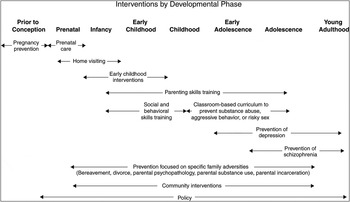
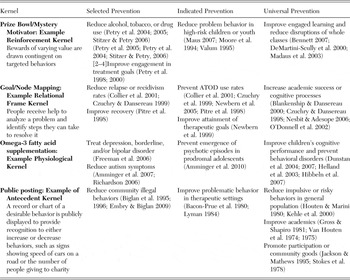
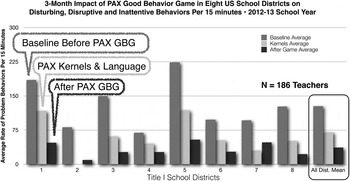
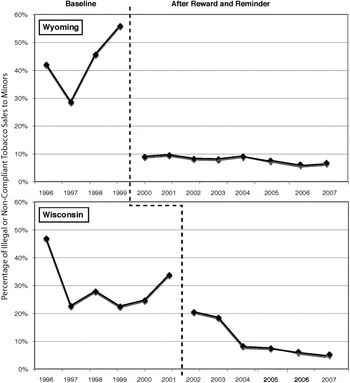
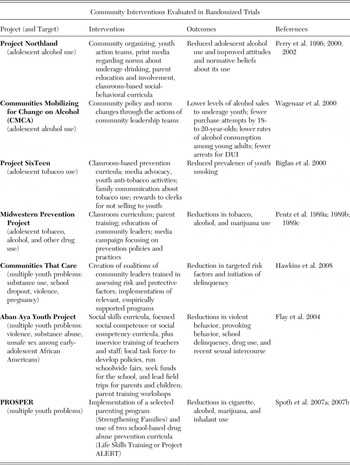
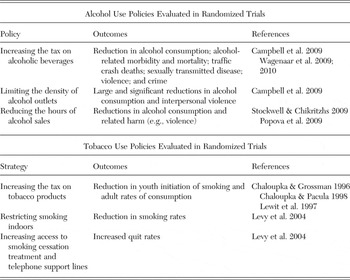



Target article
Could Bertrand Russell's barber have bitten his own teeth? A problem of logic and definitions
Related commentaries (1)
Evolving the future: Toward a science of intentional change