Refine search
Actions for selected content:
17 results
A fishy business at Pompeii: the House of the Sarno Lararium
-
- Journal:
- Journal of Roman Archaeology / Volume 39 / Issue 1 / June 2026
- Published online by Cambridge University Press:
- 06 October 2026, pp. 300-323
- Print publication:
- June 2026
-
- Article
-
- You have access
- Open access
- HTML
- Export citation
Working at worship, worshipping at work: approaching material, practice, and value
-
- Journal:
- Journal of Roman Archaeology / Volume 39 / Issue 1 / June 2026
- Published online by Cambridge University Press:
- 06 October 2026, pp. 239-255
- Print publication:
- June 2026
-
- Article
-
- You have access
- Open access
- HTML
- Export citation
“Luxury that has Grown Among the Women”: Rural Catholic Women, Daily Life, and Devotional Labor in the Pre-Confederation Canadian Maritimes
-
- Journal:
- Church History / Volume 95 / Issue 2 / June 2026
- Published online by Cambridge University Press:
- 04 May 2026, pp. 201-223
- Print publication:
- June 2026
-
- Article
-
- You have access
- Open access
- HTML
- Export citation
15 - ‘Feminist Spirituality’ as Lived Religion
- from Part III - Asserting Agency in Socio-Political Life
-
-
- Book:
- The Cambridge Companion to Women and Islam
- Published online:
- 12 April 2025
- Print publication:
- 17 April 2025, pp 359-379
-
- Chapter
- Export citation
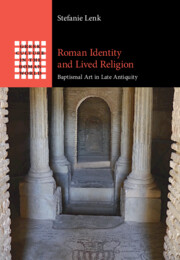
Roman Identity and Lived Religion
- Baptismal Art in Late Antiquity
-
- Published online:
- 08 February 2025
- Print publication:
- 20 February 2025
Chapter 5 - An Alternative View
-
- Book:
- Popular Culture and the End of Antiquity in Southern Gaul, c. 400–550
- Published online:
- 15 March 2024
- Print publication:
- 28 March 2024, pp 144-172
-
- Chapter
-
- You have access
- Open access
- HTML
- Export citation
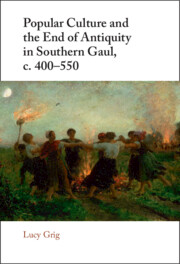
Popular Culture and the End of Antiquity in Southern Gaul, c. 400–550
-
- Published online:
- 15 March 2024
- Print publication:
- 28 March 2024
-
- Book
-
- You have access
- Open access
- Export citation
27 - Digital Religion
- from Part III - Activities in Cyber Behavior
-
-
- Book:
- The Cambridge Handbook of Cyber Behavior
- Published online:
- 06 December 2024
- Print publication:
- 09 November 2023, pp 791-806
-
- Chapter
- Export citation
14 - The Arian Controversy and the Problem of Image(s)
-
-
- Book:
- The Intellectual World of Late Antique Christianity
- Published online:
- 05 October 2023
- Print publication:
- 26 October 2023, pp 246-260
-
- Chapter
- Export citation
8 - Theology
- from Part I - Intellectual Sources and Disciplinary Engagements
-
-
- Book:
- The Cambridge Handbook for the Anthropology of Ethics
- Published online:
- 11 May 2023
- Print publication:
- 25 May 2023, pp 205-228
-
- Chapter
- Export citation
Chapter 1 - Pindar Mythologus and Theologus
-
- Book:
- Pindar and Greek Religion
- Published online:
- 18 November 2022
- Print publication:
- 01 December 2022, pp 1-29
-
- Chapter
- Export citation
1 - Introduction
-
- Book:
- Crossing Religious Boundaries
- Published online:
- 16 September 2021
- Print publication:
- 10 June 2021, pp 1-27
-
- Chapter
- Export citation
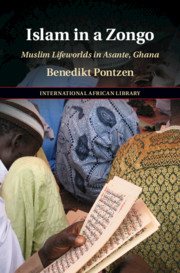
Islam in a Zongo
- Muslim Lifeworlds in Asante, Ghana
-
- Published online:
- 08 January 2021
- Print publication:
- 07 January 2021
Introduction
-
- Book:
- Islam in a Zongo
- Published online:
- 08 January 2021
- Print publication:
- 07 January 2021, pp 1-31
-
- Chapter
- Export citation
Conclusion
-
- Book:
- Islam in a Zongo
- Published online:
- 08 January 2021
- Print publication:
- 07 January 2021, pp 225-234
-
- Chapter
- Export citation
Introduction
-
- Book:
- Puritans Behaving Badly
- Published online:
- 02 May 2020
- Print publication:
- 21 May 2020, pp 1-18
-
- Chapter
- Export citation
The Talking Dead: Everyday Muslim Practice in Russia
-
- Journal:
- Nationalities Papers / Volume 48 / Issue 6 / November 2020
- Published online by Cambridge University Press:
- 12 May 2020, pp. 1036-1051
-
- Article
-
- You have access
- HTML
- Export citation
