To save content items to your account,
please confirm that you agree to abide by our usage policies.
If this is the first time you use this feature, you will be asked to authorise Cambridge Core to connect with your account.
Find out more about saving content to .
To save content items to your Kindle, first ensure no-reply@cambridge.org
is added to your Approved Personal Document E-mail List under your Personal Document Settings
on the Manage Your Content and Devices page of your Amazon account. Then enter the ‘name’ part
of your Kindle email address below.
Find out more about saving to your Kindle.
Note you can select to save to either the @free.kindle.com or @kindle.com variations.
‘@free.kindle.com’ emails are free but can only be saved to your device when it is connected to wi-fi.
‘@kindle.com’ emails can be delivered even when you are not connected to wi-fi, but note that service fees apply.
Since the outbreak of 2019 novel coronavirus (2019-nCoV) infection in Wuhan City, China, pediatric cases have gradually increased. It is very important to prevent cross-infection in pediatric fever clinics, to identify children with fever in pediatric fever clinics, and to strengthen the management of pediatric fever clinics. According to prevention and control programs, we propose the guidance on the management of pediatric fever clinics during the nCoV pneumonia epidemic period, which outlines in detail how to optimize processes, prevent cross-infection, provide health protection, and prevent disinfection of medical staff. The present consideration statement summarizes current strategies on the pre-diagnosis, triage, diagnosis, treatment, and prevention of 2019-nCoV infection, which provides practical suggestions on strengthening the management of pediatric fever clinics during the nCoV pneumonia epidemic period.
Since the beginning of the coronavirus disease (COVID-19) pandemic, several frontline workers have expressed their concerns about reduced emergency department (ED) utilization. We aimed to examine the changes in ED utilization during the early phase of the COVID-19 pandemic, in a country with a well-developed primary care system.
Methods:
A retrospective analysis of ED utilization was performed in 3 Dutch hospitals during a 60-day period, starting on February 15, 2020. The identical period in 2019 was used as a reference. ED visits were labeled as COVID-related (defined as COVID-19 suspected) or non-COVID-related. Admission rates were compared using chi-square tests, and the reduction in ED visits was assessed descriptively.
Results:
During the study period, daily ED volume was 18% lower compared to that of 2019. ED utilization further declined (-29%) during lockdown. Combined admission rates were higher in 2020 compared to those in 2019 (P < 0.001), and they were higher for COVID-19 versus non-COVID-19 ED visits (P < 0.001).
Conclusions:
ED utilization was markedly reduced during the local rise of COVID-19 in a region with a well-developed primary care system and relatively low ED self-referral rates. Although it cannot directly be concluded from the findings of our study, this observation likely reflects a complex interaction between pure lockdown effects and viral fear, which warrants further research.
Responding to the extreme scarcity of medical resources during the early outbreak of the coronavirus disease (COVID-19) in Wuhan, China, an emergency specialist hospital of Leishenshan started to construct on January 26, 2020, and accommodate patients on February 6, 2020. The clinical laboratory center of Leishenshan Hospital (CLCLH) was constructed at the same time within 11 days to support the treatment of inpatients in Leishenshan Hospital and the testing of suspected patients from different fever clinics in Wuhan. The CLCLH could perform a total of 320 clinic, 299 biochemistry, 31 microorganism, and 47 infection and immunity examinations per day. It could also complete an average of 239 nucleic acid tests and 118 severe acute respiratory syndrome coronavirus 2 (SARS-CoV-2) antibody examinations per day. No suspected cases were documented among the health care workers during the operation of the CLCLH. The construction and operation experiences of the CLCLH is provided in this study and might be used by other countries as reference. The content of this study is divided into 4 parts: (1) the establishment of the CLCLH, including its layout and medical resource allocation; (2) the major testing items; (3) the specific procedure of COVID-19 indicator examination; and (4) the standardized personal protection measures.
Coronavirus disease 2019 (COVID-19) began to spread across Wuhan, China, by the end of 2019, and patients were unable to be hospitalized because medical resources were limited.
Methods:
A questionnaire survey was conducted among 108 participants with mild COVID-19 who have isolated at home under the guidance of doctors. The results of the questionnaire and outpatient data were integrated to evaluate participants’ compliance with various epidemic prevention measures.
Results:
During isolation, most participants were able to follow epidemic prevention measures under the guidance of doctors. After 14 d from the start of isolation, 45.37% of the participants recovered. Approximately half of the participants were relieved of symptoms, and most of them were transferred to mobile cabin hospitals to continue isolation. Three participants with worsening symptoms were transferred to the designated hospitals. There were no deaths of the participants, but there were 7 family members that were infected.
Conclusions:
During a period of home isolation under the guidance of a doctor, individuals can comply with epidemic prevention measures and symptoms can be improved. Scientific home isolation may be an effective way to relieve the strain of medical and social resources during the epidemic of COVID-19.
On coronavirus disease 2019 (COVID-19) wards, severe acute respiratory syndrome coronavirus 2 (SARS-CoV-2) nucleic acid was frequently detected on high-touch surfaces, floors, and socks inside patient rooms. Contamination of floors and shoes was common outside patient rooms on the COVID-19 wards but decreased after improvements in floor cleaning and disinfection were implemented.
Since its recent onset, the COVID-19 pandemic has altered the daily lives of millions around the world. One area particularly affected is our diets, with food supply chain disruptions, media coverage of food safety issues and restaurant closures all influencing consumer dietary behaviour. Given this situation, we pose a timely question – what is the impact of the current pandemic on longer-term meat consumption patterns? This issue is pertinent given accumulating evidence that overconsumption of meat, particularly red meat, is associated with negative environmental and health outcomes. Here, we discuss how the current pandemic has already begun to shift public awareness of illnesses linked to animals and has resulted in short-term changes in patterns of meat consumption. Past zoonotic outbreaks, such as SARS and swine flu, are also referred to, and we find that these led to similar short-term reductions in meat intake, a shift in the type of meat chosen and longer-lasting impacts on consumer perceptions of the health risks associated with meat. We conclude that, if immediate changes in eating patterns as a result of COVID-19 are retained in the longer term, one possible opportunity to emerge from the current pandemic may be a shift away from overconsumption of meat, leading to potential health and environmental benefits in the longer term.
Our study aimed to systematically analyse the risk factors of coronavirus disease 2019 (COVID-19) patients with severe disease. An electronic search in eight databases to identify studies describing severe or critically ill COVID-19 patients from 1 January 2020 to 3 April 2020. In the end, we meta-analysed 40 studies involving 5872 COVID-19 patients. The average age was higher in severe COVID-19 patients (weighted mean difference; WMD = 10.69, 95%CI 7.83–13.54). Patients with severe disease showed significantly lower platelet count (WMD = −18.63, 95%CI −30.86 to −6.40) and lymphocyte count (WMD = −0.35, 95%CI −0.41 to −0.30) but higher C-reactive protein (CRP; WMD = 42.7, 95%CI 31.12–54.28), lactate dehydrogenase (LDH; WMD = 137.4, 95%CI 105.5–169.3), white blood cell count(WBC), procalcitonin(PCT), D-dimer, alanine aminotransferase (ALT), aspartate aminotransferase (AST) and creatinine(Cr). Similarly, patients who died showed significantly higher WBC, D-dimer, ALT, AST and Cr but similar platelet count and LDH as patients who survived. These results indicate that older age, low platelet count, lymphopenia, elevated levels of LDH, ALT, AST, PCT, Cr and D-dimer are associated with severity of COVID-19 and thus could be used as early identification or even prediction of disease progression.
This article reports the establishment of an isolated, fully functional field intensive care unit (FICU) unit equipped with all necessary critical care facilities as a part of the national pre-emptive preparedness to treat an unexpected surge outbreak of coronavirus disease 2019 (COVID-19) patients in Bahrain. One floor of an existing car parking structure was converted into a 130-bed FICU set-up by the in-house project implementation team comprised of multidisciplinary departments. The setting was a military hospital in the Kingdom of Bahrain, and the car park was on the hospital premises. The FICU contained a 112-bed fully equipped ICU and an 18-bed step-down ICU, and was built in 7 d to cater to the intensive care of COVID-19 patients in Bahrain.
This study aims to clarify the association between prosperity and the coronavirus disease (COVID-19) outcomes and its impact on the future management of pandemics.
Methods:
This is an observational study using information from 2 online registries. The numbers of infected individuals and deaths and the prosperity rank of each country were obtained from worldometer.info and the Legatum Institute’s Prosperity Index, respectively.
Results:
There is a combination of countries with high and low prosperity on the list of COVID-19-infected countries. The risk of the virus pandemic seems to be more extensive in countries with high prosperity. A Spearman’s rho test confirmed a significant correlation between prosperity, the number of COVID-19 cases, and the number of deaths at the 99% level.
Conclusion:
New emerging pandemics affect all nations. In order to increase the likelihood of successfully managing future events, it is important to consider preexisting health security, valid population-based management approaches, medical decision-making, communication, continuous assessment, triage, treatment, early and complete physical distancing strategies, and logistics. These elements cannot be taught on-site and on occasion. There is a need for innovative and regular educational activities for all stakeholders committed to safeguarding our future defense systems concerning diagnostic, protection, treatment, and rehabilitation in pandemics, as well as other emergencies.
The spread of COVID-19 is recent in India, which has within 4 months caused over 190 000 infections, as of 1 June 2020, despite four stringent lockdowns. With the current rate of the disease transmission in India, which is home to over 1.35 billion people, the infection spread is predicted to be worse than the USA in the upcoming months. To date, there is a major lack of understanding of the transmission dynamics and epidemiological characteristics of the disease in India, inhibiting effective measures to control the pandemic. We collected all the available data of the individual patients, cases and a range of parameters such as population distribution, testing and healthcare facilities, and weather, across all Indian states till May 2020. Numerical analysis was conducted to determine the effect of each parameter on the COVID-19 situation in India. A significant amount of local transmission in India initiated with travellers returning from abroad. Maharashtra, Tamil Nadu and Delhi are currently the top three infected states in India with doubling time of 14.5 days. The average recovery rate across Indian states is 42%, with a mortality rate below 3%. The rest 55% are currently active cases. In total, 88% of the patients experienced symptoms of high fever, 68% suffered from dry cough and 7.1% patients were asymptomatic. In total, 66.8% patients were males, 73% were in the age group of 20–59 years and over 83% recovered in 11–25 days. Approximately 3.4 million people were tested between 1 April and 25 May 2020, out of which 4% were detected COVID-19-positive. Given the current doubling time of infections, several states may face a major shortage of public beds and healthcare facilities soon. Weather has minimal effect on the infection spread in most Indian states. The study results will help policymakers to predict the trends of the disease spread in the upcoming months and devise better control measures.
Coronavirus disease 2019 (COVID-19) is a global health threat. A hospital in Zhuhai adopted several measures in Fever Clinic Management (FCM) to respond to the outbreak of COVID-19. FCM has been proved to be effective in preventing nosocomial cross infection. Faced with the emergency, the hospital undertook creative operational steps in relation to the control and spread of COVID-19, with special focuses on physical and administrative layout of buildings, staff training and preventative procedures. The first operational step was to set up triaging stations at all entrances and then complete a standard and qualified fever clinic, which was isolated from the other buildings within our hospital complex. Secondly, the hospital established its human resource reservation for emergency response and the allocation of human resources to ensure strict and standardised training methods through the hospital for all medical staff and ancillary employees. Thirdly, the hospital divided the fever clinic into partitioned areas and adapted a three-level triaging system. The experiences shared in this paper would be of practical help for the facilities that are encountering or will encounter the challenges of COVID-19, i.e. to prevent nosocomial cross infection among patients and physicians.
Diagnostic testing for the novel coronavirus is an important tool to fight the coronavirus disease (Covid-19) pandemic. However, testing capacities are limited. A modified testing protocol, whereby a number of probes are ‘pooled’ (i.e. grouped), is known to increase the capacity for testing. Here, we model pooled testing with a double-average model, which we think to be close to reality for Covid-19 testing. The optimal pool size and the effect of test errors are considered. The results show that the best pool size is three to five, under reasonable assumptions. Pool testing even reduces the number of false positives in the absence of dilution effects.
This paper presents my thinking and concerns about formation of COVID-19 policy. Policy formation must cope with substantial uncertainties about the nature of the disease, the dynamics of transmission, and behavioral responses. Data uncertainties limit our knowledge of the past trajectory and current state of the pandemic. Data and modeling uncertainties limit our ability to predict the impacts of alternative policies. I explain why current epidemiological and macroeconomic modeling cannot deliver realistically optimal policy. I describe my recent work quantifying basic data uncertainties that make policy analysis difficult. I discuss approaches for policy choice under uncertainty and suggest adaptive policy diversification.
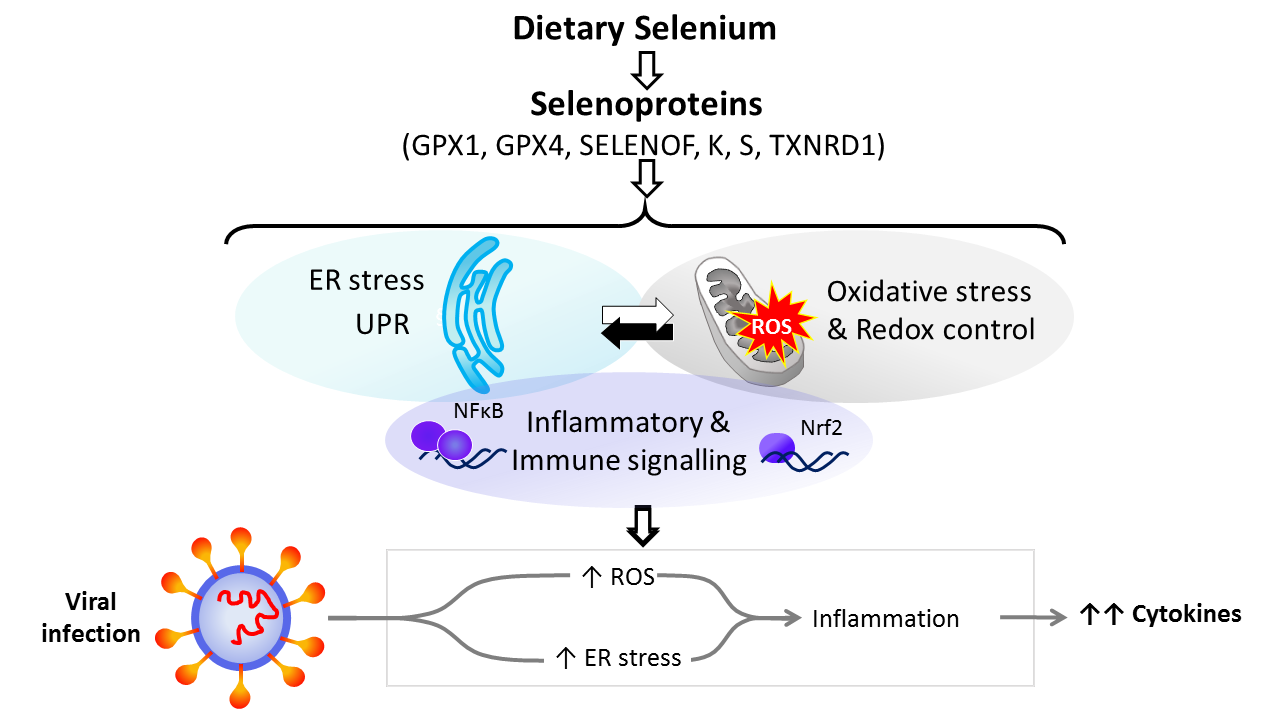
Se is a micronutrient essential for human health. Sub-optimal Se status is common, occurring in a significant proportion of the population across the world including parts of Europe and China. Human and animal studies have shown that Se status is a key determinant of the host response to viral infections. In this review, we address the question whether Se intake is a factor in determining the severity of response to coronavirus disease 2019 (COVID-19). Emphasis is placed on epidemiological and animal studies which suggest that Se affects host response to RNA viruses and on the molecular mechanisms by which Se and selenoproteins modulate the inter-linked redox homeostasis, stress response and inflammatory response. Together these studies indicate that Se status is an important factor in determining the host response to viral infections. Therefore, we conclude that Se status is likely to influence human response to the severe acute respiratory syndrome coronavirus 2 (SARS-CoV-2) infection and that Se status is one (of several) risk factors which may impact on the outcome of SARS-CoV-2 infection, particularly in populations where Se intake is sub-optimal or low. We suggest the use of appropriate markers to assess the Se status of COVID-19 patients and possible supplementation may be beneficial in limiting the severity of symptoms, especially in countries where Se status is regarded as sub-optimal.
Social distancing policies are key in curtailing severe acute respiratory coronavirus virus 2 (SARS-CoV-2) spread, but their effectiveness is heavily contingent on public understanding and collective adherence. We studied public perception of social distancing through organic, large-scale discussion on Twitter.
Design:
Retrospective cross-sectional study.
Methods:
Between March 27 and April 10, 2020, we retrieved English-only tweets matching two trending social distancing hashtags, #socialdistancing and #stayathome. We analyzed the tweets using natural language processing and machine-learning models, and we conducted a sentiment analysis to identify emotions and polarity. We evaluated the subjectivity of tweets and estimated the frequency of discussion of social distancing rules. We then identified clusters of discussion using topic modeling and associated sentiments.
Results:
We studied a sample of 574,903 tweets. For both hashtags, polarity was positive (mean, 0.148; SD, 0.290); only 15% of tweets had negative polarity. Tweets were more likely to be objective (median, 0.40; IQR, 0–0.6) with ~30% of tweets labeled as completely objective (labeled as 0 in range from 0 to 1). Approximately half of tweets (50.4%) primarily expressed joy and one-fifth expressed fear and surprise. Each correlated well with topic clusters identified by frequency including leisure and community support (ie, joy), concerns about food insecurity and quarantine effects (ie, fear), and unpredictability of coronavirus disease 2019 (COVID-19) and its implications (ie, surprise).
Conclusions:
Considering the positive sentiment, preponderance of objective tweets, and topics supporting coping mechanisms, we concluded that Twitter users generally supported social distancing in the early stages of their implementation.
Despite denials of politicians and other advisors, trade-offs have already been apparent in many policy decisions addressing the coronavirus disease 2019 pandemic and its social and economic consequences. Here, we illustrate why it is important, from a wellbeing perspective, to recognise such trade-offs, and provide a framework, based on the economic concept of ‘marginal analysis’, for doing so. We illustrate its potential through consideration of optimising the balance between reducing the reproductive rate (R) of the virus and further opening of the economy. The framework accommodates both perspectives in the health-vs-economy debate whereby, depending on where we are within the marginal analysis framework, either health issues are allowed to dominate or, below some threshold of R and/or background level of infection, health and economic considerations can be traded off against each other. Given the inevitability of such trade-offs, the framework exposes crucial questions to be addressed, such as: the critical value of R and/or background infection, above which health considerations predominate, and which may vary from jurisdiction to jurisdiction; and the value of lives forgone resulting from the small increases in R and/or background infection levels that may have to be tolerated as the economy is gradually opened.