We partner with a secure submission system to handle manuscript submissions.
Please note:
You will need an account for the submission system, which is separate to your Cambridge Core account. For login and submission support, please visit the
submission and support pages.
Please review this journal's author instructions, particularly the
preparing your materials
page, before submitting your manuscript.
Click Proceed to submission system to continue to our partner's website.
To save this undefined to your undefined account, please select one or more formats and confirm that you agree to abide by our usage policies. If this is the first time you used this feature, you will be asked to authorise Cambridge Core to connect with your undefined account.
Find out more about saving content to .
To send this article to your Kindle, first ensure no-reply@cambridge.org is added to your Approved Personal Document E-mail List under your Personal Document Settings on the Manage Your Content and Devices page of your Amazon account. Then enter the ‘name’ part of your Kindle email address below. Find out more about sending to your Kindle.
Find out more about saving to your Kindle.
Note you can select to save to either the @free.kindle.com or @kindle.com variations. ‘@free.kindle.com’ emails are free but can only be saved to your device when it is connected to wi-fi. ‘@kindle.com’ emails can be delivered even when you are not connected to wi-fi, but note that service fees apply.
Alcoholization is considered as prolonged auto-aggression, low frustration tolerance, filling of the existential vacuum. In all cases, the use of a psychoactive substance that alters the state of consciousness is regarded as a way of escape from real life.
Objectives
The study of clinically significant markers in alcoholism associated with the constitutional characteristics of craving for alcohol in people of different ethnicity is importance for the formation of new approaches to prevention and treatment.
Methods
68 Russian alcoholics and 67 Tuvans alcoholics only men and 20 healthy male were monitored. Clinical assessment of the condition of patients was carried out with the traditional clinical description. Enzyme-linked immunosorbent assay kits were used to determine serum hormone levels in patients and volunteers.
Results
Deeper shifts in the increase in ACTH and Cortisol levels were found in alcoholic Tuvinians compared with Russian patients, which is associated with a high risk of alcohol dependence and a highly progressive course of the disease. The index of the ratio Cortisol/ACTH (IR) in the blood of alcoholic patients of the Russian (IR - 10,36) and Tuvan (IR - 10,62) nationalities does not differ, but significantly (1.5 times) differs from the indicator in healthy individuals (IR - 15,12).
Conclusions
The background level of dysregulation of the hypothalamic-pituitary-adrenal axis in patients of Tuvan nationality is significantly more pronounced, however, the index of Cortisol/ACTH ratios (IR) in each ethnic group of patients is constant in this disease, which is characterized by a high level of stress.
Research into sociocultural mediation of human health engages the role of gender differences in the subjective evaluation of factors that determine health status.
Objectives
The focus of the research was the respondents’ opinion about the importance of various factors for human health and subjective well-being.
Methods
210 men and 403 women aged 14 to 76 years (M = 26.9; SD = 13.7) from six regions of the Russian Federation participated in the study. Participants were asked to rank six factors: genetics, healthy lifestyle, good ecology, regular medical examination, absence of stress (ability to cope with them), financial well-being in terms of their impact on human health (1 is the most important, 6 is the least important).
Results
Both men and women consider “healthy lifestyle” to be the most important factor for human health, while financial well-being - most unimportant. Using the t-test for two independent samples, it was found that: women consider “absence of stress (the ability to cope with it)” significantly more important for health than men (t = -2.569; p = 0.010), while men consider “financial well-being” to be significantly more important than women (t = 2.807; p = 0.005).
Conclusions
It was revealed that men and women equally indicate the most and least important factors determining health. At the same time, subjective assessments of the importance of such factors as absence of stress and financial well-being for health have significant differences. The reported study was funded by the RFBR, project number 17-29-02506.
Transhistorical psychiatry defends that a psychic alteration can be interpreted as a cultural, historical and personal construction, subject to incessant variations.
Objectives
A journey through the history of the disorder and the successive pathomorphoses it has undergone could provide us with a better understanding of it and explain the reason for the epidemiological trend towards a decrease in its diagnosis; and bring us closer to a universal definition of the phenomenon.
Methods
Bibliographic review
Results
The word hysteria and all its subsequent meanings, not only contain a particular conception of the pathology, but also reflect its different forms of presentation in specific periods of time. Hysteria is presented as a voluble material that can take on any form: from the wandering womb theory of classical Greece to the demonic possessions of the Middle Ages; from the neurological degeneration of Charcot (1825-1893) to the conversion and dissociation of Freud (1856-1939). With the entry of the 20th century, its dramatic clinic has been progressively overshadowed by somatoform disorders and emerging functional somatic syndromes. Today, it is practically unrecognisable and very difficult to diagnose, to the point of having disappeared as a term from the official classifications of our time.
Conclusions
Hysteria is an entity that has not always been the same, neither in its conception nor in its manifestations. Depending on the socio-cultural context in which it is framed, it will be interpreted and expressed in different ways.
The word couvade originated from the French verb couver, meaning to hatch, nest, or brood. Custom of Couvade or Couvade Syndrome (CS) is a poorly understood phenomenon observed since ancient times, in which the expectant father experiences somatic and psychological symptoms of pregnancy.
Objectives
Defining what is CS. Identifying possible origin. Hypothesizing causes. Identifying CS frequency.
Methods
PubMed database search, with “Couvade syndrome” keyword expression. Seven articles were selected among the best matches. Reference lists of articles were reviewed to identify additional articles.
Results
Currently, there are several views on this phenomenon, including religious, cultural, medical, psychoanalytic, and psychological. CS is used in Psychiatry to describe somatic symptoms resembling pregnancy and/or childbirth in expecting fathers, such as weight gain, diarrhea or constipation, toothache, and headache. Lipkin and Lamb (1982) studied 300 couples from New York: they diagnosed Couvade Syndrome in 22,5% of fathers. Nevertheless, Brennan et al. (2007) found different incidence rates of CS diagnose in different areas of the world: 20% in Sweden; 25–97% in United States; 61% in Thailand; 68% in China; 35% in Russia.
Conclusions
Whether CS constitutes a disease entity, or it should be considered a ritual or custom remains a matter of debate. Different rates of CS around the globe may indicate that culture plays an important role. It may be a way for fathers-to-be to cope with changes imposed by pregnancy in the mother and in the couple. Overall, it is a fascinating intersection between the physiological and psychological realms.
Hwa-Byung is characterized by feelings of anger or resent about unreasonable social violence and trauma. Although Prevalence of Hwa-Byung is high in middle-aged, recently Hwa-Byung is occurred in young people. And it is suggested that young Hwa-Byung patients will show different patterns from middle-aged.
Objectives
The purpose of present study was to qualitatively analyze young Hwa-Byung patients’ experiences of symptoms and psychological characteristics related to antecedent events of Hwa-Byung.
Methods
10 women aged 20s were Interviewed using semi-structured questionnaires to in-depth study on their experiences related to Hwa-Byung. The interview data were analyzed using phenomenological approach in order to understand the essence of experiences. In particular, it was analyzed through five steps according to Giorgi (1985). First, by repeatedly reading the material, recurring themes were identified. Second, the meaning units were divided to capture important parts of participants’ statements. Third, similar meaning units were grouped together. Fourth, the determined meaning units were described in psychological term. Finally, research data were integrated and presented according to the described meaning units. Reliability between coders was higher than the minimum reliability coefficient.
Results
In symptoms, two themes and seven sub-themes were emerged. In psychological characteristics, three components and five sub-themes were derived. In particular, the antecedent events of young Hwa-Byung patients were related to vertical social relationships, suggesting that Hwa-Byung need to be understood under social context which make them angry.
Conclusions
Present study revealed the social context of Hwa-Byung by discussing the differences between young and middle-aged patients, and furthermore, differences between Hwa-Byung and depression, PTSD patients.
Numerous evidences point out how migrants use health services differently than the natives. Migrants turn more frequently to the ED for psychiatric problems and less to territorial psychiatric services than the native population. Other differences can be found in terms of diagnosis, type of discharge, type of hospitalization.
Objectives
Our study has the objective of evaluating the incidence of psychiatric hospitalizations of migrant patients compared to natives in a well-defined area of the metropolitan city of Bologna and evaluate the effect of the Covid 19 pandemic on the incidence of psychiatric hospitalizations among migrants and on their clinical characteristics.
Methods
The study conducted is of an observational and retrospective type on migrant and native patients admitted to the psychiatric unit “SPDC-Malpighi” of the DSM-DP of Bologna AUSL between 01/01/2018 and 31/12/2020.
Results
Migrants were more likely to be admitted via ED and less likely to be referred from a CMHC or from non-psychiatric hospital unit compared with natives. Most migrants were discharged at home while natives more frequently chose to self-discharge. With regard to diagnosis, migrants were more likely to be admitted due to a SSD, while natives were more likely to be diagnosed with a MD or SUD.
Conclusions
We confirm the presence of differences in access to care, type of discharge and type of diagnosis between migrants and natives. Further studies to investigate changes in pre and post Covid admissions in migrants would be needed.
Suicide results from a complex interaction between biological, genetic, psychological, sociological, cultural and environmental factors. The frequency of suicide among psychiatric pathologies is quite variable, with depression accounting for 45% to 70% of suicides. The association of suicide with the existence of mental illness is not consensual, with reports of rational suicides in 2% to 9% of suicide cases. It is unquestionable that the awareness of the lived experience limits the person’s condition to what it is.
Objectives
To describe a clinical case on the subject and discuss the influence of cultural context in suicide.
Methods
The authors describe a case of a patient hospitalized in Psychiatry, after a suicide attempt and a consummated suicide by his wife.
Results
The patient and his wife lived their entire lives as hermits. Although no acute psychopathology was found in the patient to justify the act, such as psychotic or depressive symptoms, dysfunctional personality traits were found, which translated into an attitude of superiority, requirement of subservience, hostility when contradicted and breaches of basic rules.
Conclusions
Taking into account what has been described, the authors discuss the influence of personality on the patient’s life choices and on the decision that led to the suicide attempt, as well as the suicide of his wife. A reflection is made on whether suicide can be completely independent of mental illness or whether, even in cases where rationality seems to be the causal factor, personality dysfunctionality and a profound influence of the cultural context, are present or not.
Societies nowadays, including Greece, are usually multicultural. Health professionals should therefore be properly trained to consider patients’ beliefs, attitudes and particular needs depending on their different cultural background.
Objectives
To identify the features that the culturally competent professional should have in order to understand better the nature of cultural competence and its importance to mental health professionals in early intervention of immigrants’ mental health problems.
Methods
A literature review has been made through PubMed database.
Results
The development of cultural competence is a continuous process. Culturally competent professionals should have the following features: a) Understand the concept of culture and the way individuals’ cultural background affect their feelings and their intercultural interactions. b) Choose appropriate collaboration strategies with people from different cultural backgrounds. c) Accept diversity and respect patients’ differences, demands and choices without criticism while providing them the proper care. d) Be fair and take care of all patients without any distinction regardless of the language they speak. e) Familiarize themselves with issues related to mental health and illness and encourage patients to explain how their illness affects their lives. Culturally competent mental healthcare professionals should seek more than the provision of caring without prejudice. They should respect the positive contribution of cultural origin and identity to people’s well-being, learn their life stories and develop a relationship of trust with each patient separately.
Conclusions
Cultural competence might help mental health professionals to understand and provide adequate services with respect to patients who come from a different cultural background.
After a long moratorium since the Controlled Substances Act was passed in 1970, there has been a resurgence of research on the potential therapeutic benefits of psychedelic (PE) compounds. It has been widely believed that the PE effect is a result of the interaction between the drug and the mindset of the patient (the “set”) with the external physical and social conditions (the “setting”). In order to control non-pharmacological variables and improve therapeutic outcome two types of psychological approaches to PE use have emerged traditionally. One is based on psychoanalytically informed talk therapy with low to moderate doses of a PE agent with the goal of facilitating a discharge of emotionally charged mental contents (psycholytic therapy). The other used one or several high doses of a PE to create an “overwhelming experience,” which was then followed up in integrative sessions (psychedelic therapy).
Objectives
Currently, it is unclear which one is better than another, these two methods are frequently mixed, and all-together carry the name of psychedelic-assisted psychotherapy. There has also been some discrepancy about what is the right “set” and “setting”.
Methods
To add some anchor points for (and at the same time warn about the limitations of) the reemerging field of psychedelic-assisted psychotherapy the authors refer to anthropological observations in cultures, where PE use has a long practice historically.
Results
As part of healing ceremonials PE has usually been administered in a tight community with shared cosmology (“set”) and ritual context (“setting”).
Conclusions
These are difficult-to-reach conditions for someone coming from Western tradition.
Cultural psychiatry is an area of psychiatry that has been growing in importance recently. According to the new definition, mental health requires harmony with the universal values of society (Galderisi et al., 2017). Faith is considered an important factor in culture. Theology can enable a better understanding of psychiatric problems and distinction between spiritual and mental issues. “Pastoral theology aims at constructing models of redeeming activity of the Church which are current in these days, and will be current in the nearest future” (Przygoda, 2013). This discipline must recognize and evaluate the impact of contemporary sciences, including psychiatry, on theology and ecclesiastical activity.
Objectives
This study aims to prepare a modern concept of pastoral psychiatry, which will be used to prepare a textbook, teaching aids and teaching plan for this discipline.
Methods
Textbooks and articles in psychiatry, psychology and related disciplines, and pastoral theology monographs were analyzed. This was followed by the conceptualization of areas of interest and methodological standards.
Results
Textbooks on this problem were published several decades ago (Gabriel, 1933; Bless, 1949; Polish edition issued in 1980, translated with amendments by Kaczmarek). Since then, knowledge has advanced considerably. Textbooks of psychiatry and psychology only selectively consider the Christian perspective.
Conclusions
“Pastoral Psychiatry” should be helpful for priests, theologians, believers, doctors, psychologists. It requires the work of authors with theological and psychiatric competence. It will create ways of agreement, facilitate understanding of different perspectives, increase competence: theologians, priests – to better understand modern psychiatry; psychiatrists, psychologists – to better help religious patients.
Hwa-Byung is a mental syndrome classified as a “cultural-related syndrome” which reflects the cultural characteristics of Korea in DSM-IV. Hwa-Byung is caused by anger, which is characterized by feelings of anger or resent about unreasonable social violence and trauma. Kwon et al (2008) had developed self-report measure to assess severity of Hwa-Byung but it has several limitations to use in current clinical settings. Therefore, we investigated opinions of experts who have professionality in giving treatment of Hwa-Byung patients in the clinical settings.
Objectives
The present study aimed to reach consent of oriental neuropsychiatrists’ opinions about the direction of revision of the Hwa-Byung scale.
Methods
The Delphi method is a survey method that induces people to freely present their opinions without face-to-face processes and reaches consent through continuous feedback of survey results while ensuring anonymity. The Consensus Panel consists of 16 experts who are Oriental neuropsychiatrists and have experience in diagnosing patients with Hwa-Byung. A total of four surveys were conducted as consensus was reached on the fourth round. Each questionnaire was distributed by mail to a panel of experts and was asked to submit a response after receiving the questionnaire.
Results
The results of the study are as follows. First, common factors for Hwa-Byung include anger, resent/blame, modify memory bias and attention bias for anger events. Second, characteristics of young Hwa-Byung patients include stress caused by social factors and excessive immersion in certain things such as drinking or smoking.
Conclusions
Therefore, when revising the Hwa-Byung scale, it would be necessary to include these factors.
Migration is a difficult and painful process for individuals, since they could no longer rely on the supportive structures of their own country that would help them develop resilience and mental well-being, on the one hand and, on the other hand, they may be obliged to find a new identity and adapt to a new social context.
Objectives
To identify mental health issues in migrants in Greece.
Methods
A literature review has been made through PubMed database.
Results
First-generation immigrants exhibited an increased risk of poor mental health including increased levels of depression, post-traumatic disorder and anxiety compared to local population. When immigrants come to a new country, they often experience culture shock, significantly influencing their mental health. The term “culture shock” describes feelings of weakness and a state of disorientation of individuals living in a new environment as well as the difficulties they face in the process of their adapting to the new conditions. Individuals lack a social supportive environment while experiencing lack of acceptance, as well as social discrimination, economic exploitation and racism by local society. Additionally, their cultural background can influence and differentiate the way they perceive, react and cope stressful conditions.
Conclusions
For the smooth completion of the cultural process, mutual adaption to the new conditions of both migrants and host society is needed, focusing on the understanding of different cultural heritage, as well as on the respect and recognition of rights of both sides.
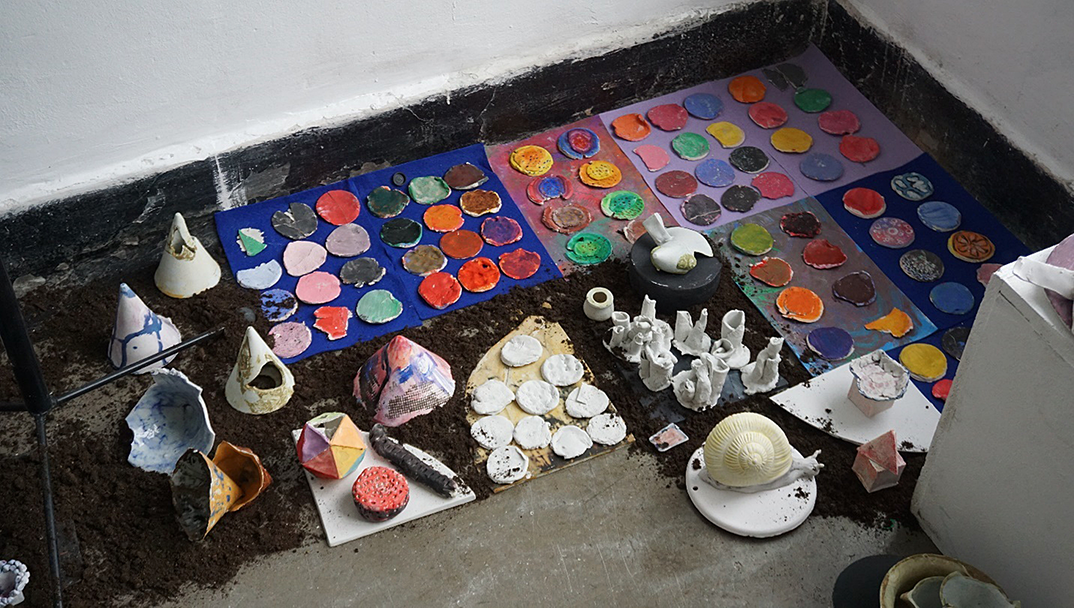
. Cluj-Napoca in Transylvania, Romania, has a historically multiethnic population who maintain their language-based cultural identities. In order to harmonize interethnic relations in our multicultural society, art-therapeutical methods depend on the need to establish a sensitive relationship between the cultural horizon of individuals, thus increasing self-confidence, tolerance, resilience.
Objectives
The objectives are : to develop social skills, which facilitate the social and professional integration of children and adolescents belonging to ethnic groups living together, including those with disabilities.
Methods
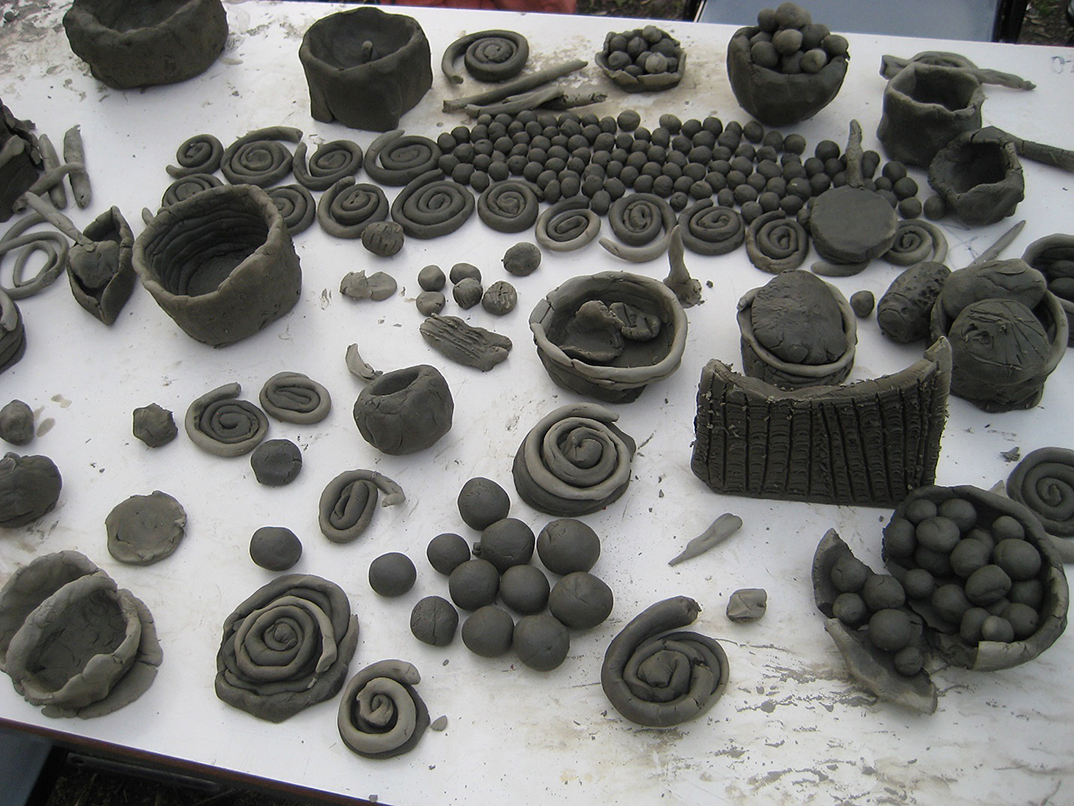
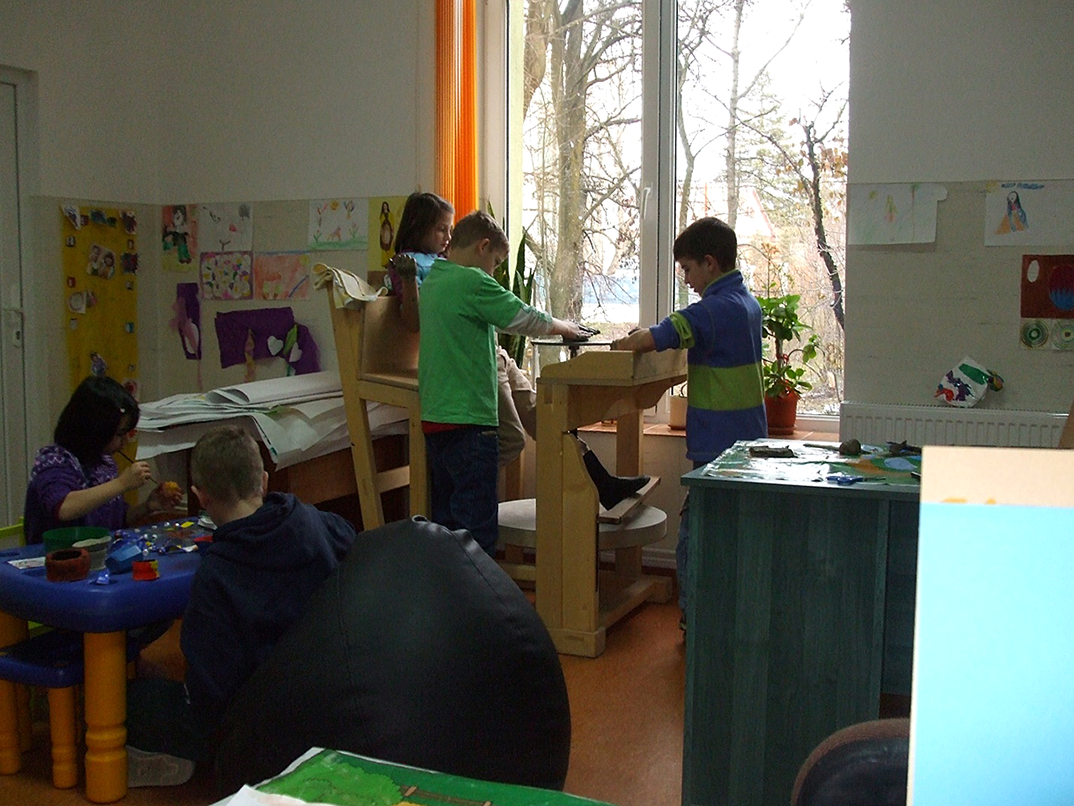
Clinical art therapy have unfolded within interdisciplinary teams: a neuropsychiatry doctor, a psychologist, a pedagogue, a social worker, an art therapist– each one having a specialized role. A medical project was transformed into an artistic project: E xperimenting with complex relationships: shape of the human body – shape of man-made objects and the creation of personal shapes conduct to harmonize interethnic relations in a multicultural place.
Results
Focus on several objectives: - practicing the abilities to express one’s feelings - the consolidation of self-respect and of confidence - the training of empathy - the development of personal problem and conflict solving strategies -the breaking through the emotional blockages - the improvement of cognitive abilities -the release of tension, frustrations, anxieties, stress -the development of social skills
Conclusions
Benefits arise from experiences based in artistic creativity: materializing ideas and coping with unexpected outcomes.
Important role of sociocultural mediation of human health is reflected in the regional specificity of subjective evaluation of factors determining human health.
Objectives
The research is focused on the opinion of respondents from different regions of Russia about the importance of various factors that determine health and subjective well-being.
Methods
210 men and 403 women aged 14 to 76 years (M=26.9; SD=13.7) from six regions of the Russia (Moscow, St. Petersburg, Udmurtia, Sakha, Sverdlovsk and Kemerovo) participated in the study. Respondents were asked to rank six factors (genetics, healthy lifestyle, good ecology, regular medical examination, absence of stress, financial well-being) in terms of their impact on health (1 is the most important, 6 is the least important).
Results
It was revealed significant differences among respondents from different regions of the Russia in evaluation of importance of health factors such as “genetics” (F=3.317; p=0.003) and “good ecology” (F=5.008; p<0.001). Respondents from the Sverdlovsk consider “genetics” significantly more important than participants from the Sakha (MD=-0.706; p=0.019) and Kemerovo (MD=-0.859; p=0.015). Respondents from St. Petersburg consider the ‘good ecology’ significantly less important than participants from Moscow (MD=0.791; p=0.046), Udmurtia (MD=0.867; p=0.035), Sakha (MD=1.168; p<0.001), and Kemerovo (MD=1.286; p<0.001).
Conclusions
Regional specificity was found in the subjective evaluation of the importance of factors that determine health and subjective well-being. The reported study was funded by the RFBR, project number 17-29-02506.
The link between school education and art therapy is supported by the fact that it comes to supplement the common school education activities of children with special educational requirements with a dual purpose: to complete and fix their specific content; to train and practice as much as possible the students’ minds and critical thinking through artistic means.
Objectives
Prevention of absenteeism and school dropout of the child with special educational requirements through art therapy.
Methods
In art therapy, the most used methods specific to the fields of visual arts are: drawing, painting, icon, modeling on the wheel, but other techniques can be used. Children are the ones who choose their work materials and activities from the offer that the art therapist makes.
From the offer of materials, the beneficiary prefers to paint porcelain objects and letters. He was challenged to identify letters after which he painted them.
Results
Increasing the feeling of social utility, self-confidence. Improving school situation. Reducing school dropout and literacy.
The beneficiary has an interest in letters and numbers and their writing. Form words quickly, easily identifying letters. Create your own games by comparing numbers. Make puzzles with letters and numbers.
Art education helps the beneficiary to more easily express their emotions, perceptions, desires and way of thinking. Learning numbers and letters becomes a fun activity when using colors.
Conclusions
The child needs education through art, because without it there is an imbalance in the fundamental purpose of man, that of developing harmoniously and multilaterally.
The Social media have gained tremendous popularity over the past decade, these sites have occupied a major part of people’s lives, especially young people. Many teenagers use tik tok, instagram, snapchat and facebook, to build relationships, connect with the world, share and acquire knowledge and information, and build their personalities, their effects are not limited. to that, comparisons made using social networking sites have led people to have a drop in self-esteem, with all the complications that can cause (anxiety disorders, depression and the anxiety disorder , etc.)
Objectives
Assessment of the impact of social media on the self-image, of young subjects in the Moroccan context
Methods
Cross-sectional study with a descriptive and analytical aim, using a questionnaire and a satisfaction scale to assess the impact of social media on the self-image of young subjects in the Moroccan context. bibliographic research to objectify several studies on this subject
Results
our results are close to the results of the literature. Sample of 200 young peoples was selected based on the confidence level of 80%. In order to test the hypothesis each respondent was given a questionnaire which tested their selfesteem and enquired the amount of time they spent on Facebook, instagram, tik tok, snapchat.
Conclusions
social networks are a way to communicate information, ideas of ways of life. this communication includes harmful effects on the social behavior of young people
Goal attainment scaling (GAS) is a method to assess the patient experience of whether a treatment is successful and capture outcomes across a diverse range of goal areas. However, this approach has not yet been used in assessing the treatment of Major Depressive Disorder (MDD) in Japan. GAS was first developed by Kiresuk and Sherman in the 1968, it is increasingly recognised as a sensitive method for recording patient-centred outcomes throughout the course of treatment.
Objectives
To demonstrate the effectiveness of vortioxetine on patient’s goal achievement and depressive symptoms, emotional, cognitive, overall function and quality of life.
Methods
VGOAL-J is a prospective, multi-center, observational cohort study of outpatients initiating vortioxetine treatment for MDD in Japan. Patients with a diagnosis of MDD according to DSM-5 who are 18 to 65 years will be enrolled from 20 sites in Japan and followed for 24 weeks. A total number of 120 patients is planned for enrolment. Primary outcome measures are GAS-D, WPAI, secondary outcome measures include Montgomery – Åsberg Depression Rating Scale (MADRS), Sheehan Disability Scale (SDS), Perceived Deficits Questionnaire-Depression 5-item (PDQ-D-5), Oxford Depression Questionnaire (ODQ), EuroQol-5 Dimension (EQ-5D). Safety will be also assessed with Adverse Events collected during the study.
Results
The results will be disseminated in late 2022 and provide new insights on GAS-D as an effective strategy to assess MDD treatment in Japan.
Conclusions
We expect to observe patients treated with vortioxetine achieving their treatment goals as assessed by GAS-D and improvements on patient- and clinician-reported measures in real-world settings.
Disclosure
Prof. K. Watanabe reports consultancies undertaken for Eli Lilly, Otsuka Pharmaceutical, Sumitomo Dainippon Pharma, Taisho Toyama Pharmaceutical, and Takeda Pharmaceutical, honoraria received from Daiichi Sankyo, Eisai, Eli Lilly, GlaxoSmithKline, J
Depression and suicide risk are disturbing issues within the medical community. In many countries, physician’s mental health is not a concern, due to the fact that many do not even consider medical staff as potential mental health patients. However, health care providers are an at risk population for phycological affliction due to their heavy workload.
Objectives
We aim to describe the prevalence of depressive symptoms and suicidal risk among medical residents from health centers of Santiago de los Caballeros, Dominican Republic.
Methods
A cross-sectional descriptive study was made, between the months of February and May 2021, using the Beck Depression Inventory II (BDI-2) and the Plutchick Suicidal Risk Scale.
Results
There was a total population of 507 residents, where 231 completed the survey. Of these, 1 recanted his participation, and 14 were excluded according to the study’s criteria, resultingin a total of 217 residents. The overall prevalence of depressive symptoms was 24.9% and suicidal risk was 22.94%. Residents who worked in a private center had 3.83 times more risk of suffering depressive symptoms compared to those who belonged to the public sector. Furthermore, residents from Internal Medicine (39.5%) had a higher prevalence of depressive symptoms, and residents from Anesthesiology (42.2%) suffered a higher suicide risk compared to other medical residences.
Conclusions
A disturbing percentage of the medical residents suffer from depressive symptoms and suicidal risk. Therefore, residency programs should offer assistance to help prevent and manage mental health disorders.
Inflammation and neural plasticity play a significant role in major depressive disorder (MDD) pathogenesis and cognitive dysfunction. The olfactory neuroepithelium (ON), closely related to the central nervous system (CNS), allows a non-invasive, low-cost study of neuropsychiatric disorders. However, few studies have used ON cells to ascertain them as biomarkers for MDD.
Objectives
Determine the relationship between inflammatory/neural plasticity markers and cognitive functioning in MDD patients and healthy controls.
Methods
Sample: 9 MDD patients and 7 healthy controls. Exclusion criteria: other Axis I mental disorders (patients) or any mental disorder (controls) and any inflammatory, autoimmune, or CNS diseases. Assessment: sociodemographic, clinical, and cognitive variables (CANTAB) were recorded. mRNA was isolated from ON cells and MAPK14, IL6, TNF-α, Mecp2, BDNF, GSK3, GRIA2, and FosB gene expression levels were quantified using quantitative polymerase chain reaction.
Results
MDD patients showed decreased levels of BDNF (p=0.022), GSK3 (p=0.027), and working memory (p=0.024) compared with healthy controls. In healthy controls, planning was positively correlated with NRF2, BDNF, and MAPK14 gene expression. In MDD patients no correlation between cognitive parameters and inflammation/neural plasticity biomarkers was found.
Conclusions
These results reveal that: (1) Plasticity biomarkers such as BDNF and GSK3 could be useful diagnostic tools for MDD (2) MDD is associated with working memory deficits; (3) no association could be determined between planning and NRF2, BDNF, and MAPK14 gene expression in MDD and (4) the ON is a promising model in the study of neuropsychiatric disorders.
Studies have shown that physicians manifest a clear duty to work. For parents, reconciling work with parenthood is not easy and can even lead to depression.
Objectives
To determine the prevalence and the factors for depression in Tunisian physician parents.
Methods
This was a descriptive and analytical cross-sectional study of 93 Tunisian physician parents, conducted on google drive in March 2021, including a questionnaire containing the parents’ personal and professional data and the Beck Depression Inventory (BDI).
Results
In our study, the sex ratio (M/F) was 0.05. The average age was 34.43 years old. Almost three-quarters of doctors (71.3%) were providing on duty services in the hospital while 69% were providing at least one call per month in COVID units. The average BDI score was 6.16. According to the BDI score, 60.9% of participants had depression. The BDI score was correlated with several types of dissatisfaction: dissatisfaction with the relationship with his child (p = 0.002), time devoted to the partner (0.001), time devoted to the child (p = 0.004), child’s educational style (p <0.001), time spent on leisure or personal activities (p <0.001), child’s academic performance (p = 0.001) and child’s behavior (p <0.001). Furthermore, the BDI score was associated with postponing having a child for career reasons (p = 0.038) and thinking that his career is slowed down by parenthood (p <0.001).
Conclusions
Depression’s rate among physician parents appears to be significant. It’s associated with a feeling of guilt and dissatisfaction, hence the necessity of an early detection and management.