We partner with a secure submission system to handle manuscript submissions.
Please note:
You will need an account for the submission system, which is separate to your Cambridge Core account. For login and submission support, please visit the
submission and support pages.
Please review this journal's author instructions, particularly the
preparing your materials
page, before submitting your manuscript.
Click Proceed to submission system to continue to our partner's website.
To save this undefined to your undefined account, please select one or more formats and confirm that you agree to abide by our usage policies. If this is the first time you used this feature, you will be asked to authorise Cambridge Core to connect with your undefined account.
Find out more about saving content to .
To send this article to your Kindle, first ensure no-reply@cambridge.org is added to your Approved Personal Document E-mail List under your Personal Document Settings on the Manage Your Content and Devices page of your Amazon account. Then enter the ‘name’ part of your Kindle email address below. Find out more about sending to your Kindle.
Find out more about saving to your Kindle.
Note you can select to save to either the @free.kindle.com or @kindle.com variations. ‘@free.kindle.com’ emails are free but can only be saved to your device when it is connected to wi-fi. ‘@kindle.com’ emails can be delivered even when you are not connected to wi-fi, but note that service fees apply.
Stigma is one of the most important barriers to help-seeking, treating maintenance and recovery for people suffering mental disorders. These attitudes, when present in mental health workers, may have a negative effect on the quality of health care.
Objectives
to evaluate the levels of stigma in a representative sample of mental health workers and to explore potential modifiable factors associated to stigma attitudes.
Methods
An online survey was conducted on the mental health workers of Castilla y León (Spain, 2409164 habs) while projecting the 2022 Mental Health Humanization plan in order to asses educational skills, burnout (Maschlach MBI), Professional Quiality of life (CVP-35) and Stigma attitudes (Mental Illness: Cinician’s Attitudes Scales, MICA4) together with sociodemographic and work position variables.
Results
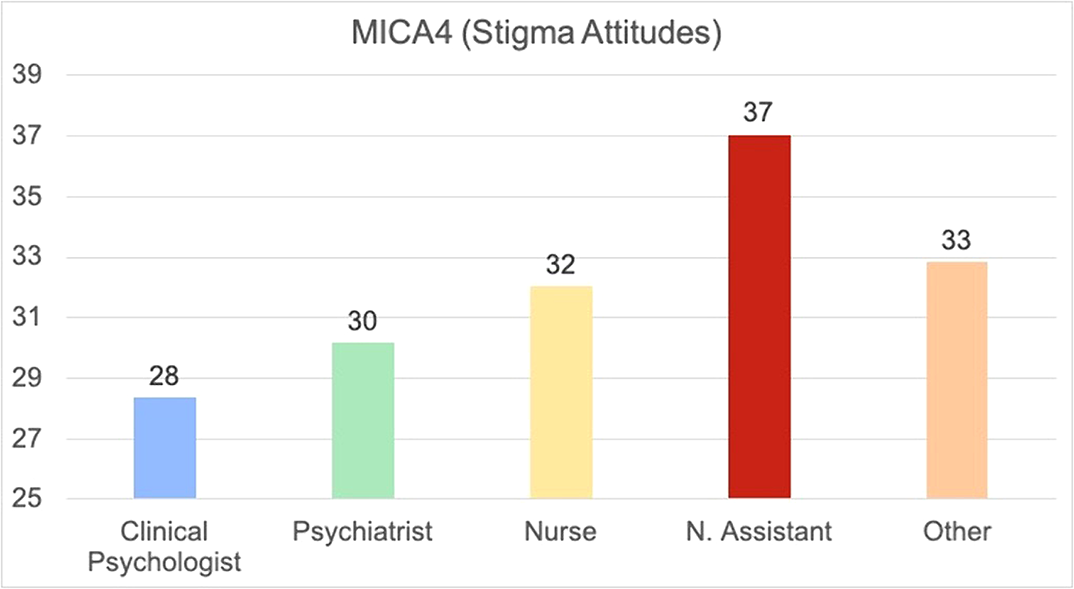
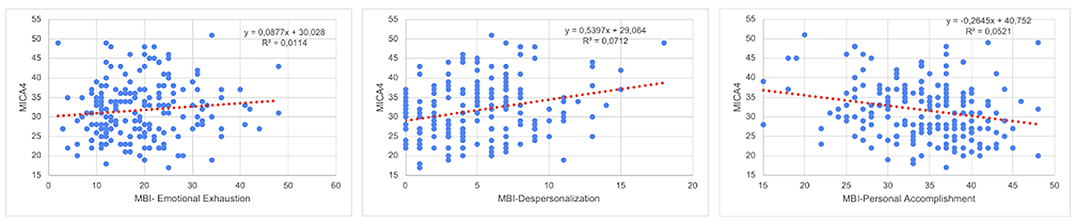
193 workers completed completed the survey. Stigma Attitude values of the sample were low (MICA4: 31.71; SD:7.3) and burnout were low or medium (medium Emotional Exhaustion: 19.22; SD8.89; low Depersonalization: 4.91; SD:3.61; Medium Personal Accomplishment: 34,17; 6.3). In the linear regression (R2=0.249; F:11,527; p<0,001), a lower Stigma was predicted by psychologist (Beta:0,207; p=0,003) or psychiatrist position (Beta:0,204; 0,005), Self-efficacy assessed by the item “I am qualified” in the CVP-35 (Beta:-10,144; p=0,023), and a higher stigma was predicted by nurse assistant position (Beta: -0.230; p=0.001), Depersonalization Burnout dimension (Beta:0,351; p<0,001) and years of service (Beta:0.148; p=0,023)
Conclusions
Some groups of mental workers are more vulnerable to develop stigma attitudes. These, may be increased by fatigue and burnout. Future interventions should determine if reducing burnout and increasing capacitation may be effective in stigma eradication
Research data indicate the necessity of efficient human functional states’ (HFS) self-regulations for successful work execution, and not only for those professionals, who work under extreme work conditions; efficient HFS self-regulation is discussed as one of the key professional competences in socionomic jobs as well (Friedman, 2003; Landy & Conte, 2021). Moreover, ability of efficient HFS self-regulation could be viewed as a differentiative competence for separation of professionals with normal and high work achievements (Spencer L. & Spencer S., 1993).
Objectives
The empirical study was targeted to investigate HFS self-regulation efficiency as a predictor of work success under long-term innovation stress.
Methods
The longitudinal research was conducted in college teachers (n=50) during the period of organizational innovations. The empirical data were obtained by the diagnostic set of methods for self-assessment of attitudes towards innovations as a factor of long-term work strain, coping strategies and self-regulation means, chronic fatigue and burnout as the main consequences of long-term stress manifestations (Hobfoll, Dunahoo, Ben-Porath & Monnier, 1994; Leonova, 2012).
Results
The significant diversity in the level of HFS self-regulation efficiency in teachers with different work success has been found (p<0,05). Teachers with the highest level of work results have a well-developed system of self-regulation means, which allows them to cope with innovation stress.
Conclusions
The empirical data revealed patterns of effective self-regulation means, which are adequate to situational requirement, professional norms and rules of organizational behavior. Obtained results formed the basis for the elaboration of training course for HFS self-regulation skills development.
Flexible work arrangements promote not only acceptable and convenient work modes; for many professionals flexible work leads to increase in workload and in working time (Rubery et al., 2016; Thompson et al., 2015). As the result, lack of recreation time could be named as a direct consequence of high workload (Pang, 2017). The key problem is the investigation of attitudes towards recreation and recovery: are professionals more reactive or proactive in their recreation planning, and do they recover well?
Objectives
The aim of the research: to reveal (1) typical types of recreation planning for professionals with high level of work flexibility and (2) recovery efficiency level.
Methods
The research was conducted in representatives of various professions, who work in flexible work arrangements (n=378). The diagnostic set included inventories for assessment of recreation planning type (Luzyanina, Kuznetsova, 2014) and recovery efficiency (Leonova, 2019).
Results
Two types of recreation planning have been found: proactive (26% of respondents) and reactive (74%). For the reactive approach lack of targeted strategies of recreation planning has been found. Proactive approach is characterized by tracking signs of resources decrease and advance planning of work breaks. There are differences in recovery efficiency (p<0,001) in proactive and reactive professionals: non-efficient recovery is typical for the majority of professionals with the reactive type to recreation planning.
Conclusions
The detailed analysis of proactive/reactive approaches manifestations and peculiarities of recreation planning could help to predict not only the recovery level, but the mechanisms of advanced self-regulation, adequate to high work flexibility.
Mental health literacy (MHL) could be defined as a knowledge of mental health, comprehension of its importance, adequate attitude to information about mental health, possession of skills and abilities to provide assistance and self-help to maintain and promote mental health.
Objectives
The aim of the present study is to identify possible relationships between the components of mental health literacy and the manifestations of the emotional sphere of the respondents.
Methods
The sample consisted of 220 young people from 16 to 23. Emotional Empathy Questionnaire (A. Mehrabian, M. Epstein), self-assessment of mental states (G. Eysenck), questionnaire from the study of Reavley et al., and the custom MHL questionnaire were used.
Results
Most significant of relationships revealed by Pearson’s Product-moment correlation analysis: Adequate actions of respondents in a mental health-threatening situation inversely correlates with anxiety (r=-0.38, p=0.0002), aggressiveness (r=-0.22, p=0.017), frustration (r=-0.35, p=0.00008), rigidity (r=-0.29, p=0.0012). Comprehension of the importance of specialized care inversely correlates with frustration (r=-0.2, p=0.027). Helping others in difficult situations correlates with empathy (r=0.48, p=0.0000).
Conclusions
A low level of the behavioral component of MHL is often manifested with high anxiety, aggressiveness, rigidity, frustration. Correlation between the cognitive component and frustration may indicate that sufficient level of this component does not allow the individual to fall into a state of deep frustration in mental health-threatening situations. Individuals with low level of anxiety, rigidity, aggression are more inclined to understand the importance of seeking professional help. An individual with lower frustration and aggressiveness will less likely choose destructive behaviors (addictions to alcohol, self-harm, etc.).
Non adherence to psychotropic drugs is associated with negative outcomes, including hospitalizations, aggressive behaviors, suicide attempts and increased premature mortality. It represents a psychiatric challenge, especially in young adults who show higher risk of non-adherence to treatment
Objectives
Firstly this study evaluates the incidence of non-adherence to therapy in 18-24 years patients from a Psycho-Social Center in Milan; and then to analyze the predictive factors of non-adherence.
Methods
In this retrospective “Real Life” observational study, 120 outpatients aged 18 to 24 years, from Psycho-social Center of L. Sacco University Hospital in Milan, were recruited in 2019. Non-adherence to treatment, according to the World Health Organization, was considered “a modality of assuming medications that does not correspond to healthcare professionals’ recommendations”. Statistical analysis were performed with chi-square, ANOVA and linear regression tests, setting significance to p<0.05.
Results
88 of 120 outpatients (73.3%) received an indication to psychopharmacological treatment. Of these, 23 (26.1%) did not show adherence to therapy. Results showed a positive association between non-adherence and increased hospitalizations (p <.01), oral antipsychotics (p<.05) and drop-out rates (p<.001). A significant correlation was also observed between non-adherence and Intellectual Disability (p<.05), Bipolar Disorder (p<.05), psychotic symptoms (p<.05), alterations in affectivity and mood (p<.005), alterations in sleep pattern (p<.05), school dropout (p<.05) and poor family support (p<.01).
Conclusions
This study confirms that non-adherence has a relevant incidence in young-adults psychiatric population, highlighting the importance of effective and structured assessment in clinical practice to identify predictive factors and risk profiles associated with this phenomenon.
How do medical students, who have self-criticism of being procrastinators of their study obligations, deal psychologically with daily tasks? The experience of procrastination by those who are considered high-performance students involves resources of mental health to cope with guilt, exhaustion, or even self-sabotage. According to MeSH used by PubMed, procrastination is ‘the deferment of actions or tasks to a later time, or to infinity’.
Objectives
To explore the psychological meanings that medical students attribute to procrastination phenomena to better understand how they handle the usual curriculum overload.
Methods
Clinical-qualitative design. Sample of 13 participants closed by information saturation with 2nd, 3rd, 4th-year students. Semi-directed interviews with open-ended questions in-depth. Clinical-qualitative content analysis, free-floating readings with psychodynamic concepts. Results were validated by peers at the Laboratory of Clinical-Qualitative Research.
Results
Emergent categories: 1) between procrastination and despair: the process of stress in procrastination; 2) a proving mechanism: procrastination as an emotional defense; 3) a very delicate rumination: between procrastination and mere delay, an emotional dilemma; 4) this conflict is painful: the confrontation between the desire to comply with tasks with excellence and the enjoyment of life.
Conclusions
Procrastination is reported by students as a source of great tension generated by opposing forces and desires, in which exhaustion is eventually reached. There are emotional contradictions related to guilt for leaving tasks to the last moment and the need to live other things besides doing academic tasks. Procrastination is a message-metaphor. It is important that institutions listen to students to understand what procrastination is saying about them.
Previous studies indicated, that mentalization mediates the link between adult attachment and stress, however, this relationship was not tested before among non-clinical parents of children aged between 12 and 18 years.
Objectives
The aim of this study was to explore the relationship between parental reflective functioning, attachment style, perceived parental sense of competence, and stress among parents.
Methods
After providing written consent, 186 non-clinical mothers completed a questionnaire packet that included a demographic form, The Parental Reflective Functioning Questionnaire - Adolescent version, the Attachment Style Questionnaire, the Parental Sense of Competence Scale, and the Perceived Stress Scale. A moderated mediation analysis with parental sense of competence as a dependent variable, mother’s attachment style as an independent variable, certainty about mental states hypermentalization subscale as a mediator, and stress as a moderator was conducted.
Results
In the moderated mediation analysis, the direct effect of the attachment style on the parental sense of competence in the case of preoccupied attachment style was significant (p < .001). The interaction term of the hypermentalization subscale by perceived stress was also significant in the case of low level (w = -1.57, p < .001) and high level of perceived stress (w= 1.21, p = .049) among mothers with a preoccupied attachment style.
Conclusions
These findings suggest that the preoccupied attachment style is related to the parental sense of competence through certainty about mental states hypermentalization in case of low level and high level of perceived stress, so mentalization-based interventions are warranted.
Younger schoolchildren with psychological development disorders have low cognitive activity, insufficient development of basic school skills, and a low level of educational motivation. In accordance with the requirements of the educational program for students with psychological development disorders, it is important to develop the ability to predict the results of their actions.
Objectives
The study of predictive competence in primary schoolchildren with psychological development disorders.
Methods
The study involved 60 children aged 8-10 years with a psychological development disorder. To study predictive competence, the methodology “The ability to predict in situations of potential or real violation of social norms” was used.
Results
The study revealed a low level of the cognitive and speech-communicative spheres of prognostic competence development in primary schoolchildren with psychological development disorders, as well as a deficit in prediction in the field of learning, which includes educational cooperation and educational communication of the child. Generalized statements, a passive position in future situations and pessimistic attitudes prevailed in the predictions of schoolchildren when constructing an image of the future. For schoolchildren with psychological development disorders, the prognosis is presented by monosyllabic answers, with the observable poverty of speech utterances.
Conclusions
The features of prognostic competence revealed in the study make it possible to develop individual programs for the development of the prognostic abilities of schoolchildren with psychological development disorders. This paper has been supported by the Kazan Federal University Strategic Academic Leadership Program.
Younger schoolchildren with psychological development disorders have low cognitive activity, insufficient development of basic school skills, and a low level of educational motivation. In accordance with the requirements of the educational program for students it is important to develop the ability to predict the results of their actions and deeds.
Objectives
The study of predictive competence in primary schoolchildren with psychological development disorders.
Methods
The study involved 60 children aged 8-10 years with a psychological development disorder. To study predictive competence, the methodology “The ability to predict in situations of potential or real violation of social norms” was used.
Results
The study revealed a low level of the cognitive and speech-communicative spheres of prognostic competence development in primary schoolchildren with psychological development disorders, as well as a deficit in prediction in the field of learning, which includes educational cooperation and educational communication of the child. Generalized statements, a passive position in future situations and pessimistic attitudes prevailed in the predictions of schoolchildren when constructing an image of the future. For schoolchildren the prognosis is presented by monosyllabic answers, with the observable poverty of speech utterances.
Conclusions
The features of prognostic competence revealed in the study make it possible to develop individual programs for the development of the prognostic abilities of schoolchildren with psychological development disorders, to teach how to predict the development of events in educational activities, to recognize the emotions of the participants in the events. This paper has been supported by the Kazan Federal University Strategic Academic Leadership Program.
The Inventory of Academic Sources of Stress in Medical Education (IASSME) evaluates the presence and intensity of the main sources of academic stress for Portuguese Medicine students in five dimensions: Course demands/CD, Human demands/HD, Lifestyle/LS, Academic competition/AC, and Academic adjustment/AA.
Objectives
To further validate the ISSME using Confirmatory Factor Analysis and to analyze the psychometric properties of a new version including additional sources of stress.
Methods
Participants were 666 Portuguese medicine (82.6%) and dentistry (17.4%) students (81.8% girls); they answered an online survey including the ISSME and other validated questionnaires: Maslach Burnout Inventory – Students Survey (MBI-SS) and Depression Anxiety and Stress Scales (DASS).
Results
Confirmatory Factor Analysis showed that the second order model composed of five factors (the original structure by Loureiro et al. 2008), but excluding item 11 (loading=.371), presented good fit indexes (χ2/df=3.274; RMSEA=.0581, p<.001; CFI=.917; TLI=.904, GFI=.919). The Cronbach’s alfas were α=.897 for the total and from α=.669 (F2-HD) to α=.859 (F1-CD) for the dimensions. The expanded version, including two additional items related to lack of interest in medicine/dentistry (F6, α=.543) and two additional COVID-19 stress-related-items (F7, α=.744) also showed acceptable fit indexes (χ2/df=3.513; RMSEA=.061, p<.001; CFI=.88.; TLI=.866, GFI=.892). This new version’s α was of .896. Pearson correlations between ISSME and the other measures were significant (p<.01) and high: >.55 with DASS and >.50 with MBI-SS. Girls presented significantly higher ISSME scores. F6 score was significantly higher in dentistry students.
Conclusions
This further validation study underlines that IASSME presents good validity (construct and convergent) and reliability.
One of the main concepts of mental health promotion is proactivity, rather than reactivity. As psychiatrists we must be the first line of mental health advocacy and to do so we must share clear messages and take definitive actions.
Objectives
Inventing a cause that raises mental health awareness in the society. Afterwards creating a page in the social media that uses common language and which represents the main concepts of mental health and also targets prevention and treatment of mental disorders. Taking part in sport events that have the potential to increase the social awareness and reaching national media in order to popularize the cause.
Methods
First came creation of a page in the social media. Afterwards came the preparation of video materials and e-posters on the following topics: mental health, stigma, myths and facts about mental disorders, early trauma, mental disorders. The materials were posted and “boosted”. All this was accompanied by numerous media events and interviews on national media. In order to garner more attention there were two participations in a 750km bike ultra marathons.
Results
The complex approach of the cause „I ride with you” (Az Karam s teb) led to the establishment of a popular page in the social media. Within 1 year the page got 1500 followers. The page content was shared 733 times. There were 12 national media appearances. All these numbers represent a small but significant step in mental health promotion.
Conclusions
In order to promote healthy “mental environment” we must use diverse and contemporary approaches.
The dawn of COVID-19 brought new rules, restrictions, and lockdowns but this led to the unlikely fall of many sectors, including the charitable sector. There has been a significant decline in funding received by mental health charities, especially during the pandemic. This study looks at the subsequent impact on fundraisers and mental health promotion during COVID-19.
Objectives
The main aim was to uncover how the COVID-19 pandemic has affected the way that mental health charities fundraise, raise awareness, and promote mental health. This aimed to look at the impact of the COVID-19 pandemic on fundraisers supporting mental health charities and their opinion on whether fundraising has either helped or hindered mental health promotion.
Methods
Accounts from fundraisers and local representatives for mental health charities during the COVID-19 pandemic were analysed. Common themes looked at the impact, adaptation, and reasons why fundraisers decided to help during a tough period for the charitable sector.
Results
Mental health charities expressed difficulty in sourcing funds to support their users, especially in a vulnerable time. Fundraisers tried innovative ways to promote mental health and raise money for charities.
Conclusions
Altruism and understanding how precious services such as mental health charities are for the population was the main driver for fundraisers. Mental health charities adapted by turning to online communication and reached out to fundraisers to continually highlight the importance of mental health to their users and fundraisers.
Many classification system and mental health act in many country attempted to define mental illness but mental health perse has not been defined.Some unaddressed question like ” what is diseased in mental illness, what do you treat or set right by treatment, how the psychiatrist say that a pateint is improved and describe or define mental health” are addressed.
Objectives
Working concept for professionals of all allied clinical disciplines. Enable them to understand mental illness and mental health in a uniform and consistent way. Enable all MHP to speak the same language, without room for personal bias. Avoid misconceptions and reduce the stigma with mental illness
Methods
We divided spectrum of mental health into Mentally Healthy, Not Healthy, Unhealthy and ill . Based on two dimension: 1. impact on self and 2. Impact on other. Awareness of ones own self, ability to relate well with other and ones own actions are useful to self as well as others are the three arms of mental health.
Results
A presentation was given to psychiatrist & allied sciences professional & members from judicairy, technolocrats, industrialist and educationist. Interaction was recorded and analysed, people even gave their responses comments and suggestions by mail and writing.
Conclusions
Mind is defined as a functional concept consists of Mood Thought and Intellect which is nicely amalgamated in a synchronised manner which always function in unison and the constituents cannot function in isolation. The three arms of the mental health are used to develop a tool to measure the same. All details will be discussed during the presentation.
According to the Medical Subject Headings, the vocabulary used by PubMed, procrastination is ‘the deferment of actions or tasks to a later time, or to infinity’. Studies on procrastination are increasing, especially among university students, gaining prominence in academic literature. However, studies on the procrastination phenomenon have been mainly quantitative, correlating such experiences with clinical and behavioral manifestations. Specific research with occupational therapy students is lacking in the literature.
Objectives
To interpret symbolic meanings related to life experiences of the procrastination phenomenon of school tasks as reported by occupational therapy undergraduate students, self-referred as procrastinators.
Methods
Clinical-qualitative design. Data collected through semi-directed interviews with open-ended questions in-depth. Clinical-Qualitative Content Analysis generated categories discussed in the light of the psychodynamic theoretical framework. This study was carried out in a private Brazilian university. The sample was closed by the information saturation criterion.
Results
Seven students were interviewed. Procrastination comes associated with anxiety as productivity, but not reported as an “executive drive”, that would imprison the individual in a vicious cycle. There are defense mechanisms referred to as self-preservation for not assume responsibilities for tasks. Ineffective strategies seem to be experienced by the students to avoid procrastination, but without resolving possible psychodynamic conflicts related to the task.
Conclusions
Students’ procrastination ambivalently affects their daily lives, although they can report the phenomenon as negative. It is suggested further qualitative studies that explore specifically meanings of procrastinating personal activities, in general, considering these individuals will work precisely in a therapeutic approach in the field of occupations of the people.
The recent literature indicates that the gut microbiota may affect brain functions through endocrine and metabolic pathways, antibody production and the enteric network while supporting its possible role in the onset and maintenance of several neuropsychiatric disorders, neurodevelopment and neurodegenerative disorders.
Objectives
The aim of this work is to discuss the role of probiotics, prebiotics, or synbiotics as a potential treatment for symptoms of depression, anxiety, and stress.
Methods
Pub Med database was searched using following key words: “probiotics”, “prebiotics”, “mental disorders”, “psychological disorders”.
Results
Although the exact mechanism is unknown, there is a link between the gut and mood disorders. Psychosocial factors, such as quality of life or well-being, are greatly influenced by gut function and there is a strong correlation between psychosocial features and gastrointestinal disorders. Elevated stress, anxiety, and depression are linked to intestinal dysbiosis and mood disorders are disproportionately high in patients with functional gut disorders. So, psychobiotics may provide benefit when used in conjunction with current antidepressant medications. Probiotics may exert their therapeutic benefits by restoring microbial balance in the gut, and also by minimizing gastrointestinal complaints, allowing for the effects of antidepressant medication to not be reduced. Stress and immune responses were improved following psychobiotic intervention in stressed adults. Psychobiotics offer potential alternative treatment options in mood disorders and their accompanying symptoms.
Conclusions
Pro and prebiotics can improve mental health and psychological function and can be offered as new medicines for common mental disorders. However, more clinical studies are required to support the clinical use of probiotics.
Visual images and music have long been known as a means to optimize emotions (Galeev, 1976; Gotsdiner, 1993). Together (eg in audio-visual slide-films) they may help students and professional cope with the negative side of intensive workloads (fatigue, stress, anxiety).
Objectives
Our study attempts a multi-level assessment of the relaxation effect of a slide-film as part of student education.
Methods
Sample - 46 psychology students. The 20 minute relaxation film was shown after lectures and discussion of a forthcoming examination. Measures: standard psychological and physiological functional state tests and a cognitive task before and after the film (Leonova & Kapitsa, 2003); an original questionnaire revealing individual associations and experiences felt during the film.
Results
The results showed pronounced subjective discomfort and anxiety before the film. The relaxation film resulted in lowered blood pressure, increased subjective comfort, decreased fatigue and acute anxiety, and negative emotion scores, as well as higher productivity in performing the cognitive test (Student t-test, p<0.005-0.001). Concentration on the film subject, as well as the combination of the student’s thoughts and associations around the plot, showed a positive correlation with the amount of relaxation effect.
Conclusions
Our research showed that using the relaxation slide-film (with imagery and music) can provide positive effects on students’ functional state. It also revealed the importance of the relevance of individual experience to the subject of the film to obtain optimal positive effects.
Adolescent transitions to adulthood are a vulnerable phase for the development of mental illnesses. Additionally, there are often disruptions in psychiatric care delivery during the transition phase, potentially leading to a considerable treatment delay with a high risk of early chronification. Thus, the health care system and professionals in both child and adolescent psychiatry and adult psychiatry should give greater consideration to the transition phase.
Objectives
An online-course addressing health care professionals was developed to give in-depth knowledge of “transition psychiatry”, practical guidance and to sensitize for the special challenges and needs of young adults with mental illness. Evaluation focuses on the gain of competences, benefit for practical work and user satisfaction.
Methods
Participants´ estimations and opinions on quality of the online-course, on impact of course participation to their practical work and on their competences regarding transition psychiatry are assessed with an online-survey before starting (t1) and after finishing (t2) the online-course. T1-assessment is already completed with 1924 datasets, t2-assessmend will take place 02/2022.
Results
Analyses of t1-assessment show a high heterogeneity of participants regarding their work background and setting. Special knowledge about mental illnesses during transition and about transition psychiatry, as well as feeling confident in accompanying transition processes is on a medium level. Results of t2-assessment and comparing analyses are expected in March 2022 and will be presented.
Conclusions
There was high interest of the target group in participating in the online-course. Evaluation will show if the online-course is a helpful measure in delievering the necessary education of professionals in transition psychiatry.
Psychological vitality has a significant relationship with self-realization, mental health, positive emotions and self-motivation, life satisfaction, and optimism. Additionally, it reduces the possibility of exposure to anxiety, depression and stress. In the same line, work pressures drive teachers to suffer from some negative emotions such as anger and lack of motivation, which in turn influence their vitality, social relations with colleagues.
Objectives
The present study designed a motivational counseling-based program to improve psychological vitality among teachers in Dhofar region schools
Methods
Participants were 60 teachers obtained the lowest degrees on the psychological vitality questionnaire. They were divided randomly into two groups: experimental and control. Qusai-experimental method with two groups design was adopted. The given program consists of 18 counseling sessions at the rate of 3 sessions per week ranging from 60 to 75 minutes.
Results
indicated that statistically significant differences at 0.01 level were found between mean scores of both groups groups on the posttest of psychological vitality favoring the experimental group. Also, statistically significant differences at 0.01 level were detected between the pre-test and post-test (experimental group) mean scores favoring the post-test. Taken together those findings confirm the effectiveness of the counseling program in improving psychological vitality Posttest and follow up test did not significantly differ which prove the continuity of program effectiveness.
Conclusions
To conclude, motivational counseling plays an important role in enhancing psychological vitality of teachers. Further research might use the program in alleviating other psychological disorders.
Evidence shows unemployment as a negative impact factor on a variety of health outcomes. Regarding mental health, unemployment is considered one of the most consolidated risk factors for morbidity. This relationship is considered bi-directional. Prevention and wellness promotion are essential guidelines for mental health providers.
Objectives
To describe the work status in a sample of patients with anxiety disorders after two types of group mindfulness-based interventions in the MER-ACT project.
Methods
A descriptive analysis was conducted on work status before and 6 months after two types of mindfulness-based interventions. The group treatments were Acceptance and Commitment Therapy and a Mindfulness-based Emotional Regulation intervention, during 8 weeks, guided by two Clinical Psychology residents. The employment change was calculated (percentage of change from unemployed or temporary incapacity to employed).
Results
The work status of participants of the sample (n = 40), before and 6 months after interventions, were employed: 55% vs. 60%; temporary incapacity: 12.5% vs. 12.5%; unemployed: 25% vs. 20% and others: 7.5% vs. 7.5%. In the same period, the unemployment rate in the Spanish general population was from 13.8% to 14.5%. After 6 months the percentage of change on work status was 25% (15% improved their employment situation).
Conclusions
Preliminary results show worse work status of participants compared to the Spanish general population. It is recommendable to include well-established risk factor measurements to establish the effectiveness of interventions in mental health. More research is required to determine the impact of interventions on the employment status.
Exposure to violence affects employees and has implications for the quality of care provided.
Objectives
This study aims to describe the effects of workplace violence on nurses in psychiatric and emergency departments.
Methods
This was a cross-sectional and descriptive study involving 60 nurses practising in the psychiatry and emergency services at the Hedi Chaker and Habib Borguiba University Hospital in Sfax. We collected the socio-demographic and professional data of the participants using a pre-established questionnaire.
Results
The average age was 35 years and 51 % of respondents were female. Ninety-three percent of the respondents were victims of an act of violence. The violence was verbal in 90%, physical in 70%, psychological in 62% and sexual in 11% of cases. The classification of acts of violence according to the scale of seriousness of the national observatory of violence in health care revealed a predominance of level 1 violence characterised by insults (66%) and level 2 violence with threats to physical integrity (65%). Level 3 violence (physical violence) was the most frequent (70%). Two cases of level 4 violence with knives were reported. These acts of violence generated wounds in 21%, fractures in 10%, haematomas in 10% and bruises in 8% of cases. Thirty-six nurses (60%) reported that the act of violence was responsible for a feeling of insecurity.
Conclusions
The results of this study indicate the need for hospital center managers to set up organizational policies against workplace violence and to apply them in a rigorous and transparent manner.