We partner with a secure submission system to handle manuscript submissions.
Please note:
You will need an account for the submission system, which is separate to your Cambridge Core account. For login and submission support, please visit the
submission and support pages.
Please review this journal's author instructions, particularly the
preparing your materials
page, before submitting your manuscript.
Click Proceed to submission system to continue to our partner's website.
To save this undefined to your undefined account, please select one or more formats and confirm that you agree to abide by our usage policies. If this is the first time you used this feature, you will be asked to authorise Cambridge Core to connect with your undefined account.
Find out more about saving content to .
To send this article to your Kindle, first ensure no-reply@cambridge.org is added to your Approved Personal Document E-mail List under your Personal Document Settings on the Manage Your Content and Devices page of your Amazon account. Then enter the ‘name’ part of your Kindle email address below. Find out more about sending to your Kindle.
Find out more about saving to your Kindle.
Note you can select to save to either the @free.kindle.com or @kindle.com variations. ‘@free.kindle.com’ emails are free but can only be saved to your device when it is connected to wi-fi. ‘@kindle.com’ emails can be delivered even when you are not connected to wi-fi, but note that service fees apply.
Cycloid psychosis is a clinical entity with defining traits which emerged from the Wernicke-Kleist-Leonhard school of psychiatry and has a long history in Europe. Leonhard distinguished three clinical forms: anxiety-happiness, confusion and motility psychosis. It is a condition with high clinical heterogeneity and favorable prognosis.
Objectives
To describe a case of cycloid psychosis and review in literature the heterogeneity of this phenomena and its clinical management.
Methods
Clinical case report and brief review of literature.
Results
57-year old male with previous diagnosis of paranoid schizophrenia and severe congenital hearing loss. Preserved autonomy and adequate real-life and interpersonal functioning. Along the past few years the patient has presented episodes of a significant clinical global worsening in context of mainly somatic symptoms (intestinal obstruction and volvulus) and minor stressful life events. On this occasion he appears in the emergency room with a new episode of abdominal pain and is admitted to Internal Medicine with presumptive diagnosis of intestinal volvulus. The patient gathered heterogeneous symptoms including disorientation, confusion, generalized tremor, gait disorder, profuse sweating, regressive and oppositional behaviors (refusal to eat or drink liquids) and sudden behavioral oscillations (from agitation to prostration). From the psychic point of view he showed thought blocking, mutism, significant anxiety, fear of death, delusional prejudice ideas and sensoperceptive disturbance which seemed otherwise related to previous sensorial problems. We introduced treatment with Olanzapine 30 mg and after 4 weeks, the patient suddenly showed a significant clinical improvement until the complete remission of the symptoms and restitution of his previous state. In coordination with his regular psychiatrist was proposed the controversial diagnosis of cycloid psychosis. Cycloid psychosis gather a few clinical features which differentiate it from other entities: acute onset, polymorphic symptomatology, global disturbance of psychic life, remitting and recurrent course and favorable prognosis. Regarding its clinical management no controlled studies have been conducted to this date of the treatment of this phenomena. According to literature ECT seems to be an effective treatment as well as low-doses of atypical antipsychotics. Some authors propose pharmacological maintenance treatment with mood stabilizers.
Conclusions
The diagnosis of cycloid psychosis can be useful as well as necessary to describe certain patients with similar clinical features, recurrent course and favorable prognosis. Future studies on pharmacological approach would be useful to ensure the appropriate clinical management of these patients.
The elderly represents the fastest growing group of the population. It is fair to assume that the portion of old age patients suffering from bipolar disorder will grow in a similar manner. Elderly patients represent approximately 25% of the bipolar population. Summarizing, 5–10% of patients were 50 years of age when they experienced their first manic episode, constituting the subgroup of late onset bipolar disorder (LOBD).
Objectives
The purpose of this case report and literature review is to emphasise the importance of LOBD in old population and to highlight its still sparse-knowledge.
Methods
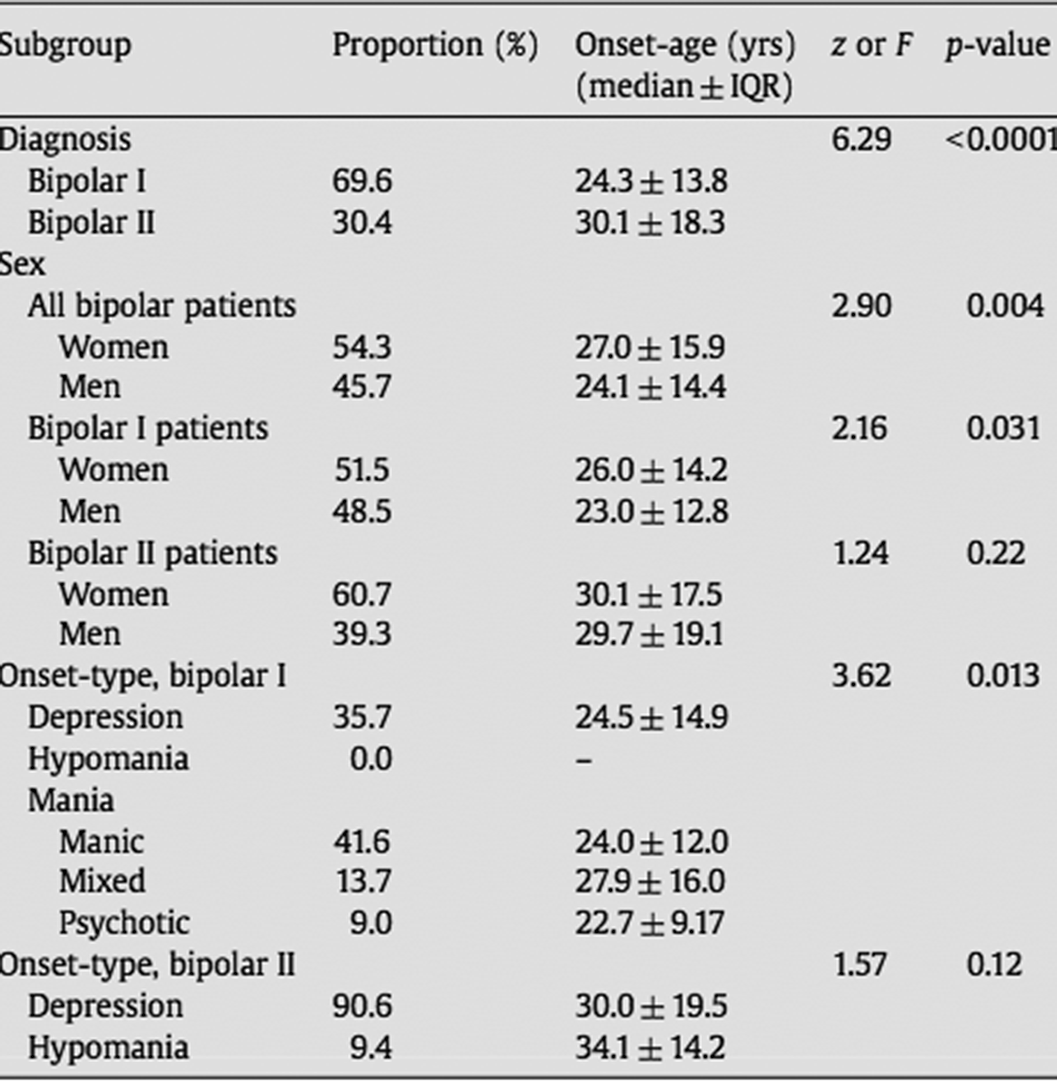
Descriptive case study and review of literature (Arnold,I. et al. Old Age Bipolar Disorder—Epidemiology, Aetiology and Treatment. Medicina 2021,57,587; Baldessarini et al. Onset-age of bipolar disorders at six international sites. J Affect Disord 2010;121(1-2):143-6).
Results
A 60-year-old woman is brought to the emergency department for evaluation by her family. Over the past 7 days, the patient has become increasingly irritable and argumentative, is sleeping less, is talking faster than usual and has begun to express paranoid concerns about her students “stealing my exam”. The patient is a university professor.
In the assessment interview she is hyperverbal, expansive, and grandiose. The family has also just recently discovered that she has spent a large sum of money on the Internet.
She has no history of psychiatric contact or substance use disorders; however, she has a family history of severe depression.
In the absence of any plausible non-psychiatric condition that could mimic or induce mania, the working diagnosis is bipolar I disorder, most recent episode (MRE) manic with psychotic features.
Image:
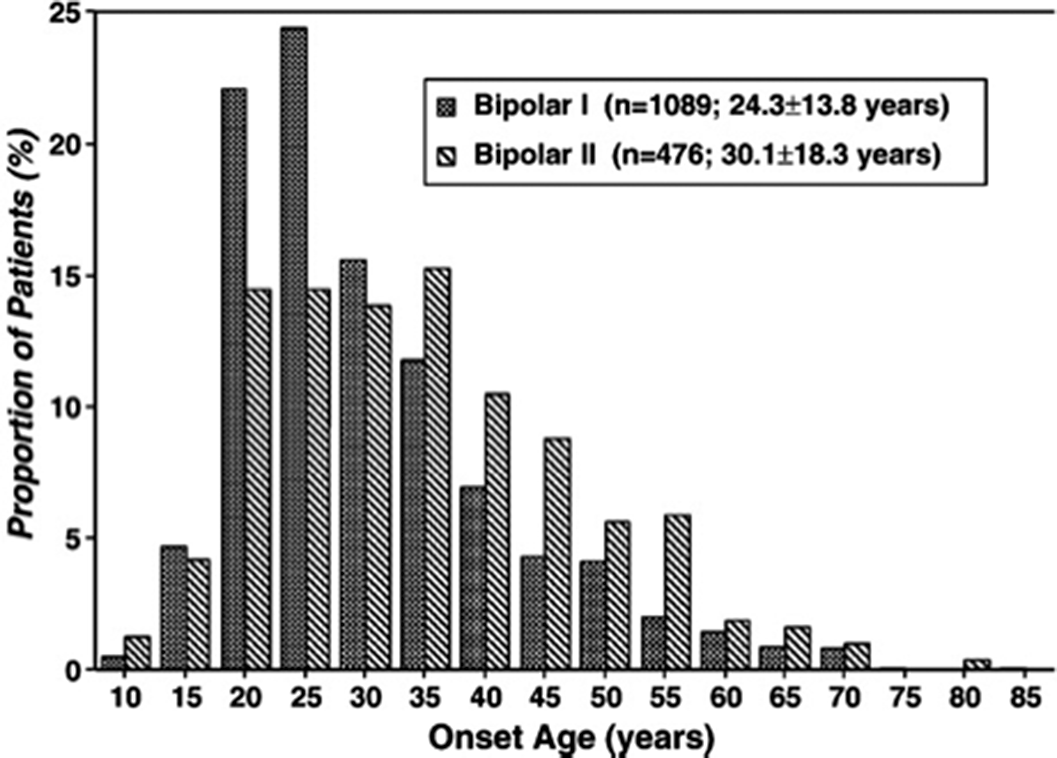
Image 2:
Conclusions
The share of older age bipolar disorder will grow constantly in the next decades and further research on this neglected patient group is urgently required.
This umbrella review is the frst to systematically examine psychological trauma as a transdiagnostic risk factor across psychiatric conditions.
Objectives
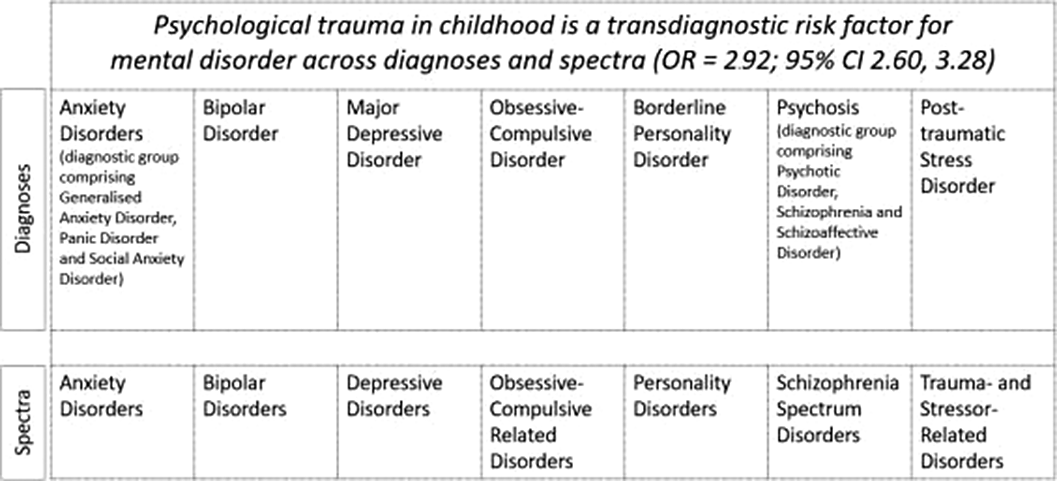
This review aimed to be the frst to evaluate whether psychological trauma fulflilled criteria as a transdiagnostic risk factor cutting across various diagnostic categories and spectra. Transdiagnosticity will be assessed against the framework of the TRANSD criteria (Fusar-Poli, World Psychiatry 2019; 18 361-362). The paper additionally aimed to analyse the association of psychopathology with specifc trauma type.
Methods
We searched Pubmed, Scopus, and PsycNET databases from inception until 01/05/2021 for systematic reviews/meta-analyses evaluating the association between psychological trauma and at least one diagnosed mental disorder. We re-calculated the odds ratio (OR), then classifed the association as convincing, highly suggestive, suggestive, or weak, based on the number of cases and controls with and without psychological trauma, random-efects p value, the 95% conf- dence interval of the largest study, heterogeneity between studies, 95% prediction interval, small-study efect, and excess significance bias. Additional outcomes were the association between specifc trauma types and specific mental disorders, and a sensitivity analysis for childhood trauma. Transdiagnosticity was assessed using TRANSD criteria. The review was pre-registered in Prospero CRD42020157308 and followed PRISMA/MOOSE guidelines.
Results
Fourteen reviews met inclusion criteria, comprising 16,277 cases and 77,586 controls. Psychological trauma met TRANSD criteria as a transdiagnostic factor across diferent diagnostic criteria and spectra. There was highly suggestive evidence of an association between psychological trauma at any time-point and any mental disorder (OR=2.92) and between childhood trauma and any mental disorder
(OR=2.90). Regarding specifc trauma types, convincing evidence linked physical abuse (OR=2.36) and highly suggestive evidence linked sexual abuse (OR=3.47) with a range of mental disorders, and convincing evidence linked emotional abuse to anxiety disorders (OR=3.05); there were no data for emotional abuse with other disorders.
Image:
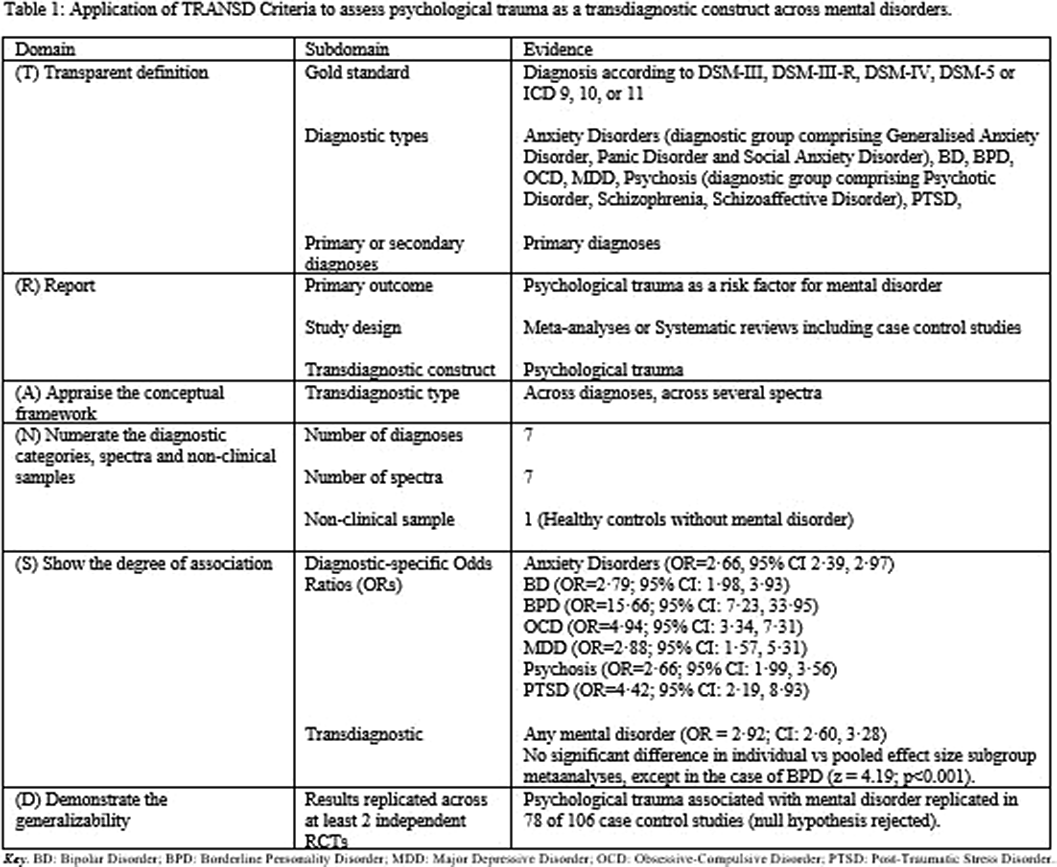
Image 2:
Conclusions
These fndings highlight the importance of preventing early traumatic events and providing trauma-informed care in early intervention and psychiatric services.
Eating disorders (ED) historically been adressed as illnesses that only affect young adolescent females. ED’s in males have been documented in literature as early as the 1960’s; yet men continue to be under represented on research on the topic. For decades, the Diagnostic and Statistical Manual of Mental Disorders (DSM) perpetuated the invisibility of males by including amenorrhea as a diagnostic criterion. It was not until 2013 that male inclusion was endorsed thorught the removal of that criterion. It is estimated that one in four people affected with and ED is male.
It is estimated that one in four people affected with and ED is male. The proportion of males reporting lifetime prevalence of Binge eating disorder (BED) was far greater than for Anorexia nervosa (AN) or Bulimia nervosa (BN); the female versus male ratio of BED prevalence was 3:1. AN is the most life-threatening ED, but is least frequently seen in male populations; researchers suggest this is because most men are not interested in the emaciated, thin look.
Objectives
This poster aims to recognize the presence of ED’s in males and raise awareness on this topic.
Methods
Case report and literature review
Results
We present the case of a 50-year-old man with long-standing AN, who had never undergone mental health follow-up. He is referred to psychiatrist by his primary care provider (PCP) due to depressive symptoms. His medical history included vitamine D insufficiency and osteoporosis. At the age of 19 he was obese (BMI 35) and from the age of 23 he started to present dietary restriction after a social event. He had never self-induced vomiting, use of laxatives, binge eating or compulsive exercise. He reported no history or current substance use disorder. BMI at first consultation was 17,6 and showed fear of weight gain. Antidepressant therapy was started and patient was referred to a specialized therapist, nutritionistand nurse.
Conclusions
Overall, the findings demand clinicians develop awareness about ED in males to advance illness management and enhance long-term prognosis. In our case, the delay in receiving treatment has probably led to greater morbidity and chronicity. PCP’s play a key role in detection of ED’s as the often act as a first point of contact for men accesing the health care system. While assesing and ED, the PCP should include general questions on eating habits in their intake interview. Once an a ED is suspected, the first few minutes of the encounter are crucial to gain trust and buy-in from the patient. Once buy-in from the patient is gained, a complete physical exam and diagnostic work-up is required. Priority referrals to the following professionals are critical: psychiatrist, therapist, dietician or nutritionist, and ED specialist if available.
Attention deficit/hyperactivity disorder (ADHD) is a prevalent and impairing neurodevelopmental disorder affecting 2-5% of children. These children are at risk of negative health, social and educational outcomes; ADHD incurs an estimated £670 million annual cost to health, education and social care in the UK. Children with ADHD often experience severe difficulties at school despite drug treatment: effective psychosocial interventions are needed. There is mixed evidence for the effectiveness of existing school-based interventions for ADHD, which are complex and resource-intensive, contradicting the preferences of teachers for short, flexible strategies that suit a range of ADHD-related classroom-based problems.
Objectives
To develop a prototype of a school-based intervention for ADHD.
Methods
Intervention Mapping, a framework for developing theory- and evidence-informed interventions with explicit consideration of implementation context, was used. Logic models were developed of the behaviour change steps required by each agent in the school system to improve outcomes for students with ADHD.
A comprehensive evidence synthesis was conducted for interventions that targeted the key outcomes of relevance (inattention, impulsivity, hyperactivity, peer and teacher relationships, self-esteem, executive functions and organisation skills); findings were integrated alongside behaviour change theory and theories of the underlying aetiology of ADHD, in order to develop a logic model for the intervention. Components of the intervention were then developed in line with the logic model using evidence-based behaviour change methods, with input from people with ADHD, school staff and other key stakeholders at every stage of the development process.
Results
The development process resulted in a prototype digital platform that can be utilised to deliver a personalised behavioural intervention for children with ADHD within primary schools. It contains some core components that all teachers and children will complete, and then is individualised based on the key problems each child is currently facing. There are six optional modules, each containing a range of behavioural strategies for teachers to implement with the student or the whole class. The toolkit includes a symptom tracking graph that teachers can use to visualise the progress a child is making, and is developed to align with the current resources and capacity of primary schools in the UK.
Conclusions
The prototype intervention is designed explicitly to fit with existing school structures and demands, and to be low cost in terms of delivery and training. It focusses on adapting the school environment to better suit children with high levels of ADHD symptoms. It is now being feasibility tested, and in this talk I will describe the development process using Intervention Mapping, and the initial feedback from the first testing of implementation of the prototype.
Insomnia is a robust risk factor for depression. Treating insomnia with digital CBT-I (dCBT-I) has been shown to prevent future episodes of depression; however, remission rate of insomnia following dCBT-I is lower compared to face-to-face CBT-I (fCBT-I), which may reduce the effect on depression prevention. A stepped-care model can optimize care by starting with a least resource intensive intervention (step 1: dCBT-I) and stepping-up non-remitters to specialized treatment (step 2: face-to-face CBT-I).
Objectives
This study examined the efficacy of a stepped-care approach to prevent depression.
Methods
1018 individuals with DSM-5 insomnia and no depression were randomized into two conditions at step 1: dCBT-I (n=613), or an online sleep education control (n=624). Participants in the dCBT-I condition who did not show remission for insomnia (ISI>9) were further randomized to either face-to-face CBT-I (n=103) or sleep education (n=104). Rates of clinically significant depression (moderate severity and above) was assessed at one-year follow-up.
Results
Insomnia remission rates were higher in the dCBT-I group (40%) compared to the control group (22%). Those who did not remit following step-1 dCBT-I showed step-2 insomnia remission rates of 75% following fCBT-I compared to 38% following the step 2 control.
At one year follow-up, the incident rate of clinically significant depression was 2.4 times higher in those who received control (13.2%) compared to fCBT-I (5.5%) at step 2. Depression rate was 10.1% in those who did not receive dCBT-I at step-1.
Conclusions
Preliminary evidence from this study provide supported that a stepped-care approach may produce greater protection against incident depression than dCBT-I alone.
The conditions of the COVID-19 pandemic, as well as the risks associated with it, led to a deterioration in the emotional state of many people: during the pandemic, an increase in the frequency of anxiety disorders was noted, especially among patients with chronic diseases of the respiratory system. Since the beginning of the COVID-19 pandemic, the respiratory system has been described as very “vulnerable” to the coronavirus.
Objectives
To study the severity of anxiety and symptoms of dysfunctional breathing (DB) in patients with chronic respiratory diseases in the conditions of the COVID-19 pandemic.
Methods
We used: «The Perceived Stress Scale-10», «State-Trait Anxiety Inventory», «Short Health Anxiety Inventory», and Nijmegen questionnaire.The sample: 89 patients with respiratory diseases, the average age was 49.21±18.3. Of these, 38 patients with upper respiratory tract diseases (URTD) (J30-J39) and 51 patients with lower respiratory tract diseases (LRTD) (J40-J47). 49 people had a history of COVID-19 disease.
Results
The sample of patients with both URTD and LRTD diseases is characterized by a high level of stress (27.13±6.937 vs 28.59±6.014, p=0.293). The average indicators of health anxiety in patients with LRTD diseases significantly exceed those of patients with URTD diseases (20.18±8.881 vs 15.68±7.022; p=0.01), which is consistent with data on a greater assessment of the disease threat compared with patients with upper respiratory tract diseases.The severity of DB symptoms in the group of patients with LRTD diseases significantly exceeds that in the group of patients with URTD (19.05±12.340 vs 24.29±11.470; p=0.042). Also in this group, there is a greater severity of individual symptoms of DB: spasm of the mouth muscles (p= 0.015), accelerated deep breathing (p= 0.002), shallow breathing (p=0.001) and the inability to take a deep breath (p=0.001).When analyzing the symptoms among patients who had and did not have a history of COVID-19, significant differences were found in such manifestations of DB as dizziness (1.98±1.351 vs 1.27±1.232; p=0.024) and confusion in the environment (0.61±0.891 vs 0.18±0.465; p=0.010), and also according to the severity of the symptoms of DB in general (23.76±11.996 vs 17.81±8.461; t=2.007, p=0.043).During the analysis, a relationship was established between the severity of DB symptoms and alertness to bodily sensations (R=0.259, p=0.014), which may indicate both an increase in DB symptoms with increased attention toward sensory sensations, and greater screening activity with an increase in DB symptoms. Increased alertness to bodily sensations is associated with situational stress (R=0.530; p=0.001) and personal anxiety (R=0.495, p=0.001).
Conclusions
The results obtained make it possible to identify categories of patients with chronic respiratory diseases who need psychological counseling and psychotherapy.
The coronavirus disease 2019 (COVID-19) pandemic continues to cause significant morbidity and mortality worldwide. Since a large portion of the world’s population is currently unvaccinated or incompletely vaccinated and has limited access to approved treatments against COVID-19, there is an urgent need to continue research on treatment options, especially those at low cost and which are immediately available to patients, particularly in low- and middle-income countries. Prior in vitro and observational studies have shown that fluoxetine, possibly through its inhibitory effect on the acid sphingomyelinase/ceramide system, could be a promising antiviral and anti-inflammatory treatment against COVID-19.
Objectives
The aim of this sudy was to test the potential antiviral and anti-inflammatory activities of fluoxetine against SARS-CoV-2 in a K18-hACE2 mouse model of infection, and against several variants of concern in vitro, and test the hypothesis of the implication of ceramides and/or their derivatives hexosylceramides.
Methods
We evaluated the potential antiviral and anti-inflammatory activities of fluoxetine in a K18-hACE2 mouse model of SARS-CoV-2 infection, and against variants of concern in vitro, i.e., SARS-CoV-2 ancestral strain, Alpha B.1.1.7, Gamma P1, Delta B1.617 and Omicron BA.5.
Results
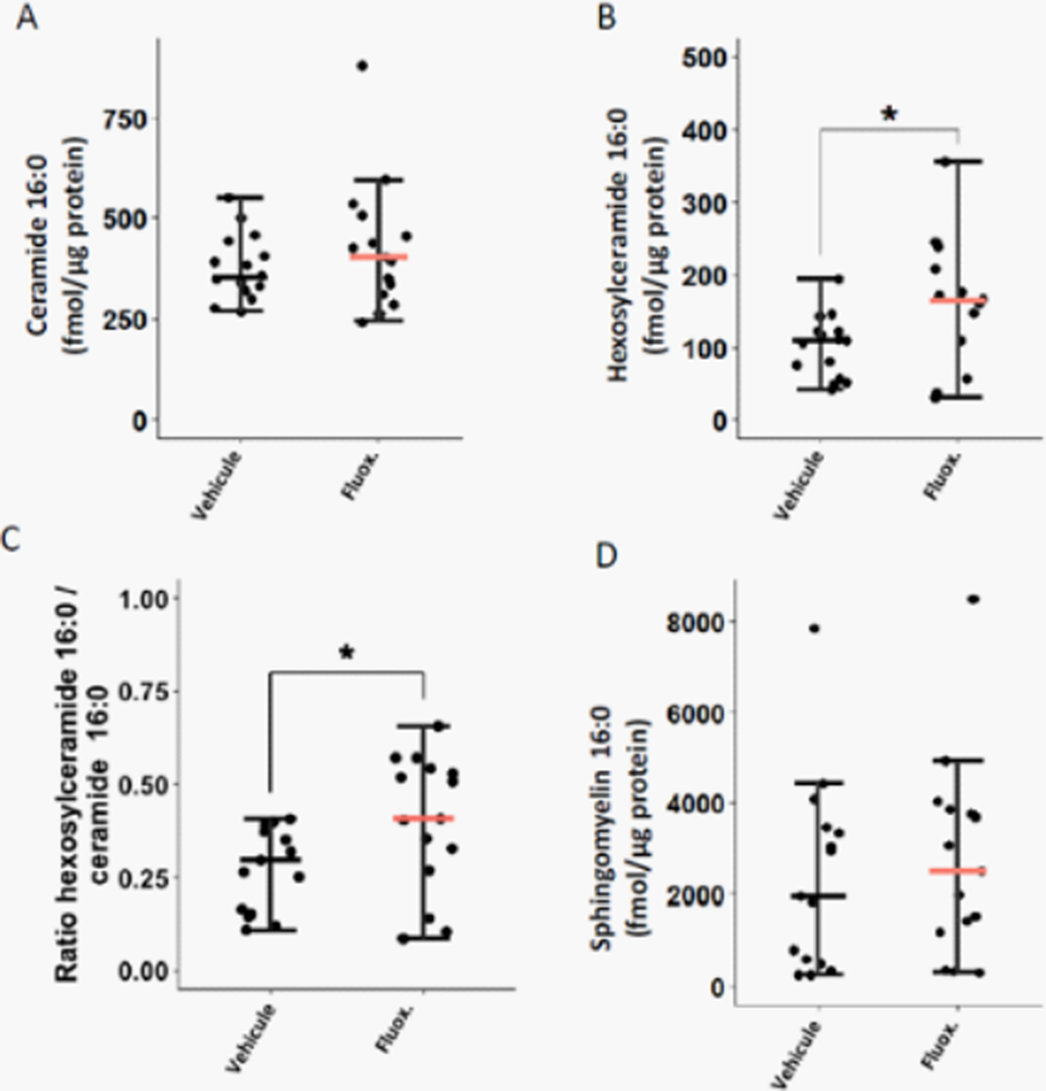
Fluoxetine, administrated after SARS-CoV-2 infection, significantly reduced lung tissue viral titres (Figure 1) and expression of several inflammatory markers (i.e., IL-6, TNFα, CCL2 and CXCL10) (Figure 2). It also inhibited the replication of all variants of concern in vitro. A modulation of the ceramide system in the lung tissues, as reflected by the increase in the ratio HexCer 16:0/Cer 16:0 in fluoxetine-treated mice, may contribute to explain these effects (Figure 3).
Image:
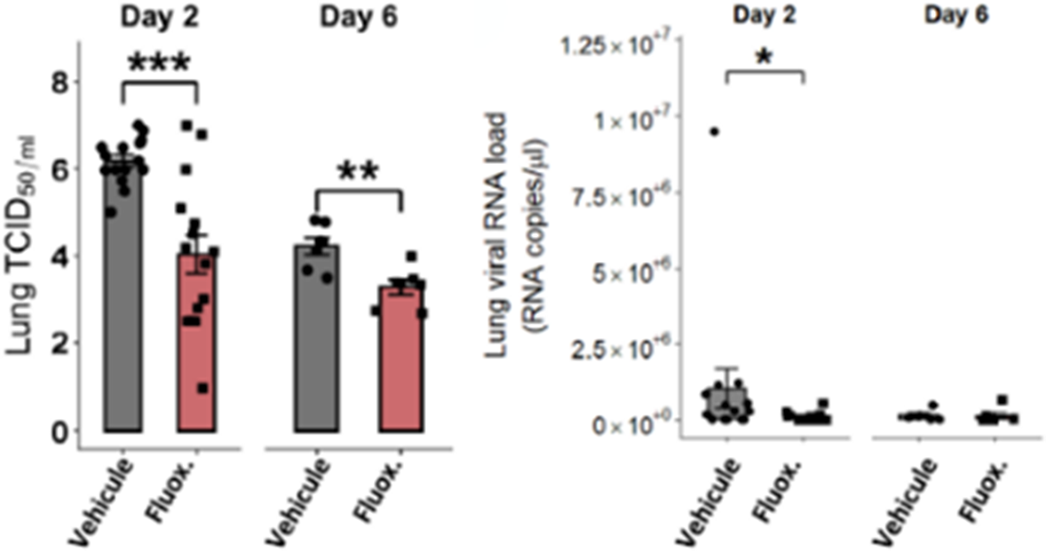
Image 2:
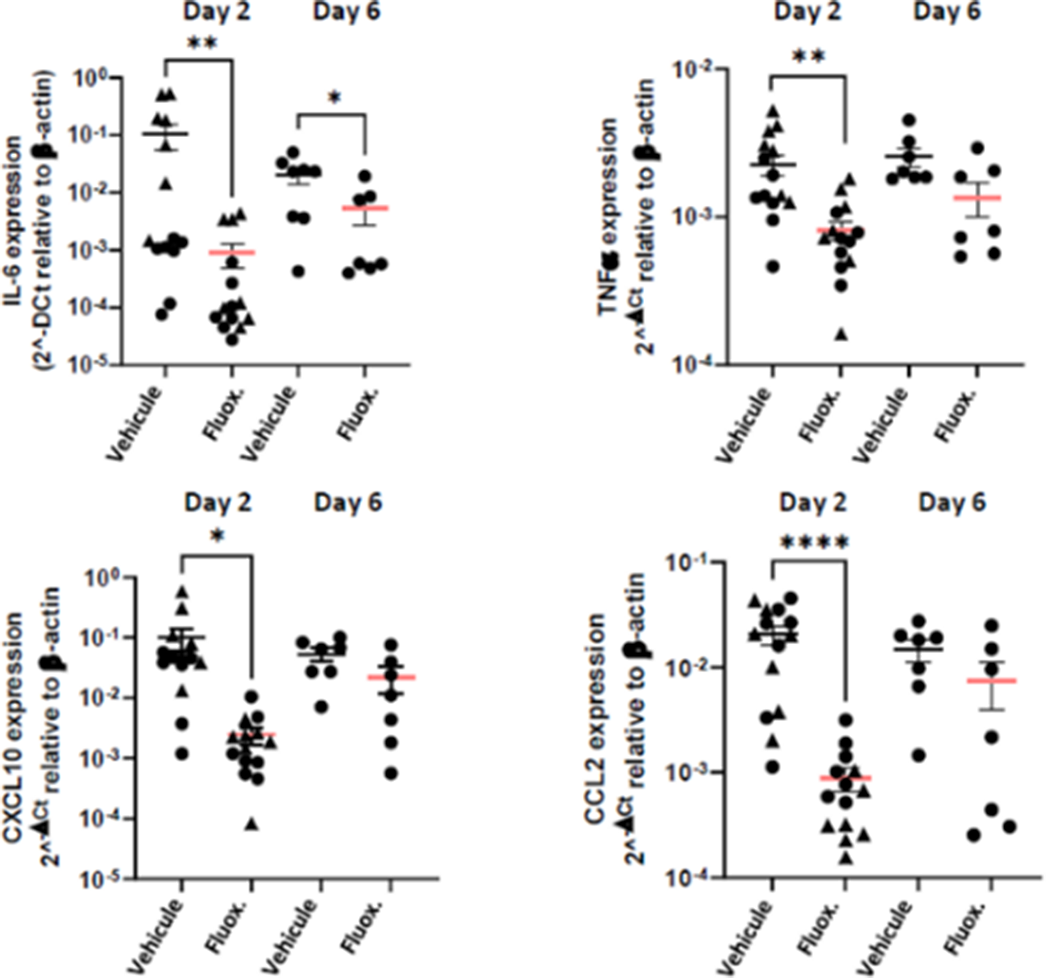
Image 3:
Conclusions
Our findings demonstrate the antiviral and anti-inflammatory properties of fluoxetine in a K18-hACE2 mouse model of SARS-CoV-2 infection, and its in vitro antiviral activity against variants of concern, establishing fluoxetine as a very promising candidate for the prevention and treatment of SARS-CoV-2 infection and disease pathogenesis.
Although generally effective in ameliorating the core manifestations of schizophrenia, antipsychotics (APs) may lead to only suboptimal responses or may be associated with a variety of treatment-related adverse events which require additional treatment strategies. Under such clinical circumstances, switching APs represents a rational treatment option.
Objectives
The present study aimed to identify the variables that predict AP switch and to quantify the frequency of this phenomenon in people with schizophrenia in real-life.
Methods
A secondary analysis was conducted on the data collected at baseline and at a 4-year follow-up from a large sample of community-dwelling Italian people with schizophrenia. Demographic and clinical variables as well as information about AP treatment were recorded at two time points. Over the 4-year period, 34.9% of the 571 participants switched the AP; in particular, 8.4% of participants switched from first-generation APs (FGAs) to second-generation APs or vice versa, while 8.2% of them switched to clozapine.
Results
Logistic regression models showed that combination of APs at baseline was negatively associated with AP switch, while treatment with FGAs and the presence of extrapyramidal symptoms at baseline were associated with AP class switch.
Conclusions
Although the aim of the present study was not to assess predictors of clinical relapse in people with schizophrenia, we might speculate that switching APs represents a surrogate indicator of treatment failure in some patients and could lead into relapse, which is a costly aspect of schizophrenia management in both economic and human terms. The sooner such a negative outcome can be predicted and managed, the sooner the treatment can be optimized to avoid it.
The COVID-19 pandemic had a considerable psychosocial impact on healthcare workers (HCWs) who were constantly requested during this era with an increased risk of infection. This implies behavioural changes, especially in smoking behaviour.
Objectives
To study smoking behaviour in HCWs with COVID-19.
Methods
A cross-sectional descriptive study conducted in the department of occupational pathology of Charles Nicolle Hospital in Tunis involving the smoking HCWs affected by COVID-19 during the period from September 1, 2020, to February 28, 2021. The data collection was carried out by a telephone call using a standardized questionnaire.
Results
During the study period, 61 smoking HCWs were identified. Thirty-two patients agreed to answer the questionnaire, with a response rate of 52%. The mean age was 41±10 years. The sex ratio (M/F) was 1.46. Half of the participants had comorbidities. The most represented occupational categories were blue-collar workers (n=11) followed by nurses (n=10) and physicians (n=7). The median professional seniority was 13 [3.5; 20] years. The mean age of smoking initiation was 20±5 years. The most common mode of smoking was cigarettes (93%) with an average consumption of 19 cigarettes per day. Water pipe smoking was noted in 3 patients. All patients started smoking before the COVID-19 infection. Strong tobacco dependence was noted in 25% of patients. Twenty-one per cent of the population had moderate dependence. Half of the participants maintained the same level of smoking as before the COVID-19 infection. An increase in smoking was noted in 34% of patients. A decrease in the level of smoking was reported by 15% of respondents. Four participants stopped smoking after COVID-19 infection. The reasons for smoking cessation were COVID-19 damage (n=3) and confinement with family (n=1).
Conclusions
The change in smoking behaviour during the COVID-19 pandemic is notable, particularly in HCWs who are exposed to a high physical and mental load. The presumed association of smoking with severe forms of COVID-19 infection makes tobacco control in HCWs an obligation in order to preserve the continuity of care.
Inhibition is a core component of executive functions but is not a unitary construct. Instead, different inhibitory processes have specific behavioral effects and neural bases. Three important inhibitory functions explored by the literature are 1) interference control (i.e., inhibition of distractive information); 2) inhibition of prepotent responses and 3) inhibition of ongoing responses. These functions were described in the self-regulation theory as the possible main impairment in attention-deficit hyperactivity disorder (ADHD) and since then they have shown an association with several psychiatric disorders.
Objectives
The current study investigated the neural bases of interference control, inhibition of prepotent responses, and inhibition of ongoing responses as they were assessed by a Stroop-matching/stop-signal task developed by our group.
Methods
The Stroop-matching/stop-signal employs different conditions to create the demands for each inhibition which allows the assessment of these functions using a single protocol. Brain activations were acquired using fNRIS in a block-design method. The concentration of oxygenated hemoglobin (HbO). The first level analysis of HbO signals used a general linear model (GLM) to estimate individual brain activations. The second level analysis was performed using a linear mixed model to generate brain activations at the group level. Alpha level = 0.05 and the false discovery rate was applied when necessary. The sample was composed of 25 young adults (mean age = 21.8, SD = 4.39).
Results
task Interference control showed activation in the left and right temporoparietal junction (TPJ), the right dorsolateral prefrontal cortex (DPLFC), and inferior frontal gyrus (IFG); inhibition of prepotent responses showed increased activity in the right IFG and left DLPFC; the suppression of ongoing responses showed a deactivation of the IFG and DLPFC bilaterally.
Conclusions
These results indicate that the three inhibitory functions assessed present distinct brain patterns of function. The lateralization role was evident in DLPFC and IFG activities and recruitment of parietal areas seems to be limited to interference control in this protocol. Also, the stop-signal demand led to the deactivation of areas associated with the resolution of the primary Stroop-matching task. This study elucidates the role of brain mechanisms associated with specific inhibitory processes that are impaired in psychiatric disorders such as ADHD.
Omega-3 polyunsaturated fatty acids (PUFAs) have been studied in relation to mental illness. Among the most important omega 3 fatty acids, eicosapentaenoic acid (EPA) and docosahexaenoic acid (DHA) stand out, both derived from alpha-linolenic acid. Both EPA and DHA are essential fatty acids. Consequently, mammals are not capable of synthesizing them and must incorporate them through the consumption of products such as fish oil. The interest about the role of omega 3 fatty acids for the treatment of patients with impulsiveness, hostility and aggressiveness is growing and originated from the finding of a low level of EPA and DHA in the central nervous system of these individuals.
Objectives
To determine the evidence on the effectiveness of omega-3 acids in reducing severe symptoms in patients diagnosed with Borderline Personality Disorder.
Methods
A literature review was carried out in Epistemonikos, using the descriptors: “borderline personality disorder” AND “Omega-3”. 7 results are obtained. The results of a time limit of 10 years with meta-analyses and systematic reviews were filtered, obtaining 7 results and selecting 3 of them for their relevance to the PICO question. Subsequently, the search was repeated using the same descriptors and time limit in the Cochrane Library, NICE, and Pubmed; no selection was made by coincidence of those previously selected.
Results
The first systematic review studied the effectiveness of omega-3 fatty acids in symptomatology associated with BPD, with differentiation of the domains of affective, impulsive and cognitive-perceptual symptoms. Within the meta-analysis, 5 randomized controlled trials (RCTs) were included that compared omega-3 fatty acids with placebo or any active comparator, four of these RCTs verified the effect of omega-3 acids in 137 patients with BPD or behavior related to the BPD.
The second systematic review, conducted in the Cochrane Collaboration, performed a meta-analysis of randomized comparisons of drug versus placebo. Twenty-seven trials testing first- and second-generation antipsychotics, mood stabilizers, antidepressants, and omega-3 fatty acids were included. For supplemental omega-3 fatty acids, significant effects were found in one study (n = 49 ) for reduction in suicidality (RR = 0.52, 95% CI 0.28 to 0.95) and depressive symptoms (RR = 0.48, 95% CI 0.28 to 0, 81).
Conclusions
Available data indicate that marine omega-3 fatty acids improve BPD symptoms, particularly impulsive behavioral dyscontrol and affective dysregulation, reducing depressive symptoms and suicidal tendencies. Marine omega-3 fatty acids could be considered as a complementary therapy for the improvement of severe symptoms associated with patients with BPD.
Weight gain and obesity are important health problems associated with psychiatric disorders and/or with psychotropic drug treatments. There is a high inter-individual variability in the susceptibility to drug induced weight gain and/or other cardiometabolic disorders.
Objectives
To study the genetic, clinical and environmental risk factors for weight gain and onset of metabolic syndrome during psychotropic treatment.
Methods
Analysis in PsyMetab, a large (n>3000) ongoing longitudinal prospective cohort study investigating cardiometabolic disorders in psychiatric patients.
Results
Aside from well-known clinical risk factors for metabolic worsening (e.g. young age, first episode status, rapid weight gain during the first month of treatment and/or low initial BMI), we recently identified additional risk factors, such as the socio-economic status, a low status being associated with increased worsening of cardiometabolic parameters. Results from ongoing studies on the moderate dose dependencies of the metabolic effects of antipsychotics will be shown, as well as the clinical consequences. An epigenome-wide association study (EWAS) performed in 78 patients before and after one month of treatment (Dubath et al., submitted) and a genome-wide association study (GWAS) in 1924 patients (Sjaarda et al. submitted) will also be presented, as well as the use of polygenic risk scores to predict patients at risks for dyslipidemia (Delacretaz-Reymond et al., in preparation)
Conclusions
Many factors contribute to the differences in weight gain and metabolic disorders induced by psychotropic drugs. The use of specific algorithms and/or polygenic risk scores can help to identify patients at risks. However, when starting a psychotropic drug at risk, a prospective monitoring of clinical (e.g. weight and blood pressure) and biochemical (fasting glucose, lipid levels) parameters is essential.
Evidence is growing for the bio-immuno-metabolic model of pathogenesis in anorexia nervosa (AN), an eating disorder with a chronic and relapsing nature. The role of the gut microbiome in this process is also receiving intense research interest. The gut microbiome and the use of probiotics and prebiotics have been extensively studied in gastrointestinal (GI) disorders such as inflammatory bowel disease (IBD) and functional GI disorders (FGIDs). Exploring links between AN and these GI disorders may open new avenues of treatment such as the use of probiotics and prebiotics in AN.
Objectives
This review explores: i) GI presentation in AN and its relationship with the gut microbiome ii) factors influencing the gut microbiome presentation in AN including dietary patterns iii) whether the gut microbiome may be involved in the pathogenesis and maintenance of AN iv) gut microbiome presentation in GI disorders and commonalities with AN v) evidence for the potential use of probiotics and prebiotics as adjunct treatment in AN.
Methods
GI symptomatology and gut microbiome presentation in AN were examined through literature searches. Gut microbiome changes related to common dietary patterns in AN were explored. Microbiome changes that may influence development or maintenance of AN were considered. Microbiome alterations seen in relevant GI disorders were explored and commonalities considered between these and alterations in the microbiome in AN. Literature searches were performed for the use of probiotics and prebiotics in AN and relevant GI disorders.
Results
GI symptoms occur commonly in AN with evidence suggesting some symptoms continuing beyond weight restoration. Significant disruption of the gut microbiome has been associated with AN with some changes related to typical dietary patterns seen during AN development. Additionally, similarities exist between microbiome alterations in AN and those seen in IBD and FGIDs indicating factors apart from the diet, such as a pro-inflammatory milieu, in play. These changes may not only influence GI presentation in AN but may also have a role in maintenance of the disorder. Some evidence suggests that the pre-morbid gut microbiome may influence risk for AN development. Preliminary evidence of the use of probiotics in AN indicates a positive influence on immune modulation although no evidence exists as yet of their influence on AN symptomatology. There has been extensive research into the use of probiotics and prebiotics in IBD and FGIDs with some evidence for reduction in disease parameters and symptomatology with the use of multi-strain probiotics.
Conclusions
Some theoretical, mechanistic and clinical evidence exists for the use of probiotics in ameliorating GI symptoms in AN. However, further research is needed into the context of the gut microbiome changes in AN, the specifics of efficacy and the effects that probiotics and prebiotics may have in AN.
Mental health disorders are among the most burdensome health concerns in the world; it affects more than 970 million people in 2019. These disorders deteriorate all aspects of life, especially the professional field, impacting mainly physical capability, daily functioning, and productivity among the working-age population.
Objectives
To study the socio-professional and medical characteristics of workers with psychiatric disorders and to assess the repercussions of these pathologies on work ability.
Methods
A descriptive and retrospective study included all the medical files of workers with psychiatric disorders who were referred to the occupational medicine department at Charles Nicolle Hospital for a medical opinion of fitness for work during the period from January 1, 2014, to December 31, 2020.
Results
The average age of the 224 cases collected was 41.74± [25-60 years] with a sex ratio of 0.67. The average professional seniority was 13.4 years±8.27 years. The most common occupational sectors were health (38.1%) and communication (20.2%). The patients were mainly suffering from either an anxiety-depressive disorder (36.6%) or psychosis (11.6%). These included 21 cases of bipolar disorder, 21 cases of schizophrenia, two cases of chronic hallucinatory psychosis and 3 cases of delusional psychosis. Forty-three patients were fit to continue working, 133 patients were fit with restrictions and twenty-six were unfitted to work.
A professional reclassification was recommended for 37 patients in positions with a lower mental load. One employee suffering from advanced schizophrenia was offered early retirement on grounds of disability. Permanent unfitness was pronounced in 11.6% of cases.
Conclusions
The impact of mental disorders on cognitive abilities can be so significant as to result in temporary or permanent unfitness for work. However, the decision of medical fitness for work for the same psychiatric pathology may vary from one individual to another and from one workstation to another.
Knowledge about muscular dystrophies and in particular X-linked inherited disorders such as Duchenne and Becker Muscular Dystrophy has been gradually acquired as more research studies have been conducted to better understand the pathogenesis, management and prognosis of these conditions. However, little is known about a probable correlation between muscular dystrophies and neuropsychiatric disorders. We present the case of a 41-year-old male with history of a mild rare form of muscular dystrophy and elevated CPK level, who presents with psychotic symptoms that resolve with proper management of the underlying medical condition.
Objectives
The purpose of this case report is to emphasize the importance of being mindful when diagnosing patients with a psychiatric illness as psychotic symptoms could also result from underlying rare muscular dystrophies.
Methods
A comprehensive review of literature using databases, such as PubMed and Google Scholar was conducted to gain a better understanding of this specific disorder and to rule out conditions that present in a similar way. Keywords used were Muscular Dystrophy, Elevated CPK, Psychosis, Becker, Duchenne.
Results
Data shows that patients with these muscular dystrophies have mutations that affect Dp71 expression. Moreover, Dp71 is expressed in postsynaptic membranes in the glutaminergic pathway whose alteration might contribute to neuropsychiatric disorders. As there is growing body of evidence of rhabdomyolysis encountered in patients treated with antipsychotics, there is less data available about a possible causal relationship between rhabdomyolysis and subsequently elevated CPK inducing psychosis.
Conclusions
Further studies could be helpful to explore a possible correlation between an elevated CPK level and psychotic symptoms as demonstrated by this case report. A thorough history taking, psychiatric and medical evaluations would prevent misdiagnosis of psychiatric disorders and would lead to proper management of these rare cases.
Patients affected by mental disorders are known to have a decreased life expectancy.
One of the main reasons are cardiovascular diseases. It is known that tobacco and hypertension are risk factors to develop them. WHO estimates that hypertension is diagnosed and treated in less than half of adults with hypertension, and even less in patients with severe mental illness.
Objectives
To describe the demographic characteristics of patients with tobacco comsumption and hypertension admitted to a short-term hospitalization unit.
Methods
A three-month retrospective observational study. Data were collected by interviewing incoming patients and performing a blood pressure measurement, with no exclusion criteria.
Results
Of 172 patients admitted, 100 were smokers of whom 49 were men and 51 were women. Among the smokers, a total of 18 patients were diagnosed with hypertension and 79 were not diagnosed. Within the group of patients not diagnosed with hypertension, elevated blood pressure was recorded in 5 of them. A total of 67 patients were non-smokers, 23 of whom were male and 44 female. Among the non-smokers, 19 were diagnosed with hypertension and 48 were not, despite which elevated blood pressure levels were recorded in 4 of them. No data were collected from 5 patients.
Conclusions
The prevalence of smokers in our sample was 58%. The prevalence of patients diagnosed with hypertension was 21,51% which is coherent with the existent literature. We did not find a higher percentage of hypertensive patients among the smokers admitted. There were patients who suffered from hypertension and were not diagnosed or treated previously.
Burnout is prevalent in residents and coping is one of the important modifying factors.
Objectives
This study aimed to investigate coping strategies, burnout, and their relationship among residents.
Methods
A cross-sectional descriptive study was conducted among residents from October 2019 to April 2020 in Thailand. The Brief COPE Inventory Thai version and The Maslach Burnout Inventory Thai version were used, and the associations between coping strategies and burnout were examined.
Results
The number of 280 residents replied the questionnaire (response rate 41.5%). The most favored copings were self-distraction and acceptance and the least common were denial and substance use. Most residents had high level of emotional exhaustion (n = 113, 40.4%) and moderate level of reduced personal accomplishment (n = 99, 35.4%). However, low degree of depersonalization was reported predominantly (n = 164, 58.6%). The coping of venting, behavioral disengagement and self-blame independently predicted emotional exhaustion and depersonalization. Behavioral disengagement was the only predictor of burnout in all dimensions, whereas positive reframing is the only strategy that had independent and protective effect against burnout in all dimensions.Table 1
Multivariate analysis of factors associated with emotional exhaustion
Variablesaassociated with emotional exhaustion
β (S.E.)
95% CI
P value
Venting
.17** (.50)
(.50, 2.46)
< .01
Behavioral disengagement
.29*** (.51)
(1.52, 3.55)
< .001
Self-blame
.15** (.47)
(.30, 2.15)
.01
Planning
.15** (.51)
(.32, 2.33)
.01
Positive reframing
-.26*** (.50)
(-3.08, -1.12)
< .001
Table 2
Multivariate analysis of factors associated with depersonalization
Variablesaassociated with depersonalization
β (S.E.)
95% CI
P value
Sex
-.12* (.58)
(-2.37, -.07)
.04
Alcohol use
.18** (.75)
(.74, 3.69)
< .01
Venting
.14* (.26)
(.07, 1.11)
.03
Behavioral disengagement
.18** (.25)
(.28, 1.27)
< .01
Self-blame
.21*** (.23)
(.38, 1.28)
< .001
Positive reframing
-.18* (.23)
(-1.17, -.27)
< .01
Use instrumental support
-.14* (.24)
(-1.03, -.10)
.02
Table 3
Multivariate analysis of factors associated with personal accomplishment
Only statistically significant variables are displayed
Conclusions
A large number of residents had emotional exhaustion. Behavioral disengagement and positive reframing were the most influential coping strategies related to burnout. This study might inform residency training program of some specific approaches for burnout prevention.
Young people represent a vulnerable population, with 75% of mental disorders first emerging before 25 years of age. This pilot stems from the acknowledged need to design and test non-stigmatizing programs that are appealing to young people and suited for the protean mental health problems that they experience.
Objectives
The study involves a group of youths (aged 16-25) with different forms of mental ill-health in a locally and culturally meaningful activity, namely hand-harvesting grape in the renowned area of Langhe (Italy). The aim is to investigate viticultural practices as possibly effective in supporting recovery by promoting social interaction and fostering a sense of belonging in the broader process of winemaking.
Methods
The project is multidisciplinary in its design and implementation, involving psychiatrists, psychologists, rehabilitation specialists and sociologists. Research methods include clinical assessment, participant observation, and semi-structured interviews with the participants.
Results
During the harvest season, a stable group of participants has been involved in a one-to-one relationship with professional vine growers. This relational geometry was built around the performance of a practical task: that of filling in a box with manually harvested grape and moving it along the rows of vines. Within each dyad, which represents the most fragile and intimate of all social forms, practical knowledge has been conveyed from the experienced worker to the youth. Most importantly, the repeated encounters provided an opportunity for human interaction and exchange that went beyond the activity being performed, involving the gradual disclosure of self, the ability to listen, connect and empathize with personal stories from diverse backgrounds. Participants’ narratives collected during and after the pilot describe the vineyard as a psychic more than a physical place – a landscape of the mind, structured around the emotional and sensorial contents of the experience. The study’s core finding emerging from fieldwork and youths’ accounts is the beneficial effects of the intervention on transdiagnostic factors such as social anxiety symptoms, low self-efficacy and poor social skills.
Conclusions
The pilot provides suggestions to orient meaningful and non-stigmatising programs for vulnerable young people, hosted in landscapes that can become therapeutic not by virtue of their aesthetic features, but because of the access they provide to social (i.e. opportunities for new relationships), material (occasions to create and share something tangible) and affective (promotion of positive emotions, containment of loneliness and feelings of inadequacy) resources.
Psychiatric disorders are more prevalent in children with mild (MID) to borderline intellectual functioning (BIF). Rare pathogenic variants in neurodevelopmental genes increase the risk for psychiatric disorders and may explain the comorbidity. Despite these patients represent up to 35% of those attended at mental health services, genetic diagnosis is usually not offered. The identification of mentioned variants could lead to improved clinical care.
Objectives
To identify pathogenic variants responsible of the psychiatric disorders in mild and borderline intellectual functioning.
To correlate phenotypic and genetic profiles to personalize diagnostic, clinical care and support to clinicians and families.
Methods
Whole exome sequencing (WES) was performed on 99 enrolled children/adolescent (6-18 yo) affected by a psychiatric condition diagnosed following DSM-5 criteria, and either MID (IQ 55-69) or BIF (IQ 70-85). Severity and interference of IQ and psychiatric comorbidity was evaluated using several psychometric tests (Conners, CDI, STAIC, CAARMS, CBCL and hONOSCA). Inheritance pattern was assessed through Sanger sequencing. ACMG/AMP guidelines were used for variant classification.
Results
In our cohort, 64% patients presented BIF and 36% MID. 45% of the patients had 2 or more psychiatric diagnoses, the most prevalent (87%) being attention deficit hyperactivity disorder and, in second place, autism spectrum disorder (51%).
WES identified pathogenic/likely pathogenic variants in 30% of analyzed patients (30/99), 80% of the variants were de novo. There is no significant difference in patient severity between those with a genetic diagnosis and those without.
Conclusions
Rare deleterious and de novo variants in neurodevelopmental genes are responsible for the comorbidity that exists between psychiatric disorders and mild/borderline intellectual disability.
The high diagnostic yield obtained from our exome sequencing approach demonstrates the need to offer genetic testing in children with psychiatric disorders and comorbid mild to borderline intellectual functioning.
Finally, patients being identified with a genetic diagnosis are subsequently attended in a specialised unit for rare disorders to receive personalised clinical management.