We partner with a secure submission system to handle manuscript submissions.
Please note:
You will need an account for the submission system, which is separate to your Cambridge Core account. For login and submission support, please visit the
submission and support pages.
Please review this journal's author instructions, particularly the
preparing your materials
page, before submitting your manuscript.
Click Proceed to submission system to continue to our partner's website.
To save this undefined to your undefined account, please select one or more formats and confirm that you agree to abide by our usage policies. If this is the first time you used this feature, you will be asked to authorise Cambridge Core to connect with your undefined account.
Find out more about saving content to .
To send this article to your Kindle, first ensure no-reply@cambridge.org is added to your Approved Personal Document E-mail List under your Personal Document Settings on the Manage Your Content and Devices page of your Amazon account. Then enter the ‘name’ part of your Kindle email address below. Find out more about sending to your Kindle.
Find out more about saving to your Kindle.
Note you can select to save to either the @free.kindle.com or @kindle.com variations. ‘@free.kindle.com’ emails are free but can only be saved to your device when it is connected to wi-fi. ‘@kindle.com’ emails can be delivered even when you are not connected to wi-fi, but note that service fees apply.
Severe COVID-19 survivors experience long-term neuropsychiatric morbidity, particularly those who developed delirium, with a negative impact on health-related quality of life (HRQoL).
Objectives
To identify the cases of delirium in severe COVID-19 patients and to describe its association with post-hospital discharge HRQoL.
Methods
In the context of the longitudinal MAPA project, we included adult patients (≥ 18 years old) admitted with COVID-19 to the Intensive Care Medicine Department (ICMD) of a Portuguese University Hospital (October 2020-April 2021). Exclusion criteria were: ICMD length of stay ≤24h, terminal illness, major auditory loss, or inability to communicate at the time of assessment. Delirium during ICMD stay was ascertained based on patients’ clinical records. HRQoL was evaluated using the 5-Level EQ-5D questionnaire (EQ-5D-5L), at a scheduled telephone follow-up appointment on average 1-2 months after hospital discharge.
Results
Overall, 124 patients were included with a median age of 62 (range: 24-86) years, being mostly male (65%). About 19% had delirium, 42% were deeply sedated and 43% required invasive mechanical ventilation. Most survivors reported problems on the EQ-5D-5L domains: usual activities (85%), mobility (73%) and anxiety/depression (65%). Patients with delirium reported more pain/discomfort (75%vs46%; p=0.011) and considerably anxiety/depression (83%vs60%; p=0.032).
Conclusions
These findings pointed that COVID-19 patients who experienced delirium reported worse HRQoL, regarding pain/discomfort and anxiety/depression. This study highlights the importance of not only prevention but also early screening of delirium during hospital stay, as well as the crucial role of the timely interventions at discharge, in order to minimize delirium long-term impacts.
Aggressive behavior is frequently associated with acute psychiatric admission. Several studies highlight the increased risk of aggression in certain psychiatric disorders.
Objectives
The aim of the study was to explore the extent of aggressive behavior, its various manifestations, and its association with gender, age, and diagnosis among patients admitted to an acute psychiatric ward.
Methods
Patients admitted to our acute psychiatric ward in a three months period were included and the Dynamic Appraisal of Situational Aggression - Inpatient Version (DASA-IV) questionnaire was administered in the first seven days after admission for all patients.
Results
A total of 290 patients, 153 men and 137 women, with a mean age of 46.9 years (SD=17.5) participated in the study. Men were overrepresented among patients who showed aggressive behavior (p=.008). There was no correlation between age and DASA-IV score (p=.259). 40% of patients (N=116) did not show aggression, while 60% (N=174) experienced some form of aggression. Of those who exhibited some form of aggressive behavior, 94% had only low, 4% had high, and 2% had extremely high levels of aggression. Aggression was most common in patients with intellectual disabilities, dementia, and bipolar disorder.
Conclusions
According to our findings the majority of the acutely admitted psychiatric patients shows no or only low level of aggression. There were also differences in the forms and extent of aggressive behavior between the diagnostic groups. Risk assessment is important because it provides an opportunity for early detection and prevention, and the development of personalized treatment plans.
The associations of problematic social media use, the special use of image-based social media (photo editing, following celebrities) and mental health (body dissatisfaction, self-esteem, depression) have been established (e.g. Yurdagül et al., 2019; Gioia, Griffiths, Boursier, 2020; Lowe-Calverley and Grieve, 2021). The links may be explained with the theory of social comparison and self-objectification.
Objectives
Testing theory-oriented hypotheses related to image-based social media use and body dissatisfaction, gender specifically, among adolescents and young adults.
Methods
Three surveys have been conducted with convenience sampling: (1) 117 Hungarian university students in person (mean age=22.4, SD=2.9, 79% female), (2) 383 high school students in person (mean age=16.5, SD=1.2, 58% female); (3) 124 Israeli adolescents online (mean age=16.8, SD=2.7, 68% female).
Results
(1): The tendency of modifying body image in social media (the frequency of modifying pictures, the use of filters) mediates the association between body shame and problematic social media use. Physical appearance social comparison mediates the association between self-related negative emotions and attitude (low self-esteem+ineffectiveness) and problematic social media use. (2): The technology-based social comparison mediate the association between muscle checking and problematic Instagram use among boys. (3) Physical appearance social comparison mediates the association between the frequency of following celebrities and body dissatisfaction among girls, but not among boys.
Conclusions
During the use of image based social media, social comparison and the exposure to the beauty standards may lead to poorer mental health, which could result in problematic social media use as maladaptive coping.
The COVID-19 pandemic has led to an increased psychological strain on public mental health and may impact behavioural, mental, and physical health, presumably with effects on patients with severe mental disorders.
Objectives
This study examines pandemic-related physical and mental health and (compensatory) behavioural changes, in patients with BD as compared to healthy control individuals.
Methods
Physical and mental health and self-reported changes in daily structure and behaviour due to pandemic were assessed using a self-constructed questionnaire and the brief symptom inventory (BSI) from outpatient clinics in Germany, Austria, and Denmark in individuals with BD and a healthy control group.
Results
The present study included 118 individuals with BD and 215 healthy controls. Individuals with BD reported statistically significant higher physical risk burden, increased weight gain, more physical comorbidities, and a decrease in physical activity and they further reported higher rate of COVID-19 testing, had more worries concerning health and experienced more anxiety but less social distancing.
Conclusions
The COVID-19 pandemic seems to have a greater impact on physical health in individuals with BD than in healthy controls. Individuals with BD appear to be having more difficulties compensating their behaviour due to the pandemic which could amplify the effect of risk factors associated with poorer physical health. This highlights the necessity for optimising and targeting the overall treatment of both mental and physical health in patients with BD during periods with far-reaching changes such as COVID-19 pandemic.
Gambling disorder involves repeated problematic gambling behavior that causes significant problems or distress. It is also called gambling addiction or compulsive gambling.
In Tunisia, a muslum country, gambling is prohibited and casinos are non-existent or only for tourists with foreign currency. Lately, with the spread of casinos online and sites of sports betting, gambling’s become problematic in Tunisia. People accumulated huge debts with feelings of shame and guilt leading to suicidal attempts.
Objectives
Studying the link between gambling disorder and suicidal attempts and comparing the different preventive measures proposed for online gambling.
Methods
a case of a patient with gambling disorder that was hospitalized in a psychiatric hospital for a suicidal attempt by stabbing himself and a review of a literature.
Results
Mr R.A was a 42-year-old man with no family nor personal psychiatric history. He has no history of a particular substance use disorder. He was married and a father of two children and has a regular job.
A year ago, he stated gambling on internet sites using his phone cell and, in several months, he lost a lot of money and accumulated debts.
Lately he committed two attempts of suicide. The first one was by swallowing rat poison. The second one was a month later, by stabbing himself with a knife that caused evisceration and required surgery then an hospitalization in a psychiatric unit.
Conclusions
There’s evidence that GD and SB are associated, although there’s disagreement about the nature of this association. Adequate preventive measures should be considered by governments
Cardiac surgery patients (CSP) are cardiovascular patients who undergo surgery to treat their disease. Are their psychological characteristics different from those of other cardiac patients?
Objectives
The goal is to establish peculiarities of the clinical-and-psychological status of CSPs in different clinical groups.
Methods
According to clinical parameters, 152 CSPs were divided into three groups. The first group comprised patients with CHD indicated to an open-heart coronary artery bypass grafting, the second one included patients with heart failure who were to undergo aortic valve surgery, and the third group included CHD patients and those with heart rhythm abnormalities indicated to minimally invasive surgery.
Results
CSPs had a number of cardiologic complaints, mental disturbance manifestations and concomitant somatic diseases. They showed difference in the duration of the disease, previous occurrence of heart surgery or myocardial infarction, and in the degree of heart failure manifestations. Self-assessment of pre-surgery CSPs corresponded to the severity of their clinical condition, while indications of hope for recovery were at the maximum level. The second group showed a moderate level of depression, while the third one – slight depression. All the groups revealed a disharmonic profile of time perspective. Group 1 CSPs showed some manifestations of hostility. We saw different manifestations of CSPs’ personal adaptation resources. While hardiness had insufficient showings at the level of most components, social support was excessive in all groups.
Conclusions
CSPs as other cardiac patients revealed depressive disorders and hostility. At the same time, they have more social support, which testifies availability of good interpersonal resources.
Hypokalemia is often detected on standard biological assessments of patients hospitalized for psychiatric disorders. Many explanations are advanced by clinicians like insufficient food intake or drug effects. But what if there was a relationship between this ionic disorder and psychotic relapses?
Objectives
To assess the frequency of hypokalemia in patients hospitalized for a psychotic relapse and to study its relationship with certain clinical characteristics.
Methods
This is a cross-sectional study conducted over a 3-month period (july-september 2021), including 37 male patients diagnosed with schizophrenia and hospitalized in a psychiatric unit for a psychotic relapse. Patients had blood collection before medication that was sent for a complete blood count and blood chemistry testing.
Results
Blood potassium level ranged from 2.92 to 4.87 mmol/L with an average of 3.74 mmol/l. Half patients ( 54.1% , N=20 ) had hypokalemia. Among them, two had electric signs on their ECG and two had physical symptoms. In patients with hypokalemia, the cause of hospitalization was the agitation in 80% of cases versus 58.8% in patients with normal potassium levels. The correlation was not significant between hypokalemia and the use of a restraint (p=0.160) or the somatic history (p=0.495).
Conclusions
hypokalemia is an ionic disorder that should be detected in patients with schizophrenia. It exposes the patient to the risk of a sudden death, especially with use of antipsychotics that are at a high risk for torsade de pointes.
Adolescents spend more time on the Internet than adults, making them susceptible to problematic Internet use (PIU). Evidence shows that PIU has a negative impact on self-esteem among adolescents, disturbing the development of emotional regulation, which makes them more likely to develop depressive symptoms subsequently. However, there is lack of literature focusing on the process that self-esteem may mediate the association between PIU and depressive symptoms.
Objectives
This study aimed to examine the prospective links between PIU, self-esteem, and depressive symptoms in adolescence.
Methods
A total of 1,736 adolescents completed this longitudinal study. The baseline survey was conducted in 2019, and the follow-up surveys were performed at 1-year and 2-year later. Problematic Internet use, self-esteem, and depressive symptoms were measured. A cascade model was used to examine the longitudinal associations between PIU, self-esteem, and depressive symptoms.
Results
The mean (SD) age of participants was 13.6 (1.5) years at baseline. The final results observed significant within-time associations between PIU, self-esteem, and depressive symptoms at each time point. PIU and low level of self-esteem could predict subsequent depressive symptoms among adolescents, and depressive symptoms were also associated with subsequent PIU and self-esteem.
Conclusions
Both problematic Internet use and self-esteem show bidirectional predictions with depressive symptoms among Chinese adolescents. Health-related professionals, schools and families should be aware of the findings of bidirectional associations. Adolescents with problematic Internet use and lower self-esteem should be paid more attention to attenuate the risk of developing depressive symptoms.
Although ADHD is the most frequently diagnosed psychiatric disorder in childhood, the majority of adults with ADHD are not diagnosed and 90% of the cases remain untreated. One of the main reasons that may lead to the missed diagnosis of ADHD in adults may be the high rate of comorbid psychiatric conditions masking the main symptoms.
Objectives
In this study, it was aimed to present a case who was followed up with the diagnosis of ADHD since childhood and developed psychosis after a recent traumatic life event.
Methods
A 19-year-old male patient was consulted because of his complaints of persecution delusions, and disorganized speech that started 2 years ago. IIt was learned that the first psychiatry application of the patient was 10 years ago with complaints of impulsivity, aggression, increased psychomotor movements, and methylphenidate treatment was started during this period. The patient, whose current clinical picture was evaluated as psychosis, was discharged after the symptoms subsided with paliperidone depot 100mg/month treatment after hospitalization. It is understood that his psychotic complaints completely regressed in the follow-ups.
Results
It is stated that approximately 80% of adult ADHD cases have at least one accompanying psychiatric disorder. However, there are limited studies in the literature on the relationship between psychotic disorders and ADHD.
Conclusions
Recent studies indicate that beyond the fact that ADHD is a feature of the schizophrenia prodrome, ADHD diagnosis may be associated with an increased risk of psychosis in the future. Therefore, this association can be better clarified in further studies on comorbidities.
Burnout is an occupational psychological syndrome induced by chronic stress defined by three dimensions: emotional exhaustion (EE), depersonalization (DP) and reduced personal accomplishment (PA).
Objectives
Estimate burnout among residents and interns in Tunisia. Identify factors related to burnout.
Methods
We conducted a cross-sectional, descriptive, and analytical study between March 1 and April 15, 2021. Data collection among young physicians was done by a self-questionnaire published online. The assessment of the degree of burnout was done by the Maslach Burnout Inventory (MBI).
Results
The total number of participants was 56 of which 71.4% were women. The average age was 26.76 years. The pourcentage of the married was 21.4% of which 58.3% had children. 30.4% had parents in charge. Most of the participants worked in university hospitals and 75% of them in a medical department. Residents represented 64.3% of the participants. Number of working hours exceeded 40 hours per week in 60.7% of the cases with an average number of shifts per month estimated at 4.71±2.36. According to MBI, 94.6% of the participants had a score in favor of burnout, of which 19.6% was severe. The number of hours worked per week and the number of shifts per month were significantly associated with the presence of a burnout syndrome with respective correlation factors of 0.027 and 0.047.
Conclusions
Most residents and interns suffered from burnout with a variable degree of severity. The workload with a greater number of working hours and on-call duty favored the emergence of this burnout.
Anxiety and depressive disorders are among the most prevalent psychiatric disorders, yet there aren’t many studies adressing treatment modalities in daily hospitals.
Objectives
The aim of our study is to present organisational structure and treatment modalities in Daily hospital for non-psychotic disorders in University Psychiatric Clinic “Sveti Ivan“, Zagreb, Croatia.
Methods
All patients in Daily Hospital attend 6 months programme. The treatment programme consists of psychodynamic group psychotherapy, cognitive-behavioral therapy, occupational therapy, antistress and mindfulness workshops, psychoeducational workshops, cinema therapy and sociotherapy. Along with clinical follow-up, all the patients are given sociodemographic questionnaire designed for our programme, World Health Organisation Quality of Life Questionnaire (WHOQoL BREF) and The Depression, Anxiety and Stress Scale 21 (DASS-21).
Results
At discharge moderate to significant improvement was observed in different aspects of functioning among most of the participants, verified by clinical follow-up as well as by results obtained through questionnaires.
Conclusions
Our data show that patients with anxiety and depressive disorders can be efffectively treated by such comprehensive treatment approach.
The shortage of doctors has become a worrying problem in Tunisia. It is influenced by the phenomenon of immigration which remains poorly studied despite its magnitude.
Objectives
To describe the migration intentions of Tunisian young doctors and to identify the associated factors that influence their decisions.
Methods
This is a cross-sectional, analytical survey conducted between January and June 2019. It included all young doctors practicing in academic hospitals of Sousse (Tunisia). Data collection was based on a standardized self-administered questionnaire.
Results
A total of 182 valid questionnaires were collected. The median age was 26.9±2.5 years and the sex-ratio was 0.47. Immigration projects were reported by 38.5% of participants. The main destination was France (36.3%%). The main contributing factors were marital status (p<10-3), resident status (p=0.002), surgical specialty (p<10-3), personal dissatisfaction (p=0.003), underpayment (p<10-3), workload and difficult work conditions (p<10-3), lack of appropriate training (p<10-3), financial crisis and economic instability (p<10-3), lack of a clear strategy for the healthcare system (p=0.005) and the impression by the model of other doctors who left Tunisia (p=0.01).
Conclusions
The rate of migration intentions expressed in this study highlights the emergent need of interventions emanating from the Tunisian health-care system’s problems in order to stop the flow of young doctors towards developed countries in quest of better conditions.
Area-level residential instability (ARI), an index of social fragmentation, has been shown to explain the association between urbanicity and psychosis. Urban upbringing has been shown to be associated with decreased gray matter volumes (GMV)s of brain regions corresponding to the right caudal middle frontal gyrus (CMFG) and rostral anterior cingulate cortex (rACC).
Objectives
We hypothesize that greater ARI will be associated with reduced right posterior CMFG and rACC GMVs.
Methods
Data were collected at baseline as part of the North American Prodrome Longitudinal Study. Counties where participants resided during childhood were geographically coded using the US Censuses to area-level factors. ARI was defined as the percentage of residents living in a different house five years ago. Generalized linear mixed models tested associations between ARI and GMVs.
Results
This study included 29 HC and 64 CHR-P individuals who were aged 12 to 24 years, had remained in their baseline residential area, and had magnetic resonance imaging scans. ARI was associated with reduced right CMFG (adjusted β = -0.258; 95% CI = -0.502 – -0.015) and right rACC volumes (adjusted β = -0.318; 95% CI = -0.612 – -0.023). The interaction terms (ARI X diagnostic group) in the prediction of both brain regions were not significant, indicating that the relationships between ARI and regional brain volumes held for both CHR-P and HCs.
Conclusions
Like urban upbringing, ARI may be an important social environmental characteristic that adversely impacts brain regions related to schizophrenia.
The efficacy and of current antidepressants is insufficient. Esketamine, a new antidepressant administered by nasal route, is available since 2019 in the management of resistant characterized depressive episodes.
Objectives
To evaluate the response profile of patients to Esketamine in our institution specialized in mental health.
Methods
We included all patients treated with Esketamine in our institution from November 2019 to September 2021.We collected efficacy and tolerability data using the computerized and paper patient record, prescribing support software, and nursing staff.
Results
Since 2019, we treated 11 patients with Esketamine in combination with an antidepressant as indicated in the MA. Two patients from the 11 were found resistant, three discontinued due to adverse events, four relapsed after an initial clinical response, and two were still ongoing at the end of the study.
Conclusions
Despite an initial and rapid response, our study does not highlight any long-term efficacy of Esketamine in resistant depressive disorder. This highlight the fact that its use in the acute phase of depression or earlier in the management strategy could be a good alternative because of its rapid onset of action. Esketamine was initiated as a last line therapy, which may represent a bias in the evaluation of the molecule, as the later the depression is treated, the lower the response rate. The place of Esketamine in the therapeutic strategy is not yet well determined due to a lack of hindsight, and the question of pharmacological tolerance and dependence on the molecule arises.
The only available genome-wide study (Minelli et al., 2018) indicated an association between the neglect CT and MED22, a transcriptional factor gene.
Objectives
To verify how the dysregulation of MED22 could be affected by environmental and genetic factors, we carried out an analysis on these components and a longitudinal study concerning the effect of trauma-focused psychotherapy in MDD patients that experienced CT.
Methods
On a large mRNA sequencing dataset including 368 MDD patients we computed the genetic (GReX) and the environmental (EReX) components affecting gene expression in relation to CT. Furthermore, we measured the expression of MED22 in 22 MDD patients treated with trauma-focused psychotherapy.
Results
The dissection of MED22 expression profiles revealed an association of neglect with environmental and genetic components (p=6x10⁻³ p=2.6x10⁻⁴). Furthermore, in an independent cohort of 177 controls, we also observed a significant association between cis-eSNPs of MED22 and higher neuroticism scores (best p-value: 0.00848) that are usually associated with a decreased amount of resilience to stress events. Finally, the results of psychotherapy revealed a reduction of depressive symptomatology (p<0.001) and 73% of patients resulted responders at the follow-up visit. MED22 expression during psychotherapy showed a change trend (p=0.057) with an interaction effect with response (p=0.035). Responder and non-responder patients showed MED22 expression differences at different trauma-focused psychotherapy timepoints (p=0.15; p=0.012) and at the follow-up (p=0.021).
Conclusions
Our results provide insights suggesting that some biological and clinical consequences of CT depend on genetic background and environmental factors that could induce vulnerability or resilience to stressful life events.
Anti-Hu related Paraneoplastic Neurological Syndrome (PNS) is one of the most common paraneoplastic-associated neurological syndromes (Kayser 2010). While the primary clinical manifestations are neurologic in nature (Smitt 2002), only rare reports exist regarding psychiatric manifestations. Our poster presents two cases of Anti-Hu Encephalitis manifesting as psychosis as well as a systematic literature review on the co-occurrence of psychosis and PNS.
Objectives
The aim of this case series is to show psychosis as the primary symptom of a paraneoplastic syndrome that does not typically present in this way. It also serves as a reminder to have a detailed work-up and maintain a wide differential diagnosis when evaluating patients with first-episode psychosis.
Methods
Two cases of anti-Hu encephalitis primarily presenting with psychiatric symptoms are discussed. A systematic literature review was carried out based on the Preferred Reporting Items for Systematic Reviews and Meta-Analyses (PRISMA) model on three electronic databases: PubMed, Embase, and PsycINFO. Search terms included were (Anti-Hu) AND (Psychosis OR Hallucinations OR Schizophrenia OR Schizoaffective).
Results
Our case series reports on two patients with diagnosed anti-Hu encephalitis who were treated by our psychiatry team, where the primary manifestations of the illness were psychiatric in nature. Psychotic symptoms in these cases were managed with Risperidone, Olanzapine, and Paliperidone.
Conclusions
Psychotic symptoms are seldom reported in the literature and cases like the ones presented emphasize the importance of a full medical work-up for first episode psychosis as well as a wide differential. Given the increased association between PNS and psychiatric illness, more emphasis and further research is warranted.
Existing research has seldom examined patient safety problems experienced by service users accessing community mental healthcare, with the growing evidence base focusing largely on safety in psychiatric inpatient settings. Accordingly, there is poor understanding of safety issues in community-based mental health services as perceived by service users, carers, and healthcare professionals.
Objectives
This study aims to explore safety problems in adult community-based mental health services, their causation, and priority areas for improving the safety of care provided in these services.
Methods
In-depth, semi-structured interviews and focus groups were conducted with users of community-based mental health services, carers, and healthcare professionals employed within these settings. Interview topic guides were designed jointly with stakeholders from these groups (N=7) and piloted (N=3). Interviews and focus groups will be transcribed, coded, and analysed using an inductive thematic analysis approach. Illustrative quotes will be extracted and used to describe the key themes that emerge from the analysis and their inter-relationships.
Results
This presentation will provide an outline of patient safety as understood and experienced by key stakeholder groups. Study findings will explicate safety issues, healthcare system factors underpinning their causation, as well as practices which could improve safety in this context.
Conclusions
This research will help to advance understanding of the nature of patient safety problems in community-based mental healthcare services for adults, based on the experiences of service users, carers, and healthcare professionals within these services. The research will address key evidence gaps and represents an important step towards identifying areas which warrant intervention to improve patient safety.
Disclosure
NS is the director of London Safety and Training Solutions Ltd, which offers training in patient safety, implementation solutions and human factors to healthcare organisations and the pharmaceutical industry. The other authors have no competing interests.
Higher thalamic volume has been found in children with obsessive-compulsive disorder (OCD) and children with clinical-level symptoms within the general population (Boedhoe et al. 2017, Weeland et al. 2021a). Functionally distinct thalamic nuclei are an integral part of OCD-relevant brain circuitry.
Objectives
We aimed to study the thalamic nuclei volume in relation to subclinical and clinical OCD across different age ranges. Understanding the role of thalamic nuclei and their associated circuits in pediatric OCD could lead towards treatment strategies specifically targeting these circuits.
Methods
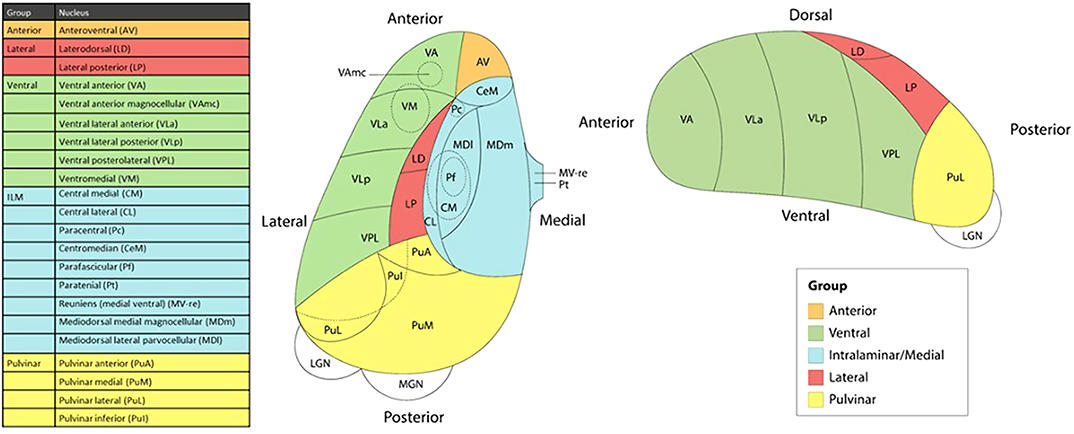
We studied the relationship between thalamic nuclei and obsessive-compulsive symptoms (OCS) in a large sample of school-aged children from the Generation R Study (N = 2500) (Weeland et al. 2021b). Using the data from the ENIGMA-OCD working group we conducted mega-analyses to study thalamic subregional volume in OCD across the lifespan in 2,649 OCD patients and 2,774 healthy controls across 29 sites (Weeland et al. 2021c). Thalamic nuclei were grouped into five subregions: anterior, ventral, intralaminar/medial, lateral and pulvinar (Figure 1).
Results
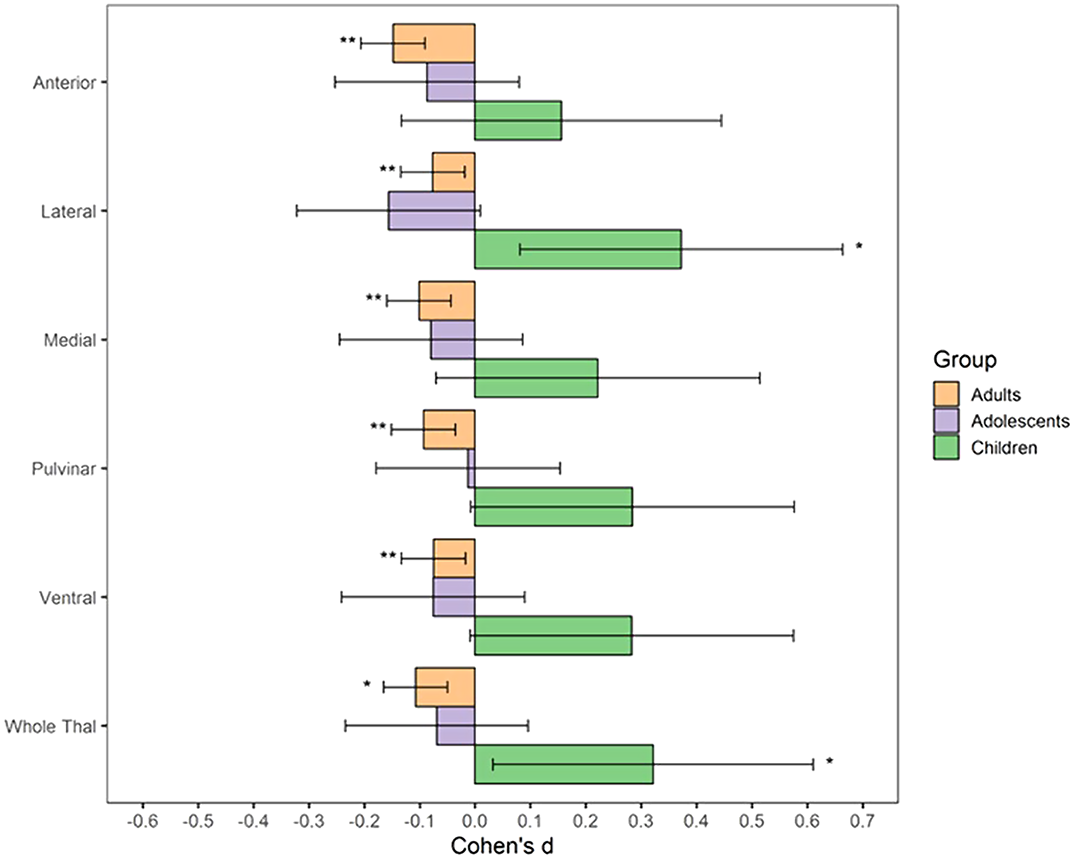
Both children with subclinical and clinical OCD compared with controls show increased volume across multiple thalamic subregions. Adult OCD patients have decreased volume across all subregions (Figure 2), which was mostly driven by medicated and adult-onset patients.
Conclusions
Our results suggests that OCD-related thalamic volume differences are global and not driven by particular subregions and that the direction of effects are driven by both age and medication status.
In nightmare disorder, dysfunctional emotion regulation goes along with poor subjective sleep quality, which is characterised by pathophysiological features such as abnormal arousal processes and sympathetic influences. Dysfunctional parasympathetic regulation, especially before and during REM phases, is assumed to alter heart rate (HR) and its variability (HRV) of frequent nightmare recallers.
Objectives
We hypothesised that cardiac variability is attenuated in participants experiencing frequent nightmares as opposed to healthy control subjects during less deep sleep stages and an emotion-evoking picture-rating task.
Methods
Based on the second-nights’ polysomnographic recordings of 24 nightmare disordered (NM) and 30 control (CTL) subjects, we examined HRV during pre-REM, REM, post-REM and slow wave sleep periods, separately. Additionally, ECG recordings of wakeful periods such as resting state before sleep onset and an emotional picture-rating task were also analysed.
Results
According to our results, a significant difference was found in the HR of the NM and CTL groups in the nocturnal segments but not during resting wakefulness before sleep onset, suggesting autonomic dysregulation, specifically during sleep in nightmare disorder. However, despite the accelerated HR of NM subjects at night, they did not exhibit lower HRV. Regarding the emotional task, we also found a contrast between the NM and CTL subjects’ HR and HRV, which might indicate altered processes of emotion regulation in nightmare disorder, but the two groups’ subjective picture ratings did not differ.
Conclusions
In summary, our study suggests that there might be some trait-like autonomic changes during sleep, but also state-like autonomic responses to emotion-evoking pictures in nightmare disorder.
The comorbidity between psychiatric disorders and substance use disorders is more and more common in daily clinical practice. However, only few studies have adressed this subject in north african patients.
Objectives
The main objective of our study was the estimation of the prevalence and patterns of psychiatric co-morbidities in substance users seeking care.
Methods
Our work consisted of a cross-sectional study of a sample of patients attending outpatient substance use treatment at the addiction center in Oujda, Morocco. A hetero-questionnaire was used to collect sociodemographic data and patient history, DSM-IV criteria to assess substance abuse and dependence, and the Mini-International Neuropsychiatric Interview [MINI] to assess psychiatric comorbidities.
Results
Our study involved 100 patients, with a male predominance (89% of users). The main substances used in the last 12 months were tobacco (78%), followed by cannabis (74%), alcohol (50%), and benzodiazepines (44%). Psychiatric comorbidity was identified in 71% of the users, 51% of whom had a depressive disorder, 35% an anxiety disorder and 10% a gambling disorder. The dependence on the substance that initially motivated the consultation was higher in patients with psychiatric comorbidity (p=0.033). The post-traumatic stress disorder was significantly associated with the presence of alcohol dependence (p=0.028). The presence of benzodiazepine dependence (p=0.025) and abuse of cocaine (p=0.028) and Ecstasy (p=0.000) were significantly associated with suicide risk.
Conclusions
Our study found a high prevalence of psychiatric comorbidities among substance users seeking treatment, this should prompt clinicians to pay particular attention to this issue in order to adapt and improve their management.