We partner with a secure submission system to handle manuscript submissions.
Please note:
You will need an account for the submission system, which is separate to your Cambridge Core account. For login and submission support, please visit the
submission and support pages.
Please review this journal's author instructions, particularly the
preparing your materials
page, before submitting your manuscript.
Click Proceed to submission system to continue to our partner's website.
To save this undefined to your undefined account, please select one or more formats and confirm that you agree to abide by our usage policies. If this is the first time you used this feature, you will be asked to authorise Cambridge Core to connect with your undefined account.
Find out more about saving content to .
To send this article to your Kindle, first ensure no-reply@cambridge.org is added to your Approved Personal Document E-mail List under your Personal Document Settings on the Manage Your Content and Devices page of your Amazon account. Then enter the ‘name’ part of your Kindle email address below. Find out more about sending to your Kindle.
Find out more about saving to your Kindle.
Note you can select to save to either the @free.kindle.com or @kindle.com variations. ‘@free.kindle.com’ emails are free but can only be saved to your device when it is connected to wi-fi. ‘@kindle.com’ emails can be delivered even when you are not connected to wi-fi, but note that service fees apply.
Bipolar disorder has been repeatedly associated with abnormalities of white matter. However, DTI is intrinsically limited and the precise cellular mechanisms that underlie these alterations remains unknown.
Objectives
Our aim was to investigate microscopical characteristics of white matter using MRI in patients with bipolar and healthy controls.
Methods
77 patients and 71 controls from 3 sites had a T1 structural MRI, a multi-shell HARDI MRI and at one site with a T1-weighted VFA-SPGR acquisition, and a T2 MSME acquisition. The volume fraction and the orientation dispersion was extracted using NODDI from DW images in each site. Myelin Water Fraction was extracted in 33 patients and 36 controls to probe myelin characteristics. White matter bundles were reconstructed using deterministic tractography. Statistical analyses were performed after harmonization by the ComBat algorithm and controlled for age, gender and handedness.
Results
We found significant lower axonal density in patients along the short fibers of the left cingulum, the left anterior arcuate and the left inferior fronto-occipital fasciculus. We found lower mean MWF in patients along the short fibers of the right cingulum, the left inferior fronto-occipital fasciculus, the left anterior arcuate and the splenium of the corpus callosum. We found higher mean orientation dispersion in patients only along the left uncinate fasciculus.
Conclusions
We report alterations of limbic and inter-hemispheric white matter tracts in patients with bipolar disorder reflecting axonal loss, demyelination and architecture alterations. These results contribute to better capture the plurality of the mechanisms involved in bipolar disorder that cannot be deciphered with classical diffusion MRI.
Metabolic Syndrome (MS) is highly prevalent in patients with bipolar disorder(BD), and may affect the functionality of this population.The increased rate of MS in BD might be due to poorer access to physical health care, unhealthy lifestyle related with psychiatric symptoms and adverse effects of pharmacological treatments.
Objectives
We sought to compare differences in clinical features of patients with Bipolar Disorder Type 1 (BPD-1)with and without MS in euthymic period.
Methods
This study included 67 euthymic BPD-1 patients without MS and 33 age- and sex-matched BPD-1 patients with MS. All participants completed a sociodemographic form; took the Beck Anxiety Inventory (BAI), Beck Depression Inventory (BDI) and Young Mania Rating Scale score. MS was diagnosed according to the International Diabetes Federation (IDF) criteria.
Results
Age at onset of disease was significantly lower in BPD-1 group with MS than without MS (p < 0.05). Number of suicide attempts, psychiatric hospitalisation, was significantly higher in BPD-1 group with MS than without MS (p < 0.05). Catatonic and melancholic depression were significantly more prevalent in the BPD-1 with MS than without MS (p < 0.05). Having history of comorbid psychiatric diseases, mixed episodes, are significantly more prevalent in the BPD-1 with MS than without MS (p < 0.05). There was not significant difference between groups in terms of the medication between groups (p>0.05)
Conclusions
Our findings suggest that MS might have an effect on the course of BD patients. The development and testing of interventions for preventing and treating the MS and its components in patients with BD might be important .
Osteoporosis, a systemic skeletal disorder associated with substantial morbidity and mortality, has been suggested to be particularly common among individuals with bipolar disorder. Lithium, a mood-stabilizer used as first-line treatment for bipolar disorder, may have bone-protecting properties.
Objectives
We aimed to subject both of these hypotheses to further examination in a nationwide register-based study.
Methods
We compared the incidence of osteoporosis, identified via hospital discharge diagnoses and prescribed medications, between all individuals diagnosed with bipolar disorder and age- and sex-matched controls from the general population (earliest start of follow-up at the age of 40 years) using Cox regression. Subsequently, we followed the patients with bipolar disorder and identified all prescriptions for mood-stabilizing medications. Using Cox regression, we compared the incidence of osteoporosis for patients using lithium, antipsychotics or anticonvulsants, respectively, with that of patients not using these medications.
Results
We followed 22,912 patients with bipolar disorder (median age 50.4 years, 43.4% men) and 114,560 matched controls for 1,215,698 person-years. The incidence of osteoporosis per 1,000 person-years was 8.70 (95%CI:8.28-9.14) among patients with bipolar disorder and 7.84 (95%CI:7.67-8.01) among controls, resulting in a hazard rate ratio (HRR) of 1.15 (95%CI:1.09-1.21). Lithium treatment was associated with reduced risk of osteoporosis (HRR=0.62; 95%CI:0.53-0.72) in a treatment-duration-response-like manner. Treatment with antipsychotics and anticonvulsants was not associated with reduced risk of osteoporosis.
Conclusions
This is the first longitudinal study to show that the risk of osteoporosis is elevated among patients with bipolar disorder, and that treatment with lithium is associated with reduced risk of osteoporosis.
Disclosure
Dr. Østergaard has received the 2020 Lundbeck Foundation Young Investigator Prize. Furthermore, SDØ owns units of mutual funds with stock tickers DKIGI, DKIDKIX, MAJGRO, NBIDE, SPIC20CAPK, SPVILRKL and WEKAFKI.
Oxcarbazepine (OXC) is an antiepileptic drug used as a mood stabilizer in patients diagnosed with bipolar disorder (BD). OXC has been reported as a source of hyponatremia in its use in both epilepsy and BD.
Objectives
We present the case of a 53 year-old male patient diagnosed with Schizoaffective disorder, bipolar type who developed hyponatremia during his treatment with OXC.
Methods
The patient’s treatment was desvelafaxine 100 mg, Paliperidone depot 150 mg, Oxcarbazepine 600 mg which he had maintained for at least one year. He began to manifest headache, asthenia and mild confusion gradually, with morning predominance, without being clearly suggestive of an acute worsening.
Results
In control analysis, the existence of sodium leveles of 127 and low osmolarity was observed. Therefore it was decided to suspend furosemide, close monitoring of water intake in order to rule out primary polydipsia and extra salt was introduced into the diet. Given the persistence of the symptoms, laboratory abnormalities and ruled out the existence of primary polydipsia, it was decided to suspend treatment with oxcarbazepine. After the discontinuation of the aforementioned drug the analytical findings went back to normal ranges and the symptoms disappeared.
Conclusions
Carrying out control tests in patients with psychiatric pathology and multiple psychiatric treatments is essential to be able to rule out analytical alterations which could be asymptomatic or with nonspecific symptoms that could be attributed to the underlying pathology. The easy reversal of symptoms encourages us to emphasize the study and differential diagnosis of each case.
Childhood trauma has been demonstrated to be associated with several indicators of worse course in bipolar disorder (BD). Links between early adversity and the complexity of the disorder might be mediated by various dimensions of psychopathology, such as impulsivity.
Objectives
The aim of this study was to investigate the impact of traumatic childhood experiences on impulsivity in individuals with bipolar disorder.
Methods
We conducted a cross-sectional, descriptive, and analytical study. Sixty-one euthymic patients with bipolar disorder were recruited in the department of psychiatry B of Razi Hospital, during their follow-up. The Childhood Trauma Questionnaire (CTQ) and the Barratt Impulsiveness Scale-11 (BIS-11) were used to assess childhood traumatic experiences and impulsivity.
Results
The mean age of patients was 43.4. The sex ratio was 2.4. The mean score obtained on the Bis-11 scale was 74.8. More than half of patients (53%) had high levels of impulsivity. Almost two-thirds of patients (64%) had experienced at least one type of childhood trauma. Higher scores on the various dimensions of childhood trauma apart from physical neglect, were significantly associated with higher total BIS-11 score as well as with all its subscales. Linear regression with the CTQ total score as the independent variable showed a statistically significant effect of childhood trauma score on attentional impulsivity.
Conclusions
Our findings suggest that interventions that target impulsive behavior in individuals with bipolar disorder should pay particular attention to traumatic childhood experiences. Furthermore, early identification and management of childhood trauma may reduce levels of impulsivity and thus improve the outcome and prognosis of bipolar disorder.
The use of “operational criteria” in DSM-III was proposed as a solution to low reliability among psychiatrist’s diagnosis. It is considered a turning point in the psychiatric classification and diagnostic process, furtherly adopted in ICD. However, the utility of using such criteria in everyday clinical practice is still not clear.
Objectives
To measure agreement between prototypical and ICD-10 categorical diagnosis.
Methods
In IPUB’s outpatient clinics, psychiatry residents work in a real-life clinical scenario, attending patients from Rio de Janeiro/RJ-Brazil. Although regularly trained in ICD criteria, it is not usual to check every criterion in their daily practice. Thus, patients are diagnosed with a prototype-based disorder, not necessarily strictly attached to ICD criteria. We propose a cross-sectional study, where psychiatry residents check their clinical diagnosis according to ICD criteria and compare its agreement with kappa statistics.
Results
Three of thirty residents joined the study, providing diagnosis for 146 patients under their care. Forty-five diagnoses were obtained before and 51 after ICD-10 criterion application. Diagnoses were grouped under 8 groups (Organic, Schizophrenia Spectrum Disorders, Bipolar Affective Disorder, Depression, Anxiety-Related Disorders, Personality Disorders, Neurodevelopmental Disorders), and kappa agreement obtained using ICD-10 diagnosis as the gold standard against prototypical diagnoses. Overall kappa was 0.77 (IC - 0.69 - 0.85), ranging from 0.58 (Personality Disorders) to 0.91 (Schizophrenia Spectrum Disorder). These findings also were reflected as high sensibility, specificity, Positive Predictive, and Negative Predictive values in all groups.
Conclusions
Prototypical diagnostic elaboration, while probably based on previously learned, but not applied operational criteria, was equivalent to diagnostic obtained through ICD-10 categories.
The diagnosis of neurodegenerative and psychiatric disorders (NPDs) in primary care can suffer from inefficiencies resulting in misdiagnoses and delayed diagnosis, limiting effective treatment options. The development of speech and language-based profiling biomarkers could aid in achieving earlier motor diagnosis for PD for instance, or more accurate diagnosis of clinically similar or late presenting NPDs.
Objectives
RHAPSODY aims to investigate the feasibility of the remote administration of a battery of speech tasks in eliciting continuous narrative speech across a range of NPDs. The project also aims to determine the feasibility of using acoustic and linguistic biomarkers from speech data to support the clinical assessment and disambiguation of common NPDs
Methods
All participants (n=250) will take part in a single virtual telemedicine video conference with a researcher in which they are screened and complete a battery of speech tasks, in addition to cohort-specific screening measures. Over the following month, participants will be asked to complete a series of short, self-administered speech assessments via a smartphone application.
Results
The speech tasks will be audio-recorded and analysed on Novoic’s technology platform. Objectives will be analysed using measures including average length of speech elicitation for speech tasks, intra- and inter-subject variance, differences in linguistic patterns, and response rates to speech assessments.
Conclusions
The analyses could help to identify and validate speech-derived clinical biomarkers to support clinicians in detecting and disambiguating between NPDs with heterogeneous presentations. This should further support earlier intervention, improved treatment options and improved quality of life.
Disclosure
In terms of significant financial interest and relationships, it is emphasised that the private organisation Novoic, who aim to develop speech algorithms for diagnostic use, is the study’s sponsor and employees or former employees of this company comprise
Psychiatric disorders may be one of considerable contributing factors for dry eye symptoms and the severity of subjective symptoms of dry eye are often related to psychological factors.
Objectives
The aim of this research was to determine which of two chosen questionnaires for subjective symptoms of dry eye (Ocular Surface Disease Index and Schein questionnaire) is more reliable in the assessment of dry eye in patients with schizophrenia.
Methods
Our research included 80 patients of both sexes with schizophrenia ranging between the age of 25 and 55 who have been taking antipsychotics (clozapin, olanzapin, quetiapin) for five years and were in remission. All participants were required to satisfy all included and excluded criteria. They all filled out the Schein and OSDI questionnaires for assessment of subjective symptoms. Tear break-up time test (TBUT) for objective evaluation of tear film stability was also performed. In order to determine the correlation between two subjective and objective tests we calculated Spearmans correlation coefficients.
Results
A analysis shows that there are no statistically significant differences between the correlations. Both subjective questionnaires are statistically significantly and negatively related to the TBUT test, showing that an increase in the results on the OSDI and Schein’s questionnaires led to the decreases in the results on the TBUT test.
Conclusions
In patients with schizophrenia the OSDI and Schein questionnaires are equally reliable in the assessment of subjective symptoms of Dry eye disease. Considering that, OSDI is more common in clinical practice, it is recommended for use in patients with schizophrenia.
Cushing’s syndrome is a hormonal disorder caused by chronic exposure to excess glucocorticoids, either exogenous or endogenous. The bronchial carcinoid tumor is an extremely rare origin, described in less than 1% of cases. The most frequent psychiatric symptoms are depression and anxiety, with manic and psychotic symptoms being less frequent. Psychotic symptoms are difficult to manage, as they are usually resistant to antipsychotic treatment, which is why it is considered an indication for medical treatment of Cushing’s syndrome.
Objectives
To give visibility to this type of psychotic disorders of organic origin to deepen their study as well as raise awareness among professionals dedicated to clinical care with the intention of improving their prevention.
Methods
A description of a clinical case is made, accompanied by a bibliographic review on psychosis of endogenous corticosteroid origin.
Results
We describe the case of a 44-year-old woman who was admitted to the charge of Internal Medicine due to Cushing’s syndrome. During her admission, she presented a debut of positive psychotic symptoms, so the liaison psychiatry team followed her up. She was diagnosed with an ACTH-secreting lung carcinoid tumor.
Conclusions
This entity should be taken into account in cases of atypical psychosis in patients with compatible phenotypic characteristics.
Psychosis of epilepsy has intrigued many neurologists and psychiatrists. We attempt to summarize the phenomenon, suggested diagnostic criteria and distinguishing features between different clinical entities linked with epilepsy.This case series is unique and rare as we include the case that meets full criteria of forced normalization.
Objectives
1) To understand the concept and diagnostic criteria of Forced Normalization 2) To differentiate different psychiatric manifestations of epilepsy
Methods
A total of 13 studies were reviewed using the key words from 1999 –2021 using different search engines- Google scholar, Pub-med, Elsevier, Dynamed.
Results
Patients with epilepsy have an eightfold increased risk of psychosis (6). Forced Normalization has been described as the onset of psychotic or mood symptoms after the resolution or remission of >50% of seizures, evidenced by normal EEG. It was first described in 1950’s and has been extensively studied since 19thcentury. The age of onset can be 8 years to 71 years of age (mean - 28.3). The exact mechanism is still unknown. Different factors have been linked to this phenomenon like kindling, neurotransmitters etc.
Conclusions
It is interesting to understand the antagonistic relationship between epilepsy and psychosis. Forced normalization is a rare entity because it is hard to diagnose due to possible overlap with other clinical entities like post-ictal or side effects of AED. The prognosis seems to be favorable depending on the trigger for the symptoms with better prognosis if the resolution of seizures was achieved AED. Mood disorders had worse prognosis than dissociation and psychosis.
In recent years, more and more attention has been paid to the risks of using SSRIs. This group of antidepressants may be associated with an increased risk of gastrointestinal bleeding. This risk would be even further increased with concomitant use of NSAIDs. A number of studies have described this interaction, however they reported conflicting results.
Objectives
Our objective was to investigate the risk of gastrointestinal bleeding with SSRIs, with or without NSAID use.
Methods
We performed a literature search, using Pubmed, EMBASE, and Cochrane library, in order to investigate controlled trials, cohort, case-control and cross-sectional studies that reported the incidence of gastrointestinal bleeding s on SSRIs with or without concurrent NSAID use, compared to placebo or no treatment.
Results
15 case-control studies and 4 cohort studies were included in the analysis. There was an increased risk of gastrointestinal bleeding with SSRIs in the cohort studies and case-control studies. The risk of gastrointestinal bleeding was even further increased with the combined use of both SSRIs and NSAIDs.
Conclusions
SSRIs are associated with a modest increase of gastrointestinal bleeding. However, this risk is significantly increased when SSRIs are used in combination with NSAIDs. Psychiatrists should be aware of the hazards in prescribing these medications together.
Neuropsychiatric disorders including Generalized Anxiety Disorder (GAD), Obsessive-Compulsive Disorder (OCD), Major Depressive Disorder (MDD), Bipolar Disorder (BD), and Schizophrenia (SZ) have been considered distinct categories of diseases despite their overlapping characteristics and symptomatology.
Objectives
We aimed to provide an in-depth review elucidating the role of glutamate/Glx and white matter (WM) abnormalities from a transdiagnostic perspective.
Methods
The PubMed online database was searched for studies published between 2010 and 2021. After careful screening, 399 studies were included.
Results
The findings point to decreased levels of glutamate in the Anterior Cingulate Cortex in both SZ and BD, whereas Glx is elevated in the Hippocampus in SZ and MDD. With regard to WM abnormalities, the Corpus Callosum and superior Longitudinal Fascicle were the most consistently identified brain regions showing decreased fractional anisotropy (FA) across all the reviewed disorders, except GAD. Additionally, the Uncinate Fasciculus was found to be affected in all the reviewed disorders, except OCD. Decreased FA was also found in the inferior Longitudinal Fasciculus, inferior Fronto-Occipital Fasciculus, Thalamic Radiation, and Corona Radiata in SZ, BD, and MDD. Decreased FA in the Fornix and Corticospinal Tract were found in BD and SZ patients. The Cingulum and Anterior Limb of Internal Capsule exhibited decreased FA in MDD and SZ patients.
Conclusions
The results suggest a gradual increase in severity from GAD to SZ defined by the number of brain regions with WM abnormality which may be partially caused by abnormal glutamate levels. WM damage could thus be considered a potential marker of some of the main neuropsychiatric disorders.
Attention Deficit / Hyperactivity Disorder (ADHD) is a highly prevalent neurodevelopmental condition characterized by inattention, motor hyperactivity and impulsivity. ADHD cognitive and behavioral presentation is characterized by a high heterogeneity (APA, 2013). Indeed, a complex diagnostic process, that considers several validated tools, is, to date, necessary.
Objectives
The main aim is to develop supervised machine learning (ML) algorithms that could be used to support the diagnostic process for ADHD, by identifying the most relevant features in discriminating between the presence or absence of the ADHD diagnosis in children.
Methods
We analyzed data from 342 children (Mean age: 8y 8m ± 1y; 61 F) referred for possible ADHD symptomatology. Assessments were performed by an expert clinician and through questionnaires: Social Responsiveness Scale (SRS), Child Behavior Checklist (CBCL), Conners Rating Scale for Parents (CPRS) and for Teachers (CTRS). Data were analyzed using a decision tree classifier and random forest algorithms.
Results
The decision tree model performed an accuracy of 0.71. The random forest model that was identified as the best tested, performed an accuracy of 0.77 (Figure 1) and it identified as most informative parent- and teacher-rated DSM-oriented ADHD symptoms (Figure 2).
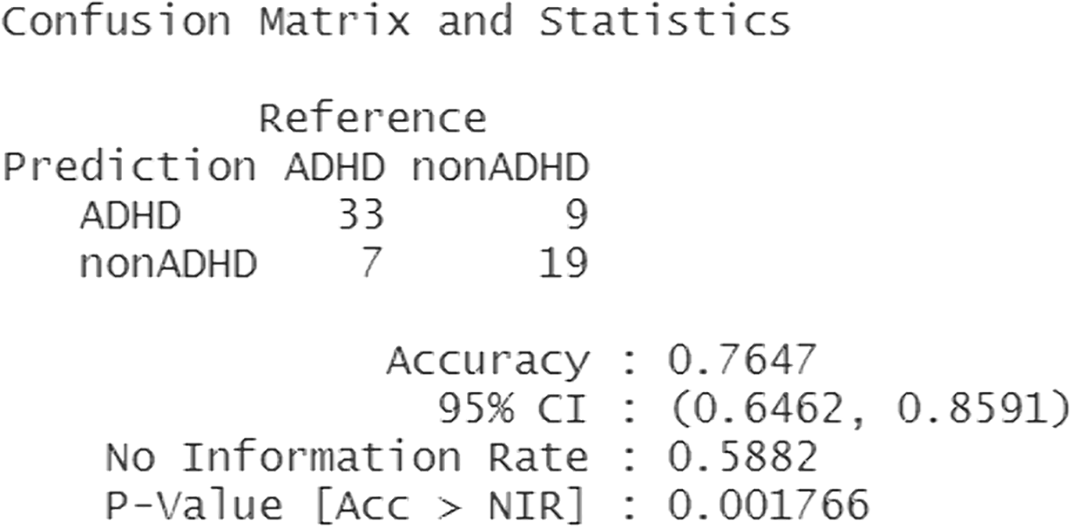
Figure 1: Random forest confusion matrix and statistics.
Figure 2: Ranking of variables importance.
Conclusions
A random forest classifier could represent an effective algorithm to support the identification of ADHD children and to simplify the diagnostic process as an initial step. The use of supervised machine learning algorithms could be useful in helping the diagnostic process, highlighting the importance of a personalized medicine approach.
Telepsychiatry is the best-documented e-Mental Health application. It refers to the use of videoconferencing in the provision of mental health services. During the COVID19 pandemic, in response to physical distancing, mental health services worldwide have turned to online consultations. For the vast majority of clinicians, it was the first time they use telepsychiatry, and very few have received training in how to do it.
Objectives
- to present the main objectives and messages of the WPA Global Guidelines for Telepsychiatry related to competencies & skills, educational & legislative needs, and international collaboration.
Methods
A structured review of the main challenges, innovations, and settings in the first Global Telepsychiatry Guidelines, published by WPA in February 2021.
Results
The benefits of increased access to telehealth services are apparent for telepsychiatry, but benefits can only be realized if the tools are used by clinicians who have the appropriate training and guidance. With proper preparation and thoughtful risk management, telepsychiatry can be an invaluable tool for allowing greater access to care. However, certain prerequisites must be fulfilled to achieve the desired goals. These prerequisites are e.g. choice of the technology, settings, patient/provider preferences as well as competencies and skills described in this document.
Conclusions
The need for training among health care professionals is the highest priority. The urgent need for clinical training and skills building around e-mental health inclusive telepsychiatry, will determine the influence that psychiatry can have in addressing the mental health sequelae of the COVID19 pandemic via competent practice and increased international collaboration.
Disclosure
I am the main author of “WPA Telepsychiatry Global Guidelines”
Despite the high prevalence of substance use disorders, the majority of affected individuals do not seek any medical help or receive treatment targetting mainly symptoms of intoxication, withdrawal or general medical conditions due to chronic use of psychoactive substances. Patients with substance use disorders are more likely to remain undiagnosed regarding other psychiatric illnesses. Electronic patient-reported outcomes (ePRO) provide an easy-to-use instrument for detailed assessment at low economic cost.
Objectives
To assess patients’ attitude towards self-reporting of symptoms related to substance use, mood, anxiety, quality of sleep, medication intake, social performance, and psychotic symptoms.
Methods
Mobile application consisting of seven questionnaires (Mood, Anxiety, Substance Use, Sleep, Medication, Social Activity and Various symptoms) was offered for use to patients with substance use disorder. Enrolled subjects were encouraged to use the app to report their actual condition in accordance with their own willingness and lifestyle.
Results
Throughout the study a total of 1077 completed questionnaires were submitted, of which 193 (17.9%) were on mood, 188 (17.5%) - on substance use, 187 (17.4%) – on sleep, 155 (14.4%) – on anxiety, 139 (12.9%) – on medication intake, 111 (10.3%) – on psychotic symptoms, and 104 (9.7%) – on social performance.
Conclusions
Our research revealed that patients with substance use disorder are likely to share concerns regarding variety of psychiatric symptoms besides these attributed to their primary diagnosis. Implementation of ePROs can be a valuable tool for in-depth assessment and subsequent meeting the needs of such patients.
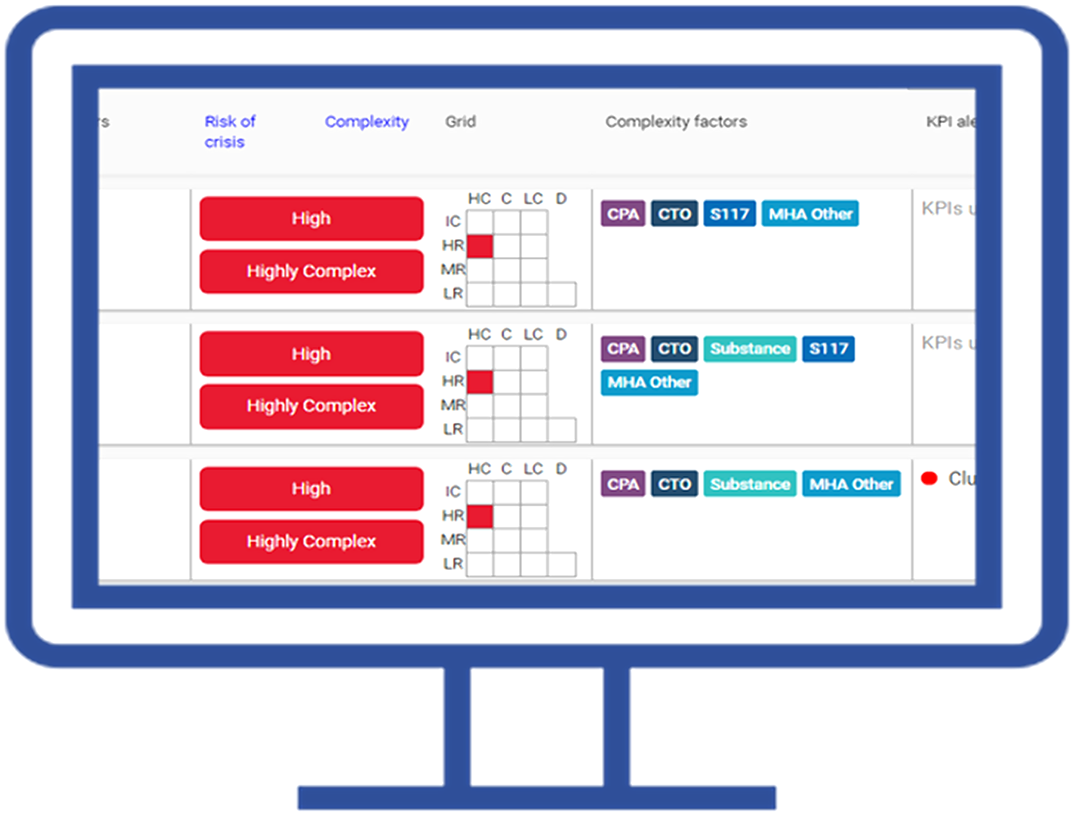
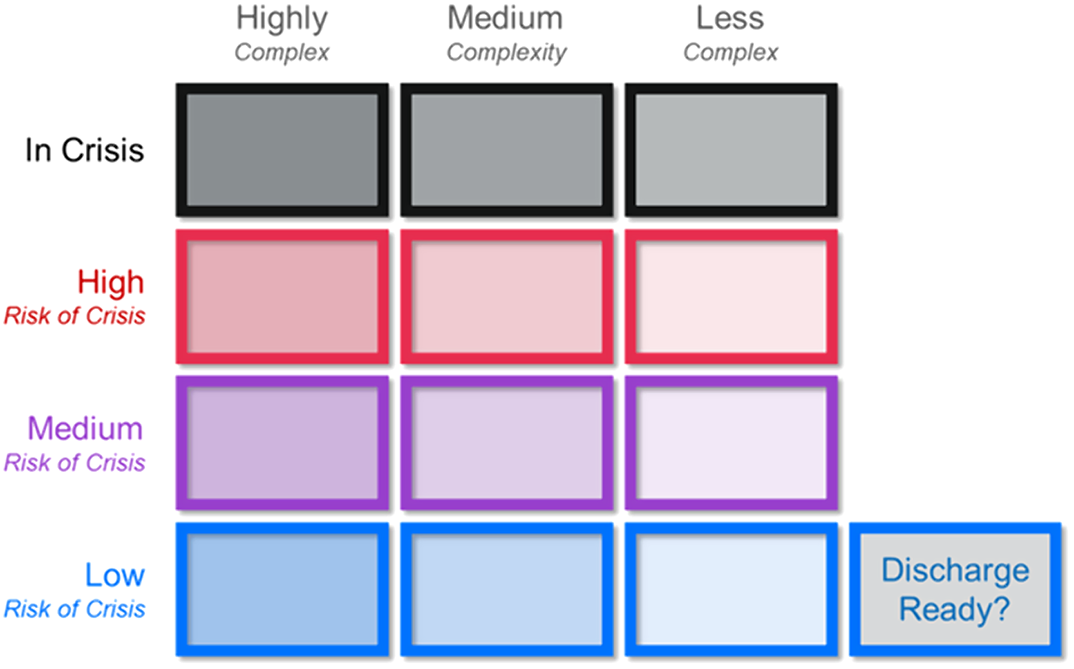
The increasing global burden of mental disorders has led to rising demand for mental healthcare services. Effective resource management is essential to ensure safe and timely access to care. Electronic health records (EHRs) provide a real-time source of data on clinical presentation and prognostic factors that could be harnessed to provide clinicians with actionable insights to prioritise mental healthcare delivery. We describe the development and evaluation of MaST, an EHR data visualisation tool that provides information to clinicians on risk of mental health crisis defined as an admission to a psychiatric hospital or acceptance into a community crisis service.
Objectives
(i) To develop an EHR-data driven risk prediction tool for risk of crisis. (ii) To evaluate predictive performance in a real-world clinical setting.
Methods
The risk of crisis algorithm was developed and evaluated with EHR data from six UK NHS mental health providers using Ordered Predictor List propensity scores grouped into 5 quintiles. The predictor variables were clinical and sociodemographic factors including previous mental health service contacts.
Results
Data from 2,620 patients contributed to algorithm development which was subsequently tested on data from 107,879 patients. The risk of crisis algorithm performed well with an overall accuracy for predicting the greatest risk of crisis (top quintile) ranging from 64% to 80%.
Conclusions
The MaST algorithm accurately predicted risk of mental health crisis in UK community mental health services. EHR data visualisation tools can provide actionable insights to clinicians to prioritise mental healthcare delivery in real-world clinical practice.
Italy was the first European country to face up with COVID-19 pandemic, which posed challenges to National Health System (NHS), including the need to adapt mental health services/infrastructures and implement digitalization.
Objectives
Despite telepsychiatry (ie., delivery of psychiatric care remotely through IT), is extensively used in non-European countries, only during the COVID-19 pandemic, became a convincing alternative to face-to-face modality for many psychiatrists in their clinical practice. Our aim was investigating Italian psychiatrists’ opinion about telepsychiatry.
Methods
A questionnaire, disseminated during the third Italian phase, constituted by three sections (socio-demographic, opinions and personal experience about/with telepsychiatry) was build by adapting the 42-item questionnaire by Schubert (2019) and CAMH’s Client Experience Survey from the psychiatrist’s perspective.
Results
90 questionnaires were collected from a sample of 54 women (60%) with an average age of 43(SD=11.4). Mostly were psychiatrists (85.6%) working in NHS (66.7%) with an average working years of 13.7(SD=11.5) and a previous experience in telepsychiatry (71.1%). Overall, participants do not believe that telepsychiatry is comparable with face-to-face modality. A significant positive opinion was reported among younger psychiatrists compared to those more experienced, regarding efficacy, feasibility and mental health access (p<0.05). No significant differences were reported in psychiatrists’ opinion, according to the level of telepsychiatry use in their clinical practice.
Conclusions
Overall, sufficient digital skills and knowledge of technological tools are evident among younger psychiatrists who also appeared to be more prone to implement telepsychiatry in their clinical practice.
In many countries, people face problems regarding access to care, 24/7 support and evidence-based support. Digital interventions and services, such as chatbots, can be one option to tackle these challenges. There is a lack knowledge regarding how mental health chatbots are developed and how to ensure that there is collaboration between mental health and digital technology experts and users.
Objectives
This presentation describes the phases of the development for the ChatPal mental health and wellbeing chatbot.
Methods
Development process was conducted in five and with four different languages. First, using an electronic survey for mental health professionals (n =190) we screened how familiar they are with chatbots and how they evaluated their potential. Second, university students and staff, mental health professionals and service users (n=78) participated in workshops to design the chatbot content. Finally, the content and scripts of chatbot were written in multi-professional and multi-national collaboration.
Results
ChatPal is based on the PERMAH model of positive psychology and on the idea that we all have mental health which needs boosting and support from time to time. ChatPal includes relevant mental health information, exercises, mood diaries and simple monitoring and self-care tools. Based on preliminary evaluations, the ChatPal chatbot offers an option to offer support in areas where other mental health services are lacking or are insufficient.
Conclusions
ChatPal is already freely available in application stores and first scientific trials are have started. Preliminary results of 4-week and subsequent 12-week in-the-wild trials will be in place at the time of EPA 2022 conference.
Therapists’ forced transition to provide psychotherapy remotely during the COVID-19 pandemic offers a unique opportunity to examine therapists’ views and challenges with teletherapy.
Objectives
We aimed to develop predictive models of three aspects of psychotherapists’ acceptance of teletherapy during the COVID-19 pandemic; attitudes towards teletherapy, concerns about using teletherapy, and intention to use it in the future.
Methods
In an international survey, therapists (N = 795) completed a survey about their experiences during the pandemic, including quality of therapeutic relationship, professional self-doubt, vicarious trauma, and telepsychotherapy acceptance. Regression decision trees machine learning analyses were used to build prediction models for each aspects of telepsychotherapy acceptance.
Results
Attitudes toward telepsychotherapy were most positive for therapists who reported neutral or strong online working alliance, especially if they experienced little professional self-doubt and were younger than 40 years old. Therapists who were most concerned about telepsychotherapy, were those who reported higher levels of professional self-doubt, particularly if they also reported vicarious trauma experiences. Therapists who reported low working alliance were the least likely to use telepsychotherapy in the future.
Conclusions
Therapists’ professional self-doubt and the quality of their working alliance with their telepsychotherapy patients appear to be the most pertinent factors associated with therapists’ acceptance of telepsychotherapy during COVID-19, and should be addressed in future training and research.
During the early months of the COVID-19 pandemic, patients receiving individual psychotherapy needed to transition to telepsychotherapy (TP). Since telemental health appears to be here to stay after the pandemic ends, it is crucial to understand factors that determine whether telemental health is a good fit for patients.
Objectives
The aim of the present study was to (1) explore patients’ perception of the therapeutic relationship and attitudes towards TP, and (2) identify predictors of patients’ TP acceptance.
Methods
We used a longitudinal design, where patients (N = 719) receiving individual TP during the pandemic participated in an online survey, in which they responded to demographic questions and completed measures of symptom severity, Covid-related distress, attachment style (avoidant/anxious), perceived quality of the therapeutic relationship (working alliance and real relationship), and TP acceptance.
Results
We found that (1) patients perceived the quality of the therapeutic relationship as reasonably good, and patients’ TP acceptance was moderately high. (2) patients’ TP acceptance was predicted by their attachment avoidance and their perception of the real relationship, whereas attachment anxiety, working alliance, as well as demographic variables, symptom severity, and Covid-related distress were unrelated to TP acceptance. The final model showed that perceived strength of the real relationship mediated the relationship between attachment avoidance and TP acceptance.
Conclusions
Both general (attachment) and situational (therapeutic relationship) relational variables are important predictors of patient’s acceptance of TP, and should be considered during decision making about suitability of TP to patients.