To save content items to your account,
please confirm that you agree to abide by our usage policies.
If this is the first time you use this feature, you will be asked to authorise Cambridge Core to connect with your account.
Find out more about saving content to .
To save content items to your Kindle, first ensure no-reply@cambridge.org
is added to your Approved Personal Document E-mail List under your Personal Document Settings
on the Manage Your Content and Devices page of your Amazon account. Then enter the ‘name’ part
of your Kindle email address below.
Find out more about saving to your Kindle.
Note you can select to save to either the @free.kindle.com or @kindle.com variations.
‘@free.kindle.com’ emails are free but can only be saved to your device when it is connected to wi-fi.
‘@kindle.com’ emails can be delivered even when you are not connected to wi-fi, but note that service fees apply.
The Democratic People’s Republic of Korea (DPRK, or North Korea) engages in transnational repression because it perceives the diaspora as a potential threat to the internal stability, regime security, and ideological legitimacy of its authoritarian regime. Transnational repression is aimed principally at silencing members of the “defector diaspora” and their supporters abroad. As part of a broader securitization of diaspora management, North Korea’s transnational repression seeks to dissuade citizens from fleeing; to discredit those abroad who criticize the regime or work against its goals; and to deter and disrupt diasporic opposition. Specific activities include border security to limit out-migration; forced repatriation, including highly publicized, coercive "redefection" for state propaganda; rhetorical threats; cyber-repression for intimidation and coercion; and assassination. Use of extraterritorial violence, in particular, has had geopolitical consequences; Pyongyang has arguably modified its activities and made them more covert, rather than halting them altogether. Because it is so closely tied to the pursuit of regime security, transnational repression by the DPRK seems unlikely to disappear, and presents key policy challenges for the democratic governments in which the main targets reside, especially South Korea.
In this article, we introduce novel variations on several well-known model-theoretic tree properties (TPs), and prove several equivalences to known properties. Motivated by the study of generalized indiscernibles, we introduce the notion of the $\mathcal {I}$-tree property ($ \mathcal {I}$-TP), for an arbitrary Ramsey index structure $\mathcal {I}$. We focus attention on the colored linear order index structure c, showing that c-TP is equivalent to instability. After introducing c-$\text {TP}_1$ and c-$ \text {TP}_2$, we prove that c-$ \text {TP}_1$ is equivalent to $\text {TP}_1$, and that c-$ \text {TP}_2$ is equivalent to IP. We see that these three TPs give a dichotomy theorem, just as with TP, $\text {TP}_1$, and $\text {TP}_2$. Along the way, we observe that appropriately generalized tree index structures $\mathcal {I}^{<\omega }$ are Ramsey, allowing for the use of generalized tree indiscernibles.
Clouds, in their various forms, are a vital part of our lives. The second edition of this comprehensive textbook includes new tables, color figures, and updates taking into account recent research. It discusses cloud types and their effects on climate, including the Earth's energy budget and the hydrological cycle. These depend on processes on the cloud microphysical scale, encompassing the formation of cloud droplets, ice crystals and precipitation, as well as on the stability and dynamics of the large-scale environment and availability of aerosol particles. Chapters cover fundamentals of atmospheric thermodynamics, radiation, midlatitude and tropical storms, and climate intervention. Supplementary problem sets and multiple-choice questions for each chapter are available online. Combining mathematical formulations with qualitative explanations of the underlying concepts, this book requires relatively little previous knowledge, making it ideal for advanced undergraduate and graduate students in atmospheric science and related disciplines. This title is also available as Open Access on Cambridge Core.
Having seen several examples of spontaneous symmetry breaking and its consequences, in this chapter, we introduce their formal descriptions and give an overview of the core concepts associated with spontaneous symmetry breaking. Starting from a group theory description of broken symmetries, we define the order parameter distinguishing between different symmetry-breaking states. We then discuss the idealised limit of classical symmetry-broken states and introduce the concepts of long-range order, stability, and the Josephson effect to characterise symmetry breaking in realistic settings.
This chapter traces the intellectual and technological lineage of Bitcoin and digital money. While Nakamoto’s white paper launched Bitcoin, its roots extend through decades of economic theory, cryptographic innovation, and activist movements. We examine how the Austrian and Chicago Schools of Economics provided a framework for stateless and non-inflationary money, and how Cypherpunk ideals shaped the push for privacy and decentralization. The chapter reviews early experiments with digital currencies such as DigiCash, b-money, and e-gold, highlighting the technical shortcomings, regulatory battles, and user adoption barriers that prevented their success but furnished essential building blocks for Bitcoin. We then contrast the classical financial attributes of money—medium of exchange, unit of account, and store of value—with additional digital requirements such as offline spendability, identity-less spendability, and fungibility. Finally, we show how Bitcoin resolved the long-standing double-spending problem without a central authority through Proof of Work, situating it as both a culmination of earlier efforts and the starting point for a new era of cryptocurrencies.
Globally, macadamia nut production generates substantial amounts of by-products such as macadamia husk, which is rich in phenolic compounds known for their antioxidant and health benefits(1). In this study, we encapsulated a phenolic-rich extract from macadamia green husk into soy-lecithin liposomes and applied a chitosan biopolymer coating to protect phenolic integrity, enhance physical stability(2), and improve delivery for food applications(3), as the phenolic compounds are often unstable and susceptible to environmental conditions such as heat, light, enzymes, and pH. Liposomes were prepared in aqueous media by high-pressure homogenization (2,000 MPa) and subsequently coated with 0.4% (w/v) chitosan. Particle size, ζ-potential, and polydispersity index (PDI) were measured by dynamic light scattering, morphology was assessed by transmission electron microscopy (TEM), and encapsulation efficiency (EE) was determined by quantifying free total phenols (unencapsulated phenolics). In vitro bioaccessibility was evaluated by measuring total phenolic content during an in vitro simulated gastrointestinal digestion. Empty and extract-loaded liposomes had mean diameters ranging between ~77 to 112 nm. Chitosan coating increased vesicle size (empty: 523 nm; loaded: 501 nm) and produced a broader size distribution (PDI = 0.41). Uncoated liposomes were strongly anionic (ζ = −62 mV empty; −43 mV loaded); chitosan coating reversed the surface charge to strongly positive values of +48 mV for empty and +50 mV for loaded liposomes, indicating successful adsorption of the cationic polymer. TEM confirmed largely spherical vesicles with sizes consistent with those measured by dynamic light scattering. Coated liposomes achieved higher encapsulation efficiency (91.15%) than uncoated liposomes (81.50%). Simulated digestion showed that liposomal encapsulation provided good protection under gastric (low pH) conditions but lost membrane integrity under intestinal conditions, releasing the phenolic compounds. The release of phenolic compound from coated liposomes was lower than uncoated liposomes. These results demonstrate that chitosan-coated liposomes improve the stability and in vitro bioaccessibility of macadamia husk-derived phenolics and provide practical design guidance for the development of liposomal delivery systems in food and pharmaceutical applications.
This chapter introduces gradient descent and Newton's method, two of the most popular techniques in optimization. They are simple, effective, and versatile in a wide range of scenarios. For example, stochastic gradient descent is the backbone of machine learning training. Gradient-based approaches use the first derivative of the objective function to iteratively search for local minima where the gradient is zero. Newton's method, and its related quasi-Newton methods, use the second derivative of the objective to converge in fewer, more expensive iterations. We will develop several first-order and second-order algorithms and analyze their convergence rate, stability, computational complexity, and scaling to higher-dimensional problems. In all iterative methods, the resulting solution is only locally optimal, unless the problem is convex. We stress the importance of the initial guess for nonconvex problems, as this determines which local minima the algorithm converges to and how fast it converges. Here we mostly consider unconstrained problems, although gradient-based approaches are also useful for constrained problems.
We study the semi-infinite Neumann problem, which models the variation law of a cline in a semi-infinite habitat. Using the bifurcation analysis method, we find that there is a unique solution curve emanating from $(\arctan \alpha ,0)$ with $\alpha> 0$, which is strictly increasing and approaches $1$ in $C[0,+\infty )$. Furthermore, we show that any cline (bifurcation solution) is stable, thereby providing a confirmed answer to a conjecture. Moreover, we also establish the stability of the trivial solution. Our conclusions are consistent with the related numerical results and biological reality.

Compared with superhydrophobic coatings, superamphiphobic coatings offer broader application potential in various fields. However, their practical applications are often hindered by insufficient repellency towards low-surface-tension, high-viscosity and complex multicomponent liquids, as well as by their stability. Herein, a palygorskite-based stable superamphiphobic coating with a simple fabrication process and low cost is reported. The coating was fabricated through sequential spray deposition of a fluorosilicone resin (FSR) bonding layer and a superamphiphobic functional layer composed of fluorinated palygorskite (F-PAL), fluorinated carbon black (F-CB) and FSR. In this coating, F-PAL nanorods serve as the building blocks for constructing the primary nanostructure, while F-CB nanoparticles occupy the interstitial spaces between the PAL nanorods, forming the secondary nanostructure. Together, these components generate a multiscale hierarchical micro-/nanostructure that is critical for achieving superamphiphobicity. By systematically optimizing the mass ratio of F-CB to F-PAL and the FSR content, a low-surface-energy multiscale hierarchical micro-/nanostructure was successfully established, imparting the coating with excellent superamphiphobicity towards water, hydroxyl-terminated polybutadiene/dioctyl sebacate mixtures (HTPB-H) and their aluminium powder-containing suspensions (HTPB-H/Al). The coating exhibits outstanding mechanical, chemical and thermal stability. Furthermore, the coating demonstrates remarkable anti-adhesion performance against both HTPB-H and HTPB-H/Al, together with superior passive anti-icing performance, as evidenced by a significantly prolonged freezing delay time (1291 s, ∼30-fold increase) and a substantially reduced ice adhesion strength (from 224.3 to 65.8 kPa). Moreover, efficient photothermal de-icing performance was achieved under low-temperature, high-humidity and weak-light conditions. These results demonstrate that the proposed superamphiphobic coating holds significant promise for practical applications in anti-adhesion and anti-icing under harsh conditions.
Turán’s Theorem is a cornerstone of extremal graph theory. This theorem and its generalizations are studied in this chapter, including the Erdős–Stone Theorem, Andrásfai–Erdős–Sós Theorem, the notion of stability, chromatic thresholds, and the determination of Turán numbers for color-critical graphs.
In this paper, we study a nonlinear free boundary problem modelling the growth of radially symmetric tumours. The tumour consists of a central necrotic core, an intermediate quiescent layer and an outer proliferating shell. The evolution of tumour layers and the movement of the tumour boundary are totally governed by external nutrient supply and conservation of mass. The three-layer structure generates three free boundaries with discontinuous nutrient consumption rates and cell growth rates. We develop a nonlinear analysis method to clarify the interactive relationships among free boundaries. By carefully studying the dependence of the critical-state tumour growth rate on the external nutrient concentration, we reveal the evolutionary mechanism in tumour growth and the mutual transformation of its internal structures. The existence and uniqueness of the radial stationary solution is proved, and its globally asymptotic stability towards different dormant tumour states is established.
In this study, we develop epidemic reaction-diffusion models by incorporating the dependency of the diffusion rate of susceptible individuals on new infection cases, employing both Fickian and Fokker–Planck-type diffusion laws. As the first part of a two-part series, we focus on epidemics driven by frequency-dependent incidence. We explore linear, exponential and algebraic relationships between diffusion rate of the susceptible population and new infection cases to provide deeper biological insights. Our analysis establishes the global existence of solutions and characterizes the threshold dynamics using basic reproduction numbers. We find that in quasilinear parabolic systems, the Fokker–Planck-type diffusion law tends to induce spatial segregation of susceptible and infected individuals, while the Fickian law favours spatial homogenization of susceptible individuals. Additionally, the Fokker–Planck-type model, where the diffusion rate of infected individuals depends on new recovery cases, more accurately captures the cognitive diffusion behaviour of individuals.
Inertial Effects for a Rigid Body. The primary focus is description of the angular momentum of a rigid body, and the laws and associated rotational equations of motion that relate this quantity to the forces that are exerted. The opening treatment of a system of particles leads to identification of the basic laws. The first example explains why a moment is required to change the orientation of a rotation axis. These concepts are extended to general rigid bodies and naturally lead to definitions for moments of inertia and products of inertia, followed by a discussion of the physical significance of these properties. Systems that execute a variety of rotations are the subject of examples, in which physical explanations are provided for the analytical results. The chapter closes with treatment of rigid bodies moving freely. Axisymmetric bodies, such as a projectile in flight, are treated first. The following treatment discusses asymmetric bodies, such as a block. The “tennis racket” theorem is derived. The chapter ends with application of computational tools, both mathematical and graphical, that provide a description of the overall rotation of asymmetric bodies.
Psychotic-like experiences (PLEs) are common in adolescence and often associated with later mental health difficulties. Although many psychosocial factors are related to PLEs, little is known about how these factors interact over time. Longitudinal network analysis allows examination of the stability of symptom associations and identification of potential intervention targets. This study investigated the structure and temporal stability of PLE networks in a large community-based adolescent cohort.
Methods
Adolescents aged 13–19 years (N = 605 with complete data across all time points) completed assessments at baseline, 12 months, and 24 months. Measures included positive and negative PLEs, cognitive biases, depression, anxiety, trauma, and interpersonal sensitivity. Networks were estimated at each time point, and permutation-based tests were used to compare network structure and overall connectivity across time. Centrality stability was assessed using bootstrapping procedures.
Results
Network structures were stable across the 2-year period, with no significant differences in overall organization or connectivity between time points. Depression consistently showed the highest centrality, followed by anxiety and attributional bias. Positive PLEs were most strongly associated with anxiety, while negative PLEs showed their strongest associations with depression. Attributional bias remained centrally positioned and was strongly linked to trauma. All networks showed robust accuracy and high stability.
Conclusions
Despite considerable developmental change during adolescence, the psychosocial architecture of PLEs remained notably stable. Depression, anxiety, and attributional biases emerged as consistent key nodes, highlighting them as promising targets for prevention and early intervention in adolescents at risk for persistent PLEs.
This chapter introduces the idea of phase space and builds upon the stability landscape idea presented earlier in the context of stable and unstable steady states. Energy minimization in phase space translates into a conceptual model for optimization, where we can use the R module NLOPTR for global optimization and parameter fitting.
In this article, we first investigate weighted Minkowski-type inequalities for nearly spherical sets in space forms, focusing on the sets that are $C^1$-close to geodesic spheres. Our results generalize the work of Glaudo (2022, Adv. Math. 408, 108595) by incorporating broader geometric settings and convex weight functions. Additionally, we establish quantitative stability estimates for weighted Alexandrov–Fenchel-type inequalities in $\mathbb {R}^{n+1}$ and $\mathbb {H}^{n+1}$, extending the earlier results of VanBlargan and Wang (2024, Commun. Contemp. Math. 26, 2350026) and Zhou and Zhou (2024, J. Geom. Anal. 34, 376). These inequalities hold for nearly spherical sets that are $W^{2,\infty }$-close to geodesic spheres coupled with general convex weights.
In this paper, we show the existence, uniqueness and stability of nontrivial solutions to the following Minkowski-curvature problems on unbounded domains:
where $f:\ [t_0, \infty )\times \mathbb {R}\rightarrow \mathbb {R}$ is continuous, $t_0>0$ and $\psi _0\in \mathbb {R}$ are some given constants. Moreover, this unique solution is obtained as the uniform limit of the sequence of successive approximations.
Chrysoperla carnea (Stephens) (Neuroptera: Chrysopidae) is an important agricultural biocontrol agent that preys on various soft-bodied insect pests. This study was carried out to evaluate the fitness parameters of bifenthrin-selected (Bifen-Sel) and unselected (Unsel) strains of C. carnea and their reciprocal crosses (C1 and C2) by using an age-stage and two-sex life table approach. After continuous selection with bifenthrin (44 generations), the Bifen-Sel strain of C. carnea developed a 9.55-fold resistance level when compared to that of the Unsel. Biological parameters, such as the pupal period, pre-adult duration, male and female longevity, adult pre-oviposition period, and oviposition period of the Bifen-Sel strain, all were significantly different from that of the Unsel strain and their crosses C1 and C2. The larval period, total pre-oviposition period, female ratio, reproductive female ratio, and fecundity of the Bifen-Sel strain were significantly different from those of the Unsel strain. Demographic parameters, including intrinsic rate (rm), finite rate (λ), net reproductive rate (R0), mean generation rate (T), and gross reproductive rate of the Bifen-Sel strain, were similar to those of the Unsel strain but significantly higher than those of the C1 and C2 crosses of C. carnea. Bifenthrin resistance was stable in the Bifen-Sel strain of C. carnea. These findings provide valuable insights into bifenthrin resistance dynamics in C. carnea as it resulted in no fitness cost and support its selective use under controlled conditions, while highlighting the need for future research on predation potential of this resistant strain under field conditions with bifenthrin applications.
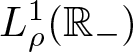
We study a size-structured tree growth model from [4–6], described by the nonlinear renewal equation $\phi(t) = \mathfrak{F} \phi_t, \ \phi_t \in L^1_\rho(\mathbb{R}_{-}),$ with reproduction, death, and growth rates $\beta$, $\mu$, and $g$. We prove that, under mild conditions on these rates, the equation generates a semiflow in $L^1_\rho(\mathbb{R}_{-})$ that is permanent and possesses a compact global attractor $\mathcal{A}$. If $\beta$ is monotone, $\mathcal{A}$ reduces to a single asymptotically stable equilibrium attracting all compact sets with positive initial data. Adapting an approach from [21], originally developed for simpler renewal equations, we investigate stability and persistence in this more complex setting via the one-dimensional recurrence $b_{n+1} = \mathfrak{F} b_n,$ thereby complementing the functional-analytic framework of [13].


This chapter provides an introduction to the study of extremal problems in graph theory, beginning with the classical theorem of Turán. We next turn to bipartite graphs, beginning with trees and paths, and then proving upper bounds for complete bipartite graphs and lower bounds for even cycles. In the process, we take the opportunity to introduce the reader to the Erdős–Rényi random graph G(n, p), which is the central topic of Chapter 5, and also to the fundamental techniques of rotation-extension, double-counting using convexity, and the alteration method, using the inequalities of Markov and Chebyshev. In the second half of the chapter we introduce the notions of supersaturation and stability, which both play key roles in modern research, and prove the Erdős–Stone theorem, often called the fundamental theorem of extremal graph theory, in the case χ(H) = 3.
