



Recent data from epidemiological surveys in Europe show that approximately 30% of the population suffer from a mental disorder, such as anxiety, depression, chronic pain, or addiction, that can at least to some extent be traced back to the influence of exogenous or endogenous stressors such as traumatizing events, challenging life circumstances, or physical illness. Stress-related disorders in the broadest sense, meanwhile, contribute more to the total all-cause morbidity burden than does cardiovascular disease (Wittchen et al. Reference Wittchen, Jacobi, Rehm, Gustavsson, Svensson, Jönsson, Olesen, Allgulander, Alonso, Faravelli, Fratiglioni, Jennum, Lieb, Maercker, van Os, Preisig, Salvador-Carulla, Simon and Steinhausen2011). The direct and indirect economic costs incurred by these conditions in Europe are estimated to be around €300 billion per year (Olesen et al. Reference Olesen, Gustavsson, Svensson, Wittchen and Jönsson2012). These figures are higher than in other regions of the world, yet not atypical for Western industrialized societies (Wittchen et al. Reference Wittchen, Jacobi, Rehm, Gustavsson, Svensson, Jönsson, Olesen, Allgulander, Alonso, Faravelli, Fratiglioni, Jennum, Lieb, Maercker, van Os, Preisig, Salvador-Carulla, Simon and Steinhausen2011). The high incidence of stress-related disorders is puzzling given the historically unprecedented levels of physical health, wealth, and security these societies have achieved – and the accompanying massive reductions in threats to survival and bodily integrity. It is, therefore, fair to say that the promotion of mental health is probably one of the greatest challenges developed countries currently face, and that there is an urgent need to advance research on stress-related disorders. Such research must also address the question of why there has been so little progress in the field over recent decades, in particular with respect to the treatment of stress-related disorders.
Among the many obstacles that psychiatric research faces today is a diagnostic classification system that is categorical and based on signs and symptoms that often do not adequately reflect underlying neurobiological and behavioral dysfunctions (Craddock & Owen Reference Craddock and Owen2010; Kapur et al. Reference Kapur, Phillips and Insel2012). For example, following Diagnostic and Statistical Manual of Mental Disorders (2013) a person is diagnosed with major depression if at least five out of a list of nine symptoms are present nearly every day during a period of two weeks or more. The list of symptoms contains, among others, depressed mood; loss of interest or pleasure; change in weight or appetite; loss of energy or fatigue; feelings of worthlessness or guilt; and suicidal ideation or attempt. Either depressed mood or loss of interest or pleasure must be present.
A consequence of this algorithm is that a person with only four of those nine symptoms will not be classified as depressed, even though his or her functional state may be very similar to that of an individual who meets just one criterion more. Another consequence that is particularly problematic for mechanistic research is that patient samples in studies comparing depressed subjects with healthy controls may be symptomatically highly heterogeneous, comprising, for instance, subjects whose major impairments are related to anhedonia and lethargy (e.g., loss of interest and pleasure, loss of appetite, fatigue or loss of energy) as well as other subjects who suffer mainly from sadness and hopelessness (e.g., showing predominantly depressed mood, feelings of worthlessness or guilt, and feeling pessimistic about the future). Hence, study results may vary extensively as a function of patient sample characteristics. Symptomatic heterogeneity is almost certainly accompanied by pathophysiological heterogeneity; that is, a diagnosis of major depression does not indicate a common underlying pathomechanism. Rather, it groups together patients who are depressed for a range of various reasons. This latter point in particular makes the classical comparison of patient to healthy control largely meaningless. Finally, most symptoms cannot be determined objectively, for example, based on a laboratory test; and cutoffs between normal and pathological symptom levels are arbitrary, introducing much further variability and uncertainty.
On this basis, it has been argued that the current categorical diagnostic system is unsuitable for mechanistic – and in particular, neurobiological – research in psychiatry (Craddock & Owen Reference Craddock and Owen2010; Kapur et al. Reference Kapur, Phillips and Insel2012). One proposed solution is to abandon diagnosis-based studies and instead to focus on dimensions of neurobiology and observable behavior that can be investigated across conventional diagnostic boundaries and without the need for a healthy control group (Cuthbert & Insel Reference Cuthbert and Insel2013; Schumann et al. Reference Schumann, Binder, Holtec, de Kloet, Oedegaarde, Robbins, Walker-Tilleya, Bitterao, Brown, Buitelaar, Ciccocioppo, Cools, Escera, Fleischhacker, Flor, Frith, Heinz, Johnsen, Kirschbaum, Klingberg, Lesch, Lewis, Maier, Mann, Martinot, Meyer-Lindenberg, Müller and Müller2013).
We can expect such transdiagnostic studies to greatly improve our understanding of disease mechanisms and make important contributions to the identification of new treatment strategies. In this review, we begin by proposing that an approach that focuses on resilience rather than disease could be another way around the described problem and could have great potential for advancing translational neurobiological research and disease prevention. The transdiagnostic approach and the resilience approach are not mutually exclusive. Rather, we believe resilience research can benefit a lot from the integration of transdiagnostic thinking. The second proposal we would like to state at the beginning of this work, therefore, is that resilience research must be transdiagnostic to achieve its full potential.
1. Investigating health, not disease: An ongoing paradigm shift
1.1. Resilience research
The term resilience refers to a well-described phenomenon: Many people do not become, or only temporarily become, mentally ill despite significant psychological or physical burdens (e.g., Bonanno & Mancini Reference Bonanno, Mancini, Southwick, Litz, Charney and Friedman2011; Feder et al. Reference Feder, Charney, Abe, Southwick, Litz, Charney and Friedman2011; Sapienza & Masten Reference Sapienza and Masten2011). Resilience thus viewed is an outcome, not a static property of the individual or a personality or character trait (Mancini & Bonanno Reference Mancini and Bonanno2009). A current tendency is to go even further and to see resilience as a dynamic process that may have a trajectory of undisturbed, stable mental health during and after a potentially traumatizing event or a prolonged period of adversity, or also consist of temporary disturbances followed by a relatively rapid, successful recovery (American Psychological Association 2010; Kent et al. Reference Kent, Davis and Reich2014; Mancini & Bonanno Reference Mancini and Bonanno2009; Norris et al. Reference Norris, Tracy and Galea2009; Sapienza & Masten Reference Sapienza and Masten2011).
Resilience researchers are not interested in pathophysiology; instead of investigating the mechanisms that lead to stress-related illness, they investigate the mechanisms that prevent illness. The topic has become increasingly popular over the last 10 years and, though initially proposed by psychologists and clinicians (Werner Reference Werner1993), has in the meantime even motivated neurobiological research in animal models (Feder et al. Reference Feder, Charney, Abe, Southwick, Litz, Charney and Friedman2011; Franklin et al. Reference Franklin, Saab and Mansuy2012; Friedman et al. Reference Friedman, Walsh, Juarez, Ku, Chaudhury, Wang, Li, Dietz, Pan, Vialou, Neve, Yue and Han2014; Liberzon & Knox Reference Liberzon and Knox2012; Russo et al. Reference Russo, Murrough, Han, Charney and Nestler2012; Scharf & Schmidt Reference Scharf and Schmidt2012; Southwick & Charney Reference Southwick and Charney2012). Many resilience researchers make the basic assumption that resilience is not simply the result of an absence of disease processes but also reflects the work of active adaptation mechanisms that have a biological basis (Friedman et al. Reference Friedman, Walsh, Juarez, Ku, Chaudhury, Wang, Li, Dietz, Pan, Vialou, Neve, Yue and Han2014; Russo et al. Reference Russo, Murrough, Han, Charney and Nestler2012). This development effectively constitutes a paradigm shift from disease- to health-oriented research in the fields of clinical psychology and psychiatry. The shift is not yet complete, however.
1.2. Resilience to dysfunctions, not to disorders
Much resilience research has been done in the context of particular diseases, such as post-traumatic stress disorder (PTSD), major depressive disorder, or addiction, focusing on why some people do not develop a particular disorder although they are subject to the same kind of adversities that cause the disorder in other people (for an overview, see Southwick & Charney Reference Southwick and Charney2012). Implicitly, this is based on the assumption that there are disorder-specific disease processes that are antagonized by specific protective processes. These types of studies remain rooted in a categorical way of thinking about psychiatric disease. If, however, current disease categories are unsuitable for mechanistic research, then it makes more sense to ask why someone does not develop a certain type of symptom or dysfunction (such as generalized anxiety, hypervigilance, lethargy, anhedonia, or impulsive behavior, for example). This also takes into account that symptoms and dysfunctions overlap between disorders, and that disorders are frequently comorbid. Hence, one element of exploiting the new transdiagnostic approach in resilience research would be to explicitly search for dysfunction-specific resilience mechanisms rather than for disorder-specific resilience mechanisms.
That approach is also more compliant with an evolutionary perspective. Evolution may have equipped us with mechanisms that assure the proper working of organismic functions such as defense, eating, or mating even when they are compromised by stressors. Hence, we may to some extent be protected against exaggerated and indiscriminate fears or against hypo- or hypermotivational states, but it is unlikely that evolution has had an interest in protecting us against PTSD or depression.
1.3. Resilience to many, not to single dysfunctions
The notion of dysfunction-specific resilience mechanisms leads to the interesting question of whether there may also be superordinate resilience mechanisms that protect from more than one dysfunction. The existence of such general resilience mechanisms is not entirely improbable for two reasons. First, as mentioned, stress-related disorders are frequently comorbid, which implies that the different types of symptoms or dysfunctions that are typical for these disorders are not fully independent. One way to explain the (partly) correlated occurrence of stress symptoms is by the failure or breakdown of general resilience mechanisms, allowing stress to negatively affect various functional systems at the same time. For example, a failure to terminate the stressor-induced activation of the hypothalamus-pituitary-adrenal gland (HPA) axis when the stressor has subsided may lead to unnecessarily prolonged release of the stress hormone cortisol, which can result in long-term dysfunction of many parts of the brain and the body (De Kloet Reference De Kloet2008; Holsboer & Ising Reference Holsboer and Ising2010; McEwen & Stellar Reference McEwen and Stellar1993; Popoli et al. Reference Popoli, Yan, McEwen and Sanacora2012). Hence, mechanisms that support flexible HPA axis deactivation would be possible general resilience mechanisms.
The example of pathological cortisol effects points to the second reason why the concept of a general resilience mechanism has some theoretical appeal. Any stimulus or situation perceived by the organism as a threat to its integrity will induce an aversive motivational state and evoke a threat or stress response that will engage a wide range of nervous system and body functions in an orchestrated fashion. Observable components of the stress response may include coordinated changes in attention (e.g., vigilance or attentional focusing), cognition (e.g., threat appraisal as well as problem solving, planning, and other forms of cognitive coping efforts), subjective experience (e.g., feelings of nervousness, anxiety, or fear), and sympathetic system and HPA axis activity, with their associated peripheral physiological changes. Finally, stress responses often include overt behavior – that is, primary (defensive) or secondary (compensatory and recuperative) coping responses such as flight or fight, avoidance, impact preparation, support seeking, resource building, and so forth. (Lazarus & Folkman Reference Lazarus and Folkman1984; McEwen & Stellar Reference McEwen and Stellar1993; Selye Reference Selye1976; Sterling & Eyer Reference Sterling, Eyer, Fischer and Reason1988; Weiner Reference Weiner1992).
Hence, the stress response, by its very nature, is a multisystem response that necessarily comes with considerable costs for the involved systems in terms of energy consumption and processing priorities. Therefore, although primarily adaptive, stress responses can become deleterious if they are very intense, prolonged, or chronic – by exhausting internal, but also social or monetary resources and interfering with the pursuit of other important goals, as summarized in the concept of allostatic load (McEwen & Stellar Reference McEwen and Stellar1993). As a consequence, any mechanism that helps the organism fine-tune stress responses to optimal levels, to terminate them if no longer necessary, and to remain flexible enough to switch to possible alternative coping strategies, thereby facilitating efficient deployment of resources, is likely to protect all or most of the systems involved in the stress response and therefore to prevent a large range of stress-related dysfunctions.
If humans possess general resilience mechanisms, that has important consequences for resilience research. Because strengthening superordinate resilience mechanisms is likely to be a more efficient prevention strategy than strengthening dysfunction-specific resilience mechanisms, resilience research would be well-advised to focus on the identification and understanding of general resilience mechanisms.
The distinction between general and dysfunction-specific resilience mechanisms may become clearer when we consider another facet of allostatic load. Every stress response is accompanied by plastic adaptations in the involved systems that serve to facilitate future dealing with identical or similar stressors (McEwen & Stellar Reference McEwen and Stellar1993). Take the example of an employee suffering from high performance pressure, whose primary (adaptive) stress response involves fear of failure and correspondingly increased efforts at work. In case working harder is eventually met by success, the employee's fear will subside and his behavior will be instrumentally reinforced, increasing the likelihood that he will also respond to future challenges with a similar coping strategy. The employee may also feel more competent than before. In psychological terms, he will enjoy higher perceived “self-efficacy” (Bandura Reference Bandura1977). A different learning experience will occur in case of failure despite repeated efforts. A combination of classical Pavlovian and instrumental mechanisms will lead to dislike for the job, decreased efforts or even avoidance of work, and diminished job-related self-efficacy perceptions. Like the positive reinforcement of working harder in the first case, the negative reinforcement of working and the consequent behavioral adaptations that take place in the second case can be considered helpful because they prevent pointless perseverance and exhaustion (Schwager & Rothermund Reference Schwager, Rothermund, Kent, Davis and Reich2014b). They are, however, helpful only as long as they motivate the employee's search for alternative coping strategies, such as reducing ambitions and redefining work objectives or looking for another job.
Such a flexible, positive approach to a severe social threat, however, requires to not be overwhelmed by it and to not extend aversion and reduced self-efficacy perceptions to work life generally or even to any kind of challenging situation. In other words, the organism needs to limit the aversive state evoked by the stressor to necessary levels; and plastic, allostatic adaptations have to be restricted to generating aversive memories about specific events and actions. Inability to optimally regulate stress responses via general resilience mechanisms might result in feelings of helplessness and a generalized amotivational, lethargic state.
The further disease process might involve secondary dysfunctions such as social withdrawal, despair and suicidal tendencies, aggression, and alcohol abuse. The development of a particular secondary dysfunction may be promoted by situation-dependent risk factors or individual predispositions and prevented by specific protective circumstances or the activation of dysfunction-specific individual resilience mechanisms. For example, alcohol abuse might be prevented by religious beliefs or strong impulse control. None of these secondary dysfunctions will, however, occur if the initial aversion evoked by the experience of failure and the accompanying aversive learning processes have been well tuned in the first place. Hence, people who react to social stressors with optimized aversion are likely to be protected from many types of possible dysfunctions, even if any particular dysfunction-specific protective mechanism may not be very effective in a given person (e.g., if he or she has poor impulse control).
From this analysis it follows that the definition of general resilience mechanisms as protecting from various dysfunctions implies that they work by optimizing stressor-induced aversion. A question addressed further below is whether there may be general resilience mechanisms that deal not only with certain, but with many or all types of stressors (e.g., social as well as physical stressors). We coin these hypothetical mechanisms global resilience mechanisms.
To give an overview, we differentiate between
-
dysfunction-specific resilience mechanisms (protecting against a single stress-induced functional impairment or symptom);
-
general resilience mechanisms (protecting against several stress-induced functional impairments or symptoms); and
-
global resilience mechanisms (protecting against several functional impairments or symptoms, induced by exaggerated stress responses to a large range of different stressors).
The example of the stressed employee also shows that the specific pattern of dysfunctions occurring in an individual person when general resilience mechanisms collapse may strongly depend on specific circumstances and personal factors, the latter being shaped by genetic or epigenetic background, learning history, and so forth. One person may show suicidal tendencies, another aggression, another alcohol abuse, and yet another a combination of these. Hence, if resilience research wants to investigate general resilience mechanisms, it should not focus on resilience to any specific dysfunction, as such studies might reveal only dysfunction-specific resilience mechanisms. Rather, outcome measures should test for a wide range of dysfunctions, and they should assess the individual's global or average burden from several dysfunctions, rather than looking at a specific pattern of dysfunctions (i.e., a disorder).
1.4. Resilience to quantitative, not to categorical deterioration
So far, we have incorporated transdiagnostic thinking by proposing that resilience research should focus on dysfunctions rather than on disorders. Pursuing this argument has led us to the further-reaching conclusion that resilience research should focus not on any specific dysfunction or pattern of dysfunctions but on global or average dysfunction. Proponents of the transdiagnostic approach also emphasize that symptoms or dysfunctions do not occur in a binary fashion (Craddock & Owen Reference Craddock and Owen2010; Kapur et al. Reference Kapur, Phillips and Insel2012). One is not either lethargic or not. Moreover, as said, the threshold at which the intensity of a dysfunction is considered pathological is essentially arbitrary.
A further element in completing the paradigm shift away from conventional disease-focused and toward health-focused research would then be to measure dysfunctions quantitatively and to use quantitative – ideally continuous – outcome variables. Combined with the above suggestions, this leads to a strategy that consists of adding up or averaging quantitative scores on several functional dimensions in order to derive something like an individual global mental health score. An example of such an approach can be found in the general health questionnaire (GHQ), which has been used to agglomerate symptoms of somatic irritation, anxiety, social dysfunction, and despair in a single quantitative outcome variable (Goldberg & Hillier Reference Goldberg and Hillier1979), or also in the adult self report (ASR; Achenbach & Rescorla Reference Achenbach and Rescorla2003), which additionally includes externalizing behaviors. One big advantage quantitative outcome variables have over categorical measures is that changes in these variables between measurement time points (e.g., from before to after stressor exposure or treatment) can be quantitatively analyzed, even if a change does not involve passing from one side of an arbitrary cutoff to the other. We only mention here that it would be desirable eventually to replace self- or other-report–based measures such as the GHQ or the ASR with measures based on objective physiological or behavioral parameters.
To conclude this introductory discussion, the currently ongoing paradigm shift from disease to resilience research provides an opportunity to change clinical focus from correcting specific pathophysiological processes to fostering general protective mechanisms. As well as bringing new ideas into therapy research, this would also facilitate the development of new and better prevention strategies. Prevention is of particular interest; intervening before the negative consequences of stress occur is likely to be more effective in reducing human suffering and economic costs than is treating the consequences (Sapienza & Masten Reference Sapienza and Masten2011). Reaching these goals might be facilitated by integrating new transdiagnostic thinking through the use of quantitative average mental health scores. For neurobiologists, and especially for those using animal models, an important implication of this change in perspective is that it is no longer necessary to model a particular disease or syndrome (“Are my mice depressed?”); rather, researchers can ask the much simpler and more easily objectifiable question of whether their animals survive a stressor without strong and lasting functional impairments in a range of meaningful behavioral assays. Hence, although challenging, the intellectual adventure to rethink how clinical research addresses stress and its consequences from the vantage point of resilience could open up interesting avenues to new insights.
2. Definitions and scope
Before elaborating on these general ideas and exploring whether it is possible to develop a unified conceptual framework for transdiagnostic resilience research that aims at identifying and understanding general resilience mechanisms, it is useful to define the key terms used in this paper, as well as its scope.
Resilience as we understand it is an empirically observable phenomenon, namely that someone does not develop lasting mental health problems although he or she is subject to adversity. Adversity is understood in the broadest sense and may include short-term (acute) or long-term (chronic), social or physical stressors. For the sake of brevity, we take the term mental health problems also to embrace stress-related somatic problems. Thus, resilience is an outcome or, if mental health is measured at more than one time point, a series of outcomes – that is, a process. As briefly alluded to before, individuals with certain traits may be more likely to have positive outcomes (e.g., Miller & Harrington Reference Miller, Harrington, Southwick, Litz, Charney and Friedman2011), but this relationship is not deterministic (i.e., it is impossible to predict with certainty that someone with a “hardy” or “positive” personality will not be affected by a stressor). Therefore, resilience-conducive traits are not to be confounded with resilience as an outcome (Mancini & Bonanno Reference Mancini and Bonanno2009).
As also mentioned earlier, several researchers have described various temporal profiles of outcomes, and proposed to give them different labels. So, Bonanno refers to stable functioning throughout the process as “resilience,” to temporary dysfunction followed by return to previous levels as “recovery,” and to persistent dysfunction as “chronic distress” (for more detailed discussions, see Bonanno et al. Reference Bonanno, Westphal and Mancini2011; Norris et al. Reference Norris, Tracy and Galea2009). For reasons we discuss in section 5.2, we do not make this distinction, and here use the term resilience for any trajectory that eventually leads to levels of functioning that are comparable to or even better than at the outset.
The definition of resilience as an outcome or process also differentiates resilience from resilience factors; that is, empirically derived variables that statistically predict a resilient outcome. Resilience-conducive traits, for instance, would have to be classified in our terminology as resilience factors. Resilience must also be differentiated from any mechanism by which a positive outcome is achieved (resilience mechanism). For example, it might be that someone with a resilience-conducive personality (resilience factor) is more likely to have a positive outcome because her personality predisposes her to cope with stressors in a proactive way (e.g., by focusing on effectively removing the stressors). Such a person would ultimately be less exposed to stressors, and therefore would not develop mental problems. Proactive coping would therefore be the resilience mechanism in this example.
The example also illustrates the way we distinguish resilience and stress coping in this paper. Although in general language, coping is often equated with success in dealing with a challenge (i.e., with a positive outcome), we here exclusively use it for the cognitive and behavioral efforts produced to deal with the challenge, whether successful or not (Lazarus & Folkman Reference Lazarus and Folkman1984). Thus, coping is an inherent aspect of the stress response (see also sect. 1.3).
We have begun this paper by emphasizing the need to act against stress-related mental illness, and therefore limit the scope of our discussion to resilience to dysfunctions as they typically occur in the context of these disorders. We thus exclude resilience to dysfunctions that do not have a clear stress-related etiology, such as age-related memory impairments or the positive symptoms of schizophrenia. This focus of course requires a definition of stress. In section 1.3, we provided a phenomenological definition of stress or stress responses as orchestrated multisystem reactions to threat. Insofar as emotions or emotional reactions are phenomenologically defined as orchestrated multisystem reactions to motivationally relevant stimuli or situations (Moors Reference Moors2009), stress responses are particular types of emotional responses.
Functionally, the role of emotions is to prospectively assure survival and reproduction when there is a significant change in external or internal conditions that cannot be answered by reflexes or habits, that is, by simpler and more rigid types of behavior (Scherer Reference Scherer, Scherer, Schorr and Johnstone2001). Globally, emotions can be subdivided into aversive (negative) and appetitive (positive) reactions, depending on whether their immediate objective is to avoid, remove, or minimize a threat or to obtain a reward, respectively (Dickinson & Pearce Reference Dickinson and Pearce1977; Gray Reference Gray1976; Konorski Reference Konorski1967; Mowrer Reference Mowrer1960). The aversive-appetitive subdivision is therefore a motivational one; phenomenologically, aversively and appetitively motivated reactions may not always be easily distinguishable. For example, an animal may remain immobile so as not to attract the attention of a predator – or of prey. Also, a similar motivational state may be expressed as different patterns of physiological activation and coping behavior. For example, aversion to a predator may result in the prey's immobility or escape or fight. Nevertheless, certain physiological (e.g., HPA axis activation), behavioral (e.g., facial expression), or, in humans, subjective-experiential criteria (e.g., self-reported valence of feelings, intentions) can be used as relatively good discriminative markers of aversive versus appetitive motivation. On this basis, we classify stress as an “aversive” or “negative” emotional response and will often use these terms as well as threat response or fear response interchangeably. We will also interchangeably speak of stressors or threats or of stimuli or situations that evoke aversive or negative emotional responses.
The root cause of stress, then, is aversive motivation, and the most effective way to prevent stress and stress-related dysfunctions is to limit aversion. This is why in section 1.3 we equated general resilience mechanisms with mechanisms that flexibly adjust aversive motivation to appropriate levels. Emotion regulation mechanisms that act primarily on the behavioral expression of aversion – for example, promoting the suppression of behavioral impulses (cf. expressive suppression [Gross Reference Gross1998] or impulse control [Bari & Robbins Reference Bari and Robbins2013]) – cannot be expected to have comparably generalized protective effects. The same can be assumed for the isolated regulation of any other stress response component, be it the temporary reduction of negative thoughts and feelings through distraction (Gross Reference Gross1998) or the automatic regulation of physiological (autonomic, hormonal) activation through negative feedback mechanisms (Holsboer & Ising Reference Holsboer and Ising2010). Successful optimization of aversion, on the other hand, will facilitate behavioral optimization (see the example of the stressed employee in sect. 1.3 whose generalized aversive state makes it impossible for him to look for alternative solutions) and also will result in appropriate adjustments of other response components. The critical question, then, is what determines aversion. We will address this question in section 4, where we attempt to develop a theory of resilience.
Finally, we have briefly mentioned that resilience researchers often emphasize the role of active processes or mechanisms that support resilience (Russo et al. Reference Russo, Murrough, Han, Charney and Nestler2012). Active as we understand the term does not necessarily refer to behavioral activity but refers to any resource-demanding process, and may therefore also apply to cognitive processes. The emphasis on active processes is important for resilience research as it further demarcates the discipline from pathophysiological research. Not falling mentally ill is not a passive process, nor the result of not being subject to some stressor or pathological agent or endogenous degenerative process, or of not carrying some molecular abnormality that makes someone else susceptible to a stressor (Russo et al. Reference Russo, Murrough, Han, Charney and Nestler2012). Instead, the maintenance or quick recovery of mental health results from processes that shape the organism's stress responses in a way that permits long-term functioning. By describing active resilience mechanisms, resilience research addresses questions that are not in the focus of pathophysiological research, thus making an original contribution to clinical science.
3. Identifying resilience factors
3.1. Transdiagnostic quantitative study designs in humans
Having explained the key concepts and the most fundamental assumptions on which we base our theory development, we would like to introduce a more practical aspect by asking what a resilience study in humans would look like, and in what way a transdiagnostic quantitative design would differ from the more conventional designs still widely used in resilience studies. (For excellent overviews of the current state of the art, see Kent et al. Reference Kent, Davis and Reich2014; Southwick et al. Reference Southwick, Litz, Charney and Friedman2011a.) A conventional longitudinal resilience study might involve a mental health characterization at some time point T1 before the likely occurrence of major adversity (e.g., before entering a risky professional career track or beginning a major phase of life transition such as from adolescence to adulthood), focusing on a disorder or a closely related set of disorders that typically develop in such circumstances. Adversity occurring between T1 and the end point T2 is somehow assessed (usually by retrospective self- or other-report), and the T2 mental health characterization usually boils down to an outcome measure of the type PTSD or not?
Instead of employing a diagnosis-based binary metric, a transdiagnostic design could base outcome on a quantitative tool such as the GHQ or the ASR (see sect. 1.4) or others to obtain a global sum score of mental burden across various dysfunctions. Mental problems P at T1 and T2 can therefore be expressed in sum scores ΣPT1 and ΣPT2, and the outcome would be the change in mental problems from T1 to T2:
 $$\Delta \Sigma \hbox{P} = \Sigma {\hbox{P}_{{\rm T2}}} - \Sigma {\hbox{P}_{{\rm T1}}}$$
where a positive sign of the outcome variable signifies an increase in mental problems. Where T1 data are not available, as is often the case in trauma research, ΣPT2 would be the outcome.
Similarly, one could attempt to express an individual's cumulative stressor load between T1 and T2 through a quantitative sum score ΣS. The basic assumption of general resilience mechanisms that are not dysfunction specific (see sect. 1.3) would then permit us to argue that someone is the more resilient at T2 the less that person develops mental problems between T1 and T2 (the smaller ΔΣP), in proportion to the stressor load accumulated between T1 and T2 (ΣS). Normalization of outcome by stressor load is essential, as it pertains to a central question in resilience research, which is why people differ in their long-term responses to stressors. Comparisons of health outcomes between people who have experienced different stressor load would be meaningless without normalization. Especially for illustrative purposes, it might therefore be useful in some cases to express this relationship between mental problems and stressor load in a quantitative outcome quotientFootnote 1 :
 $${\hbox{R}_{{\rm T2}}} = 1/\lpar {\Delta \Sigma \hbox{P}/\Sigma \hbox{S}} \rpar = \Sigma \hbox{S}/\Delta \Sigma \hbox{P}$$
See Figure 1 for illustration.
Transdiagnostic quantification of resilience. Resilience (R) is calculated as the ratio of changes in summed mental problem burden ΣP between time points T1 and T2 (ΔΣP) and the summed stressor load ΣS accumulated between T1 and T2. Three potential trajectories (of ΣP) are shown.

3.2. Identification of resilience factors
Resilience is thus operationalized as a quantitative outcome variable (inverse of ΔΣP, or, if advantageous, R) that is ideally continuous in nature and can be used, for instance, to ask whether independent variables measured at T1 predict resilience at T2. In our terminology, this would be resilience factors (see sect. 2). So, one could calculate the degree to which variance in RT2 in the study sample is explained by, for example, a T1 measure of executive functions, a particular genotype combination, or some measure of social integration before or at the time of first adversity.
Provided measures are repeated, one could also correlate changes in some variable of interest taken at both T1 and T2 with RT2 (cf. Benight & Cieslak Reference Benight, Cieslak, Southwick, Litz, Charney and Friedman2011). If, for example, an increase in executive performance co-varied with RT2, this would support a relationship between resilience and executive functions. Several prototypical scenarios are conceivable: (1) T1 executive performance predicts RT2 but does not change over time, suggesting executive performance is a relatively stable individual property or resource that protects from stress-related mental illness; (2) T1 executive performance predicts RT2 and executive performance increases from T1 to T2 in a way that correlates with RT2, suggesting executive performance is a malleable protective resource that is trained by use; (3) T1 executive performance does not predict RT2, but an increase in executive performance from T1 to T2 correlates with RT2, suggesting that executive functions really improve only during times of adversity.
3.3. Advantages of transdiagnostic quantitative analysis
The practical advantage of using a quantitative outcome variable for the identification of resilience factors is twofold: First, in cases where dichotomization of the outcome variable is difficult and sometimes arbitrary (PTSD or not?), a quantitative variable preserves the inherent variance of the data and therefore permits a much more sensitive analysis; second, in samples where only few subjects fall into the disease category (only few develop PTSD, whereas many others perhaps show subdiagnostic problems that may still significantly affect quality of life, social integration, and professional performance), statistical analysis is still feasible because this subdiagnostic variance is retained. Hence, an operationalization of resilience as a transdiagnostic, quantitative outcome variable not only circumvents the conceptual problems of diagnosis-based research but also provides more power for statistical analysis.
3.4. Quantification of stressor load
The accurate quantification of stressor load in the earlier equation is of clear importance for a successful quantitative analysis of resilience in the way we advocate it, and it therefore deserves some discussion. In particular, it is not self-evident why stressor load should be expressed in a cumulative sum score ΣS and how this can be done practically. For example, in trauma research, the relevant stressor is often a single dramatic event, and one may be inclined to express stressor load in a simple binary variable (0 or 1). Interindividual differences in ΣPT2 within the traumatized group would then essentially not be qualified by ΣS, which is 1 in every subject. Stressor exposure will, however, not be identical for all victims in a study. For example, the individual impact of a terror attack, a technological disaster, or a natural disaster may vary with respect to the amount of physical damage caused to the victim, to the extent to which friends or family are involved, to the proximity of the event to one's work or living place, or to whether one witnesses other people being harmed (Galea & Maxwell Reference Galea, Maxwell, Neria, Galea and Norris2009). That is, there are several stressor dimensions, some being more physical in nature, some social, and on closer inspection, each of them is rather non-binary.
There is another complication. The treatment of a potentially traumatizing event as an isolated, acute stressor is to some extent artificial; any major event will have long-lasting consequences to both the person and the person's environment (Norris & Elrod Reference Norris, Elrod, Norris, Galea, Friedman and Watson2006). Injury during a terror attack may cause chronic physical impairments that constitute stressors in their own right, and the death of a relative may negatively affect social networks or finances. These sequelae of trauma will occur differently in different people, introducing variance that needs to be taken into account when quantifying resilience.
Both complications may be less problematic in life-event research, where subjects usually retrospectively indicate the occurrence of items from a list of potential significant types of events (death of a family member, loss of employment, traffic accident, etc.), and researchers typically sum up the number of adverse events, sometimes weighted by a rating of an event's aversiveness or by the age at which it occurred, to obtain ΣS (Caspi et al. Reference Caspi, Moffitt, Thornton, Freedman, Amell, Harrington, Smeijers and Silva1996). The underlying assumption here is that interindividual differences in the quality of, or in the exposure to, an event and in the sequelae of events are averaged out when considering a large number of potential event classes, making the sheer number of experienced events a reasonably accurate index of stressor load. This already points to a solution for the problem. It will always be practically impossible to accurately quantify each single stressor or stressor dimension; but by extending stressor monitoring to a wide range of potential stressors that are summed up or averaged, many smaller interindividual differences in stressor quality, stressor exposure, and stressor consequences, can be ignored.
In addition to major life events, even minor events (the so-called “daily hassles” such as relationship or work conflicts, financial problems, noise, traffic, or housing problems; Hahn & Smith Reference Hahn and Smith1999) can have profound effects on mental health when frequent and accumulated over longer intervals (Serido et al. Reference Serido, Almeida and Wethington2004). This implies that stressor monitoring in any longitudinal resilience study should extend beyond the monitoring of major events. Faced with this challenge, many chronic stress researchers have resorted to deliberately assessing broad categories of stress experiences (e.g., social stress from private life or work life; Petrowski et al. Reference Petrowski, Paul, Albani and Brähler2012), rather than asking about specific stressors or stress situations, thereby, however, giving up the differentiation between stressors and stress. We would therefore favor extended life calendar–like inventories that also include more mundane events as well as chronic stressors. Monitoring less remarkable events requires closely spaced monitoring intervals. Self-report could be complemented by data from other records, where possible (e.g., when studying the effects of physical illness or flight noise or commuting). Stressor reporting will be increasingly facilitated and made more precise by the development of ambulatory methods (ecological momentary assessments; Kubiak & Stone Reference Kubiak and Stone2012).
A final complication is that one cannot assume that different types of stressors will affect mental health in the same way, and that general resilience mechanisms as defined in section 1.3 will also be global; that is, protect from the effects of any type of stressor. As said, it may well be that the organism regulates aversion to, for instance, minor versus major (e.g., daily hassles vs. trauma) or physical versus social stressors (e.g., pain vs. social exclusion) differently. Even this classification may be too broad, and one may have to make a differentiation between, for instance, different classes of physical stressors (pain, noise, handicap, etc.). This would require choosing study cohorts who are confronted with single classes of stressors only or, where this is unrealistic, such as when looking at the consequences of massive trauma, generating separate scores for single classes of stressors represented in the cohort. These could then be related to outcome ΔΣP or ΣPT2, and further analyses could be restricted to those scores that show a strong relationship to the outcome. We will come back to this issue in section 4.2.8.
3.5. State of research and current challenges
What resilience factors have been detected to date? Current reviews cite long lists of factors that are presumably causal for resilience. Beyond the extent and quality of the stressors, these include external factors, such as social support or socioeconomic status, as well as internal or personality factors, such as certain character traits, coping style, age, sex, ethnicity, (epi)genetics, spirituality, life history, cognitive abilities, brain function, hormonal factors, and so forth, often complemented by their interactions (e.g., Feder et al. Reference Feder, Charney, Abe, Southwick, Litz, Charney and Friedman2011; Mancini & Bonanno Reference Mancini and Bonanno2009; Sapienza & Masten Reference Sapienza and Masten2011; Stewart & Yuen Reference Stewart and Yuen2011). These lists are cumbersome, and it has been pointed out that many of these factors overlap conceptually and presumably mediate or otherwise depend on one another (Stewart & Yuen Reference Stewart and Yuen2011). For instance, it is well conceivable that life history shapes a character and thereby affects resilience, or that cognitive abilities and brain function are intricately linked and therefore exert nonindependent effects.
4. Identifying resilience mechanisms
4.1. Factor-mechanism distinction
A deeper, conceptual problem in this research, which likely contributes to the plethora of seemingly unrelated findings, becomes apparent when one starts to make a distinction between resilience factors and resilience mechanisms (see sect. 2). There may be many different factors that each partly determine whether someone will be resilient, but there are probably fewer paths from determinant to effect than there are determinants. In other words, it is reasonable to assume that there are far fewer distinct psychological or biological resilience mechanisms (Mx in Fig. 2) through which any given determinant (i.e., predictor or resilience factor, F) can act. The challenge is therefore to identify the few general paths or shared mechanisms that make someone more or less resilient (Mancini & Bonanno Reference Mancini and Bonanno2009) (see Fig. 2). The closer a mechanism is to directly affecting the cause of stress-related dysfunctions, the more determinants it will mediate. This is where mechanistic psychobiological research, including in animal models, becomes highly relevant for resilience research.
Factor-mechanism distinction. (A) Resilience research has identified many factors (Fx) such as social support, social status, personality, life history, coping style, genetic background, brain function, etc., that partially determine resilient outcome R. But these factors frequently overlap conceptually (F1 may be similar or identical to F2, F1 to F4 may converge onto a common end-path) and may interact statistically (F5 may mediate the effects of F6, F8 may moderate the effects of F7). It is postulated that a limited set of shared psychological or biological mechanisms (Mx) ultimately mediate the effects of these factors. (B) A radical possibility that is explored in this paper is that there is a single mediating mechanism M1 that constitutes the common end-path to resilience.

4.2. A mechanistic theory
Identifying factors requires much exploratory research; identifying a mechanism requires a theory of how a factor leads to an outcome. In the following, we will introduce a theoretical framework that is based on the idea of general resilience mechanisms that can protect against a wider range of stress-related dysfunctions rather than being restricted to protecting single systems or functions. We believe this is a good starting point because mechanisms that can prevent many dysfunctions simultaneously are likely to be closer to the cause of stress-related impairment than are mechanisms that can prevent only a specific dysfunction. Strong impulse control in the example of the stressed employee in section 1.3 might protect against habitual drinking, but it cannot abolish the exaggerated stress response to failure and might be useless against social withdrawal or despair. By contrast, successful limitation of the aversion to failure that motivates the stress response in the first place will protect against many dysfunctions at a time.
Our theory is sufficiently broad to be applicable to resilience research in both animals and humans, therefore, we hope, facilitating translational mechanistic investigation. As the theory posits that a positive appraisal style is the key resilience mechanism, we refer to it as positive appraisal style theory of resilience, or PASTOR.
4.2.1. Claim 1: Appraisal
We propose that all resilience factors Fx identified so far converge, directly or indirectly, to a common final path; that is, there is a proximal cause for mental health in the domain of stress-related dysfunction. This common final path (corresponding to a single mechanism M1, as in the general terminology used in Fig. 2B) is the way an individual evaluates (appraises, interprets, analyzes) potentially threatening stimuli or situations in terms of their meaning for the functioning of the organism (PASTOR claim 1).
This claim is rooted in appraisal theory, which holds that the type, quality, and extent of emotional reactions (including stress reactions) are determined not by simple, fixed stimulus-response relationships but by the context-dependent evaluation of the motivational relevance of a stimulus or situation (Arnold Reference Arnold1969; Frijda Reference Frijda1993; Lazarus & Folkman Reference Lazarus and Folkman1984; Roseman & Smith Reference Roseman, Smith, Scherer, Schorr and Johnstone2001; Scherer Reference Scherer, Scherer, Schorr and Johnstone2001) (Fig. 3). The outcome of this evaluation determines both the degree of aversive or appetitive motivation toward a stimulus and the specific behavioral reaction that is chosen to reach the aversive or appetitive goal (Lazarus & Folkman Reference Lazarus and Folkman1984). To achieve the contextually appropriate outcome, the appraisal process integrates different types of internal and external information, or stimulus and situation dimensions. These appraisal dimensions range from basic ones such as stimulus intensity, novelty, or intrinsic (un)pleasantness; to more computationally demanding ones such as outcome probability, (un)predictability, or compatibility with one's goals and needs; up to complex dimensions such as causation (e.g., agency), relation to coping potential (resources, power, control), or norm compatibility (Scherer Reference Scherer, Scherer, Schorr and Johnstone2001). As a result, one and the same stimulus may evoke different emotional reactions in different circumstances or individuals (e.g., because goals or coping potential differ).
Appraisal theory. Emotional reactions to any stimulus or situation are determined by the appraisal process.

In this framework, an individual's stress or threat reaction results from the analysis that a significantly unpleasant or goal- or need-incompatible outcome is to be expected with some probability and that he or she may not be able to prepare for or deal with this outcome (Lazarus & Folkman Reference Lazarus and Folkman1984). Stress is therefore mainly determined by estimations of outcome magnitude (unpleasantness, goal or need incompatibility), outcome probability, and coping potential. The employee will feel the more performance pressure, and thus work the harder, the more aversive the consequence of failure would be to him (outcome magnitude; e.g., criticism, salary cut, job loss) and the more he believes he might fail (outcome probability). Both estimates strongly depend on estimated coping potential. For example, outcome magnitude appraisals may be affected by perceived control or resources (“Have I saved enough money?” or “Do I have enough family support to survive a salary cut or temporary unemployment?”) or self-efficacy and power (“Am I qualified enough to easily find another job?”). Self-efficacy perceptions may also affect outcome probability appraisals (“Can I manage the job?”).
If further considering that outcome magnitude depends on the importance one attributes to a threatened goal or need (e.g., “To what extent do I need the positive affirmation that a job or a high salary provides me with?”), it becomes evident that even a seemingly basic and simple emotion such as stress or fear is the result of a complex interplay of different appraisals along different appraisal dimensions, especially where the stressor is social in nature. The resulting intraindividual (context-dependent) and interindividual (person-dependent) variability in emotional reactions to similar stimuli or situations is further accentuated by the inherent subjectivity of most appraisals. Where the consequences or the probability of an aversive outcome can only be estimated, interindividual differences in how people assign values to appraisal dimensions become important in determining the stress response. An extreme example is the tendency of some people to catastrophize about normal internal perceptions of bodily arousal in a physically challenging situation (a pounding heart, sweaty hands) and to overinterpret them as signifying a potentially lethal threat. This can lead such a person into a vicious cycle of fear and appraisal that eventually results in panic attacks (Beck et al. Reference Beck, Emery and Greenberg1985; Reiss & McNally Reference Reiss, McNally, Reiss and Bootzin1985). Another example is the documented individual differences in the use of positive reappraisal strategies that allow a person to see a negative situation from a different, more benign angle, resulting in less fear (Gross Reference Gross1998; Lazarus & Folkman Reference Lazarus and Folkman1984).
Hence, appraisal is multidimensional, context-dependent, and subjective. Another important point is that the basic definition of appraisal is a purely functional one: To get from a stimulus or situation to an emotional response takes appraisal; and by taking into account the various stimulus or situation dimensions (by assigning different values to different dimensions), appraisal produces differentiable emotional responses (Moors Reference Moors2009). This definition does not suggest what cognitive or neural processes could be involved in appraisal. In fact, there is considerable debate about the information processing mechanisms (e.g., associative vs. rule based) that underlie appraisal and about what format of representation they work on (e.g., perceptual vs. propositional) (Moors Reference Moors2009). Neurobiological investigations of appraisal processes are still at relatively initial stages (Kalisch & Gerlicher Reference Kalisch and Gerlicher2014; Sander et al. Reference Sander, Grandjean and Scherer2005).
Nevertheless, most appraisal researchers agree that appraisal involves not only a single process but probably multiple cognitive operations occurring in parallel or serially. Most researchers would also agree that some appraisal processes can be relatively quick, automatic, and unconscious, such as in many conditioned reactions, or also slow, controlled, and conscious, especially where judgments are difficult and complex (Leventhal & Scherer Reference Leventhal and Scherer1987; Robinson Reference Robinson1998). (It is worth pointing out that it is a common misunderstanding that appraisal theory deals only with conscious or higher-order processes or with processes that may only be available to humans; Moors Reference Moors2010). Finally, appraisal is dynamic and interactive, owing to the need to continuously integrate new incoming information (including about one's own current emotional state) and to continuously adjust appraisal outcomes, leading to online changes in emotional reactions (Scherer Reference Scherer, Scherer, Schorr and Johnstone2001). Therefore, in addition to being multidimensional, context-dependent, and subjective, appraisal is procedurally heterogeneous and dynamic. And, of course, appraisal processes are thought to have a biological basis.
4.2.2. Appraisal styles
Why should appraisal theory be relevant to both clinical and animal researchers? In the clinical field, many etiological theories of stress-related disorders have made explicit or implicit reference to appraisal concepts by proposing that the cause of these disorders is intense and prolonged stress reactions, which in turn result as much from a patient's typical ways of appraising potentially aversive situations as they result from the presence of these situations (e.g., Beck & Clark Reference Beck and Clark1988; Clark & Beck Reference Clark and Beck2010; Foa et al. Reference Foa, Franklin, Perry and Herbert1996; Gotlib & Joormann Reference Gotlib and Joormann2010; Korn et al. Reference Korn, Sharot, Walter, Heekeren and Dolan2014; Mathews & MacLeod Reference Mathews and MacLeod2005; Reiss et al. Reference Reiss, Peterson, Gursky and McNally1986; Seligman Reference Seligman1972).
The underlying idea is that an individual usually interprets similar situations in a similar fashion, and therefore can be characterized by his or her individual appraisal style or typical appraisal tendencies. These appraisal styles – partly overlapping terms often found in the literature are beliefs, appraisal habits, cognitive styles, attitudes, or interpretive biases – may be more or less negative. In the case of a patient suffering from a stress-related disorder, the individual appraisal style is overly negative, and thereby frequently produces strong aversive states. For example, the patient might consistently overestimate the aversive consequences of challenging situations (outcome magnitude dimension) or the probability of such aversive consequences (outcome probability dimension), or both; he may also consistently underestimate his ability to cope (coping dimension).
Depending on which type of negative appraisal dominates in the patient, the exact nature of the aversive responses he typically produces may vary. So, a pessimist who mainly overestimates outcome probabilities may act with preemptory aggression in many harmless situations, whereas a person with low perceived self-efficacy (low coping potential) may remain passive even when harm is likely and could easily be avoided by active coping. Nevertheless, all responses will be fueled by aversive motivation (cf. sect. 2) and will produce undesirable allostatic costs (cf. sect. 1.3), which justifies to subsume different negative appraisal patterns under an umbrella term of “negative” appraisal style.
The counterpart – a non-negative, or (for simplicity) “positive” – appraisal style would be characterized by the absence of such consistently negative evaluations on all three of the described appraisal dimensions, or alternatively, in consistently very positive evaluations on one or two dimensions that outweigh consistently negative evaluations on the other dimension(s). The latter might be the case, for instance, when a person tends to see threats in many places (negative outcome probability estimates) but feels strong enough to deal with whatever happens (positive coping potential estimates). The result of a positive appraisal style is a low frequency of strong aversive states.
An appraisal style does not mean that an individual will produce the same emotional response in every potentially challenging situation. Individuals may also have specific experiences or beliefs associated with specific situations, and those may result in atypical evaluations and responses, including occasional positive appraisals or reactions in otherwise negative appraisers or vice versa. But what counts for mental health, especially if people are confronted with variable and diverse stressors over longer time periods, is the typical way in which they react to challenge. If a person has a tendency to see things negatively, she will more frequently be in a negative emotional state, and therefore more likely to develop stress-related dysfunctions.
Also, our definition of appraisal style does not imply that appraisal styles are invariable and fixed over the course of a lifetime (Benight & Cieslak Reference Benight, Cieslak, Southwick, Litz, Charney and Friedman2011; Troy & Mauss Reference Troy, Mauss, Southwick, Litz, Charney and Friedman2011). Although appraisal styles may well have a hereditary component, it is unquestionable that the appraisal of a specific situation or a whole class of situations can change. An obvious example where appraisals are modified by experience is that of traumatic conditioning, where trauma-associated stimuli and often also perceptually similar stimuli and entire contexts can dramatically change in value. A more positive example is cognitive-therapeutic intervention, where appraisal values are changed deliberately through a combination of experience and instruction in order to improve the patient's emotional behavior. The changes in self-efficacy perceptions that occur in the hypothetical stressed employee in section 1.3 following his more or less successful active coping efforts are another example. Appraisal styles therefore constitute longer-term or character-like processing tendencies that remain, however, malleable to some extent.
On this basis, we introduce a further specification of PASTOR claim 1, positing that a general tendency for positive appraisal (a positive appraisal style) is protective and should therefore be considered the primary pathway (M 1 ) to resilience (Table 1). As explained above, positive appraisal style is an umbrella term that applies to any appraisal style that typically produces non-negative, non-aversive (including positive or appetitive) emotional reactions when the individual is challenged.
Positive appraisal style theory of resilience (PASTOR)

Refer to sections 4.2.1 and 4.2.2. (for claim 1), 4.2.5 (for claim 2), and 4.2.7 (for claim 3) for more details.
4.2.3. Appraisal in animals
For animal researchers, the causation of emotional reactions by appraisal processes may at first be less obvious. Conditioned fear reactions, for example, are still often considered to be simple, inflexible stimulus-response phenomena where, through pairing with the unconditioned stimulus (UCS), the conditioned stimulus (CS) such as a tone gains access to the unconditioned response (UCR) that is normally evoked by the UCS (e.g., an electric shock to the feet), and then becomes the conditioned response (CR). An alternative but similarly long-standing view is that CRs result from the activation of a stimulus-stimulus (CS-UCS) association that in turn evokes a species-typical preparatory threat reaction (CR).
The first model is clearly wrong, because a CR such as freezing or the enhanced vigilance and muscle tension assessed with startle probes is different from the UCR to a shock, in which case the animal will jump around. The second model also implies inflexibility of conditioned responding, whereas in fact there are many examples that CRs are expressed in a context-dependent fashion. Perhaps the best example is UCS inflation and deflation, where, after a learning phase, the UCS is presented in either stronger (inflation) or weaker (deflation) magnitude. The result, consistently observed both in animals (Bouton Reference Bouton1984; Rescorla Reference Rescorla1974) and in humans (Gottfried & Dolan Reference Gottfried and Dolan2004; Hosoba et al. Reference Hosoba, Iwanaga and Seiwa2001; White & Davey Reference White and Davey1989), is that the CR to a subsequent CS is also inflated or deflated. Hence, the CS must somehow gain access not only to the mere sensory representation of the UCS but also to a representation of its value or meaning, and this is what determines the strength of the CR. In other words, a simple form of appraisal governs conditioned responding.
Formal associative learning models such as the famous Rescorla-Wagner model (Rescorla et al. Reference Rescorla, Wagner, Black, Prokasy, Black and Prokasy1972) and its successors (Dayan & Abbott Reference Dayan and Abbott2001), though using terminology such as “associative strength” (v) to describe the CS-UCS link, actually formulate predictions of the UCS by the CS, whose strength changes as a function of sampled UCS probability and magnitude. Hence, the CS-UCS association is not a “stupid” stimulus-stimulus link that is fixed once learned. Instead, it has direction (the CS predicts the UCS, not vice versa), meaning (the CS signals potential harm that is defined by UCS magnitude and probability), and a truth value (the prediction may be right or wrong). It is therefore much closer to a proposition than to what is commonly considered an association (Mitchell et al. Reference Mitchell, De Houwer and Lovibond2009). Flexible, meaning-dependent emotional responses can also be demonstrated in the context of appetitive stimulation (Hatfield et al. Reference Hatfield, Jan, Conley, Gallagher and Holland1996; Nonkes et al. Reference Nonkes, Tomson, Maertin, Dederen, Maes and Homberg2010; Pickens et al. Reference Pickens, Saddoris, Setlow, Gallagher, Holland and Schoenbaum2003), indicating that emotion causation by appraisal is a general principle. This insight makes appraisal theory a framework that can be used to bridge the gap in mechanistic resilience studies between humans and animals.
4.2.4. Appraisal as a mediator.
4.2.4.1. From factor to mechanism
What follows from the PASTOR claim that generalized positive (non-negative) appraisal leads to resilience? One important consequence is that any resilience factor F that has been identified can only be causal for resilience insofar as it promotes positive appraisal. In other words, a positive appraisal style mediates all other factors. Or, visually, in Figure 2B, M1 can be replaced by an index of appraisal style, AS. For instance, a robust and reliable social support network may mentally stabilize an individual (Janicki-Deverts & Cohen Reference Janicki-Deverts, Cohen, Southwick, Litz, Charney and Friedman2011) because she knows it will help her cope with many problems. Good executive functions may be an asset (Southwick & Charney Reference Southwick and Charney2012) because they allow a person to suppress negative information easily and instead to adopt a more positive perspective when necessary. And if the person is lucky enough to have a protective genetic or epigenetic background (Caspi et al. Reference Caspi, Hariri, Holmes, Uher and Moffitt2010; Franklin et al. Reference Franklin, Saab and Mansuy2012; Hochberg et al. Reference Hochberg, Feil, Constancia, Fraga, Junien, Carel, Boileau, Le Bouc, Deal, Lillycrop, Scharfmann, Sheppard, Skinner, Szyf, Waterland, Waxman, Whitelaw, Ong and Albertsson-Wikland2010; Lesch Reference Lesch and Hagan2011; Meaney Reference Meaney2010), that background is protective because it shapes brain function in a way that facilitates positive appraisal.
An immediate criticism might arise from the analysis of the social support example. If the employee in section 1.3 is embedded in a strong social network, does this stabilize him in case of a job loss because it enhances his perceived coping potential or resources, or rather because it actually attenuates the tangible negative consequences unemployment has for him? Does he really react to the new situation less negatively when he has strong ties with family and friends because he knows he can count on their help (perceived social support) or rather because he gets help (say, a loan from a family member) (received social support)? The answer that an appraisal theorist would give is that actually getting help acts by improving his appraisal of the situation (unless, of course, the help is disappointing; Norris & Kaniasty Reference Norris and Kaniasty1996). Hence, the primary cause for mental stability is a less pessimistic appraisal.
This becomes clearer when considering an example where someone has a strong negative appraisal tendency that makes her catastrophize about the situation in spite of good support (perhaps wondering how long a friend's help will last or what she will have to give in return for that help, or perceiving being helped as a loss of control or an attack on her self-esteem). This answer therefore pertains to the inherent subjectivity of appraisal, and it again underscores the basis of appraisal theory: Any given emotional state, whether positive or negative, strong or weak, reflects the underlying appraisal of the stimulus or situation. There is no other way between a situation or stimulus configuration and the emotional state.
There is an even simpler mathematical answer to the question. Received social support (getting help) will change the situation and reduce overall stressor load ΣS. Because resilience is quantified as maintained or reduced mental problem burden ΔΣP normalized by ΣS (see sect. 3.1), any reduction in ΔΣP measured in a situation of received social support would constitute a resilient outcome (enhance R) only if it is relatively larger than the reduction in ΣS. Reductions in ΔΣP that are comparable to reductions in ΣS would simply reflect diminished challenge. They would not require the activation of any psychobiological resilience mechanism. In particular, they would not challenge a person's capacity for positive appraisal.
This highlights an important additional advantage of quantifying resilience as proposed in section 3.1. Received social support would be considered a resilience factor (correlate with R) only if its positive effects on mental health (negative correlation with ΔΣP) are caused by more than a reduction in stressor input (comparable negative correlation with ΣS); for instance, by also changing general appraisal tendencies. In this case, ΔΣP would drop more than ΣS, and received social support would show a positive correlation with R. Otherwise, received social support could be eliminated from the list of factors that must be investigated.
4.2.4.2. Statistical modeling
But how can mediation by appraisal style be demonstrated? Let us assume we have only a T1 measure of social integration (“Soc”) that does not differentiate between perceived and received social support. Many measures of resilience factors do not differentiate between those aspects of a factor that work by changing appraisals and those aspects that work by changing stressor input ΣS. For instance, executive functions may facilitate positive appraisal, but they may also facilitate adaptive coping behavior and thereby prevent many unfortunate situations. In the causal model in Figure 4A, social integration Soc negatively affects ΣS by providing factual help. ΣS enhances mental health problems ΔΣP. Critically, this happens via appraisal processes. That is, the appraisals are the mediators of the stressors.
Example of appraisal effects on mental health outcome. (A) The relationship of stressors (ΣS) present between measurement time points T1 and T2 and mental health problems (T2 outcome ΔΣP) (cf. Fig. 1) is moderated by the individual's appraisal style (AS). By taking into account likely causal relationships between an established resilience factor F such as social integration (Soc) and both ΣS and AS, the direct path between the resilience factor and ΔΣP becomes nonsignificant (grey). There are no remaining effects of the factor on ΔΣP that are independent of AS. (B) In cases where a resilience factor does not influence stressor exposure, the T2 outcome can also be expressed as the quotient R (inverse of ΔΣP, see Fig. 1) and AS can be introduced as a mediator.

It is, however, impossible to measure every appraisal of every stressor and therefore to obtain sum scores of appraisals (in analogy with the sum score of stressors, ΣS). Instead, all produced individual appraisals must be assumed to be well represented by appraisal style. This reflects the specification of PASTOR claim 1 in section 4.2.2. that the way an individual typically appraises the stressors encountered governs how the stressors affect ΔΣP. The model therefore employs a quantitative appraisal style score AS (for how this could be generated, see sect. 4.3), with higher values signifying a more positive appraisal style. Logically, a style or trait cannot mediate stressor effects, only modulate them. Therefore, AS is introduced as a moderator of the effects of ΣS on ΔΣP. This expresses that stressors have a less deteriorating effect on mental health if the appraisal style is positive. Finally, in addition to affecting ΣS, Soc also affects AS (positively), in particular by enhancing the individual's perceived coping resources (see sect. 4.2.1).
By introducing AS into the model, the direct path from Soc to ΔΣP (reflecting that Soc is an important resilience factor) should not be significant anymore (grey in Fig. 4A). Instead, Soc is expected to affect ΔΣP only via its effects on ΣS and AS; moreover, the effect of Soc on ΔΣP via ΣS is expected to be modulated by its effects on AS. Hence, taking into account these relationships should eliminate direct influences of social integration on resilience and therefore reduce the role of social integration from a potential resilience mechanism to a mere “upstream” resilience factor. In the model, it may well be that AS turns out to have an additional direct effect on ΔΣP, which, however, would not invalidate the claim that appraisal style is the central resilience mechanism.
Similar mediation models could be built for any other resilience factor. For instance, a protective genetic background might also act via positively shaping appraisal. Additionally, it might determine risk-seeking or avoidance behaviors, thereby also affecting stressor exposure (positively or negatively, respectively). We can also envisage scenarios where no relationship between a resilience factor F and ΣS exists. For example, stressor exposure during a terror attack might not depend on social integration. In such cases, it would be advantageous to eliminate the Soc→ΣS path and instead to lump ΣS and ΔΣP together in the outcome quotient R, which is greater the less a person's mental health is affected by stressors (see sect. 3.1). Variance normally attributed to the Soc→R path would then be absorbed by introducing AS as a mediator of the effects of Soc on R (Fig. 4B).
A basic causal model like that in Figure 4 can in theory be extended by including potential confounders, that is, other resilience factors. So, if social integration is the resilience factor of interest and the intention is to show that its effects are mediated by appraisal style, then we might want to consider that both social integration and appraisal style could be influenced by, for instance, life history or genotype. Provided we have performed a sufficient T1 baseline characterization to capture all potential confounders and have a sufficient sample size, we could include such relevant factors in one multifactorial model (after appropriate stepwise or factor-analytic selection procedures).
4.2.4.3. Modeling plasticity
We have earlier described stress responses as involving plastic (“allostatic”) adaptations that can change the way the individual deals with future stressors (sect. 1.3). We have also emphasized that appraisal styles are not invariable and may change over time as a result of experience or instruction (sect. 4.2.2). So, in the example of the stressed employee, we have discussed the possibility that self-efficacy perceptions increase when active coping efforts are successful and decrease when they are not (sect. 1.3). Similarly, the employee's social support perceptions might increase when received help is effective and decrease when it is not (sect. 4.2.4.1). Thereby, modifications of appraisal style during or after stressor exposure are cases of allostatic plasticity and are likely consequences of any major stressor exposure.
The inclusion of time-dependent variables has become possible, at least in theory, by the rapid progress in complex causal modeling over the last 15 years (Daniel et al. Reference Daniel, Cousens, De Stavola, Kenward and Sterne2013; Pearl Reference Pearl2009; Rubin Reference Rubin2005), and thus including time-dependent variables constitutes a relevant potential extension of the basic model architecture introduced above. Time-dependent modeling may also be advantageous when stressor load is seen to change over time, which is a likely consequence of using closely spaced stressor monitoring intervals, as proposed in section 3.4. Time-dependent variables raise the problem of time-dependent confounding, where adjustment for some variable might be desired on the one hand to address potential confounding, but adjustment would also remove a mediated effect. For example, a positive appraisal style might lead to reduced stressor exposure (e.g., via reduced aversive motivation, which may permit more-flexible coping behavior; see sect. 1.3); this, in turn, might affect final outcome. That is, stressor exposure becomes a mediator for the effects of appraisal style on outcome. At the same time, stressor exposure needs to be adjusted for in a statistical model to make subjects comparable (see sect. 3.1). To disentangle such effects, multiple measurement time points are required and thus more expensive designs. However, such designs would also allow for looking at the temporal order of changes in the involved variables and may, therefore, actually help in elucidating causal relations.
Such potential future elaborations notwithstanding, the basic claim of PASTOR that a positive appraisal style mediates the effects of all other resilience factors provides a new perspective on the causal relationships between known resilience factors. It also raises the critical question of how appraisal style can be operationalized and measured.
4.2.5. Claim 2: Reappraisal
Before addressing how appraisal styles can be measured, a deeper look into the basic construct of positive appraisal style is necessary. In situations that are only mildly aversive, positive appraisals may be relatively easily generated and stress responses may be prevented from occurring altogether without much cognitive effort. An individual may do this by a simple (often automatic) process of classifying a situation by referring to similar situations that the person has experienced earlier and retrieving the positive values on the relevant appraisal dimensions that she or he has stored in memory for the given class or type of situation. (“This is not the first time I have managed a cut in income!”) Classification may also be done with reference to stereotypes that are of cultural origin (“In my family, we don't panic over such things!”), or there may be genetically imprinted appraisal patterns for phylogenetically relevant classes of situations. We could call this memory-based process positive situation classification. The more generalized these appraisal patterns are across different types of situations, the more likely a positive appraisal outcome. In more strongly aversive situations (e.g., a job loss), initial stress responses may, however, be essentially unavoidable. A critical question for a person in these less-benign situations is whether she or he can benefit from changes toward the better that may occur over time in a situation or from the emergence of new, more positive information.
It may be helpful to imagine the employee immediately after being sacked. He may initially doubt whether he will receive any support, and thus feel the full blow of the bad news. Later, however, he realizes that friends and family can be counted on. In such a situation, will his initially negative appraisals easily be adjusted to reflect the new, more positive perspective? The answer is probably both yes and no. Neurobiologists have found ample evidence for the existence of evolutionarily old affective circuitry located mainly in brainstem and subcortical areas that is responsible for generating low-threshold defense behavior whenever there is a potential threat and that works in a relatively automatic and uncontrolled fashion (LeDoux Reference LeDoux1998). The motto is: Better safe than sorry. The same circuitry is hyperactive in individuals diagnosed with anxiety disorders (Etkin & Wager Reference Etkin and Wager2007) and most likely is responsible for the exaggerated negative response beyond their control, even if another part of their mind knows a particular fear or worry is unfounded.
This again highlights an important aspect of appraisal already mentioned (sect. 4.2.1): Appraisal, even within any single appraisal dimension, is not supported by a single, monolithic process, but rather by a collection of processes that are presumably subserved by several brain circuits that often work in parallel to generate behavioral output (Scherer Reference Scherer, Scherer, Schorr and Johnstone2001). As a consequence, the brain may produce deviating or even conflicting appraisals of the same stimulus or situation. One part may want to run away from a potential threat, another part may say this is not necessary, and yet another part may see interesting aspects that are worth exploring further. And even if its final decision is to suppress the tendency to run away, and instead to stay and explore, the desire to run away may persist. Coming back to the social support example, the sacked employee may feel relieved by a friend's help, but at the same time also continue to negatively appraise the situation that made him need help in the first place. Emotional improvement in a changing environment, then, is some kind of sum game.
To summarize, for a less aversive state to develop when an aversive situation improves or when new, positive information arises during or after stressor exposure, appraisals need to change; that is, negative appraisals must become less negative or be complemented by alternative, positive appraisals. This could be referred to as reappraisal. Such reappraisal also takes place when new information is produced entirely internally; that is, when an individual remembers past experiences relevant to the current situation, takes a different mental perspective, or detects new aspects in the situation. Reappraisal, in other words, can also happen without any external change.
This is a particularly important point. If we assume that people have a natural motivation to avoid aversive states such as fear, anxiety, or stress, and considering the inherent multidimensionality and subjectivity of appraisal that gives individuals many degrees of freedom in evaluating any situation (sect. 4.2.1), then reappraisal can and will happen in most aversive situations, whether or not it is invited by changes in the external situation. This shifts the emphasis from the external situation (or changes in the situation) to the individual's ability to flexibly adjust a current negative appraisal or to implement new, more positive appraisals and then to maintain those appraisals. Both processes have to occur in the face of interference from automatic and uncontrolled negative appraisals and the accompanying aversive emotional states.
This theoretical insight necessitates an addition to PASTOR claim 1, that positive appraisal style is the single mediating resilience mechanism. We therefore introduce PASTOR claim 2: that in aversive situations that are strong enough to activate the brain's vestigial defense circuitry, protective, less negative appraisals (see claim 1) result from easy positive reappraisal (see Table 1). Positive reappraisal ability is therefore an inherent aspect of positive appraisal style as the one mediating resilience mechanism, in that it will determine typical appraisal outcomes, especially in strongly aversive situations (i.e., during major stressor exposure).
The term reappraisal here is used in the broadest sense of a reinterpretation or reevaluation, not necessarily referring to a volitional or controlled mental act. Of course, an individual can actively try to see a situation in a more positive light (Gross Reference Gross1998; Lazarus & Folkman Reference Lazarus and Folkman1984), and the ability to do so is important for easy reappraisal. On a lower level of cognitive hierarchy, however, reappraisal can simply consist of an automatic adjustment or replacement of negative appraisals that no longer adequately reflect the situation, such as in the example of the employee above or in a UCS deflation experiment (see sect. 4.2.3). Reappraisal is also not restricted to any particular appraisal dimension. The aversion induced by a potential threat can be attenuated by reducing outcome probability estimations, by downsizing the subjective importance of an incompatible goal, or by reminding oneself of past successful coping experiences, to give just a few examples.
4.2.6. Appraisal contents and appraisal processes
Up to now, we have discussed appraisal styles solely as a function of the typical appraisal contents that characterize them; that is, of the values someone typically assigns to appraisal dimensions such as outcome magnitude, outcome probability, or coping potential. The consideration of reappraisal has introduced a new element, which relates to the neurocognitive processes that mediate appraisal. In reappraisal, an individual who is better in detecting new, positive external information or better in internally generating new, more positive appraisals and who can more easily defend them against competing negative appraisals is also more likely to produce an overall positive appraisal outcome in any given aversive situation, whatever the specific situation or his or her prior experiences with similar situations may be. In other words, an appraisal style in severely challenging situations may primarily reflect the effectiveness and efficiency of the cognitive operations that produce and maintain positive (less negative) appraisals in the face of stress.
These operations and their functionality may or may not be the same for different appraisal dimensions; for example, somebody might be good at correcting negative outcome probability but not outcome magnitude estimations. But the important point is that, for strongly aversive situations, an individual's typical appraisal outcomes (the content) are shaped not so much by the positive or negative experiences he has had in life or by the beliefs conveyed by his culture (memory content), but rather by the good or bad workings of his reappraisal processes. By contrast, in less aversive situations, the process or processes permitting positive situation classification can be considered comparatively simple and undemanding, and appraisal content is dominated by memory content; that is, by the appraisal values already stored in the individual's memory for that class of situation. For PASTOR, this analysis implies that, in addition to considering content, we must also consider the processes that produce content.
4.2.7. Claim 3: Interference inhibition
Positive appraisal adjustment and maintenance in strongly aversive situations (in the further: “reappraisal proper”) occur while the brain still generates conflicting negative appraisals and mentally costly negative emotional reactions. How is such interference resolved? Experimental psychology and behavioral neuroscience tell us that, almost certainly, this involves inhibition. Many important insights are derived from counter-conditioning procedures, where a CS first acquires one value (e.g., appetitive, through pairing with a rewarding UCS) and then a conflicting, second value (e.g., aversive, through pairing with a punishing UCS). In the terminology introduced in section 4.2.5, this could be considered a prototypical reappraisal experiment. In such experiments, learning of the aversive value is usually retarded and expression of aversive CRs is usually suppressed relative to a comparison CS that undergoes aversive conditioning without prior appetitive conditioning. These well-replicated observations can be explained within a model of mutually inhibitory appetitive and aversive motivational systems (Dickinson & Pearce Reference Dickinson and Pearce1977; Konorski Reference Konorski1967; Solomon & Corbit Reference Solomon and Corbit1974), but not with other current learning models (for an in-depth discussion, see Nasser & McNally Reference Nasser and McNally2012).
Extinction of conditioned fear is another prototypical example of reappraisal, where a CS first acquires aversive value (again through CS-punishment pairings) and then no longer predicts punishment (because it is repeatedly presented in the absence of the UCS). It is well known that the conditioning-extinction procedure generates both a fear memory (CS-UCS association) and a safety memory (CS–no UCS association), which, when the CS is presented again later, are both retrieved and give rise to conflicting appraisals of the CS (Bouton Reference Bouton2004). If the safety appraisal wins out (if attenuation of CRs is lasting), this necessarily involves successful neural inhibition of the fear circuitry (Milad & Quirk Reference Milad and Quirk2012).Footnote 2
Hence, in many cases, reappraisal success requires a capacity to inhibit interfering appraisals or other distractors. This is PASTOR claim 3 (Table 1). Interference inhibition is necessary but not sufficient for successful reappraisal. The primary element of reappraisal is to take the alternative, more positive perspective (reappraisal proper). Inhibition may permit reappraisal proper and protect the new appraisal against interference. Again, we assume that this inhibitory capacity is a character-like trait or style that however remains malleable. It might be interesting to see whether the type of inhibition required during appraisal conflicts is the same as or similar to inhibition in other domains, such as in motor impulse (Aron Reference Aron2011) or attentional (Corbetta & Shulman Reference Corbetta and Shulman2002) or cognitive (Stahl et al. Reference Stahl, Voss, Schmitz, Nuszbaum, Tüscher, Lieb and Klauer2014) control, and might perhaps constitute a general inhibitory trait. We point out, however, that attentional control that is used to (self-) distract from aversive stimuli (Gross Reference Gross1998) is unlikely to lastingly reduce aversion, because it is improbable that the processing of massive or repeated stressors can be effectively blocked over longer time periods.
4.2.8. Summary of PASTOR
We started this theory section with the radical claim that positive appraisal style is the one general resilience mechanism M1 that mediates the effect of all other reappraisal factors Fx on resilience R (PASTOR claim 1; cf. Fig. 2B). The following theoretical considerations have then led us to the conclusion that a positive appraisal style (i.e., overall positive appraisal contents in most challenging situations) is determined by at least three elements.
In only mildly aversive situations that do not necessarily and automatically generate a stress response, stress responses are prevented by a process of classifying the situation positively based on its similarity with positively valued prior experiences or cultural stereotypes (positive situation classification or process class 1, PC1 ). The neurocognitive processes underlying classification are considered relatively undemanding, and hence memory content plays a dominant role in determining appraisal content in mildly aversive situations. Any change in memory content as a result of coping experiences can be considered a case of allostatic plasticity that affects future reactivity.
In addition, positive appraisal style is shaped by individual reappraisal ability (PASTOR claim 2). Reappraisal processes are particularly important in strongly aversive situations, where an initial stress response is essentially unavoidable because the situation is automatically classified as negative. Reappraisal attenuates an ongoing stress response by appropriately adjusting negative or generating complementary positive appraisals (positive reappraisal proper or process class 2, PC2). Reappraisal proper requires the permissive inhibition of interfering negative appraisals and emotional reactions (PASTOR claim 3; interference inhibition or process class 3, PC3). The processes or process classes of reappraisal proper and interference inhibition constitute mental faculties or skills that determine appraisal outcomes during significant stressor exposure. Their effectiveness and efficiency may have both a heritability and a training component (the latter constituting another form of allostatic plasticity), but they rely less on stored appraisal values (memory content) as a result of experience or culture.
By differentiating the neurocognitive processes that govern the appraisal of mildly versus strongly aversive situations (minor or major stressors), we come back to a theme started in section 3.4 on the quantification of stressor load, where we have discussed that aversion to different types of stressors may be determined differently. General resilience mechanisms working through optimization of aversion may then not be global; that is, they may not help deal with any kind of stressor (see also sect. 1.3). We have therefore anticipated it might be necessary in resilience studies to choose study cohorts that are confronted with single classes of stressors or to generate separate scores for different classes of stressors represented in a cohort. We can now predict that positive situation classification as one class of processes (PC1) determining positive appraisal style will explain the relationship between exposure to minor stressors and mental health outcome. Such stressors could be daily hassles or minor negative life events. By contrast, positive reappraisal ability based on reappraisal proper and interference inhibition as two additional, separate classes of processes (PC2, PC3) determining positive appraisal style will explain the relationship between exposure to major stressors and mental health. Such stressors could be highly aversive chronic stressors or single potentially traumatizing events.
We now formulate this using the terminology of the longitudinal study design proposed in sections 3.1 and 4.2.4. A first, very simple approach to testing PASTOR could be to use some hypothetical global T1 index of appraisal style (AS) that, for instance, uses self-report to measure typical appraisal content or outcome in both mildly and strongly aversive situations. AS should predict R (or ΔΣP) at time point T2 and mediate the effects of upstream resilience factors Fx on R (see Figs. 2B and 4) in any cohort. This concretion of Figure 2B is shown in Figure 5A. If, however, the appraisal of minor and major stressors is determined by different processes, it is not clear whether the respective appraisal outcomes would correspond and whether they could be subsumed in a single score.
Elaboration of PASTOR: mediation of resilience factors by positive appraisal contents and positive appraisal processes. In the simplest model (A), positive appraisal contents or outcomes (positive appraisal style, AS) determine resilience, R. AS here corresponds to the single resilience mechanism M1 in Figure 2B. There is no differentiation between mildly versus strongly aversive situations (e.g., daily hassles or minor negative life events vs. highly aversive chronic stressors or single potentially traumatizing events). A more elaborate model (B) takes into account that positive appraisal contents are produced differently in mildly and strongly aversive situations, respectively (appraisal styles ASmin and ASmaj). A process-based model (C) highlights the role of positive situation classification (PC1) in mildly aversive situations, and of positive reappraisal proper (PC2) and interference inhibition (PC3) in strongly aversive situations. The final model (D) emphasizes the dominant role of stored appraisal contents for appraisal outcomes in mildly aversive situations and the dominance of neurocognitive processes in determining appraisal outcome, and therefore resilience, in strongly aversive situations. Fx denote upstream resilience factors (cf. Fig. 2).

A more elaborate approach would therefore be to use separate AS scores for minor and major stressors, respectively (ASmin, ASmaj). This would equate to dividing the conjectured single mediating resilience mechanism M1 into two more or less independent variables (Fig. 5B). In cohorts that are exposed to minor stressors only, ASmaj would not exert any effect; conversely, in cohorts mainly exposed to major stressors, ASmin would be irrelevant. In cohorts exposed to a combination of minor and major stressors, stressor load would also have to be expressed in separate subscores ΣSmin (to be moderated by ASmin) and ΣSmaj (to be moderated by ASmaj). One would then have to identify those variance components of R (or ΔΣP) that respond to ΣSmin and ΣSmaj, respectively, in order to compute the causal model proposed in Figure 4A. (Such decomposition of R is not illustrated in Figure 5B, for simplicity.) This adjustment of the initial model also implies that different upstream resilience factors Fx may exert their effects via separate paths. Both approaches (Fig. 5A, B) focus on appraisal content.
A third approach would be based on the three process classes identified above as determining appraisal style, and therefore use appropriate T1 indices PCx (x = 1, 2, 3) of these three elementary constituents (Fig. 5C). PC1 (positive situation classification) should independently influence R such that mildly aversive situations do not produce stress and the consequential allostatic load effects. PC2 (positive reappraisal proper) should independently influence R wherever subjects are exposed to those more aversive situations in which initial negative appraisals are essentially unavoidable. PC3 (interference inhibition) should moderate the effects of PC2 (interact with PC2 in determining R) for these situations, because inhibition is necessary for reappraisal success. In cohorts that are exposed to minor stressors only, PC2 or PC3 would not exert any effect; conversely, in cohorts mainly exposed to major stressors, PC1 would be irrelevant.
Finally, if considering that the situation classification processes (PC1) producing positive appraisal content (ASmin) during minor stressor exposure are undemanding and that appraisal content in these situations is dominated by stored memory contents, then the best graphical representation of PASTOR would be a hybrid model where stored content (ASmin) determines R for minor stressor exposure and process classes PC2 and PC3 determine R for major stressor exposure (Fig. 5D). The emphasis on content for minor stressor exposure does not exclude that an investigation of processes can be interesting here, as well. The more interesting processes, however, would be related to the storage of positive appraisal contents during and after successful coping experiences, rather than on their retrieval at the time of exposure. So, the study of the learning and consolidation processes leading to strong, stable, and generalized safety memories could explain why some people benefit more from positive coping experiences than others and are more inclined to classify potentially aversive situations as benign (see also sect. 4.3.3 further below).
4.3. Experimental operationalization in humans
4.3.1. Measuring appraisal contents and processes
There are a number of useful self-report instruments that assess appraisal contents; that is, the values that individuals typically assign to specific relevant appraisal dimensions. These include perceived general coping potential or self-efficacy (Bandura Reference Bandura1977; Benight & Cieslak Reference Benight, Cieslak, Southwick, Litz, Charney and Friedman2011), or the closely related construct of perceived control (Levenson Reference Levenson and Lefcourt1981). Other questionnaires, especially those with a clinical focus, take classes of typical potentially aversive stimuli such as pain, bodily arousal, or negative feelings as a starting point and assess the summed occurrence or strength of (usually negative) appraisals on a range of relevant appraisal dimensions for these stimulus classes (e.g., catastrophizing about the severity and likelihood of negative health outcomes when one is aroused) (Reiss et al. Reference Reiss, Peterson, Gursky and McNally1986; Sullivan et al. Reference Sullivan, Bishop and Pivik1995). A different class of instruments tries to assess the habitual use of specific cognitive processes such as reappraisal (Garnefski & Kraaij Reference Garnefski and Kraaij2006; Gross & John Reference Gross and John2003).
Questionnaire instruments, of course, measure only those appraisal contents or processes of which they inquire and those that are available to consciousness and can be reported verbally. They are further limited by problems related to the quantification of introspective qualia, semantic ambiguity, and socially desirable reporting. Finally, and crucially for a theory that attempts to promote translational investigation, they cannot be used in animals. If the ambition is to compare findings across species, then instruments for testing PASTOR should rely on observable and objectively quantifiable entities such as behavior, physiology, or brain activity.
The obvious downside of a strategy to assess appraisal based specifically on behavioral or physiological indices is that these indices will reflect appraisal contents only indirectly, via the resulting emotional reaction, and that they are currently not able to determine the specific pattern of appraisal-dimension values that leads to the measured reaction. A stressor-induced aversive behavior or accompanying physiological activation may be primarily driven by a high outcome probability estimate or by perceived low coping potential, but which of these prevail will be hard to decide based on behavioral or physiological measures. Measuring appraisal style (appraisal contents) with these nonsubjective measures, therefore, has to rest on the assumption that the consequences of appraisal-induced aversion for mental health do not depend on which appraisal dimensions contribute most to aversive responding in a given individual and situation. Neural measures in particular may come closer to providing correlates of value (e.g., Levy & Glimcher Reference Levy and Glimcher2012); but here, too, it needs to be studied to what extent these reflect values on different, separable appraisal dimensions or some resulting summary valuation.
Another downside is that nonsubjective measurements require a relatively controlled experimental environment, which limits ecological validity. This problem is particularly pertinent for brain activation studies in humans that typically use functional magnetic resonance imaging (fMRI) or electroencephalography (EEG). These types of studies, however, are the only ones that have the potential to not only track the outcome or contents of appraisal (via the resulting emotional reaction), but to also observe the emotional reaction “in its making”; that is, to image the neurocognitive processes that underlie appraisal. (For a discussion of how appraisal-related activity can be distinguished from activity related to other processes involved in emotional reactions, namely to downstream response execution, see Kalisch & Gerlicher Reference Kalisch and Gerlicher2014). Hence, a special contribution that neuroscience can make to resilience research lies in the examination of appraisal processes.
A pragmatic approach to testing PASTOR in humans might therefore be a stepwise one, in which initial studies rely on questionnaire instruments. Scores should ideally be combined somehow into a single AS score (Fig. 5A) or into separate scores ASmin and ASmaj for exposure to minor and major stressors, respectively (Fig. 5B). A further set of studies could be based on emotional responses (measured via self-report, behavioral observation, and physiological parameters) to a wide range of typical or potential stressors in settings that are as close to real life as possible. Here, as in the quantification of stressor load (sect. 3.4), ambulatory methods (Kubiak & Stone Reference Kubiak and Stone2012) might be of particular value. The underlying appraisal-theoretic assumption would be that emotional responses reflect appraisal (sect. 4.2.1, Fig. 3). Compared with the questionnaire studies, a challenge would lie in the combination of multi-modal data into comprehensive AS scores. A third set of studies could employ laboratory measures of emotional responding, including elaborate recordings of physiological or neural activity. At the expense of being performed in a relatively artificial environment, such studies would permit the use of well-studied and controlled experimental paradigms that cannot only be employed to provoke aversive emotional responses (to indirectly assess appraisal style, or content; Fig. 5A, 5B), but can also serve to specifically induce and analyze processes of positive situation classification (or the preceding learning and consolidation processes), positive reappraisal proper, and interference inhibition (Fig. 5C).
The following sections will make some general suggestions for studies in the laboratory. When describing suitable laboratory paradigms, we will also briefly highlight some of the major brain areas or neural processes associated with these paradigms. These examples are mainly meant for illustration, but they may also provide some starting points for a future detailed neurobiological elaboration of PASTOR.
4.3.2. Measuring positive situation classification (PC1)
Measuring PC1 or the resulting positive appraisal values attributed to minor stressors (ASmin), as said, is based on the assumption that emotional responses are caused by appraisal. It could therefore be done by recording subjective, behavioral, or physiological affective reactions to aversive stimulation in more or less naturalistic situations. Potential neural measures could include activation of the amygdala and the rostral dorsomedial prefrontal cortex (dmPFC). Both structures are involved in attributing relevance and potential threat value to aversive stimuli and also in generating exaggerated negative appraisals, such as during catastrophizing (for review, see Kalisch & Gerlicher Reference Kalisch and Gerlicher2014; Sander et al. Reference Sander, Grafman and Zalla2003). They might thereby provide inverse measures of positive (non-negative) appraisal.
The circuits specifically supporting positive appraisal during aversive situations have been less studied but are likely to involve reward valuation areas such as the ventral striatum or the ventromedial prefrontal cortex (vmPFC) (Levy & Glimcher Reference Levy and Glimcher2012), areas that have also been involved in experiencing safety during otherwise threatening situations (Raczka et al. Reference Raczka, Mechias, Gartmann, Reif, Deckert, Pessiglione and Kalisch2011; Schiller et al. Reference Schiller, Levy, Niv, LeDoux and Phelps2008). It must be noted, though, that it is not clear at present whether these proposed neural activation measures reflect appraisal contents (values, outcomes) or processes (i.e., positive situation classification).
In the choice of stimuli, it would certainly be advantageous to use a range of different types of stimulations. These could include physical stressors such as pain, CO2 inhalation, or conditioned or instructed threat of shock, as well as social stressors such as aversive pictures or movies, anticipation of public speaking, or task performance pressure, for example. Next to enhancing validity, the use of various stressors might help average out potential idiosyncratic responses to a specific stimulation (a subject may come with a particular history of pain experiences or expertise in public speaking). It would also permit the extent to which responses to different stressors co-vary to be tested, using factor-analytic methods. If this revealed latent hidden variables that span more than one stressor response or even more than one class of stressor responses (physical and social), and if such a variable predicted the outcome (resilience R at T2), this would be evidence for general resilience mechanisms that even protect from the effects of more than one stressor or class of stressors – or in other words, evidence for global resilience mechanisms (see sect.1.3).
4.3.3. Measuring positive reappraisal proper (PC2)
PC2 could be measured in a laboratory battery that involves externally defined changes in the meaning of stimuli. Examples such as UCS deflation, counter-conditioning, and extinction – where appraisal changes are implicitly invited by a change in outcome values or contingencies – and cognitive reappraisal experiments – where appraisal changes are explicitly instructed – have already been mentioned. There already exists a considerable literature on the neurobiology of these processes (e.g., Buhle et al. Reference Buhle, Silvers, Wager, Lopez, Onyemekwu, Kober, Weber and Ochsner2013; Gottfried & Dolan Reference Gottfried and Dolan2004; Kalisch Reference Kalisch2009; Milad & Quirk Reference Milad and Quirk2012; Nasser & McNally Reference Nasser and McNally2012; Ochsner & Gross Reference Ochsner and Gross2005; Phelps et al. Reference Phelps, Delgado, Nearing and LeDoux2004).
A further possibility that involves implicitly invited reappraisal is discrimination learning (or its counterpart, generalization). For example, one can study responses to neutral cues that are present in many conditioning experiments, as control cues that never get paired with the aversive UCS (“CS−”). Subjects often take some time to learn the safety value of such cues, initially attributing the occurrence of the UCS to any stimulus present, and their ability to finally discriminate between actual UCS predictors (CS+) and safety cues (CS−) may also predict positive health outcomes (Britton et al. Reference Britton, Lissek, Grillon, Norcross and Pine2011; Craske et al. Reference Craske, Wolitzky-Taylor, Mineka, Zinbarg, Waters, Vrshek-Schallhorn, Epstein, Naliboff and Ornitz2012; Gazendam et al. Reference Gazendam, Kamphuis and Kindt2013). Similar reappraisal abilities may be needed when learning to distinguish a UCS predictor from physically similar but nonpredictive cues (Lissek et al. Reference Lissek, Rabin, Heller, Lukenbaugh, Geraci, Pine and Grillon2009; Vervliet et al. Reference Vervliet, Vansteenwegen and Eelen2006) or when learning that the context in which conditioning occurs is not in itself a good UCS predictor (Grillon et al. Reference Grillon, Baas, Cornwell and Johnson2006; Kaouane et al. Reference Kaouane, Porte, Vallee, Brayda-Bruno, Mons, Calandreau, Marighetto, Piazza and Desmedt2012). Assessing discrimination learning has the desirable quality that it can be done as part of a fear conditioning paradigm used to measure PC1. Furthermore, the existing neurobiological literature on hippocampal and vmPFC function in discrimination already provides good neuroanatomical hypotheses (e.g., Kaouane et al. Reference Kaouane, Porte, Vallee, Brayda-Bruno, Mons, Calandreau, Marighetto, Piazza and Desmedt2012; Kheirbek et al. Reference Kheirbek, Klemenhagen, Sahay and Hen2012; Lissek et al. Reference Lissek, Bradford, Alvarez, Burton, Espensen-Sturges, Reynolds and Grillon2014; Xu & Südhof Reference Xu and Südhof2013).
Finally, the termination of an aversive stimulation per se is of course an event that invites reappraisal. Therefore, the measurement of recovery times from aversive stimulation as performed in a PC1 test battery might be another cost-effective way to index positive reappraisal proper (e.g., Javaras et al. Reference Javaras, Schaefer, van Reekum, Lapate, Greischar, Bachhuber, Love, Ryff and Davidson2012; Verduyn et al. Reference Verduyn, Van Mechelen, Kross, Chezzi and Van Bever2012).
Successful reappraisal is a special case of a positive coping experience, characterized by the experience of relief and safety, that may leave traces in memory. Successful reappraisal may thereby lead to the storage of positive appraisal values for the reappraised situation that can be retrieved at a later confrontation with the same or with comparable situations. The more these positive reappraisal memories generalize to similar situations and the stronger and more stable they are, the more they can facilitate the process of positive situation classification (PC1) that is responsible according to PASTOR for optimizing aversion to minor stressors (sect. 4.2.8).
Hence, the study of positive reappraisal proper (PC2) and of the subsequent memory consolidation processes may also inform the study of positive situation classification. An example is the safety memory that is generated during extinction when subjects find out that a CS is no longer followed by the UCS (the “extinction memory” or “CS–no UCS association”; cf. sect. 4.2.8). If the extinction memory is successfully retrieved during a later confrontation with the CS, it can prevent the generation of aversive CRs (Bouton Reference Bouton2004). Consolidation of this particular type of reappraisal memory appears to involve concerted activity of the dopaminergic midbrain and the vmPFC during the hour following extinction, a neural process that also predicts generalized vmPFC activation at the later CS confrontation (Haaker et al. Reference Haaker, Gaburro, Sah, Gartmann, Lonsdorf, Meier, Singewald, Pape, Morellini and Kalisch2013). Hence, interactions of the mesocortical dopamine system with putative positive situation classification areas such as the vmPFC during reappraisal memory consolidation may be one important aspect of positive situation classification (PC1).
4.3.4. Measuring interference inhibition (PC3)
PASTOR claim 3 implies that the inhibition of conflicting negative appraisals and interfering emotional reactions is probably involved in the success of any reappraisal measured in a putative PC2 test battery. How can the generation and maintenance of more positive appraisals per se (positive reappraisal proper, PC2) be distinguished from the inhibition of interfering information processing? Time may be part of the answer. In extinction retrieval situations, the function of the retrieved extinction memory is to inhibit CR generation, and as outlined in sect. 4.2.7, in laboratory animals this necessarily involves the recruitment of inhibitory amygdala interneurons by efferents from the vmPFC. Hence, vmPFC activation and amygdala deactivation during an extinction retrieval test could be used as a proxy for fear inhibition (Etkin et al. Reference Etkin, Egner and Kalisch2011; Haaker et al. Reference Haaker, Gaburro, Sah, Gartmann, Lonsdorf, Meier, Singewald, Pape, Morellini and Kalisch2013; Kalisch et al. Reference Kalisch, Korenfeld, Stephan, Weiskopf, Seymour and Dolan2006a; Milad et al. Reference Milad, Wright, Orr, Pitman, Quirk and Rauch2007). Interestingly, the vmPFC is less consistently active during the preceding extinction learning phase, and in animals, is not necessary for extinction learning to succeed (Milad & Quirk Reference Milad and Quirk2002), suggesting that it is not directly involved in the change of appraisals that occurs during extinction. Reappraisal during extinction more likely involves ventral striatal reinforcement learning systems (Abraham et al. Reference Abraham, Neve and Lattal2013; Raczka et al. Reference Raczka, Mechias, Gartmann, Reif, Deckert, Pessiglione and Kalisch2011).
A similar distinction between positive reappraisal proper and the later exertion of inhibition should in theory also be observable in other reappraisal paradigms provided an appropriate task design. This idea, of course, comes close to measuring positive situation classification (PC1), a potential confound that could be avoided by making the retrieval session itself strongly aversive. “Pure” inhibition of emotional distraction (without a prior reappraisal step, thereby circumventing any PC1 confound) may be inferred from interference or conflict resolution paradigms where subjects have to perform a cognitive task while being distracted by salient emotional material, a function that again involves the vmPFC (Etkin et al. Reference Etkin, Egner and Kalisch2011). Another powerful measure to assess inhibition is conditional discrimination (for details, see Jovanovic & Ressler Reference Jovanovic and Ressler2010).
4.3.5. Potential results
To sum up, an ideal human longitudinal resilience study should include some combined testing battery for PC1 or ASmin, or both, as well as for PC2 and PC3 to determine M1 at time point T1 (and possibly T2, or even at intervening time points). The battery might, for instance, contain an element of discriminatory fear conditioning (PC1, PC2), subsequent extinction (PC2), and later extinction memory testing (PC3), plus a range of other stressors (PC1) with intermittent recovery periods (PC2), plus maybe some volitional reappraisal task (PC2). Important measures could be derived from psychophysiology and neuroimaging. Factor-analytic methods might be used to reduce the data and extract latent hidden variables, which should map onto constructs 1 to 3. Those hidden T1 variables that turn out to predict resilience R at T2 (and which perhaps change from T1 to T2 in proportion to R; see sect. 3.2) could then be taken to index likely general resilience mechanisms – or with PASTOR, elementary constituents of a positive appraisal style as the central resilience mechanism M1. They can be expected to mediate the effects of other, more distal resilience factors (social integration, executive functions, genetics, etc.).
It is important to note that such an approach might well result in a number of predictive hidden variables that exceeds three. As emphasized, appraisal is presumably mediated by a heterogeneous collection of (unconscious and conscious) processes distributed over a wide neural circuitry. It is those processes that PASTOR is ultimately interested in, and the assumption of three classes of processes PC1 to PC3 is mainly of heuristic value. It may also be that some of the identified hidden variables span two or three of the classes, which would be unproblematic.
In any case, the elucidated mechanisms would be worthy of further behavioral and neurobiological investigation, including in animal models, and would be rational targets for developing preventive interventions. For example, if a predictive hidden variable should happen to mainly reflect extinction memory performance (or, at the neural level, perhaps vmPFC activity during extinction memory retrieval), this could stimulate research in extinction memory mechanisms (or corresponding vmPFC function) in rodent and human laboratory models. It would also place extinction training in the focus of prevention programs, which, ultimately, might also involve an adjunctive neurobiological-based intervention. Demonstration of improved prevention through improved extinction would also provide the missing causal link between this mechanism and resilience.
4.4. Specific considerations for animal research
The field of extinction research is a particularly good example of how animal research has already informed human research to paint a coherent (yet still incomplete) cross-species picture of a central emotion-regulatory faculty (Milad & Quirk Reference Milad and Quirk2012). Translational research in the field of extinction has been so successful because animal and human researchers speak a common language and share a conceptual framework. Our motivation to propose an appraisal-based theory of resilience is to provide such common ground for the broader field of resilience research.
In the remainder of this paper, we will try to show that our logic of examining certain important hypothetical resilience mechanisms (according to PASTOR: neurocognitive mechanisms underlying positive situation classification, PC1; positive reappraisal proper, PC2; and interference inhibition, PC3) in a prospective longitudinal design that involves stressors ΣS and a mental health outcome ΔΣP or R can and should also be applied to the design and interpretation of animal studies, albeit with some adaptations.
4.4.1. Basic design choices
One could simply continue as usual and use theoretical considerations or the above hypothetical result from a human resilience study to investigate, for instance, extinction or also some neural function identified in that study to relate to extinction performance. (For first evidence suggesting that a role for extinction in resilience is more than hypothetical, see Lommen et al. Reference Lommen, Engelhard, Sijbrandij, van den Hout and Hermans2013). This might yield valuable insights into extinction mechanisms, which might in turn be exploited for improving extinction in humans. However, such an approach would not help to understand whether improved extinction or related neural functions actually improve an animal's resilience, thereby missing out on one of the major advantages of animal laboratory models – that causality can be established relatively easily.
Let us therefore consider two more ambitious scenarios. In scenario 1, the hypothesis is that a particular type of adaptive behavior (e.g., good extinction memory) promotes resilience; in scenario 2, the hypothesis is that a particular neural mechanism (e.g., dopamine release in the vmPFC during extinction memory consolidation) promotes resilience. Such a hypothesis could be motivated by findings that suggest this neural mechanism is involved in extinction memory (e.g., Haaker et al. Reference Haaker, Gaburro, Sah, Gartmann, Lonsdorf, Meier, Singewald, Pape, Morellini and Kalisch2013), combined with evidence from retrospective (post-stress) neurophysiological comparisons of resilient versus non-resilient mice for a role of dopamine in the vmPFC in resilience (Chaudhury et al. Reference Chaudhury, Walsh, Friedman, Juarez, Ku, Koo, Ferguson, Tsai, Pomeranz, Christoffel, Nectow, Ekstrand, Domingos, Mazei-Robison, Mouzon, Lobo, Neve, Friedman, Russo, Deisseroth, Nestler and Han2013; Friedman et al. Reference Friedman, Walsh, Juarez, Ku, Chaudhury, Wang, Li, Dietz, Pan, Vialou, Neve, Yue and Han2014). In scenario 1, it would be desirable to show that individual differences in extinction memory predict resilience, or better, that a manipulation to enhance or decrease extinction memory also enhances or decreases resilience. In scenario 2, it would be desirable to show that individual differences in vmPFC dopamine release or an appropriate manipulation of it affect resilience, ideally complemented by some assessment of how those differences, or the manipulation, affect extinction.
In either scenario, one needs a resilience readout R, which would require two elements: (1) a battery of stressors that tries to appropriately model the life stressors ΣS experienced by an unfortunate human and (2) a “mental health” testing battery that assesses the animal's functioning before and after having being subjected to the stressor battery to model the psychiatric assessments made at T1 and T2 in human participants (ΣPT1, ΣPT2). Determining the effects of the stressor battery on ΣP ideally would require a comparison group of nonstressed animals. The inclusion of such a control group also could make T1 functional testing dispensable, provided appropriate randomization. T2 functional testing should in any case not be performed immediately after the stressor battery, but some time (weeks) following stressor termination, to avoid capturing the acute stress response and to instead provide a long-term outcome. This criterion could be dropped if an immediate measure can be reliably shown to strongly correlate with a delayed measure and thereby serve as a surrogate marker (Krishnan et al. Reference Krishnan, Han, Graham, Berton, Renthal, Russo, Laplant, Graham, Lutter, Lagace, Ghose, Reister, Tannous, Green, Neve, Chakravarty, Kumar, Eisch, Self, Lee, Tamminga, Cooper, Gershenfeld and Nestler2007).
4.4.2. Resilience readouts: Combined stressor and functional testing batteries
Some elaborate stressor and functional testing batteries (whose roles in the design should not in any way be confounded with the testing battery for PC1, PC2 and PC3 suggested above for human studies) have already been proposed (e.g., Franklin et al. Reference Franklin, Saab and Mansuy2012; Russo et al. Reference Russo, Murrough, Han, Charney and Nestler2012; Scharf & Schmidt Reference Scharf and Schmidt2012), and it is beyond the scope of this paper to discuss them in detail. It suffices here to make three general points. First, for the stressor battery, ecological validity may be higher when choosing chronic rather than acute stressors, and a combination of multiple (physical and social) stressors rather than a single type of stressor. This follows from our discussion in section 3.4 about the diverse nature of stress experiences humans make when confronted with major adversity. Habituation to repeated physical stressors such as restraint, which can be a problem, could be prevented by randomly switching between a social and a physical stressor over days. This would additionally introduce an anxiogenic element of unpredictability. These considerations, of course, do not apply when one is interested in resilience to specific stressors.
Second, in the selection of function tests, it would be a mistake to try to produce human-like disease symptoms (such as when trying to see a depressed, lethargic state in a rat's floating during a Porsolt forced swim test). Rather, one should start from some species-specific normal adaptive behavior and establish whether it is vulnerable to disruption (including exacerbation) by prior stress, making it a sensitive marker for nondisruption – that is, resilience (Russo et al. Reference Russo, Murrough, Han, Charney and Nestler2012). Good examples are social interaction, hedonic and reproductive behaviors, aversive behaviors, higher cognitive functions, and sleep.
Third, it has been argued that relying on more than one type of readout is preferable. That is, one needs more than one function test and ideally a combination of behavioral, physiological, and molecular measures (Franklin et al. Reference Franklin, Saab and Mansuy2012; Russo et al. Reference Russo, Murrough, Han, Charney and Nestler2012; Scharf & Schmidt Reference Scharf and Schmidt2012). One obvious reason is reliability. Another reason is that an identified resilience mechanism (say, extinction memory) can be classified as general only if it protects more than one behavioral function (see sect. 1.3).
Whatever the exact experimental choices, such ambitious longitudinal studies in animals involving a causal manipulation of a hypothesized resilience mechanism and an analysis of its effects on resilience via combined stressor and function batteries would be extremely powerful tools to examine the behavioral and neurobiological pathways to resilience. They would have obvious advantages over designs that only manipulate a hypothesized resilience mechanism without assessing the resilience outcome, but also over designs where behavior in a single task is used to index resilient outcome. An unavoidable limitation of animal studies is that they are restricted to resilience mechanisms that are homologous between humans and animals.
5. Comparison with other perspectives on resilience
In this text, we have argued that the big challenge for resilience research in humans is to proceed from collecting more and more resilience factors to identifying and characterizing general resilience mechanisms. We have advocated four measures to aid this transition: an operationalization of resilience as a transdiagnostic and quantitative outcome; hypothesis generation on the basis of an appraisal-theoretic framework; an emphasis on neurobiological examination; and closer alignment of animal and human studies on the basis of prospective experimental designs and a common mechanistic theory. We have made suggestions for what mutually informative human and animal neurobiological resilience studies could look like. We recognize that these suggestions involve relatively ambitious designs, but we are nevertheless confident that any attempt to approximate these ideal designs will be instrumental in advancing next-generation resilience research.
We would like to finish by comparing PASTOR with some other existing approaches to the question of resilience, with the intention of further clarifying some of its key aspects.
5.1. Appraisal theories of resilience
Other theorists have stressed the relevance of appraisal mechanisms for resilience. Mancini and Bonanno (Reference Mancini and Bonanno2009) have likened appraisal to social support in its importance for resilience, albeit not considering appraisal a mediator of the effects of social support. Benight and Cieslak (Reference Benight, Cieslak, Southwick, Litz, Charney and Friedman2011) have gone further, in arguing that appraisals also can mediate social support effects. These authors have focused on conscious appraisals of self-efficacy or coping potential as can be accessed via self-report instruments. Troy and Mauss (Reference Troy, Mauss, Southwick, Litz, Charney and Friedman2011) have suggested that the ability to volitionally reappraise negative information is potentially crucial for resilience. Generally speaking, the notion that appraisal processes might be key mediators of resilience appears to be gaining ground and might serve as a unifying framework for resilience research in the next decade. We have tried here to unite these various strands and further promote this research avenue by extending the framework to nonconscious or nonreportable appraisals, by naming potential underlying neurocognitive processes, and by proposing experimental paradigms that allow the limitations of self-report studies to be surpassed and appraisal research to be extended to animal models. We expect that incorporating appraisal concepts into neurobiological investigations, including in animal models, will turn out to be crucial for developing a coherent theory of resilience.
5.2. Temporal profiles of resilience
As mentioned in section 2, life-event research has described various temporal profiles of resilience responses, ranging from maintained mental health to a profile of initial dysfunction followed by recovery (Bonanno & Mancini Reference Bonanno, Mancini, Southwick, Litz, Charney and Friedman2011; Norris et al. Reference Norris, Tracy and Galea2009). In principle, one could extend the longitudinal study scheme developed in section 3.1 with additional measurement time points TX to delineate trajectories of ΣS, AS, and ΣP (or R) across time and to thereby more accurately describe resilience as a process rather than a single outcome. This approach might logistically be considerably more demanding. However, as pointed out in the discussion of time-dependent confounders in section 4.2.4.3, repeated measures of factors, stressors, mediators (appraisal style), and outcomes might also be able to shed a brighter light on causal relationships. It is important to note that such more finely grained temporal analysis ultimately would resolve what appear to be distinguishable profile classes (resilience, recovery, chronic distress) into individual cases where the temporal evolution of the individual's appraisal style and its stressor exposure determine outcome at any given measurement time point.
6. Conclusion: Implications for prevention
PASTOR is in its essence a relatively radical program to focus resilience research on those psychobiological mechanisms that are likely to provide most leverage when trying to improve people's mental health prospects. PASTOR is based on the idea that individual differences in stress and eventual mental health outcome are determined by subjective appraisal processes, provided individual differences in stressor exposure are factored out by normalizing mental health outcome to stressor load (our operational definition of resilience). External or social factors affect resilience indirectly by affecting either appraisal or stressor exposure or both. This has the consequence that we ultimately place resilience in the individual.
We by no means try to deny the well-documented influence of socio-environmental factors on mental health (Janicki-Deverts & Cohen Reference Janicki-Deverts, Cohen, Southwick, Litz, Charney and Friedman2011; Zautra Reference Zautra, Kent, Davis and Reich2014), but we consider them as distant influences. We also do not deny the potential that lies in interventions focusing on the building of social relationships, on the strengthening of communities, or on the improvement of the physical environment for promoting mental health (Janicki-Deverts & Cohen Reference Janicki-Deverts, Cohen, Southwick, Litz, Charney and Friedman2011; Reissman et al. Reference Reissman, Kowalski-Trakofler, Katz, Southwick, Litz, Charney and Friedman2011; Southwick et al. Reference Southwick, Pietrzak, White, Southwick, Litz, Charney and Friedman2011b; Zautra Reference Zautra, Kent, Davis and Reich2014). We also acknowledge the important role that social factors play in determining an individual's belief system (i.e., consciously available appraisal values). All these insights can, and should be, exploited when trying to change stressor exposure and appraisal styles.
Nevertheless, new ideas for prevention that might emerge from the type of research that we propose are likely to target individual factors. Next to changing an individual's contents of appraisal, such prevention will focus on training the cognitive machinery or mental skills (the neurocognitive processes) that allow an individual to produce positive and to inhibit negative appraisals in the face of stress. Our hope is that our proposals can make an original contribution to the promotion of mental health through the development of new and better methods of prevention.
ACKNOWLEDGMENTS
We thank Harald Binder, Thomas Kubiak, Klaus Lieb, Tanja Lischetzke, Beat Lutz, Arian Mobascher, Robert Nitsch, Konstantin Radyushkin, Andreas Reif, David Sander, Michael Siniatchkin, and Michèle Wessa for discussion of ideas, critical comments, different perspectives, suggestions, and encouragements at various stages in the preparation of this manuscript. Special thanks go to Darragh O'Neill for help with language editing. This work was supported by the Focus Program Translational Neuroscience (FTN) Mainz.
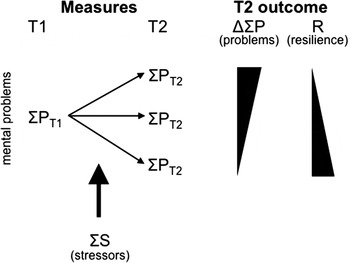
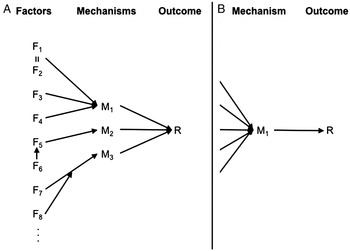

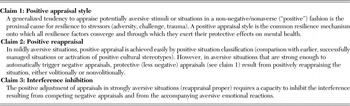
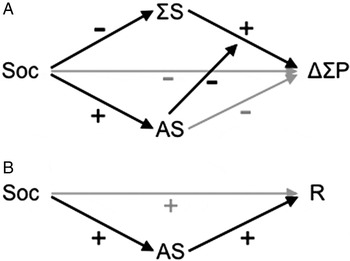
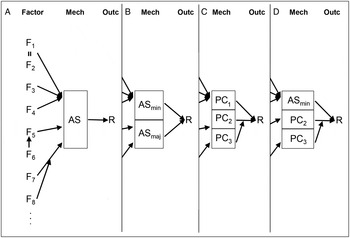



Target article
A conceptual framework for the neurobiological study of resilience
Related commentaries (35)
Adding network approaches to a neurobiological framework of resilience
Animals can tell us more
Appreciating methodological complexity and integrating neurobiological perspectives to advance the science of resilience
Are positive appraisals always adaptive?
Beyond resilience: Positive mental health and the nature of cognitive processes involved in positive appraisals
Broadening the definition of resilience and “reappraising” the use of appetitive motivation
Careful operationalization and assessment are critical for advancing the study of the neurobiology of resilience1
Cognitive trade-offs and the costs of resilience
Do we know how stressed we are?
Does a positive appraisal style work in all stressful situations and for all individuals?
Heterogeneity of cognitive-neurobiological determinants of resilience
Integration of negative experiences: A neuropsychological framework for human resilience
Knowledge and resilience
Personality science, resilience, and posttraumatic growth
Phenotypic programming as a distal cause of resilience
Positive appraisal style: The mental immune system?1
Quantifying resilience: Theoretical or pragmatic for translational research?
Reappraisal and resilience to stress: Context must be considered
Rediscovering confidence as a mechanism and optimism as a construct
Resilience and psychiatric epidemiology: Implications for a conceptual framework
Resilience is more about being flexible than about staying positive
Resilience: Mediated by not one but many appraisal mechanisms
Resilience: The role of accurate appraisal, thresholds, and socioenvironmental factors1
Rethinking reappraisal: Insights from affective neuroscience
Social ecological complexity and resilience processes
Stability through variability: Homeostatic plasticity and psychological resilience
The challenges of forecasting resilience
The importance of not only individual, but also community and society factors in resilience in later life
The self in its social context: Why resilience needs company
The temporal dynamics of resilience: Neural recovery as a biomarker
The value of “negative” appraisals for resilience. Is positive (re)appraisal always good and negative always bad?
Toward a translational neuropsychiatry of resilience
What do we know about positive appraisals? Low cognitive cost, orbitofrontal-striatal connectivity, and only short-term bolstering of resilience
When at rest: “Event-free” active inference may give rise to implicit self-models of coping potential
“If you want to understand something, try to change it”: Social-psychological interventions to cultivate resilience
Author response
Advancing empirical resilience research