To save content items to your account,
please confirm that you agree to abide by our usage policies.
If this is the first time you use this feature, you will be asked to authorise Cambridge Core to connect with your account.
Find out more about saving content to .
To save content items to your Kindle, first ensure no-reply@cambridge.org
is added to your Approved Personal Document E-mail List under your Personal Document Settings
on the Manage Your Content and Devices page of your Amazon account. Then enter the ‘name’ part
of your Kindle email address below.
Find out more about saving to your Kindle.
Note you can select to save to either the @free.kindle.com or @kindle.com variations.
‘@free.kindle.com’ emails are free but can only be saved to your device when it is connected to wi-fi.
‘@kindle.com’ emails can be delivered even when you are not connected to wi-fi, but note that service fees apply.
Coronavirus disease 2019 (COVID-19) has migrated to regions that were initially spared, and it is likely that different populations are currently at risk for illness. Herein, we present our observations of the change in characteristics and resource use of COVID-19 patients over time in a national system of community hospitals to help inform those managing surge planning, operational management, and future policy decisions.
The scientific literature on coronavirus disease (COVID-19) is extensive, but little is written about the role of emergency medical services (EMS). The objective of this study is to describe the role of Magen David Adom (MDA), Israel’s national emergency prehospital medical organization, in the pre-exposure period, before widespread governmental action. These efforts were based on (1) phone diagnosis, dispatch, and transport; and (2) border management checkpoints.
Methods:
This is a descriptive study of MDA’s role in pandemic response during the pre-exposure period. Medical emergency telephone calls from either individuals or medical sources were identified by a dispatcher as “suspected COVID-19” based on symptoms and travel exposure. Data were also collected for travelers approaching the MDA border checkpoint at Ben-Gurion International Airport.
Results:
The total number of protected transports during this time was 121. Of these, 44 (36.3%) were referred by medical sources, and 77 (63.7%) were identified as “suspected COVID-19” by dispatchers. The checkpoint was accessed by 156 travelers: 87 were sent to home-quarantine; 12 were transported to the hospital; 18 were refused entry; and 39 required no further action.
Conclusion:
EMS can work effectively in the pre-exposure period through instructing home quarantine, providing protected transport, and staffing border control checkpoints.
Iran is among the top 15 countries in the world in terms of coronavirus disease (COVID-19) infection rates. The numbers of infections and deaths are still increasing in September 2020. This study aims to investigate the impact of the policies on terminating the quarantine period on the perception of psychosocial safety by employees and workers in Iran.
Methods:
In this study, policy announcements and regulations, media reports, and the results were collected from 2 previously published population surveys that collected employees’ views of the government approach to quarantine. The information thus collected was then analyzed using the “What is the Problem Represented (WPR)” approach for data analysis introduced by Carol Bacchi, and focuses on the question, “What effects are produced by the representation of the problem?”
Results:
The Iranian Government decided to quarantine people and close most sectors during the New Year holidays in Iran in March 2020. The duration of quarantine was only 2 weeks, and the government then ordered government organizations and industrial companies to reopen. The advantage of a short quarantine period is assumed to be the reinstatement of productivity while the disadvantage is the likely risk of further transmission of the virus.
Conclusion:
The government approach to and communication about the quarantine period has neglected to consider the psychosocial safety climate of employees, who have to go to their workplaces using buses, subways, or other vehicles, and who are under pressure mentally because of fear of infection, dismissal for non-attendance, and the consequent economic problems. The government approach necessarily impacts on the perceived psychosocial safety climate of employees, and hence influences the causes of work stress. If the psychosocial safety climate is not considered and improved, it may reduce the quality of services and products, and increase accidents.
Coronavirus disease 2019 (COVID-19) is likely to exacerbate the symptoms of poor mental health in family caregivers.
Aims
To investigate whether rates of depressive symptomatology increased in caregivers during COVID-19 and whether the unintended consequences of health protective measures, i.e., social isolation, exacerbated this risk. Another aim was to see if caregivers accessed any online/phone psychological support during COVID.
Method
Data (1349 caregivers; 6178 non-caregivers) was extracted from Understanding Society, a UK population-level data-set. The General Health Questionnaire cut-off scores identified those who are likely to have depression.
Results
After adjustment for confounding caregivers had a higher risk of having depressive symptoms compared with non-caregivers, odds ratio (OR) = 1.22 (95% CI 1.05–1.40, P = 0.008) evidenced by higher levels of depression pre-COVID-19 (16.7% caregivers v. 12.1% non-caregivers) and during the COVID-19 pandemic (21.6% caregivers v. 17.9% non-caregivers), respectively. Further, higher levels of loneliness increased the risk of depression symptoms almost four-fold in caregivers, OR = 3.85 (95% 95% CI 3.08–4.85, P < 0.001), whereas accessing therapy attenuated the risk of depression (43%). A total of 60% of caregivers with depression symptoms reported not accessing any therapeutic support (for example online or face to face) during the COVID-19 pandemic.
Conclusions
COVID-19 has had a negative impact on family caregivers’ mental health with loneliness a significant contributor to depressive symptomatology. However, despite these detriments in mental health, the majority of caregivers do not access any online or phone psychiatric support. Finally, psychiatric services and healthcare professionals should aim to focus on reducing feelings of loneliness to support at-risk caregivers.
This study explores the relationship between local government dissemination of COVID-19 information and partisanship. The unit of analysis is all official county government websites in the United States. In particular, we investigate if there is a correlation between the overall partisanship of a county and whether a county government's website (1) mentions COVID-19 and (2) provides safety instructions concerning COVID-19. We hypothesize that mass partisanship will impact the probability that a county government's website provides information related to the coronavirus. We find that a larger share of Democratic voters in a county is associated with an increase in the probability that a county government's website mentions COVID-19 and provides safety instructions for its residents. The results hold even after controlling for population density, internet subscriptions and COVID-19 cases and deaths. The finding indicates that citizens’ access to information, even on matters of public health, are partially a consequence of partisanship.
The aim of this study was to describe the planning, implementation, and outcome of an acute care physician supplemental workforce during the local coronavirus disease 2019 (COVID-19) surge at a 771-bed academic medical center, from March 25 to May 5, 2020, in New Jersey, United States.
Methods:
The Department of Medicine sought participation by “independent” and redeployed “employed” physicians to provide acute hospital care, as well as assistance with occupational health and family communication. Plans addressed training, compensation, clinical privileges, malpractice, and collaboration with the existing hospitalist service.
Results:
Redeployed employed physicians (81% internists) selected either acute care (n = 68; median age, 52 y [range, 32-72 y]; 28% female) or non-face-to-face supportive roles (n = 69; median age, 52 y [range, 32-84 y]; 28% female). The redeployed physician group totaled 474 twelve-h daytime shifts typically caring for 10 patients per day. Six employed physicians refused redeployment, and only 3 independent physicians participated (all acute care). Of note, COVID-19 infection occurred in 10 hospitalists and intensivists, and in several redeployed physicians.
Conclusions:
Successful physician workforce staffing for medical disasters, such as the COVID-19 pandemic, requires consideration of personal risk, as well as medicolegal, financial, and clinical competency issues.
Critical shortages of personal protective equipment, especially N95 respirators, during the coronavirus disease 2019 (COVID-19) pandemic continues to be a source of concern. Novel methods of N95 filtering face-piece respirator decontamination that can be scaled-up for in-hospital use can help address this concern and keep healthcare workers (HCWs) safe.
Methods:
A multidisciplinary pragmatic study was conducted to evaluate the use of an ultrasonic room high-level disinfection system (HLDS) that generates aerosolized peracetic acid (PAA) and hydrogen peroxide for decontamination of large numbers of N95 respirators. A cycle duration that consistently achieved disinfection of N95 respirators (defined as ≥6 log10 reductions in bacteriophage MS2 and Geobacillus stearothermophilus spores inoculated onto respirators) was identified. The treated masks were assessed for changes to their hydrophobicity, material structure, strap elasticity, and filtration efficiency. PAA and hydrogen peroxide off-gassing from treated masks were also assessed.
Results:
The PAA room HLDS was effective for disinfection of bacteriophage MS2 and G. stearothermophilus spores on respirators in a 2,447 cubic-foot (69.6 cubic-meter) room with an aerosol deployment time of 16 minutes and a dwell time of 32 minutes. The total cycle time was 1 hour and 16 minutes. After 5 treatment cycles, no adverse effects were detected on filtration efficiency, structural integrity, or strap elasticity. There was no detectable off-gassing of PAA and hydrogen peroxide from the treated masks at 20 and 60 minutes after the disinfection cycle, respectively.
Conclusion:
The PAA room disinfection system provides a rapidly scalable solution for in-hospital decontamination of large numbers of N95 respirators during the COVID-19 pandemic.
In South Korea, many individuals were self-quarantined for the coronavirus disease 2019 (COVID-19) after the quarantine criteria were extended to all overseas travelers. This study was conducted to identify the noncompliance rate of self-quarantine for COVID-19 cases and assess the impact of a 1-strike out policy and an increased amount of penalty for the violating self-quarantine in South Korea.
Methods:
The self-quarantine noncompliance rate for COVID-19 was examined using publicly available data. We collected the daily number of quarantine and quarantine violation cases from March 22 to June 10, 2020. A Poisson regression analysis was conducted to identify the impact of additional sanctions for the quarantine violation.
Results:
The median number of individuals quarantined per day was 36,561 (interquartile range, 34,408-41,961). The median number of daily self-quarantine violations was 6 (range, 0-13). The median rate of self-quarantine violations was 1.6 per 10,000 self-quarantined individuals (range, 0.0-8.0 per 10,000 self-quarantined individuals). The additional sanction has no significant impact on the number of violations among quarantine individuals (P = 0.99).
Conclusions:
The additional sanction for the violation of quarantined individuals did not reduce the self-quarantine violations. Further studies are warranted to strengthen the compliance of self-quarantine for future pandemics.
Our purpose was to determine the intensive care units’ (ICU’s) medical staff surge capacity during the coronavirus disease 2019 (COVID-19) outbreak in Spring 2020 in Spain.
Methods:
A multicenter retrospective survey was performed addressing the medical specialties present in the ICUs and the increase in bed capacity during this period.
Results:
Sixty-seven centers (62.04%) answered the questionnaire. The ICU bed capacity during the pandemic outbreak increased by 160% (95% confidence interval [CI], 128.97-191.03%). The average number of beds per intensive care medicine (ICM) specialist was 1.5 ± 0.60 and 3.71 ± 2.44 beds/specialist before and during the COVID-19 outbreak, respectively. Non-ICM specialists and residents were present in 50 (74.63%) and 23 (34.3%) ICUs during the outbreak, respectively. The number of physicians (ICM and non-ICM residents and specialists) in the ICU increased by 89.40% (95% CI, 64.26114.53%). The increase in ICM specialists was, however, 4.94% (95% CI, −1.35-11.23%). Most non-ICM physicians were anesthetists, followed by pediatricians and cardiologists.
Conclusions:
The majority of ICUs in our study were able to rapidly expand critical care capacity by adapting areas outside of the normal ICU to manage critically ill patients, and by extending the critical care staff with noncritical care physicians working as force multipliers.
This study was conducted to assess the feasibility of extended use of N95 masks in our hospital during the coronavirus disease 2019 (COVID-19) pandemic. We also studied the use pattern, user satisfaction, and issues faced during extended use of the mask.
Methods:
This cross-sectional study was conducted among health-care providers in a large tertiary care teaching hospital in northern India from April 1 to May 31, 2020. A list was prepared from the institute’s register, and participants were chosen by random sampling. The data collected from the physical forms were transferred to excel sheets.
Results:
A total of 1121 responses were received. The most common problem stated with reuse of N95 masks was loss of fit followed by damage to the slings, highlighted by 44.6% and 44.4% of the participants, respectively. A total of 476 (42.5%) participants responded that they would prefer “cup-shaped N95 mask with respirator”. The median scores regarding the satisfaction with the quality of masks and their fit was also 4 each.
Conclusions:
It was concluded that the extended use of N95 masks was acceptable, with more than 96% of the participants using these masks.
The COVID-19 pandemic dramatically altered all aspects of life, including the creation of trade-offs between the right to vote and health. While many states postponed primary elections, Wisconsin forged ahead with their April 7, 2020 primaries. The result was widely criticized, with health officials raising concerns about the spread of COVID-19 through in-person voting. We argue that concerns from Wisconsin health officials about the potential to contract COVID-19 via in-person voting can shift American’s comfort with using various voting methods in November. We test our hypotheses using a survey experiment on a diverse national sample. We find that information about possible coronavirus exposures decreases comfort with voting in-person yet does not increase comfort with voting by mail. We discuss the implications, including the need to tailor messages to specific features of various methods of voting in order to increase citizens’ comfort with voting in upcoming elections.
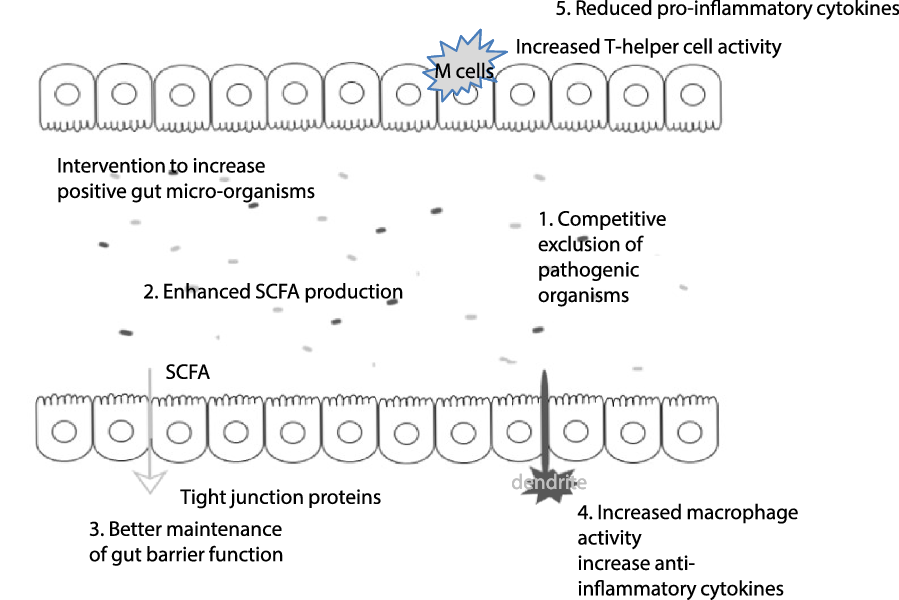
The recent COVID-19 pandemic has altered the face of biology, social interaction and public health worldwide. It has had a destructive effect upon millions of people and is approaching a devastating one million fatalities. Emerging evidence has suggested a link between the infection and gut microbiome status. This is one of the several factors that may contribute towards severity of infection. Given the fact that the gut is heavily linked to immunity, inflammatory status and the ability to challenge pathogens, it is worthwhile to consider dietary intervention of the gut microbiota as means of potentially challenging the viral outcome. In this context, probiotics and prebiotics have been used to mitigate similar respiratory infections. Here, we summarise links between the gut microbiome and COVID-19 infection, as well as propose mechanisms whereby probiotic and prebiotic interventions may act.
The objective of the paper is to analyse changes in food commodity prices and estimate the potential effects of food price change on nutrition security in Nepal in the context of COVID-19 contagion control measures. It presents a comparative intra-country observational study design looking at events before and during the pandemic (after implementation of contagion control measures). The study design includes three districts, enabling comparison between diverse agro-ecological zones and geographical contexts. The methodology consists of primary data collection, modelling and quantitative analysis. The analysis is based on actual school meal food baskets which represent culturally and nutritionally optimised food baskets, developed by the local community and notional typical household food baskets. End May/early June 2020 is the ‘Post-COVID-19’ reference point, the same time period in 2019 i.e. June 2019 is the ‘Pre-COVID-19’ reference point. The study finds a substantial increase in food commodity prices across food groups and districts with marked inter-district variation. For school meal basket, all micronutrients show large average declines ranging from 9⋅5 % for zinc to 11 % for vitamin-A. For household food baskets on average, vitamin-A reduced 37 % followed by iron at 19 %, reduction in zinc is low due to the high zinc content in whole grain cereals. COVID-19 control measures are likely to have contributed to substantial price inflation over the reference period with potentially damaging effects on nutrition security in Nepal with serious implications for vulnerable populations.
A compartmental model is proposed to predict the coronavirus 2019 (Covid-19) spread. It considers: detected and undetected infected populations, social sequestration, release from sequestration, plus reinfection. This model, consisting of seven coupled equations, has eight coefficients which are evaluated by fitting data for eight US states that make up 43% of the US population. The evolution of Covid-19 is fairly similar among the states: variations in contact and undetected recovery rates remain below 5%; however, variations are larger in recovery rate, death rate, reinfection rate, sequestration adherence and release rate from sequestration. Projections based on the current situation indicate that Covid-19 will become endemic. If lockdowns had been kept in place, the number of deaths would most likely have been significantly lower in states that opened up. Additionally, we predict that decreasing contact rate by 10%, or increasing testing by approximately 15%, or doubling lockdown compliance (from the current ~15% to ~30%) will eradicate infections in Texas within a year. Extending our fits for all of the US states, we predict about 11 million total infections (including undetected), and 8 million cumulative confirmed cases by 1 November 2020.
Shortages of personal protective equipment during the coronavirus disease 2019 (COVID-19) pandemic have led to the extended use or reuse of single-use respirators and surgical masks by frontline healthcare workers. The evidence base underpinning such practices warrants examination.
Objectives:
To synthesize current guidance and systematic review evidence on extended use, reuse, or reprocessing of single-use surgical masks or filtering face-piece respirators.
Data sources:
We used the World Health Organization, the European Centre for Disease Prevention and Control, the US Centers for Disease Control and Prevention, and Public Health England websites to identify guidance. We used Medline, PubMed, Epistemonikos, Cochrane Database, and preprint servers for systematic reviews.
Methods:
Two reviewers conducted screening and data extraction. The quality of included systematic reviews was appraised using AMSTAR-2. Findings were narratively synthesized.
Results:
In total, 6 guidance documents were identified. Levels of detail and consistency across documents varied. They included 4 high-quality systematic reviews: 3 focused on reprocessing (decontamination) of N95 respirators and 1 focused on reprocessing of surgical masks. Vaporized hydrogen peroxide and ultraviolet germicidal irradiation were highlighted as the most promising reprocessing methods, but evidence on the relative efficacy and safety of different methods was limited. We found no well-established methods for reprocessing respirators at scale.
Conclusions:
Evidence on the impact of extended use and reuse of surgical masks and respirators is limited, and gaps and inconsistencies exist in current guidance. Where extended use or reuse is being practiced, healthcare organizations should ensure that policies and systems are in place to ensure these practices are carried out safely and in line with available guidance.