To save content items to your account,
please confirm that you agree to abide by our usage policies.
If this is the first time you use this feature, you will be asked to authorise Cambridge Core to connect with your account.
Find out more about saving content to .
To save content items to your Kindle, first ensure no-reply@cambridge.org
is added to your Approved Personal Document E-mail List under your Personal Document Settings
on the Manage Your Content and Devices page of your Amazon account. Then enter the ‘name’ part
of your Kindle email address below.
Find out more about saving to your Kindle.
Note you can select to save to either the @free.kindle.com or @kindle.com variations.
‘@free.kindle.com’ emails are free but can only be saved to your device when it is connected to wi-fi.
‘@kindle.com’ emails can be delivered even when you are not connected to wi-fi, but note that service fees apply.
A recently developed pneumonia caused by SARS-CoV-2 has quickly spread across the world. Unfortunately, a simplified risk score that could easily be used in primary care or general practice settings has not been developed. The objective of this study is to identify a simplified risk score that could easily be used to quickly triage severe COVID-19 patients. All severe and critical adult patients with laboratory-confirmed COVID-19 on the West campus of Union Hospital, Wuhan, China, from 28 January 2020 to 29 February 2020 were included in this study. Clinical data and laboratory results were obtained. CURB-65 pneumonia score was calculated. Univariate logistic regressions were applied to explore risk factors associated with in-hospital death. We used the receiver operating characteristic curve and multivariate COX-PH model to analyse risk factors for in-hospital death. A total of 74 patients (31 died, 43 survived) were finally included in the study. We observed that compared with survivors, non-survivors were older and illustrated higher respiratory rate, neutrophil-to-lymphocyte ratio, D-dimer and lactate dehydrogenase (LDH), but lower SpO2 as well as impaired liver function, especially synthesis function. CURB-65 showed good performance for predicting in-hospital death (area under curve 0.81, 95% confidence interval (CI) 0.71–0.91). CURB-65 ⩾ 2 may serve as a cut-off value for prediction of in-hospital death in severe patients with COVID-19 (sensitivity 68%, specificity 81%, F1 score 0.7). CURB-65 (hazard ratio (HR) 1.61; 95% CI 1.05–2.46), LDH (HR 1.003; 95% CI 1.001–1.004) and albumin (HR 0.9; 95% CI 0.81–1) were risk factors for in-hospital death in severe patients with COVID-19. Our study indicates CURB-65 may serve as a useful prognostic marker in COVID-19 patients, which could be used to quickly triage severe patients in primary care or general practice settings.
An increase in spontaneous lower motor neuron facial nerve (VIIth cranial nerve) palsies was seen during the severe acute respiratory syndrome coronavirus 2 outbreak in our emergency clinic. This led us to perform a single-centre cohort review.
Methods
A retrospective review was conducted of VIIth cranial nerve palsies from January to June 2020 and the findings were compared to those cases reviewed in the previous year. The severe acute respiratory syndrome coronavirus 2 incidence of the cohort was compared with that of the Liverpool population.
Results
Our VIIth cranial nerve palsy incidence in the 2020 period was 3.5 per cent (30 out of 852), 2.7 higher than last year's rate of 1.3 per cent (14 out of 1081), which was a statistically significant difference (p < 0.01). Two of the 17 patients in our cohort tested positive for severe acute respiratory syndrome coronavirus 2 (11.8 per cent), contrasting with Liverpool's severe acute respiratory syndrome coronavirus 2 incidence (0.5 per cent).
Conclusion
Severe acute respiratory syndrome coronavirus 2 may be responsible for an increased number of facial nerve palsies; it is important for clinicians to be aware that this may being an initial presentation of the disease.
This study aimed to assess the impact of COVID-19 on presentations to an acute hospital with self-harm.
Methods:
All presentations to University Hospital Galway with self-harm were assessed during the peak period of the coronavirus crisis in Ireland, over the 3 months from 1 March to 31 May 2020. These data were compared with presentations in the same months in the 3 years preceding (2017–2019). Data were obtained from the anonymised service database.
Results:
This study found that in 2020, the rate of presentation with self-harm dropped by 35% from March to April and rose by 104% from April to May, peaking from mid-May. When trends over a 4-year period were examined, there was a significantly higher lethality of attempt (p < 0.001), and significant differences in diagnosis (p = 0.031) in 2020 in comparison with the three previous years. The increased lethality of presentations remained significant after age and gender were controlled for (p = 0.036). There were also significant differences in the underlying psychiatric diagnoses (p = 0.018), notably with a significant increase in substance misuse disorders presenting during the 2020 study period.
Conclusions:
COVID-19 showed a reduction in self-harm presentations initially, followed by a sharp increase in May 2020. If a period of economic instability follows as predicted, it is likely that this will further impact the mental health of the population, along with rates of self-harm and suicidal behaviours. There is a need for research into the longer-term effect of COVID-19 and lockdown restrictions, especially with respect to self-harm.
The study explores the challenges and threats young doctors in Pakistan working frontline toward the pandemic face, and how it translates into their personal and social lives.
Methods
Thirteen resident doctors working frontline with COVID-19 cases were approached and interviewed in-depth until the point of data saturation. Interpretative phenomenological analysis was used as a method for analysis.
Results
Four themes emerged in the analysis: pandemic anxiety, organizational lack of readiness for change, impact on interpersonal relationships, and commitment to service. Young doctors experienced psychological distress, and emotional vulnerability due to the challenges and concerns faced by them in the wake of COVID-19. Shortage and excessive reuse of personal protective equipment, direct exposure to the disease, concern for personal safety, fear and apprehension of being a probable disease carrier for families, physical distancing from loved ones, long working hours, and increased organizational responsibility altered the quality of life for doctors working frontline toward pandemic in COVID wards. Doctors who received appreciation and support by families reported improved filial bonds.
Conclusion
The adverse effect on psychological health, personal and social life, and increased professional demands have been some of the major challenges and threats faced by young doctors working frontline toward the pandemic. However, unconditional love and support from family and community has proven to reduce pandemic anxiety among doctors. Furthermore, the sense of compassion and the satisfaction in service to community has kept doctors devoted to fight against pandemic 2020.
To determine if the initial COVID-19 societal restrictions, introduced in Ireland in March 2020, impacted on the number and nature of psychiatry presentations to the emergency department (ED) of a large academic teaching hospital.
Methods:
We examined anonymised clinical data of psychiatry presentations to the ED during the initial 8-week period of COVID-19 restrictions. Data from corresponding 8-week periods in 2018 and 2019 were also extracted for comparison.
Results:
Psychiatry presentations to ED reduced by 21% during the COVID-19 restrictions, from 24/week to 19/week when compared with corresponding periods in 2018/2019 (Poisson’s Rate Test estimate of difference −5.2/week, 95% CI 1.3–9.1, p = 0.012). Numbers attending for out-of-hours assessment remained unchanged (81 v. 80), but numbers seeking assessment during normal hours decreased (71 v. 114). We observed increased presentations from the <18 age group, but decreased presentations from the 18 to 29 age group (Pearson’s Chi-Square 20.363, df = 6, p = 0.002). We recorded an increase in anxiety disorders during the initial COVID-19 restrictions (31 v. 23), and a reduction in alcohol disorders (28 v. 52). The proportion of presentations with suicidal ideation (SI) or self-harm as factors remained unchanged.
Conclusions:
Rates of emergency presentation with mental illness reduced during the initial COVID-19 restrictions. This may represent an unmet burden of mental health needs. Younger people may be experiencing greater distress and mental illness during the current crisis. More people sought help for anxiety disorders during the COVID-19 restrictions compared with corresponding data from 2018 and 2019.
The mortality of coronavirus disease 2019 (COVID-19) differs between countries and regions. This study aimed to clarify the clinical characteristics of imported and second-generation cases in Shaanxi. This study included 134 COVID-19 cases in Shaanxi outside Wuhan. Clinical data were compared between severe and non-severe cases. We further profiled the dynamic laboratory findings of some patients. In total, 34.3% of the 134 patients were severe cases, 11.2% had complications. As of 7 March 2020, 91.8% patients were discharged and one patient (0.7%) died. Age, lymphocyte count, C-reactive protein, erythrocyte sedimentation rate, direct bilirubin, lactate dehydrogenase and hydroxybutyrate dehydrogenase showed difference between severe and no-severe cases (all P < 0.05). Baseline lymphocyte count was higher in survived patients than in non-survivor case, and it increased as the condition improved, but declined sharply when death occurred. The interleukin-6 (IL-6) level displayed a downtrend in survivors, but rose very high in the death case. Pulmonary fibrosis was found on later chest computed tomography images in 51.5% of the pneumonia cases. Imported and second-generation cases outside Wuhan had a better prognosis than initial cases in Wuhan. Lymphocyte count and IL-6 level could be used for evaluating prognosis. Pulmonary fibrosis as the sequelae of COVID-19 should be taken into account.
The pandemic due to Severe Acute Respiratory Syndrome Coronavirus 2 (SARS-CoV-2) has emerged as a serious global public health issue. Since the start of the outbreak, the importance of hand-hygiene and respiratory protection to prevent the spread of the virus has been the prime focus for infection control. Health regulatory organisations have produced guidelines for the formulation of hand sanitisers to the manufacturing industries. This review summarises the studies on alcohol-based hand sanitisers and their disinfectant activity against SARS-CoV-2 and related viruses. The literature shows that the type and concentration of alcohol, formulation and nature of product, presence of excipients, applied volume, contact time and viral contamination load are critical factors that determine the effectiveness of hand sanitisers.
The United Nations warned of COVID-19-related mental health crisis; however, it is unknown whether there is an increase in the prevalence of mental disorders as existing studies lack a reliable baseline analysis or they did not use a diagnostic measure. We aimed to analyse trends in the prevalence of mental disorders prior to and during the COVID-19 pandemic.
Methods
We analysed data from repeated cross-sectional surveys on a representative sample of non-institutionalised Czech adults (18+ years) from both November 2017 (n = 3306; 54% females) and May 2020 (n = 3021; 52% females). We used Mini International Neuropsychiatric Interview (MINI) as the main screening instrument. We calculated descriptive statistics and compared the prevalence of current mood and anxiety disorders, suicide risk and alcohol-related disorders at baseline and right after the first peak of COVID-19 when related lockdown was still in place in CZ. In addition, using logistic regression, we assessed the association between COVID-19-related worries and the presence of mental disorders.
Results
The prevalence of those experiencing symptoms of at least one current mental disorder rose from a baseline of 20.02 (95% CI = 18.64; 21.39) in 2017 to 29.63 (95% CI = 27.9; 31.37) in 2020 during the COVID-19 pandemic. The prevalence of both major depressive disorder (3.96, 95% CI = 3.28; 4.62 v. 11.77, 95% CI = 10.56; 12.99); and suicide risk (3.88, 95% CI = 3.21; 4.52 v. 11.88, 95% CI = 10.64; 13.07) tripled and current anxiety disorders almost doubled (7.79, 95% CI = 6.87; 8.7 v. 12.84, 95% CI = 11.6; 14.05). The prevalence of alcohol use disorders in 2020 was approximately the same as in 2017 (10.84, 95% CI = 9.78; 11.89 v. 9.88, 95% CI = 8.74; 10.98); however, there was a significant increase in weekly binge drinking behaviours (4.07% v. 6.39%). Strong worries about both, health or economic consequences of COVID-19, were associated with an increased odds of having a mental disorder (1.63, 95% CI = 1.4; 1.89 and 1.42, 95% CI = 1.23; 1.63 respectively).
Conclusions
This study provides evidence matching concerns that COVID-19-related mental health problems pose a major threat to populations, particularly considering the barriers in service provision posed during lockdown. This finding emphasises an urgent need to scale up mental health promotion and prevention globally.
In Spain, the epidemic curve caused by COVID-19 has reached its peak in the last days of March. The implementation of the blockade derived from the declaration of the state of alarm on 14th March has raised a discussion on how and when to deal with the unblocking. In this paper, we intend to add information that may help by using epidemic simulation techniques with stochastic individual contact models and several extensions.
The Coronavirus disease 2019 (COVID-19) pandemic is an unprecedented traumatic event influencing the healthcare, economic, and social welfare systems worldwide. In order to slow the infection rates, lockdown has been implemented almost everywhere. Italy, one of the countries most severely affected, entered the “lockdown” on March 8, 2020.
Methods
The COvid Mental hEalth Trial (COMET) network includes 10 Italian university sites and the National Institute of Health. The whole study has three different phases. The first phase includes an online survey conducted between March and May 2020 in the Italian population. Recruitment took place through email invitation letters, social media, mailing lists of universities, national medical associations, and associations of stakeholders (e.g., associations of users/carers). In order to evaluate the impact of lockdown on depressive, anxiety and stress symptoms, multivariate linear regression models were performed, weighted for the propensity score.
Results
The final sample consisted of 20,720 participants. Among them, 12.4% of respondents (N = 2,555) reported severe or extremely severe levels of depressive symptoms, 17.6% (N = 3,627) of anxiety symptoms and 41.6% (N = 8,619) reported to feel at least moderately stressed by the situation at the DASS-21.
According to the multivariate regression models, the depressive, anxiety and stress symptoms significantly worsened from the week April 9–15 to the week April 30 to May 4 (p < 0.0001). Moreover, female respondents and people with pre-existing mental health problems were at higher risk of developing severe depression and anxiety symptoms (p < 0.0001).
Conclusions
Although physical isolation and lockdown represent essential public health measures for containing the spread of the COVID-19 pandemic, they are a serious threat for mental health and well-being of the general population. As an integral part of COVID-19 response, mental health needs should be addressed.
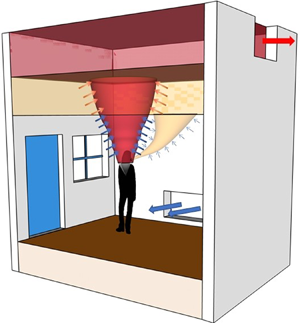
Although the relative importance of airborne transmission of the SARS-CoV-2 virus is controversial, increasing evidence suggests that understanding airflows is important for estimation of the risk of contracting COVID-19. The data available so far indicate that indoor transmission of the virus far outstrips outdoor transmission, possibly due to longer exposure times and the decreased turbulence levels (and therefore dispersion) found indoors. In this paper we discuss the role of building ventilation on the possible pathways of airborne particles and examine the fluid mechanics of the processes involved.
It has been speculated that some drugs can be used against SARS-CoV-2. As for antiretrovirals, the follow-up of pre-exposure prophylaxis (PrEP) users during the coronavirus disease 2019 (COVID-19) outbreak may help to understand the potential protective effect of PrEP against SARS-CoV-2. We aimed to identify associations between oral PrEP use and COVID-19-related symptoms self-reporting. Phone call interviews or digital investigation (through WhatsApp® or e-mail) about oral PrEP regular use, social distancing, exposure to suspected or confirmed cases of SARS-CoV-2 infection and COVID-19-related symptoms. Among 108 individuals, the majority were cisgender, white and gay men. Although most of the individuals engaged in social distancing (68.52%), they kept on taking PrEP (75.93%). Few people have had contact with suspected or confirmed cases of COVID-19 (12.04%), but some had COVID-19-related symptoms the month before the interview (27.78%) including rhinorrheoa (56.67%), cough (53.33%), asthaenia (50.00%) and headache (43.33%). Also, oral PrEP was associated with lower self-reporting COVID-19-symptoms (OR 0.26, 95% CI 0.07–0.96, P = 0.04; h = 0.92) even after controlling confounders as social distancing, age, body-mass index and morbidities . In our sample, the regular use of oral PrEP was associated with lower self-reporting of COVID-19-related symptoms during the outbreak in São Paulo, Brazil.
Coronavirus disease 2019 has had a dramatic effect on society and healthcare. Preparations were based on predictive models of need, and with uncertainty regarding risk to patients and healthcare workers. Actions taken had both immediate and ongoing ethical impacts. The most obvious of these was the shift in duty of care from individual patients to public health centred ethics and decision making.
Relevance
In ENT, many procedures are aerosol-generating and so our capacity to provide care will remain significantly reduced. This reduction in capacity may result in difficult choices for patients when optimal care may be replaced by acceptable care. ENT surgeons may also be faced with unaccustomed paternalism when capacity prevents them from acting within the patients’ wishes.
Conclusion
Despite these challenges, the novel uses of technology highlight the desire to preserve and enhance the autonomy of our patients.
The current circumstances of the coronavirus disease 2019 pandemic necessitate the use of personal protective equipment in hospitals. N95 masks and face shields are being used as personal protective equipment to protect from aerosol-related spread of infection. Personal protective equipment, however, hampers communication. This study aimed to assess the effect of using an N95 mask and face shield on speech perception among healthcare workers with normal hearing.
Methods
Twenty healthcare workers were recruited for the study. Pure tone audiometry was conducted to ensure normal hearing. Speech reception threshold and speech discrimination score were obtained, first without using personal protective equipment and then repeated with the audiologist wearing an N95 mask and face shield.
Results
A statistically significant increase in speech reception threshold (mean of 12.4 dB) and decrease in speech discrimination score (mean of 7 per cent) was found while using the personal protective equipment.
Conclusion
Use of personal protective equipment significantly impairs speech perception. Alternate communication strategies should be developed for effective communication.
As the novel coronavirus disease 2019 changed patient presentation, this study aimed to prospectively identify these changes in a single ENT centre.
Design
A seven-week prospective case series was conducted of urgently referred patients from primary care and accident and emergency department.
Results
There was a total of 133 referrals. Referral rates fell by 93 per cent over seven weeks, from a mean of 5.4 to 0.4 per day. Reductions were seen in referrals from both primary care (89 per cent) and the accident and emergency department (93 per cent). Presentations of otitis externa and epistaxis fell by 83 per cent, and presentations of glandular fever, tonsillitis and peritonsillar abscess fell by 67 per cent.
Conclusion
Coronavirus disease 2019 has greatly reduced the number of referrals into secondary care ENT. The cause for this reduction is likely to be due to patients’ increased perceived risk of the virus presence in a medical setting. The impact of this reduction is yet to be ascertained, but will likely result in a substantial increase in emergency pressures once the lockdown is lifted and the general public's perception of the coronavirus disease 2019 risk reduces.
Data on the possibility of transmission of Severe Acute Respiratory Syndrome Coronavirus 2 (SARS-CoV-2) during the provision of chronic haemodialysis, which often entails many person-to-person contacts, are lacking. We report a follow-up of the in-centre contacts of three positive chronic haemodialysis patients. Under strict preventive measures, only one patient out of 21 patient-contacts and 29 personnel-contacts tested positive within 2 weeks after the last contact. This patient, case #3, most likely became infected during unprotected, organised group transportation to the dialysis centre.