



1. Introduction
Socioeconomic inequalities in life outcomes, such as health and life expectancy, are an issue of concern to policy makers and to society as a whole. The public health literature is replete with efforts to understand the forces that generate and perpetuate health inequalities. This literature shows that differences in behaviour contribute substantially to socioeconomic disparities in health and mortality (Pampel, Krueger, & Denney Reference Pampel, Krueger and Denney2010). Yet why the people in society who face the most challenging life circumstances should respond to them with behaviours that exacerbate their problems is deemed an unresolved paradox. Furthermore, evidence suggests that this paradox is not restricted to health behaviour. In their high-profile review of economic behaviour, Haushofer and Fehr (Reference Haushofer and Fehr2014, p. 862) argued that “poverty may have particular psychological consequences that can lead to economic behaviours that make it difficult to escape poverty.”
There have been thorough reviews of socioeconomic gradients in individual types of behaviour. For example, financial, health, and even environmental behaviours have been examined (Gifford & Nilsson Reference Gifford and Nilsson2014; Haushofer & Fehr Reference Haushofer and Fehr2014; Pampel et al. Reference Pampel, Krueger and Denney2010). However, these articles address the literature in behavioural silos. They do not ask questions as to why all of these behaviours should be simultaneously socioeconomically patterned. The present article aims to address that gap in the literature. We first make the case that a cluster of behaviours is associated with socioeconomic status (SES; see Glossary – sect. 10). We call this cluster the behavioural constellation of deprivation (BCD; see sect. 2). We then present an explanatory approach to the BCD by establishing it as a contextually appropriate response to having limited control over the future outcomes of investments made in the present – an interpretation we call “the contextually appropriate response perspective” (sects. 2.1 and 2.2). We go on to illustrate how one specific uncontrollable factor, extrinsic mortality risk, should lead people to devalue the future (sect. 2.3), and then we discuss examples of other uncontrollable factors that may similarly influence behaviour (sect. 2.4). In the next section, we examine the ways in which the BCD may cause deprivation to become embedded and amplified through additive routes and feedback loops (sect. 3.2). We then review the psychological and physiological mechanisms by which limited control over future outcomes may lead to the BCD (sect. 4), emphasising that none of these mechanisms is necessarily incompatible with the contextually appropriate response perspective.
Some of the ideas we have pulled together in this review are well accepted in the evolutionary behavioural sciences (e.g., Del Giudice et al. Reference Del Giudice, Gangestad, Kaplan, Gangestad and Buss2004; Dunkel & Kruger Reference Dunkel, Kruger, Fieulaine and Stolarski2014; Frankenhuis et al. Reference Frankenhuis, Panchanathan and Nettle2016; Kruger et al. Reference Kruger, Reischl and Zimmerman2008; Tybur et al. Reference Tybur, Bryan and Hooper2012). Yet they do not seem to be widely discussed, or applied, in related fields, such as public health or developmental psychology, where they could be most useful. Thus, this article outlines how the contextually appropriate response perspective, which draws on evolutionary thinking, converges with, and differs from, other attempts to understand socioeconomic differences in behaviour in terms of control and temporal discounting (sects. 5 and 6). This is important, because evolutionary explanations are frequently assumed to be mutually exclusive of other explanations, an assumption that changes once we make the distinction between proximate and ultimate explanations (sect. 4; see also Pepper & Nettle Reference Pepper, Nettle, Lawson and Gibson2014c). Finally, we highlight some key implications of the contextually appropriate response perspective for policy and future research (sect. 7) and make some necessary clarifications and caveats (sect. 8). By drawing together, explaining, and extending the principles listed previously, and their relevance to key empirical findings, we hope to promote their application and stimulate interdisciplinary debate around them.
A great deal of work has been done that is relevant to the topics discussed in this article. However, this article integrates ideas across the broad traditions of psychology, social science, and evolutionary biology, and it is not possible to cite all of the relevant literature. Thus, in the conceptual sections of this article, we acknowledge the works that best illustrate the story we want to tell, often citing only a selection of relevant articles for brevity.
2. The behavioural constellation of deprivation
In this section, we review a cluster of behaviours that have been consistently found to vary with SES, the cluster we are referring to as “the BCD.” Before we review these behaviours, it is helpful to remember that SES is a complex construct that aims to define a person's ranking in a social and economic hierarchy. It is generally measured by such factors as education, occupation, income, or wealth. However, subjective measures are often used, and neighbourhood-level factors, such as average house price, crime rates, and disrepair, have become popular (Braveman et al. Reference Braveman, Cubbin, Egerter, Chideya, Marchi, Metzler and Posner2005; Krieger et al. Reference Krieger, Williams and Moss1997; Lakshman et al. Reference Lakshman, McConville, How, Flowers, Wareham and Cosford2011). Thus, when researchers examine associations between SES and other factors, such as behaviour or health outcomes, we are often using SES as a proxy measure to capture the experience of being generally less well off than others in society. Our use of the term “deprivation” rather than “SES” in the BCD therefore represents an acknowledgment that it is not necessarily income, education, or occupation per se that should lead to differences in behaviour but the experience of various hardships, or deprivations, that are often associated with being of lower SES.
At first glance, the behaviours of the BCD may seem varied and unrelated. However, we argue that they have a common theme – that of balancing costs and benefits in the present with those likely to be realised in the future.
People of lower SES tend to incur more debt, save less for the future, and invest less in education than those of higher SES (Blanden & Gregg Reference Blanden and Gregg2004; Chowdry et al. Reference Chowdry, Crawford and Goodman2011; Lea et al. Reference Lea, Webley and Levine1993; Livingstone & Lunt Reference Livingstone and Lunt1992; Sirin Reference Sirin2005; White Reference White1982). They have children sooner, an effect most visible at its extreme with the consistent socioeconomic patterning of teen pregnancies (e.g., Imamura et al. Reference Imamura, Tucker, Hannaford, da Silva, Astin, Wyness, Bloemenkamp, Jahn, Karro, Olsen and Temmerman2007; Johns Reference Johns2010; Nettle Reference Nettle2010a; G. D. Smith Reference Smith1993). They also tend to invest less in their children, not only financially but also through other efforts, such as breastfeeding, reading to them, and taking an interest in their education (Hango Reference Hango2007; Kiernan & Huerta Reference Kiernan and Huerta2008; Kohlhuber et al. Reference Kohlhuber, Rebhan, Schwegler, Koletzko and Fromme2008; Nettle Reference Nettle2010a).
Research has consistently uncovered socioeconomic gradients in a range of health behaviours. People of lower SES have poorer diets and are less physically active than those of higher SES (Brennan et al. Reference Brennan, Henry, Nicholson, Kotowicz and Pasco2009; Droomers et al. Reference Droomers, Schrijvers, van de Mheen and Mackenbach1998; Everson et al. Reference Everson, Maty, Lynch and Kaplan2002; McLaren Reference McLaren2007; Mobley et al. Reference Mobley, Root, Finkelstein, Khavjou, Farris and Will2006; Wardle et al. Reference Wardle, Waller and Jarvis2002). They are more likely to use illicit drugs and to drink excessive amounts of alcohol (Boyle & Offord Reference Boyle and Offord1986; Daniel et al. Reference Daniel, Hickman, Macleod, Wiles, Lingford-Hughes, Farrell, Araya, Skapinakis, Haynes and Lewis2009; Droomers et al. Reference Droomers, Schrijvers, Stronks, van de Mheen and Mackenbach1999; Legleye et al. Reference Legleye, Janssen, Beck, Chau and Khlat2011; Mäkelä Reference Mäkelä1999; Méjean et al. Reference Méjean, Droomers, van der Schouw, Sluijs, Czernichow, Grobbee, Bueno-de-Mesquita and Beulens2013). They also smoke more and have greater difficulty in quitting smoking (Harrell et al. Reference Harrell, Bangdiwala, Deng, Webb and Bradley1998; Kotz & West Reference Kotz and West2009; Legleye et al. Reference Legleye, Janssen, Beck, Chau and Khlat2011; Melotti et al. Reference Melotti, Heron, Hickman, Macleod, Araya and Lewis2011). Some argue that lower-SES individuals exhibit less healthy behaviours because they are unable to “purchase” health. This may be true for some health behaviours. For example, a high-quality diet may be much more expensive than a poor-quality one (Darmon & Drewnowski Reference Darmon and Drewnowski2008). However, financial restraints cannot explain some of the most common health-damaging behaviours: For such behaviours as smoking and alcohol consumption, the unhealthy option (consumption) is more financially costly than the healthy one (abstinence). Thus, this clustering of unhealthy behaviour not only contributes substantially to socioeconomic inequalities in health and mortality, but also is an enduring conundrum in public health (Pampel et al. Reference Pampel, Krueger and Denney2010).
2.1. Present-future trade-offs
All of the BCD behaviours that we have outlined above entail trade-offs between the present and future. For example, the decision to save money rather than to spend it immediately prioritises future needs and wants over present ones. Putting time, effort, and money into getting an education may yield future rewards, such as a better-paying job. However, resources invested in getting an education cannot be spent on other endeavours that may be more immediately rewarding. To invest in a child's well-being or education is to invest in the future of that child. However, those resources cannot be invested in other things. Similarly, healthy behaviour in the present often (although not always) involves forgoing an activity that is pleasurable in the short term, such as smoking, drinking alcohol, or eating sugary foods, to prevent potentially detrimental health effects in the future. It might also involve investing time, money, or energy in doing exercise that can (for some) feel unpleasant in the present but should pay health dividends in the future. These present-future trade-offs are not the only factor involved in the BCD. However, we propose that they are a core element – a common thread linking all of the behaviours in the constellation.
Myriad concepts in the literature are related to the idea of trade-offs between costs and benefits in the present and in the future. We have defined these terms and their relationships to one another in the Glossary (sect. 10). For simplicity, we use the term “temporal discounting” to refer to these related concepts and measures, such as time perspective, consideration of future consequences, impulsivity, and future-/present-orientation. Measures of temporal discounting have been related to many BCD behaviours, and we review this literature in section 5. At this point, it suffices to say that much of the BCD may result from socioeconomic differences in trade-offs between present and future. Support for this idea is reflected in the way that attitudes and perceptions vary with SES: People of lower SES have been found to be more impulsive, less future-oriented, and more pessimistic about their futures than those of higher SES (Adams & White Reference Adams and White2009; DeWit et al. Reference DeWit, Flory, Acheson, Mccloskey and Manuck2007; Robb et al. Reference Robb, Simon and Wardle2009). For example, one study examined households in hundreds of Vietnamese villages and found that people in higher-income households and in wealthier villages were more patient (Tanaka et al. Reference Tanaka, Camerer and Nguyen2010). Similar associations between time preference and wealth and education have even been documented in the small-scale horticultural-forager societies of the Tsimane Amerindians (Kirby Reference Kirby2002).
Why might socioeconomic differences be evident in temporal discounting? The literature presents a variety of views on the question. Some view impulsivity as the result of “deficient inhibitory processes,” implying that impulsivity is pathology (Bari & Robbins Reference Bari and Robbins2013; Dalley et al. Reference Dalley, Everitt and Robbins2011). Others suggest that stress and negative affect cause “short-sighted” decision making, implying that present-oriented decisions are the result of poor judgement or impaired cognition brought on by stress (Haushofer & Fehr Reference Haushofer and Fehr2014). By contrast, we, among others, argue that socioeconomic differences in temporal discounting may represent a contextually appropriate response to factors associated with SES, which we discuss in sections 2.2–2.4. By describing behaviours as “contextually appropriate,” we wish to imply that they are understandable given the context in which people are operating. In this particular case, we argue that the behaviours of the BCD represent contextually appropriate responses to experiences commonly associated with socioeconomic hardship – an interpretation that we refer to as the contextually appropriate response perspective.
2.2. Personal control and the ability to influence the future
People of lower SES are by definition poorer than those of higher SES (Braveman et al. Reference Braveman, Cubbin, Egerter, Chideya, Marchi, Metzler and Posner2005) and tend to have lower social and political influence. This lack of wealth and influence may limit their ability to affect future outcomes (Infurna et al. Reference Infurna, Gerstorf, Ram, Schupp and Wagner2011). At the psychological level, the inability to influence the future is experienced as a lesser sense of personal control. We henceforth use “personal control” to refer to both the actual ability to influence future outcomes and the perception that one has that ability (although we discuss issues relating to the concordance between perceptions and reality in sects. 7 and 8.4).
Lower SES may reduce personal control in several ways. Most obviously, wealth enhances the ability to purchase solutions to problems. For example, residents in a deprived community may face a range of hazards, such as pollution, unsafe housing, or violent crime. They are less able to control their exposure to such hazards if they cannot afford to repair their housing or move to a safer neighbourhood. In addition, higher SES brings with it a variety of social and institutional connections and resources that can help alter outcomes. Several decades' worth of empirical studies demonstrate associations between measures of SES and both perceived and actual personal control (Bosma et al. Reference Bosma, van de Mheen and Mackenbach1999; Gilmore et al. Reference Gilmore, McKee and Rose2002; Infurna et al. Reference Infurna, Gerstorf, Ram, Schupp and Wagner2011; Kiecolt et al. Reference Kiecolt, Hughes and Keith2009; Lachman & Weaver Reference Lachman and Weaver1998; C. Lee et al. Reference Lee, Ford and Gramotnev2009; Lundberg et al. Reference Lundberg, Bobak, Malyutina, Kristenson and Pikhart2007; Mirowsky et al. Reference Mirowsky, Ross and Van Willigen1996; Poortinga et al. Reference Poortinga, Dunstan and Fone2008; Ross & Wu Reference Ross and Wu1995; Turner & Noh Reference Turner and Noh1983; Umberson Reference Umberson1993; Whitehead et al. Reference Whitehead, Pennington, Orton, Nayak, Petticrew, Sowden and White2016).
There are known SES gradients in mental health, with lower-SES people suffering from a greater burden of problems, such as depression, anxiety, and schizophrenia (Hudson Reference Hudson2005; Muntaner et al. Reference Muntaner, Eaton, Miech and O'Campo2004; Stewart Williams & Cunich Reference Stewart Williams and Cunich2013). We do not discuss these associations in detail, because they are beyond the scope of our article. However, we note that the phenomenon seems unsurprising when you consider that lower-SES people frequently struggle with a range of problems that are, or are perceived to be, beyond their control.
2.3. The specific example of control over mortality risk
Limited personal control may include a restricted ability to ensure that returns on investments made in the present, for payoffs in the future, will be received. The most extreme example of a factor limiting payoffs of investments for the future is death: A lack of control over one's own risk of death can limit one's chance of being alive to spend saved money, to have children in future years, to reap the benefits of healthy living, or to see any other future outcome at all. A risk of death that is beyond one's control can be termed “extrinsic mortality risk” (see Glossary – sect. 10).
Let us consider the role of extrinsic mortality risk in SES differences in health behaviours. If people of lower SES feel that they are likely to be killed by something they cannot control, it would make sense for them to invest less effort in looking after their health (the part of their mortality risk that they can control). The reason is that as the component of mortality risk that one cannot influence becomes larger, the odds of living long enough to see the rewards of healthy living diminish (elsewhere, we have called this the uncontrollable mortality risk hypothesis; Pepper & Nettle Reference Pepper and Nettle2014a).
A simplified example of the logic is as follows: If you live in a neighbourhood beset by violent crime, your risk of being a victim of homicide is relatively high. Again, if you are poor and cannot afford to move to a better neighbourhood, this risk is beyond your control. Under such circumstances, there may seem little point in quitting smoking or eating healthy foods, because you may not live to see the benefits of these actions. A quote from a young offender from Atlanta illustrates the severity of this problem in some deprived neighbourhoods: “Where I'm from you never know if you gonna live one minute to the next. It's like a war out there. People die every day. You can go to sleep and hear gunshots all night man, all night” (Brezina et al. Reference Brezina, Tekin and Topalli2009). This attitude may seem exaggerated, but evidence shows the existence of strong SES gradients in mortality due to homicide (Cubbin et al. Reference Cubbin, LeClere and Smith2000; Redelings et al. Reference Redelings, Lieb and Sorvillo2010; Shaw et al. Reference Shaw, Tunstall and Dorling2005), assault, and other violent crimes (Leyland & Dundas Reference Leyland and Dundas2010; Markowitz Reference Markowitz2003).
Furthermore, violent crime is not the only factor that might make mortality risk less controllable for the poor. Even when unhealthy behaviours are controlled for, lower-income populations still suffer an elevated risk of mortality relative to higher-income populations (Lantz et al. Reference Lantz, House, Lepkowski, Williams, Mero and Chen1998). This disparity suggests that lower-SES individuals face mortality risks that do not result from their behaviour – these risks are extrinsic. A systematic review by Bolte et al. (Reference Bolte, Tamburlini and Kohlhuber2010) examined environmental inequalities among children in Europe, offering examples of specific risks to which the poor are more exposed. They found that lower-SES children suffer from multiple and cumulative exposures to health hazards, including traffic-related air pollution, noise, lead, environmental tobacco smoke, inadequate housing, and unsafe residential conditions.
At first glance, it may seem that the absolute levels of extrinsic mortality risk associated with deprivation in developed nations cannot be sufficient to cause meaningful differences in incentives for future-oriented behaviour. However, Nettle (Reference Nettle2010b) used a mathematical model to make the case that increases in uncontrollable mortality at low absolute rates (1–3%) could be expected to lead to marked shifts in health behaviour (see Fig. 1 and sect. 3.1 for more details). The model showed that inequalities in control over exposure to mortality hazards need not be great to generate clear socioeconomic differences in health behaviours. Nonetheless, there are marked inequalities in mortality by certain causes. For example, in the United Kingdom between 1996 and 2000, people living in the poorest 10% of neighbourhoods were more than 5.7 times more likely to be murdered than those living in the wealthiest 10% (Shaw et al. Reference Shaw, Tunstall and Dorling2005). Given the aforementioned insight from Nettle's (Reference Nettle2010b) model, we might expect initial inequalities of such a magnitude to generate substantial SES differences in health behaviours.
The additive effect of extrinsic and intrinsic mortality risks. As extrinsic mortality risk increases, the predicted total mortality rate increases more rapidly, through a combination of the primary effect of extrinsic mortality and the secondary effect of disinvestment in health as a response to extrinsic mortality risk (intrinsic mortality risk). Total mortality risk assumes the optimal amount of health-protecting behaviour for maximising Darwinian fitness at that level of extrinsic mortality, given a negative-exponential relationship between health behaviour and intrinsic mortality risk. (Reproduced from Nettle Reference Nettle2010b.)

Some of our recent empirical findings support the idea that limited control should cause disinvestment in health. In a sample of North American adults we surveyed, those of lower SES perceived a greater portion of their personal mortality risk as being extrinsic. That is, they believed that their mortality risk would be relatively unaffected by their making greater efforts to look after their health (Pepper & Nettle Reference Pepper and Nettle2014b). Moreover, we found that the degree to which mortality risk was perceived as extrinsic was the best predictor of how much effort in looking after health they reported making.
Lawlor et al. (Reference Lawlor, Frankel, Shaw, Ebrahim and Smith2003) put forward a similar hypothesis. They examined trends in smoking prevalence among the different social classes over time (1948–1999) and found that, once the health risks of smoking became widely known, there were marked decreases in smoking in the upper social classes, but not in the lower classes. They suggested that this was because the lower social classes were still suffering a substantial burden from non–smoking-related morbidity and premature mortality that reduced their incentive to forgo the otherwise appealing activity of smoking. Their idea is supported by evidence that smoking is more prevalent among occupational groups who are more exposed to hazards in the workplace, while it is less prevalent among those who are exposed to fewer hazards at work (Sterling & Weinkam Reference Sterling and Weinkam1990).
It is not only health behaviour that should change in response to extrinsic mortality risk. People who have a limited ability to ensure their own longevity should operate on a shorter time scale with respect to a range of outcomes (Daly & Wilson Reference Daly and Wilson2005; Kruger et al. Reference Kruger, Reischl and Zimmerman2008), and the evidence suggests that they do. Analyses from a Global Preferences Survey of 80,000 people in 76 countries show that people living in countries with longer average life expectancies are more willing to wait for future rewards (Falk et al. Reference Falk, Becker, Dohmen, Enke, Huffman and Sunde2015). People living under conditions of high extrinsic mortality have children sooner than those living under conditions of low extrinsic mortality (Quinlan Reference Quinlan2010; Störmer & Lummaa Reference Störmer and Lummaa2014; Wilson & Daly Reference Wilson and Daly1997). Across countries, there are strong associations between mortality rates and ages at first birth (Bulled & Sosis Reference Bulled and Sosis2010; Low et al. Reference Low, Hazel, Parker and Welch2008; Low et al. Reference Low, Parker, Hazel and Welch2013). Similar patterns can be seen among individuals within countries and cities (Nettle Reference Nettle2010a; Quinlan Reference Quinlan2010; Wilson & Daly Reference Wilson and Daly1997), and there are associations between parental investment and mortality risk (Quinlan Reference Quinlan2007). One study even examined several behaviours from the BCD simultaneously. It showed that the scheduling of marital and reproductive behaviours and the attainment of education were associated with life expectancy (Krupp Reference Krupp2012).
Experiences indicative of personal mortality risk also appear to influence the extent to which people value future financial outcomes. Exposure to violence is associated with financial future discounting (Ramos et al. Reference Ramos, Victor, Seidl-de-Moura and Daly2013). Earthquake survivors discount future rewards more steeply than controls (Li et al. Reference Li, Gui, Feng, Wang, Du, Gan and Luo2012), and experiences of close bereavement are associated with greater financial future discounting (Pepper & Nettle Reference Pepper and Nettle2013).
2.4. Personal control over factors other than mortality risk
We have made the case that a behavioural constellation is associated with deprivation, which is characterised by a tendency to prioritise more immediate outcomes above distant ones (sect. 2). We have suggested that people of lower SES prioritise the present, because they are less able to ensure that they will receive deferred rewards (sect. 2.2). This hypothesis illustrates the link between SES, control, and temporal discounting. We have used extrinsic mortality risk as an illustrative example, partly because mortality is the most definitive future-limiting factor (sect. 2.3). Moreover, extrinsic mortality risk has been extensively studied in evolutionary theoretical models, principles from which can be used to deepen our understanding of socioeconomic differences in behaviour (see sect. 3).
Although we have emphasised the role of extrinsic mortality risk, it is important to note that socioeconomic differences in control over other future-limiting factors are also important. For example, deprived neighbourhoods have lower levels of trust, cooperation, and social capital (Drukker et al. Reference Drukker, Kaplan, Feron and van Os2003; Drukker & van Os Reference Drukker and van Os2003; Hill et al. Reference Hill, Jobling, Pollet and Nettle2014; Schroeder et al. Reference Schroeder, Pepper and Nettle2014). Their residents may feel less able to rely on others to deliver on their promises of future rewards. They should therefore be less willing to accept delays on social returns, because a delay contains an inherent risk that the future reward will not be received. Indeed, a large international survey recently found that people who are trusting of others feel safe in the area they live in, have confidence in their local police force, and are also more patient (Falk et al. Reference Falk, Becker, Dohmen, Enke, Huffman and Sunde2015). The idea that trust influences temporal discounting is further supported by some experimental evidence: After having interacted with an experimenter who failed to deliver on a promise, children were less willing to wait for a larger reward than those who had interacted with a reliable experimenter (Kidd et al. Reference Kidd, Palmeri and Aslin2013). Similarly, vignette studies have shown that people are less willing to wait for rewards from characters described as being untrustworthy or from people whose face images had been manipulated to make them appear less trustworthy (Michaelson et al. Reference Michaelson, de la Vega, Chatham and Munakata2013).
When it comes to financial decisions, having a low income – in itself a relatively uncontrollable factor – should interact with other future-limiting factors to decrease the incentive to save for the future: If one has less money available to save, it will take longer to save for any given purpose, making smaller-sooner rewards more achievable than distant saving goals and thus exacerbating the effects of temporal discounting on saving. Evidence suggests that having capital does indeed make it easier to accumulate wealth (Borgerhoff Mulder et al. Reference Borgerhoff Mulder, Bowles, Hertz, Bell, Beise, Clark, Fazzio, Gurven, Hill, Hooper, Irons, Kaplan, Leonetti, Low, Marlowe, McElreath, Naidu, Nolin, Piraino, Quinlan, Schniter, Sear, Shenk, Smith, von Rueden and Wiessner2009; Bowles et al. Reference Bowles, Smith and Borgerhoff Mulder2010; Piketty Reference Piketty2015; Piketty & Saez Reference Piketty and Saez2014). Thus, those who start out with less capital are less able to accumulate wealth and are therefore less incentivised to save for a future that may not come.
2.5. Positive versus negative outcomes
We have argued that a combination of future-limiting factors, including extrinsic mortality risk, may account for the BCD, which is characterised by the prioritisation of the present over the future. Many of our examples have involved the expected effect of future-limiting factors on the willingness to wait for rewards. However, it should also be noted that the same principle applies to negative outcomes.
People should be less worried about accruing debt if they believe there is a limited chance that they will ever have to repay it. Similarly, they should be less concerned about indulging in activities that are rewarding in the short term, and damaging in the long term, if they think that they may not be around to see the negative consequences of those actions in the future (Daly & Wilson Reference Daly and Wilson2005). For example, studies have found that greater temporal discounting and decreased consideration for future consequences are associated with health-risking behaviours and criminal activity, activities that entail potential negative future consequences in terms of poor health and potential punishment (Dassen et al. Reference Dassen, Houben and Jansen2015; Nagin & Pogarsky Reference Nagin and Pogarsky2004; Reimers et al. Reference Reimers, Maylor, Stewart and Chater2009).
If people expect their futures to be bleak regardless of what they do in the present, avoiding actions with potential negative future consequences may seem pointless. Indeed, young people who express feelings of hopelessness and of being futureless also report more violent and aggressive behaviour, substance use, and sexual risk taking (Bolland Reference Bolland2003; Brezina et al. Reference Brezina, Tekin and Topalli2009).
Experiments have also been used to manipulate participants' considerations of future consequences and, thereby, behaviours that could result in future punishment. In one experiment, participants who had written a letter to their future selves were less likely to agree to hypothetical illegal actions. In another, those who interacted with digitally created versions of their future selves in a virtual reality environment were less likely to cheat in a subsequent trivia quiz when given the opportunity (van Gelder et al. Reference van Gelder, Hershfield and Nordgren2013).
3. Theoretical models that augment our understanding of the BCD
In this section, we review models from evolutionary biology that are relevant to the BCD. Many of these models embody principles that were originally used to understand the selective forces leading to the evolution of traits over generations. However, the same principles can be applied to enhance our understanding of how behaviour is shaped by people's environments within their lifetimes. Thinking about the predictions of these models can generate a deeper understanding of the effects of deprivation throughout the life course. In section 3.1, we discuss models of extrinsic mortality and ageing. In section 3.2, we outline models of feedback and feedforward processes, which illustrate how small initial differences can generate larger eventual inequalities.
3.1. Models of extrinsic mortality and ageing
Evolutionary theoretical models have comprehensively examined extrinsic mortality risk as a factor in ageing and life histories (Medawar Reference Medawar1952; Stearns Reference Stearns1992; Williams Reference Williams1957). Models of ageing identify extrinsic mortality as a factor that limits the energetic investment that should be made in physiological repair (Kirkwood Reference Kirkwood1977; Kirkwood & Austad Reference Kirkwood and Austad2000). They also predict earlier reproduction in response to extrinsic mortality risk (Kirkwood & Rose Reference Kirkwood and Rose1991; Westendorp & Kirkwood Reference Westendorp and Kirkwood1998). These predictions are supported by empirical evidence: Mammals that suffer high levels of natural mortality mature earlier, start reproducing sooner, have shorter gestation periods, and give birth to larger litters of smaller offspring (Harvey & Zammuto Reference Harvey and Zammuto1985; Promislow & Harvey Reference Promislow and Harvey1990). Experimental evolution studies in fruit flies show that if adult mortality rates are manipulated in the laboratory, shorter life-spans and earlier peak fecundity evolve (Stearns et al. Reference Stearns, Ackermann, Doebeli and Kaiser2000).
Most models of ageing and life histories examine how the strategies of organisms should evolve over generations. However, the logic of these models inspired the prediction that people should, within their lifetimes, calibrate their behavioural investments in the future, including health efforts, in response to perceived extrinsic mortality risk (e.g., Chisholm et al. Reference Chisholm, Ellison, Evans, Lee, Lieberman, Pavlik, Ryan, Salter, Stini and Worthman1993; Nettle Reference Nettle2010b). Such models assume that natural selection has endowed organisms with the ability to adjust their behaviours plastically in response to their environments. This assumption is supported by evidence that human reproductive strategies vary systematically with levels of local mortality risk (e.g., Chisholm et al. Reference Chisholm, Ellison, Evans, Lee, Lieberman, Pavlik, Ryan, Salter, Stini and Worthman1993; Lawson & Mace Reference Lawson and Mace2011; Low et al. Reference Low, Hazel, Parker and Welch2008; Nettle Reference Nettle2011; Nettle et al. Reference Nettle, Coall and Dickins2011) – associations that change so rapidly, they are not plausibly a result of genetic selection.
We have found support for the idea that people may alter their behavioural investments in health in response to perceived extrinsic mortality risk (Pepper & Nettle Reference Pepper and Nettle2014a; Reference Pepper and Nettle2014b). Evolutionary theoretical models have also shown that physiological investment in health may be calibrated within an individual's lifetime, based on rates of extrinsic mortality (Cichoń Reference Cichoń1997). That is, exposure to extrinsic mortality risk may lead to double disinvestment, with the body allocating fewer resources to physiological repair and reducing behavioural investments in health. This disinvestment relates to the question of health inequalities, because it has been proposed that people of differing SES may age at different rates (Adams & White Reference Adams and White2004). We propose that SES differences in exposure to extrinsic mortality risk drive differences in both physiological and behavioural investments in health, leading to this apparent socioeconomic difference in pace of ageing.
If extrinsic mortality risk triggers a double disinvestment in future health, through behavioural and physiological pathways, then it could generate a composite effect. Moreover, if there are initial inequalities in exposure to extrinsic mortality risk, these could become summed with the additional mortality risk generated by disinvestment in health (the intrinsic mortality risk – see Glossary, sect. 10) to give a larger total mortality risk (Nettle Reference Nettle2010b). Figure 1 illustrates this idea. Assuming a negative-exponential relationship between health behaviour and intrinsic mortality risk, and a relatively weak trade-off between health behaviour and other activities, a 1% level of extrinsic mortality risk would generate a disinvestment in health that increases total mortality risk to 1.39%. At a greater, but still realistic, 5% level of extrinsic mortality, the total mortality risk, given optimal health behaviour (as dictated by the model), would be 6.15%. The higher the initial level of extrinsic mortality risk, the greater the secondary effect, and the more the problem is compounded.
3.2. Models of feedback and feedforward processes
In section 3.1, we explained how small initial differences in exposure to extrinsic mortality risk may be amplified, generating larger eventual disparities in mortality through the combined effects of extrinsic mortality risk and the intrinsic risk it causes via behavioural and physiological disinvestment in the future. Although they are important, these principles alone are unlikely to be sufficient to explain the observed magnitude and persistence of socioeconomic gradients in behaviour. We also need to understand how individual decisions have consequences that feed back into the future decision space, leading to the perpetuation and magnification of small initial differences. Fortunately, principles from evolutionary theory can also be brought to bear on these processes.
A simple illustration is as follows. Let us assume that unhealthy behaviours do some amount of irreparable damage to health. Once this damage is done, it is, technically, extrinsic – that is, damage done in the past may not be reversible by healthy behaviour in the present. This irreparable damage, like other sources of extrinsic mortality risk, limits the benefit of healthy behaviour, which leads to more unhealthy behaviour, which does more damage. Thus, healthy behaviour is further disincentivised, and the cycle compounds itself (Fig. 2). Given such a dynamic, one could take two identical individuals, start their lives in environments with differing levels of extrinsic mortality risk, and then move them into identically benign environments but still see diverging outcomes. Such positive feedback loops are often identified in theoretical models from behavioural ecology (e.g., Luttbeg & Sih Reference Luttbeg and Sih2010; Sozou & Seymour Reference Sozou and Seymour2003).
The hypothesised dynamic between extrinsic mortality risk, intrinsic mortality risk (resulting from behavioural and physiological disinvestments in health), and total mortality risk. Extrinsic mortality risk contributes directly to total mortality risk. Extrinsic mortality risk also decreases the optimal behavioural and physiological investments in health. Any disinvestment in health increases the level of intrinsic mortality risk, thereby contributing to total mortality risk. Assuming that disinvestments in health leave some amount of irreparable damage, they will feed back into extrinsic mortality risk, increasing it and continuing the feedback loop.

These feedback loops might cause inequalities in early life to become embedded to the point that later intervention has little impact in terms of closing the life-expectancy gap. Consistent with this possibility, much evidence suggests that early-life circumstances are important for determining health in later life (e.g., Aizer & Currie Reference Aizer and Currie2014; Blackwell et al. Reference Blackwell, Hayward and Crimmins2001; Case et al. Reference Case, Fertig and Paxson2005; Haas Reference Haas2008; Miller et al. Reference Miller, Chen and Parker2011; Nettle Reference Nettle2014; Palloni et al. Reference Palloni, Milesi, White and Turner2009). The results of longitudinal studies even suggest that early-life experiences are related to markers of biological ageing: For example, traumatic childhood experiences have been linked to increased telomere erosion (Revesz et al. Reference Revesz, Milaneschi, Terpstra and Penninx2016; Shalev et al. Reference Shalev, Moffitt, Sugden, Williams, Houts, Danese, Aresnault and Caspi2012).
Another principle from theoretical models that can be applied to the BCD is that of constraint. Individuals who start out in a poor state, economically or physiologically, may appear to make inappropriate choices, when in fact they are “making the best of a bad job” (Luttbeg & Sih Reference Luttbeg and Sih2010). In a theoretical model of adaptive behavioural syndromes, individuals who start off in better states always do better than those who start in poorer states, even though all individuals make appropriate decisions, given their starting points (Luttbeg & Sih Reference Luttbeg and Sih2010). This result emphasises the fallacy of assuming that the appropriate strategy is the same for all individuals – that is, what is optimal for one individual might be suboptimal for another. The concept of making the best of a bad job is important for the two hypothetical individuals mentioned above. Although their adult environments are identical, they may still display different health behaviours and experience different health outcomes, because they had different early-life experiences. Their initial decisions, which were optimal (in the theoretically modelled sense) given the constraints they faced at the time, became embedded as irreparable damage, altering what is optimal for them to do later, relative to those who had better starts. In other words, constraints breed constraints.
The feedback loops that we have described can also be amplified over generations. Those who start out in poor conditions may adopt a strategy of early reproduction with limited parental investment. Even though this might be the best that they can do under the circumstances, it nonetheless may mean that their children start out in poorer states than those of their relatively advantaged peers. This initial disadvantage will, in turn, condition their behavioural decisions and health risks, passing the disadvantages across the generational boundary and perpetuating the cycle. A review by Aizer and Currie (Reference Aizer and Currie2014) summarised data in support of this idea; they found that maternal disadvantage translated to poorer child health through a range of mechanisms, including poor maternal health, poor maternal health behaviour, and exposure to harmful environmental factors.
We have reviewed a number of principles from evolutionary models of ageing (the result of physiological disinvestment in future health) that could be applied to the problem of individual differences in health behaviour (behavioural disinvestment in future health). First and foremost, we have emphasised the idea that extrinsic mortality risk should reduce investment in future outcomes, including health. We have also reviewed the ideas that small initial differences can lead to large eventual disparities and that feedback loops are at work and can operate intergenerationally. These principles can help us understand how socioeconomic inequalities in health and longevity can become embedded and amplified through differing rates of ageing and unhealthy behaviours. The differences in life expectancy that are generated through these additive pathways and feedback loops may drive the BCD.
4. The mechanisms involved in the BCD
A central feature of evolutionary perspectives on behaviour is that they make the distinction between ultimate and proximate causes (Mayr Reference Mayr1961; Tinbergen Reference Tinbergen1963). “Ultimate explanations” clarify why a trait or behaviour should occur in a specified population and environment, given the payoffs to that trait or behaviour in that environment. As such, the contextually appropriate response perspective we have discussed so far is an ultimate explanation. However, ultimate explanations do not preclude – and, indeed, require – “proximate explanations,” which detail how those contextually appropriate behavioural responses are generated within the individual. For example, proximate explanations might identify the psychological or neural mechanisms involved in generating patterns of behaviour. Proximate and ultimate explanations are complementary (Scott-Phillips et al. Reference Scott-Phillips, Dickins and West2011). Furthermore, it is possible to outline multiple proximate causes, which may seem distinct but are all part of the same process of delivering the contextually appropriate response. For example, biological mechanisms (such as endocrinological or neurological processes) will underlie mechanisms conceptualised at the psychological level (such as impulsivity), which, in turn, deliver differences in behaviour in response to the environment. In this section, we discuss some of the psychological (sects. 4.1–4.3) and biological (sects. 4.4 and 4.5) processes that might be considered proximate mechanisms underlying the BCD.
4.1. The BCD can be delivered by both reflective and automatic psychological processes
So what psychological processes might underlie the BCD? Perhaps people are conscious of their own future prospects and deliberately alter their behaviour to reflect them. In a study of low-income American teen mothers, Geronimus (Reference Geronimus1996) found that despite the stigma attached to teen motherhood, the young women appeared to be choosing to have children sooner. The teens perceived that women should have children earlier because their health would not be good enough to withstand pregnancy and motherhood later. This account contrasts with the common perception that teen pregnancies are the result of whim or ignorance.
In their article “Might Not Be a Tomorrow,” Brezina et al. (Reference Brezina, Tekin and Topalli2009) explored the concept of futurelessness as a factor in youth crime and violence, supported by interviews with young offenders. Their findings highlighted the idea that these young offenders pursued immediate rewards because they did not expect to live long and saw planning for the future as futile: “I say f*** tomorrow. It's all about today. Might not be a tomorrow. Might get shot. Might get hit by a bus. So get it now. Now, now, now. Next week might as well be next century. F*** next week. F*** tomorrow.” Similarly, Bolland (Reference Bolland2003) found that young people in deprived urban neighbourhoods, who did not expect to live long, saw little point in planning for their futures and tended to engage in health-risking behaviour, such as substance abuse.
Bulley et al. (Reference Bulley, Henry and Suddendorf2016) have written about the role of episodic foresight in intertemporal choice. They proposed that explicit simulations of potential future outcomes trigger emotions that can either motivate people to forgo immediate rewards in favour of longer-term goals when the future looks promising or foster a preference for immediate outcomes when the future is anticipated to be dangerous, hostile, or uncertain. This concept of simulations of the future generating differential motivation might help us better understand socioeconomic differences in success when making lifestyle changes. For example, evidence suggests that although desire to quit smoking and use of smoking cessation tools do not differ by social class, quitting success does (Kotz & West Reference Kotz and West2009). This discrepancy in success may result from differences in motivation, based on different expectations of the future, rather than from differences in understanding regarding the risks of smoking (attempting to quit implies an understanding that smoking is detrimental to health).
In addition to conscious deliberation, there may be more automatic and implicit adjustments of behaviour in response to cues of extrinsic risk. In experimental tests, we found that if people were primed with information suggesting that prevailing mortality risks were controllable, they were more likely to choose a healthy snack than an unhealthy one. However, those participants who chose a healthier snack did not report a greater intention to eat healthily than participants who did not (Pepper & Nettle Reference Pepper and Nettle2014a). This outcome suggests that the effect may be due to an implicit, automatic response rather than an explicit, reflective one. This finding is consistent with prior evidence suggesting that some health-related decisions involve implicit, automatic processes (Gibbons et al. Reference Gibbons, Houlihan and Gerrard2009; Sheeran et al. Reference Sheeran, Gollwitzer and Bargh2013). Another interesting implication of this finding is that a BCD behaviour can be altered using a brief psychological manipulation. Thus, although unhealthy behaviours may be partly driven by embedded beliefs, behaviour may remain relatively malleable in some cases, with people responding immediately to new information about their prospects.
4.2. Socioeconomic differences in how immediate rewards are valued
We have reviewed the idea that socioeconomic differences in expectations of the future may affect the extent to which people are motivated to forgo more immediate rewards in pursuit of longer-term goals. One of the ways by which this differential motivation emerges may be through SES differences in how rewards are valued. For example, high-fat and high-calorie foods may be intrinsically more rewarding to people of lower SES. Indeed, studies support the idea that individual differences exist in neural responses to food rewards and food images (Beaver et al. Reference Beaver, Lawrence, Van Ditzhuijzen, Davis, Woods and Calder2006; Stice et al. Reference Stice, Spoor, Bohon, Veldhuizen and Small2008), and general reward sensitivity has been related to tendencies to be overweight or obese and to food cravings in people of a healthy weight (Franken & Muris Reference Franken and Muris2005; Volkow et al. Reference Volkow, Wang and Baler2011). However, there has been limited investigation into the existence of socioeconomic gradients in sensitivity to food rewards or to other substances, such as tobacco products or alcohol. We know of one study that showed SES differences in striatal dopamine receptor availability, variation in which has been linked to susceptibility to drug addiction (Wiers et al. Reference Wiers, Shokri-Kojori, Cabrera, Cunningham, Wong, Tomasi, Wang and Volkow2016). Further, studies of this sort would enhance our understanding of the mechanisms by which SES differences in health behaviour emerge.
Food rewards are not the only more immediate gains that may be valued differently depending upon SES: Shorter-term gains in social status may also be valued differently. Wilson and Daly (Reference Wilson and Daly1985) explained that because high-status males, who can offer more resources and protection to children, tend to monopolise access to reproductive opportunities, men have evolved to compete for status – a long-standing idea in the evolutionary literature (Bateman Reference Bateman1948; Williams Reference Williams1966). They proposed that for young, single, unemployed men “whose present circumstances are predictive of reproductive failure,” violent conflict and other forms of risk taking may be the only feasible routes to increased status. They supported this idea with a catalogue of evidence showing that young, unemployed, unmarried men are disproportionately represented among homicide perpetrators and victims, and that the majority of such homicides result from altercations over deference and “face” (Daly & Wilson Reference Daly and Wilson1988; Reference Daly and Wilson2001; Daly et al. Reference Daly, Wilson and Vasdev2001; Wilson & Daly Reference Wilson and Daly1985; Reference Wilson and Daly1998). Wilson and Daly showed that indicators of inequality (related to the intensity of male-male conflict for status) are good predictors of violence, a finding subsequently supported by studies from various other authors (Daly et al. Reference Daly, Wilson and Vasdev2001; Elgar & Aitken Reference Elgar and Aitken2011; Jacobs & Richardson Reference Jacobs and Richardson2008; Pickett et al. Reference Pickett, Mookherjee and Wilkinson2005; Wilson & Daly Reference Wilson and Daly1997). Furthermore, they demonstrated that violence was more common in Chicago neighbourhoods where life expectancies (cause-deleted for homicide) were shorter (Wilson & Daly Reference Wilson and Daly1997), hypothesising that steeper future discounting, generated by shorter life expectancies, tends to lead competitions over status to escalate more readily. This evidence suggests SES differences in the extent to which status and respect are valued and sought out. Indeed, qualitative studies discussed by Anderson (Reference Anderson1994) have emphasised the importance of the desire for respect in driving violence in deprived neighbourhoods, an idea supported by quantitative studies (Brezina Reference Brezina2004). This evidence also offers the understanding of a route by which perceptions of inequality may contribute to the feedback loops we discussed in section 3.2: If the combination of inequality and diminished future prospects leads to increased violence in an area, this violence will further decrease local life expectancies, reducing focus on the future and compounding the problem.
4.3. Social learning processes and the BCD
What of the idea that people may act impulsively because impulsive behaviours are a lower-SES social norm? Although evolutionary processes have generated our capacity for social learning, we consider social transmission itself to be a proximate mechanism by which behaviour is transmitted and sustained. Peers may support healthy behaviour or encourage unhealthy behaviour in different social settings (Christakis & Fowler Reference Christakis and Fowler2007; Reference Christakis and Fowler2008). More subtly, people learn socially, using cues about the behaviour of others to guide their own decisions (Keizer et al. Reference Keizer, Lindenberg and Steg2008; Schroeder et al. Reference Schroeder, Pepper and Nettle2014; Schultz et al. Reference Schultz, Nolan, Cialdini, Goldstein and Griskevicius2007). Once established, socioeconomic differences in behaviour may be further perpetuated by specific social norms (Nettle Reference Nettle2015, p. 117). However, as we have argued elsewhere, this alone is an incomplete explanation. It elaborates on how patterns of behaviour are sustained over time in particular social groups through social norms and social learning, but it does not explain why those specific social groups initiate those particular patterns of behaviour in the first place, such that those patterns of behaviour become available as social norms. However, the ultimate explanation we have outlined fills this gap (see also Pepper & Nettle Reference Pepper, Nettle, Lawson and Gibson2014c).
4.4. Biological mechanisms in the BCD
Stress has been put forward as a major mechanism by which poverty “gets under the skin.” We have talked about how personal control influences behaviour, and control is also an integral element of some definitions of stress. For example, Miller et al. (Reference Miller, Chen and Parker2011) defined stress as “an umbrella term, meant to capture times when a person has been exposed to a stimulus and judged it to be a threat he or she cannot manage.” As such, the BCD could be viewed as a behavioural stress response.
Stresses may become embedded by many routes, producing differences in behaviour. Miller et al. (Reference Miller, Chen and Parker2011) suggested that stressors in early life generate proinflammatory tendencies, exacerbated by poor health behaviours, driving chronic inflammation and thereby later-life disease. They proposed three specific mechanisms for the embedding of early-life stresses: (1) epigenetic changes, (2) posttranslational modification, and (3) tissue remodelling. Their proposal is supported by evidence showing that people of lower childhood SES have higher levels of circulating c-reactive proteins, greater inflammatory cytokine responses to ex vivo microbial challenges, and higher circulating levels of interleukin 6 – all indicators of an increased proinflammatory response (Loucks et al. Reference Loucks, Pilote, Lynch, Richard, Almeida, Benjamin and Murabito2010; Miller et al. Reference Miller, Chen, Fok, Walker, Lim, Nicholls, Cole and Kobor2009; Taylor et al. Reference Taylor, Lehman, Kiefe and Seeman2006). Furthermore, blood DNA methylation profiles are more strongly associated with childhood than with adult SES and with earlier, but not later, childhood adversity, supporting the idea of an epigenetic pathway in the embedding process (Borghol et al. Reference Borghol, Suderman, McArdle, Racine, Hallett, Pembrey, Hertzman, Power and Szyf2011; Esposito et al. Reference Esposito, Jones, Doom, MacIsaac, Gunnar and Kobor2016).
The effects of stress can also be embedded through endocrine pathways, such as the hypothalamic–pituitary–adrenal (HPA) axis. A key product of this axis is cortisol, a hormone that peaks in response to stressful experiences and has wider cardiovascular, immunological, and metabolic effects (Gustafsson et al. Reference Gustafsson, Janlert, Theorell and Hammarström2010). Studies have linked childhood SES and early-life stress to average cortisol output, diurnal cortisol patterns, and cortisol responses to acute stress tests (Gustafsson et al. Reference Gustafsson, Janlert, Theorell and Hammarström2010; Hajat et al. Reference Hajat, Diez-Roux, Franklin, Seeman, Shrager, Ranjit, Castro, Watson, Sanchez and Kirschbaum2010; Lupie et al. Reference Lupie, King, Meaney and McEwen2001; Wright & Steptoe Reference Wright and Steptoe2005). For example, one study found that 12-year-old children who had been bullied exhibited blunted cortisol responses to psychosocial stress tests and had more social and behavioural problems than did their peers who had not been bullied (Ouellet-Morin et al. Reference Ouellet-Morin, Odgers, Danese, Bowes, Shakoor, Papadopoulos, Caspi, Moffitt and Arseneault2011).
Studies have also identified neural mechanisms by which experiences of deprivation might produce behavioural differences. Brito and Noble (Reference Brito and Noble2014) reviewed the literature and summarised a number of studies showing structural differences in the brain by SES. These studies reported mixed findings, but they showed SES differences by a range of measures, including the volumes of the cerebellum, hippocampus, amygdala, and frontal and parietal lobes. Such findings suggest that factors associated with SES may have effects on brain development, but it is not clear how these effects link to brain function. Only a few studies have examined SES differences in neural responses to tasks and stimuli. One functional magnetic resonance imaging (fMRI) study showed that the SES of participants' parents predicted the participants' amygdala reactivity in response to threatening facial expressions (Gianaros et al. Reference Gianaros, Horenstein, Hariri, Sheu, Manuck, Matthews and Cohen2008). Another showed that subjective SES moderated an association between neural responses to perceived pain in others (a measure of empathy) and subsequent charitable donations (Ma et al. Reference Ma, Wang and Han2011). However, with the exception of one study showing SES differences in a neural correlate of drug addiction (Wiers et al. Reference Wiers, Shokri-Kojori, Cabrera, Cunningham, Wong, Tomasi, Wang and Volkow2016), studies have not examined the neural correlates of BCD behaviours. To further understand the neural mechanisms of the BCD, it would be useful to examine socioeconomic differences in neural responses to decisions involving present-future trade-offs. Such work could build on studies that have already investigated the neural correlates of temporal discounting (Hariri et al. Reference Hariri, Brown, Williamson, Flory, de Wit and Manuck2006; Kim et al. Reference Kim, Sung and McClure2012; Li et al. Reference Li, Gui, Feng, Wang, Du, Gan and Luo2012).
In section 3.1, we discussed evolutionary theoretical models that suggest extrinsic mortality risk should drive physiological disinvestment in longevity. Some of the mechanisms we have reviewed have been considered in this light. For example, cortisol responses to acute threats have been conceptualised as reflecting the trade-off between investing in long-term survival and other priorities, such as reproduction (Harris & Saltzman Reference Harris and Saltzman2013; Wingfield & Sapolsky Reference Wingfield and Sapolsky2003). Others of the mechanisms we have reviewed, such as chronic inflammatory responses, may simply result from socioeconomic differences in damage accumulated through various environmental insults. Further research is needed to develop an understanding of the biological mechanisms involved in response to perceived extrinsic threats.
In section 3.2, we suggested that the feedback loops embedding the effects of deprivation can be amplified over generations. Godfrey et al. (Reference Godfrey, Gluckman and Hanson2010) have already reviewed evidence on intergenerational transmission of metabolic disease, outlining the roles of developmental and epigenetic mechanisms. Studies have also investigated mechanisms by which the effects of maternal stress can be transmitted to children via the intrauterine environment. For example, stress during pregnancy predicts telomere length (a biomarker of ageing) in children after they are born. Similarly, when cortisol is experimentally injected into chicken eggs, the chicks have shorter telomeres than do the control birds (Entringer et al. Reference Entringer, Epel, Kumsta, Lin, Hellhammer, Blackburn, Wust and Wadhwa2011; Gluckman & Hanson Reference Gluckman and Hanson2004; Haussmann et al. Reference Haussmann, Longenecker, Marchetto, Juliano and Bowden2012).
4.5. Heritability, differential susceptibility, and the BCD
So far, we have focussed on the effects of environmental factors that limit control over the future, thereby restricting the benefit of investing in long-term outcomes. The results of the behavioural experiments reviewed in section 8.5 support the idea of a causal link in this direction. However, reverse causality is also a possibility. What if being present-oriented leads people to be poor and therefore exposed to more influences beyond their control? Then we must ask, if it is not the experience of adversities beyond personal control, what causes initial individual differences in temporal discounting? An obvious answer is that there may be genetic drivers of temporal discounting. Mitchell (Reference Mitchell2011) reviewed the literature on genetic influences on temporal discounting, reporting only one study using humans. This study was by Anokhin et al. (Reference Anokhin, Golosheykin, Grant and Heath2011), who examined temporal discounting in twins and reported a stronger association between choices in monozygotic than dizygotic twins, suggesting a possible genetic component to temporal discounting.
Genetic contributions to traits, however, can be obscured by environmental effects, particularly in those of lower SES. For example, Turkheimer et al. (Reference Turkheimer, Haley, Waldron, D'Onofrio and Gottesman2003) found that, among lower-SES families, a large amount of the variation in children's intelligence quotients (IQs), could be accounted for by environment, with almost none of the variation being attributable to additive variation in genotype. Conversely, in higher-SES families, a large portion of the variation in child IQ could be accounted for by genetics, with almost none of it being explained by environment. These results suggest that although good conditions allow children to reach their full potential (at least in terms of IQ), children living in poverty are much more heavily constrained by their environments than by any constitutional limits.
A more complete understanding may therefore be gained by examining the role of gene-environment interactions in SES differences in temporal discounting. Little work has been done in this area, but one study by Sweitzer et al. (Reference Sweitzer, Halder, Flory, Craig, Gianaros, Ferrell and Manuck2013) examined the dopamine receptor D4 (DRD4) genotype as a moderator of the effect of childhood SES on temporal discounting. Although they found direct effects of both childhood and adulthood SES on temporal discounting, only childhood SES had effects in interaction with the DRD4 genotype. Specifically, the experience of childhood socioeconomic disadvantage was associated with steeper temporal discounting in people with the DRD4 7-repeat allele. In absence of this allele, people who had grown up in lower-SES families discounted future rewards in a similar manner to those who had not experienced childhood socioeconomic disadvantage and did not have the DRD4 7-repeat allele. Those who had grown up in relatively advantaged families and had the DRD4 7-repeat allele discounted future rewards even less than either their disadvantaged counterparts or those of either lower or higher childhood SES without the allele. This study is just one of a growing number examining the differential susceptibility of individuals to environmental effects (Belsky & Pluess Reference Belsky and Pluess2009). Although more studies on specific factors, such as temporal discounting, are needed, findings of differential susceptibility more generally highlight the danger of simplistically assuming that such traits as temporal discounting cause a person's experience of poverty rather than are a product of it. For the majority of people, environmental influences, particularly in early life, play important roles, but the same environmental challenges may affect different individuals to different extents.
To conclude section 4, multiple proximate mechanisms can act in concert. People may make some deliberate, reflective choices, based on their perceived future prospects, but many of their responses may be automatic and unconscious. SES differences in behaviour may be delivered, in part, through SES differences in hedonic responses to rewards or in the motivation to pursue them. Patterns of behaviour may be perpetuated if people learn about their own life prospects from others, adopting the social norms of their communities. Stresses may become embedded through epigenetic, endocrine, and neural mechanisms, producing differences in physiology and behaviour. Genetic factors may moderate the effects of the environment. Yet none of these mechanisms are mutually exclusive. The BCD may come about by many proximate routes, delivering a contextually appropriate response to our ultimate cause – lack of control over future outcomes.
5. Agreement between the contextually appropriate response perspective and other approaches
As outlined in section 2.2, being of low SES, by definition, means having limited wealth and power. We argue that lower-SES people have restricted control over future-limiting factors, including the most definitive of future-limiting factors – extrinsic mortality risk. This experience should lead them to have low perceived control and to be more present-oriented – that is, low perceived personal control should be associated with steeper future discounting and more present-oriented behaviours. We have arrived at this prediction largely on the basis of evolutionary theory. However, researchers working in myriad traditions have converged on the finding that control and temporal discounting are associated with BCD behaviours. We now review some of this evidence.
The consumer behaviour literature has explored the role of temporal discounting in financial decisions. Perhaps unsurprisingly, future orientation increases the tendency to save for the future (Falk et al. Reference Falk, Becker, Dohmen, Enke, Huffman and Sunde2015; Howlett et al. Reference Howlett, Kees and Kemp2008; Jacobs-Lawson & Hershey Reference Jacobs-Lawson and Hershey2005). Measures of perceived control, such as fatalism and locus of control (see Glossary – sect. 10), are also associated with tendencies to save funds for future use. Specifically, people who are more fatalistic or perceive themselves to have less control over the future less often save for the future (Perry & Morris Reference Perry and Morris2005; Shapiro & Wu Reference Shapiro and Wu2011). Perceived control can also have an impact at the household level: Households in which the reference person has a higher degree of perceived control save more in absolute terms, but also as a percentage of their income (Cobb-Clark et al. Reference Cobb-Clark, Kassenboehmer and Sinning2013).
Measures of temporal discounting are associated with educational attainment (Falk et al. Reference Falk, Becker, Dohmen, Enke, Huffman and Sunde2015). Tendencies to discount future rewards are negatively associated with high school and college grades (Duckworth & Seligman Reference Duckworth and Seligman2006; Kirby et al. Reference Kirby, Winston and Santiesteban2005; N. C. Lee et al. Reference Lee, Krabbendam, Dekker, Boschloo, de Groot and Jolles2012). Being future-oriented is associated with better academic engagement and performance in high school students (Brown & Jones Reference Brown and Jones2004). Experimental interventions have even been aimed at increasing future orientation to improve educational and career outcomes in high school and college students (Marko & Savickas Reference Marko and Savickas1998). Similarly, locus of control has been related to educational outcomes. Children with greater perceived personal control show better educational attainment, independent of other factors, such as SES and their parents' level of interest in their education (Barón Reference Barón2009; Flouri Reference Flouri2006). Finally, the control-related concept of self-efficacy has been found to predict students' educational engagement, aspirations, and attainment (Zimmerman Reference Zimmerman2000).
The literature on control beliefs and reproductive timing is sparse. One study found that adolescents who reported greater hopelessness, including agreement with the statement “I do not expect to live a very long life,” were also more likely to have a child or to report trying to have one (Bolland Reference Bolland2003). Relatedly, there is evidence regarding locus of control and sexual behaviour. Having an internal locus of control (see Glossary – sect. 10) has been related to increased contraceptive use and a decreased likelihood of becoming an unmarried parent (Wallston & Wallston Reference Wallston and Wallston1978).
Literature on the links between temporal discounting and health behaviour is more readily available. Adams (Reference Adams2009) has reviewed evidence showing that people with a greater future time perspective are less likely to be smokers and, if they do smoke, to have more success in quitting. Several studies have found that measures of temporal discounting, including consideration of future consequences, are associated with eating behaviours, body mass index, and being overweight or obese (Adams & Nettle Reference Adams and Nettle2009; Adams & White Reference Adams and White2009; Borghans & Golsteyn Reference Borghans and Golsteyn2006; Price et al. Reference Price, Lee and Higgs2013; Weller et al. Reference Weller, Cook, Avsar and Cox2008). One study found that measures of temporal discounting predicted reported tobacco, alcohol, and drug use; exercise frequency; eating breakfast; and use of seatbelts (Daugherty & Brase Reference Daugherty and Brase2010). Another found that temporal discounting was a weak predictor of body mass index, smoking, and exercise behaviours when these outcomes were considered individually. However, it was a stronger predictor when the outcomes were aggregated (Chabris et al. Reference Chabris, Laibson, Morris, Schuldt and Taubinsky2008), suggesting that temporal discounting measures may simply indicate the strength of the present-future trade-off underlying clusters of behaviour more generally. This relationship between temporal discounting and health-damaging behaviour is also seen at the more extreme ends of the behavioural spectrum. For example, temporal discounting is associated with heroin and cocaine addiction (Kirby & Petry Reference Kirby and Petry2004; Kirby et al. Reference Kirby, Petry and Bickel1999).
As a result of the associations between locus of control and health behaviour (Wallston & Wallston Reference Wallston and Wallston1978), the concept of the locus of control has been extended to create the health locus of control (Wallston & Wallston Reference Wallston, Wallston and Lefcourt1981), generating a burgeoning literature. People with a greater belief in the influence of chance on health participate in fewer sporting activities, have fewer dental check-ups, and less frequently enroll in health courses or otherwise seek out health information. Meanwhile, those who have an internal health locus of control consume less alcohol, smoke less, and are more likely to adhere to medical regimens (Grotz et al. Reference Grotz, Hapke, Lampert and Baumeister2011; Leong et al. Reference Leong, Molassiotis and Marsh2004; O'Hea et al. Reference O'Hea, Grothe, Bodenlos, Boudreaux, White and Brantley2005).
There is also a large volume of literature on the association between personal control and health outcomes more generally. After examining decades' worth of evidence from the Whitehall Studies, Marmot (Reference Marmot2006) concluded that “autonomy – how much control you have over your life – and the opportunities you have for full social engagement and participation are crucial for health, well-being and longevity.”
6. Distinctions between the contextually appropriate response perspective and other approaches
As we reviewed in section 5, there are many instances in which the contextually appropriate response perspective has converged upon similar conclusions to those of work based other on conceptual approaches. However, this perspective can generate subtly, but importantly, different predictions from other theories in some cases. Here, we illustrate this point using one example from the health communications literature (The extended parallel process model, sect. 6.1) and one from social psychology (terror management theory, sect. 6.2).
6.1. Distinctions between the contextually appropriate response perspective and the extended parallel process model
The extended parallel process model (EPPM) has been applied to “fear appeals,” messages intended to change behaviour by inducing fear regarding health threats. The EPPM emphasises the importance of control-related concepts in eliciting behaviour change (Witte & Allen Reference Witte and Allen2000). As such, it may not be immediately obvious that the contextually appropriate response perspective offers anything more than is already offered by the EPPM. We outline the difference here.
The EPPM states that if people perceive a severe threat and believe that they are able to respond adequately to that threat (personal efficacy), they should act to reduce the threat. However, if health messages highlight the threat without suggesting that the solution is effective (response efficacy), behaviour change is less likely to occur (Goei et al. Reference Goei, Boyson, Lyon-Callo, Schott, Wasilevich and Cannarile2010; Lewis et al. Reference Lewis, Watson and White2013; Witte & Allen Reference Witte and Allen2000).
The EPPM focusses on the controllability of the specific aspects of health that are being communicated rather than on the controllability of mortality risk more generally. By comparison, we propose that perceived control over total mortality risk should alter motivation towards any behaviour with a delayed result, even behaviours unconnected to the specific risk that is the subject of the communication. For example, the EPPM would predict that the strength of your belief that you can control your risk of diabetes by modifying your diet would affect your motivation to eat healthily. The contextually appropriate response perspective would predict that if you believe you are unable to control your risk of death due to violent conflict, you should be less inclined to make an effort to eat healthily. A healthy diet is not recommended for reducing the threat of violence, yet the controllability of the latter risk influences the payoff to investing in the former. This is a subtle but valuable distinction: It suggests that fear appeals designed using the EPPM may fail to change behaviour if their recommendations for mitigating specific risks only offer people small risk reductions against high background mortality risk.
6.2. Distinctions between the contextually appropriate response perspective and terror management theory
Terror management theory (TMT) suggests that people have an innate fear of death, which leads to a feeling of terror when they are made aware of their vulnerability (Greenberg et al. Reference Greenberg, Pyszczynski, Solomon and Baumeister1986). TMT proposes that when people are forced to contemplate their mortality (a state known as “mortality salience”), they will act to buffer their anxieties and suppress conscious thoughts of death. According to TMT, one of the ways in which people may buffer this death-related anxiety is by striving to “transcend death” through lasting achievements, including having children (Fritsche et al. Reference Fritsche, Fischer, Koranyi, Berger and Fleischmann2007; Wisman & Goldenberg Reference Wisman and Goldenberg2005; Zhou et al. Reference Zhou, Lei, Marley and Chen2009).
On the face of it, it may seem as though TMT makes similar predictions to our contextually appropriate response perspective. For example, both perspectives predict that an increase in awareness of mortality risk should increase the desire to have children and to have them sooner rather than later. However, the theories make different predictions regarding the effects of mortality on temporal discounting. According to Kelley and Schmeichel (Reference Kelley and Schmeichel2015), TMT predicts that mortality salience should engender a focus on the future by driving a desire to strive for immortality via lasting achievements. They contrasted this prediction with one often made in the evolutionary behavioural sciences (including the contextually appropriate response perspective), which is that mortality salience should make people more present-oriented. However, in making this contrast, Kelley and Schmeichel (Reference Kelley and Schmeichel2015) overlooked a key factor – the controllability of the mortality that is made salient. When they tested their prediction, using a standard mortality salience manipulation, they found that participants showed lower temporal discounting rates in the mortality salience condition than those in the control condition, who thought about dental pain. The essential elements of their experiment were as follows: Undergraduate students (mainly white women) from Texas A&M University were randomly assigned to either a mortality salience condition or to a control condition in which they thought about dental pain (intended to elicit thoughts of an aversive experience unrelated to mortality). In the mortality salience condition, participants were asked, “Please briefly describe the emotions that the thought of your own death arouse in you” and “Jot down, as specifically as you can, what you think will happen to you as you physically die and once you are physically dead.” Thus, the experiment prompted a group of students who were, presumably (these factors were not reported), from relatively wealthy backgrounds and had relatively long life expectancies to consider their own mortality. It is likely that this manipulation simply increased their awareness of their existing internal estimates of their own life expectancies, without altering those estimates. Had the experiment used participants who expected their lives to be short and uncontrollable, contemplating their deaths might well have elicited increased temporal discounting. Further, had the experiment manipulated perceptions of the controllability of mortality risks, the results might have been different again.
In summary, the contextually appropriate response perspective predicts that people should become more present-oriented in response to indicators that future outcomes, including their longevity, are beyond their personal control. By contrast, TMT predicts that people should become more future-oriented after contemplating their own deaths and does not specify what the effects of perceived control over that death might be (Kelley & Schmeichel Reference Kelley and Schmeichel2015; Liu & Aaker Reference Liu and Aaker2007). Further, the contextually appropriate response perspective offers an ultimate explanation (see Glossary – sect. 10): The unalterable prospect of a short life restricts the payback from investing in the future. In comparison, TMT offers a proximate account: Contemplating mortality induces an existential anxiety, which is buffered by efforts to leave a lasting legacy, engendering a focus on the future. In section 4, we state that ultimate explanations do not generally preclude proximate ones. However, this case provides an example of how a specific ultimate account can generate opposing predictions to one specific proximate one.
7. The implications of the contextually appropriate response perspective
How should the ideas we have presented so far change our approach to the question of socioeconomic differences in behaviour? A key implication of the contextually appropriate response perspective is that such concepts as locus of control and temporal discounting should be viewed not as fixed traits but as plastic responses that reflect one's environment and future prospects. Thus, rather than attempting to train people to be more future-oriented as an isolated cognitive intervention (as in Marko & Savickas Reference Marko and Savickas1998), it may be better to focus on addressing those factors that cause them to be present-oriented in the first place. For example, tackling sources of extrinsic mortality may not only reduce extrinsic mortality risk (a good thing in and of itself) but also alter BCD behaviours, increasing individual investments in longer-term outcomes, such as education. This conclusion echoes that of Geronimus (Reference Geronimus1996), who wrote on the matter of teen pregnancy:
As a matter of social policy, focusing on teen pregnancy prevention as the solution to persistent poverty may be the modern-day equivalent to suggesting that those without bread can eat cake. Instead or in addition, policy approaches that would offer poor women and men real reasons to expect to live predictable, long lives deserve a prominent position on the policy agenda.
Although we believe that changes to the BCD would be best achieved by addressing the social-structural inequalities that we argue give rise to it, interventions that adjust perceptions might also be a fruitful avenue of investigation. As discussed previously, we have found that priming people to believe that prevailing mortality risks are controllable made them more likely to choose a healthy snack (Pepper & Nettle Reference Pepper and Nettle2014a). An implication of this result is that, although we might expect the effects of deprivation to be somewhat entrenched, behaviour appears to remain plastic, at least to some extent. However, we do not know the extent to which improvements in a person's situation can compensate for past experiences and damage. More research is needed to determine the degree of malleability of behaviour over the life course. Conclusions from further research could inform the development of interventions based around adjusting perceptions and could also answer important questions about the reversibility of the effects of early-life adversity.
The reversibility of the effects of early-life circumstances on health is an important area for future research. We have suggested that the effects of one's initial disadvantages can remain visible (relative to those of others who have not suffered those disadvantages), even after circumstances improve. However, we do not know to what extent the effects of initial disadvantage can be erased by bestowing later advantages. It is possible that there is a point of no return, after which the effects of early-life circumstances cannot be reversed. Alternatively, it may be possible to “catch up” in later life by overcompensating with behavioural and physiological investments in health.
Another important question concerns the accuracy of perceptions. Little is known about the extent to which people's perceptions reflect their objective situations. It is possible that perceptions of extrinsic mortality risk may become skewed as a result of media scare stories or exaggerated tales from peers (Sunstein Reference Sunstein2003). If this is the case, simply working to correct those misperceptions may be sufficient to change behaviours in those whose perceptions are skewed. Conversely, people's perceptions may fairly accurately reflect their life chances (Lima-Costa et al. Reference Lima-Costa, Steptoe, Cesar, De Oliveira, Proietti and Marmot2012; Mirowsky & Ross Reference Mirowsky and Ross2000). In this case, it might be considered unethical to adjust perceptions, and instead it would be better to focus on tackling sources of extrinsic mortality risk and improving people's future prospects. Furthermore, information gathered during early life may alter perceptions of, or responses to, environments in adulthood (Frankenhuis & Weerth Reference Frankenhuis and de Weerth2013; Placek & Quinlan Reference Placek and Quinlan2012; Sherman et al. Reference Sherman, Minich, Langen, Skufca and Wilke2015), in which case, understanding the interaction between early experience and current context will be extremely important.
Relatedly, the contextually appropriate response perspective suggests that public health campaigns designed to elicit healthier behaviour by highlighting risks may actually decrease health effort if those risks are perceived to be beyond individual control. As we discuss in section 6.1, increasing perceptions of the uncontrollability of overall personal mortality risk may decrease people's tendencies to invest in those areas of health that they are able to influence. This outcome could have important implications for the design of health and safety campaigns. For example, publicising the ways in which one can avoid becoming a victim of knife crime may make some people feel more equipped to avoid the danger. However, others may perceive themselves to have little personal control over their risk of being a knife-crime victim. For those people, such a campaign might unintentionally reduce the incentive to take other health-protecting measures (such as reducing alcohol intake) by making a subjectively uncontrollable risk more salient.
A further implication of the contextually appropriate response perspective is that we might expect control over mortality risk (and other future-limiting factors) to be a stronger predictor of BCD behaviours than SES itself. For this hypothesis to be tested, high-quality data on perceptions of control over mortality risk will be needed, and well-operationalised measures must be developed. We created a novel measure of perceived extrinsic mortality risk in a study that found that the association between self-reported SES and health effort was mediated by perceived extrinsic mortality risk (Pepper & Nettle Reference Pepper and Nettle2014b). This measure needs to be validated, and its relationship to more objective measures should be explored.
Finally, we have argued that small initial disparities can lead to larger eventual inequalities (sect. 3.2). This observation helps shed some light on the puzzle of the persistence of health inequalities in modern welfare states (Mackenbach Reference Mackenbach2012). Even in the absence of abject poverty, an accumulation of smaller relative disadvantages may generate noticeable differences in such outcomes as healthy life expectancy through additive routes and feedback loops. An important question for future research will be to pinpoint the specific disadvantages that generate these differences, so that they can be addressed.
8. Clarifications and caveats
Several aspects of the contextually appropriate response perspective may require clarification. We have chosen to address these issues in their own section rather than disrupt the narrative of the preceding ones. Here, we present our clarifications in the order in which they have arisen in previous sections, linking back to them for ease of reading.
8.1. The BCD only applies on average
In section 2, we introduce the BCD, a cluster of behaviours that tend to be associated with economic deprivation. We wish to emphasise that the behaviours in the constellation only tend to be associated with economic deprivation, because poorer people, on average, experience more things that are beyond their control. However, some poorer individuals will not experience much that is beyond their control, and some higher-SES individuals might be present-oriented because of atypical experiences of low control. The contextually appropriate response perspective simply aims to explain why, on average, people of lower SES are less future-oriented than those of higher SES in a range of domains.
8.2. The BCD and concepts of risk
We have argued that temporal discounting is a common thread connecting the behaviours of the BCD (sect. 2.1), driven by the extent to which people view their futures as uncertain or as certain to be bleak. As such, our story may appear to be as much about risk as about temporal discounting. It is therefore important for us to make some clarifications regarding the concepts of risk and how they relate to our contextually appropriate response perspective.
When researchers refer to links between risk and temporal discounting, they may be referring to different things. Some studies examining associations between temporal discounting and “risky” behaviour use a loose conceptualisation of risky behaviour, encompassing most activities associated with an increased likelihood of experiencing undesirable outcomes, such as engaging in unprotected sex or using drugs recreationally (Laghi et al. Reference Laghi, Liga, Baumgartner and Baiocco2012; Romer et al. Reference Romer, Duckworth, Sznitman and Park2010; Teuscher & Mitchell Reference Teuscher and Mitchell2011). However, these real-world behaviours do not necessarily reflect the concept of risk acceptance as operationalised in many laboratory-based studies. In psychological and behavioural economic studies, risk acceptance has been defined as a willingness to accept options offering a higher variance in payoff over those with equal expected values and a lower payoff variance (e.g., Daly & Wilson Reference Daly and Wilson2001). To give a simple example, a risky choice task might ask participants to choose between smaller guaranteed rewards (e.g., £5) and larger uncertain ones (e.g., a 50% chance of getting £10), which would pay out equal amounts if the choice were repeated over a longer term (the choices are of equal expected value). Our contextually appropriate response perspective helps us understand why lower-SES people might engage in real-world behaviours that might be classified as “risky” in the looser sense. However, it does not make predictions about SES differences in preferences for, or the acceptance of, risk defined as variability in outcomes.
To the extent that it will influence tolerance of the uncertainty inherent in any delay, people's level of risk acceptance may affect their temporal discounting. Studies have shown that when immediate rewards are made riskier (in the probabilistic sense) or future rewards are made less risky, preferences for immediate rewards are reduced, suggesting that temporal discounting is driven directly by preferences for certainty (Andreoni & Sprenger Reference Andreoni and Sprenger2012; Weber & Chapman Reference Weber and Chapman2005). Thus, risk acceptance is one of many factors that may contribute to the BCD. Nevertheless, in this article, we have chosen to focus on the idea that, all else being equal (including risk acceptance in the sense of accepting variable outcomes), a lack of control over future outcomes leads people to prioritise the present.
8.3. The extrinsic-intrinsic distinction as a means of simplification
Inspired by models of the evolution of ageing, which make the distinction between extrinsic and intrinsic mortality risk, we have proposed that people adjust their behaviour in response to extrinsic mortality risk and other uncontrollable factors. However, it has been argued that no causes of mortality are truly extrinsic. Rather, in some cases, the effort required to counter mortality risk may be so great that, when traded off against other important endeavours, it is too costly to act to alleviate the risk (Kaplan et al. Reference Kaplan, Lancaster and Robson2003). In section 2.2, we suggest that if you live in a neighbourhood beset by violent crime and cannot afford to move to a better neighbourhood, this risk is beyond your control. In this scenario, you might still take precautions to reduce your risk of becoming a victim of violence, but these may be too extreme to be realistically considered: For example, you might avoid leaving the house altogether to remain safe. However, this behaviour would generate substantial opportunity costs – for example, making it difficult to do paid work or to obtain food.
In the same manner, we have suggested that unhealthy behaviours do some amount of irreparable damage to health that, once done, could be considered extrinsic (sect. 3.2). This is a simplification, made for illustrative purposes. In truth, the damage is probably not irreparable: More likely, the payoff from allocating finite energy to somatic repair is less than the payoff from allocating it to other activities, meaning that the damage is not repaired (Cichoń Reference Cichoń1997; Kirkwood Reference Kirkwood2002; Kirkwood & Austad Reference Kirkwood and Austad2000).
8.4. The BCD is not necessarily adaptive, and perceptions are not necessarily accurate
We have argued that BCD behaviours are comprehensible, given the circumstances commonly associated with economic deprivation, and have used concepts from the evolutionary literature to illustrate our point. However, we do not mean to argue that the BCD is necessarily evolutionarily adaptive (that it enhances Darwinian fitness). The tendency to prioritise more immediate outcomes over delayed ones may have been adaptive in ancestral environments that contained accurate cues to mortality, yet features of our contemporary existence may skew perceptions, and thus behaviour, away from what is strictly optimal (as defined in behavioural ecological models of the sort we present in sect. 3). For instance, as we mention in section 7, perceptions may be skewed by media scare stories or by films containing fictional violence – stimuli that would not have existed in ancestral environments. Thus, we do not suggest that the BCD is strictly adaptive, simply that BCD behaviours are a contextually appropriate response to the circumstances in which poorer people find themselves.
Relatedly, this raises the issue of the distinction between perceptions and reality. Throughout this article, we have assumed that perceived personal control and actual personal control are highly correlated. This is a tricky assumption, and few studies appear to assess the accuracy of people's perceived personal control over such factors as mortality risk. However, there have been studies on the accuracy of beliefs about the risk of death by certain causes and the extent to which people believe those risks can be ameliorated by societal actions (Girasek Reference Girasek2001; Hakes & Viscusi Reference Hakes and Viscusi2004; B. Smith et al. Reference Smith, Sullivan, Bauman, Powell-Davies and Mitchell1999). Such methods could potentially be adapted to determine the accuracy of people's perceived personal control over mortality risk.
8.5. More experimental evidence is needed
Although we have reviewed a great deal of evidence in support of the contextually appropriate response perspective (sect. 5), much of this evidence is correlational. As such, it cannot confirm causal links between expectations of the future and BCD behaviours. Generally, these studies are correlational because of the logistical and ethical challenges involved in manipulating people's future prospects to study the results. This is problematic, because it is important to address the potential for confounds and the possibility of reverse causation. One way of beginning to do this is to manipulate people's perceptions of future-limiting factors, such as extrinsic mortality risk, before measuring their short-term behavioural responses. This has been done in a number of experiments, some of which have been reviewed above and which we emphasise in this section.
A number of the TMT studies examining the effects of mortality salience have generated results that fit with the contextually appropriate response perspective. For example, experiments based on TMT have found that making mortality salient leads people to report wanting to have children sooner (Fritsche et al. Reference Fritsche, Fischer, Koranyi, Berger and Fleischmann2007; Wisman & Goldenberg Reference Wisman and Goldenberg2005). However, the TMT explanations for these findings are rather different from those we have outlined, as discussed in section 6.2.
Some priming studies manipulating perceived mortality risk reported subsequently increased delay discounting and desires to have children sooner, but only among lower-SES participants (Griskevicius et al. Reference Griskevicius, Delton, Robertson and Tybur2011a; Reference Griskevicius, Tybur, Delton and Robertson2011b). Similarly, one study showed that male participants reported wanting more children after answering questions designed to make them think about mortality (Mathews & Sear Reference Mathews and Sear2008).
Some of our own experiments, mentioned in section 4.1, have found that if people were primed to feel that prevailing mortality risks were controllable, they were subsequently more likely to choose a healthy snack than an unhealthy one (Pepper & Nettle Reference Pepper and Nettle2014a). These experiments were subtly different from those mortality priming studies mentioned above, because they were specifically designed to systematically manipulate the perceived controllability of mortality risk rather than simply to make mortality more salient.
Another interesting result comes from an experiment that may have manipulated perceived controllability of mortality risk without directly intending to do so. Callan et al. (Reference Callan, Willshead and Olson2009) investigated the impact of “just-world threat” on temporal discounting. They exposed participants to a video of a woman talking about her experience of living with HIV. Half of the participants were subsequently told that the woman had contracted HIV by having unprotected sex with someone she met at a friend of a friend's party. The other participants were told that she contracted HIV after being in a car accident and getting infected by a contaminated blood transfusion. The authors designed the latter scenario to be a just-world threat in which the woman could be perceived as an innocent victim who had contracted HIV without having done anything to deserve it. Participants who were exposed to this just-world threat subsequently discounted future rewards more steeply than those who were told that the woman contracted HIV after unprotected sex. Callan et al. interpreted this finding as a link between the need to believe in a just world and the ability to delay gratification. An alternative interpretation of this finding is that the just-world threat scenario acted as a cue to extrinsic mortality risk, thereby provoking the prioritisation of more immediate rewards.
One behavioural economic experiment used a paradigm designed to separate the effects of poverty per se from those of income shocks (Haushofer et al. Reference Haushofer, Schunk and Fehr2013). Study subjects were either given large initial endowments (the “always-rich” group) or small initial endowments (the “always-poor” group). All participants then performed 15 rounds of work on a task that earned them money and were presented with information about their current wealth relative to that of other participants at the end of each round. Some of the participants in the always-rich and always-poor groups then experienced sudden and unexpected changes (increases or decreases) in their wealth levels. Subsequently, measures of temporal discounting were taken. Always-rich and always-poor participants who had not experienced unexpected wealth changes did not discount future rewards differently. However, participants who had experienced negative income shocks (unexpected decreases in wealth) subsequently discounted future rewards more steeply, regardless of whether they were in the always-rich or always-poor group. The unpredictable and uncontrollable nature of the income shocks had an effect that was not generated by simply being relatively poor within the context of the economic game.
One finding regarding the importance of control comes from an experimental intervention designed to improve outcomes for those living with poverty and social exclusion. Ghosal et al. (Reference Ghosal, Jana, Mani, Mitra, Delhi and Roy2013) reported a randomised controlled trial of an intervention designed to bolster a sense of agency among sex workers in Kolkata. The intervention resulted in participants' making increased efforts to save money for the future (they were more likely to invest their programme participation payments into bonds that would take a year to mature) and to take care of their health (they made more visits to their doctors).
The results of these experiments lend support to the contextually appropriate response perspective, but the majority of them were not designed to directly test it. Further experimental tests are needed, and methods can be built upon these initial experimental attempts at manipulating factors such as perceived mortality risk.
9. Conclusion
We have introduced a behavioural phenomenon associated with SES, which we call the behavioural constellation of deprivation (BCD; see sect. 2). We have established that the behaviours of the constellation are characterised by disinvestment in the future, which we view as a contextually appropriate response to having a limited ability to ensure returns on investments in future outcomes (sects. 2.1–2.4). We have also discussed the evolutionary theoretical models that inspired this contextually appropriate response perspective (sect. 3). We have outlined how key principles from these models can help us understand the dynamics of the BCD: (1) Small initial disparities can lead to larger eventual inequalities, (2) feedback loops can embed early-life circumstances, (3) constraints can breed further constraints, and (4) feedback loops can operate over generations. We have discussed the mechanisms by which restricted control over future-limiting factors might generate BCD behaviours, making the distinction between proximate and ultimate types of explanation (sect. 4). We have reviewed literature from other fields, which has converged on similar conclusions regarding the roles of perceived control and the future in explaining behaviours from the BCD (sect. 5). Then, we have offered some specific examples of how the contextually appropriate response perspective differs from other approaches (sect. 6). Finally, we have highlighted some of the key implications of the contextually appropriate response perspective for policy and future research (sect. 7) and outlined some important clarifications and caveats (sect. 8).
ACKNOWLEDGMENTS
This work was funded by European Research Council grant AdG 666669 - COMSTAR. We are grateful to all of our anonymous reviewers, whose thoughtful comments have helped us improve this article.
10. Glossary
- Socioeconomic status (SES)
-
refers to ranking in a social and economic hierarchy and is usually measured by one or more factors, including education, occupation, income, and personal wealth.
- The behavioural constellation of deprivation (BCD)
-
is the cluster of behaviours associated with socioeconomic status, described in this article (sect. 2).
- The contextually appropriate response perspective
-
proposes that behaviours can be understood as appropriate responses to the challenges faced by an organism within a given context.
- Extrinsic mortality risk
-
is the part of a person's risk of death that cannot be influenced by their investment in healthy behaviour or physiological repair. It is the portion of total mortality risk that is not intrinsic.
- Intrinsic mortality risk
-
is the part of a person's risk of death that can be influenced by their investment in healthy behaviour or physiological repair. It is the portion of total mortality risk that is not extrinsic.
- Impulsivity
-
has been described in various ways. For example, impulsivity has been defined as a tendency to act with less forethought than others with equal ability and knowledge. It has also been defined as the propensity to have rapid, unplanned reactions to stimuli without considering the negative consequences of these reactions.
- Generativity
-
refers to the belief that one's actions have future consequences.
- Time preference
-
describes how an individual's preference for an outcome varies as a function of the time to reach that outcome.
- Time perspective
-
describes the extent to which a person's focus on past, present, and future experiences influences their decision making in the present.
- Future discounting
-
is the tendency to choose smaller-sooner rewards over later-larger ones. Future discounting is also referred to as temporal discounting or delay discounting and is often used as a measure of time preference. The inverse of future discounting is often referred to as the ability to delay gratification.
- Future orientation
-
describes the extent to which a person focusses on future outcomes, with present orientation being the converse.
- Consideration of future consequences
-
describes the extent to which a person's consideration of future outcomes influences their behaviour in the present.
- Locus of control
-
describes the extent to which a person believes that their life outcomes are determined by their actions rather than by the actions of others or by chance. At its simplest, a person's locus of control can be described as internal (a result of their own actions) or external (resulting from external forces, including the actions of others).
- Health locus of control
-
is the same as the concept of locus of control (above) but is applied specifically to health outcomes. Note that the Multidimensional Health Locus of Control Scale (MHLC), a commonly used measure of health locus of control, does not measure perceived control over mortality risk but focusses on control over morbidity risk.
- Self-efficacy
-
describes the extent to which a person believes in their own ability to complete a task. This is also referred to as perceived behavioural control.
- Ontogeny
-
is the developmental life-span of an organism.
- Ontogenetic calibration
-
is the process of an individual adapting to its environment during the course of development.
- Ultimate explanations
-
address the question of why something should be. They usually involve identifying the evolutionary (adaptive) function of a trait or behaviour.
- Proximate explanations
-
address the question of how something happens. They usually involve identifying physiological or psychological mechanisms that produce a trait or behaviour.
- The uncontrollable mortality risk hypothesis
-
is the hypothesis that people who perceive that they are likely to be killed by factors beyond their control should be less motivated to invest effort in looking after their future health, because they are less likely to survive to reap the rewards of their healthy behaviour.
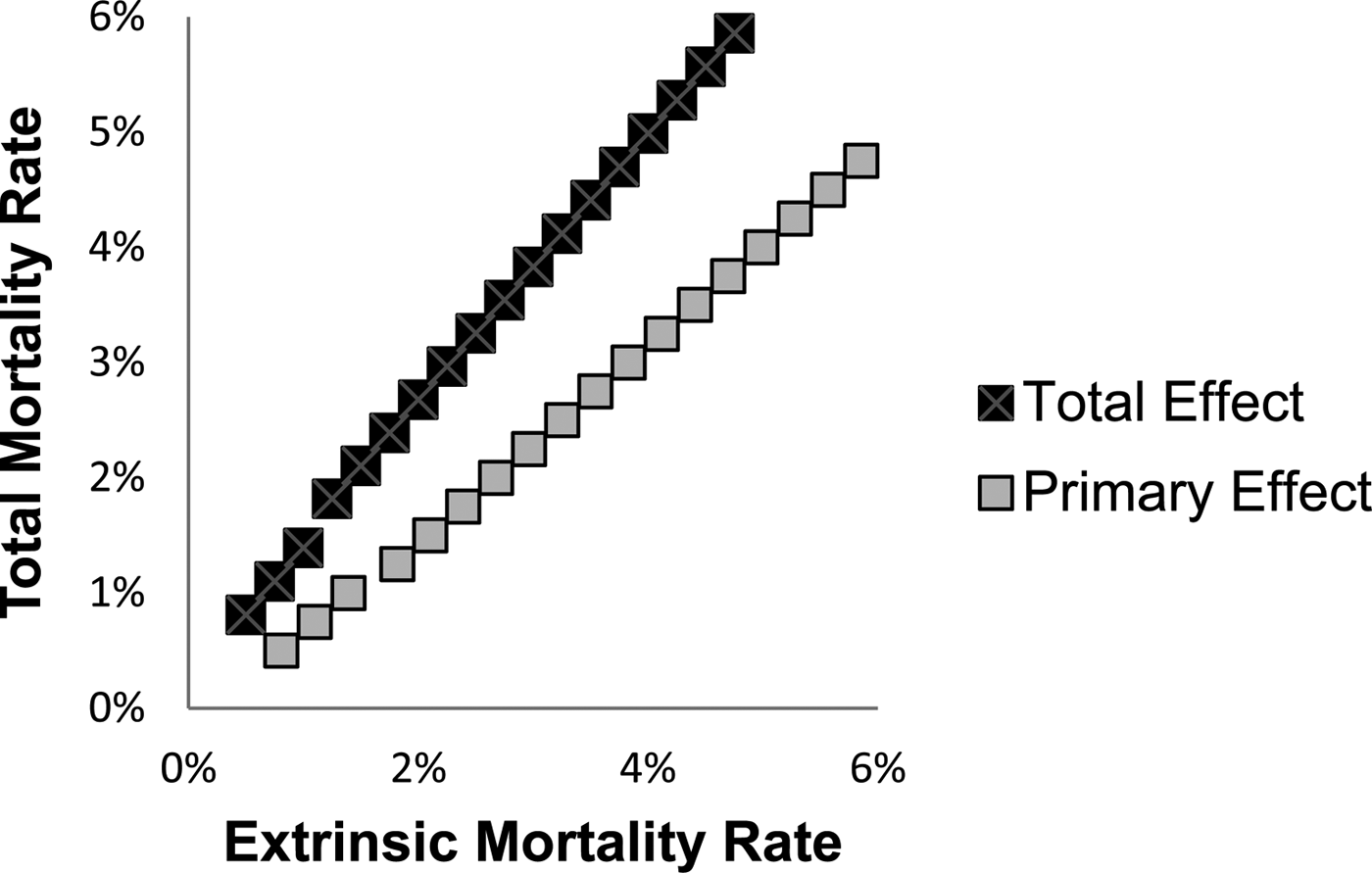
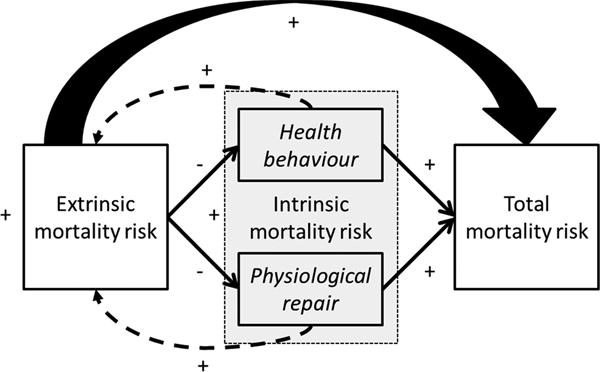



Target article
The behavioural constellation of deprivation: Causes and consequences
Related commentaries (31)
Beyond personal control: The role of developing self-control abilities in the behavioral constellation of deprivation
Both collection risk and waiting costs give rise to the behavioral constellation of deprivation
Cultural consonance, deprivation, and psychological responses for niche construction
Deprived, but not depraved: Prosocial behavior is an adaptive response to lower socioeconomic status
Developing the behavioural constellation of deprivation: Relationships, emotions, and not quite being in the present
Divergent life histories and other ecological adaptations: Examples of social-class differences in attention, cognition, and attunement to others
Epigenetic-based hormesis and age-dependent altruism: Additions to the behavioural constellation of deprivation
Evolutionary approaches to deprivation transform the ethics of policy making
From perceived control to self-control, the importance of cognitive and emotional resources
Health behaviour, extrinsic risks, and the exceptions to the rule
Intergenerational capital flows are central to fitness dynamics and adaptive evolution in humans
Interpreting risky behavior as a contextually appropriate response: Significance and policy implications beyond socioeconomic status
Intertemporal impulsivity can also arise from persistent failure of long-term plans
It's not just about the future: The present payoffs to behaviour vary in degree and kind between the rich and the poor
Loss of control is not necessary to induce behavioral consequences of deprivation: The case of religious fasting during Ramadan
Predictability or controllability: Which matters more for the BCD?
Public health interventions can increase objective and perceived control by supporting people to enact the choices they want to make
Relative state, social comparison reactions, and the behavioral constellation of deprivation
Socioeconomic status, unpredictability, and different perceptions of the same risk
Stuff goes wrong, so act now
The behavioral constellation of deprivation may be best understood as risk management
The behavioural constellation of deprivation: Compelling framework, messy reality
The elusive constellations of poverty
The link between deprivation and its behavioural constellation is confounded by genetic factors
The physiological constellation of deprivation: Immunological strategies and health outcomes
The uncontrollable nature of early learning experiences
The “appropriate” response to deprivation: Evolutionary and ethical dimensions
Toward a balanced view of stress-adapted cognition
Uncertainty about future payoffs makes impatience rational
What about the behavioral constellation of advantage?
When does deprivation motivate future-oriented thinking? The case of climate change
Author response
Strengths, altered investment, risk management, and other elaborations on the behavioural constellation of deprivation