To save content items to your account,
please confirm that you agree to abide by our usage policies.
If this is the first time you use this feature, you will be asked to authorise Cambridge Core to connect with your account.
Find out more about saving content to .
To save content items to your Kindle, first ensure no-reply@cambridge.org
is added to your Approved Personal Document E-mail List under your Personal Document Settings
on the Manage Your Content and Devices page of your Amazon account. Then enter the ‘name’ part
of your Kindle email address below.
Find out more about saving to your Kindle.
Note you can select to save to either the @free.kindle.com or @kindle.com variations.
‘@free.kindle.com’ emails are free but can only be saved to your device when it is connected to wi-fi.
‘@kindle.com’ emails can be delivered even when you are not connected to wi-fi, but note that service fees apply.
In the interwar period, many industrializing states raised labor standards, introduced worker protections, and established deliberative labor institutions. Iran stands out as a remarkable outlier in this early wave of labor policy. Despite founding membership in the International Labour Organization (ILO), Iran kept labor protections at a bare minimum and workers excluded from decision-making processes altogether. This article proposes that Iranian participation in the ILO itself helped to produce this exclusionary approach to labor. Drawing on original archival sources, I show that Iran was early on positioned within the ILO as a paradigmatic case of “Eastern” underdevelopment − a categorization that legitimated broad exemptions from international labor standards. Iran’s founder’s discount was not simply guaranteed by major powers or ILO flexibility provisions; it was actively appropriated, internalized, and reproduced by Pahlavi state elites. More broadly, the case illustrates how concessions granted during an international organization’s founding period can become durable imprints on member states, locking in practices that run counter to the organization’s own mandate.
What if change isn’t the answer but the illusion? Chapter 8 introduces the persistence perspective, which casts a critical eye over the assumption that transformation is always possible – or even desirable. Instead of celebrating change, this view foregrounds its limits: the weight of history, the grip of routine, and the subtle power of inertia. Drawing on ideas like path dependency, structural inertia, and escalating commitment, the chapter explores why many change efforts stall, fail, or serve more symbolic than substantive purposes. Change, here, is not a heroic quest – it’s often a struggle against deeply embedded forces. By spotlighting continuity, resistance, and the politics of surface-level reform, this chapter invites readers to rethink when change is truly necessary – and when persistence might be the wiser path.
Humans are essentially social creatures, motivated to seek and enjoy human contact. This property is shared with a number of non-human species, a conserved characteristic. Belonging confers essential functional advantages; for example, defence against predators. Attachment is based upon a socially directed motivational system, which provides for flexible behaviour. The chapter describes the attachment theory of Bowlby and Ainsworth, types of attachment and the notion of an internal working model. The theory derived support from imprinting in geese and Harlow’s studies on monkeys. fMRI studies reveal some of the brain bases of attachment. The chapter describes Panksepp’s brain opioid theory of social attachment. Underlying attachment, dopamine and oxytocin interact, exemplified by pair-bonding in the prairie vole. Motivation rooted in aversion is described in the cases of loneliness and social rejection. Could brain opioids help to explain why victims of domestic abuse so often return to their abuser?
Humans and other animals with a big X and a small gene-poor Y chromosome share the problem that many X-borne genes are present in two copies in females and a single copy in males. In mammals, compensation for this different gene dosage is accomplished by inactivation of one X in the somatic cells of females. Discovered by Mary Lyon in 1961, X chromosome inactivation involves the silencing of a thousand unrelated but physically linked genes on one X. It is a whole-X event, involving major cytological changes, including late DNA replication and visibly different compaction into ‘sex chromatin’. Some genes on the X (many in humans, few in mice) escape inactivation. Inactivation is a stable change, inherited by somatic cells but reversed in germ cells, and seems to be controlled from an inactivation centre that can be mapped on the X. X inactivation occurs in the embryo, silencing one or other X at random, but imprinted X inactivation of the paternally derived X occurs at early developmental stages in mice, and at all stages in marsupials. X inactivation is a spectacular example of ‘epigenetic’ silencing on a grand scale, and is intensively studied in humans and mice, and modelled in stem cells.
Rather than thinking of nature versus nurture it is better to think about interactions between genes and the environment. The Santa Barbara School of evolutionary psychology proposed that human cognition is the result of innately specified domain-specific mental modules. Babies have certain expectations of the way that the physical world operates. Infants of at least three months of age have the knowledge that objects exist independently of their ability to perceive them. Babies have preference for face-like stimuli from birth and learn the details of human faces rapidly. Young children have an understanding of the role of mental states as a cause of behaviour. This skill, known as theory of mind, becomes more sophisticated as children develop. It is measured by a number of tasks such as false belief task and the eyes test, in which participants are required to judge how people feel from looking at their eyes.
This chapter begins by noting that, while psychologists and neuroscientists have almost always studied learning in a laboratory setting, other scientists - ethologists - have mainly studied learning in more natural environments. One form of early learning, imprinting, was studied by the Austrian ethologist, Konrad Lorenz. The chapter describes his claims about this phenomenon and how researchers that were more experimentally oriented than Lorenz tested these claims and rejected many of them. The interaction between ethologists and learning theorists led to studies of how species differed in regard to constraints on what they can learn, a topic that is covered in the second half of Chapter 6. This describes research on topics such a sign- and goal-tracking, conditioning of fear reactions and the work of Garcias group on taste-aversion learning.
For some, part of the attraction of lust killing is the opportunity to pose wearing the clothes of their victims. For the two discussed here, this would seem to be a dominant paraphilia. Both men showed evidence suggesting a role of stress in their killing. Commander of the largest military base in Canada, Colonel Russell Williams would seem to be a most unlikely sexual serial killer, particularly since his victims were women under his command. Williams graduated to killing via breaking into homes and stealing pairs of underwear. He built an enormous collection of these, all carefully curated. It is possible that the drug Prednisone played a role in his aberrant trajectory. Dennis Rader appeared similarly to be a respectable family man. There were several early experiences that he recalled (e.g. seeing his mother trapped) which might have played a role in his development.
A desire for belonging is a fundamental feature of humans. Securing and maintaining a bond is rewarding, whereas abandonment, jilting and loneliness trigger strongly aversive feelings. The chapter’s emphasis is upon belonging,and the theoretical basis of understanding Jeffrey Dahmer and Dennis Nilsen is different from those in the preceding chapters. They seem to be motivated by a combination of sexual desire and an abnormally powerful desire to avoid rejection and loneliness. This led them in a perverse direction whereby the need might even be met by a zombie partner. This raises the question of whether finding early on a conventional secure and compliant attachment could have prevented their killings. There is little or no evidence to suggest that they enjoyed killing or held sadistic desires. Dahmer suffered from neglect. Nilsen seemed to imprint upon the image of his dead grandfather.
This chapter continues the theme of the last two in terms of imprinting on a particular object and event, but the two cases described are somewhat more speculative. They are paired together because of their similarity. Both killers were raised in very squalid conditions under the powerful influence of their mothers. Both were exposed to an animal carcass being strung up by their parents. Both subsequently strung up female victims in a manner comparable to the carcass, suggesting a transformation of something aversive into something attractive. Apart from killing two women, Gein dug up bodies of women,who bore some resemblance to his mother, and used body parts as fetish objects. Gein’s behaviour was not associated with dominance. Pickton was subject to harsh punishment as a boy. He was sometimes high on crack cocaine and his victims were sex workers in Vancouver, who were killed in the act of intercourse.
Assisted reproductive technology is today considered a safe and reliable medical intervention, with healthy live births a reality for many IVF and ICSI treatment cycles. However, there are increasing numbers of published reports describing epigenetic/imprinting anomalies in children born as a result of these procedures. These anomalies have been attributed to methylation errors in embryo chromatin remodelling during in vitro culture. Here we re-visit three concepts: (1) the so-called ‘in vitro toxicity’ of ‘essential amino acids’ before the maternal to zygotic transition period; (2) the effect of hyperstimulation (controlled ovarian hyperstimulation) on homocysteine in the oocyte environment and the effect on methylation in the absence of essential amino acids; and (3) the fact/postulate that during the early stages of development the embryo undergoes a ‘global’ demethylation. Methylation processes require efficient protection against oxidative stress, which jeopardizes the correct acquisition of methylation marks as well as subsequent methylation maintenance. The universal precursor of methylation [by S-adenosyl methionine (SAM)], methionine, ‘an essential amino acid’, should be present in the culture. Polyamines, regulators of methylation, require SAM and arginine for their syntheses. Cystine, another ‘semi-essential amino acid’, is the precursor of the universal protective antioxidant molecule: glutathione. It protects methylation marks against some undue DNA demethylation processes through ten-eleven translocation (TET), after formation of hydroxymethyl cytosine. Early embryos are unable to convert homocysteine to cysteine as the cystathionine β-synthase pathway is not active. In this way, cysteine is a ‘real essential amino acid’. Most IVF culture medium do not maintain methylation/epigenetic processes, even in mouse assays. Essential amino acids should be present in human IVF medium to maintain adequate epigenetic marking in preimplantation embryos. Furthermore, morphological and morphometric data need to be re-evaluated, taking into account the basic biochemical processes involved in early life.
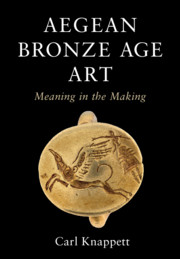
How do we interpret ancient art created before written texts? Scholars usually put ancient art into conversation with ancient texts in order to interpret its meaning. But for earlier periods without texts, such as in the Bronze Age Aegean, this method is redundant. Using cutting-edge theory from art history, archaeology, and anthropology, Carl Knappett offers a new approach to this problem by identifying distinct actions - such as modelling, combining, and imprinting - whereby meaning is scaffolded through the materials themselves. By showing how these actions work in the context of specific bodies of material, Knappett brings to life the fascinating art of Minoan Crete and surrounding areas in novel ways. With a special focus on how creativity manifests itself in these processes, he makes an argument for not just how creativity emerges through specific material engagements but also why creativity might be especially valued at particular moments.
Imprinted genes uniquely drive and support fetoplacental growth by controlling the allocation of maternal resources to the fetus and affecting the newborn’s growth. We previously showed that alterations of the placental imprinted gene expression are associated with suboptimal perinatal growth and respond to environmental stimuli including socio-economic determinants. At the same time, maternal psychosocial stress during pregnancy (MPSP) has been shown to affect fetal growth. Here, we set out to test the hypothesis that placental imprinted gene expression mediates the effects of MPSP on fetal growth in a well-characterized birth cohort, the Stress in Pregnancy (SIP) Study. We observed that mothers experiencing high MPSP deliver infants with lower birthweight (P=0.047). Among the 109 imprinted genes tested, we detected panels of placental imprinted gene expression of 23 imprinted genes associated with MPSP and 26 with birthweight. Among these genes, five imprinted genes (CPXM2, glucosidase alpha acid (GAA), GPR1, SH3 and multiple ankyrin repeat domains 2 (SHANK2) and THSD7A) were common to the two panels. In multivariate analyses, controlling for maternal age and education and gestational age at birth and infant gender, two genes, GAA and SHANK2, each showed a 22% mediation of MPSP on fetal growth. These data provide new insights into the role that imprinted genes play in translating the maternal stress message into a fetoplacental growth pattern.
A well-known feature of the great H1N1 influenza pandemic of a century ago is that the highest mortality rate was amongst young adults. The general explanation has been that they died from an over-reaction of their active immune systems. This explanation has never been very satisfactory because teenagers also have very active immune systems. Recent virological research provides a new perspective, which is important for life and health insurers. There is now strong recent scientific evidence for the principle of antigenic imprinting, where the highest antibody response is against influenza virus strains from childhood. The peak ages of 1918 pandemic mortality correspond to a cohort exposed to the H3N8 1889–1890 Russian influenza pandemic. The vulnerability of an individual depends crucially on his or her exposure to influenza during their lifetime, especially childhood. Date of birth is thus a key indicator of pandemic vulnerability. An analysis of the implications is presented, with focus on those now in their fifties, who were exposed to the H3N2 1968 Hong Kong influenza.
An experiment of a 2×2 full diallelic cross between two contemporary Iberian pig strains (Retinto: RR, and Torbiscal: TT) was conducted to estimate the crossbreeding effects for growth and carcass traits. Phenotypic records were obtained under intensive management and consisted of two different data sets. The first set comprised growth traits until weaning and was collected at two different farms (6236 and 1208 records, respectively). Specific data included individual piglet weight at birth and at weaning at 28 days and average daily gain from birth to weaning at 28 days (ADG28) for both RR and TT and their reciprocal crosses. The second set comprised growth data from birth to slaughter (~340 days and ~160 kg) and carcass traits from 349 individuals (randomly) sampled at weaning from the first dataset. Data were analyzed through a Bayesian analysis by using a reparameterization of Dickerson’s model that allowed estimation of the posterior distributions of the following crossbreeding effects: average maternal breed effect (gM), average paternal breed effect (gP) and individual heterosis (hI). Results showed that the relative magnitude of crossbreeding effects depends on the trait analyzed. Crosses where Torbiscal strain was used as mother (RT and TT) achieved the greatest performance for all growth traits at weaning, leading to remarkable gM effects. The most outstanding example is the case of ADG28 where the probability of relevance was one. In contrast, TR cross showed the greatest differences from RR cross for all growth at slaughter and carcass traits. These differences were mainly due to hI and gP crossbreeding parameters. In particular, the posterior mean of hI was more noticeable for live weight at slaughter, average daily gain at slaughter and carcass length, while gP was more relevant for hams (kg) and loins (kg) representing from 3% to10% of average performance of traits. Hence, growth traits at weaning did not reveal any notable advantage of the crossbreeding scheme because of the superiority of the Torbiscal strain with respect to its mothering ability and the small hI. However, results from growth and carcass traits at slaughter would support the implementation of a TR crossbred system. It would allow exploitation of both the gP of the Torbiscal strain and the hI between these two Iberian pig strains. Additionally, gP estimates and phenotypic differences between reciprocal crosses might suggest signs of the presence of paternal genetic imprinting in primal cuts traits.
Young workers, experimentally removed from their nest and set in front of it, are not very good at finding the nest entrance and entering the nest. I examined how young ants learn their nest entrance characteristics, dealing only with the entrance sensu stricto, not with its vicinity. I observed that young ants have the innate behavior of trying to exit and re-enter their nest. I found that they are imprinted with the nest entrance odor while they are still living inside their nest and that they learn the visual aspect of their nest entrances, thanks to operant conditioning, when they exit their nest and succeed in re-entering in the course of their first short trips outside.
Imprinting control regions (ICRs) play a fundamental role in establishing and maintaining the non-random monoallelic expression of certain genes, via common regulatory elements such as non-coding RNAs and differentially methylated regions (DMRs) of DNA. We recently surveyed DNA methylation levels within four ICRs (H19-ICR, IGF2-DMR, KvDMR, and NESPAS-ICR) in whole-blood genomic DNA from 128 monozygotic (MZ) and 128 dizygotic (DZ) human twin pairs. Our analyses revealed high individual variation and intra-domain covariation in methylation levels across CpGs and emphasized the interaction between epigenetic variation and the underlying genetic sequence in a parent-of-origin fashion. Here, we extend our analysis to conduct two genome-wide screenings of single nucleotide polymorphisms (SNPs) underlying either intra-domain covariation or parent-of-origin-dependent association with methylation status at individual CpG sites located within ICRs. Although genome-wide significance was not surpassed due to sample size limitations, the most significantly associated SNPs found through multiple-trait genome-wide association (MQFAM) included the previously described rs10732516, which is located in the vicinity of the H19-ICR. Similarly, we identified an association between rs965808 and methylation status within the NESPAS-ICR. This SNP is positioned within an intronic region of the overlapping genes GNAS and GNAS-AS1, which are imprinted genes regulated by the NESPAS-ICR. Sixteen other SNPs located in regions apart from the analyzed regions displayed suggestive association with intra-domain methylation. Additionally, we identified 13 SNPs displaying parent-of-origin association with individual methylation sites through family-based association testing. In this exploratory study, we show the value and feasibility of using alternative GWAS approaches in the study of the interaction between epigenetic state and genetic sequence within imprinting regulatory domains. Despite the relatively small sample size, we identified a number of SNPs displaying suggestive association either in a domain-wide or in a parent-of-origin fashion. Nevertheless, these associations will require future experimental validation or replication in larger and independent samples.
Early feeding experiences, e.g. related to milk feeding, can affect later food and taste preferences. However, consequences of breast-feeding on taste acceptance are under-investigated. The objective of the present study was to examine the impact of exclusive breast-feeding duration (DEB) on taste acceptance at 6 and 12 months in the same infants (n 122). Mothers recorded the DEB. Acceptance of solutions of each of the five basic tastes relative to water was evaluated in the laboratory at 6 and 12 months by the ingestion ratio (IR). Kendall correlations were calculated between the DEB and the IR. Only 16 % completed at least 6 months of exclusive breast-feeding; 79 % had begun complementary feeding by 6 months. At 6 months, infants preferred sweet, salty and umami solutions over water and were indifferent to sour and bitter solutions. The longer an infant was breast-fed, the more s/he accepted the umami solution at 6 months. At 12 months, infants preferred sweet and salty solutions over water and were indifferent to sour, bitter and umami solutions. The relationship between the DEB and acceptance of the umami solution was not observed at 12 months. No relationship was observed between the DEB and sweet, salty, sour and bitter taste acceptance at 6 or 12 months. The association between the DEB and umami taste acceptance at 6 months may relate to the higher glutamate content of human milk compared with formula milk. Beyond the acknowledged metabolic benefits of breast-feeding, this suggests that prolonged breast-feeding could also be associated with an impact on sensory preference at the beginning of complementary feeding.
To evaluate the integrity of genomic imprinting in embryos that failed to develop normally following intracytoplasmic sperm injection (ICSI), we analysed the methylation profile of H19 and KCNQ1OT1 imprinting control regions, H19DMR and KvDMR1 respectively, in high-grade blastocysts and in embryos that exhibited developmental anomalies. Significant hypomethylation of KvDMR1 was specifically observed in 5/5 atypical blastocysts graded BC, which probably reflected the vulnerability of the imprint in the inner cell mass during the methylation remodelling phase in the early embryo. In addition, KvDMR1 was hypermethylated in 2/5 CC graded atypical blastocysts and in 2/8 embryos that exhibited developmental delay. H19DMR appeared differentially methylated in all groups of embryos. DNA methyltransfersase 1 (DNMT1) expression was similar in most of the tested embryos and could not account for the abnormal methylation patterns of KvDMR1 observed.
The Darwin theory of evolution by natural selection is based on three principles: (a) variation; (b) inheritance; and (c) natural selection. Here, I take these principles as an excuse to review some topics related to the future research prospects in Animal Breeding. With respect to the first principle I describe two forms of variation different from mutation that are becoming increasingly important: variation in copy number and microRNAs. With respect to the second principle I comment on the possible relevance of non-mendelian inheritance, the so-called epigenetic effects, of which the genomic imprinting is the best characterized in domestic species. Regarding selection principle I emphasize the importance of selection for social traits and how this could contribute to both productivity and animal welfare. Finally, I analyse the impact of molecular biology in Animal Breeding, the achievements and limitations of quantitative trait locus and classical marker-assisted selection and the future of genomic selection.
Genetic (or ‘genomic’) imprinting, a feature of approximately 100 mammalian genes, results in monoallelic expression from one of the two parentally inherited chromosomes. To date, most studies have been directed on imprinted genes in murine or human models; however, there is burgeoning interest in the effects of imprinted genes in domestic livestock species. In particular, attention has focused on imprinted genes that influence foetal growth and development and that are associated with several economically important production traits in cattle, sheep and pigs. We have re-sequenced regions in 20 candidate bovine imprinted genes in order to validate single nucleotide polymorphisms (SNPs) that may influence important production traits in cattle. Putative SNPs detected via re-sequencing were subsequently re-formatted for high-throughput SNP genotyping in 185 cattle samples comprising 138 performance-tested European Bos taurus (all Limousin bulls), 29 African B. taurus and 18 Indian B. indicus samples. Analysis of the resulting genotypic data identified 117 validated SNPs. Preliminary genotype–phenotype association analyses using 83 SNPs that were polymorphic in the Limousin samples with minor allele frequencies ⩾0.05 revealed significant associations between two candidate bovine imprinted genes and a range of important beef production traits: average daily gain, average feed intake, live weight, feed conversion ratio, residual feed intake and residual gain. These genes were the Ras protein-specific guanine nucleotide releasing factor gene (RASGRF1) and the zinc finger, imprinted 2 gene (ZIM2). Despite the relatively small sample size used in these analyses, the observed associations with production traits are supported by the purported biological function of the RASGRF1 and ZIM2 gene products. These results support the hypothesis that imprinted genes contribute significantly to important complex production traits in cattle. Furthermore, these SNPs may be usefully incorporated into future marker-assisted and genomic selection breeding schemes.