To save content items to your account,
please confirm that you agree to abide by our usage policies.
If this is the first time you use this feature, you will be asked to authorise Cambridge Core to connect with your account.
Find out more about saving content to .
To save content items to your Kindle, first ensure no-reply@cambridge.org
is added to your Approved Personal Document E-mail List under your Personal Document Settings
on the Manage Your Content and Devices page of your Amazon account. Then enter the ‘name’ part
of your Kindle email address below.
Find out more about saving to your Kindle.
Note you can select to save to either the @free.kindle.com or @kindle.com variations.
‘@free.kindle.com’ emails are free but can only be saved to your device when it is connected to wi-fi.
‘@kindle.com’ emails can be delivered even when you are not connected to wi-fi, but note that service fees apply.
In Chapter 1, human well-being is defined and compared globally as inherently relational and creative, based on current research, indicating that the impact of technology is causing societal and individual stress, particularly due to social isolation.
Animal welfare investigations on farms often reveal livestock neglect that may be associated with psychological distress, reduced capacity, or other challenges affecting farmer well-being. Most animal welfare assessment tools focus on animal-based indicators, and do not typically incorporate observable human or property indicators. This study explored animal protection officers’ observations and experiences during farm animal welfare investigations to identify observable human, property, and animal indicators associated with these investigations and to develop a One Welfare-informed assessment tool to support field-based assessments. Although investigations frequently involve animals already in distress, these indicators may reflect underlying strain that contributes to worsening welfare issues if unaddressed. Focusing on farming operations in Alberta, Canada, data were collected through focus groups and interviews with animal protection officers (n = 18) and analysed using inductive thematic analysis. Six themes were identified: property and grounds disrepair; compromised human living conditions; farmer distress; animal neglect; unusual livestock management; and animal and material overaccumulation. These themes reflected interconnected human, property, and animal indicators. Findings were translated into a 60-item assessment tool of farmer behaviour, property conditions, and animal care indicators that may support early identification of risk and guide tailored interventions when education or enforcement alone are insufficient. The tool includes Levels of Concern with recommended follow-up actions and was pilot tested by two officers. Integrating human and property indicators into animal welfare assessments would offer a practical approach to identifying concerns related to farmer well-being and animal welfare.
Exposure to stress is a well-established risk factor for psychotic experiences, yet the cognitive mechanisms underlying this association remain insufficiently understood. This study examined whether longitudinal changes in cognitive biases mediate the relationship between stress exposure and changes in psychotic-like experiences (PLEs) in the general population sample of adults aged 18–40 years.
Methods
Adults without a history of psychiatric treatment were assessed at baseline and at 12-month follow-up. Change-score mediation models with bootstrap confidence intervals were estimated, adjusting for age, gender, and education.
Results
Of 5,126 adults who completed the baseline assessment, 2,290 (44.7%) participated in the follow-up. Greater stress exposure predicted increases in PLEs, negative, and depressive symptoms. After correction for multiple testing, significant indirect effects consistent with mediation by cognitive biases were observed for PLEs, but not for negative or depressive symptoms. These effects were significant for changes in belief inflexibility, safety behaviors, external attribution, and subjective cognitive and social cognitive problems, but not for attention to threat or jumping to conclusions. Reverse mediation models indicated consistently smaller indirect effects. In parallel multiple-mediator models, no individual bias showed a unique indirect effect on PLEs, yet the total indirect effect remained significant, suggesting mediation through interrelated biases. Social cognitive problems emerged as the only bias with a specific indirect effect on negative and depressive symptoms.
Conclusions
Longitudinal changes in cognitive biases might represent an indirect pathway to the association between stress exposure and increases in PLEs. These findings highlight cognitive biases as potential targets for preventive interventions.
This study uses data from 717 Church of England lay leaders collected by the online Church 2024 survey. Lay leaders were defined as churchwardens, officers of a Parochial Church Council (PCC) or leaders of church groups such as children’s, music, choir or home groups. The study assesses leader’s perceptions of stress, support, training and likelihood of finding replacements for their role. Although most lay leaders indicated low levels of stress, 34% agreed they were often stressed, 21% that they felt overwhelmed by administration and 23% that they would give up if there was someone else to do their role. The four-item Lay Leader Stress Scale assesses role-related stress levels in relation to personal, psychological, contextual and ecclesial factors. Stress was higher among those with a disposition to emotional volatility (neuroticism), Anglo-Catholics, PCC officers and those with more than one lay leadership role. It was lower among Evangelicals and those in larger congregations. Most respondents felt well supported by their clergy and congregations, but most PCC officers (especially churchwardens and secretaries) felt ill-prepared for their roles and that their church would struggle to replace them. Implications for churches in the light of the fragile church hypothesis are discussed.
Family caregivers of terminal cancer patients often experience substantial emotional burden. This study assessed depression, anxiety, stress, and coping–distress associations among caregivers in Eastern India to inform culturally sensitive interventions.
Methods
A cross-sectional survey was conducted among 100 adult caregivers of terminal cancer patients at a tertiary care hospital in Kolkata. Participants were recruited via systematic random sampling and interviewed using a structured proforma, the 21-item Depression, Anxiety and Stress Scale (DASS-21) and the Brief-COPE inventory. Descriptive statistics summarized demographics and caregiving characteristics. Spearman’s rank correlation was used to assess associations between psychological distress and coping domains, with p < 0.05 considered statistically significant.
Results
Caregivers (median age 43 years; 70% male) were predominantly the patient’s children (67%). Median DASS-21 scores indicated moderate depression (16), anxiety (14), and stress (16). Coping scores indicated low-to-moderate use of problem-focused (1.875 ± 0.321), emotional (1.871 ± 0.269), and avoidant coping (1.865 ± 0.266). Emotional coping correlated significantly with anxiety (ρ = 0.301, p = 0.002), depression (ρ = 0.317, p = 0.001), and stress (ρ = 0.293, p = 0.003). Depression also correlated with stress and problem-focused coping, while stress correlated with avoidant coping.
Significance of results
Caregivers experienced considerable psychological burden, with emotional coping consistently linked to distress. These associations likely reflect reactive adaptation rather than inherent maladaptiveness. Results highlight an urgent need to recognize caregiver distress within oncology settings and to develop culturally informed psychosocial interventions in palliative care, particularly in low-resource environments. Such efforts could enhance both caregiver well-being and quality of end-of-life care.
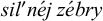
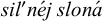
This article addresses the effect of phrasal rhythm on synthetic adjectival comparative forms in Russian that exhibit optional truncation of the final vowel, such as ${sil'n\acute{e}e}$ ˜ ${sil'n\acute{e}j}\ {slon\acute{a}}$ ‘stronger than an elephant’. In a corpus study of such comparative forms, using a generalised mixed-effects model to analyse these data, we show that phrasal rhythm affects the distribution of truncation. It is dispreferred in contexts like ${sil'n\acute{e}e\ z\acute{e}bry}$ ‘stronger than a zebra’, where it would yield two adjacent stressed syllables (${sil'n\acute{e}j\ z\acute{e}bry}$). This effect is categorical, and the study does not identify any gradient effect of distance on truncation. Stress placement in the comparative form itself also affects the distribution of -ee vs.-ej: comparative forms with stress on the suffix exhibit a lower proportion of truncation. These findings show that Russian exhibits rhythmic optimisation at the phrase level.

Prenatal maternal stress is a known risk factor for later emotional problems, yet not all exposed offspring develop psychopathology. Executive functioning and prefrontal cortex structure and activity may buffer these effects, but it remains unclear whether genetic predispositions in these domains moderate associations with adolescent internalizing symptoms.
Methods
We examined 3,111 adolescents (1,881 females, 1,230 males). Prenatal stress was measured via a cumulative index across four domains. Internalizing symptoms were self-reported at ages 14 and 16. Genetic predisposition for executive functioning was indexed using a polygenic score (PGS) derived from adult samples, applied here to estimate genetic predisposition for executive functioning in adolescence. We also estimated a prefrontal cortex PGS based on cortical thickness and activation in six prefrontal regions, with a composite index derived from the first principal axis summarizing these measures.
Results
Higher prenatal stress was significantly associated with more internalizing symptoms in adolescence. Female sex and maternal genetic risk for internalizing symptoms were also associated with higher symptom levels. Neither genetic disposition for executive functioning nor prefrontal cortex moderated this association overall. However, a weak interaction emerged at age 16, indicating that a genetic disposition for higher executive functioning was associated with greater internalizing symptoms under high stress exposure.
Conclusions
Prenatal maternal stress predicted increased adolescent internalizing symptoms, with limited evidence for moderation by genetic predisposition for executive functioning. Higher genetic potential for executive functioning may confer increased sensitivity to early stress under certain developmental conditions.
Early tooth emergence may reflect developmental stress exposures and compose part of a broader set of growth measures that may be accelerated in response to early stress exposure. We test the hypothesis that timing of primary tooth emergence is associated with stress exposure and stress biology in young children. Tooth emergence was tracked prospectively in a diverse sample of initially caries-free 1–3 year-olds; socio-economic and psychosocial determinants of oral health, oral microbiology, and salivary stress markers were assessed at baseline and at 6-monthly intervals for 2 years. The number of tooth surfaces observed at the initial assessment in caries-free children was associated with a stress-related pattern of salivary cortisol reactivity: diminished cortisol response to a laboratory stressor was strongly associated with the number of surfaces (estimate −6.51 [SE 1.90], 95% CI −10.23–−2.79, p < 0.001), after adjusting for covariates. This effect was also found in longitudinal analyses across the two-year study period. The findings provide novel evidence that a marker of stress biology is positively associated with tooth emergence in young children and may reflect additional developmental and biological influences that underlie oral health in children.
Self Herding is a behaviour-based livestock management system that allows landscape managers to alter animal behaviour, influence the distribution of animals, improve landscape use, and implement more sustainable rangelands management practices. Changing the behaviour of wild and domestic animals fundamentally redirects the continued co-evolution of ecosystems. The applied tools, techniques and tactics employed in Self Herding are integrated to provide simultaneous ecological, social and economic benefits. Using active interventions to modify behaviours initiates changes in both repetitive and operant habits of the animals. Here we describe the general principles of Self Herding, some of the basic operating methods and three scenarios where it has been used to influence the distribution of grazing animals, accelerate the repair of eroded streambeds and help to reduce stock losses due to predation from feral predators. We encourage more land stewards to explore different uses of behavioural management, including Self Herding, and encourage rangeland scientists to critically examine its efficacy in applied field conditions as an avenue for improved large-scale rangeland landscape function.
This chapter focusses on diseases and states that are linked to reduced or absent hunger. The largest part of the chapter is devoted to anorexia nervosa, and the abnormalities in hunger that occur in this disease, both as a cause (e.g., gut disorders in childhood impairing learning of interoceptive hunger) and consequence (extinction of hunger). A section on constitutional thinness follows, where a person is healthy and does not restrict food intake yet remains unusually thin. Certain chronic diseases, as well as old age, are linked to loss of hunger, and wasting. The final section explores several other sources of restriction. These include orthorexia (attempts to achieve dietary purity), meat-free diets, and the effects of stress, anxiety, and melancholic depression. The chapter ends with the most theoretically interesting topic, avoidant and restrictive feeding disorder and its related entity, paediatric feeding disorder. These conditions may reflect dysfunctional acquisition of hunger, and so provide further evidence for a learning perspective on human hunger.
Mental health outcomes, such as depression and stress, are shaped by various factors, including childhood abuse, emotional and physical awareness deficits like alexisomia and sociodemographic influences. This study aimed to investigate the mediating role of alexisomia in the relationship between childhood abuse and mental health outcomes, specifically depression and stress, among Lebanese adults. A cross-sectional study was conducted in July 2024, enrolling 1,205 participants via a snowball sampling technique from various Lebanese regions. Higher childhood abuse was significantly associated with greater alexisomia, depression and stress. Mediation analyses with adjustment for covariates (gender, smoking, socioeconomic status, etc.) revealed that alexisomia mediated the association between childhood abuse and both depression (Beta = 0.018; Boot CI: 0.002–0.034) and stress (Beta = 0.005; Boot CI: 0.001–0.009). Higher childhood abuse was significantly associated with higher alexisomia and directly associated with higher depression/stress. Higher alexisomia was significantly associated with higher depression/stress. The findings suggest the need for greater clinical focus and targeted interventions to enhance emotional and physical awareness and improve mental health outcomes, particularly for individuals with a history of trauma.
Refugees bear the highest burden of mental health issues; however, they often underuse available mental health services. Interventions aimed at those with diagnosed conditions frequently do little to prevent the onset of disorders. Problem Management Plus for Immigrants (PMP-I) is a prevention intervention adapted from the World Health Organization’s Problem Management Plus (PMP). PMP-I includes psychoeducation, problem-solving, behavioural activation, social support and networking, and mind-body exercises. This pilot randomized controlled trial (RCT) aimed to evaluate the impact of PMP-I on mental, social and emotional well-being outcomes among Bhutanese refugees resettled in Massachusetts.
Methods
Bhutanese individuals aged 18 or older who had resettled in Massachusetts and scored ≤14 on the Patient Health Questionnaire-9 (PHQ-9) were randomly assigned to two groups: PMP-I (n = 58 families) and a talk programme with a community support services pamphlet (n = 58 families). Trained community interventionists delivered five sessions of PMP-I to intervention participants in their family settings. Primary outcomes included scores on measures of stress (Cohen Perceived Stress Scale-10), and anxiety and depression (Hopkins Symptoms Checklist-25), assessed at baseline, 6-week and 3-month post-intervention. Secondary outcomes included hair cortisol, coping, coping self-efficacy, social support, social network, family conflict resolution and family satisfaction. Linear mixed-effects models were used to analyse differences in changes in outcomes between the intervention and control groups, adjusting for baseline scores on the primary outcomes, as well as age, duration of residence, marital status and history of chronic diseases.
Results
All 232 participants recruited (116 families) were retained throughout the project. The intervention group evidenced a significantly greater decrease than the control group at both 6-week and 3-month post-intervention assessments on the primary outcomes of stress, anxiety, and depressive symptom scores. Similarly, the intervention group demonstrated significantly higher scores at both the 6-week and 3-month periods after the intervention compared to the control group on measures of coping, family conflict resolution, self-efficacy, family satisfaction and social networking with large effect sizes (Cohen’s d > 0.8, p < .01). Hair cortisol concentrations did not differ significantly between the intervention and control groups at either baseline or 3-month post-intervention.
Conclusions
The PMP-I improved the mental, social and emotional well-being of Bhutanese adults (PHQ-9 score ≤ 14) resettled in Massachusetts. Peer-delivered, family-centred PMP-I offers a significant public health benefit; however, a large-scale, RCT involving diverse refugee groups is necessary to replicate its success nationwide and beyond.
Feeding motivation arises from an interaction between (i) nutrient states, (ii) incentives and associated cues, and (iii) memories of foods and associations. Eating can be excessive (e.g. binges and obesity). Anorexia describes inadequate levels of feeding. The chapter criticizes set-point models. Infusions of nutrients are relatively ineffective in terms of satiety. A distinction is drawn between (i) feeding and (ii) drinking and temperature regulation. Interacting levels of control are involved in feeding. The chapter describes the model of feeding, hunger as a memory process. Signals arising in the gut are involved in feeding motivation and satiety. The chapter revisits hedonic hotspots and hedonic coldspots. A number of key brain regions involved in the control of feeding are described: the hypothalamus, ventral tegmental area, nucleus accumbens, dorsal striatum, medial temporal lobes, and various cortical regions. Also described are the roles of ghrelin and leptin. Food aversions are described: in pregnancy sickness and taste-aversion learning. The chapter describes stress-induced eating.
Mental health conditions such as stress and anxiety are increasingly targeted by nutritional strategies that modulate neurobiological and inflammatory pathways(1,2). Milk fat globule membrane (MFGM) is a complex structure of polar lipids, gangliosides, and glycoproteins that has demonstrated anti-inflammatory, neuroprotective, and gut-modulatory effects in preclinical and human studies(3). However, its effects on adult psychological outcomes have not been systematically synthesised. We conducted a systematic literature search through to September 2025 across multiple databases, including PubMed, Scopus, Web of Science, the Cochrane Library, Google Scholar, ACS Publications, Academic Search Index, BMJ Journals, and BNP Media. The search strategy combined relevant keywords and MeSH terms, with manual reference checks to ensure comprehensiveness. Of the 35 articles initially identified, 12 underwent full-text review after screening for duplicates and relevance. Three3 randomised controlled trials (RCTs, n = 438) met the inclusion criteria: adult participants (≥20 years), bovine MFGM supplementation, a placebo or control group, and outcomes measuring stress, anxiety, or depression. Exclusion criteria included non-RCT designs, special populations, mixed or acute interventions, and studies lacking appropriate controls. The review was conducted and reported according to PRISMA guidelines. A random-effects meta-analysis was performed, calculating standardised mean differences (Hedge’s g) for stress, anxiety, and depression outcomes. Heterogeneity was evaluated with I2 and publication bias was explored with funnel plots and Egger’s test. Two trials contributed two dose arms each, yielding five comparisons for synthesis. MFGM supplementation produced small but statistically significant reductions in stress (SMD = −0.20; 95% CI −0.41 to −0.00; p = 0.0495; I2 = 0%) and anxiety (SMD = −0.22; 95% CI −0.44 to −0.01; p = 0.044; I2 = 0%). Effects on depression were non-significant though directionally favourable (SMD = −0.15; 95% CI −0.37 to 0.07; p = 0.18; I2 = 0%). Risk-of-bias assessments were conducted using Cochrane criteria and indicated low concerns across trials. Funnel plots and Egger’s tests did not indicate clear publication bias, but interpretation is limited by the small number of studies. These findings suggest that bovine MFGM supplementation may confer modest benefits for stress and anxiety in adults, while evidence for depression is inconclusive. Taken together, the results indicate that MFGM could be part of a nutritional strategy to support overall mental well-being.
Poor mental health symptoms are prevalent amongst young adults in Aotearoa New Zealand, with almost one in four aged 15-24 experiencing high levels of psychological distress in 2023/24(1). There is growing evidence for the link between diet quality and positive mental health outcomes in both observational and intervention contexts(2). However, understanding the holistic and complex determinants of dietary behaviours for wellbeing in young adults with poor mental health has largely been neglected from nutrition research, limiting the development of practical solutions. The ‘Food and Mood’ project aims to explore the determinants of dietary behaviours that support wellbeing in young adults experiencing symptoms of anxiety, depression, and/or stress in Aotearoa New Zealand. A 48-item mixed-methods survey was designed for this project, utilising the COM-B (capability, opportunity, motivation and behaviour) model and the Theoretical Domains Framework (TDF) to inform the survey structure. Young adults aged 18-30y experiencing at least mild symptoms of anxiety, depression, and/or stress according to the DASS-21 were recruited across Aotearoa New Zealand to take part in the cross sectional, anonymous study. Participants were recruited through university channels, community mental health organisations, social media advertising, and flyers. Open-ended questions were analysed through inductive thematic analysis, and Likert scale questions were descriptively analysed. Participants (n=131) were predominantly female (84%) and had a mean age of 23.2 + 4.1 years. Majority of the participants identified as NZ European (76%), with smaller proportions identifying as Māori (14.2%), Chinese (6.3%), Indian (4.7%), and Samoan (2%). Participants demonstrated a high level of psychological capability, where 92% of participants considered it “very” important to eat a diet that supports wellbeing, and 70% agreed that limiting highly processed foods is important for wellbeing. These findings are supported by the key theme of ‘nourishment’ identified in the thematic analysis, where participants highlighted that consuming nourishing foods can support physical wellbeing, which in turn positively influences mental and social health. Although 71% of participants indicated willingness to change their diet if they knew it would improve their mental wellbeing, almost half (48%) reported that they do not have adequate physical capability (e.g., skills and resources) to make these dietary changes. The majority of participants (90%) expressed that their mood influenced the way they eat, where 48% strongly agreed that it is more challenging to eat for wellbeing when mental health is worse. These results are supported by the qualitative theme of ‘emotional barriers’, with participants illustrating that negative emotions such as stress and depression inhibit their ability to engage in behaviours that enhance wellbeing. In conclusion, greater psychological capability appears to support young adults in eating for wellbeing. Poor mental health inhibits automatic motivation, suggesting that nutrition interventions should prioritise addressing emotional barriers to behaviour change.
To explore the stress experienced by nurses while addressing the needs of families during palliative and end-of-life care for children and young adults.
Methods
A meta-synthesis was conducted. Six online databases (PubMed, Medline, EMBASE, Cochrane Library, CINAHL, and Airiti) from 2014 to September 15, 2025 were searched.
Results
Of the 1,841 citations identified, 34 qualitative studies and 12 case reports were included. All included studies had adequate to strong methodological quality. Three themes emerged from the qualitative findings: (1) never seem to feel fully prepared; (2) sense of unfairness in conflicts of values; and (3) sheathing against traumatic bond attachment.
Significance of results
Nurses experience various stresses throughout the nursing process, which evoke avoidance responses. Supporting nurses is as crucial as providing family-centered palliative care to ensure a sustainable healthcare workforce. These findings demonstrate the importance of understanding how nurses perceive their stress in relation to provision of pediatric palliative care to help develop personal and team resilience.
We contribute to research addressing links between forest restoration and human well-being with an experimental study testing how exposure to a restored forest and birdsong impact mental stress, positive and negative experiences and perceived restorativeness. This study engaged 106 campus participants at North Carolina State University in a 2 × 2 experiment to assess the impacts of soundscapes (i.e., traffic noise versus birdsong) and a restored riparian forest (compared to proximate grey space). Soundscape and location were drivers of all well-being metrics (p < 0.001 for main effects in every case, with effect sizes ranging from η2 = 0.05 to 0.34). The restored forest with birdsong combination elicited the lowest stress, lowest negative experiences, highest positive experiences and highest perceived restorativeness (p < 0.05). The grey space with traffic noise combination was always the least beneficial (p < 0.05), and mixed treatments yielded intermediate results. These results build evidence that exposure to restored forest reduces stress, increases well-being and assists with perceived restorativeness; they also suggest that birdsong soundscapes have additive beneficial effects. These findings support the value of ecological restoration in urban areas, particularly when landscape restoration is accompanied by restoration of bird communities.
Advances in cardiology and cardiac surgery have significantly improved survival rates among children with CHD, but these gains come with the need for long-term care that heavily involves parents. Understanding their life situation is essential for delivering effective family-centred and holistic healthcare. The study aimed to assess the life situation of parents of children with CHD in relation to sociodemographic factors and to explore their sources of support, emotional experiences, and the role of spirituality in coping.
Materials and method:
A web-based cross-sectional survey was conducted among 117 parents of children with CHD in the Slovak Republic. Data was collected between December 2024 and January 2025 using the standardised questionnaire Life Situation of Caregivers/Parents of Children with CHD and/or Other Cardiac Diseases.
Results:
Multivariable linear regression analysis revealed that lower parental education and a history of cardiac surgeries in the child were associated with lower scores on the life situation scale. Conversely, a higher number of previous hospitalisations was linked to higher scores (p < 0.05). The most reported emotions related to the child’s illness were fear (94.87%), sadness (67.52%), and anger (38.46%). Family members were identified as the primary source of support.
Conclusions:
These results highlight the need to identify parents at heightened psychosocial risk, particularly those with lower education and those whose children have undergone cardiac surgeries. In clinical practice, family support should be supplemented with structured psychological interventions as part of comprehensive care for families of children with CHD.
Sub-threshold depression (SD) affects around 11% of adolescents and can be as impairing as conditions reaching the full diagnostic criteria of Major Depressive Disorder (MDD). However, limited research has been conducted on how affective disturbances manifest in SD during adolescence, a period of affective vulnerability. We compared three groups of adolescents along the spectrum of depression on their positive affective (PA) and negative affective (NA) levels and dynamics, including variability, inertia, and reactivity to event-related stress and pleasure in daily life.
Method
One hundred and ninety eight adolescents (age 12–18), grouped by psychiatric diagnosis (MDD = 66; SD = 35; healthy controls, HC = 88), completed a 14-day experience sampling on their smartphone, clinical ratings, and questionnaires. They were recruited from multiple sources, including an epidemiologic study and specialist clinics.
Results
The level of NA was the highest in MDD, followed by SD and HC; vice versa for PA. MDD and SD displayed greater NA variability than HC. NA inertia was greater in MDD than SD and HC. NA reactivity (to event-related pleasure and stress) and PA reactivity (to event-related pleasure) were greater in MDD and SD than HC. SD showed greater PA reactivity to event-related stress than MDD.
Conclusions
Adolescents with SD were as reactive and expansive in their NA experience as the MDD group, but they did not stay in that negative state for as long. The SD group was more reactive than HC to event-related pleasure and stress, suggesting heightened sensitivity. Clinical implications of emotional sensitivity and flexibility on early intervention for depression are discussed.
This study investigates the dynamic, time-varying associations between multiple socio-ecological stressors and internalizing symptoms among Mexican-origin youth from low-income immigrant families. Grounded in a socioecological framework and employing time-varying effect modeling (TVEM), we examine how stressors at the interpersonal, family, and neighborhood levels differentially influence anxiety and depressive symptoms across early adolescence (ages 11–13), middle adolescence (ages 14–17), and late adolescence/emerging adulthood (ages 18–20). Participants included 604 Mexican-origin adolescents (54% female) from low-income immigrant families, assessed across three waves spanning nine years. Five distinct stressors were identified: discrimination, foreigner stress, economic stress, language brokering stress, and neighborhood violence/non-safety. Results from TVEM analyses revealed that the impact of discrimination on internalizing symptoms was more pronounced during early and middle adolescence, while foreigner stress became increasingly more pronounced in late adolescence/emerging adulthood. Economic hardship and language brokering stress consistently predicted internalizing symptoms across all developmental periods, whereas neighborhood violence/non-safety exerted the greatest influence during early adolescence. These findings underscore the importance of considering how stressor type and developmental timing intersect to shape mental health outcomes. Moreover, the results suggest that identifying sensitive windows for specific socio-ecological stressors can inform the optimal timing of tailored, developmentally sensitive interventions to mitigate their adverse effects.